
Embarking on a journey to witness rare primates in their natural habitat is a life-changing experience. Many travelers dream of mountain gorilla trekking, a profound encounter that brings you face-to-face with these gentle giants deep within lush, misty forests.
Whether you choose the dense canopy of Bwindi Impenetrable National Park or the volcanic slopes of the Virunga range, this adventure promises memories that last a lifetime. Planning your gorilla trekking in uganda and rwanda requires careful preparation to ensure a smooth and respectful visit.
This guide provides essential insights into securing permits, understanding seasonal weather patterns, and selecting the best routes. We will also cover safety protocols and itinerary tips to help you navigate these spectacular destinations with confidence and ease.
Key Takeaways
- Discover the top national parks for primate encounters.
- Learn how to secure your essential trekking permits early.
- Understand the best seasons for optimal forest visibility.
- Follow expert safety tips for a respectful wildlife visit.
- Master the logistics of planning your dream African safari.
Why Gorilla Trekking in Uganda and Rwanda Belongs on Your Adventure List
Embarking on a journey to see mountain gorillas is a transformative experience that stands apart from any other wildlife encounter. Unlike traditional safaris where you view animals from the safety of a vehicle, this adventure places you directly into the heart of the forest. You are not just an observer; you become a temporary guest in the home of these majestic primates.
What makes mountain gorilla encounters so rare and meaningful
The rarity of mountain gorilla trekking lies in the intimate nature of the meeting. Because these animals share so much of our DNA, the connection you feel when locking eyes with a silverback is profound and deeply moving. It is a quiet, respectful interaction that reminds us of our shared place in the natural world.
“To look into the eyes of a gorilla is to see a reflection of our own soul, reminding us that we are merely one part of a vast, interconnected web of life.”
How Uganda and Rwanda protect gorilla habitats and communities
Conservation is the backbone of gorilla trekking in uganda and rwanda. Both nations have implemented rigorous protection programs that ensure the survival of these endangered creatures. By strictly regulating the number of visitors and employing dedicated rangers, they keep the forest environment pristine.
Tourism revenue also plays a vital role in local development. These programs provide essential funding for schools, clinics, and infrastructure in surrounding villages. When you choose to trek, you are directly supporting the people who act as the primary guardians of the gorillas.
Which travelers will enjoy the physical and cultural demands of the trek
This adventure is perfect for those who crave more than a passive vacation. You should be prepared for the following realities:
- Physical Stamina: The terrain is often steep, muddy, and unpredictable, requiring a good level of fitness.
- Cultural Sensitivity: Respecting local customs and following the guidance of your rangers is essential for a successful trip.
- Patience: Finding a gorilla family in the dense jungle takes time, but the reward is worth every step of the hike.
If you value authentic wildlife experiences and are willing to put in the effort, this journey will undoubtedly be the highlight of your travel life. It is a rare opportunity to witness nature in its most raw and beautiful form.
Gorilla Trekking in Uganda and Rwanda: Key Differences
Deciding between gorilla trekking in uganda and rwanda is a wonderful challenge for any traveler. While both nations offer the chance to see mountain gorillas in their natural habitat, the logistical flow and environmental feel of each country differ significantly.
Uganda’s Bwindi Impenetrable National Park and Mgahinga Gorilla National Park
Uganda is often favored by travelers looking for a more rugged, immersive forest experience. The country boasts two primary locations for these encounters, each offering a unique perspective on the wild.
Gorilla trekking sectors in Bwindi
Bwindi Impenetrable National Park is a massive, ancient forest divided into four distinct sectors. Each area provides a slightly different trekking atmosphere:
- Buhoma: Known for being the most accessible and having a long history of habituation.
- Ruhija: Offers high-altitude views and is often less crowded than other sectors.
- Rushaga: Home to the highest number of habituated gorilla families.
- Nkuringo: Famous for its challenging, steep terrain and breathtaking vistas.
What makes Mgahinga different from Bwindi
Mgahinga Gorilla National Park offers a more intimate experience compared to the vastness of Bwindi. Because it is smaller and features fewer habituated groups, the trekking feels more exclusive. The park is also part of the Virunga Mountains, providing a dramatic volcanic backdrop that differs from the dense, tangled canopy of Bwindi.
Rwanda’s Volcanoes National Park and its easier access from Kigali
Rwanda gorilla trekking is renowned for its efficiency and accessibility. Most travelers land in Kigali and reach Volcanoes National Park in just a few hours by car. This makes it an ideal choice for those with limited time who want a seamless, high-end experience.
Comparing scenery, trek difficulty, group size, and traveler experience
To help you decide, consider how these factors align with your personal travel goals and physical comfort levels.
| Feature | Uganda | Rwanda |
|---|---|---|
| Scenery | Dense, ancient rainforest | Volcanic mountain slopes |
| Difficulty | Can be very strenuous | Generally more accessible |
| Group Size | Strictly 8 per group | Strictly 8 per group |
| Access | Longer drives from Entebbe | Short drive from Kigali |
How to choose between Uganda and Rwanda for your trip
Choosing the right destination depends on your priorities. If you prefer flexibility and want to combine your trek with a broader safari, Uganda gorilla trekking is an excellent choice. The country offers diverse landscapes, from savannahs to lakes, allowing for a comprehensive adventure.
Conversely, if you value convenience and a shorter travel itinerary, Rwanda is hard to beat. The infrastructure is highly developed, and the proximity of the park to the capital city minimizes travel fatigue. Ultimately, both countries provide a life-changing encounter that stays with you long after you return home.
Gorilla Permits, Tour Costs, and Booking Rules
Understanding the costs and booking procedures is the most important step in turning your dream of gorilla trekking in Uganda and Rwanda into reality. These permits are strictly regulated to ensure the safety of the animals and the sustainability of the environment.
What a gorilla trekking permit includes
A standard permit is your official authorization to enter the forest and spend time with a habituated gorilla family. It covers your park entrance fees, the services of expert trackers and armed rangers, and the regulated one-hour encounter with the gorillas.
Without this document, you cannot participate in the trek. It is essential to keep your permit safe and accessible throughout your journey.
Current permit pricing in Uganda and Rwanda
The gorilla permit cost varies significantly between the two countries. Rwanda gorilla trekking is generally positioned as a premium experience, while Uganda gorilla trekking offers a slightly more accessible price point for many international travelers.
Additional costs for Uganda’s gorilla habituation experience
For those seeking a deeper connection, Uganda offers a unique gorilla habituation experience. This allows you to spend up to four hours with a semi-habituated group, though it comes at a higher price than a standard permit.
Why permit prices can change
Conservation authorities periodically adjust fees to support ongoing protection efforts and community development projects. It is wise to check the latest official rates before finalizing your travel budget, as these changes can happen with little notice.
When to reserve permits for peak and low seasons
Because demand is high, you should book your permits at least six to nine months in advance. This is especially critical during the peak dry seasons when availability is extremely limited.
Booking through national park authorities, licensed operators, or lodges
You can secure your permits directly through the Uganda Wildlife Authority or the Rwanda Development Board. However, most travelers prefer working with licensed tour operators who handle the entire booking process, including logistics and accommodation.
Budgeting for transportation, lodging, meals, tips, visas, and travel insurance
Beyond the permit, remember to budget for your total trip expenses. This includes international flights, local road transfers, comfortable lodging, daily meals, and essential travel insurance that covers adventure activities.
| Service Category | Uganda Average Cost | Rwanda Average Cost |
|---|---|---|
| Standard Trek Permit | $800 USD | $1,500 USD |
| Habituation Permit | $1,500 USD | N/A |
| Mid-range Lodging (per night) | $150 – $300 | $200 – $400 |
| Daily Transport/Guide | $100 – $200 | $150 – $250 |
Best Seasons, Weather, and Trekking Conditions
Understanding the seasonal shifts in East Africa is essential for a successful gorilla trekking adventure. While the region remains lush and green year-round, the weather significantly influences trail conditions and your overall comfort. Planning your gorilla trekking in uganda and rwanda requires a balance between your personal preferences and the natural cycles of the rainforest.
What to expect during Uganda and Rwanda’s dry seasons
The gorilla trekking dry season typically spans from June to August and again from December to February. During these months, you will encounter less rainfall, which makes the forest trails much easier to navigate. Clearer skies often provide better visibility for photography and a more pleasant hiking experience.
Because these months are popular, demand for permits is extremely high. You should aim to book your spot at least six to twelve months in advance to secure your preferred dates. Many travelers find that the drier weather is worth the extra planning effort.
Advantages and challenges of trekking during the rainy seasons
The rainy seasons occur roughly from March to May and October to November. While you might face more frequent downpours, these months offer unique benefits for budget-conscious travelers. Lodges often provide discounted rates, and permit availability is generally much higher than during the peak months.
Trekking during the wet season requires a bit more grit. You will likely encounter muddy paths and slippery slopes, which can make the hike more physically demanding. However, the forest is incredibly vibrant and lush during this time, offering a truly immersive experience for those who do not mind getting a little wet.
How altitude, mud, heat, and changing weather affect the hike
Regardless of the season, the high altitude of the mountain forests means that weather can change in an instant. You might start your morning in bright sunshine only to face a sudden mist or light shower by midday. The terrain is often steep and uneven, which becomes more challenging when the ground is saturated with water.
Heat is rarely an issue due to the high elevation, but the humidity can be intense. Proper gear, including sturdy waterproof boots and moisture-wicking layers, is vital for maintaining your comfort. Always prepare for the possibility of rain, even if you are traveling during a traditionally dry period.
Choosing travel dates based on budget, availability, and hiking comfort
Deciding on the best time for gorilla trekking ultimately comes down to your personal priorities. If you prefer easier hiking conditions and are willing to pay peak prices, the dry season is your best choice. If you are looking for better value and fewer crowds, the shoulder or rainy seasons might be perfect for you.
Consider your physical fitness level when selecting your dates. If you are concerned about difficult terrain, prioritize the drier months to minimize the risk of slipping on muddy trails. By aligning your travel dates with your specific needs, you ensure a memorable and rewarding encounter with the mountain gorillas.
Choosing Gorilla Trekking Destinations and Routes
Selecting the right sector for your adventure is a vital step in organizing your gorilla trekking in Uganda and Rwanda experience. Each location offers a distinct atmosphere, varying levels of hiking difficulty, and unique logistical requirements that can shape your entire trip.
Understanding Bwindi’s Buhoma, Ruhija, Rushaga, and Nkuringo sectors
Bwindi Impenetrable National Park is divided into four distinct sectors, each providing a different entry point into the forest. Buhoma is often favored for its established infrastructure and variety of luxury lodges, while Ruhija is known for its higher altitude and excellent bird-watching opportunities.
Rushaga and Nkuringo are located in the southern part of the park. These sectors are popular for their stunning views of the Virunga volcanoes and offer some of the most challenging yet rewarding terrain for active hikers.
Comparing Mgahinga’s trails and smaller gorilla population
Mgahinga Gorilla National Park offers a more intimate experience compared to its larger neighbor. While it hosts a smaller gorilla population, the park is famous for its dramatic volcanic scenery and well-maintained trails.
The trekking here is often considered more open, as the vegetation is less dense than in other areas. It is a fantastic choice for travelers who prefer a quieter atmosphere and a sense of solitude during their trek.
What to know about Volcanoes National Park’s trailheads and gorilla groups
Volcanoes National Park in Rwanda is highly accessible, with trailheads located just a short drive from the main town of Musanze. The park is home to several habituated gorilla groups, each assigned to specific trailheads based on their daily movements.
Because the park is smaller and more compact, the logistics are often simpler for international visitors. You will find that the proximity of the lodges to the park entrance makes for a very efficient morning routine.
How guides assign gorilla groups and determine trekking distance
Rangers and guides play a crucial role in your daily experience. They assign gorilla groups based on your physical fitness level, the current location of the families, and the total number of visitors for that day.
While you can express a preference for a specific group, the final decision rests with the park authorities. This ensures that the gorillas are not overwhelmed and that every guest has a safe, high-quality encounter.
Combining gorilla trekking with golden monkey tracking and forest walks
Many travelers choose to extend their stay by adding secondary activities to their itinerary. You can easily combine your gorilla trek with golden monkey tracking or guided forest walks to see rare primates and exotic flora.
| Park/Sector | Terrain Type | Difficulty Level | Key Feature |
|---|---|---|---|
| Bwindi (Buhoma) | Moderate Forest | Medium | Luxury Lodging |
| Bwindi (Rushaga) | Steep Ridges | High | Scenic Views |
| Mgahinga | Volcanic Slopes | Medium-High | Solitude |
| Volcanoes | Bamboo Forest | Medium | Easy Access |
How to Prepare Physically and Pack for the Trek
Your adventure in the dense forests of Africa starts long before you arrive at the park gates. Engaging in proper gorilla trekking fitness routines ensures you can fully enjoy the experience without feeling overwhelmed by the terrain. By focusing on your stamina and gear, you turn a challenging hike into a rewarding memory.
Building hiking fitness before traveling
Training for steep climbs, uneven trails, and several hours on foot
The terrain in Bwindi or Volcanoes National Park is often steep and slippery. You should start a cardio program at least three months before your trip, focusing on stair climbing and incline walking. Consistency is key to building the leg strength required for navigating uneven forest floors.
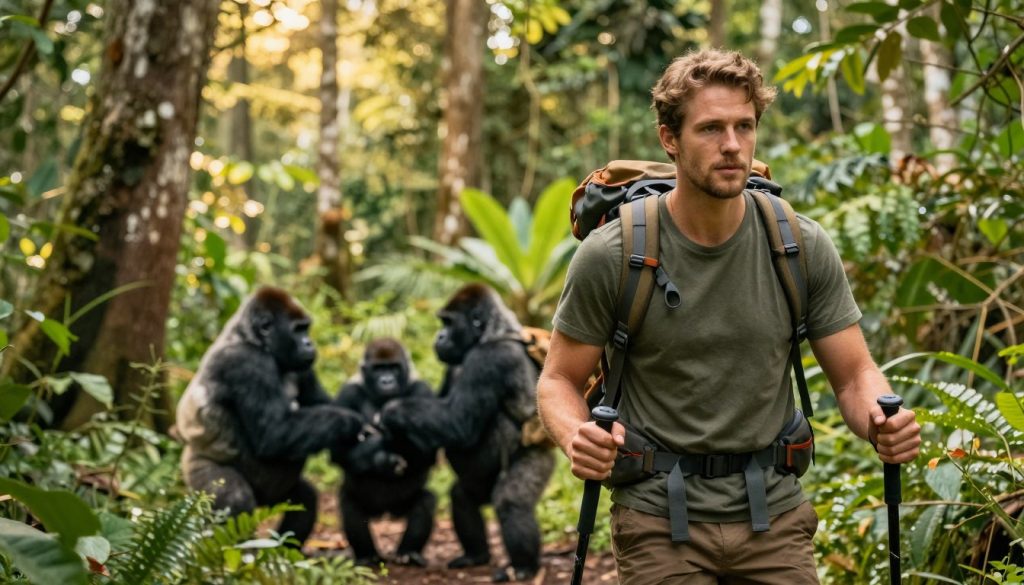
Practicing with a daypack and trekking poles
Do not wait until you arrive to test your gear. Practice walking on local trails while wearing your hiking boots and carrying a weighted daypack. Using trekking poles during these practice sessions will help you master balance and reduce strain on your knees.
Essential clothing and equipment for wet forest conditions
Waterproof hiking boots, gaiters, rain protection, and layered clothing
A comprehensive gorilla trekking packing list is vital for comfort in the humid, high-altitude environment. You must prioritize waterproof gear, as rain is common even during the dry season. Layering your clothes allows you to adjust quickly as your body temperature changes during the climb.
Gloves, insect repellent, sunscreen, water, snacks, and camera gear
Protect your hands with sturdy gardening or hiking gloves, which help when grabbing onto branches or vines. Always carry at least two liters of water and high-energy snacks to maintain your stamina. Below is a quick reference for your essential gear:
| Category | Essential Item | Why It Matters |
|---|---|---|
| Footwear | Waterproof Boots | Prevents blisters and keeps feet dry |
| Protection | Gaiters | Keeps mud and insects out of boots |
| Clothing | Light Layers | Adapts to changing forest temperatures |
| Support | Trekking Poles | Provides stability on steep slopes |
Health preparation, vaccinations, medications, and altitude awareness
Consult with a travel clinic at least two months before your departure to discuss necessary vaccinations. Many travelers find these gorilla trekking tips helpful: stay hydrated, monitor your energy levels, and be aware of the effects of high altitude. Always carry a small personal first-aid kit with basic medications for aches or stomach issues.
“Preparation is the secret ingredient to turning a difficult trek into a journey of a lifetime.”
— Experienced Trekking Guide
When to hire a porter and how porters support local communities
Hiring a porter is one of the most impactful gorilla trekking in uganda and rwanda decisions you can make. These local experts carry your heavy gear, allowing you to focus on the hike and your surroundings. By hiring a porter, you provide direct financial support to local families, which encourages the long-term conservation of the gorillas.
Whether you are visiting for the first time or returning, following a solid gorilla trekking packing list will keep you prepared. Remember that gorilla trekking in uganda and rwanda is a physical endeavor, so prioritize your health and comfort. These simple gorilla trekking tips will ensure your focus remains on the incredible wildlife encounter ahead.
What Happens on a Gorilla Trekking Day
Embarking on a journey to meet mountain gorillas is a life-changing event that requires careful preparation and anticipation. Your day begins long before you step into the dense forest, as the early morning hours are dedicated to safety and logistical coordination.
Arrival at the park headquarters and morning briefing
You will arrive at the park headquarters early in the morning to register and meet your fellow trekkers. Park officials provide a comprehensive briefing covering the terrain, the specific gorilla family you will visit, and the essential gorilla trekking rules that ensure a safe experience for everyone.
Meeting guides, trackers, rangers, and porters
Your team consists of highly trained professionals who know the forest intimately. Expert trackers head out early to locate the gorillas, while your lead guide coordinates the hike. You may also choose to hire a local porter, which provides vital support to the community and makes your trek significantly more comfortable.
Hiking through dense forest in search of the assigned gorilla group
The hike can be challenging, as you navigate through thick vegetation and uneven terrain. While the duration varies based on the location of the gorillas, the journey through the lush landscape is a highlight of gorilla trekking in uganda and rwanda. Your guides will clear paths and share fascinating insights about the forest ecosystem along the way.
Gorilla viewing rules and the one-hour encounter
Once you reach the gorillas, you are granted exactly one hour to observe them in their natural habitat. This time is precious, allowing you to witness their complex social behaviors and interactions up close.
Keeping a safe distance and following ranger instructions
Maintaining a distance of at least seven meters is mandatory to protect the health of the primates. Always listen to your ranger, as they provide real-time guidance on how to position yourself safely without disturbing the family.
Using cameras responsibly without flash or disruptive movement
Photography is encouraged, but you must turn off your camera flash to avoid startling the animals. Move slowly and stay quiet to ensure the gorillas remain calm and comfortable in your presence.
Returning from the forest and receiving your trekking certificate
After your hour concludes, you will begin the trek back to the starting point. Upon your return, you will receive a certificate of completion, which serves as a proud memento of your adventure. If you opt for a gorilla habituation experience, you will spend significantly more time with the researchers, providing a deeper look into how these gentle giants are introduced to human presence.
How the experience can differ from the planned itinerary
Nature is unpredictable, and the behavior of the gorillas or changing weather conditions may alter your day. Flexibility is key, as your guides prioritize your safety and the well-being of the wildlife above all else.
| Activity Type | Duration | Primary Focus |
|---|---|---|
| Standard Trek | 1 Hour | Observation and Photography |
| Habituation Experience | 4 Hours | Research and Training |
| Forest Hike | Variable | Tracking and Navigation |
Responsible Wildlife Etiquette and Personal Safety
Responsible gorilla tourism is the cornerstone of a successful and ethical adventure in East Africa. When you step into the habitat of mountain gorillas, your behavior directly impacts their long-term survival and well-being. Following established guidelines ensures that these endangered creatures remain wild and healthy for future generations.
Health rules that protect both travelers and gorillas
Mountain gorillas share a significant amount of their DNA with humans, making them highly susceptible to our illnesses. Even a common cold can be devastating to a gorilla family that lacks immunity to human pathogens. To mitigate this risk, strict health protocols are enforced during every encounter.
- Always cover your mouth and nose if you need to cough or sneeze.
- Avoid visiting the gorillas if you show any signs of contagious illness.
- Do not leave any trash or food waste in the forest, as this can attract animals or introduce bacteria.
What to do if you are sick before the trek
If you feel unwell on the morning of your hike, it is vital to be honest with your guide. While it may be disappointing to miss your scheduled encounter, notifying the park staff is the most responsible choice you can make. Many operators will work with you to reschedule your permit or provide a refund if you provide sufficient notice regarding your health status.
Maintaining distance, minimizing noise, and avoiding direct contact
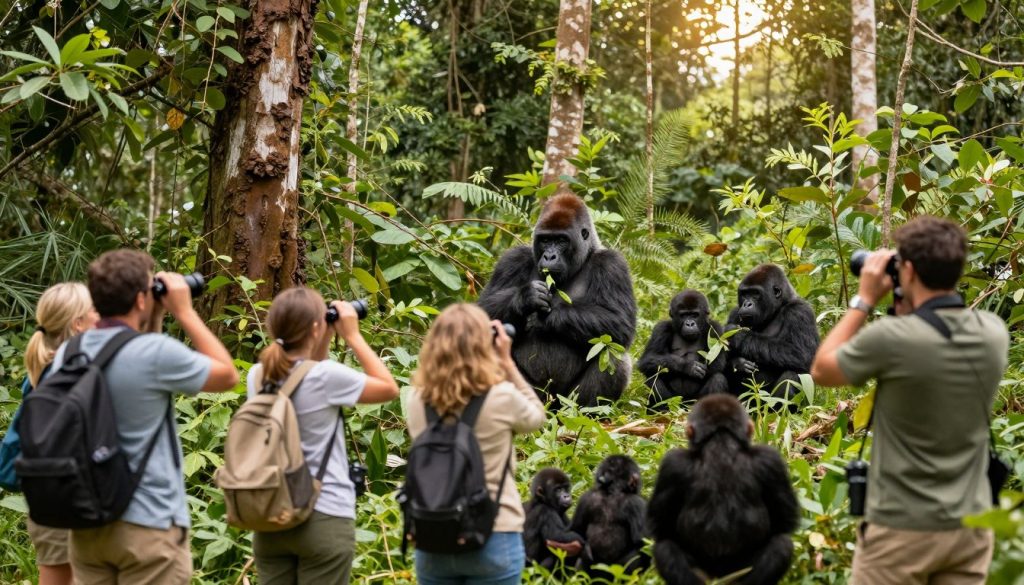
Adhering to specific gorilla trekking rules is essential for maintaining the natural behavior of the primates. You must keep a distance of at least seven meters from the gorillas at all times. This buffer zone prevents stress and accidental physical contact, which is strictly prohibited.
Keep your voice at a low whisper throughout the viewing hour. Sudden movements or loud noises can startle the group, potentially causing them to retreat or react defensively. By staying calm and quiet, you allow the gorillas to go about their daily routines undisturbed.
Respecting local communities, guides, rangers, and cultural customs
Your experience is made possible by the dedicated rangers and local communities who protect these forests. Always treat your guides and porters with respect and kindness. Engaging with local customs and showing appreciation for their hard work fosters a positive relationship between visitors and the people who call these regions home.
Staying safe around wildlife, slippery terrain, and remote forest conditions
The forest environment is beautiful but presents unique physical challenges. The terrain is often steep, muddy, and uneven, requiring careful footing. Following your guide’s instructions is the best way to navigate these trails safely while enjoying your gorilla trekking in Uganda and Rwanda.
Be mindful of your surroundings, including stinging plants, insects, and other wildlife. Staying close to your group and listening to your lead ranger will help you avoid unnecessary risks. These essential gorilla trekking tips are designed to keep you safe while you explore the dense, wild landscape.
Choosing ethical operators that support conservation and community development
When planning your trip, prioritize companies that demonstrate a commitment to sustainable practices. Ethical operators contribute directly to the local economy and fund vital conservation projects. By choosing a reputable provider, you ensure that your investment supports the long-term protection of the gorillas and their habitat.
Always verify that your tour provider follows the official gorilla trekking rules set by the national park authorities. A commitment to transparency and community support is a hallmark of a high-quality travel experience. Making informed choices helps ensure that gorilla trekking in Uganda and Rwanda remains a force for good in the world.
Building a Uganda and Rwanda Gorilla Trekking Itinerary
Designing a custom gorilla trekking itinerary involves balancing travel logistics with your personal adventure goals. Whether you are planning a short getaway or an extended expedition, the key is to account for the unique geography of East Africa.
Reaching Rwanda’s Volcanoes National Park from Kigali
Rwanda offers one of the most accessible experiences for international travelers. Upon landing at Kigali International Airport, you are only a 2.5 to 3-hour drive away from the lush slopes of Volcanoes National Park.
This short transit time makes a Rwanda safari ideal for those with limited vacation days. Many travelers choose to spend their first night in Kigali to enjoy the city’s vibrant culture before heading into the mountains.
Traveling to Bwindi and Mgahinga from Entebbe, Kampala, or Kigali
Reaching Uganda’s parks requires more time but offers a deeper immersion into the countryside. You can fly into Entebbe and take a domestic flight to a nearby airstrip, or opt for a scenic 8 to 10-hour drive from Kampala.
Alternatively, crossing the border from Rwanda into Uganda is a popular choice for those wanting to combine both countries. This route significantly reduces driving time compared to starting from Entebbe.
How many nights to spend near the trekking park
We recommend spending at least two nights near your chosen park. This buffer ensures you are well-rested and prepared for the early morning briefing.
Staying an extra night also provides a safety net in case of flight delays or road closures. It allows you to settle into the high-altitude environment before your trek begins.
Sample itinerary combinations for Uganda, Rwanda, or both countries
Combining destinations allows you to see the best of the region. Here are a few ways to structure your trip:
Adding Queen Elizabeth National Park and chimpanzee tracking
A classic Uganda safari often includes a visit to Queen Elizabeth National Park. You can track chimpanzees in the Kyambura Gorge and enjoy boat cruises on the Kazinga Channel before heading to Bwindi for your gorilla encounter.
Adding Akagera National Park and Rwanda’s cultural attractions
If you prefer a Rwanda safari, consider adding a trip to Akagera National Park for a savanna wildlife experience. You can also visit the Kigali Genocide Memorial or local craft markets to deepen your cultural understanding.
Combining Bwindi with Lake Bunyonyi or Kigali
After your trek in Bwindi, relaxing at Lake Bunyonyi is a perfect way to unwind. The serene waters and islands offer a peaceful contrast to the dense forest, and you can easily transit back to Kigali for your flight home.
Planning border crossings, local flights, road transfers, and buffer days
When crossing borders, ensure your paperwork is in order well in advance. Using a professional operator for road transfers is highly recommended, as they handle the complexities of local terrain and permit logistics.
Always include at least one buffer day in your schedule. This protects your gorilla trekking permits from being wasted due to unforeseen travel disruptions.
Documents and practical details for travelers from the United States
Preparation is the foundation of a successful trip. Keep your essential documents organized and accessible throughout your journey.
Passports, visas, permits, currency, and travel insurance
Ensure your passport is valid for at least six months beyond your departure date. You will need to secure your gorilla trekking permits months in advance, as availability is strictly limited.
Travel insurance is essential for gorilla trekking in uganda and rwanda, specifically covering medical evacuation. Carry US dollars printed after 2009, as older bills are often rejected by local banks.
Connectivity, electricity, tipping, and carrying cash
- Connectivity: Purchase a local SIM card at the airport for reliable data.
- Electricity: Bring a universal adapter, as power outlets vary by lodge.
- Tipping: It is customary to tip your guides, trackers, and porters in local currency or USD.
- Cash: Always carry extra cash for small purchases in remote villages where cards are not accepted.
Conclusion
Embarking on a trip to see mountain gorillas is a life-changing experience that requires careful planning. Whether you choose the lush forests of Bwindi or the volcanic slopes of Rwanda, your presence directly supports vital conservation efforts. Gorilla trekking in Uganda and Rwanda offers a unique chance to witness these gentle giants in their natural home.
Success depends on securing your permits well in advance and preparing your body for the rugged terrain. Pack high-quality gear to handle the unpredictable forest weather and stay focused on the health guidelines provided by park rangers. Every step you take through the dense vegetation helps protect these endangered primates for future generations.
Engaging with local communities adds depth to your adventure and ensures your visit leaves a positive impact. By choosing reputable operators, you contribute to the long-term survival of the species. Start your preparations today to make your dream of gorilla trekking in Uganda and Rwanda a reality. This rare encounter remains one of the most rewarding wildlife experiences on the planet.
