
By Charles Lubega | 5+ Years Lead Safari Guide, Travel Giants Uganda
The Explicit Answer: Your 30-Second Decision
Choose Bwindi if you want more accommodation options, easier permits, and the classic gorilla trekking experience. Choose Mgahinga if you want volcanic scenery, golden monkey add-ons, and the most exclusive trek on earth.
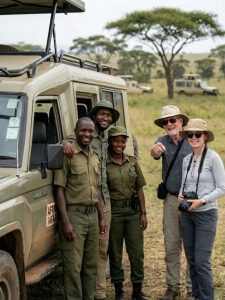
Here are the quick facts you need:
Bwindi Impenetrable National Park:
-
4 distinct trekking sectors
-
168 daily permits
-
20+ habituated gorilla families
-
50+ lodges from budget ($50) to ultra-luxury ($2,000+)
Mgahinga Gorilla National Park:
-
1 trekking sector
-
8 daily permits (the most exclusive in Uganda)
-
1 habituated gorilla family (the famous Nyakagezi group)
-
5 lodges total within reasonable driving distance
-
Exclusive add-on: Golden monkey tracking ($100)
Both parks offer life-changing encounters with mountain gorillas—the same species, the same conservation success story, the same profound silence when a silverback looks through you. But the experience surrounding the trek could not be more different.
This guide will match your specific priorities—your fitness level, your budget, your desire for exclusivity, your itinerary flexibility—to the perfect park. No confusion. No indecision. Just clarity.
Quick Answer – Which Park Should You Choose? (A 30-Second Decision Matrix)
Scan this table. You’ll find yourself in one column instantly.
| Choose Bwindi If… | Choose Mgahinga If… |
|---|---|
| You want multiple accommodation options (50+ lodges) | You want true exclusivity (only 8 trekkers daily) |
| You need flexibility in booking dates | You plan 6-9 months ahead for permits |
| You prefer moderate forest trekking | You want dramatic volcano backdrop scenery |
| You’re a first-time trekker | You’re a repeat visitor or serious photographer |
| You want to combine with other Uganda safari parks | You want to combine with Rwanda or golden monkeys |
| You have a specific budget level to match | You prioritize unique experiences over cost |
Where did you land? Bwindi or Mgahinga? Keep that in mind as we go deeper. But also stay open—sometimes the park that chooses you is the one you hadn’t considered.
The Fundamental Difference: One Forest vs. One Volcano
*Gist: Bwindi is a vast, ancient rainforest—a 331-square-kilometer ecosystem that spills across hills and valleys. Mgahinga is a sliver of forest on the slopes of a dormant volcano—part of the Virunga massif that spans Uganda, Rwanda, and Congo. You’re not just choosing a park; you’re choosing a landscape.*
Bwindi Impenetrable National Park
UNESCO World Heritage Site since 1994. 331 square kilometers of ancient rainforest that has stood for over 25,000 years. This is the Africa of your imagination—dense, green, alive with sound and shadow.
-
Altitude: 1,160 to 2,607 meters above sea level
-
Terrain: Steep hills, multiple valleys, ridges that seem to go nowhere and everywhere
-
Vegetation: Primary forest with trees draped in ferns, bamboo zones at higher altitudes, occasional open clearings where light finally reaches the forest floor
-
Weather: Cool and wet year-round. Mist is not occasional—it’s part of the experience. Mornings dawn clear, then clouds roll in, then mist settles like breath.
Mgahinga Gorilla National Park
Part of the Virunga Conservation Area—the same volcanic massif that stretches into Rwanda and Congo. At just 33.7 square kilometers, Mgahinga is tiny but fierce.
-
Altitude: 2,227 to 4,127 meters at the peak of Mt. Sabinyo
-
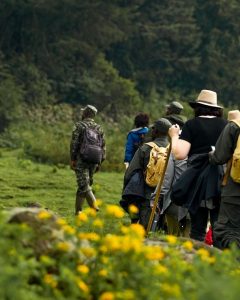
Terrain: Volcanic slopes, bamboo forests giving way to alpine zones, trails that feel like staircases carved by giants
-
Vegetation: Bamboo dominates—thick, green, waving in the mountain wind. Higher up, it transitions to moorland with giant lobelias and groundsel.
-
Weather: Cool, can be windy, spectacularly clear on good days. When the clouds part, you see forever.
Personal credibility marker: I’ve led treks in both parks during every season—the rains of April, the clarity of July, the mist of December. The moment you step into Mgahinga on a clear day, with the Virungas towering above, you feel you’ve entered something sacred. Bwindi wraps around you like an ancient cathedral—enclosed, intimate, alive with sounds that have echoed for millennia. Both move me. Both are home.
Terrain Comparison – What Your Legs Will Thank You For Knowing
Gist: Your fitness level should determine your park choice. Bwindi’s terrain varies dramatically by sector. Mgahinga’s terrain is consistently steep but shorter. Here’s exactly what to expect.
| Factor | Bwindi | Mgahinga |
|---|---|---|
| Average trek duration | 2-6 hours (round trip) | 2-4 hours (round trip) |
| Elevation gain | 200-800 meters depending on sector | 300-600 meters |
| Terrain type | Root-filled trails, mud, stream crossings | Volcanic rock, bamboo forest, steep grades |
| Sector variation | Easy (Rushaga) to very challenging (Nkuringo) | Consistently moderate-challenging |
| Porter recommendation | Essential for most trekkers | Essential for all trekkers |
Bwindi’s Four Sectors: A World of Choice
Buhoma Sector – Moderate
The original trekking sector. Well-established trails wind through beautiful forest with gradual climbs. The underfoot is classic rainforest—roots, mud after rain, streams to cross. Good for first-timers who want the classic experience without extreme physical demands. Lodges here range from budget to some of Uganda’s finest.
Ruhija Sector – Challenging
Higher altitude means thinner air. The terrain is steeper, the forest more pristine, the views more spectacular. I send serious hikers here—people who want to earn their encounter. The gorilla families here are less visited, more relaxed in human presence.
Rushaga Sector – Easy to Moderate
The gentlest sector overall. Multiple gorilla families mean shorter treks on average. This is where you come if fitness is a concern or if you want the highest probability of an “easy” day. Also the only sector offering the Gorilla Habituation Experience (4 hours with the gorillas during habituation).
Nkuringo Sector – Very Challenging
I call this the “stairmaster” sector. You descend steeply from the lodges into the forest—then climb back out afterward. The terrain is punishing. The reward? Dramatic valley views, fewer trekkers, and the famous Nkuringo family in their spectacular territory. Not for everyone. Unforgettable for those who choose it.
Mgahinga Terrain Detail
-
Starting point: 2,227 meters. You’re already breathing thinner air.
-
Gorilla territory: The Nyakagezi family typically moves between 2,400-2,800 meters
-
The trail: Cuts through bamboo forest first—thick, green, creaking in the wind. Then transitions to mixed vegetation as you climb.
-
The final approach: Often involves hauling yourself up volcanic slopes using vegetation as handholds. Your legs will burn. Your lungs will remind you you’re alive.
-
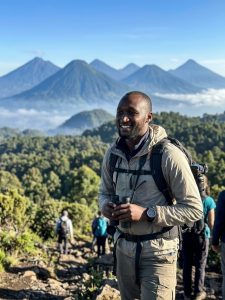
The reward: Trekking with the Virunga volcanoes as your constant backdrop. Mt. Sabinyo, Mt. Muhabura, Mt. Gahinga—their peaks pierce the sky as you walk among gorillas.
Embodied language: Your thighs will remember Mgahinga. Your lungs will remember Bwindi’s altitude. Choose accordingly.
Gorilla Families – Quantity vs. Exclusivity
*Gist: Bwindi offers variety—over 20 habituated families across four sectors, each with its own personality and territory. Mgahinga offers exclusivity—one family, the Nyakagezi group, with a dramatic history of cross-border wandering.*
Bwindi’s Families: A Wealth of Choice
Buhoma Sector:
-
Mubare group: The oldest habituated group in Uganda. Their story spans decades. The original silverback, Ruhondeza, became famous worldwide before his passing. His legacy continues.
-
Habinyanja group: Large, dynamic, often splitting and reforming. Treks here are unpredictable in the best way.
-
Rushegura group: Reliable, accessible, excellent for first-timers. They stay relatively close to park headquarters.
Ruhija Sector:
-
Bitukura group: Large, relaxed, excellent for photography. They seem almost comfortable with human presence.
-
Oruzogo group: Playful youngsters make for energetic treks. Bring your camera—the action is constant.
-
Kyaguliro group: Research focus, deeper forest location. For those who want to feel like they’re truly in the wild.
Rushaga Sector:
-
Nshongi group: The largest group (10+ members). Dramatic dynamics between silverbacks.
-
Mishaya group: Named after a famous silverback, challenging terrain, powerful presence.
-
Bikingi group: Remote, for serious trekkers willing to work for their encounter.
-
Kahungye group: Large, spread out, good viewing conditions.
-
Bweza group: Smaller, accessible, relaxed.
Nkuringo Sector:
-
Nkuringo group: The original family that put this sector on the map. Famous, steep territory, unforgettable encounters.
-
Christmas group: Newer family, named after December habituation.
Mgahinga’s Nyakagezi Family: The Nomads
-
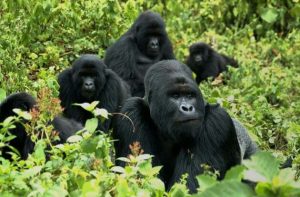
The nomads: This family is legendary for crossing between Uganda, Rwanda, and Congo. They belong to no single country—they go where the bamboo is sweet.
-
Current size: 9 members as of early 2026
-
Silverback: Mark dominates, but other males challenge and test
-
Personality: Often on the move, unpredictable, thrilling. When they’re in Uganda, you’re witnessing something special. When they wander, permits may be refunded—it’s part of the Mgahinga experience.
Personal story: I tracked Nyakagezi for three days once as they wandered toward the Congo border. We never found them. Uganda Wildlife Authority refunded every permit. Two weeks later, they were back on Mgahinga’s slopes. This is the trade-off—exclusivity brings uncertainty. One client called it “the most exciting three days of not seeing gorillas I’ve ever had.” Another was devastated. Know yourself before you choose.
Expert tip: If you absolutely must see gorillas on your specific date, choose Bwindi’s 20+ families. If you’re willing to accept some uncertainty for the chance at a truly unique experience—gorillas with volcano backdrops, the possibility of tracking nomads, the story you’ll tell forever—Mgahinga delivers.
Scenery and Photography – Forest Intimacy vs. Volcano Grandeur
Gist: Bwindi photographs like a rainforest dream—dappled light, green depths, intimate encounters. Mgahinga photographs like a postcard—gorillas with volcanoes behind them, bamboo forests, alpine light.
Bwindi Photography
-
Best for: Intimate portraits, forest light, action shots, the moment of eye contact in green shadow
-
Challenges: Low light under canopy, fast-moving subjects, crowded forest on busy days
-
Magic moments: Sunbeams piercing the canopy, mist rising from valleys, a silverback emerging from shadow
-
Best sectors: Buhoma for classic forest shots, Nkuringo for dramatic valley views behind your subjects
Mgahinga Photography
-
Best for: Landscape + wildlife shots, volcano backdrops, golden hour light on bamboo, the classic “gorilla with mountain” composition
-
Challenges: Distance to subjects in open terrain, weather moving in quickly, gorillas moving into dense bamboo
-
Magic moments: Gorillas with Mt. Sabinyo perfectly framed behind them, golden monkeys in bamboo, clear day panoramas from the slopes
-
Best time: Clear mornings when the Virungas reveal themselves; late afternoon if your trek timing allows
Personal insight: I guide photographers to both. Bwindi for the National Geographic shots—intimate, emotional, forest-bound, the feeling of entering a world unchanged for millennia. Mgahinga for the Instagram shots—gorilla, volcano, sky, done. The frame fills itself.
Accommodation Costs and Options – Bwindi’s Diversity vs. Mgahinga’s Select Few
*Gist: Bwindi offers over 50 lodges spanning every price point, from $50 campsites to $2,000-per-night ultra-luxury. Mgahinga offers exactly 5 lodges within reasonable driving distance. Your accommodation choice may decide your park.*
Bwindi Accommodation by Sector and Budget
| Budget Level | Buhoma | Ruhija | Rushaga | Nkuringo |
|---|---|---|---|---|
| Budget ($50-150) | Budget hostel, community camps | Ruhija Community Rest Camp | Rushaga Haven, several camps | Nkuringo Rest Camp |
| Mid-range ($150-350) | Silverback Lodge, Mahogany Springs | Ruhija Gorilla Lodge | Gorilla Valley Lodge, Chameleon Hill | Nkuringo Bwindi Gorilla Lodge |
| Luxury ($350-600) | Bwindi Lodge, Sanctuary Gorilla Forest Camp | Mutanda Lake Resort (nearby) | Four Gorillas Lodge, Nshongi Camp | Clouds Mountain Gorilla Lodge |
| Ultra-luxury ($600+) | None in Buhoma | None | None | Bisate Lodge (Rwanda side, but accessible) |
Mgahinga Accommodation
| Lodge | Distance to Park | Price Range | Vibe |
|---|---|---|---|
| Mount Gahinga Lodge | 5 minutes | $450-600 | Classic, authentic, only lodge inside park area. The original. The best. |
| Amajambere Iwacu Community Camp | 10 minutes | $80-120 | Budget, community-run, basic. For travelers who prioritize experience over comfort. |
| Travelers Rest Hotel (Kisoro) | 45 minutes | $100-150 | Historic, basic, Hemingway connection. The writer stayed here. The building remembers. |
| Lake Mutanda Resort | 1 hour | $350-500 | Stunning lake views, luxury, transfer required. Worth the drive. |
| Chameleon Hill | 1 hour | $200-300 | Colorful, quirky, lake views. For those who want something different. |
The Mgahinga challenge: Only Mount Gahinga Lodge is truly convenient. The others require 45-60 minute drives over roads that range from good to adventurous. Factor this into your itinerary planning. That 5:30 AM start becomes 4:30 AM if you’re coming from Lake Mutanda.
Expert recommendation: If you want luxury with convenience—wake up, walk to trek start—choose Bwindi’s Buhoma or Nkuringo sectors. If you’re willing to drive for Mgahinga’s exclusivity, Lake Mutanda Resort offers the best combination of stunning setting and manageable access. And if you can book Mount Gahinga Lodge, do it immediately. It’s the only lodge actually inside the park, and it fills months ahead.
Getting There – Access and Drive Times Compared
*Gist: Bwindi is closer to Entebbe (8-10 hours) and easier to combine with other safari parks. Mgahinga is farther (10-12 hours) but sits at the intersection of Uganda, Rwanda, and Congo—perfect for multi-country itineraries.*
Drive Times from Entebbe
| Destination | Driving Time | Flight Option |
|---|---|---|
| Bwindi – Buhoma | 8-9 hours | Charter to Kisoro or Kihihi, then 1-2 hours drive |
| Bwindi – Ruhija | 9-10 hours | Charter to Kisoro, 2 hours drive |
| Bwindi – Rushaga | 9-10 hours | Charter to Kisoro, 1.5 hours drive |
| Bwindi – Nkuringo | 10-11 hours | Charter to Kisoro, 1.5 hours drive (steep road) |
| Mgahinga | 10-12 hours | Charter to Kisoro, 45 minutes drive |
Road Conditions
Bwindi: Main roads to Buhoma and Rushaga are improving steadily. The government has invested in tarmac for key tourism routes. Nkuringo approach remains challenging—steep, winding, not for the faint-hearted driver.
Mgahinga: The last section from Kisoro is good tarmac, then gravel to the park. The drive itself is beautiful—views of the Virungas unfold as you approach.
Multi-Country Combinations
Bwindi: Easy to combine with Queen Elizabeth National Park (4-5 hours), Murchison Falls (longer drive, possible with internal flights), Lake Mburo (4 hours). Good for classic Uganda itineraries.
Mgahinga: Two to three hours from Rwanda’s Volcanoes National Park. Easy to add Rwanda gorilla trekking for the ultimate comparison experience. Also close to Lake Bunyonyi for post-trek relaxation.
Insider tip: I often recommend flying into Kisoro for Mgahinga—the airstrip approach over the Virungas is worth the flight cost alone. You descend through clouds with volcanoes rising on either side. Your trek starts before you land.
Golden Monkeys – Mgahinga’s Unique Advantage
Gist: Only Mgahinga offers golden monkey tracking in Uganda. This is the park’s secret weapon—a completely different primate experience that pairs perfectly with gorilla trekking.
The Golden Monkey Experience
-
Cost: $100 permit
-
Duration: 2-4 hours
-
Group size: Up to 8 trekkers
-
Experience: Observing rare, beautiful primates in bamboo forest—their golden fur catching light, their acrobatics through bamboo, their complete indifference to your presence
-
Best for: Adding variety to your itinerary, photographers who want something different, families looking for an easier trek day
Why this matters: If you choose Mgahinga, you can do gorillas one day, golden monkeys the next—two completely different experiences in one stunning location. Bwindi offers only gorillas (plus forest walks and community visits). The golden monkey permit costs $100. The memories last forever.
Permit Availability – Bwindi’s Abundance vs. Mgahinga’s Scarcity
*Gist: Bwindi’s 168 daily permits mean you can usually find something, even last-minute. Mgahinga’s 8 daily permits require planning, flexibility, and often 6-9 months lead time.*
Availability by Season
| Season | Bwindi Booking Window | Mgahinga Booking Window |
|---|---|---|
| Peak (Dec-Feb, June-Sept) | 3-6 months | 6-9 months |
| Shoulder (March, Oct-Nov) | 1-3 months | 3-6 months |
| Low (April-May) | 2-4 weeks | 2-3 months |
Real-time example: In 2025, Mgahinga permits for December sold out by April. Travelers who waited until June were too late. Bwindi had availability in some sectors until August. This pattern repeats every year.
Strategy Recommendation
-
Book Mgahinga first, as soon as you confirm your travel dates. If that’s your dream, secure it immediately.
-
If Mgahinga is unavailable, Bwindi will almost always have something—maybe not your first-choice sector, but something.
-
Use Mgahinga as your “reach” goal, Bwindi as your reliable backup. Both deliver gorillas. Only one delivers guaranteed availability.
Cost Comparison – Permits, Transport, and Total Trip Value
Gist: Permits cost the same ($800). Accommodation costs vary dramatically. Transport costs are similar. But the total value equation differs based on what you’re seeking.
| Cost Factor | Bwindi | Mgahinga |
|---|---|---|
| Gorilla permit | $800 | $800 |
| Golden monkey permit | N/A | $100 (optional) |
| Budget accommodation (per night) | $50-150 | $80-120 (limited) |
| Mid-range accommodation (per night) | $150-350 | $200-350 |
| Luxury accommodation (per night) | $350-600 | $450-600 |
| Transport from Entebbe (private 4×4) | $400-600 for vehicle | $500-700 for vehicle |
| Flight from Entebbe (charter) | $400-500 per person | $450-550 per person |
Value Proposition
Bwindi: Better value for budget travelers. More accommodation choice means you can match price to preference precisely. You’re not forced into premium options because nothing else exists.
Mgahinga: Premium pricing for exclusive experience. You pay more for accommodation because options are limited. You gain golden monkeys, volcano scenery, and the story of tracking the nomads.
Side-by-Side Verdict – 7 Questions to Ask Yourself
Work through these questions. Your answers will choose your park.
Question 1: How far ahead are you booking?
-
6+ months: Either park works. Book Mgahinga if you want it.
-
3-6 months: Bwindi is safer. Mgahinga may already be sold out for peak dates.
-
<3 months: Bwindi only. (Unless you’re flexible on dates and lucky.)
Question 2: What’s your fitness level?
-
Very fit: Either park. Consider Nkuringo in Bwindi if you want a challenge.
-
Moderately fit: Bwindi (Rushaga or Buhoma sectors)
-
Concerned about fitness: Bwindi (Rushaga specifically)
Question 3: What’s your accommodation budget?
-
Budget ($100-150/night): Bwindi
-
Mid-range ($200-350/night): Either park works
-
Luxury ($400+/night): Either park, but fewer choices in Mgahinga
Question 4: Do you want to add golden monkeys?
-
Yes: Mgahinga
-
No: Either park
Question 5: Are you combining with Rwanda?
-
Yes: Mgahinga (closer to border)
-
No: Either park
Question 6: Do you want variety of gorilla families?
-
Yes: Bwindi (20+ families, different personalities)
-
No, one family is enough: Mgahinga
Question 7: Is scenery priority?
-
Forest intimacy: Bwindi
-
Volcano drama: Mgahinga
Sample Itineraries – Bwindi vs. Mgahinga in Context
3-Day Bwindi Express
-
Day 1: Fly Entebbe to Kihihi, drive to Buhoma (2 hours). Afternoon relaxation.
-
Day 2: Gorilla trekking Buhoma sector. Evening with your memories.
-
Day 3: Drive to Kihihi, fly to Entebbe. Home with stories.
5-Day Bwindi + Safari Combo
-
Day 1: Drive Entebbe to Lake Mburo (4 hours). Evening game drive.
-
Day 2: Drive to Bwindi via Equator (5 hours). Scenic stops.
-
Day 3: Gorilla trekking. The main event.
-
Day 4: Community walk or second trek (if permits available).
-
Day 5: Return to Entebbe.
4-Day Mgahinga Focus
-
Day 1: Fly Entebbe to Kisoro, transfer to lodge. Volcano views from your room.
-
Day 2: Gorilla trekking Mgahinga. The Nyakagezi experience.
-
Day 3: Golden monkey trekking + community visit. Two experiences, one day.
-
Day 4: Fly Kisoro to Entebbe. Already planning your return.
7-Day Uganda + Rwanda Combo (via Mgahinga)
-
Day 1: Arrive Kigali, drive to Volcanoes National Park, Rwanda.
-
Day 2: Gorilla trekking Rwanda. Compare the experience.
-
Day 3: Drive to Mgahinga (2 hours). Cross the border, change the country.
-
Day 4: Gorilla trekking Mgahinga. Now you can compare.
-
Day 5: Golden monkey trekking. Something completely different.
-
Day 6: Drive to Lake Bunyonyi. Relaxation after adventure.
-
Day 7: Return to Kigali. Two countries, two parks, one lifetime trip.
Frequently Asked Questions – Bwindi vs. Mgahinga
Can I do both parks in one trip?
Yes, but budget 3-4 days for travel between them. They’re 4-5 hours apart via Kisoro. You’ll need separate permits for each park.
Which park has easier trekking?
Bwindi’s Rushaga sector is the easiest overall—gentler slopes, multiple family options, shorter average trek times. Mgahinga is consistently moderate to challenging.
Which park is better for photographers?
Bwindi for intimate forest shots—eye contact in green light, dramatic shadows, the feeling of being inside the moment. Mgahinga for landscape + wildlife—gorillas with volcano backdrops that make the shot before you press the shutter.
Can I see gorillas in both parks?
Yes, but you need separate permits for each. Combined itineraries are possible and increasingly popular for serious gorilla enthusiasts.
Which park has better lodges?
Bwindi offers more luxury options across more price points. Mgahinga has only one true luxury lodge (Mount Gahinga Lodge), though Lake Mutanda Resort provides excellent alternatives with a 1-hour drive.
Is one park more crowded?
Bwindi has more trekkers daily (168 vs. 8), but they’re spread across four sectors. On any given day, a Bwindi sector might have 40-50 trekkers. Mgahinga’s 8 trekkers feel genuinely exclusive—you might be the only group in the forest.
Which park is better for solo travelers?
Both work well. Bwindi offers more group-joining options—you can often join a small group to share costs. Mgahinga’s small group size means solo travelers are easily accommodated.
Can I combine Mgahinga with Rwanda?
Easily—2-3 hours drive from Volcanoes National Park. This is one of East Africa’s great itineraries: gorillas in two countries, volcanoes in both, completely different vibes.
My Personal Recommendation (After 15 Years of Guiding)
Gist: If you asked me to choose one park for your first visit, I’d say Bwindi—specifically Buhoma or Rushaga. Here’s why.
Bwindi gives you the full gorilla trekking experience with room to breathe. You can choose your sector based on fitness. You can find accommodation at any price point. You can book with less anxiety—and for first-time visitors to Africa, that matters. The forest itself—ancient, alive, impossibly green—delivers exactly what you came for. Every time.
But Mgahinga calls you back.
I’ve guided clients who did Bwindi first, then returned for Mgahinga years later. They wanted the volcano backdrop. They wanted golden monkeys. They wanted to stand on the slopes of the Virungas and watch gorillas who wander between three countries, belonging to none of them.
If this is your only trip—the once-in-a-lifetime safari you’ve saved for years to take—choose Bwindi. It’s the classic for a reason. It delivers, reliably and beautifully.
If you’re already planning your return before you’ve left, consider Mgahinga for round two.
Or do both. I’ve guided that itinerary too—Bwindi first, then Mgahinga, with a stop at Lake Bunyonyi in between. And I’ve watched clients struggle to decide which experience moved them more. The forest intimacy of Bwindi. The volcano drama of Mgahinga. Both. Always both.
Your Decision Checklist – Ready to Book?
Work through this checklist. When every box is checked, you’re ready.
-
I’ve decided between Bwindi and Mgahinga (or I want to do both)
-
I have my preferred trek dates (with 2-3 alternatives in case permits are limited)
-
I’ve considered my fitness level honestly and chosen sector accordingly
-
I know my accommodation budget and have researched options
-
I understand the permit booking timeline for my chosen park
-
I’m ready to check availability and secure my permits
Ready to Make Your Choice?
You came here confused, caught between two choices. Now you know:
Bwindi is reliability, variety, and ancient forest. It’s the classic experience, with options for every budget and fitness level. It’s 20+ gorilla families across four sectors, 50+ lodges, and permits available when you need them.
Mgahinga is exclusivity, volcano drama, and the rarest permits on earth. It’s one family of nomads, 8 daily trekkers, golden monkeys in bamboo, and views that will rearrange your understanding of beauty.
Neither is wrong. The only wrong choice is letting indecision keep you from booking.
At Travel Giants Uganda, we’ve guided clients through this decision hundreds of times. We know the rangers in both parks by name. We’ve stayed in every lodge mentioned in this guide—most of them multiple times. We’ve trekked every trail, in every season, with every kind of traveler.
Ready to make your choice?
Email us at info@travelgiantsuganda.com or DM us on +256784053143 with:
-
Your preferred park (Bwindi, Mgahinga, or both)
-
Your preferred dates (with alternatives)
-
Any questions you still have
We’ll check real-time availability and guide you through the booking process within 24 hours.
No pressure. No hard sell. Just clarity, confidence, and a path forward.
The gorillas are waiting. The volcanoes are watching. The forest is ready.
Let’s make this happen.
Charles Lubega | Lead Safari Guide & Permit Specialist
Over 5 Years Experience | 500+ Gorilla Treks Guided | Uganda Wildlife Authority Experienced Guide
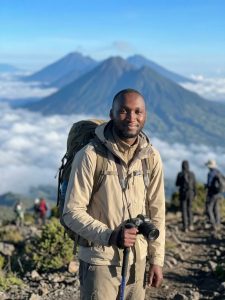
Credentials: Certified Uganda Safari Guide, Member of Uganda Tourism Board, Advanced Wilderness First Aid, Specialized in Bwindi and Mgahinga trekking since 2021
