
Hiking the Rwenzori Mountains: A Guide to the Mystical “Mountains of the Moon

Introduction Towering over the border of Uganda and the Democratic Republic of the Congo, the Rwenzori Mountains are a world apart. Often shrouded in mist and crowned with permanent snow and glaciers just miles from the equator, these are the legendary “Mountains of the Moon.” For centuries, their existence was a geographic fable whispered by ancient traders; today, they stand as one of Africa’s most spectacular and challenging hiking destinations, offering a trekking experience unlike any other on the continent. Far from the savannahs and rainforests that define a typical African safari, the Rwenzoris present a journey through rapidly evolving ecosystems. In a single trek, you can pass from humid montane forest through a surreal zone of giant heathers and lobelias, onto rocky alpine moorlands, and finally onto the glaciated peaks themselves. This UNESCO World Heritage Site is a trek for true adventurers—those seeking raw beauty, physical challenge, and the profound silence of mountains that feel untouched by time. This comprehensive guide from Travel Giants International Ltd will prepare you for an expedition to one of the planet’s most mystical landscapes. Table of Contents Legends & Landscape: Why the Rwenzoris Are Unique Planning Your Expedition: Routes, Duration & When to Go The Central Circuit Trail: The Classic Trek The Kilembe Trail: A Scenic Alternative Choosing Your Season The Trekking Experience: A Zone-by-Zone Journey The Cultivated Foothills & Montane Forest The Bamboo & Heather Zone The Otherworldly Alpine Zone The Glacial Peaks: Margherita & Alexandra Essential Practical Guide: Permits, Guides & Packing Permits, Porters & The Non-Negotiable Guide Fitness, Acclimatization & Health The Ultimate Packing List for the Rwenzoris Beyond the Hike: Combining Your Rwenzori Trek with a Uganda Safari Conclusion: Answering the Call of the Mountains 1. Legends & Landscape: Why the Rwenzoris Are Unique The Rwenzori Mountains are not volcanic like Kilimanjaro or Mount Kenya; they are a massive block of rock thrust upward by tectonic forces, making them Africa’s tallest non-volcanic range. Their highest peak, Margherita Peak on Mount Stanley, stands at 5,109 meters (16,762 ft), making it the third-highest peak in Africa. Their ancient moniker, the “Mountains of the Moon,” was coined by the Greek geographer Ptolemy in 150 AD, who suggested a snow-capped range in central Africa fed the Nile. The name stuck, perfectly capturing their enigmatic, almost mythical aura. The range’s incredible biodiversity, with species found nowhere else, earned it UNESCO World Heritage status in 1994. What truly sets a Rwenzori trek apart is the surreal vegetation. The alpine zone (around 3,000-4,000m) is home to “giant groundsel” (Senecio adnivalis) and “giant lobelia” (Lobelia bequaertii), peculiar, oversized plants that look like something from a Dr. Seuss book, often draped in ghostly “old man’s beard” lichen. Trekking through this landscape in swirling mist is an experience that feels more like exploring a prehistoric world or a distant planet than hiking in Africa. 2. Planning Your Expedition: Routes, Duration & When to Go 2.1. The Central Circuit Trail: The Classic Trek Duration: 7-9 days for the full circuit with a summit attempt. Trailhead: Starts at Nyakalengija (near Ibanda). Overview: This is the most traditional route, managed by the Rwenzori Mountaineering Services (RMS). It involves a circular trek through the heart of the mountains, offering the most comprehensive experience of the different ecological zones and the highest chance of summiting Margherita Peak. Accommodation is in a series of basic but functional huts. 2.2. The Kilembe Trail: A Scenic Alternative Duration: 5-7 days for a shorter circuit with summit options. Trailhead: Starts at Kilembe (near the town of Kasese). Overview: Operated by Rwenzori Trekking Services (RTS), this route is often praised for its stunning scenery from day one, with dramatic views of valleys and waterfalls. It joins the Central Circuit at higher altitudes. Accommodation is in simpler, more rustic huts and tents. 2.3. Choosing Your Season The Rwenzoris are notoriously wet, receiving some of the highest rainfall in Africa. The trek is possible year-round, but some periods are better. Dry(er) Seasons (Recommended): Mid-December to end of February and June to end of August. These windows offer the most stable weather, with less rain, mud, and clearer views. Trails are more manageable. Wet Seasons (For the Hardy): March-May and September-November. Expect heavy, daily rainfall, deep mud, and slippery trails. The upside is even more dramatic waterfalls and lush vegetation, but summit chances are lower, and the trek is significantly more challenging. 3. The Trekking Experience: A Zone-by-Zone Journey 3.1. The Cultivated Foothills & Montane Forest (1,800m – 2,500m) Your trek begins through villages and farmland before ascending into a dense, wet montane forest. This vibrant zone is filled with birdcalls, towering trees covered in moss and ferns, and the possibility of seeing colobus monkeys or chimpanzees. 3.2. The Bamboo & Heather Zone (2,500m – 3,500m) The forest gives way to dense bamboo stands and then to slopes covered in giant heather trees. The air grows cooler, and the landscape opens up, offering the first breathtaking, misty views of the valleys below. 3.3. The Otherworldly Alpine Zone (3,500m – 4,500m) This is the heart of the Rwenzori magic. You enter the “Moorland” and “Alpine” zones, a landscape of black mud, tussock grass, and the famous giant lobelias and groundsels. Walking here feels like stepping into a fairy tale or a primeval world. You’ll cross the Bigo Bog, a legendary section of boardwalks over an endless peat bog—a challenging but iconic part of the journey. 3.4. The Glacial Peaks: Margherita & Alexandra (4,500m – 5,109m) Summit day is a serious mountaineering endeavor, not a hike. Starting in the dead of night from Elena Hut (4,430m), you’ll cross the Stanley Plateau Glacier with crampons and ropes (provided and managed by your guides). The final ascent to Margherita Peak involves scrambling over rock and ice. Reaching the summit as the sun rises over the clouds, with views to the Congo basin, is an achievement of a lifetime. For detailed accounts of this summit push, you can read expedition reports on sites like The American Alpine Institute (AAI). 4. Essential Practical Guide: Permits, Guides & Packing 4.1. Permits, Porters & The Non-Negotiable Guide Guides are Mandatory: You cannot trek independently. All arrangements, including Uganda Wildlife Authority
White Water Rafting the Nile in Jinja: Africa’s Ultimate Adventure
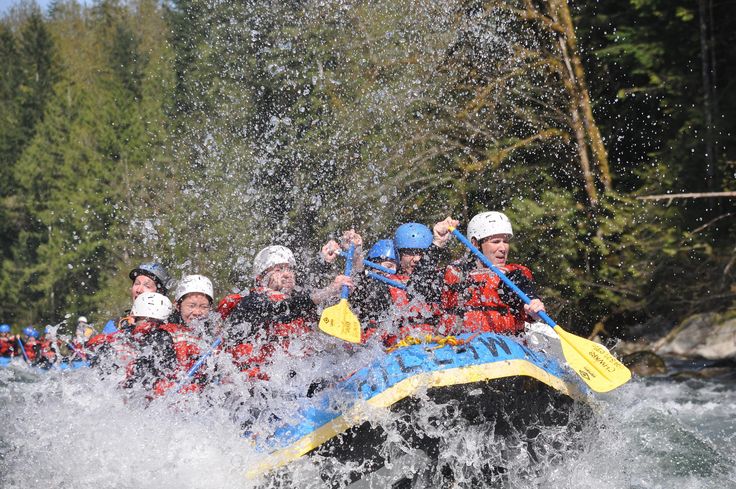
Introduction: Conquer the Source of the World’s Longest River Imagine paddling through churning, turquoise waters where every rapid bears a name like “The Bad Place” or “Big Brother,” surrounded by lush, green cliffs and a sky filled with tropical birds. This is white water rafting on the Nile in Jinja, Uganda—an experience that is less of a simple activity and more of a rite of passage for the global adventurer. As the historic Source of the Nile and the undisputed Adventure Capital of East Africa, Jinja offers a unique and world-renowned setting for adrenaline-seekers. Uganda’s tourism is soaring, with a record recovery post-pandemic, and a significant part of that growth is fueled by high-octane experiences like Nile rafting. For the solo traveler, the thrill-seeker, or the family looking for an unforgettable challenge, navigating the Nile’s mighty Grade V rapids provides an unparalleled blend of natural beauty, cultural richness, and pure adrenaline. This guide will give you everything you need to know to plan, prepare for, and survive Africa’s ultimate adventure. Table of Contents Why Jinja? The Nile’s Unbeatable Allure The Historical & Geographical Significance Jinja: East Africa’s Thriving Adventure Hub Your Rafting Adventure Decoded: What to Really Expect A Day on the River: From Briefing to BBQ Understanding Rapid Grades: From Family Float to Grade V Fury Safety First: The Extensive Measures in Place Planning Your Ultimate Rafting Trip Best Time to Go: Dry Season vs. Wet Season Thrills Choosing Your Operator: A Guide to Top Companies Itinerary Ideas: From Half-Day Thrills to Multi-Day Explorations Beyond the Rapids: Exploring Jinja & Uganda Other Must-Do Adventures in Jinja Crafting the Perfect Uganda Safari Combo The Solo Traveler’s & First-Timer’s Guide to Rafting How to Prepare: Fitness, Mindset, and Packing Joining a Group and Making the Most of It Conclusion: Answering the Call of the Nile 1. Why Jinja? The Nile’s Unbeatable Allure The Historical & Geographical Significance Rafting in Jinja isn’t just about rapids; it’s about connecting with history. This is where, in 1858, explorer John Hanning Speke first identified Lake Victoria as the Source of the White Nile, solving a geographical mystery that had endured for millennia. You are rafting on the very first stretches of the world’s longest river, a watercourse that has nurtured civilizations. The geography is equally dramatic. Just downstream from the calm outflow of Lake Victoria, the Nile funnels through a series of granite outcrops and valleys, creating consistent, powerful rapids renowned worldwide for their size and excitement. Jinja: East Africa’s Thriving Adventure Hub While the river is the star, Jinja itself is a charming and vibrant base. Known for its colonial-era architecture, bustling markets, and laid-back, friendly atmosphere, the town has wholeheartedly embraced its identity. A growing array of cafes, backpacker lodges, and boutique hotels cater to the international adventure crowd, creating a fantastic social vibe perfect for solo travelers and groups alike. 2. Your Rafting Adventure Decoded: What to Really Expect A Day on the River: From Briefing to BBQ A typical full-day rafting trip is a comprehensive adventure. Your day starts with a hearty breakfast and a thorough safety briefing from your guide. After gearing up with a helmet, life jacket, and paddle, you’ll hit the water for instruction on basic paddling commands. The journey covers approximately 21 kilometers, interspersing heart-pounding rapids with stretches of calm water perfect for swimming, floating, and snacking on fresh pineapple provided by the safety kayakers. The day usually culminates in a celebratory BBQ lunch back at base camp, where you can relive the flips and triumphs with your crew. Understanding Rapid Grades: From Family Float to Grade V Fury The Nile near Jinja offers something for every courage level: Grade III-IV (Standard Trip): The most popular choice. Features big, exciting waves and technical rapids where flipping is a fun possibility. Perfect for first-timers with a sense of adventure. Grade V (Extreme Rafting): For the adrenaline junkie. These are the largest, most powerful commercially runnable rapids, including legendary monsters like “The Bad Place,” guaranteeing a wild, unforgettable ride. Family Float/Scenic Trips: Gentler options that avoid the major rapids, focusing on scenery, bird watching, and calm-water paddling. Ideal for families with children or those seeking a relaxed experience. Safety First: The Extensive Measures in Place Despite the intimidating rapids, safety standards in Jinja are exceptionally high. Reputable operators enforce strict protocols: IRF-Certified Guides: The best companies employ guides certified by the International Rafting Federation, who know the river intimately. Full Safety Fleet: Every trip is accompanied by multiple safety kayakers who scout ahead and perform instant rescues, plus a large safety raft for anyone who wishes to opt out of a rapid. Deep Water Advantage: Unlike rocky rivers, the Nile here is notably deep, significantly reducing the risk of injury from hitting the bottom. 3. Planning Your Ultimate Rafting Trip Best Time to Go: Dry Season vs. Wet Season Thrills You can raft the Nile year-round, but conditions vary: Dry Seasons (Dec-Feb & Jun-Sep): Ideal for most. Predictable weather, stable water levels, and sunny skies make for a classic, exhilarating experience. Wet Seasons (Mar-May & Oct-Nov): Offers a more intense challenge. Increased rainfall swells the river, creating higher, more powerful rapids for experienced thrill-seekers. Be prepared for occasional rain showers. Choosing Your Operator: A Guide to Top Companies Selecting a professional operator is your most important decision. Look for companies with strong safety records, modern equipment, and expert guides. Here are some of the most respected names on the river: Nile River Explorers: One of the most established operators, with over 20 years of experience and IRF-certified guides. Adrift: A pioneer of Nile rafting, known for its high-adrenaline trips and iconic “Adrift Camp.” Kiira Rafting: A highly-rated, Ugandan-owned company praised for its professional and fun-guided experiences. White Nile Rafting Ltd: Notable for being operated by Prossy Mirembe, celebrated as the world’s first Black female kayaker. Tip: Most full-day rafting trips cost between $140 and $170, including equipment, meals, and photos. Prices vary if transport from Kampala/Entebbe is included. Itinerary Ideas: From Half-Day Thrills to Multi-Day Explorations The Ultimate Adrenaline Hit (2 Days): Combine a full day of extreme rafting with a serene boat cruise to the Source of the Nile, plus visits to the Ssezibwa Falls and Mabira Forest on the
A Solo Traveler’s Guide to Uganda: Tips for an Epic & Safe Journey
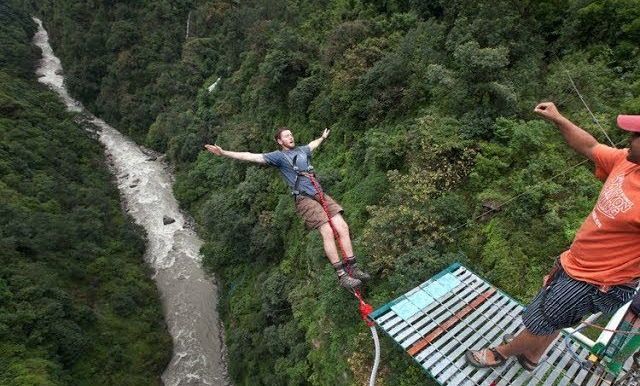
Introduction Embarking on a solo adventure to Uganda, the “Pearl of Africa,” is a decision that promises unparalleled rewards: the ultimate freedom to set your own pace, the profound self-discovery that comes from navigating a new culture independently, and the chance to form deep, unfiltered connections with both the breathtaking landscapes and its incredibly warm people. The thought of planning such a journey alone, however, can be daunting. Questions about safety, logistics, and how to truly maximize the experience are completely natural. This comprehensive guide is designed specifically for you—the independent, curious, and adventurous solo traveler. We will transform those daunting questions into a clear, actionable blueprint for an epic Ugandan adventure. Drawing on years of expertise from the team at Travel Giants International Ltd, this guide provides detailed, honest advice on staying safe, planning your perfect solo itinerary, managing budgets, and connecting with local culture and fellow travelers. Uganda is not only a safe and welcoming destination for solo explorers but also one of the most rewarding on the continent. Let’s dive in and start planning your unforgettable solo journey. Table of Contents Why Uganda is a Fantastic Solo Travel Destination Pre-Trip Planning: The Solo Traveler’s Essentials Visas, Vaccinations & Insurance Budgeting for One: Costs & Money Tips Crafting Your Flexible Solo Itinerary Staying Safe & Smart: A Solo Traveler’s Mindset in Uganda Health, Hygiene & On-the-Ground Precautions Navigating Transportation & Accommodation Cultural Sensitivity & Connecting with Locals Top Experiences Curated for the Solo Traveler Gorilla Trekking as a Solo Adventurer Joining Group Tours & Safari Circuits Urban Adventures in Kampala & Jinja Beating Solo Travel Challenges: Loneliness, Logistics & More Conclusion: Your Solo Adventure Awaits with Travel Giants 1. Why Uganda is a Fantastic Solo Travel Destination Before we get into the “how,” let’s solidify the “why.” Uganda stands out for solo travelers for several compelling reasons: The Warmth of the People: Ugandans are famously hospitable and friendly. As a solo traveler, you’ll often find locals genuinely curious and eager to help, making it easy to strike up conversations and feel welcomed. A Well-Established Tourism Circuit: The classic Uganda route (Entebbe/Kampala – Lake Mburo – Bwindi – Queen Elizabeth – Kibale) is well-trodden and supported. This means reliable transport options, a good selection of lodges for all budgets, and a high chance of meeting other travelers along the way. The Perfect Blend of Adventure & Structure: You can have the thrill of independent travel while easily plugging into organized activities where it counts most—like gorilla trekking or guided safari drives. This balance minimizes stress while maximizing experience. A Focus on Meaningful Encounters: Solo travel allows you to be fully present. Whether it’s locking eyes with a mountain gorilla or sharing a smile with a village child, these moments of connection are more profound when experienced on your own terms. Current Trend: There is a significant and growing trend toward solo experiential travel, with individuals seeking transformative, self-directed trips. Uganda, with its focus on life-changing wildlife and cultural encounters, is perfectly positioned for this market. 2. Pre-Trip Planning: The Solo Traveler’s Essentials 2.1. Visas, Vaccinations & Insurance Visa: Apply for your Uganda e-Visa online well in advance. The process is straightforward for most nationalities. Vaccinations: A Yellow Fever vaccination certificate is mandatory. Consult a travel clinic 6-8 weeks out for essential recommendations: Malaria prophylaxis (crucial), Typhoid, Hepatitis A & B, and routine boosters. Your health is your responsibility alone, so don’t cut corners. Travel Insurance: This is your most important non-negotiable. Choose a comprehensive policy that explicitly covers medical evacuation, adventure activities (like gorilla trekking), trip cancellation, and, critically, coverage for traveling alone. 2.2. Budgeting for One: Costs & Money Tips Solo travel in Uganda can be moderate to expensive, as you often shoulder the cost of a private vehicle or face single supplements at lodges. Cost-Saving Strategies: Join Scheduled Group Safaris: This is the #1 way for solos to beat costs. You join a fixed-date tour with other travelers, sharing the vehicle, guide, and often lodging costs. Travel Giants offers regular scheduled departures perfect for solo adventurers. Book “Twin for Sole Use”: Sometimes, paying a single supplement for your own room is cheaper than a forced single rate. Use Local Transportation: For segments like Kampala to Jinja, using vetted private hire taxis or shared taxis can be very affordable. Focus on Lodges with a Social Vibe: Choose backpackers, hostels, or lodges with communal areas (like Karangali Backpackers in Kampala or community campsites) to meet others and potentially share costs for activities. Money: Carry a mix of clean, newer US Dollars (bills 2013 or later) for major expenses and tips, and use ATMs in Kampala or larger towns for Ugandan Shillings for daily use. Notify your bank. 2.3. Crafting Your Flexible Solo Itinerary Recommended Duration: 10-14 days allows for a fulfilling circuit without being rushed. Sample Flexible Solo Itinerary: Days 1-2: Arrival & Kampala. Acclimatize, visit the Uganda Museum and Kasubi Tombs, get a local SIM card. Days 3-4: Jinja (Source of the Nile). Take a budget-friendly local taxi. Go white-water rafting (a great group activity), bike, or simply relax. Days 5-10: The Classic Safari Circuit (via a joined group tour). This is where you link up with a scheduled group safari. It will typically include Lake Mburo (walking safari), Bwindi (gorilla trekking), and Queen Elizabeth (game drives & boat cruise). Days 11-12: Fort Portal & Kibale. Chimpanzee tracking; explore the crater lakes. Day 13: Return to Entebbe & Depart. The Planning Advantage: Using a tour operator like Travel Giants to handle your joined safari, gorilla permits, and key transport removes the biggest logistical headaches for a solo traveler, ensuring a smooth and safe core experience. 3. Staying Safe & Smart: A Solo Traveler’s Mindset in Uganda 3.1. Health, Hygiene & On-the-Ground Precautions Health: Take your malaria pills religiously. Drink only bottled or purified water. Pack a robust personal first-aid kit. Security: Uganda is generally safe, but exercise smart urban precautions. Avoid walking alone at night in cities; use trusted taxi services (recommended by your lodging). Don’t flash expensive electronics or large amounts of cash. Keep your belongings secure and be aware of your surroundings. 3.2. Navigating Transportation & Accommodation Transport: For long-distance travel between
Birding in Uganda: A Guide to the Continent’s Best Birdwatching Paradise
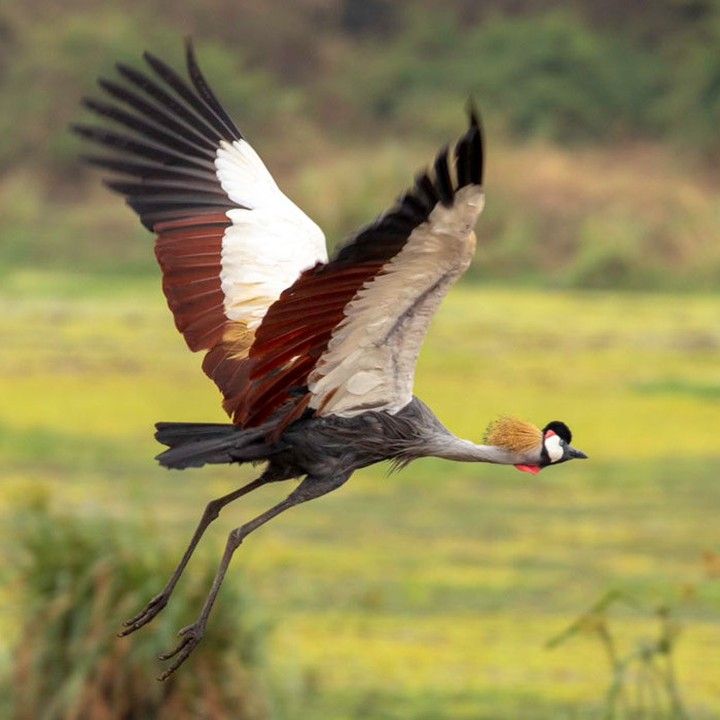
Introduction: The Undisputed Birding Capital of Africa Imagine a country where you could spot half of Africa’s bird species within its borders. Welcome to Uganda, the undisputed birding capital of the continent and a true paradise for ornithologists and nature lovers alike. With over 1,000 recorded bird species—representing roughly 11% of the world’s total and over 50% of Africa’s avifauna—packed into an area the size of Great Britain, Uganda offers an unparalleled concentration of avian diversity. From the prehistoric-looking Shoebill stork in papyrus swamps to the dazzling, gem-like sunbirds in montane forests, every day of birding here is a journey of discovery. But Uganda is more than just a numbers game. It’s the quality of the experience—the accessibility of rare and endemic species, the stunning variety of habitats from the snow-capped Rwenzori Mountains to the vast Queen Elizabeth savannah, and the warmth of expert local guides who can find a well-camouflaged Pel’s Fishing-Owl with uncanny skill. This comprehensive guide, curated by the travel experts at Travel Giants International Ltd, will show you why Uganda is the ultimate destination for your next birding safari. We’ll explore the prime locations, the must-see species, the best times to visit, and how to plan a seamless, unforgettable birding adventure in the heart of Africa. Table of Contents Why Uganda? The Numbers and Niches That Make It #1 Top 5 Birding Destinations in Uganda: A Habitat-by-Habitat Guide Mabamba Swamp & The Shoebill Quest Bwindi Impenetrable Forest: The Albertine Rift Endemics Queen Elizabeth National Park: From Savanna to Wetland Kibale Forest National Park: A Primate & Bird Symphony Murchison Falls National Park: The Nile’s Avian Abundance The “Big 5” Birds of Uganda: Your Ultimate Checklist Planning Your Birding Safari: Seasons, Guides & Gear Beyond Birding: Combining Your Trip with Gorillas & Wildlife Conclusion: Your African Birding Adventure Awaits 1. Why Uganda? The Numbers and Niches That Make It #1 The statistics speak for themselves, but they only tell part of the story. Uganda’s birding supremacy is built on several key factors: Unrivaled Species Density: The convergence of several major biogeographic zones—including the East African savannah, the West African rainforest, and the unique Albertine Rift Montane ecosystem—creates a phenomenal mix of species in a compact area. You can see savannah hornbills, forest turacos, and wetland kingfishers often within a single day’s drive. The Albertine Rift Endemics: This mountainous region along Uganda’s western border is one of Africa’s most critical biodiversity hotspots. It is home to over 40 bird species found nowhere else on Earth, including the magnificent African Green Broadbill, the handsome Rwenzori Turaco, and the striking Shelley’s Crimsonwing. For serious birders, this is the holy grail. Ease of Access and Tourism Infrastructure: Unlike more remote birding destinations, Uganda has a well-established network of excellent lodges, roads, and, most importantly, world-class birding guides. Key species are reliably seen in accessible locations, making your birding time incredibly productive and rewarding. 2. Top 5 Birding Destinations in Uganda: A Habitat-by-Habitat Guide 2.1. Mabamba Swamp & The Shoebill Quest Habitat: Extensive papyrus and miscanthidium swamp on the edges of Lake Victoria, near Entebbe. The Star Attraction: The Shoebill Stork (Balaeniceps rex). This enigmatic, dinosaur-like bird is the most sought-after species in Africa. Mabamba Bay is one of the best places in the world to see it from a small, silent canoe. Other Key Species: Madagascar Squacco Heron, White-winged Warbler, Papyrus Gonolek, Blue Swallow (seasonal), and a vast array of other wetland birds. Travel Giants Tip: This is a perfect half-day trip from Entebbe or Kampala, ideal for your first or last day in Uganda. An early morning start is essential. 2.2. Bwindi Impenetrable Forest: The Albertine Rift Endemics Habitat: Dense, montane and lowland tropical rainforest. The Star Attraction: While famous for gorillas, Bwindi is a birding Mecca. The key targets are the Albertine Rift endemics. The African Green Broadbill is a major highlight, but the forest is also home to at least 23 other endemic species. Other Key Species: Neumann’s Warbler, Collared Apalis, Grauer’s Warbler, Regal Sunbird, and the stunning Handsome Francolin. Travel Giants Tip: Combine gorilla trekking with dedicated birding walks along the forest edges (like the Buhoma Waterfall Trail) for a truly unbeatable wildlife experience. 2.3. Queen Elizabeth National Park: From Savanna to Wetland Habitat: A spectacular mix of open savannah, acacia woodland, crater lakes, and the massive Kazinga Channel wetland. The Star Attraction: The park boasts over 600 species. Key highlights include raptors like the Martial Eagle, the colorful Pink-backed Pelican colonies, and the elusive African Skimmer along the Kazinga Channel. Other Key Species: Verreaux’s Eagle-Owl, Sooty Chat, Swamp Flycatcher, and a variety of kingfishers and bee-eaters. The Mweya Peninsula is exceptionally productive. Travel Giants Tip: The boat cruise on the Kazinga Channel is non-negotiable for birders. It provides effortless, close-up views of hundreds of waterbirds and is a photographer’s dream. 2.4. Kibale Forest National Park: A Primate & Bird Symphony Habitat: Mid-altitude tropical rainforest, famous for its 13 primate species. The Star Attraction: While chimps are the headline act, birding here is exceptional. Look for the magnificent Great Blue Turaco crashing through the canopy and the beautiful Black Bee-eater. Other Key Species: Blue-headed Sunbird, Crowned Eagle, Yellow-rumped Tinkerbird, and the rare African Pitta (seasonal, Nov-Mar). Travel Giants Tip: The guided walks in the Bigodi Wetland Sanctuary (community-run) adjacent to the park are excellent for seeing a different set of forest-edge and wetland species. 2.5. Murchison Falls National Park: The Nile’s Avian Abundance Habitat: Riverine forest, borassus palm woodland, and open savannah along the Victoria Nile. The Star Attraction: The Pels Fishing-Owl, a rarely seen and highly coveted bird, hunts along the riverbanks here. The park is also strong for the Red-throated Bee-eater and the massive Goliath Heron. Other Key Species: Shoebill (in the delta area), Secretary Bird, Carmine Bee-eater (seasonal), Denham’s Bustard, and Abyssinian Ground Hornbill. Travel Giants Tip: The boat trip to the base of Murchison Falls is spectacular for scenery and birdlife. The delta where the Nile meets Lake Albert is a prime spot for Shoebill. 3. The “Big 5” Birds of Uganda: Your Ultimate Checklist Every birder visiting Uganda should have these five iconic species on their list: Shoebill Stork: The prehistoric prize. Best seen in Mabamba Swamp or the Murchison Falls Delta. African Green Broadbill: The jewel of the Albertine Rift. A rare and localized endemic found in Bwindi and nearby forests. Great
5 Unique Cultural Experiences in Uganda You Have to Try
Introduction For many visitors, Uganda is first and foremost a wildlife paradise. Images of majestic mountain gorillas, thundering elephants, and the mighty Nile river immediately come to mind. But to truly understand the soul of the “Pearl of Africa,” you must venture beyond the savannahs and rainforests and connect with its vibrant, beating heart: its people and their living cultures. Uganda is a tapestry woven from over 56 distinct indigenous ethnic groups, each with its own language, traditions, music, and history. From ancient kingdoms to welcoming village communities, the cultural heritage here is as rich and diverse as the landscapes. In an era where travelers increasingly seek authentic, meaningful, and transformative experiences, immersing yourself in Ugandan culture is not just an addition to your safari—it’s the key to unlocking a deeper, more profound understanding of this incredible country. This guide, curated by the experts at Travel Giants International Ltd, goes beyond the typical tourist path to showcase five truly unique cultural encounters. These are not passive observations; they are participatory, respectful, and unforgettable journeys into the daily life, ancient wisdom, and celebratory spirit of Uganda. Get ready to move from being a spectator to a welcomed guest. Table of Contents Step into a Royal Court: Experience the Buganda Kingdom at the Kasubi Tombs Become a “Twa” for a Day: The Batwa Cultural Experience Master the Art of the “Rolex”: A Kampala Street Food Adventure Celebrate with a Community: Time Your Trip with a Local Festival Learn the Language of the Drums: A Traditional Music & Dance Workshop How to Experience Ugandan Culture Responsibly Conclusion: Your Cultural Journey Awaits 1. Step into a Royal Court: Experience the Buganda Kingdom at the Kasubi Tombs Your cultural immersion begins with a journey into the history of Uganda’s largest and most influential traditional kingdom: the Buganda Kingdom. The Site: The Kasubi Tombs, a UNESCO World Heritage Site located on the outskirts of Kampala, serve as the active burial grounds for the Kabakas (Kings) of Buganda. The main structure, Muzibu Azaala Mpanga, is a breathtaking architectural masterpiece—a huge, circular building topped with a domed roof, constructed entirely from organic materials like wood, thatch, reed, and wattle. The Experience: A visit here is a living history lesson. A knowledgeable guide, often a royal attendant, will explain the complex history, rituals, and spiritual beliefs of the Baganda people. You’ll learn about the political system, the symbolic construction of the building representing the human body, and see the sacred forest where traditional healers still gather herbs. It’s a profound insight into a pre-colonial African kingdom that remains a vital social and cultural force today. Why It’s Unique: This isn’t a museum frozen in time. It is a still-functioning spiritual site where rituals are performed, and the current Kabaka’s representatives are present. The sense of continuity and living tradition is palpable. 2. Become a “Twa” for a Day: The Batwa Cultural Experience For one of the most profound and humbling cultural encounters in East Africa, spend time with the Batwa people, the original, indigenous forest dwellers of the southwestern mountain forests. The Context: The Batwa, often referred to as pygmies, lived as hunter-gatherers in the forests of Bwindi and Mgahinga for millennia. With the establishment of the national parks to protect the mountain gorillas in the 1990s, they were displaced from their ancestral home. Today, several Batwa communities have created cultural experiences to share their heritage, generate income, and ensure their unique knowledge is not lost. The Experience: A visit typically involves a guided walk through the forest fringes with Batwa guides. They will demonstrate how they used vines for climbing, plants for medicine, and roots for water. You might see how they made shelters, started fire without matches, and hunted with simple bows and arrows. The experience often culminates in a performance of their ethereal, polyphonic music and energetic dance. Why It’s Unique & Important: This is more than a performance; it’s an act of cultural preservation and an educational exchange. It provides vital income for the Batwa and allows travelers to understand the human story behind conservation, fostering immense respect for their deep ecological knowledge and resilience. 3. Master the Art of the “Rolex”: A Kampala Street Food Adventure To taste a culture is to understand it. And in Uganda, no culinary experience is more iconic, democratic, and delicious than the Rolex. What is a Rolex? Forget the watch! A Ugandan Rolex is a beloved street food: a fresh chapati (flatbread) rolled around a perfectly cooked vegetable omelette (with tomatoes, onions, and sometimes cabbage). The name is a playful contraction of “rolled eggs.” The Experience: Don’t just buy one from a stall—learn to make it! Several community tourism initiatives and cooking schools in Kampala offer hands-on Rolex-making classes. You’ll visit a local market to buy fresh ingredients, learn the art of making the perfect, flaky chapati dough, and master the technique of the swift, theatrical omelette flip on a roadside “Sigiri” (charcoal stove). Why It’s Unique: This is the ultimate participatory, sensory cultural dive. You’re not just eating local food; you’re learning a vital everyday skill, engaging with vendors, and tasting the true flavor of Ugandan ingenuity and hustle. It’s fun, it’s interactive, and the reward is a delicious, authentic meal you made yourself. 4. Celebrate with a Community: Time Your Trip with a Local Festival If you want to see Ugandan culture at its most vibrant, joyous, and unfiltered, align your visit with a traditional festival. Amakondere (Royal Trumpet) Festival: This annual festival in the Tooro Kingdom (Fort Portal region) is a spectacular display of royal tradition. Hundreds of musicians play the “Amakondere,” long, trumpet-like instruments, in a powerful, hypnotic procession to honor the King (Omukama). The sound is unforgettable, and the pageantry is a direct link to a centuries-old royal heritage. The Banyankole Cultural Festival (Ekyooto): Held in Mbarara, this festival celebrates the culture of the Ankole people, famous for their iconic long-horned cattle. Witness traditional dances like Ekitaguriro, which mimics the movement of the cattle, admire the beautiful Ankole cows, and experience the deep cultural connection between the people and their livestock. Why It’s Unique: Festivals offer unrehearsed, communal joy. You are not a spectator at a show for tourists; you are a guest at a
Gorillas to the Nile: Why Uganda is Africa’s Ultimate Adventure Destination
Introduction When you dream of the ultimate African adventure, what comes to mind? Perhaps it’s tracking rare mountain gorillas through misty rainforests. Maybe it’s rafting down the mighty White Nile, the world’s longest river. Or possibly it’s spotting tree-climbing lions on a classic savannah game drive. Most destinations offer one of these experiences. Uganda, the “Pearl of Africa,” offers all of them—and more—in one spectacular, compact, and breathtakingly diverse country. From the dense canopies of Bwindi Impenetrable Forest to the thundering power of Murchison Falls, Uganda delivers a concentrated, unparalleled adventure that is simply unmatched on the continent. This is not just a safari; it’s a multi-sport, multi-ecosystem journey that challenges the body, captivates the mind, and nourishes the soul. In this definitive guide, we’ll explore the compelling reasons why Uganda has rightfully earned its title as Africa’s ultimate adventure destination, providing you with the facts, trends, and insights you need to plan the journey of a lifetime. Table of Contents The Unbeatable Combo: Primate Trekking & River Adventure A Landscape for Every Adventure: From Mountains to Savannah Beyond the Big Two: Uganda’s Supporting Cast of Adventures Conservation & Community: Adventure with a Purpose Logistics & Planning: Making Your Ultimate Adventure a Reality Conclusion: Your Ultimate African Adventure Awaits 1. The Unbeatable Combo: Primate Trekking & River Adventure This is Uganda’s unique selling proposition. No other country allows you to combine a world-class mountain gorilla trekking experience with world-class white-water adventures on the Nile in a single, seamless itinerary. Mountain Gorilla Trekking: A Primate Pilgrimage Uganda is home to over half of the world’s remaining mountain gorillas. The experience of trekking through the primal, mist-shrouded forests of Bwindi Impenetrable National Park or Mgahinga Gorilla National Park to spend an hour with a habituated gorilla family is consistently ranked as one of the top wildlife experiences on the planet. It is a physically demanding, emotionally profound adventure that connects you to our closest relatives in their ancient home. The Source of the Nile: Africa’s Adrenaline Capital Just a few hours’ drive from the gorilla forests lies Jinja, the historic source of the White Nile. Here, the river provides the stage for some of the planet’s best white-water rafting and kayaking. Tackling Grade 5 rapids like “The Dead Dutchman” or “Silverback” offers a heart-pounding contrast to the quiet awe of the forest. For the ultimate thrill, you can also bungee jump 44 meters over the Nile’s waters. This one-two punch of profound wildlife and pulse-racing river action is uniquely Ugandan. 2. A Landscape for Every Adventure: From Mountains to Savannah Uganda’s adventure portfolio is bolstered by an astonishing variety of landscapes packed into a country the size of Great Britain. The Rwenzori Mountains: Trekking the “Mountains of the Moon” For serious trekkers, the snow-capped Rwenzori Mountains offer a challenging and spectacular alpine adventure. These legendary “Mountains of the Moon” feature glacial peaks, bizarre giant lobelia plants, and mystical misty valleys. Summiting peaks like Margherita is a multi-day expedition that rivals Kilimanjaro for beauty and difficulty. Savannah Safaris: The Classic African Game Drive Uganda’s national parks deliver exceptional classic safari adventures. Queen Elizabeth National Park offers the chance to spot the famous tree-climbing lions of the Ishasha sector and take a boat cruise on the wildlife-rich Kazinga Channel. Murchison Falls National Park combines powerful game viewing with the spectacular sight of the Nile forcing itself through a narrow gorge. For true wilderness, the remote Kidepo Valley National Park provides an untouched, raw safari experience. Kibale Forest: The Chimpanzee Tracking Capital Often overshadowed by its gorilla cousins, chimpanzee tracking in Kibale National Park is an adventure in its own right. Kibale boasts the highest density of primates in Africa, and following a troop of energetic, vocal chimps through the forest is an exhilarating and noisy affair. 3. Beyond the Big Two: Uganda’s Supporting Cast of Adventures The adventures don’t stop. Uganda is a playground for active travelers: Mountain Biking & Cycling: Tackle sections of the epic Congo Nile Trail along the shores of Lake Kivu, or take a cycling safari in the gentle hills of Lake Mburo National Park. Hiking & Volcano Climbing: Summit the dormant volcanoes of the Virunga Massif in Mgahinga Gorilla National Park for breathtaking views spanning three countries. Walking Safaris: Get a ground-level perspective on a guided walking safari in Lake Mburo or Kidepo Valley, feeling the African soil underfoot. Cultural Immersion: Adventure isn’t just physical. Engaging with communities like the Batwa pygmies, learning their forest wisdom, or visiting a local school adds a rich layer of cultural adventure. 4. Conservation & Community: Adventure with a Purpose What elevates a Ugandan adventure is its direct positive impact. The country is a leader in conservation-focused tourism. Your Fee is a Force for Good: The $800 gorilla permit fee is not a tourist tax; it is a critical conservation tool. It funds anti-poaching patrols, ranger salaries, habitat protection, and community development projects. By trekking, you become a direct investor in the gorillas’ survival. Community-Based Tourism: Many adventures, from village walks to craft workshops, are designed and run by local communities. This ensures tourism revenue benefits the people who live alongside wildlife, creating powerful incentives for conservation. Your adventure directly supports education, healthcare, and sustainable livelihoods. 5. Logistics & Planning: Making Your Ultimate Adventure a Reality Crafting an adventure that spans gorillas and the Nile requires expert planning. Here’s how to make it happen: Ideal Itinerary (10-14 Days): Days 1-3: Arrive in Entebbe, travel to Jinja. Go white-water rafting on the Nile, bungee jump, or mountain bike. Days 4-6: Fly or drive to Bwindi Impenetrable Forest. Complete your gorilla trekking permit experience—a physical and emotional highlight. Days 7-10: Travel to Queen Elizabeth National Park for classic game drives and a boat safari on the Kazinga Channel. Days 11-12: Track chimpanzees in Kibale National Park. Days 13-14: Return to Entebbe for departure. When to Go: The dry seasons (June-August and December-February) offer the best conditions for trekking, rafting, and game viewing. Why a Specialist Operator is Key: An adventure this diverse involves complex logistics: securing highly competitive gorilla permits, arranging internal flights or long-distance drives, booking expert activity guides (for rafting, trekking, etc.), and ensuring seamless transitions. A premier operator like Travel Giants International Ltd manages all this, turning a complex dream into a perfectly executed reality. 6. Conclusion: Your Ultimate African
Why Uganda is Called the “Pearl of Africa”: 7 Reasons It Lives Up to the Name

Introduction: The Sparkle of a Timeless Nickname “For magnificence, for variety of form and colour, for profusion of brilliant life — bird, insect, reptile, beast — for vast scale — Uganda is truly ‘the Pearl of Africa.’” When the young Winston Churchill penned these immortal words in his 1908 travelogue, My African Journey, he captured the essence of a nation that had left him awe-struck. More than a century later, this poetic nickname is not a relic of the past but a vibrant, living reality. For modern travelers, Uganda, the Pearl of Africa, continues to shine as a destination of unparalleled diversity, wonder, and profound experiences. It is a landlocked jewel in the heart of East Africa that consistently exceeds expectations, offering a concentration of natural and cultural treasures found nowhere else on the continent. But what exactly makes Uganda deserve this sparkling title in the 21st century? This guide moves beyond Churchill’s initial impression to explore the seven compelling reasons why Uganda not only earned its name but continues to polish its reputation as one of the world’s most remarkable and rewarding travel destinations. From its role as a global primate capital to the warmth of its people, we will uncover the facets that make this pearl truly priceless. Table of Contents The Cradle of Primate Majesty: A Global Sanctuary Guardian of the Mountain Gorillas The Primate Capital of Kibale A Tapestry of Ecosystems: From Snowcaps to Savannah The Mountains of the Moon The Thundering Nile and Great Lakes Iconic Savannah Plains A Birder’s Paradise of Unrivaled Diversity The Source of Legends: The Mighty Nile River A Climate of Perpetual Spring The Heartbeat of Culture: Vibrant and Welcoming People A Conservation Success Story and a Growing Gem Conclusion: Discovering Your Pearl 1. The Cradle of Primate Majesty: A Global Sanctuary This is perhaps the most brilliant facet of Uganda’s pearl. The country is a premier global destination for intimate, ethical wildlife encounters, serving as a crucial sanctuary for some of our planet’s most endangered and charismatic creatures. Guardian of the Mountain Gorillas: Uganda is one of only three countries in the world where you can see endangered mountain gorillas in the wild, and it is home to roughly half of the world’s remaining population. The mist-covered forests of Bwindi Impenetrable National Park and Mgahinga Gorilla National Park protect these gentle giants. Trekking through the dense, green foliage to spend an hour observing a gorilla family—seeing a silverback’s commanding presence or juveniles playfully tumbling—is a transformative, bucket-list experience that funds their continued conservation. The Primate Capital of Kibale: The wonder doesn’t stop with gorillas. Kibale National Park is internationally celebrated as a primate paradise, boasting the highest concentration of primates in Africa. It is home to over 1,500 chimpanzees, and tracking these intelligent, playful cousins through the forest canopy is an exhilarating adventure. Across the country, you can also find golden monkeys, red-tailed monkeys, and black-and-white colobus monkeys. 2. A Tapestry of Ecosystems: From Snowcaps to Savannah Churchill’s “variety of form” is vividly expressed in Uganda’s staggering geographical diversity. Within a single country, you can journey from alpine glaciers to vast, dry savannahs, often within a day’s drive. The Mountains of the Moon: Defying the equatorial sun, the legendary Rwenzori Mountains feature permanent glaciers and snow-capped peaks. This UNESCO World Heritage Site, dubbed the “Mountains of the Moon” by ancient geographers, offers spectacular trekking through otherworldly alpine landscapes and is home to Africa’s third-highest peak, Margherita Peak. The Thundering Nile and Great Lakes: Uganda is a nation defined by water. It is the source of the mighty White Nile, the world’s longest river, which begins its journey from Lake Victoria at Jinja. The river provides the stage for the spectacular Murchison Falls, where the entire Nile forces itself through a narrow 7-meter gorge in a thunderous cascade. Furthermore, nearly half of Lake Victoria—Africa’s largest lake and the world’s second-largest freshwater lake—lies within Uganda’s borders. Iconic Savannah Plains: Uganda’s national parks protect classic African landscapes teeming with wildlife. Queen Elizabeth National Park is a UNESCO Biosphere Reserve famed for its tree-climbing lions and the boat cruise on the Kazinga Channel. Murchison Falls National Park offers superb game drives alongside its namesake waterfall, while the remote Kidepo Valley National Park in the rugged north provides a truly wild, off-the-beaten-path safari experience. 3. A Birder’s Paradise of Unrivaled Diversity With over 1,000 recorded species, accounting for about 11% of the world’s total bird population and over half of Africa’s, Uganda is a veritable mecca for birdwatchers. The country’s range of habitats, from wetlands to montane forests, supports an incredible array of avian life. The star attraction is the prehistoric-looking shoebill stork, most often spotted in the swampy marshes of Lake Victoria or the Nile Delta. From the brilliant Rwenzori turaco in the mountains to countless sunbirds, bee-eaters, and raptors, every day brings a new and colorful discovery. 4. The Source of Legends: The Mighty Nile River Uganda holds a unique place in geographical history and human imagination as the starting point of the White Nile. Standing at the Source of the Nile in Jinja is to stand at the beginning of a river that has nurtured civilizations for millennia. Today, this legacy fuels adventure; Jinja is celebrated as East Africa’s adrenaline capital, offering world-class white-water rafting, bungee jumping, and kayaking on the Nile’s thrilling rapids. 5. A Climate of Perpetual Spring Contrary to expectations for a country straddling the equator, Uganda’s climate is remarkably mild and pleasant, described by many visitors as a perpetual spring. Its equatorial location is tempered by its altitude, resulting in average daytime temperatures of 21-25°C (70-77°F) year-round. This agreeable weather makes outdoor activities—from gorilla trekking to game drives—consistently enjoyable and allows for diverse agriculture, earning Uganda the nickname “Africa’s emerald Eden” for its lush, fertile landscapes. 6. The Heartbeat of Culture: Vibrant and Welcoming People A pearl’s value is also in the setting, and Uganda’s people provide a setting of unforgettable warmth and richness. Ugandans are renowned for their friendliness, hospitality, and vibrant cultural pride. The capital, Kampala, is a bustling, dynamic hub where modern life blends with deep tradition, evident in sites like the Bahá’í Temple, the Uganda National Mosque, and the Ndere Cultural Centre. Beyond the city, engaging with communities like
Is Uganda Safe? An Honest Look at Safety for Tourists & Solo Travelers
Introduction: Setting the Record Straight “Is Uganda safe?” It’s the most common and important question we hear from prospective travelers, solo adventurers, and concerned families planning their journey to the “Pearl of Africa.” Myths and outdated information often cloud the picture, creating unnecessary hesitation. The honest truth is that Uganda is one of the most welcoming and stable tourist destinations in Africa, with a tourism industry built on safety and incredible hospitality. This guide provides a transparent, balanced, and up-to-date analysis of safety in Uganda. We’ll move beyond simple yes-or-no answers to give you the contextual knowledge and practical advice you need to travel with confidence. Drawing on official statistics, current travel advisories, and our extensive on-the-ground experience as a premier tour operator, we will address common concerns, highlight the realities of daily travel, and provide actionable safety tips for everyone from solo backpackers to luxury safari-goers. By the end of this article, you’ll understand not just that Uganda is safe for mindful travelers, but why and how to ensure your visit is as secure and rewarding as possible. Table of Contents The Big Picture: Uganda’s Stability & Tourism Environment Understanding Travel Advisories: What Do They Really Mean? Common Safety Concerns: An Honest Breakdown Petty Crime & Scams in Urban Areas Health & Medical Safety (Malaria, Food, Water) Road Safety & Transportation Wildlife & Safari Safety Political Stability & Regional Context Special Focus: Safety for Solo Travelers & Female Travelers Safety Tips from the Experts: Your Proactive Guide The Travel Giants Advantage: How We Ensure Your Safety Conclusion: Embracing Adventure with Confidence 1. The Big Picture: Uganda’s Stability & Tourism Environment First, let’s address the overarching context. Uganda is a politically stable country with a government that actively protects and promotes tourism as a vital economic sector. The Uganda Police Force maintains a dedicated Tourist Police unit in key destinations like Entebbe, Kampala, and major national parks. Their presence is visible and their mandate is clear: ensure the safety and security of visitors. Statistically, Uganda welcomes hundreds of thousands of tourists each year without major incident. The country is consistently praised for the warmth and friendliness of its people—hospitality is deeply ingrained in the culture. For the vast majority of visitors, the experience is overwhelmingly positive, defined by stunning landscapes and life-changing wildlife encounters rather than security worries. The key, as with travel anywhere in the world, is informed preparation and sensible behavior. 2. Understanding Travel Advisories: What Do They Really Mean? It’s wise to check your government’s travel advisory. Most Western nations (like the US, UK, Canada, and Australia) rate Uganda at a “Level 2: Exercise Increased Caution” (on a 4-level scale). This is a common rating for many popular travel destinations globally and is not a warning to avoid travel. These advisories typically highlight: Risk of petty crime in larger cities like Kampala. The threat of terrorism in specific regions, particularly areas near the borders with the Democratic Republic of the Congo (DRC). It is crucial to note that all major national parks and tourist circuits are far from these advised-against areas. The importance of having comprehensive travel insurance. A “Level 2” advisory means be a smart, alert traveler—not that you should cancel your safari. It underscores the value of traveling with a reputable ground operator who monitors local conditions and knows which areas are secure. 3. Common Safety Concerns: An Honest Breakdown Let’s dissect the specific concerns travelers have. 3.1. Petty Crime & Scams in Urban Areas Reality: As in any major city worldwide, petty crime like pickpocketing or bag-snatching can occur in crowded areas of Kampala or at busy markets. Violent crime against tourists is extremely rare. How to Stay Safe: Use common sense. Don’t flash expensive jewelry or large amounts of cash. Use your hotel safe. Be cautious with your phone in crowded spaces. At night, use trusted taxi services (like those arranged by your hotel or Travel Giants) rather than walking alone in unfamiliar areas. 3.2. Health & Medical Safety Reality: The primary health risks are preventable. Malaria: It is present year-round. Prophylaxis (anti-malarial medication) is non-negotiable. Food & Water: Stick to bottled or purified water. Eat at reputable hotels and lodges, where food hygiene standards are high. Street food can be safe, but be selective. Vaccinations: A Yellow Fever vaccination certificate is mandatory for entry. Hepatitis A, Typhoid, and routine vaccines are strongly recommended. Medical Facilities: Kampala and Entebbe have good private clinics (like Norvik or Case hospitals) for emergencies. Travel Giants includes 24/7 emergency support and ensures clients have robust travel insurance for medical evacuation if needed. 3.3. Road Safety & Transportation Reality: Road conditions and driving standards can be challenging. This is the most significant day-to-day risk for tourists. How to Stay Safe: Never self-drive. Always use a professional, experienced driver-guide provided by a reputable company. They are trained in defensive driving, know the routes, and manage the vehicle maintenance. This single decision mitigates the vast majority of transportation risk. 3.4. Wildlife & Safari Safety Reality: National parks are incredibly safe when rules are followed. Incidents are almost always due to human error. How to Stay Safe: Always, without exception, listen to your guide. Stay in your vehicle during game drives unless your guide explicitly says it’s safe. Maintain a respectful distance from all animals. On gorilla or chimp treks, follow the rules about silence, no flash photography, and keeping the 7-meter distance. 3.5. Political Stability & Regional Context Reality: Uganda is stable. Public protests are rare, but if they occur, they are localized in Kampala and easy for a tour operator to avoid. The security situation in neighboring countries (like the DRC) does not spill over into Ugandan tourist areas, which are geographically and operationally separate. 4. Special Focus: Safety for Solo Travelers & Female Travelers For Solo Travelers: Uganda is a fantastic destination for solos, especially when you join a scheduled small-group tour or book a private guide. This provides built-in companionship and local expertise. You’ll find it easy to connect with fellow travelers at lodges. Basic precautions (like not walking alone at night in cities) apply. For Female Travelers: Many women travel to Uganda alone or in groups without issue. Dressing modestly (covering shoulders and knees, especially
Luxury Safari in Uganda: Top Lodges and Exclusive Experiences

Introduction When you think of an African luxury safari, Uganda might not be the first destination that springs to mind. This is the secret of the discerning traveler. The “Pearl of Africa” offers a profoundly exclusive and intimate luxury experience that is often unparalleled. Forget crowded game drive circuits and mass tourism; in Uganda, luxury is defined by privacy, profound connection, and unparalleled access to some of the planet’s most breathtaking wildlife encounters. This guide is curated for the traveler who seeks more than just opulent accommodation. It is for those who desire a safari where luxury is woven into the very fabric of the experience—from sipping sundowners on a private deck overlooking the savannah to tracking mountain gorillas with the world’s leading primatologists. We will explore Uganda’s crème de la crème of safari lodges, delve into the exclusive experiences that define high-end travel here, and provide the insights needed to craft your own bespoke adventure. As a premier tour operator, Travel Giants International Ltd specializes in unlocking these rarefied experiences, ensuring every detail of your journey is seamless, exceptional, and deeply personal. Table of Contents Defining Ugandan Luxury: Beyond Five Stars The Crown Jewels: Uganda’s Top Luxury Safari Lodges by Region Bwindi Impenetrable National Park (Gorilla Trekking) Queen Elizabeth & Kibale National Parks (Wildlife & Chimps) Murchison Falls National Park (The Mighty Nile) Private Concessions & Remote Wilderness Exclusive Experiences: Curating Your Bespoke Adventure The Logistics of Luxury: Planning Your High-End Safari Why Partner with a Premier Tour Operator Conclusion: Your Invitation to Extraordinary 1. Defining Ugandan Luxury: Beyond Five Stars In Uganda, luxury transcends thread count and champagne. It is an immersive philosophy built on several pillars: Exclusivity & Privacy: Many top lodges feature a handful of suites or villas, often with private plunge pools and dedicated butlers. You are more likely to share your game drive with a herd of elephants than with other vehicles. Profound Wildlife Access: Luxury here means the best guides—often biologists or researchers—who provide deep ecological insight. It means private gorilla trekking permits for a more intimate encounter or behind-the-scenes access to conservation projects. Stunning, Sustainable Design: Lodges are architectural masterpieces designed to blend with their environment. Think glass-fronted suites in Bwindi’s misty forests, treehouses overlooking the Kazinga Channel, or tented camps that bring the savannah to your doorstep, all built with a deep commitment to sustainability and community. Hyper-Personalized Service: Your preferences are anticipated. From a private bush dinner under the stars to a bath drawn after a long trek, service is intuitive, discreet, and tailored exclusively to you. Current Trend: The post-pandemic luxury traveler is seeking “transformative travel”—trips with meaning, privacy, and a direct positive impact. Uganda’s model of high-value, low-volume tourism, centered on critical conservation (like gorilla protection), perfectly aligns with this desire for purposeful luxury. 2. The Crown Jewels: Uganda’s Top Luxury Safari Lodges by Region 2.1. Bwindi Impenetrable National Park: The Gorilla Sanctuary Luxury in Bwindi is about sanctuary after an exhilarating, physical day. Clouds Mountain Gorilla Lodge: The undisputed pinnacle. Perched at 2,200 meters, its stone cottages offer fireplace warmth and panoramic forest views. It operates in partnership with the Nkuringo Conservation & Development Foundation, ensuring your stay directly funds local community projects. The service and cuisine are legendary. Bishop’s House (The Residence at Buhoma): For ultimate exclusivity, this is a single, privately rented villa accommodating up to 8 guests. It comes with a full staff, private chef, and vehicle, offering a completely self-contained, luxurious base right at the forest edge. Sanctuary Gorilla Forest Camp: The only lodge located inside the national park. This means you can walk from your luxurious tent directly to the morning trekking briefing, saving valuable time and immersing you fully in the ancient forest sounds. 2.2. Queen Elizabeth & Kibale National Parks: Wildlife & Chimpanzees This region combines classic savannah drama with primate capital energy. Kyambura Gorge Lodge (Volcanoes Safaris): A stylish lodge with a profound social conscience, supporting the nearby Kyambura Women’s Coffee Cooperative. Its stunning “meandering” design overlooks the George and the “Valley of Apes.” Perfect for chimp tracking in Kyambura Gorge. Mweya Safari Lodge (Premium Suites): While the main lodge is excellent, its premium Jacuzzi suites offer a private, elevated experience with stunning views of the Kazinga Channel from your own deck. Ideal for combining luxury with incredible wildlife activity right on your doorstep. Kyaninga Lodge (Near Kibale): A breathtaking feat of engineering, this lodge is built entirely from hand-sawn timber overlooking Lake Kyaninga’s crater. It offers a uniquely elegant and serene base for chimpanzee tracking in Kibale Forest, with exceptional hospitality. 2.3. Murchison Falls National Park: The Mighty Nile Luxury here is about front-row seats to Africa’s most powerful waterfall. Nile Safari Lodge (Luxury Suites): Its luxury suites on stilts offer a 180-degree vista of the Nile. Falling asleep to the sound of the river and hippos is an unforgettable experience. The lodge is deeply involved in sustainable practices and community education. Paraa Safari Lodge (Executive Suites): Recently renovated, the executive suites at this historic lodge provide a contemporary luxury experience. The lodge’s location is unbeatable for access to the top of Murchison Falls and morning game drives in the Buligi circuit. 2.4. Private Concessions & Remote Wilderness For those seeking total exclusivity beyond the national parks. The Safari Lodge (Private Estate, Kikuube): This is a fully private estate on the Victoria Nile, accommodating one group at a time (up to 12 guests). It includes a main lodge, separate guest cottages, a pool, and a dedicated team. Activities are entirely bespoke: fishing, birding, forest walks, and cultural visits, all on your own schedule. Semuliki Safari Lodge (Near Semuliki National Park): A boutique lodge offering access to the incredibly biodiverse and lesser-visited Semuliki National Park. It’s a haven for serious birdwatchers and those looking to explore a truly wild corner of Uganda in comfort. 3. Exclusive Experiences: Curating Your Bespoke Adventure A luxury Uganda safari is defined by the activities that are available only to a few. Private Gorilla & Chimpanzee Habituation Experiences: Go beyond the standard trek. Book a privately guided habituation experience, where you spend 4 hours (for gorillas) or a full day (for chimps) with researchers and a specific animal group, contributing to vital science.
How to Plan a Uganda Safari: A Step-by-Step Guide
Introduction Dreaming of a safari in the Pearl of Africa? You’ve made an excellent choice. Uganda offers a unique and breathtaking blend of primate tracking, classic savannah game drives, and profound cultural encounters. However, planning such a multi-faceted adventure can feel overwhelming. From securing the coveted gorilla permits to deciding between the misty forests of Bwindi and the vast plains of Queen Elizabeth National Park, the logistics are many. This comprehensive, step-by-step guide is designed to transform that overwhelming feeling into excited anticipation. We will walk you through the entire process, from the first spark of inspiration to the moment you touch down in Entebbe. Packed with essential facts, current travel trends, and professional insights from the team at Travel Giants International Ltd, this guide will equip you with the knowledge to plan a seamless, unforgettable, and truly personalized Ugandan safari. Let’s begin the journey of crafting your journey. Table of Contents Step 1: Dream & Define – What’s Your Uganda Safari Vision? Step 2: Timing is Everything – Choosing Your Travel Dates Step 3: Budgeting for Your Adventure – Costs & Investment Step 4: Crafting Your Perfect Itinerary – Destinations & Durations Step 5: The Nitty-Gritty – Permits, Visas & Essential Bookings Step 6: Prepare to Travel – Health, Packing & Final Checks Step 7: Your Arrival – Embracing the Pearl of Africa Conclusion: Your Adventure Awaits with Travel Giants Step 1: Dream & Define – What’s Your Uganda Safari Vision? Every epic journey begins with a dream. Before diving into dates and budgets, take a moment to define what “safari” means to you and your travel companions. What are your non-negotiables? Is it the life-changing hour with mountain gorillas? Witnessing the thundering power of Murchison Falls? Tracking chimpanzees through Kibale Forest? Or spotting the famous tree-climbing lions of Ishasha? Identifying 2-3 “must-do” experiences will shape your entire plan. What’s your travel style? Do you crave luxury under canvas with gourmet meals, or is your style more adventurous and rustic? Are you a photography enthusiast needing specific hides and lighting, or a family seeking kid-friendly lodges and shorter drives? Who is traveling? A romantic honeymoon, a solo adventure, a multi-generational family trip, or a group of friends? The dynamics of your group will influence pace, accommodation, and activities. Current Trend: There’s a significant move towards longer, slower, more immersive trips. Travelers are opting for 10-14 day itineraries that allow for deeper exploration of fewer regions, combined with community-based tourism experiences that offer genuine cultural connection beyond wildlife viewing. Step 2: Timing is Everything – Choosing Your Travel Dates Uganda’s climate dictates wildlife movements and your overall experience. Understanding the seasons is crucial. Dry Seasons (Peak Times): June to August & December to February: These are the prime windows. Rainfall is minimal, roads and forest trails are in good condition, and wildlife is easier to spot as animals gather around permanent water sources. This is the best time for gorilla and chimp trekking. Be warned: This is peak tourist season. You must book gorilla permits and lodges 9-12 months in advance, especially for July, August, and December. Wet Seasons (Shoulder/Value Times): March to May & October to November: The “green seasons.” Landscapes are stunningly lush, tourist numbers are lower, and prices can be more favorable. While rain can be heavy (especially April/May), it often comes in afternoon bursts. Wildlife is more dispersed, but birding is spectacular, and you’ll have a more exclusive feel. Trekking can be muddier but is still deeply rewarding. Step 3: Budgeting for Your Adventure – Costs & Investment A Uganda safari is an investment in a world-class experience. Budgets vary widely, but transparency is key. The Major Cost Drivers: Gorilla Trekking Permits: The single largest per-day cost. A gorilla permit in Uganda costs $800 per person (2024/2025). This is a conservation fee paid to the Uganda Wildlife Authority and is non-negotiable. Chimpanzee Permits: Typically cost $200 per person. International Flights: A major variable depending on your origin. Accommodation: Ranges from $100/night for comfortable lodges to $800+/night for ultra-luxury camps. Private Guide & 4×4 Vehicle: Essential for flexibility and a quality experience. This is usually included in tour operator packages. Budget Ranges (Per Person, excluding international flights): Value/Budget (7-10 days): $2,500 – $4,000. Uses standard lodges, may have shared vehicles, focuses on key experiences. Mid-Range (10-14 days): $4,500 – $7,500. The sweet spot for most. Private guide/vehicle, excellent lodges, comprehensive itinerary. Luxury (10-14 days): $8,000 – $15,000+. Top-tier boutique lodges, exceptional guiding, helicopter transfers, ultra-exclusive experiences. Pro Tip: Always ensure your budget includes comprehensive travel insurance that covers medical evacuation, trip cancellation, and adventure activities. Step 4: Crafting Your Perfect Itinerary – Destinations & Durations This is where your dream takes geographic shape. We recommend a minimum of 7 days, but 10-14 days is ideal for a well-paced, rounded experience. Here’s a blueprint for a classic 10-day “Best of Uganda” circuit: Days 1-2: Arrival & Lake Mburo. Arrive Entebbe, recover from travel. Drive to Lake Mburo National Park for an introductory boat safari, walking safari, and to see zebra, impala, and hippos. Days 3-4: Bwindi Impenetrable Forest. Travel to Bwindi. This is gorilla country. Spend a day trekking to see a mountain gorilla family—an emotional and physical highlight. Days 5-7: Queen Elizabeth National Park. Head north to Queen Elizabeth. Enjoy morning and evening game drives in the Kasenyi plains, and take the unforgettable boat cruise on the Kazinga Channel, teeming with hippos and birds. Search for tree-climbing lions in the Ishasha sector. Days 8-9: Kibale Forest & Bigodi. Travel to Kibale, the primate capital. Go chimpanzee tracking. Enjoy a community walk in the Bigodi Wetland Sanctuary. Day 10: Return to Entebbe & Depart. Scenic drive back, with optional stop at the Equator line for the classic photo. Variations: Add Murchison Falls for the mighty Nile (adds 3-4 days). Include Kidepo Valley National Park for remote, raw wilderness (adds 4-5 days). Step 5: The Nitty-Gritty – Permits, Visas & Essential Bookings This is the most critical administrative phase. A mistake here can derail your trip. Secure Your Gorilla Permit FIRST. Permits are limited and sell out. Work with a reputable tour operator (like Travel Giants) who can secure these for you the moment your dates are firm. This is your ticket; everything else is planned around it. Book International & Domestic Flights. Once permits are secured, book flights. Consider arriving at least one
