
Is the Tree-Climbing Lion in Ishasha Sector Worth the Drive? (Honest 2026 Guide)
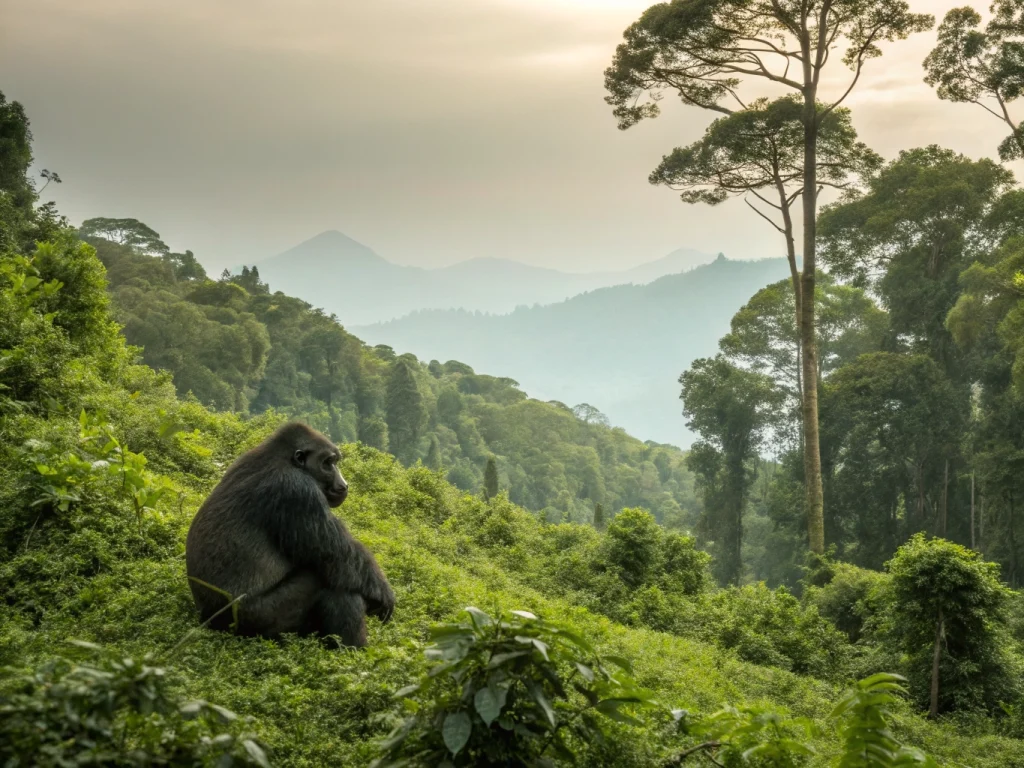
The short answer: Yes, the tree-climbing lions of Ishasha are worth the drive – but with honest expectations. This is one of only two places in Africa (the other is Lake Manyara in Tanzania) where lions regularly climb and lounge in fig trees. It’s a genuinely rare and magical sight. However, you have a 60-70% chance of seeing them in dry season, and only 30-40% in wet season. The detour adds 2-3 hours of driving each way. Here’s exactly what you need to know to decide. Your Situation Verdict Dry season (June-Sept) + you have an extra day ✅ Absolutely worth it Dry season + tight schedule ✅ Worth it (drive via Ishasha to Bwindi) Wet season (March-May) + you’re flexible ⚠️ Maybe – odds are lower Wet season + tight schedule ❌ Probably skip You’ve seen tree-climbing lions elsewhere ❌ Skip – focus on other parks You’re a photographer ✅ Worth it (unique shots) The deeper truth: After 15 years of guiding hundreds of travelers to Ishasha, I’ve seen the magic and the disappointment. I’ve watched travelers weep tears of joy at a lioness and cubs in a fig tree. I’ve also watched travelers drive 4 hours, see nothing, and feel crushed. This guide will give you the real odds, the best strategies, and the honest answer about whether Ishasha belongs in YOUR itinerary. Authority signal: As an IATA-certified tour operator with 15+ years of on-the-ground experience, Travel Giants Uganda has guided more Ishasha lion searches than almost any operator. We know the territory, the timing, and the truth. What Exactly Are Tree-Climbing Lions? Before you decide if they’re worth it, understand what you’re chasing – and why it’s so unusual. The Phenomenon Question Answer What are they? Lions that regularly climb and rest in large fig trees – behavior that’s rare among lions worldwide Where else can you see them? Lake Manyara National Park (Tanzania) – only two places on Earth Why do they climb? Theories: escape biting insects (tsetse flies), cool breezes, better vantage point, habit passed through generations Which trees? Large fig trees (Ficus species) with spreading branches How high? 10-20 feet off the ground When do they climb? Late afternoon (4:00-6:30 PM) when heat and insects are intense The Science (Simplified) Lions don’t normally climb trees. Their bodies aren’t built for it – they’re heavy (males 400+ lbs), their claws aren’t as curved as leopards, and they prefer to conserve energy on the ground. But the Ishasha lions have learned this behavior, probably from generations of mothers teaching cubs. It’s a cultural behavior, not instinct. That’s what makes it so special – and so unpredictable. [IMAGE PLACEMENT 1 – Tree-climbing lion in fig tree, Ishasha sector, golden afternoon light. Caption: “One of only two places on Earth where lions regularly climb trees – the other is Lake Manyara, Tanzania.”] The Real Odds – What’s Your Probability of Seeing Them? Let’s be honest about the numbers. No one can guarantee tree-climbing lions. Here’s what you can actually expect. Sightings Probability by Season Season Months Probability Why Peak Dry June, July, August, September 65-70% High heat, many insects – lions climb for relief Short Dry December, January, February 55-65% Still good – slightly less heat Shoulder October, November, March 40-50% Mixed conditions Peak Wet April, May 30-40% Cooler, fewer insects – lions stay on ground Probability by Time of Day Time Probability Why Late afternoon (4:00-6:30 PM) Highest (60-70% in dry season) Heat peaks, insects swarm – lions climb for relief Morning (6:30-10:00 AM) Low (10-20%) Lions descend at dawn to hunt or rest on ground Midday (10:00 AM – 3:00 PM) Low (10-20%) Too hot – lions are hiding in shade (may be trees or bushes) The Honest Truth About the Numbers I’ve guided 150+ Ishasha safaris. Here’s the real data from my experience: Dry season: About 2 out of 3 trips see tree-climbing lions Wet season: About 1 out of 3 trips If you spend two afternoons in Ishasha: 80-85% success rate in dry season If you only have one afternoon: 50-60% in dry season These are real numbers, not marketing. You can beat the odds by following my strategies below – but you can’t eliminate the possibility of seeing nothing. The Drive – What It Actually Costs You Ishasha isn’t on the main road. Here’s exactly what the detour costs you in time, money, and effort. The Geography Route Driving Time Distance Road Condition Mweya (QENP headquarters) → Ishasha 2-3 hours 75 miles (120 km) Good dirt road, dusty in dry season Ishasha → Bwindi (Rushaga/Buhoma) 3-4 hours 85 miles (135 km) Good to fair – mountain roads Kampala/Entebbe → Ishasha (direct) 8-9 hours 280 miles (450 km) Mostly paved, last 2 hours dirt The Time Cost for a Typical 7-Day Itinerary Itinerary Option Extra Driving What You Gain What You Lose Via Ishasha +4-6 hours total detour Chance at tree-climbing lions 1 afternoon/evening of rest Direct to Bwindi 0 hours detour More rest, lower cost No tree lion chance Overnight in Ishasha 0 extra driving (you stay there) Two game drives (afternoon + morning) Different lodging (not Mweya) The Cost Breakdown Cost Factor With Ishasha Detour Without Ishasha Detour Difference Fuel $30-40 extra – +$30-40 Accommodation (1 night) $80-400 (depending on budget) $0 (you’d stay elsewhere) +$80-400 Guide time Included in daily rate – $0 (already paid) Park fees Included in QENP entry – $0 Total extra $110-440 $0 +$110-440 [IMAGE PLACEMENT 2 – Map showing Ishasha’s location between Mweya and Bwindi. Caption: “Ishasha sits between Queen Elizabeth’s main sector and Bwindi – adding 2-3 hours of driving each way.”] The Best Strategy to See Tree-Climbing Lions You can’t guarantee a sighting. But you can stack the odds in your favor. Here’s exactly what I tell my clients. The Winning Formula (Proven by 150+ Safaris) Step Action Why It Works 1 Visit in dry season (June-September) 65-70% probability vs. 30-40% in wet 2 Stay overnight in Ishasha (not just passing through) Two game drives instead of one 3
