
Few wildlife experiences feel as personal as meeting a wild mountain gorilla in its forest home. In Uganda, the trail may lead through steep valleys, thick vines, and misty mountain slopes before a ranger signals that a gorilla family is close.
This guide explains how to plan the trip, what it costs, and what the day really feels like. It also shows how your visit supports the protection of mountain gorillas and the people who live near their habitat.
What is gorilla trekking in Uganda?
Gorilla trekking is a guided walk through protected forest to find a habituated gorilla family. A permit allows one visitor to join a small group for a limited viewing period. Guides and rangers lead the trek, read signs, and set safe boundaries around the animals.
The experience is not a zoo visit. The gorilla family chooses where to move. Some days bring a short walk. Other days require several hours on steep ground. The uncertainty is part of the adventure.
What travelers can expect
- A briefing before the walk begins.
- A forest trek with local guides, trackers, and rangers.
- Time near a gorilla family once the group is located.
- Strict rules about distance, noise, food, and photography.
- A certificate or memory of the experience, depending on the operator.
Start with the right trip plan
Share your dates and interests before choosing a park. A local specialist can match your group with permits, transfers, and accommodation.
Where does gorilla trekking take place?
Uganda offers gorilla trekking in two protected areas in the southwest. They are Bwindi Impenetrable National Park and Mgahinga Gorilla National Park. Both protect mountain gorillas, but they offer different travel settings.
Bwindi Impenetrable National Park
Bwindi is the main destination for gorilla trekking Uganda trips. The park covers a wide area of ancient forest and has several trailheads. These include Buhoma, Ruhija, Rushaga, and Nkuringo.
The sector matters because travel time, lodging, and gorilla family location depend on it. A permit for one sector does not always make another sector practical. Ask where the permit is based before paying for a lodge.
Mgahinga Gorilla National Park
Mgahinga National Park is smaller and sits in the Virunga landscape. It has dramatic volcanic scenery and a compact visitor area. The park is part of a wider mountain ecosystem shared with Rwanda and the Democratic Republic of the Congo.
Gorilla families can cross natural borders, although tracking is managed by the country where the group is found. Park Mgahinga may suit travelers who want a shorter Uganda route from Kigali or a volcano-focused itinerary.
Bwindi is useful for
- More sector and lodge choices.
- Longer safari combinations.
- Travelers seeking varied forest scenery.
Mgahinga is useful for
- A smaller park setting.
- Volcanic views and bamboo forest.
- Combining trekking with a Kigali route.
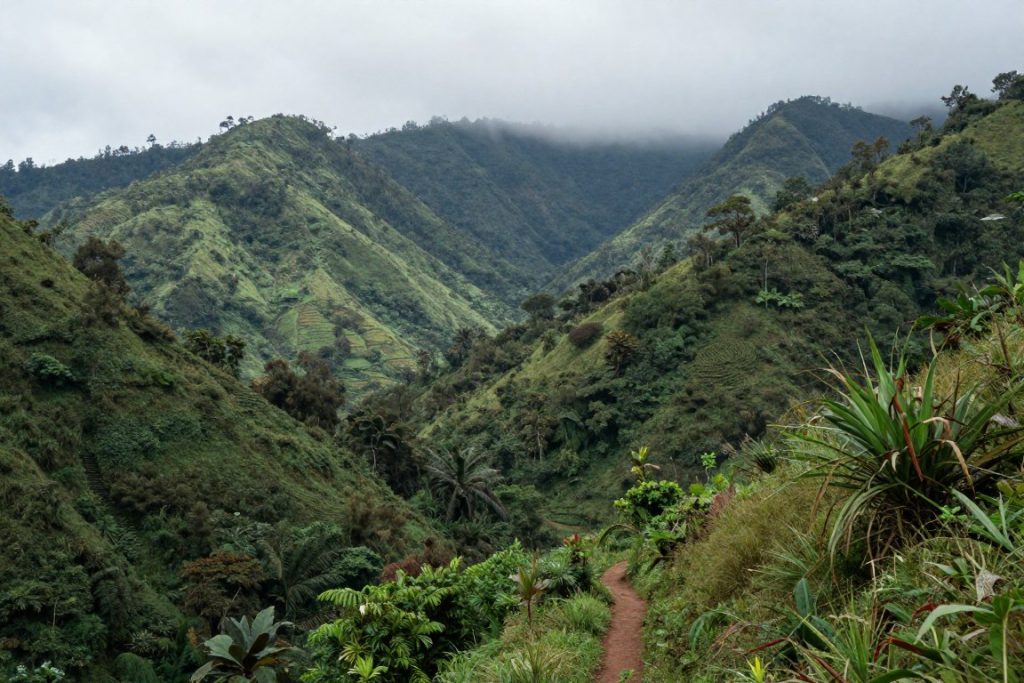
Best time for gorilla trekking in Uganda
The best time depends on your priorities. The drier periods are often June through August and December through February. Trails may be easier to walk, but permits and lodges can sell out early.
September and December can offer a useful balance of weather and availability, although rain is possible at any time. The forest has its own climate. A dry forecast in Kampala does not guarantee a dry trail in Bwindi impenetrable.
Dry and wet season choices
| Period | Typical advantage | Planning note |
| June–August | Often drier conditions | Book early for popular dates |
| September–November | Fewer peak-season crowds | Expect changing rain and mud |
| December–February | Good trekking conditions in many years | Holiday demand can be high |
| March–May | Green scenery and possible value | Heavier rain may affect trails |
There is no guaranteed best time for every traveler. Choose a season that matches your budget, schedule, and comfort with wet conditions.
Planning tip: Use weather seasons as a guide, not a promise. Mountain gorillas live in a rainforest, so pack for rain even during a dry month.
Gorilla permits, costs, and what the fee covers
A gorilla permit is the key document for the visit. It usually covers entry to the protected area, ranger services, tracking, and a limited time with a habituated gorilla family. The fee also supports conservation and community programs.
Typical Uganda permit prices
The commonly published standard permit price for foreign nonresidents is US$800 per person. A gorilla habituation permit is commonly listed at US$1,500 per person. These figures can change, so confirm the current rate with the Uganda Wildlife Authority or a licensed operator before booking.
Residents and citizens may have different rates. Eligibility rules also apply. A trekking permit is not the same as a habituation permit, and the two experiences should not be confused.
| Permit type | Best for | Important detail |
| Standard gorilla permit | Most first-time visitors | Limited viewing time with a habituated family |
| Gorilla habituation permit | Travelers seeking a longer research-led visit | Fewer visitors and a longer experience |
Costs beyond the permit
- International flights and visas.
- Ground transport or domestic flights.
- Lodging before and after the trek.
- Meals, tips, porter fees, and travel insurance.
- Extra activities near Bwindi impenetrable national areas.
Check permit dates before booking flights
Permit availability can shape the entire route. Request a date check first, then build transport and lodging around the confirmed sector.
How to book gorilla trekking
You can arrange a trek through the Uganda Wildlife Authority, a licensed tour company, or a trusted lodge partner. Many international travelers choose an operator because permits, transfers, guides, and accommodation must fit together.
- Choose likely travel dates and the number of trekkers.
- Decide between Bwindi and Mgahinga National Park.
- Ask which trailhead or sector the permit uses.
- Confirm the permit price, payment terms, and cancellation rules.
- Book accommodation close to the correct trailhead.
- Arrange transport from Entebbe, Kigali, or another safari stop.
Do not rely on a vague promise that a permit is “reserved.” Ask for written confirmation and the permit conditions. A clear operator should explain what is included and what is not.

What happens on the trek day?
Most visitors start early. At the trailhead, staff check permits and provide a briefing. You may meet the ranger team and decide whether to hire a porter. The group then enters the forest.
Trackers may leave before the main group to locate the gorillas. They communicate with guides as the trail changes. The route can pass over roots, streams, thick vegetation, and steep slopes.
During the gorilla encounter
Once the gorilla family is found, the guide explains where to stand. Keep your voice low. Follow instructions about distance and movement. The gorillas may rest, feed, climb, or walk past the group.
Standard visits usually allow about one hour with the family. The exact experience depends on the animals and official rules. Photography is permitted in many situations, but flash should not be used.
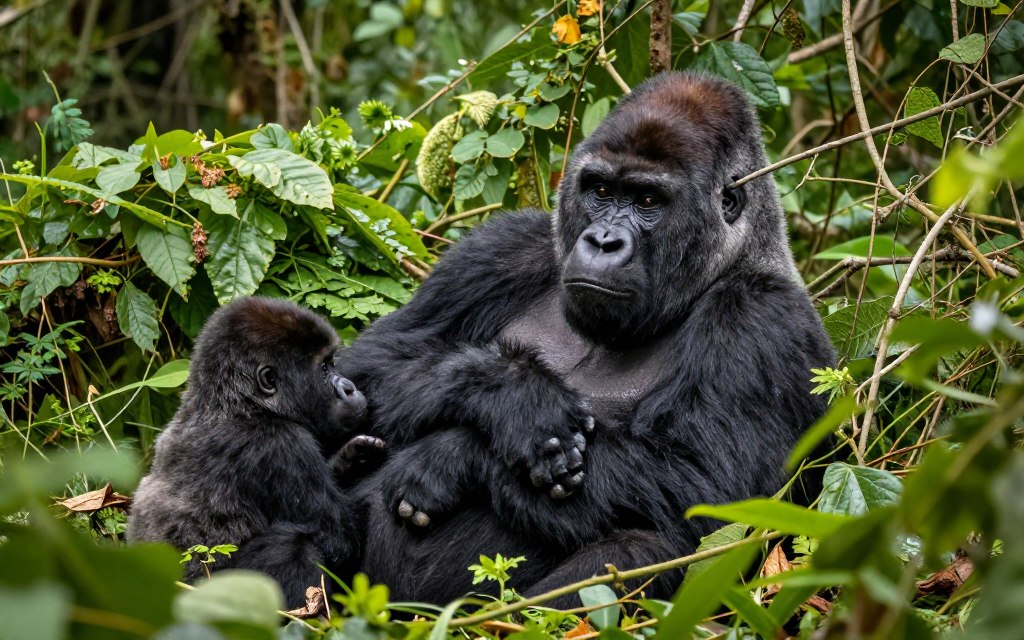
Difficulty, duration, and fitness requirements
Gorilla trekking can be physically demanding. Bwindi impenetrable forest has steep slopes, slippery paths, and dense growth. The time on the trail may range from a few hours to most of the day.
Gorilla location changes each day. A family that was close to the trailhead yesterday may be farther away today. Fitness needs vary by sector, season, and family movement.
How to prepare
- Walk on hills or use stairs several weeks before travel.
- Build steady endurance rather than sprint speed.
- Tell the operator about injuries or medical limits.
- Use walking poles if they improve balance.
- Ask about a porter. Porters can carry bags and support the local economy.
Visitors do not need to be elite athletes. A calm pace, suitable clothing, and honest communication with the guide make a major difference.
Reasons to hire a porter
- Less weight on steep trails.
- Extra support on muddy ground.
- Direct income for a nearby community.
Challenges to expect
- Humidity and sudden rain.
- Uneven roots and narrow paths.
- Long periods of standing quietly.
Gorilla habituation experience versus standard trekking
A habituation experience is designed for travelers who want more time with a gorilla group that is still becoming comfortable around people. Researchers, trackers, and rangers explain more about behavior and conservation.
The visit is usually longer than standard gorilla trekking and costs more. It may also involve a harder search. This option suits wildlife enthusiasts, photographers, and repeat visitors who want a deeper learning experience.
Which option should you choose?
- Choose standard trekking for a first visit and a focused wildlife encounter.
- Choose the habituation experience if you want extended observation.
- Choose based on budget, fitness, patience, and available dates.
Not sure which permit fits?
Tell us how much time you have, who is traveling, and what you want to learn. Use the comparison to choose a standard trek or a habituation experience.
What to pack for gorilla trekking Uganda
Pack for wet, cool, and muddy conditions. The forest is warm when you climb, but the air can feel cold after rain. Clothing should protect your skin without making movement difficult.
Clothing
- Long trousers and a long-sleeved shirt.
- Light fleece or warm layer.
- Waterproof jacket and trousers.
- Spare socks and a change of clothes.
Trail gear
- Sturdy hiking boots with grip.
- Small daypack and dry bags.
- Gardening gloves for vegetation.
- Walking poles if preferred.
Personal items
- Water and simple snacks.
- Insect repellent and sunscreen.
- Hand sanitizer and tissues.
- Camera with a quiet strap.

Health, hygiene, and age considerations
Gorilla trekking takes place at altitude and in a humid forest. Speak with a medical professional before travel if you have heart, breathing, joint, or mobility concerns. Travel insurance should cover trekking and emergency evacuation.
Visitors with infectious symptoms may not be allowed near the gorillas. This protects animals that can catch some human illnesses. Keep distance from the group if you feel unwell and tell your guide.
Useful health habits
- Carry enough drinking water for the trail.
- Use insect protection and follow medical advice.
- Wash or sanitize hands before and after the visit.
- Bring personal medication in a waterproof pouch.
- Allow time to rest before the trek.
Travel logistics: getting to the parks
Most international visitors arrive through Entebbe International Airport. From there, a road journey to Bwindi impenetrable national areas can take much of a day or more, depending on the route and trailhead.
Some travelers fly to a regional airstrip and continue by road. Others enter Uganda from Rwanda through Kigali. The best choice depends on border rules, flight prices, permit location, and the rest of your safari.
Useful itinerary combinations
Travelers often add Queen Elizabeth National Park for tree-climbing lions, chimpanzee tracking, or a boat trip. An itinerary may also include Murchison Falls, Kibale, or Lake Mburo.
Queen Elizabeth National Park is a practical pairing for some Bwindi routes. Elizabeth national park travel still requires careful timing because roads are long and conditions can change.
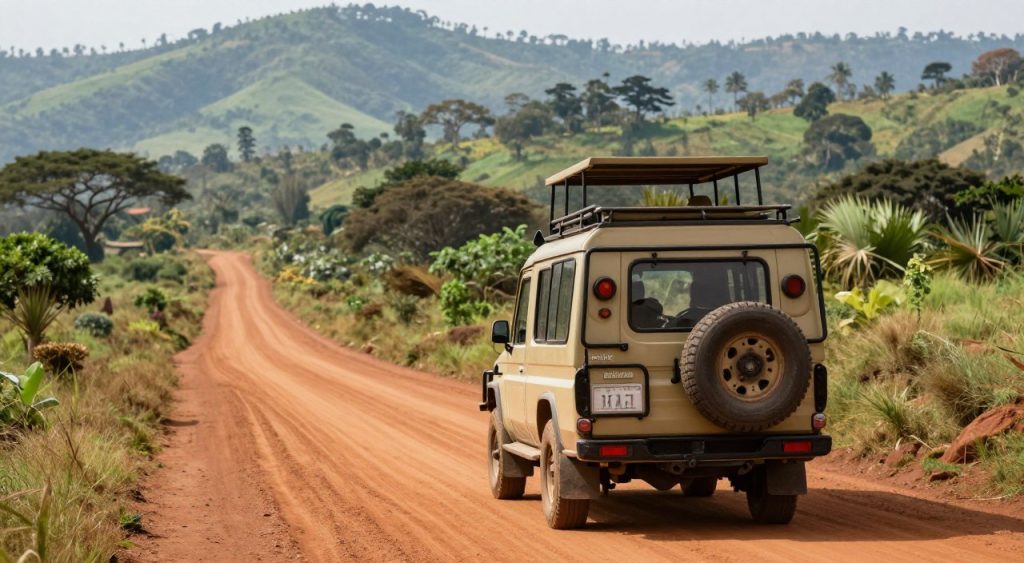
Build a route around your permit sector
A well-timed itinerary reduces long road transfers and protects your trekking morning. Ask for a route that links the park, lodge, and arrival point.
Where to stay near Bwindi and Mgahinga
Choose a lodge near the correct trailhead. This is more important than choosing a property with the highest rating in a distant town. A close location means less driving before the briefing.
Options range from simple guesthouses to luxury gorilla lodge properties. Many offer meals, packed lunches, laundry, and views of the forest. Confirm whether the rate includes drinks, transfers, porter fees, and park-related services.
Questions to ask before reserving
- Which trailhead is the lodge closest to?
- How long is the transfer to the briefing point?
- Can the lodge prepare an early breakfast?
- Is hot water available after a wet trek?
- Can the lodge support local guides and community projects?

Safety rules and responsible wildlife tourism
Rangers set the rules to protect both people and mountain gorillas. Keep the required distance, avoid sudden movement, and never touch a gorilla. Do not eat or drink near the family unless the guide gives clear instructions.
Turn away and cover your mouth if you sneeze or cough. Avoid visiting when ill. Do not use flash photography. Follow the group leader even if a gorilla approaches the trail.
How your visit supports conservation
Permit income helps fund protected areas, staff, monitoring, and community programs. Tourism also creates work for guides, porters, drivers, lodge teams, and craft makers. Spending locally can extend that benefit.
- Hire a porter through a fair local arrangement.
- Tip guides and support staff according to service and local norms.
- Buy crafts from makers rather than taking natural materials.
- Carry waste out of the forest.
- Respect local communities and ask before taking photographs.
Wildlife comes first: A close photograph is never worth breaking a safety rule. The guide may shorten or change the encounter when animal behavior requires it.

A practical planning checklist for first-time visitors
Use this checklist before you make a deposit. It helps reveal gaps that can cause stress later.
- Set a total budget, including tips, insurance, and internal transport.
- Choose standard trekking or the gorilla habituation experience.
- Check passport, visa, vaccination, and insurance needs.
- Request permit availability for exact dates.
- Confirm the Bwindi impenetrable sector or national park Mgahinga route.
- Reserve a nearby lodge after the permit sector is known.
- Arrange airport pickup, road transfers, or regional flights.
- Prepare clothing and fitness for steep, wet trails.
- Read the wildlife rules with every member of your group.
How to judge a safari operator
- It gives a written price breakdown.
- It explains permit confirmation clearly.
- It uses licensed guides and known local partners.
- It answers questions about safety and fitness.
- It does not promise a guaranteed animal position or weather.
Gorilla trekking in Uganda FAQ
How much is a gorilla permit in Uganda?
The commonly published foreign nonresident rate is US0 for standard trekking. A habituation permit is commonly listed at US
Gorilla trekking in Uganda FAQ
How much is a gorilla permit in Uganda?
The commonly published foreign nonresident rate is US$800 for standard trekking. A habituation permit is commonly listed at US$1,500. Confirm current prices, eligibility, and booking terms with the Uganda Wildlife Authority or a licensed operator.
Is Bwindi impenetrable national park hard to reach?
It can be. Road transfers are long, and routes vary by sector. A regional flight or a route through Kigali may reduce road time, but border and flight planning must be checked.
Can children go gorilla trekking?
Minimum age rules apply, and operators should confirm the current requirement. The terrain and wildlife rules also matter. Families should discuss fitness and supervision before booking.
What is the best time for gorilla trekking?
June through August and December through February are often chosen for drier conditions. September and December can also work well. Rain is possible throughout the year.
What is the difference between Bwindi and Mgahinga?
Bwindi impenetrable national park is larger and has several trail sectors. Mgahinga National Park is smaller and known for volcanic scenery. The best choice depends on permit availability and your route.
How long do gorilla treks last?
The forest walk may take a few hours or most of a day. The location of the gorilla family, weather, terrain, and trailhead all affect the duration.
Request help planning your Uganda gorilla safari
Once you know your preferred dates, park, and budget, a tailored request can turn research into a workable itinerary. Include enough detail for a useful reply, but do not send passport numbers or other sensitive information through a basic form.
Plan a thoughtful gorilla experience
Gorilla trekking in Uganda rewards careful planning. Choose the right park sector, confirm the permit, prepare for steep forest trails, and allow time for the journey. Most importantly, follow the ranger’s guidance and treat the gorillas as wild animals in their home.
With a responsible operator and a realistic itinerary, your visit can support conservation while creating a meaningful experience in Uganda’s mountain forests.

