
Few wildlife trips feel as personal as walking through a green forest and meeting a family of mountain gorillas. The experience is powerful, but it takes careful planning.

This guide explains what to expect, how to prepare, and how to choose the right route without guesswork.

A guided walk through Uganda’s highland forest.

Where Does Gorilla Trekking Take Place?

Uganda’s main destination is Bwindi Impenetrable National Park. Its Bwindi impenetrable forest is divided into several trekking sectors, including Buhoma, Ruhija, Rushaga, and Nkuringo. Each sector has its own trail network, lodges, and habituated gorilla family groups.

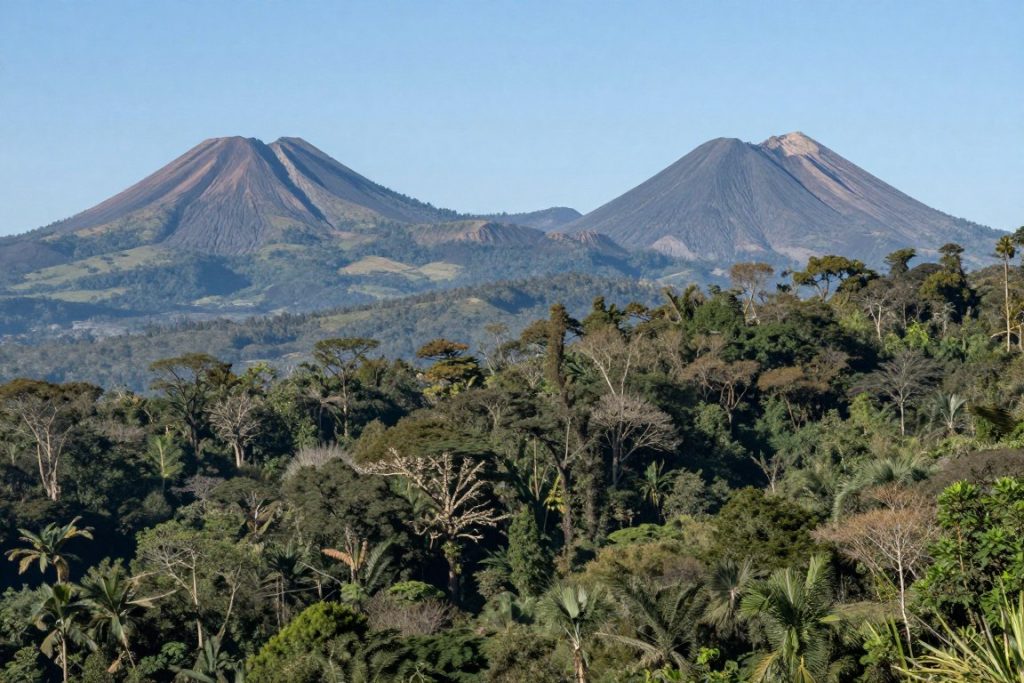
The second option is Mgahinga Gorilla National Park in the country’s southwest. The park mgahinga gorilla landscape forms part of the Virunga mountain range. It is smaller than Bwindi, yet it offers a distinct forest setting and dramatic volcanic views.

Some travelers combine the trek with Queen Elizabeth National Park or Murchison Falls. Queen Elizabeth National Park is especially convenient for a wider safari itinerary, but it is not a gorilla trekking site. Plan road time carefully between parks.

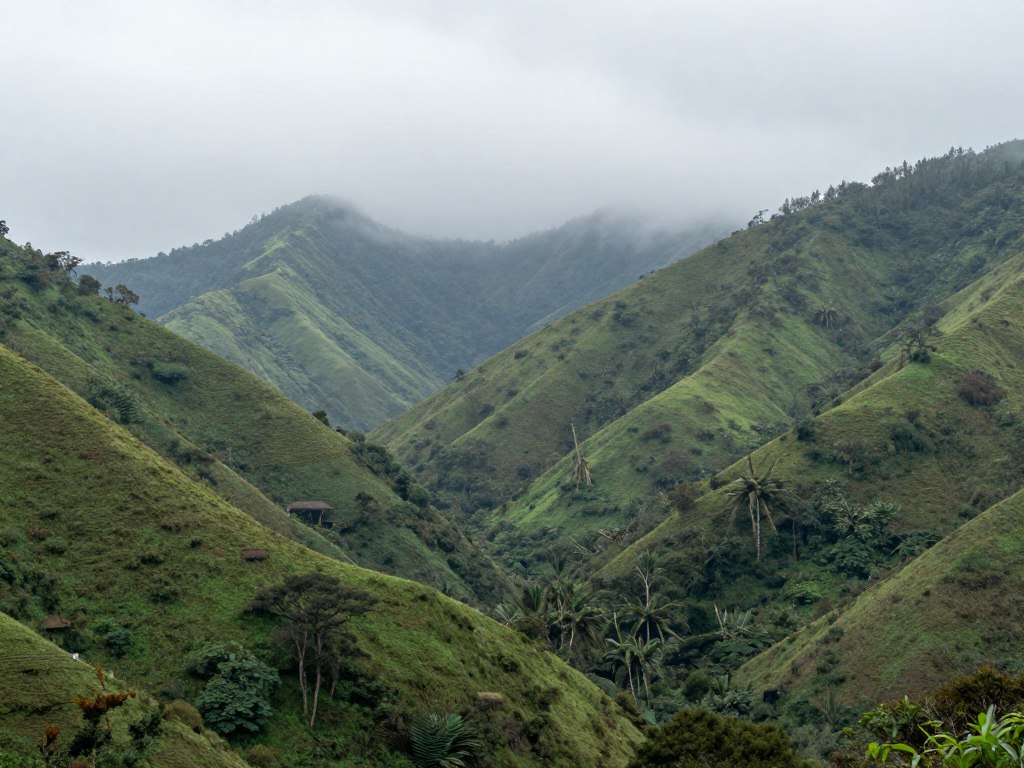
Mountain landscape near Bwindi Impenetrable National Park

Bwindi’s hills make location and road planning important.

Bwindi or Mgahinga: Which Region Is Best?

Bwindi is usually the more flexible choice because it has more sectors and a larger range of gorilla families. It can suit travelers who want more accommodation options or who are building a longer safari.

Mgahinga Gorilla National Park may suit visitors who prefer a smaller park and volcanic scenery. However, the available gorilla family can move across the border region, so local conditions may affect sightings and plans.

Choose a sector based on your permit, lodge, road transfer, and fitness needs. Do not select a lodge in one area and assume it will be close to a permit in another. Bwindi impenetrable routes can be separated by long, winding roads.

Need help choosing a sector?

Share your dates, budget, and wider safari plans. A local planner can match your permit area with transport and a suitable safari lodge.

Mgahinga Gorilla National Park volcanic peaks

Mgahinga combines forest trails with volcanic scenery.

Gorilla Permits: How to Get One

A gorilla permit gives you access to a guided visit with a designated gorilla family. Permits are limited, and the Uganda Wildlife Authority manages the official permit system. A reputable tour company can help reserve one, especially if you also need lodging and transfers.

Ask for the permit date, sector, inclusions, and receipt before paying a deposit. A permit is not the same as a complete gorilla safari. Transport, meals, lodging, tips, and other park activities may cost extra.

Rules and prices can change. Confirm the current fee directly with the Uganda Wildlife Authority or with a licensed operator before making nonrefundable arrangements.

Planning note: Secure the permit before booking fixed domestic transfers. Your permit sector determines where you need to sleep the night before the trek.

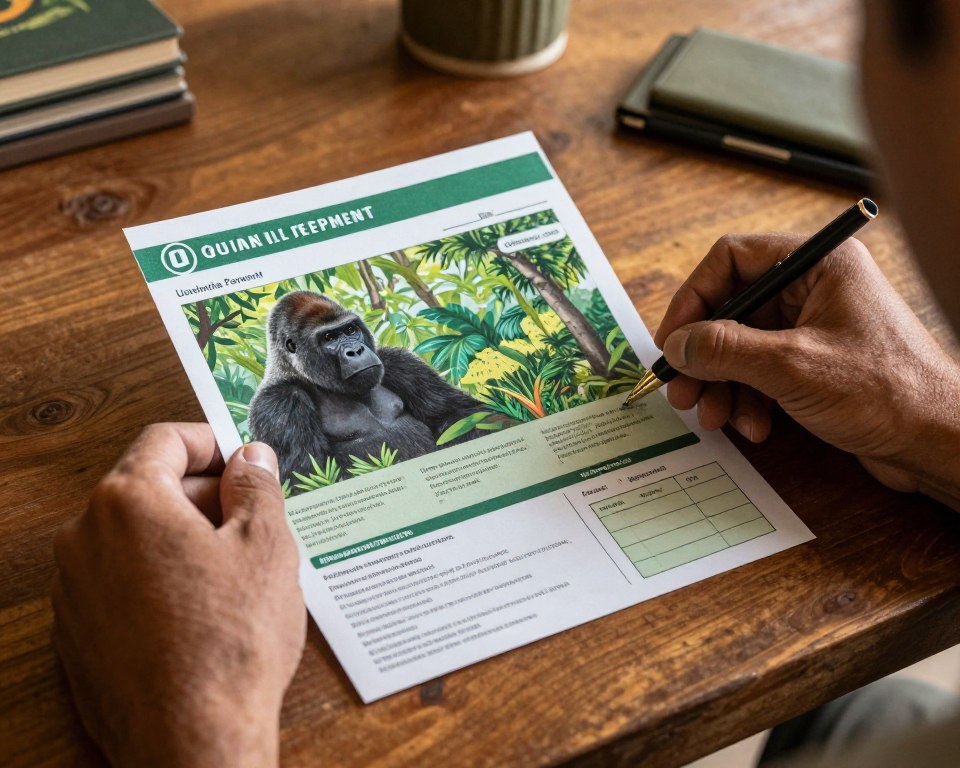
Gorilla permit planning for gorilla trekking in Uganda

Check permit details before confirming other travel services.

Expected Costs and What Your Budget Covers

The permit is the largest single cost for most visitors. Your full budget will also include international flights, visas, airport transfers, accommodation, meals, road transport, guide services, and optional activities.

Luxury lodges near Bwindi can raise the total quickly. A simpler gorilla safari lodge may offer better value if you care more about trail access than room features. Ask whether the quoted tour includes park fees, drinking water, porter support, and transfers.

Do not choose only by the lowest headline price. A clear quote should list what is included and excluded. It should also explain cancellation terms, payment stages, and any seasonal change.

Get a clear safari estimate

Request an itemized plan that separates the permit, transport, lodging, meals, and guide services. This makes comparison easier.

The Best Time for Gorilla Trekking

Gorilla trekking is possible throughout the year. Many visitors prefer drier periods because trails may be less slippery. September to December can be a useful travel window, and January and February are often popular too.

Rain remains possible in a tropical mountain forest during any month. The best time depends on your wider trip, budget, and comfort with changing weather. Wet months may bring muddier trails but can offer quieter travel conditions.

Book early for popular dates, especially around major holidays. If your schedule is flexible, ask about several permit dates before confirming flights.

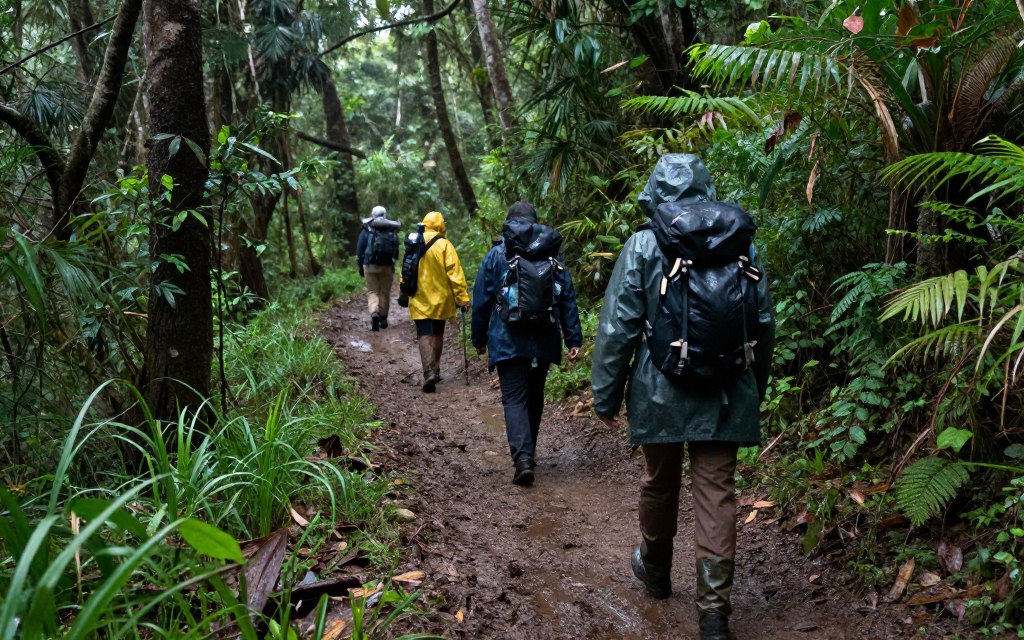
Rainy season trail in Bwindi impenetrable forest

Rain can arrive quickly, even during a preferred season.

What the Trek Is Really Like

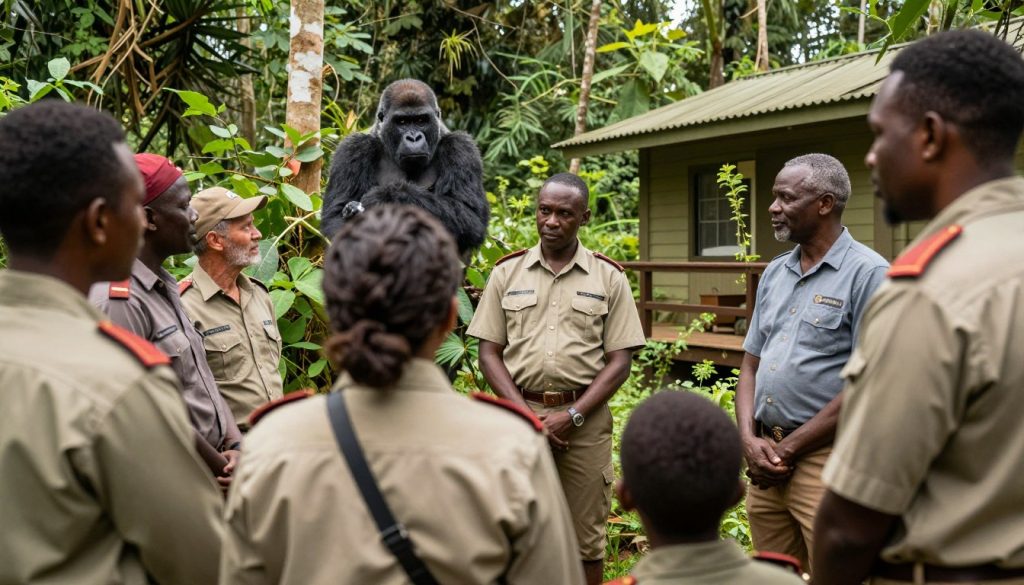
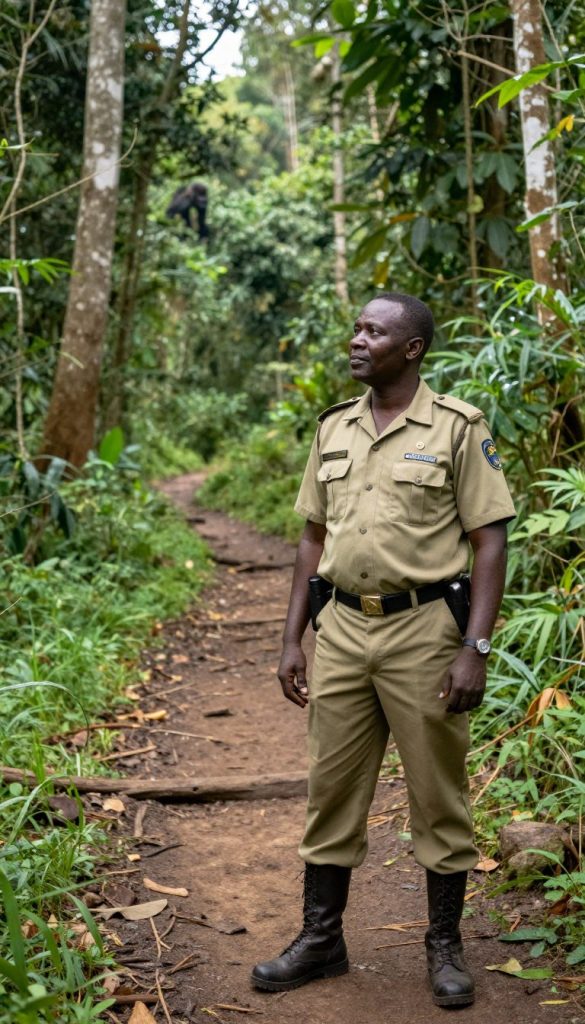
The day normally starts early with a briefing at the park headquarters. Rangers assign visitors to a gorilla family and explain safety rules. The walk can last from a short outing to several hours, depending on where the gorilla family is located.

Trails may cross steep ground, thick vegetation, roots, mud, and streams. The group pauses when needed. Once you find the gorillas, your viewing time follows the current park rules and ranger instructions.

Expect a quiet, focused experience rather than a fast wildlife drive. You may hear birds, insects, and distant movement before seeing the gorilla family.

Rangers guiding visitors during gorilla trekking

The ranger briefing sets expectations for the day.

Fitness, Mobility, and Accessibility

You do not need to be an athlete, but you should be ready for uneven ground and long periods outdoors. Build walking stamina before arrival. Practice on hills or stairs while carrying a light daypack.

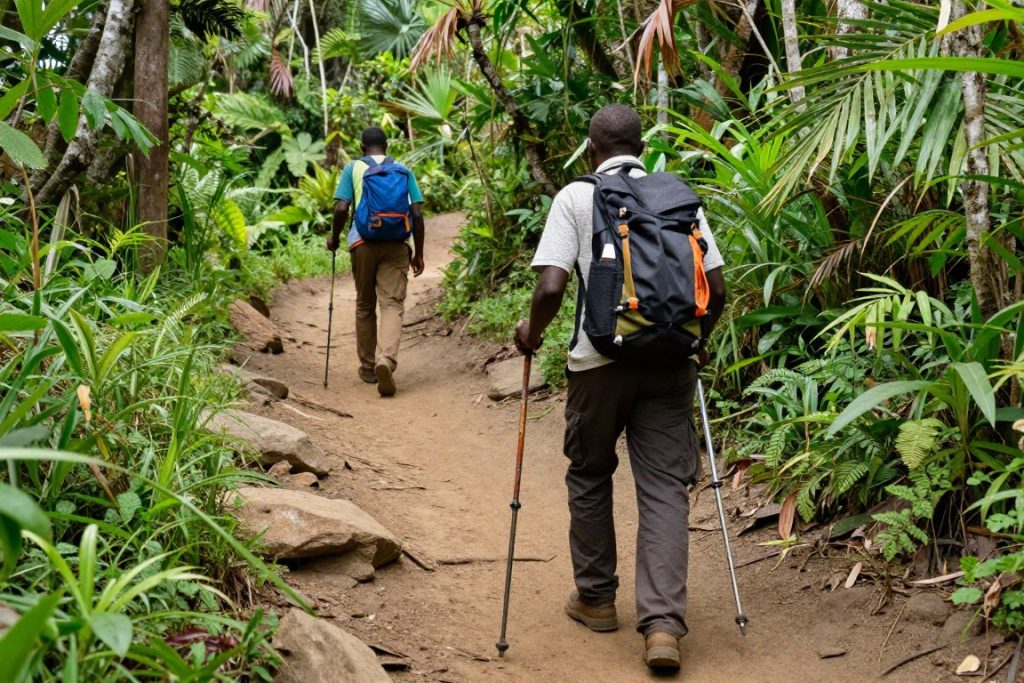
Tell your operator about knee, heart, breathing, or balance concerns. Ask about the shortest likely route, porter help, walking poles, and the sector’s terrain. Options may be limited, so honest planning matters.

Porters can carry your bag and offer support on difficult ground. Hiring one also provides direct income to nearby communities. A porter does not replace a ranger or guarantee an easy trail.

Be realistic: Forest conditions can change during the trek. Ask for a practical assessment instead of a promise about trail length or difficulty.

Visitor using walking poles on a Uganda forest trail

Walking poles and porter support can improve comfort.

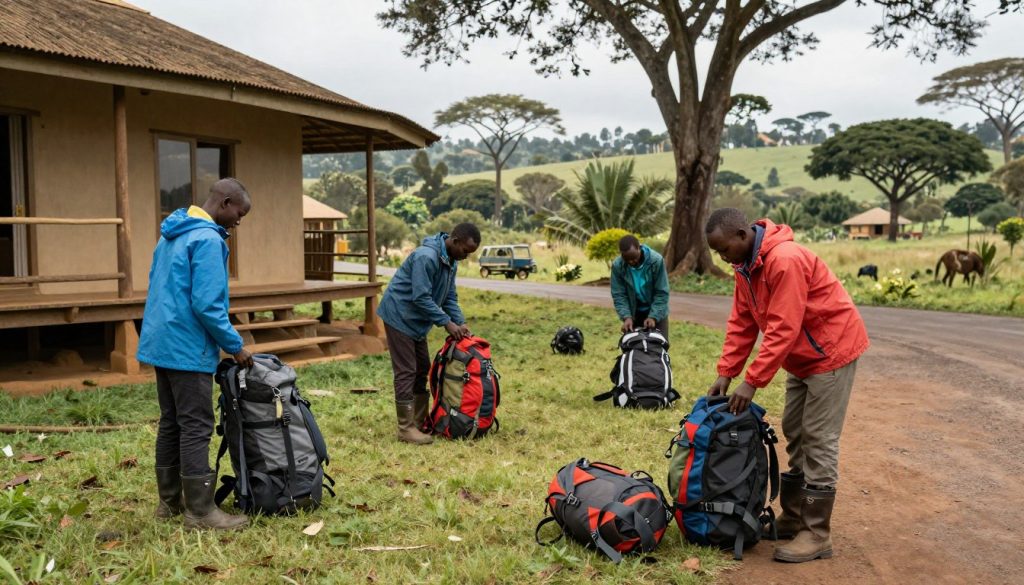
What to Pack for Gorilla Trekking Uganda

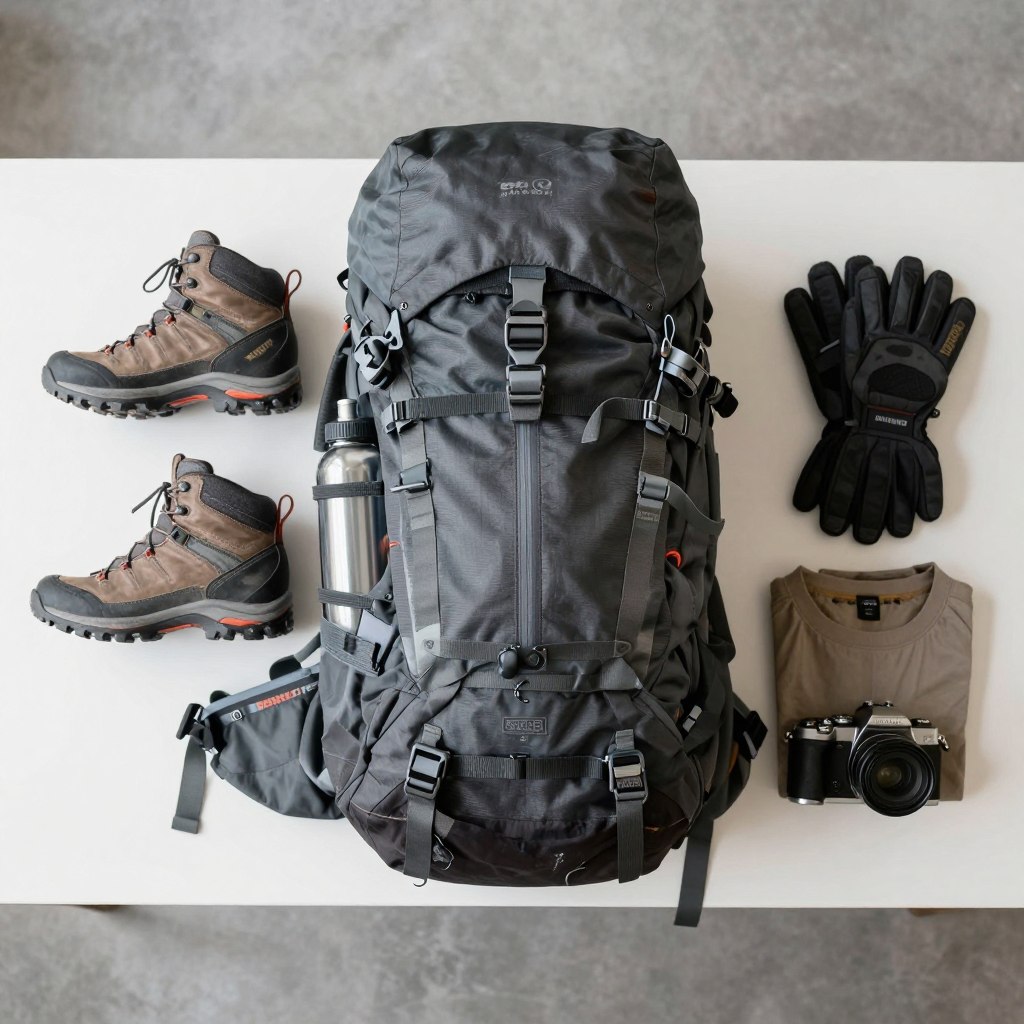
Pack for wet, cool, and muddy conditions. A small, balanced daypack is easier to carry than a large bag. Keep electronics and documents in waterproof protection.

  • Sturdy hiking boots with good grip.
  • Long trousers, a long-sleeved shirt, and warm layers.
  • A rain jacket and a small waterproof cover.
  • Gardening gloves for branches and rough vegetation.
  • Refillable water bottle, snacks, sunscreen, and insect repellent.
  • Small first-aid items and any prescribed medicine.
  • Camera with spare batteries, used without flash.

Neutral clothing helps you blend into the setting. Avoid strong fragrances. Keep your pack light and leave unnecessary valuables at your safari lodge.

Packing list with rain jacket for gorilla trekking in Uganda

A light, weather-ready pack is more useful than extra gear.

Health, Safety, and Travel Documents

Check entry rules, passport validity, visa needs, and recommended vaccines well before departure. Speak with a travel health professional about your route, altitude, medication, and personal conditions.

Do not trek if you feel sick. Mountain gorillas can catch human respiratory illnesses. Tell your guide about symptoms, and follow the park’s health instructions. Use hand sanitizer and keep a respectful distance.

Travel insurance should cover medical care, evacuation, and outdoor activities. Save copies of your passport, permit confirmation, insurance details, and emergency contacts in a secure place.

Requirements can change. Confirm current health, visa, and park rules with official Ugandan sources before departure.

Rules for Observing Mountain Gorillas

Stay with your ranger and keep the required distance from the gorilla family. Never touch, feed, call to, or block a gorilla. Keep your voice low and follow instructions about movement and photographs.

Do not use flash photography. Do not leave food, tissues, or other waste in the forest. If you need to cough or sneeze, turn away and follow ranger guidance.

These rules protect both visitors and gorillas. A calm group creates a better wildlife experience and supports long-term conservation.

Responsible viewing begins with patience. The goal is not to control the encounter, but to enter the gorillas’ environment with care.

Visitor principle
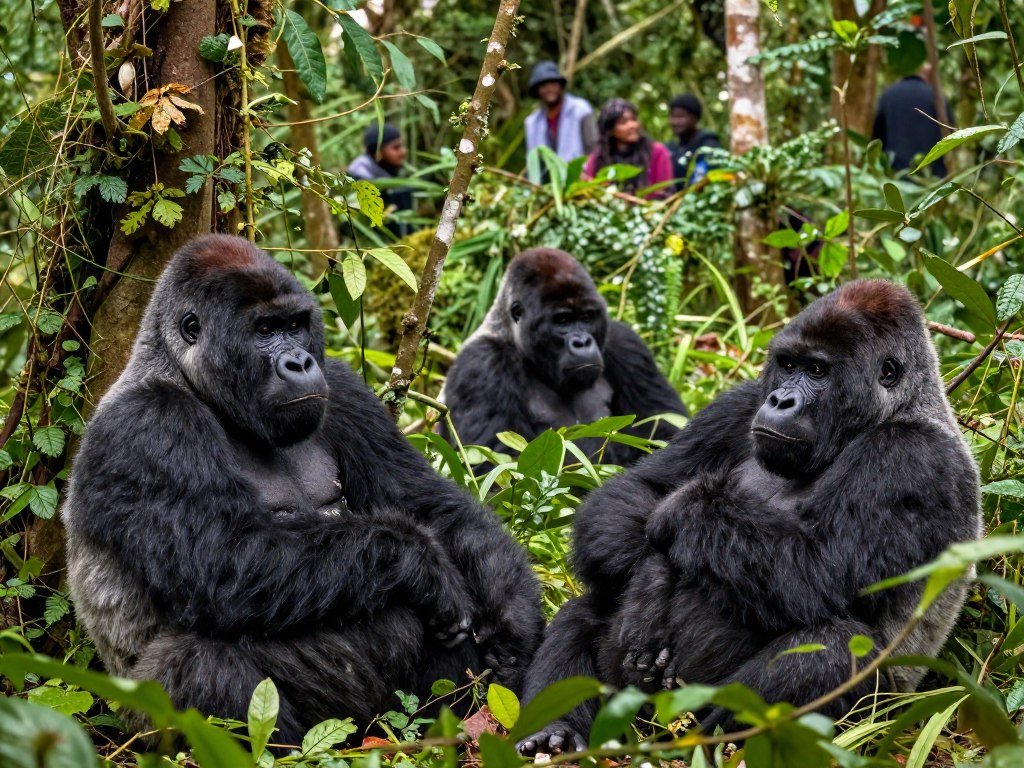
Mountain gorillas observed respectfully in Uganda

Observe natural behavior without approaching or disturbing the gorillas.

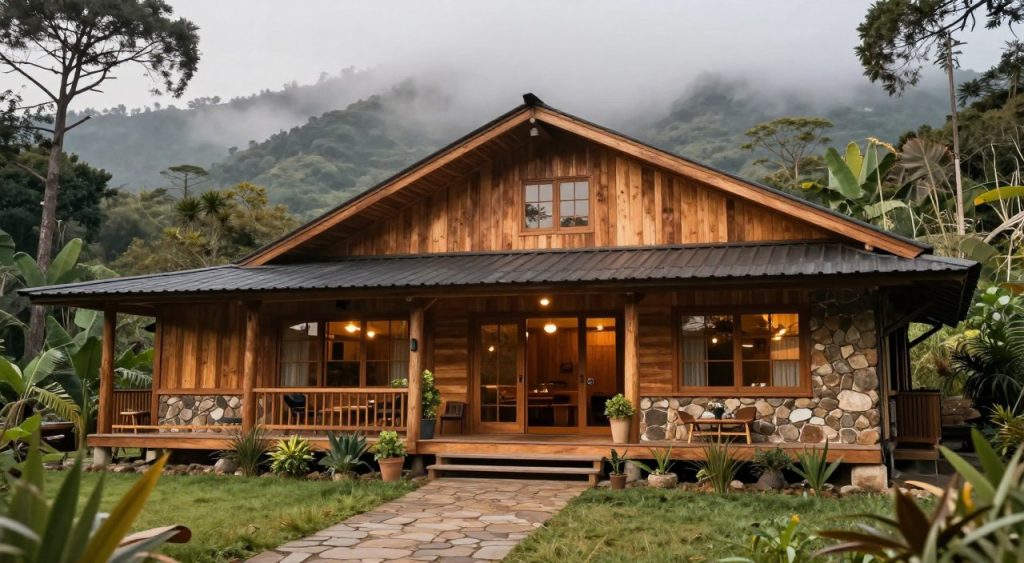
Choosing Lodging, Guides, and Transport

Stay near your permit sector the night before the trek. This reduces early-morning road time and lowers the risk of arriving late. Ask the lodge about breakfast timing, packed meals, hot water, drying space, and luggage storage.

For road travel, a private vehicle gives more control over stops and pace. Shared transfers can cost less but may offer less flexibility. A domestic flight can shorten some journeys, although you still need a road transfer to the forest.

Choose an operator that explains permits clearly, uses trained guides, pays porters fairly, and supports local communities. Read the itinerary rather than relying only on a tour label.

Plan the practical details

Tell us your arrival point, permit sector, and preferred comfort level. We can help connect lodging and transport with your trek date.

Gorilla safari lodge near Bwindi forest

A nearby lodge can make the trek morning simpler.

How Gorilla Tourism Supports Conservation

Permit income helps fund protected areas, ranger work, monitoring, and community programs. Tourism can also create jobs for guides, drivers, porters, cooks, and lodge staff.

Visitors can strengthen this impact by paying for a porter, buying local crafts from fair outlets, respecting village customs, and choosing operators that explain their conservation work. Ask specific questions instead of accepting broad green claims.

Wildlife tourism is not without impact. Small groups, strict rules, and careful visitor behavior help reduce pressure on the forest and gorilla families.

Uganda wildlife ranger supporting gorilla conservation

Ranger work supports safety, monitoring, and conservation.

What the Ranking Pages Do Well With CTAs

The Bwindi Forest National Park page has a strong commercial fit. Its likely audience includes warm visitors comparing destinations, permits, and tours. Its best conversion path is a direct inquiry or booking prompt placed beside practical trip information.

Lonely Planet has a publisher-led informational purpose. Its readers are colder prospects who want trustworthy guidance before choosing a provider. A hard sales CTA would weaken the experience, so contextual links and soft next steps fit better.

Gorilla Tracking Uganda appears to serve a direct service purpose. Its likely CTA is an inquiry, itinerary request, or booking action. This fits hot prospects who already know they want a Uganda gorilla safari.

Across this niche, useful CTA patterns include buttons, inquiry forms, phone contact, and itinerary links. Their success comes from matching the reader’s stage. Informational pages need native prompts; commercial pages can use stronger booking language.

    Informational CTA

  • “Check what to prepare”
  • Placed after an answer
  • Neutral, low-pressure tone

    Planning CTA

  • “Request a tailored route”
  • Placed after costs or regions
  • Helpful, reassuring tone

    Booking CTA

  • “Ask about permit availability”
  • Placed after decision details
  • Clear, action-led tone

Planning support works best after key questions are answered.

A Simple First-Time Planning Checklist

  1. Choose Bwindi or Mgahinga based on your wider route and mobility needs.
  2. Select possible travel dates and check permit availability.
  3. Reserve the permit through an official channel or trusted operator.
  4. Book a lodge close to the correct trekking sector.
  5. Arrange airport transfers, road transport, and any domestic flights.
  6. Review health advice, insurance, visa rules, and park regulations.
  7. Pack waterproof layers, sturdy shoes, water, medicine, and a light bag.
  8. Plan extra time in case of road delays or changing forest conditions.

Request a first-time visitor plan

Use this short form to ask about dates, permits, lodging, transport, and the best region for your trip.

A useful request includes your arrival city, budget range, and preferred comfort level.

First-time visitors preparing for gorilla trekking in Uganda

A short checklist can turn uncertainty into a clear plan.

Gorilla Trekking Uganda FAQ

Is gorilla trekking suitable for first-time safari visitors?

Yes, if you prepare for uneven terrain, wet weather, and an early start. A ranger leads every trek, and a porter can help with your daypack.

Should I choose Bwindi or Mgahinga?

Bwindi offers more sectors and often more lodging choice. Mgahinga offers a smaller park and volcanic scenery. Your permit location and wider route should guide the decision.

How far in advance should I arrange permits?

Arrange them as early as practical, especially for popular months and small groups. Confirm current availability before booking nonrefundable travel.

Can I take photographs?

Yes, when the ranger allows it. Keep the required distance, turn off flash, and stop photographing when instructed.

Can gorilla trekking be combined with other parks?

Yes. Many itineraries add Queen Elizabeth National Park, a savanna safari, or another wildlife area. Allow enough time for road transfers between parks.
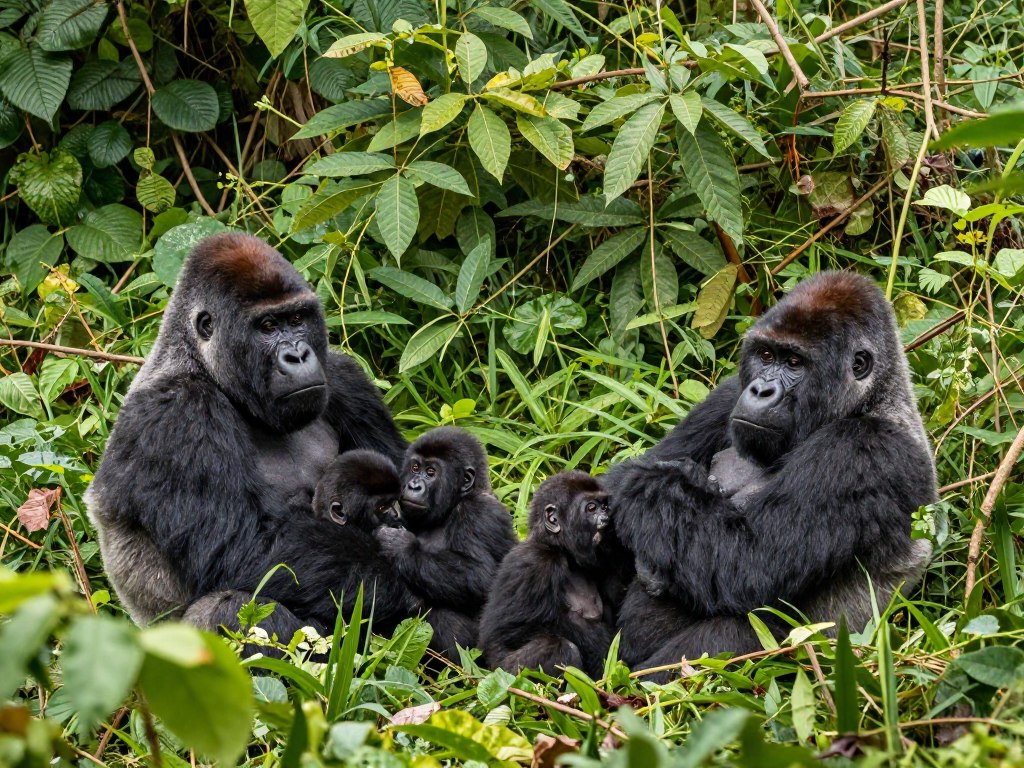
Mountain gorilla family in Uganda forest

The encounter should remain calm, quiet, and respectful.
Start With a Realistic Plan

Gorilla trekking in Uganda becomes easier when you solve the practical details in the right order. Choose the region, confirm the permit, match your lodge to the sector, and arrange safe transport.

Prepare for mud, rain, steep ground, and changing conditions. Follow the ranger’s instructions, protect your health, and treat the gorilla family as wild animals rather than performers.

If you want help comparing Bwindi and Mgahinga, request a tailored plan before paying a deposit. The right advice can make your first gorilla safari calmer, safer, and more responsible.

Ready to plan your first trek?

Ask for help with permits, accommodation, transport, and a route that fits your time and fitness level.

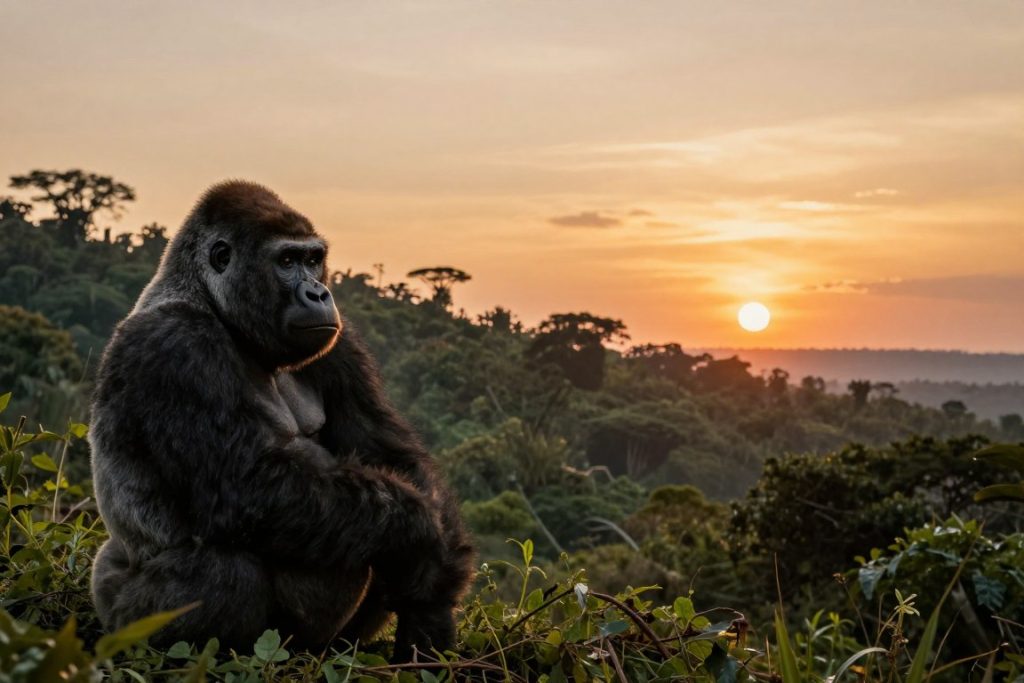
Gorilla safari sunset in Uganda

A well-planned visit supports a meaningful wildlife experience.