
By Charles Lubega | Senior Wilderness Guide, Travel Giants Uganda
Over 5 Years Exploring Remote Uganda | 50+ Kidepo Expeditions | Karamojong Cultural Liaison*
The Explicit Answer: What Awaits You in Kidepo
Kidepo Valley is not a park you visit. It’s a park you earn.
Tucked into Uganda’s remote northeast corner, where the country meets South Sudan and Kenya, this 1,442-square-kilometer wilderness receives fewer visitors in a year than Queen Elizabeth receives in a week. And that’s exactly why it matters.
This guide reveals why Kidepo is Africa’s last true wilderness—the landscapes that feel unchanged since the dawn of time, the wildlife that gathers in densities you thought only existed in documentaries, the Karamojong people who’ve lived alongside lions for millennia, and most importantly—exactly how to get there in 2026.
Quick Facts
| Factor | Details |
|---|---|
| Location | 520 km northeast of Kampala (but the journey is part of the experience) |
| Size | 1,442 sq km |
| Wildlife | 86 mammal species (lions, leopards, cheetahs, elephants, zebras, buffalo, giraffes) |
| Birdlife | 475+ species (ostrich, Karamoja apalis, vultures) |
| Annual Visitors | Fewer than 5,000 (Queen Elizabeth: 60,000+) |
| Best Time | Dry seasons (December-February, June-September) |
The deeper truth: Kidepo doesn’t compete with Uganda’s other parks. It offers something they can’t: the feeling that you’re the first person to see this view, that the animals haven’t learned to ignore vehicles, that you’ve stepped back into an Africa that most travelers only read about.
*I’ve guided over 50 safaris to Kidepo—more than most guides attempt in a lifetime. I know every seasonal river crossing, every acacia-dotted valley where lions hide, every Karamojong manyatta that welcomes visitors. Let me show you why this journey is worth every bump in the road.*
The Quick Answer – Should You Go to Kidepo?
Gist: Kidepo is not for everyone. Here’s exactly who should go—and who should stick to Uganda’s more accessible parks.
| Go to Kidepo If… | Choose Other Parks If… |
|---|---|
| You’ve done the “classic” safari circuit | This is your first safari |
| You crave solitude and silence | You want guaranteed wildlife sightings |
| You’re willing to work for your experience | You have limited time (under 10 days) |
| Remote, untouched landscapes move you | You prefer luxury at every stop |
| You want to see cheetahs (rare elsewhere) | You need constant activity and variety |
| The journey is part of the adventure | Long drives feel like “wasted” days |
| You’re a photographer seeking unique frames | You want the highest animal density |
| You’re drawn to authentic cultural encounters | You’re uncomfortable with “basic” conditions |
Where do you land? If you found yourself in the left column, keep reading. Kidepo is calling.
The Case for Kidepo – Why Remote Is Worth It
Gist: Let me tell you what Kidepo gives you that no other park in East Africa can match.
The Landscape: Africa as It Was
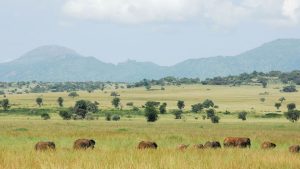
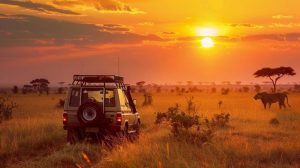
The Narus Valley at dawn. The savanna stretches golden to the mountains. Acacia trees dot the plains like ancient sculptures. And there are no other vehicles. No distant engine sounds. No guides radioing each other. Just you, the wind, and whatever animals emerge from the shadows.
This is what Kidepo delivers—a landscape so vast, so untouched, that you feel like you’ve stumbled onto the set of a film about the beginning of time. The Morungole Mountains frame the horizon. The Kidepo River, dry for much of the year, carves a sandy bed through the park. Borassus palms stand sentinel over watering holes.
You’re not just seeing a park. You’re witnessing a geography that has remained unchanged for millennia.
The Wildlife: Density Without Crowds
Kidepo’s wildlife densities rival the best parks in East Africa—but you’ll have them to yourself.
-
Lions: Prides of 15-20 individuals, often seen on the Narus Valley floor
-
Leopards: Present, though elusive (as they should be)
-
Cheetahs: One of the only places in Uganda where you might see them
-
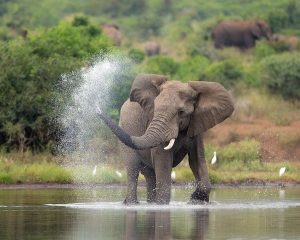
Elephants: Large herds, especially in dry season
-
Buffalo: Thousands, darkening the plains
-
Zebras: Endless herds, often with Grevy’s zebra (rare elsewhere)
-
Giraffes: The Rothschild’s variety, elegant against acacia
-
Ostriches: Africa’s largest bird, striding across savanna
And the birds—over 475 species, including the ostrich, the Karamoja apalis (found nowhere else), and vultures circling thermal lifts.
The Solitude: The Last Quiet Place
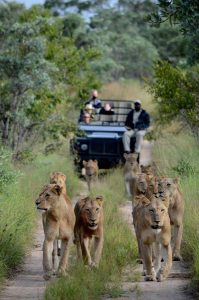
In peak season at Queen Elizabeth, you might share a lion sighting with 10 other vehicles. In Kidepo, you might be the only vehicle in the entire park. Not hyperbole. Actual reality.
I’ve sat with a lion pride for two hours—the only vehicle. I’ve watched elephants drink at a waterhole with no one else present. I’ve listened to the silence and heard only wind.
This is increasingly rare. This is what Kidepo protects.
The People: Karamojong Warriors
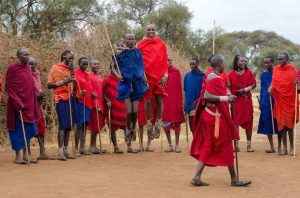
The Karamojong people have lived alongside this wildlife for centuries—not as poachers, but as pastoralists who understand the land. Their manyattas (homesteads) dot the park’s edges. Their young men, still carrying spears, walk alongside cattle as their fathers did.
A visit to a Karamojong village isn’t a tourist performance—it’s an encounter with a culture that has resisted modernity while adapting to it. You’ll see dances that predate colonialism. You’ll hear stories of warriors and lions. You’ll understand that humans and wildlife can coexist, have coexisted, here for generations.
The Challenge – What Makes Kidepo Difficult to Reach
Gist: I won’t sugarcoat it: Kidepo is hard to reach. That’s why it’s still wild. Here’s exactly what you’re signing up for.
Distance and Drive Times
| Route | Driving Time | Road Conditions |
|---|---|---|
| Kampala to Gulu | 5-6 hours | Good tarmac |
| Gulu to Kitgum | 2 hours | Good tarmac |
| Kitgum to Kidepo | 3-4 hours | Rough, corrugated, dusty |
| TOTAL | 10-12 hours | Long day or 2 days with stop |
The Road Itself
The last stretch from Kitgum to Kidepo is the real test. Corrugated roads shake every bolt in the vehicle. Dust penetrates everything—your bags, your camera, your lungs. You’ll cross seasonal riverbeds. You’ll pass through villages where children wave and cattle block the road.
It’s not dangerous. It’s not impossible. But it’s real. And by the time you arrive, you’ll feel like you’ve earned the park.
Infrastructure Limitations
-
Fuel: None in the park. Must carry enough or fill in Kitgum.
-
Supplies: Limited. Stock up before you leave Kampala.
-
Medical: Basic first aid only. Nearest real clinic is hours away.
-
Communication: Patchy at best. Embrace the disconnection.
The Honest Truth: If you want room service, spa treatments, and guaranteed hot water at any hour, Kidepo may frustrate you. If you want wilderness, it will reward you.
The 2026 Access Guide – How to Get to Kidepo
Gist: Enough romance. Here’s exactly how to get there in 2026—routes, options, and the insider knowledge that makes the journey manageable.
Option 1: Road Safari (The Adventurer’s Choice)
Recommended for: Those with 10-14 days, who want the full experience and don’t mind long drives.
The Route:
| Segment | Distance | Time | Notes |
|---|---|---|---|
| Kampala → Gulu | 335 km | 5-6 hours | Good tarmac, stop for lunch |
| Gulu → Kitgum | 110 km | 2 hours | Good tarmac |
| Kitgum → Kidepo | 130 km | 3-4 hours | Rough road, last fuel in Kitgum |
| TOTAL | 575 km | 10-12 hours | Doable in one long day, better as two |
Recommended Itinerary with Road:
| Day | Activity |
|---|---|
| 1 | Drive Kampala to Gulu (overnight Gulu) |
| 2 | Drive Gulu to Kidepo via Kitgum (afternoon game drive) |
| 3-5 | Full days in Kidepo |
| 6 | Drive Kidepo to Gulu (overnight Gulu) |
| 7 | Drive Gulu to Kampala (or continue to Murchison) |
Vehicle Requirements:
-
4×4 with high ground clearance (non-negotiable)
-
Spare tires (at least two recommended)
-
Extra fuel (the park has none)
-
Full tool kit
-
Water and supplies for emergencies
Option 2: Fly-In Safari (The Efficient Choice)
Recommended for: Those with limited time, who want to maximize days in the park and minimize driving.
The Route:
| Segment | Details | Cost Estimate |
|---|---|---|
| Kampala → Kidepo Airstrip | Charter flight (2-2.5 hours) | $400-600 per person one-way |
| Airstrip → Lodge | Transfer (30-60 minutes) | Included in safari package |
| TOTAL | 3-4 hours door-to-park | Pricier but saves 2+ days |
Airlines Operating in 2026:
-
Aerolink Uganda
-
Bar Aviation
-
MAF (Mission Aviation Fellowship, charter only)
Airstrip Information:
-
Kidepo’s airstrip is basic—dirt, unstaffed
-
Your guide will meet you there
-
No facilities; use lodge facilities before/after
Recommended Itinerary with Flight:
| Day | Activity |
|---|---|
| 1 | Morning flight Kampala → Kidepo, afternoon game drive |
| 2-3 | Full days in Kidepo |
| 4 | Morning game drive, afternoon flight back to Kampala |
Option 3: Combined Road + Air (The Balanced Choice)
Recommended for: Those who want to see Murchison Falls en route but save the worst road section.
The Route:
| Segment | Details |
|---|---|
| Kampala → Murchison Falls | 4-5 hours drive (safari en route) |
| Murchison → Pakuba Airstrip | Transfer |
| Pakuba → Kidepo | Charter flight (1 hour) |
Why This Works:
-
You experience Murchison Falls (giraffes, Nile, falls)
-
You avoid the roughest roads
-
You save a full day of driving
-
You get the wilderness payoff without the full punishment
Where to Stay – Lodges in and Around Kidepo
Gist: Accommodation in Kidepo is limited—and that’s part of its charm. Here are your options for 2026.
Inside the Park
| Lodge | Price Range | Vibe | Best For |
|---|---|---|---|
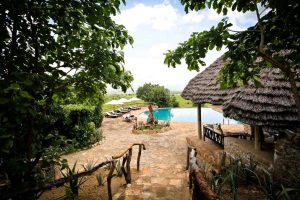
| Apoka Safari Lodge | $600-900 per night | Luxury, stunning location, exceptional guiding | Those who want comfort without leaving wilderness |
| Kidepo Savannah Lodge | $250-400 per night | Mid-range, tented, authentic | Travelers seeking value and authenticity |
| Uganda Wildlife Authority Bandas | $50-80 per night | Basic, self-catering, no frills | Budget travelers, researchers, hardcore adventurers |
Outside the Park (Nearby)
| Lodge | Distance | Price Range | Vibe |
|---|---|---|---|
| Kidepo Valley Lodge | 15 min drive | $150-250 | Mid-range, pool, gardens |
| Nga’Moru Wilderness Camp | 30 min drive | $200-300 | Tented camp, stunning views |
| Kidepo Wilderness Lodge | 45 min drive | $300-450 | Luxury, private, exclusive |
The Honest Breakdown
Apoka Safari Lodge is the classic choice—formerly a VIP hideaway for Uganda’s presidents, now a world-class eco-lodge perched on the Narus Valley with views that justify the price. If you can afford it, book it.
Kidepo Savannah Lodge offers excellent value—tented, comfortable, with friendly staff and good food. It’s where I stay most often with photography clients.
UWA Bandas are for the truly adventurous. Basic concrete rooms, shared bathrooms, self-catering. You’ll survive. You’ll also feel like an explorer.
When to Go – Seasonal Guide for 2026
Gist: Timing matters more in Kidepo than anywhere else in Uganda. Here’s when to visit for your priorities.
Dry Season (December-February, June-September)
| Factor | Conditions |
|---|---|
| Wildlife viewing | Excellent—animals concentrate around remaining water sources |
| Road access | Good (dry roads) |
| Temperatures | Hot days (30-35°C), cool nights |
| Crowds | Still low (Kidepo never feels crowded) |
| Best for | Game viewing, photography, easier travel |
Wet Season (March-May, October-November)
| Factor | Conditions |
|---|---|
| Wildlife viewing | More dispersed, harder to find |
| Road access | Difficult—some roads impassable |
| Temperatures | Warm, humid, afternoon storms |
| Crowds | Almost none |
| Best for | Birding, dramatic skies, solitude, lower prices |
Insider Tip: February and September are my favorites—end of dry seasons, animals still concentrated, temperatures manageable, and the light is spectacular.
Wildlife Sightings Probability – What You’ll Actually See
Gist: Honesty time: Kidepo’s wildlife is abundant but not guaranteed. Here are realistic probabilities.
| Animal | Probability | Best Location |
|---|---|---|
| Elephant | 90% | Narus Valley, waterholes |
| Buffalo | 95% | Narus Valley, vast herds |
| Zebra | 95% | Narus Valley, often with Grevy’s |
| Giraffe | 85% | Open savanna, acacia woodlands |
| Lion | 70% | Narus Valley, especially dawn/dusk |
| Leopard | 30% | Requires luck, night drives help |
| Cheetah | 15% | Rare but present; dry season best |
| Ostrich | 60% | Open plains |
| Hyena | 50% | Dawn, dusk, night drives |
| Jackal | 70% | Common, often seen |
| Karamojong | 100% | Village visits arranged |
The Honest Truth: Kidepo’s lion density is high—you’ll likely see them. Cheetah requires luck. Leopard requires patience. But even if you “miss” a predator, the landscapes alone are worth the journey.
Sample Itineraries – How to Spend Your Days
Gist: Here are three ways to structure your Kidepo experience, depending on how you arrive.
4-Day Fly-In Itinerary (Maximum Time in Park)
| Day | Morning | Afternoon |
|---|---|---|
| 1 | Fly Entebbe → Kidepo | Afternoon game drive (Narus Valley) |
| 2 | Dawn game drive (predator focus) | Afternoon game drive (different area) |
| 3 | Full-day exploration with picnic | Karamojong village visit |
| 4 | Morning game drive | Fly Kidepo → Entebbe |
7-Day Road Safari Itinerary (Including Murchison)
| Day | Activity |
|---|---|
| 1 | Drive Kampala → Murchison Falls (overnight) |
| 2 | Game drive Murchison + Nile boat safari |
| 3 | Drive Murchison → Gulu (overnight) |
| 4 | Drive Gulu → Kidepo (afternoon game drive) |
| 5 | Full day Kidepo (game drives, village visit) |
| 6 | Full day Kidepo (different areas) |
| 7 | Drive Kidepo → Gulu → Kampala (long day) |
10-Day Ultimate Wilderness Itinerary
| Day | Activity |
|---|---|
| 1-3 | Kidepo exploration (as above) |
| 4-6 | Add Kidepo’s remote areas, walking safaris |
| 7-10 | Continue to Murchison or return leisurely |
Photography in Kidepo – What the Lens Sees
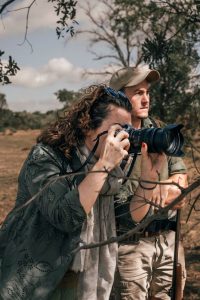
Gist: For photographers, Kidepo is a dream and a challenge. Here’s what to expect.
The Light
Kidepo’s light is different—clearer, sharper, with less humidity than western Uganda. Dawn breaks over the Morungole Mountains, painting the savanna gold. Dusk lingers, long shadows stretching across acacia-dotted plains.
The golden hour here is extended—the landscape catches light in ways that feel almost staged.
The Compositions
-
Acacia silhouettes: Classic Africa frames at sunrise and sunset
-
Mountains as backdrop: Narus Valley with the mountains behind—unique to Kidepo
-
Waterhole gatherings: Elephant, buffalo, zebra converging—if you’re patient
-
Borassus palms: These towering palms add scale to landscape shots
-
Karamojong portraits: If arranged respectfully, powerful human elements
Gear Recommendations
| Gear | Why |
|---|---|
| 100-400mm or 150-600mm | Primary wildlife lens |
| 70-200mm | Portraits, closer wildlife, compressed landscapes |
| 24-70mm | Landscape shots, environmental context |
| Tripod | For lodge star photography (incredible night skies) |
| Extra batteries | Cold mornings drain faster |
| Dust protection | Dust is everywhere—protect your gear |
The Honest Truth: Kidepo gave me my favorite photograph in 10 years of guiding. A lioness at dawn, the mountains behind her, no other vehicle in sight. You can’t buy that shot. You have to earn it.
Frequently Asked Questions About Kidepo
Gist: These are the questions I answer most often from travelers considering Kidepo.
Is Kidepo safe?
Yes. The area is stable, with a strong ranger presence. The Karamojong are welcoming to respectful visitors. Standard safari precautions apply.
How many days should I spend?
Minimum 3 full days. The drive is long—you want at least 3 days of game viewing to justify the journey.
Can I combine Kidepo with other parks?
Yes. Murchison Falls is the most common combination (4-5 hours drive from Gulu). Some travelers also add Kidepo to a longer circuit including Queen Elizabeth.
Is Kidepo good for children?
Older children (10+) who handle long drives well will love it. Younger children may struggle with the journey and limited facilities.
What about malaria?
Yes, malaria is present. Take prophylaxis, use repellent, sleep under nets.
Do I need a 4×4?
Absolutely non-negotiable. The roads require high clearance and four-wheel drive.
Can I drive myself?
Technically yes, but I strongly recommend a professional guide. The roads are confusing, the park is vast, and local knowledge transforms the experience.
What’s the bathroom situation?
Lodges have en-suite facilities. On game drives, it’s the bush—embrace it.
The Peak: What 50 Kidepo Safaris Has Taught Me
Here’s what 50 Kidepo safaris has taught me:
We’ve been lied to about what “wilderness” means.
Most safaris sell you a managed experience—animals that are semi-habituated, vehicles that radio each other, lodges that could be anywhere in the world. Kidepo offers something else: the real thing.
The lions here don’t know that vehicles mean no threat. They watch you with genuine curiosity, not learned indifference. The elephants haven’t grown accustomed to crowds. The silence hasn’t been broken by constant engine noise.
This is what Africa felt like 100 years ago. This is what we’re losing everywhere else. And this is what Kidepo still protects.
You’re not just visiting a park. You’re witnessing the last of something.
My Personal Recommendation (After 50+ Kidepo Safaris)
Gist: If you asked me to plan your Kidepo experience, here’s exactly what I’d suggest.
The Ideal Kidepo Experience
-
Fly in (save your energy for the park, not the road)
-
Stay 4 nights (3 full days of game viewing)
-
Book Apoka Safari Lodge (if budget allows) or Kidepo Savannah Lodge (for value)
-
Spend at least one full day with a picnic, exploring remote areas
-
Visit a Karamojong village (arranged respectfully through your guide)
-
Do one night drive (if available—leopards, hyenas, nightjars)
-
Wake before dawn every day (the light, the animals, the silence)
The Honest Truth: I’ve guided over 50 safaris to Kidepo. Every single time, clients tell me the same thing: “I didn’t know places like this still existed.” That’s not marketing. That’s reality.
The 2026 Kidepo Checklist – Ready to Go?
-
I understand that Kidepo is remote and requires effort
-
I’ve decided on fly-in or road option
-
I’ve booked at least 3-4 nights in the park
-
I’ve arranged a 4×4 vehicle with professional guide
-
I’ve packed for dust, sun, and variable temperatures
-
I’ve prepared my camera for the shot of a lifetime
-
I’m ready to disconnect and immerse
The End: Your Invitation
You’ve read about Kidepo now. The landscapes. The wildlife. The silence. The journey.
But reading isn’t the same as being there.
The Narus Valley at dawn doesn’t exist in photographs—not really. The feeling of being the only vehicle with a lion pride can’t be described. The moment you realize you’ve found Africa’s last true wilderness—that has to be experienced.
At Travel Giants Uganda, we’ve guided over 50 safaris to Kidepo. We know the rangers by name. We know which waterholes attract elephants in February, which valleys hold lions in September, which Karamojong manyattas welcome respectful visitors.
Ready to earn Kidepo?
Email us at info@travelgiantsuganda.com or DM us on +256784053143 with:
-
Your preferred dates
-
Your travel style (fly-in, road, or combined)
-
Your questions (ask me anything—I’ve been 50+ times)
We’ll help you plan the journey, book the lodges, arrange the flights, and ensure that when you finally see Narus Valley spread before you, you know you earned it.
Feel the dust on your skin as the vehicle rattles toward the park. Hear the silence when the engine cuts—no birds, no wind, just waiting. See the mountains turn gold at dawn and know you’re exactly where you’re supposed to be.
The road is long. The park is wild. The silence is waiting.
Lubega Charles | Senior Wilderness Guide
over 5 Years Exploring Remote Uganda | 50+ Kidepo Expeditions | Karamojong Cultural Liaison
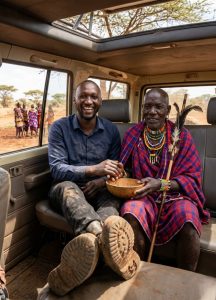
James has guided 50+ Kidepo safaris—he knows every valley, every waterhole, every lion pride by name.
Credentials: Certified Uganda Safari Guide, Remote Wilderness Specialist, Karamojong Cultural Ambassador, Advanced Wilderness First Aid
