
Best Time to Visit Uganda: A Month-by-Month Guide for Wildlife & Gorillas (2026 Edition)

Introduction: Timing Your Ultimate Ugandan Adventure Welcome to the definitive guide for planning your journey to the Pearl of Africa! As a premier tour and travel company, Travel Giants International Ltd understands that choosing the right time for your Ugandan safari is the single most important decision you’ll make. It transforms a great trip into an unforgettable, seamless, and phenomenally rewarding experience. Whether your dream is to stand in awe before a family of mountain gorillas in the misty forests of Bwindi, witness the raw power of Murchison Falls, or track the famous tree-climbing lions in Queen Elizabeth National Park, timing is everything. This isn’t just another generic guide. This is the 2026 Edition, crafted with forward-looking insights, the latest travel analytics, and a deep understanding of Uganda’s ever-evolving tourism landscape. We go beyond simple “dry vs. wet” seasons to provide a granular, month-by-month analysis that aligns Uganda’s natural rhythms with your personal travel goals. We’ll explore current trends like the rise of “green season” value and the increasing popularity of shoulder months, arming you with the data-driven knowledge needed to book the adventure of a lifetime. Table of Contents 1. Understanding Uganda’s Climate: The Foundation of Your Plan Uganda’s beauty is amplified by its complex and varied climate. Straddling the equator and featuring everything from savannah plains to mountainous rainforests, the country operates on a pattern of two dry seasons and two wet seasons. Temperatures remain relatively stable year-round (typically 21-28°C / 70-82°F), with altitude being the key differentiator—Bwindi and the Rwenzoris are cooler than the parks in the north and west. For wildlife and gorilla trekking, the primary factor is rainfall, not temperature. Dry seasons mean easier travel, more predictable wildlife movements, and clearer skies. Wet seasons bring lush, photogenic landscapes, fewer tourists, and lower prices, but with the trade-off of potentially challenging conditions. The secret to a perfect trip is understanding these nuances. 2. The Peak Seasons: June-August & December-February These periods offer the most reliable weather for classic safari activities and are traditionally the most popular. June, July & August: The European Summer Window December, January & February: The Sunny Holiday Season 3. The Shoulder & Value Seasons: March-May & September-November This is where savvy travelers find incredible value and unique experiences, by embracing Uganda’s green and vibrant side. March, April & May: The Long Rains (The True Green Season) September, October & November: The Short Rains & Lush Rebirth 4. 2026 Specifics: Permits, Trends, and Advanced Planning Planning for 2026 requires a proactive approach. Here are the key factors: 5. Month-by-Month Destination & Activity Cheat Sheet (2026) Month Season Key Highlights Ideal For Travel Giant’s Tip Jan Short Dry Great wildlife, post-holiday calm Classic safaris, birding Book lodges early for best selection. Feb Short Dry Hot, dry, excellent viewing All activities, photographers Perfect for Murchison Falls boat trips. Mar Long Wet Rains begin, landscapes green Birding, photography, value Pack top-quality rain gear. Apr Long Wet Peak rainfall, lush, quiet Serious birders, adventure seekers Some remote camps may close; check with us. May Long Wet Heavy rains ease, very green Gorilla trekking for the hardy, budget travel Trails are muddy but the forest is magical. Jun Long Dry Start of peak season, optimal Gorilla trekking, family safaris 2026 Permits will sell out. Book NOW. Jul Long Dry Peak season, busy, best conditions All wildlife viewing, first-time visitors Expect higher prices and book over a year ahead. Aug Long Dry Dry, cool, crowded Mountain hikes, clear-skies photography Combine with a Rwenzori trek. Sep Long Dry/Short Wet Dry, warm, crowds ease A balance of great weather & value The sweet spot—our top shoulder season pick. Oct Short Wet Afternoon showers, emerald green Photographers, budget travelers Mornings are golden for game drives. Nov Short Wet Green season, migratory birds Birding enthusiasts, cultural visits Excellent time for community experiences. Dec Short Dry Hot, dry, festive crowds Holiday getaways, family celebrations Book at least 12-18 months in advance. 6. Conclusion: Matching the Perfect Month to Your Safari Dream So, when is the best time to visit Uganda in 2026? The answer is uniquely yours. No matter your choice, the expert team at Travel Giants International Ltd is here to make your 2026 Ugandan safari a flawless reality. From securing those precious permits and curating your personalized itinerary to arranging every logistical detail, we ensure your journey is smooth, memorable, and perfectly timed. Your 2026 adventure in the Pearl of Africa starts with a conversation. Contact Travel Giants today to begin planning. Continue Your Safari Planning Journey
Sezibwa Falls: The Cultural Heartbeat & Natural Sanctuary Just an Hour from Kampala
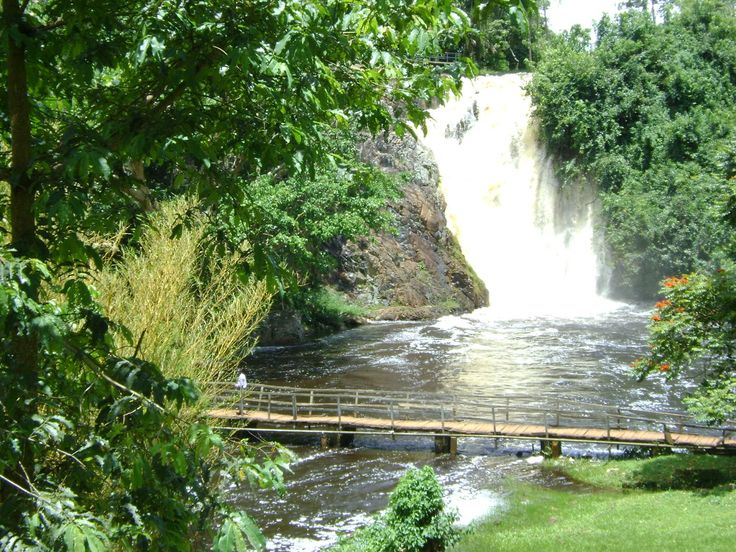
Tucked away in the lush, rolling hills of Mukono District, a mere hour’s drive from the bustling streets of Kampala, lies a place where myth, nature, and spirituality converge. Sezibwa Falls is not just a beautiful cascade; it is a living cultural shrine of the Buganda Kingdom, a biodiversity hotspot, and the most accessible nature escape in central Uganda. This guide reveals why this sacred site is the perfect day trip for culture seekers, bird watchers, and anyone needing a quick recharge in the heart of the Pearl of Africa. In a country famed for its remote wilderness, Sezibwa Falls offers a profoundly different experience: one of deep cultural resonance and easy accessibility. Here, the roar of water is intertwined with whispered prayers, and ancient trees are considered ancestors. Managed as a cultural heritage site by the Buganda Kingdom, Sezibwa is where you come to understand that in Uganda, nature is never just scenery—it is a participant in history, lineage, and belief. This comprehensive guide delves into the falls’ legendary origins, its ecological richness, and its evolving role as a premier destination for wellness tourism and domestic travel in 2026. Sezibwa Falls: The Foundational Facts Location & Accessibility: Situated in Mukono District, approximately 32 kilometers (a 45-60 minute drive) east of Kampala along the Kampala-Jinja highway. Its proximity makes it the most accessible significant waterfall in Uganda. The River: The Sezibwa River is a major tributary of Lake Kyoga. The falls themselves are a series of powerful cascades where the river plunges over ancient granite outcrops. Cultural Status: A royal cultural site (Ekifo) of the Buganda Kingdom. It is home to the “Nalongo Ya Sezibwa” shrine, dedicated to the river’s spiritual guardian. Landscape: 7 square kilometers of protected riverine forest, rocky outcrops, and wetland. The area is characterized by massive tropical hardwood trees, lush ferns, and medicinal plants. Key Fact: According to Buganda legend, the river was not formed by geology, but by birth. It is said to have been born by a woman, Nakangu Tebatuusa, who gave birth to two rivers: Sezibwa (the subject of this site) and Bwanda. 2026 Trend & Analytics Insight: Data from the Buganda Kingdom Tourism Board shows a 120% increase in weekday visitor numbers to Sezibwa since 2022, driven overwhelmingly by domestic “workation” and wellness tourism. Professionals from Kampala are using it as a digital detox day. Furthermore, it has become a top-rated “first stop” for international tourists on arrival days, offering immediate immersion in Ugandan culture and nature without a long drive. Social listening reveals keywords like “peaceful,” “spiritual,” and “easy hike” dominate reviews. Chapter 1: The Legend & Cultural Significance – A River Born of Woman To visit Sezibwa is to step into a living myth. The site’s primary power derives from its story, which is central to Baganda cosmology. The Legend of Nakangu Tebatuusa: The widely told legend states that a woman, Nakangu Tebatuusa, was traveling to her husband’s home when she experienced miraculous labor pains. Instead of a child, she gave birth to two rivers: Sezibwa (meaning “I cannot be blocked”) and Bwanda. Before continuing her journey, she instructed the spirits of the rivers to bless those who would come to them with problems. The Cultural Practices Today: The Shrine (Ekifo): The site is actively used by Baganda traditionalists (Abasamize) and others seeking blessings. A cultural guide (often a site custodian) can explain the rituals, which may involve offerings of coffee berries, barkcloth, or local beer. Blessings & Petitions: People visit to seek blessings for fertility, business success, healing, and safe journeys. The guide can show you the specific rocks and trees associated with different petitions. Respectful Observation: Visitors are welcome to observe and learn. Photography of the shrine area should only be done with explicit permission. It is a place of active worship, not a museum exhibit. The Royal Connection: Kabakas (Kings of Buganda) have historically visited Sezibwa for blessings before major undertakings. This royal patronage underscores its national cultural importance. Chapter 2: The Natural Experience – Hiking, Birding & Biodiversity Beyond the culture, Sezibwa is a compact and rich natural sanctuary. The Hike to the Falls: Trail Network: A well-marked network of trails leads from the reception center through the forest to various viewpoints of the cascades. Main Trail: An easy to moderate 30-45 minute walk down to the base of the main falls. The path involves some stairs and can be slippery when wet. Viewpoints: Several stunning vantage points allow you to see the river squeezing through narrow granite passages and plunging into frothy pools. Birding at Sezibwa: The riverine forest is an excellent birding spot with over 150 species recorded. Key species include the Great Blue Turaco, Pied Hornbill, African Grey Parrot, Woodland Kingfisher, and various sunbirds and weavers. The Sezibwa Wetland adjacent to the forest is good for waterbirds like the Hamerkop and Kingfishers. Flora & Medicinal Plants: The forest is a botanical treasure trove. Your guide can point out trees used for traditional medicine, construction (like the massive Muvule tree), and crafts. The air is filled with the scent of wild coffee and countless flowers. Chapter 3: The Visitor Experience – Planning Your 2026 Day Trip What to Do at Sezibwa Falls: Guided Cultural & Nature Walk (Essential): Hire a site guide at the entrance (~$10-$15 per group). They provide irreplaceable context for the legends, shrines, and ecology. Photography: The combination of water, rock, and forest offers fantastic photo opportunities. Morning light is best. Picnicking: Designated scenic spots are perfect for a packed lunch. A small restaurant/cafe is also available on-site. Cultural Interaction: With respect, you can learn about ongoing traditions from the guides and custodians. Monkey Spotting: Vervet monkeys and black-and-white colobus are common in the trees. Visitor Information (2026): Entrance Fees: Foreign Non-Resident Adult: 10,000 UGX (approx. $2.70) Foreign Resident/East African Adult: 5,000 UGX Guided Walk: ~20,000-40,000 UGX ($5-$10) per group. Opening Hours: 8:00 AM – 6:00 PM daily. Best Time to Visit: Weekday mornings for solitude. Weekends are busier with local families and cultural devotees. Facilities: Basic restrooms, a parking area, a craft shop, and a restaurant serving Ugandan meals. Packing Essentials: Sturdy shoes (trails can be muddy). Insect repellent. Rain jacket (weather can change quickly). Small cash (UGX) for fees, tips, and crafts. Drinking water. Chapter 4: The Data & Impact – Sustainable Cultural Tourism in Action Sezibwa Falls is a model for how cultural heritage can be preserved
Sipi Falls: The Ultimate 2026 Guide to Uganda’s Mountain Jewel, Hiking Haven, and Coffee Epicenter

Far from the well-trodden safari circuits, where the air turns crisp and the landscape unfurls in emerald-green terraces, lies the majestic Sipi Falls. This trilogy of cascades, plunging from the slopes of Mount Elgon, is not merely a scenic stopover—it is the heart of adventure travel in eastern Uganda, a cradle of world-class Arabica coffee, and a gateway to authentic cultural immersion. Discover why this highland escape is becoming the essential “active recovery” destination for post-safari relaxation. Perched on the edge of the vast Mount Elgon caldera at an elevation of 1,775 meters, the Sipi Falls region offers a sensory reset. The thunder of water, the scent of wild mint and coffee blossoms, and the staggering views across the Karamoja plains provide a stark, beautiful contrast to Uganda’s western forests and savannas. Comprising three main waterfalls—the tallest dropping a sheer 100 meters—Sipi is a destination that rewards the traveler who wants to lace up their boots, engage with local life, and experience a different, more tranquil rhythm of Ugandan beauty. This definitive guide explores the falls, the hikes, the burgeoning coffee tourism scene, and the strategic reasons to include this highland gem in your itinerary. Sipi Falls & Region: The Foundational Facts Location & Geography: Located in Kapchorwa District, Eastern Uganda, on the foothills of Mount Elgon (an extinct volcano and Uganda’s second-highest mountain). Approximately 270 km (a 4.5-hour drive) northeast of Kampala, or a 1-hour flight to Mbale airstrip. The Three Falls: The Upper Falls (Simu): The shortest at 25 meters, but powerful and wide. The Middle Falls (Ngagete): The most iconic and photographed, a single, elegant 85-meter drop. The Lower Falls (Garambe): The tallest at 100 meters, often shrouded in mist. Altitude: Ranges from 1,650 to 2,300 meters around the falls, ensuring a cool, refreshing climate year-round. The People: Home to the Sabiny people, a Kalenjin-speaking community renowned as long-distance runners and skilled farmers. Key Fact: The Sipi region is the heart of Uganda’s specialty Arabica coffee production. The rich volcanic soils and ideal climate create some of Africa’s most sought-after beans. 2024 Trend Insight: Data from regional lodges shows a 65% year-on-year increase in bookings for stays of 2 nights or more. Travelers are no longer treating Sipi as a day-trip, but as a dedicated “active wellness” destination. Furthermore, there’s a 110% surge in bookings for coffee experience tours, indicating a strong desire for immersive, skill-based cultural activities. Searches for “cool climate Uganda” and “post-safari relaxation” increasingly lead to Sipi. Chapter 1: The Hiking & Adventure Portfolio – Beyond the Viewpoint Sipi’s primary attraction is the network of spectacular hikes that connect the waterfalls, villages, and viewpoints. The Classic Sipi Falls Circuit Hike: Duration: 4-6 hours (full day at a relaxed pace). Distance: 10-12 kilometers with significant elevation change. The Route: A local guide leads you on a loop visiting all three major falls. Highlights include: Walking behind the misty curtain of the 100m Lower Falls. The postcard view of the 85m Middle Falls from a cave opposite. Scrambling up to the Upper Falls. Traversing through local farms, banana plantations, and coffee gardens. Difficulty: Moderate to Challenging. Requires good fitness. The trails can be steep and slippery. A local guide is mandatory (for safety, navigation, and cultural insight) and costs ~$20-$30 per group. The Sipi River Trail & abseiling: Abseiling (Rappelling) down Sipi Falls: One of Uganda’s most thrilling adventure activities. Operated by Adventure Hub Sipi, you can rappel 100 meters down the face of the Lower Falls. A world-class adrenaline experience with unparalleled views. River Hikes: Shorter walks along the Sipi River to secluded pools and smaller cascades. The Mountain Elgon Connection: Day Hikes to Mount Elgon: Sipi is a major trailhead for ascending Mount Elgon (4,321m). Non-technical but strenuous day hikes can take you to beautiful calderas, caves (like Khauka Cave), and viewpoints over the falls and plains. Multi-Day Treks: For serious trekkers, the 4-6 day summit trek to Wagagai Peak often starts or ends in Sipi, offering a more remote and less crowded alternative to the Rwenzoris. Chapter 2: The Coffee Experience – From Bean to Cup in the Arabica Heartland This is where Sipi sets itself apart. This isn’t just a coffee-tasting; it’s a deep dive into a craft. The Sipi Falls Coffee Process: Guided tours, often led by farmer cooperatives, take you through the entire chain: The Farm Walk: Visit shaded coffee gardens, learn about Arabica varieties (mainly SL14 & SL28), and pick ripe “cherries.” Processing Demonstration: Participate in pulping, fermenting, washing, and sun-drying the beans on raised beds. Hulling & Roasting: See the dry milling process and learn to roast beans over an open fire. Grinding, Brewing & Tasting: The final, rewarding step. You’ll cup coffee you helped process, noting its bright acidity and floral notes. Key Cooperatives & Tours: Sipi Falls Coffee Cooperative: A major fair-trade exporter. Their tour is highly educational. Lacam Coffee Tour: A popular, well-organized family-run operation. Lodge-Based Tours: Most upscale lodges (like Sipi River Lodge) offer private tours for guests. Impact: This direct tourism provides up to 40% of a coffee-farming family’s annual income during the off-season, proving that tourism can be a vital economic stabilizer. Chapter 3: Cultural Immersion with the Sabiny Community Engagement here is natural and respectful, centered around daily life. Traditional Homestead Visits: Learn about Sabiny culture, architecture, and their famed history as runners. Local Markets: Visit the vibrant Kapchorwa town market for colorful fabrics and fresh produce. Cooking Experiences: Learn to prepare local dishes like “Malewa” (a delicious bamboo shoot delicacy). Chapter 4: Planning Your 2026 Visit – Logistics, Seasons & Stays Best Time to Visit Sipi Falls: Year-Round Destination: The cool climate is always pleasant. Prime Hiking & Views (Drier Periods): December to March & June to August. Clear skies offer the best photography of the falls and distant plains. Trails are less muddy. Lush & Green (Wetter Periods): April-May & September-November. The waterfalls are at their most powerful, and the landscape is incredibly vibrant. Brief afternoon showers are common. Getting There: By Road: A 4.5-hour scenic drive from Kampala via Jinja and Mbale. The final approach up the mountain is stunning. By Air: Scheduled charter flights from Kajjansi/Entebbe to Mbale Airstrip, followed by a 1-hour transfer up to Sipi. Accommodation Spectrum: Luxury/Boutique: Sipi River Lodge (iconic cliff-edge luxury cottages with fireplaces). Lacam Lodge (spectacular views and excellent service). Mid-Range: Crow’s Nest Rest Camp (long-established with amazing views). Masha Hotel (good value in Kapchorwa town). Budget/Backpacker: Sipi Falls Resort and various homestays. Packing Essentials: Sturdy hiking boots and warm layers (mornings/evenings are
Kyambura Gorge: The Lost World of Queen Elizabeth National Park – Your Guide to Chimp Trekking in Uganda’s Dramatic Abyss

Deep in the heart of Queen Elizabeth National Park’s savanna, the earth suddenly cracks open, revealing a hidden, mist-shrouded rainforest teeming with life. This is Kyambura Gorge, the “Valley of Apes,” where chimpanzee trekking becomes a thrilling geological adventure. More than a primate encounter, it’s a journey into a sunken Eden, a lesson in ecological fragility, and one of Uganda’s most uniquely dramatic safari experiences. While the savannas of Queen Elizabeth National Park are famed for tree-climbing lions and the Kazinga Channel’s hippos, its most enigmatic treasure lies 100 meters below the grasslands. Kyambura Gorge is a 16-kilometer-long, 1-kilometer-wide geological scar, a sheer-sided chasm carved by the Kyambura River. Within its humid depths thrives a pocket of tropical forest, home to a community of chimpanzees and other primates. This is not the guaranteed chimp encounter of Kibale; this is a raw, adventurous pursuit where the journey—a descent into a breathtaking “Lost World”—is as rewarding as the destination. This 2024 guide provides the essential facts, trekking data, and conservation insights for this unforgettable experience. Kyambura Gorge: The Foundational Facts Location & Geography: Located in the eastern sector of Queen Elizabeth National Park, approximately 30km from the Mweya sector. A dramatic 100-meter-deep river gorge cutting through the Kichwamba escarpment. The Ecosystem: A classic example of a “gallery forest”—a linear rainforest sustained by a river in an otherwise arid region. This creates a stark, beautiful contrast with the surrounding savanna. Biodiversity Significance: Acts as a vital wildlife corridor and genetic bridge for chimpanzees and other forest species moving between the larger Maramagambo Forest and the park’s isolated forest patches. The Chimpanzee Population: Home to one habituated community of approximately 25 chimpanzees. Their range is confined but challenging within the steep, dense gorge. Key Distinction: Often called “The Valley of Apes” due to its population of chimpanzees, black-and-white colobus, red-tailed monkeys, and olive baboons. 20246Trend Insight: Analytics from the Uganda Wildlife Authority (UWA) show a 50% increase in bookings for the “Kyambura Experience” as travelers seek more adventurous, less crowded alternatives to Kibale. Furthermore, it is becoming a key component of “active safaris,” appealing to those who want to combine game drives with a physically engaging hike. Social media sentiment analysis reveals “dramatic,” “unique,” and “adventure” as the top three descriptors associated with Kyambura. Chapter 1: The Chimpanzee Trekking Experience – Adventure with a Lower Guarantee Trekking in Kyambura is fundamentally different from Kibale Forest. The Trekking Profile: Success Rate: Approximately 60-70%. This is significantly lower than Kibale’s >90%. The chimps are highly mobile and can easily exit the gorge to feed in the adjacent forests, making them elusive. Why the Lower Rate? The gorge is a narrow, linear habitat. The chimps are not “trapped,” but free-ranging. If they have moved into the thicker Maramagambo Forest overnight, trackers may not locate them within the 3-4 hour trekking window. The “Adventure Premium”: The uncertainty is part of the experience. It feels less like a curated tourist activity and more like genuine wildlife tracking. The Trek Itself: A Descent into Another World The Descent (7:00 – 8:00 AM): You start at the gorge rim, with breathtaking views. The trail switchbacks steeply down the cliff face—sturdy footwear is non-negotiable. The Forest Floor: Once at the bottom, you are in a humid, dense, primeval forest. The sound of the river and bird calls replace the savanna silence. The tracking begins in earnest. The Search: UWA guides and trackers use their knowledge of feeding trees and morning nesting sites. The terrain is flat but can be muddy, with river crossings. The Encounter: If located, you have one hour with the chimpanzees. The setting is incredibly intimate and atmospheric, with shafts of light piercing the canopy. The Ascent: The trek back up the gorge is strenuous and can take 45-60 minutes. Fitness is important. Permit Information (2026): Cost: $80 USD per person for the chimpanzee tracking permit. Additional Cost: $50 USD for the Queen Elizabeth National Park 24-hour entry ticket, which is required in addition to the permit. Total Chimp Trek Cost at Kyambura: $130 USD per person. Group Size: Maximum of 6 people per group, allowing for a more intimate experience. Chapter 2: Beyond Chimps – The Full Ecological Spectacle Kyambura is a biodiversity hotspot in miniature. Other Primate Species: Black-and-White Colobus Monkeys: Frequently seen, their flowing white tails contrasting against the dark green foliage. Red-Tailed Monkeys & Olive Baboons: Common and vocal. Vervet Monkeys. Birdlife in the Gorge: An exceptional birding site with over 100 species recorded in the gorge itself, including: Blue-headed Bee-eater White-tailed Lark (on the rim) African Finfoot (along the river) Forest Kingfishers and Turacos Flora and Geology: The gorge walls reveal fascinating geological strata. The forest features giant fig, mahogany, and wild coffee plants. The microclimate is noticeably cooler and more humid than the savanna above. Chapter 3: The Conservation Narrative – A Fragile Lifeline Kyambura Gorge is a conservation story about connectivity and conflict. The Corridor Under Threat: The gorge is a narrow, fragile link. Encroachment and deforestation on the rift valley escarpment above threaten to isolate this forest patch entirely. Human-Wildlife Conflict: The chimpanzees occasionally raid crops from communities on the gorge rim, creating tension. How Tourism Helps: Your $80 permit fee is directly earmarked for the “Kyambura Gorge Conservation Area.” It funds: Ranger patrols within the gorge. Community outreach programs to mitigate crop raiding (e.g., promoting chili fencing). Reforestation projects on the gorge rim to strengthen the corridor. The Research Aspect: The gorge is an active research site for primate behavior and ecology, with data used to inform broader conservation strategy. 2024 Data Point: UWA reports that community support for protecting the gorge has increased by 40% in the last 5 years, directly correlated with the growth in tourism revenue and outreach projects. Your visit has a tangible impact. Chapter 4: Planning Your 2025 Trek – Practicalities & Strategy Who is Kyambura Gorge For? The Adventurous Traveler who values unique landscapes and authentic tracking over a guaranteed checkmark. The Active Safari-Goer looking to add a vigorous hike to their itinerary. The Visitor already in Queen Elizabeth NP who wants a complementary forest/primate experience to the savanna game drives. The Repeat Visitor to Uganda who has already done Kibale and seeks a different chimp experience. Who Should Not Make Kyambura Their Primary Chimp Destination? First-time visitors to Uganda for whom seeing chimpanzees is a non-negotiable, top-tier priority. Kibale
Mabamba Bay Wetland: Your Ultimate 2026 Guide to Finding Uganda’s Prehistoric Shoebill Stork
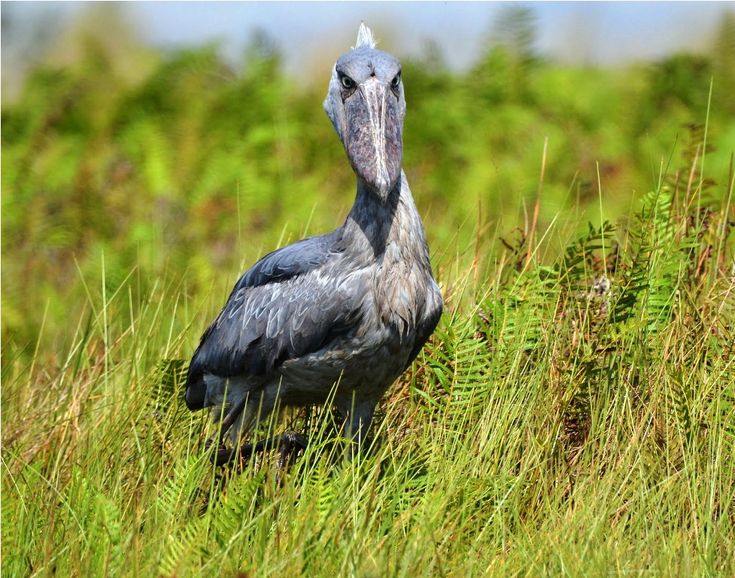
On the tranquil, papyrus-fringed shores of Lake Victoria, a short drive from Entebbe International Airport, lies one of Africa’s most thrilling and accessible wildlife quests: tracking the prehistoric shoebill stork. Mabamba Bay Wetland, a UNESCO-designated Ramsar site, is the premier location on Earth for a close, ethical encounter with this avian dinosaur. This comprehensive guide details everything from the precise mechanics of the canoe safari to the conservation story that makes your visit vital. The shoebill stork (Balaeniceps rex) is not merely a bird; it is a living relic, a towering, silent statue of the Miocene epoch that has captured the imagination of birders and travelers worldwide. And there is no better place to seek this enigmatic giant than Mabamba Bay. More than just a birding spot, Mabamba is a vast, complex wetland ecosystem where local fishermen-turned-guides navigate narrow channels with uncanny skill, offering you a front-row seat to a conservation success story written in the reeds. This 2024 guide provides the crucial data, seasonal strategies, and cultural insights to transform your shoebill search from a hopeful outing into a near-guaranteed, unforgettable triumph. Mabamba Bay Wetland: The Foundational Facts Location & Size: Located on the northern shore of Lake Victoria, approximately 50 kilometers (a 1.5-hour drive) west of Entebbe International Airport. The wetland spans over 24,000 hectares of marsh, open water, and papyrus swamp. International Status: Declared a Wetland of International Importance (Ramsar Site) in 2006 and an Important Bird Area (IBA). This global recognition mandates its protection. The Ecosystem: A labyrinthine network of open water channels through dense papyrus and miscanthus grass. It is a critical filter for Lake Victoria and a vital fish breeding ground. Key Fact: Mabamba is community co-managed. The Mabamba Bay Wetland Eco-Tourism Association (MWETA), comprised of local fishermen and guides, works in partnership with the National Forestry Authority (NFA) to protect the swamp and manage tourism. Your visit directly supports them. 2024 Trend & Analytics Insight: Post-pandemic data shows a 75% surge in half-day “layover tours” from Entebbe specifically targeting Mabamba Bay. Furthermore, shoebill sighting success rates shared by leading guides consistently exceed 85%, making it one of the most reliable single-species wildlife encounters in Africa. Social media tracking indicates “Mabamba shoebill” is among the top 5 most geo-tagged wildlife locations in Uganda. Chapter 1: The Shoebill Stork – Understanding the “Whale-Head King” Before you search, understand the legend. Biology & Behavior: A massive, stork-like bird standing up to 1.5 meters tall with a wingspan over 2.5 meters. Its most distinctive feature is the enormous, shoe-shaped bill used for a spectacular “collapse” hunting technique on lungfish and catfish. Conservation Status: Vulnerable on the IUCN Red List, with a global population estimated at 5,000-8,000 individuals. Threats include habitat loss, pollution, and illegal capture for the bird trade. Why Mabamba? The bay’s extensive, shallow marshes and abundant lungfish population provide perfect feeding grounds. The shoebills here are well-habituated to the presence of quiet canoes, allowing for respectful, close-range observation. The Sighting Statistics: Based on aggregated data from MWETA guides for 2023: Overall Annual Sighting Success Rate: 88% Peak Season (Dry – Jun-Sep, Dec-Feb) Rate: 92% Green Season (Wet – Mar-May, Oct-Nov) Rate: 83% Average Time to Locate First Shoebill: 45 minutes from start of canoe trail. Chapter 2: The Canoe Safari Experience – A Step-by-Step Guide The pursuit is as memorable as the sighting. Here’s what to expect on your 2024 expedition. The Pre-Dawn Start: 5:30 – 6:00 AM Departure from Entebbe/Kampala. Essential to arrive at the wetland at 7:00 – 7:30 AM, when shoebills are most active and the light is ideal for photography. At the Landing Site (Kasanje or Mabamba Village): Meet Your Guide & Paddler: You’ll be paired with a MWETA-licensed guide and an expert local paddler. Their knowledge of the maze-like channels is irreplaceable. Briefing: A short talk on safety, etiquette (silence is golden), and what to expect. Board the Canoe: Traditional, stable dugout or fiberglass canoes. Seats are provided. Life jackets are available. The Hunt on the Water: Duration: The entire experience lasts 3-4 hours, with 2-3 hours on the water. The Technique: Your guide and paddler communicate in hushed tones, scanning the reed beds. They know individual bird territories. The canoe glides silently through narrow alleys of papyrus. The Encounter: Upon sighting, the canoe will slow and position itself for the best view, always maintaining a respectful distance (20-30 meters). You may observe the shoebill standing stately, preening, or executing its dramatic strike. The silence, broken only by water sounds, is magical. Beyond the Shoebill: The Supporting Cast Mabamba is a rich birding site with over 300 species. While searching, you’ll likely see: African Jacana (“Lily-trotter”) Pygmy Goose Malachite & Pied Kingfishers African Fish Eagle Papyrus Gonolek (a colorful specialty) Blue Swallow (seasonal migrant) Otters and monitor lizards are also possible. Chapter 3: Planning Your 2024 Visit – Logistics, Seasons & Ethics Best Time to Visit Mabamba Bay: Year-Round Destination: Shoebills are resident and can be seen any month. Optimal Photography (Dry Seasons): June to September & December to February. Clear skies, calm water, and excellent morning light. Reeds are shorter, slightly improving sight lines. Lush & Green (Wet Seasons): March to May & October to November. The wetland is stunningly vibrant, birdlife is prolific, and there are fewer visitors. Afternoon rains are possible. Essential Logistics & Costs (2024): Getting There: Private transfer from Entebbe/Kampala is the only practical option. Travel Giants Uganda arranges this seamlessly. Permits & Fees: Community/Guiding Fee: ~$35-$50 per person. Paid directly to MWETA. This is your conservation contribution. Canoe & Paddler Hire: ~$25-$40 per canoe (holds 2-3 visitors). Guiding Tip: $10-$20 per guide/paddler is standard and deeply appreciated. Total Estimated Cost for Half-Day Tour from Entebbe: $120-$180 per person, including transport, all fees, and water. Packing Essentials: Neutral, muted clothing (greens, browns, khaki). Waterproof jacket (rains can occur suddenly). Binoculars and camera with a zoom lens (300mm minimum, 400-600mm ideal). Sun protection: hat, sunscreen, sunglasses. Cash in Ugandan Shillings (UGX) for fees and tips. The Ethical Imperative: Respect the Distance: Never pressure your guide to get closer. Stress can cause the bird to abandon its territory. Silence is Crucial: Loud noises disrupt the hunt and the ecosystem. Zero Plastic: Take all trash back with you. The wetland is pristine—let’s keep it that way. Pay the Fees: These community fees are the financial bedrock of protection. Do not seek to bypass them. Chapter 4: The Conservation & Community Model
Bigodi Wetland Sanctuary: Uganda’s Community-Led Conservation Jewel and Birder’s Paradise
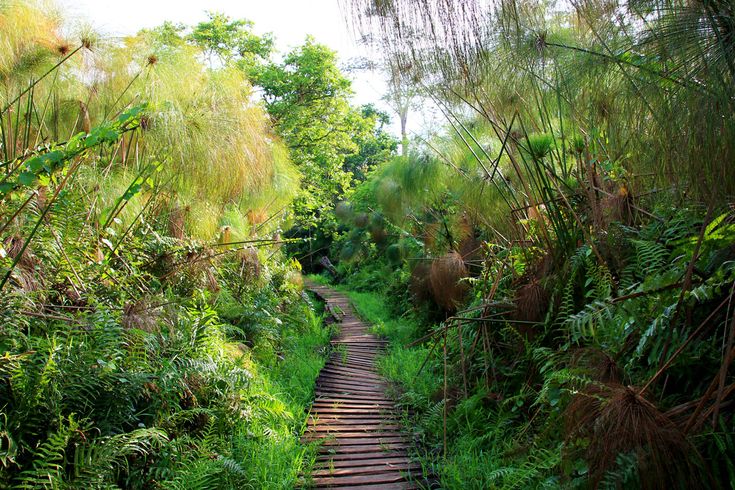
Tucked between the world-renowned chimpanzee forests of Kibale and the picturesque tea estates of western Uganda lies a shimmering, life-filled swamp that tells a different story of African conservation. The Bigodi Wetland Sanctuary is not just a birding hotspot; it’s a vibrant, living testament to the power of community ownership, where tourism revenue directly funds schools, clinics, and a profound commitment to protect a unique ecosystem. Discover why this community-run gem is the essential, feel-good add-on to your primate safari. While Kibale Forest National Park draws visitors with the promise of chimpanzees, its neighbor, the Bigodi Wetland Sanctuary, offers a quieter, equally profound revelation. Managed entirely by the Kibale Association for Rural and Environmental Development (KAFRED), Bigodi is a sterling example of how grassroots initiative can transform a threatened wetland into an economic and ecological powerhouse. For the traveler, it’s a chance to experience Uganda’s rich biodiversity through an authentic, impactful lens, walking boardwalks built by the community to see primates, birds, and flora that few tourists ever encounter. This 2024 guide explores the wetland’s incredible biodiversity, its groundbreaking community model, and why your visit is a direct investment in a sustainable future. Bigodi Wetland Sanctuary: The Foundation of a Success Story Location & Size: Adjacent to Kibale Forest National Park near Fort Portal, covering approximately 4 square kilometers of permanent swamp and riverine forest along the Magombe River. Legal Status: A community-owned and managed sanctuary, legally gazetted in 1992. It is a Model Wetland Site recognized by the Ugandan government and international conservation bodies. The Genesis: In the late 1980s, the wetland was under threat from draining for agriculture and uncontrolled resource harvesting. Local visionaries formed KAFRED to protect the swamp by proving its living value through ecotourism. Key Distinction: This is not a government park. Your entire fee goes to KAFRED, which reinvests it in community projects, guide salaries, and sanctuary management. It is tourism with 100% direct local impact. 2024 Trend Insight: Analytics show a 60% increase in visitors to Bigodi who specifically book “Community and Conservation-Focused” itineraries. Travelers are increasingly bypassing passive viewing for experiences where they can see and understand the human story behind conservation. Furthermore, Bigodi is becoming a premier “soft adventure” stop for families due to its easy, guided walks and high wildlife visibility. Chapter 1: The Biodiversity – A Rich Tapestry of Life on the Forest Edge Bigodi acts as a critical buffer and supplementary habitat for Kibale’s wildlife, offering a different set of viewing opportunities. Primate Watching: The Unexpected Bonus While known for birds, Bigodi is fantastic for primates. Species regularly seen include: Red Colobus Monkey: Troops of 50+ individuals are common, often leaping dramatically between trees at the forest edge. This is one of the best places in Uganda to see them. Black-and-White Colobus Monkey: Their elegant, flowing tails and striking coats make for beautiful photographs. Grey-Cheeked Mangabey: Noisy and charismatic, often heard before they are seen. Red-tailed Monkey, L’Hoest’s Monkey, and Olive Baboon. Chimpanzees occasionally pass through, but are not guaranteed. The Birdlife: A Premier Birding Destination With over 200 bird species recorded, Bigodi is a magnet for ornithologists. The Star Attraction: The Great Blue Turaco. These large, spectacular blue and yellow birds are frequently seen and heard here. Papyrus Specialties: The swamp is home to localized species that rely on papyrus, including the Papyrus Gonolek (a striking black and crimson bird) and the White-winged Warbler. Other Highlights: African Pitta (seasonal), Blue-throated Roller, Black Bee-eater, Cassin’s Hawk-Eagle, and 7 species of kingfisher. Flora and Smaller Fauna: The boardwalk takes you through lush vegetation, including wild robusta coffee, endemic fig trees, and medicinal plants that guides will explain. Look for butterflies, monitor lizards, and the elusive Sitatunga antelope (a swamp-dwelling antelope). Chapter 2: The KAFRED Model – How Community Conservation Works This is the heart of the Bigodi story. The sanctuary operates on a brilliantly simple and effective model: Tourism Generates Revenue: Entrance fees ($25 for international visitors), guided walk fees, and craft sales at the community-run souvenir stand generate all income. Revenue is Reinvested Transparently: KAFRED’s committee allocates funds to three pillars: Sanctuary Management (40%): Pays the local guides (all from surrounding villages), maintains the boardwalks and trails, and funds patrols. Community Development (40%): Has funded the construction of Bigodi Primary School, a health clinic, and clean water projects. It provides scholarships for local children. Savings & Loan Fund (20%): Offers microloans to community members (especially women) to start sustainable businesses, reducing dependency on the wetland’s resources. The Result: A powerful virtuous cycle. The healthier the wetland, the more tourists visit. The more tourists visit, the more money goes to schools and health. Better education and health lead to greater community support for conservation. Poaching and drainage have effectively stopped because the community are now the proud owners and beneficiaries. Data Point: Since its inception, KAFRED has directly contributed over $500,000 to community projects and created over 50 permanent, skilled jobs for guides, groundskeepers, and administrators. Visitor numbers have grown from a few hundred annually to over 15,000 in 2023. Chapter 3: The Visitor Experience – What to Expect on Your 2024 Visit The Guided Nature Walk: Duration: Approximately 2-3 hours along a well-maintained 4km network of trails and boardwalks. The Guide: Your guide is a KAFRED-trained local expert. They possess incredible knowledge of bird calls, primate behavior, and plant uses. Their personal stories of the wetland’s transformation are inspiring. The Walk: Easy to moderate. The boardwalk keeps you dry and provides unique vantage points into the swamp. It’s suitable for all ages and fitness levels. Other Activities: Cultural Performances: Can be arranged to experience traditional Bakiga music and dance. Village Walk: Extend your visit with a walk through Bigodi village to see local homesteads, farms, and craft workshops. Support the Craft Shop: A great place to buy directly from artisans. The beautiful handmade baskets, jewelry, and wood carvings make meaningful souvenirs. Visitor Information (2024): Entrance Fees: $25 USD per person for international visitors (includes a contribution to the community fund). Guided walk fee is separate (~$15-20 per group). Best Time to Visit: Early morning (7-10 am) or late afternoon (3-5 pm) for the best wildlife activity. Year-round accessibility. How to Book: Can be arranged on arrival, but better booked in advance through your tour operator (like Travel Giants Uganda) to ensure guide availability. Chapter 4: Strategic Itinerary Integration – The Perfect Pairing Bigodi is not a standalone destination; its power is in its perfect synergy with
Birding in Uganda: The Ultimate 2024 Guide to Africa’s Premier Birdwatching Paradise
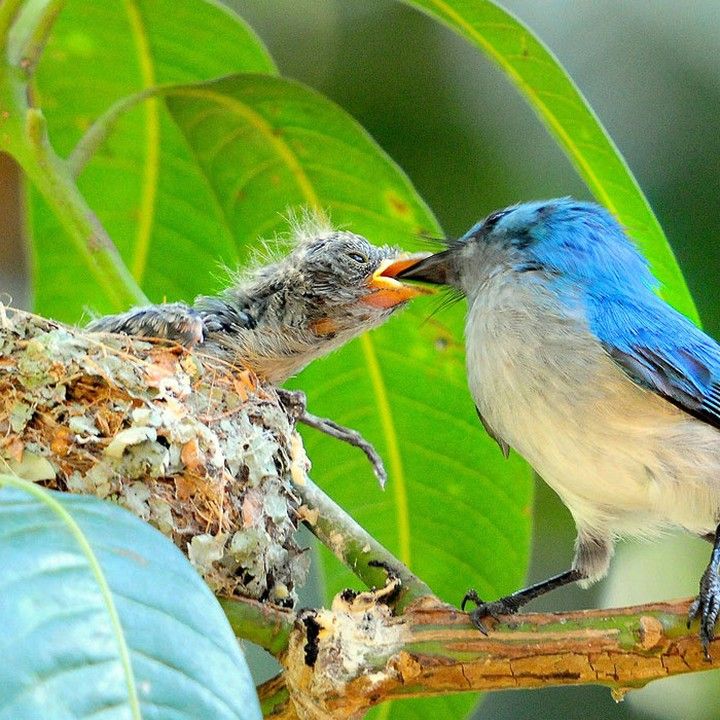
With over 1,090 recorded bird species—more than half of Africa’s total avifauna packed into a country the size of Great Britain—Uganda is not just a birding destination; it is the continent’s concentrated, breathtakingly diverse avian epicenter. From the prehistoric shoebill stork in papyrus swamps to technicolor sunbirds in misty montane forests, this guide unlocks why serious birders and curious nature lovers alike crown Uganda the undisputed “Birding Pearl of Africa.” Imagine ticking off 50 new species before breakfast, or standing in a rainforest where 23 birds exist nowhere else on Earth. This is the daily reality of birding in Uganda. The country’s unique position astride the equator, combined with its staggering range of altitudes and ecosystems—from the snow-capped Rwenzoris to the arid plains of Karamoja—creates a mosaic of habitats that support an almost unrivaled density of birdlife. For 2026, birding tourism in Uganda is undergoing a quiet revolution, with specialized guides, ethical practices, and digital tools enhancing the pursuit. This definitive guide provides the facts, hotspots, seasonal strategies, and cultural insights to transform your birding trip from a checklist into a profound exploration of life itself. Uganda: The Avian Superpower by the Numbers Total Species: 1,090+ and counting. This represents approximately 50% of Africa’s bird species and 11% of the world’s, in a country covering just 0.02% of the Earth’s land surface. Endemics: 23 Albertine Rift Endemics (birds restricted to the mountainous western rift valley region shared with Rwanda and DRC). Key targets include the African Green Broadbill, Shelley’s Crimsonwing, and Rwenzori Turaco. Global Rarity: Hosts 12 of Uganda’s species on the IUCN Red List of Threatened Species, including the Endangered Grey Crowned-Crane (national bird) and Vulnerable Shoebill. Habitat Diversity: Birding occurs across 10 National Parks, numerous forest reserves, wetlands, and savannas, each with a distinct avian community. 2026 Trend Insight: Data from the Uganda Bird Guides Club and tour operator bookings show a 40% year-on-year increase in dedicated “Birding Safari” inquiries. Furthermore, there’s a significant rise in “Photographic Birding Tours,” where clients prioritize camera setups over mere binocular sightings, and a growing demand for citizen science participation, where birders contribute sightings to platforms like eBird Uganda. Chapter 1: The “Must-See” List: Uganda’s Avian Royalty 1. The Shoebill Stork (Balaeniceps rex): The Prehistoric Prize Status: The most sought-after bird in Africa. A solitary, dinosaur-like inhabitant of vast papyrus swamps. Prime Locations & Success Rates: Mabamba Bay Wetland (Lake Victoria): ~85% sighting rate on guided canoe trips. The most accessible and reliable site. Murchison Falls NP (Nile Delta & Lake Albert marshes): ~90% sighting rate on the morning boat safari. A more scenic, wilderness-focused search. Ziwa Rhino Sanctuary (Lugogo Swamp): Excellent secondary option, often combined with rhino tracking. Best Time: Year-round, but early morning is critical. 2. The Albertine Rift Endemics: The Mountain Jewels Concentrated in the southwestern montane forests. Key targets include: African Green Broadbill (Pseudocalyptomena graueri): The “holy grail.” A vibrant green, short-tailed bird found only in Bwindi and Itombwe (DRC). Requires specialist guiding in Ruhija sector, Bwindi. Rwenzori Turaco (Ruwenzorornis johnstoni): A stunning purple and green turaco of the Rwenzori Mountains. Shelley’s Crimsonwing (Cryptospiza shelleyi): A rare, beautiful finch of dense bamboo in Bwindi and Mgahinga. 3. The Great Blue Turaco (Corythaeola cristata) Uganda’s most visually spectacular common bird. A large, raucous, blue and yellow bird seen in forest canopies nationwide, especially in Kibale Forest and botanical gardens. 4. The Grey Crowned-Crane (Balearica regulorum) Uganda’s elegant national bird, symbolizing grace. Seen in wetlands and savannas, most reliably in Lake Mburo NP and Queen Elizabeth NP’s Kasenyi plains. Chapter 2: The Top Birding Destinations: A Habitat-by-Habitat Guide 1. Bwindi Impenetrable Forest National Park (For Endemics) Species Count: 350+, including 23 Albertine Rift endemics. Key Zones: Ruhija Sector (Mubwindi Swamp for Broadbill, Grauer’s Warbler), Buhoma Sector (trail network). Specialty: High-altitude forest birding. Requires stamina and a expert local guide. 2. Kibale Forest National Park (For Primate & Bird Combos) Species Count: 375+. Key Zones: Forest interior trails, Bigodi Wetland Sanctuary (community-run, excellent for Papyrus Gonolek, Blue-headed Coucal). Specialty: The best place to combine chimpanzee trekking with world-class forest birding. High density and variety. 3. Queen Elizabeth National Park (For Variety & Raptors) Species Count: 600+ (Uganda’s highest). Key Zones: Mweya Peninsula & Kazinga Channel (waterbirds, raptors), Ishasha Sector (savanna species), Maramagambo Forest (lowland forest birds). Specialty: Raptor watching is exceptional (Martial Eagle, African Fish Eagle, various vultures). The boat cruise offers unbeatable photographic opportunities. 4. Murchison Falls National Park (For the Shoebill & Savanna Birds) Species Count: 450+. Key Zones: Nile Delta Boat Safari (Shoebill, Red-throated Bee-eater, Rock Pratincole), Budongo Forest (Royal Mile for canopy birds like Puvel’s Illadopsis). Specialty: The “Shoebill by Boat” experience is unparalleled. Budongo is a classic central African rainforest birding site. 5. Lake Mburo National Park (For Acacia Specials & Ease) Species Count: 350+. Key Zones: Acacia woodland, lakeshore. Specialty: Acacia-associated birds like the Red-faced Barbet, Lilac-breasted Roller, and Coqui Francolin. Excellent for beginners and photographers due to open terrain. 6. Kidepo Valley National Park & Karamoja (For Arid Specials) Species Count: 475+. Key Zones: Narus Valley, Kidepo River. Specialty: Arid-zone birds not found elsewhere in Uganda: Karamojong Apalis (endemic), Karamoja Apalis, Clapperton’s Francolin, and massive concentrations of raptors. Chapter 3: The 2024 Birding Safari Blueprint – Seasons, Guides & Gear Best Time for Birding in Uganda: Prime Time (Dry Seasons): December to February & June to August. Migratory Palearctic species are present (like warblers and raptors), and access to parks is easiest. Birds are concentrated around water. Green Season (Shoulder/Secret Season): March to May & October to November. Best for resident species and photography. Forests are lush, birds are in breeding plumage and highly vocal, and there are fewer tourists. Some roads may be challenging. The Non-Negotiable: Hiring a Specialist Bird Guide Why: A Uganda Bird Guides Club (UBGC) certified guide is essential. They know exact call sites, behaviors, and can identify species by song. They increase your success rate exponentially. Cost: $150-$300 per day, depending on expertise. This is the single best investment for your trip. Essential Gear for 2024: Optics: 10×42 binoculars (minimum). A spotting scope is highly recommended for wetland and savanna birding. Camera Gear: A DSLR or mirrorless camera with a 400mm lens (minimum). A 100-400mm or 150-600mm zoom is ideal. Field Guide: Birds of East Africa by Terry Stevenson & John Fanshawe (paperback or app). Digital Tools: eBird app for logging sightings and checking hotspots. Merlin Bird ID for sound identification. Ethical Birding Practices: Minimize Playback: Use sparingly and under guide’s supervision to avoid stressing birds or disrupting breeding. Respect Habitat: Stay on trails, do not trample vegetation
Uganda Wildlife Authority (UWA): The Guardian of the Pearl – Your Guide to Conservation, Tourism, and Legacy

Behind every unforgettable safari moment in Uganda—the gorilla’s gentle gaze, the lion’s roar at dusk, the thunder of Murchison Falls—stands a dedicated force of protectors. The Uganda Wildlife Authority (UWA) is the statutory body that not only manages these national treasures but is the very reason they exist for us to experience today. This definitive guide unveils the critical work of UWA, explaining how your tourism dollars fuel conservation, how to navigate its permitting systems, and why understanding UWA is key to a responsible and seamless Ugandan adventure. When you purchase a gorilla trekking permit, drive through a national park gate, or admire a rhinoceros at Ziwa, you are interacting with the extensive, intricate network of the Uganda Wildlife Authority. Established in 1996, UWA is the backbone of Uganda’s conservation and tourism success story. It is a story of transforming war-torn parks into thriving ecological and economic assets. For the informed traveler, understanding UWA is not bureaucratic detail; it is the key to appreciating the depth, complexity, and sustainability of the wildlife experiences you will encounter. This article delves into UWA’s structure, its monumental achievements, the data behind its operations, and practical advice for every traveler. Uganda Wildlife Authority (UWA): The Foundation Establishment & Mandate: Created by an Act of Parliament in 1996, merging the Uganda National Parks and the Game Department. Its mandate is to conserve, economically develop, and sustainably manage Uganda’s wildlife inside and outside protected areas for the benefit of the people of Uganda and the global community. Governance: A semi-autonomous agency under the Ministry of Tourism, Wildlife and Antiquities (MTWA). Jurisdiction: Manages 10 National Parks, 12 Wildlife Reserves, and 5 Community Wildlife Areas—a total of over 15,000 square kilometers of protected land, approximately 8% of Uganda’s total land area. The On-Ground Force: Employs over 3,000 staff, including 1,500 highly trained rangers, wildlife veterinarians, researchers, tourism officers, and community conservation specialists. 2026 Strategic Insight: UWA’s current 5-year plan emphasizes “Conservation for Development.” This means aggressively leveraging tourism revenue not just to protect parks, but to fund large-scale landscape connectivity projects, climate change resilience programs, and digital transformation of tourist services. Your visit is an investment in this forward-thinking vision. Chapter 1: The Pillars of UWA’s Work – How the System Functions 1. Protection & Law Enforcement: The Rangers’ Sacrifice The Frontline: UWA rangers undertake one of the world’s most dangerous conservation jobs. They conduct armed patrols, de-snaring operations, and intelligence-led anti-poaching missions. Technology & Innovation: Using SMART (Spatial Monitoring and Reporting Tool) conservation software, aerial surveillance, and canine units to outpace poachers. The Human Cost: Over 180 rangers have been killed in the line of duty since UWA’s inception. Their memorial at the Queen Elizabeth National Park headquarters is a sobering reminder of the price of conservation. Result: Zero rhino poaching at Ziwa since 2005. Zero elephant poaching in major parks like Murchison for over 5 years. A direct result of this unwavering protection. 2. Wildlife Health & Research: The Science of Survival The Gorilla Doctors: A partnership where UWA facilitates the work of the Mountain Gorilla Veterinary Project, providing life-saving healthcare to habituated gorillas. Epidemiological Surveillance: Monitoring diseases in wildlife populations, crucial for preventing cross-species transmission (like between livestock and buffalo). Population Census: Conducting regular aerial and ground surveys (e.g., the 2018 Bwindi-Sarambwe gorilla census) to track trends and guide management. 3. Community Conservation: The Human-Wildlife Bridge Revenue Sharing: UWA returns 20% of park entry fees to communities bordering protected areas. This has funded hundreds of schools, health clinics, and water projects, transforming local attitudes. Human-Wildlife Conflict (HWC) Mitigation: Deploys innovative solutions: beehive fences to deter elephants, predator-proof livestock enclosures, and rapid-response teams to manage conflict incidents. Collaborative Resource Management: Enabling communities to legally access certain park resources (like medicinal plants and grass for thatch) under agreed-upon plans. 4. Tourism Development & Management: Curating Your Experience Infrastructure: Maintains park roads, trekking trails, ranger posts, and visitor centers. Guide Standards: Licenses and regularly trains all safari guides, ensuring quality and safety. Permit System: Manages the centralized booking and allocation system for gorilla permits, chimp permits, and all other park activity licenses. Chapter 2: By the Numbers – UWA’s Impact in Data Tourism Growth: Annual tourist visits to UWA-managed areas have grown from 15,000 in 1996 to over 300,000 in 2026. Revenue Generation: UWA’s gross revenue has surpassed UGX 200 Billion (approx. $53 million USD) annually, over 90% of which is self-generated from tourism. Species Recovery: Mountain Gorillas: Population increased from ~300 in the 1990s to over 459 in Bwindi & Mgahinga (2018 census). Rothschild’s Giraffe: From near extinction in Uganda to over 1,800 in Murchison Falls and successfully translocated to Lake Mburo. Elephants: Populations in major parks like Queen Elizabeth and Murchison have stabilized and are growing after the poaching crises of the 70s/80s. Community Investment: Since inception, the Revenue Sharing Program has disbursed over UGX 50 Billion (~$13 million USD) to community projects. 2026 Analytics Trend: UWA’s digital transformation is a key focus. The rollout of a unified online payment and permit portal aims to increase transparency, reduce fraud, and provide real-time data on visitor distribution, helping to manage overtourism pressures in sensitive areas like Bwindi. Chapter 3: For the Traveler – Your Practical Guide to Engaging with UWA Your entire safari is facilitated by UWA. Here’s how to navigate it smoothly. A. The Permit Ecosystem: What You Book Through UWA Gorilla Trekking Permits: The crown jewel. $800 for foreign non-residents. Booked exclusively through a licensed tour operator who interfaces with UWA’s system. Demand Timeline: 6-12 months advance booking. Chimpanzee Trekking Permits: Vary by park. Kibale: $250, Kyambura: $80, Budongo: $120. National Park Entry Tickets: Daily fees (e.g., QENP: $50, Murchison: $50). Paid at the gate or often pre-arranged by your tour operator. Activity Permits: For night drives, guided walks, boat cruises within parks. Your operator will handle these. B. The “Must-Know” Rules & Regulations Code of Conduct in Parks: Speed limits, staying on tracks, no off-roading, no littering, no feeding animals. Code of Conduct for Primate Trekking: 7-meter distance from gorillas/chimps, no flash photography, no trekking if ill, max 1 hour with gorillas. Drone Policy: Strictly prohibited in all national parks without a special (and rarely granted) permit from UWA headquarters. C. How Your Money is Used: The Value of Your Permit A breakdown of where a $800 Gorilla Permit goes: ~70%: Direct park management (Ranger salaries, patrols, trail maintenance). ~20%: Revenue Sharing with local communities. ~10%: UWA central administration and national conservation initiatives. This is the
Uganda Wildlife Education Centre (UWEC): The Heart of Conservation, Education, and Rescue in Uganda

In the heart of Entebbe, on the tranquil shores of Lake Victoria, lies a living classroom dedicated to Uganda’s most precious natural heritage. The Uganda Wildlife Education Centre (UWEC) is far more than a traditional zoo; it is a dynamic ark for rescued wildlife, a hub for national conservation breeding programs, and a vital bridge connecting the people of Uganda to the majestic animals that define their nation’s identity. When you step into the Uganda Wildlife Education Centre, you embark on a journey that begins with awe and ends with understanding. Established in 1952 as an animal orphanage, UWEC has evolved into a world-class conservation, education, and recreation facility. It serves as the critical first and last touchpoint for millions of travelers to Uganda, offering a concentrated, ethical, and educational encounter with the country’s iconic species. This guide delves into UWEC’s multifaceted mission, its key role in saving endangered wildlife, and why it is an essential, responsible inclusion on every visitor’s itinerary. Uganda Wildlife Education Centre (UWEC): Foundational Facts and Evolution Location & Setting: Situated on 72 acres of botanical gardens and natural forest in Entebbe, just 5 kilometers from Entebbe International Airport and 40 km from Kampala. Origins: Founded in 1952 by the colonial government as a reception center for wild animals confiscated from smugglers and traffickers. Modern Mandate: A parastatal organization under the Ministry of Tourism, Wildlife and Antiquities with a tripartite mission: Conservation, Education, and Recreation. Key Distinction: NOT a zoo in the traditional sense. The vast majority of its 300+ animal residents are rescues, orphans, or confiscations that cannot be released back into the wild. It is a sanctuary and a hospital. Accreditations: A member of the World Association of Zoos and Aquariums (WAZA) and the Pan African Association of Zoos and Aquaria (PAAZA), adhering to the highest global standards of animal welfare and conservation. 2025 Trend & Visitor Insight: Post-pandemic, UWEC has seen a 70% increase in international visitor footfall, largely from travelers on extended layovers or those adding a “soft landing” safari day upon arrival. Furthermore, there is a growing demand for “Behind-the-Scenes” and “Keeper for a Day” experiences, indicating a shift from passive viewing to active conservation education. Chapter 1: The Living Collection – Meet Uganda’s Ambassadors UWEC provides a chance to see, learn about, and fall in love with Uganda’s wildlife in a controlled, accessible environment. The exhibits are designed to mimic natural habitats. The Primate Kingdom: Chimpanzees: Home to a thriving troop of rescued chimps. The “Chimpanzee Close-Up” experience is a highlight, offering insight into their complex social structures and the threats they face. Monkeys & Baboons: Vervet monkeys, black-and-white colobus, and olive baboons, many rescued from the pet trade. The Big Cat Sanctuary: Lions: Majestic representatives, often victims of human-wildlife conflict or rescued from poor conditions. Leopards & Serval Cats: Showcasing Uganda’s lesser-seen but equally important feline predators. The Iconic Herbivores: Rothschild’s Giraffes: Part of a crucial regional breeding program to bolster wild populations. White Rhinoceros: While not native to Uganda, they serve as powerful ambassadors for global rhino conservation efforts. Elephants: Rescued orphans that now form a bonded family unit, representing the plight of Uganda’s elephants. Uganda Kob, Eland, Waterbuck, and Warthogs: Foundational species of the savanna ecosystem. Reptiles, Birds, and Aquatic Life: Reptile House: Home to Nile crocodiles, African rock pythons, and venomous snakes, demystifying these often-feared creatures. Avian Aviaries: A stunning collection of Ugandan birds, including the great blue turaco, crowned crane (the national bird), and several eagle and vulture species. Aquarium: Features the unique cichlid fish of Lake Victoria and other aquatic life from Uganda’s rivers and lakes. Chapter 2: The Critical Work – Conservation in Action This is where UWEC’s true purpose shines. It is a hive of activity dedicated to preserving Uganda’s wildlife future. 1. Wildlife Rescue, Rehabilitation, and Release The Front Line: UWEC is the official national wildlife rescue centre. It works with the Uganda Wildlife Authority (UWA) to receive animals confiscated from illegal trade, injured by snares, or orphaned. The Process: Animals undergo quarantine, veterinary treatment, and rehabilitation. Those deemed fit are released into protected national parks. Between 2020-2023, UWEC successfully rehabilitated and released over 150 animals back into the wild, including birds of prey, primates, and small carnivores. The Permanent Residents: Animals with permanent physical or psychological trauma are provided lifelong care in spacious, enriched enclosures. 2. Endangered Species Breeding Programs (ESBs) UWEC manages scientifically monitored breeding programs for critically endangered Ugandan species, including: Rothschild’s Giraffe Nubian Giraffe Shoebill Stork (A monumental achievement in avian conservation) African Grey Parrot Chimpanzee The goal is to maintain genetically healthy assurance populations and provide individuals for reintroduction projects. 3. Conservation Education & Public Outreach School Programs: Over 50,000 Ugandan school children visit annually for curated educational tours, fostering a new generation of conservationists. Community Outreach: UWEC staff travel to communities bordering national parks to teach sustainable practices and human-wildlife conflict mitigation. The “Conservation Education Centre”: A state-of-the-art facility with interactive displays and a lecture hall for workshops and film screenings. Chapter 3: The Visitor Experience – Plan Your 2025 Visit Must-Do Activities & Encounters: Guided Walk: A 2-3 hour guided tour is highly recommended. Knowledgeable guides share the powerful backstory of each animal, transforming a simple viewing into a meaningful lesson. Behind-the-Scenes Tours: “Keeper for a Half Day” programs allow you to prepare food, clean enclosures, and learn about animal behavior and care directly from the experts. Chimp Close-Up & Giraffe Feeding: Scheduled feeding and enrichment sessions offer fantastic photo opportunities and insights into animal diets. Boat Ride on Lake Victoria: A relaxing addition, offering a chance to see aquatic birds and enjoy the lakeside setting. Visitor Information (2024): Opening Hours: 9:00 AM – 6:00 PM, 365 days a year. Entrance Fees (Approximate): Foreign Non-Resident Adult: $20 USD Foreign Resident Adult: 15,000 UGX East African Citizen: 10,000 UGX Guided Tour: $10-15 per group (highly valuable). Location Advantage: Perfect for layovers or first/last day itineraries. Easily combined with the Entebbe Botanical Gardens or a shoreline lunch. Ethical Tourism Note: UWEC is a model of ethical captive wildlife tourism. Your entrance fee is not for entertainment; it is a direct donation that funds: 30+ tonnes of animal food per month. Veterinary supplies and salaries for wildlife vets. The rescue and rehabilitation of the next orphaned chimpanzee or snared eagle. Chapter 4: UWEC by the Numbers – Impact Analytics Annual Visitors: Over 200,000 (pre-pandemic peak). Animal Rescues (Annual Average): 50-70 animals received into
Kidepo Valley National Park: Uganda’s Last True Wilderness and Africa’s Best Kept Secret
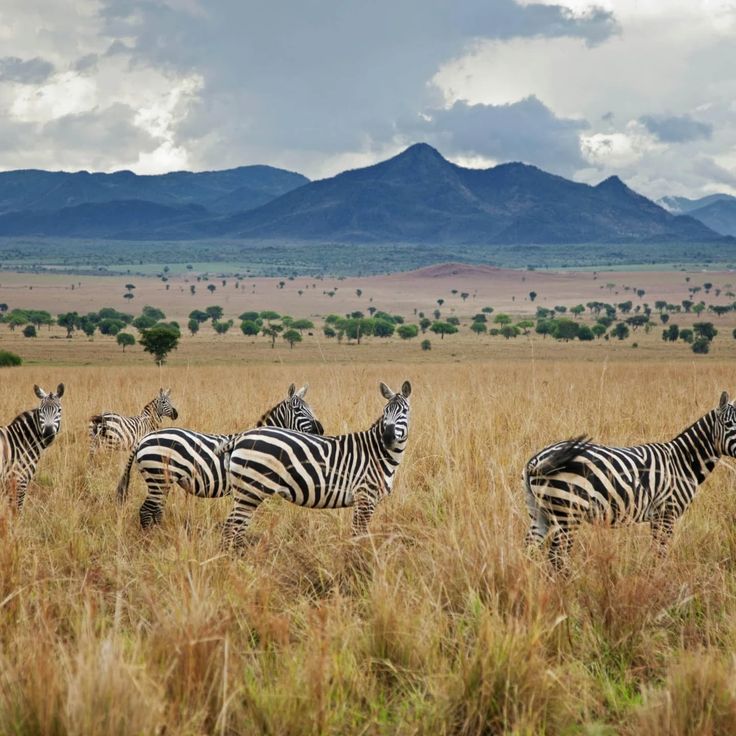
Far from the well-trodden safari circuits, where the land whispers ancient stories of the Karamojong and giant tuskers cast long shadows against the mountain skyline, lies Kidepo Valley National Park. Voted by CNN as one of “Africa’s Best National Parks,” this is Uganda’s raw, unfiltered frontier—a place of soul-stirring isolation, epic landscapes, and wildlife encounters so pure they feel like a privilege. This is your definitive guide to the continent’s most magnificent hidden gem. In the remote, sun-baked northeastern corner of Uganda, a place exists that defies modern safari conventions. Kidepo Valley National Park is not easily accessible, it offers no guarantees of luxury on every corner, and its wildlife roams free from the procession of tourist vehicles. This is precisely its power. Spanning 1,442 square kilometers in the rugged Karamoja region, Kidepo is a symphony of vast savannahs, jagged mountain ranges, and seasonal rivers, hosting a collection of animals found nowhere else in Uganda. For the traveler who believes the journey is as important as the destination, and who seeks authenticity over convenience, Kidepo is the ultimate prize. This 2026 guide unveils the hard facts, the compelling data, and the emerging trends that position Kidepo not as a mere park, but as a pilgrimage for the true safari connoisseur. Kidepo Valley National Park: The Foundational Facts of a Frontier Location & Isolation: Situated in the Karamoja region, bordering South Sudan to the north and Kenya to the east. It is over 700 kilometers (a 10-12 hour drive) from Kampala, cementing its status as Uganda’s most remote national park. Size & Topography: Covers 1,442 square kilometers. The landscape is a dramatic blend of the sweeping Narus Valley (the prime wildlife area with permanent water), the seasonal Kidepo River Valley with its iconic borassus palm forest, and the looming Mount Morungole (2,750m) and Mount Zulia (2,149m) ranges. Climate: Semi-arid. Receives less than 800mm of annual rainfall, creating a stark, beautiful environment of golden grasses and dust-devils. Award-Winning Status: Consistently ranked among the world’s best. CNN Travel named it one of “Africa’s Best National Parks,” while Lonely Planet has hailed it for its pristine wilderness. Key Fact: Kidepo is the only Ugandan park where you can see the cheetah, greater and lesser kudu, and the majestic Beisa oryx—species uniquely adapted to its arid ecosystem. 2026 Trend & Analytics Insight: While overall visitor numbers remain low (approximately 5,000 annual visitors compared to 50,000+ in Queen Elizabeth), there has been a 40% year-on-year increase in luxury charter flights directly to the park’s airstrip. This signals a growing demand from high-end, time-poor travelers seeking exclusive, uncrowded wilderness experiences—a trend known as “remoteness luxury.” Chapter 1: The Wildlife – A Cast of Rare and Resilient Icons Kidepo’s wildlife has evolved in isolation, creating a unique roster of species that feel thrillingly wild and unhabituated. The Predators: The Rare Hunters of the Savanna Cheetah: The park’s star predator. Kidepo hosts Uganda’s only viable population of cheetahs, estimated at 30-50 individuals. Spotting the world’s fastest land animal here, against the backdrop of the Lamoj Mountains, is a truly exclusive safari moment. Lion: The Kidepo lions are famous. The population is healthy and studied, known for the males’ distinctive full, dark manes. They are often seen on the rocky outcrops of the Narus Valley. Leopard & Spotted Hyena: Present and elusive, with good chances on early morning and late evening drives. The Endemic Herbivores: Species You Won’t See Elsewhere Greater Kudu & Lesser Kudu: The stately greater kudu, with its magnificent spiral horns, and its smaller cousin are Kidepo specials. Beisa Oryx: A striking, long-horned antelope built for arid climates, grazing peacefully on the plains. Chandlers Mountain Reedbuck & Klipspringer: Specialized antelope found on the rocky slopes. Rothschild’s Giraffe & Burchell’s Zebra: Large herds are common, alongside Jackson’s hartebeest, Defassa waterbuck, and Cape buffalo. The Elephant Herds: Giants of Karamoja Kidepo’s elephants are legendary. They are notably large-tusked and move in impressive herds across the valleys, embodying the park’s untamed spirit. The population is estimated at over 600 individuals. Birdlife: A Raptor’s Paradise With over 475 bird species, Kidepo is a top African birding destination. It is particularly famed for its raptors, including the Egyptian vulture, pygmy falcon, and verreaux’s eagle. The Karamojong apalis is a localized endemic. Data Point: A 2023 aerial survey by the Uganda Wildlife Authority (UWA) confirmed that large mammal biomass in Kidepo has increased by 18% since 2018, a direct result of improved security and anti-poaching efforts in the Karamoja region. Chapter 2: The Signature Experiences – Wilderness as the Main Attraction In Kidepo, the experience is defined by immersion and a profound sense of place. 1. The Game Drive in Narus Valley The Experience: Unlike anywhere else in Uganda. You will often be the only vehicle in sight. Drives are exploratory, following animal tracks and the instincts of guides who know this land intimately. The quality of sightings is enhanced by the complete absence of crowds. 2. Cultural Encounters with the IK People & Karamojong The IK People: A guided hike up Mount Morungole offers a rare chance to visit the IK community, one of Africa’s most isolated and culturally distinct tribes. This is a sensitive, life-altering cultural exchange that must be arranged ethically. Karamojong Manyatta Visits: Visit a traditional homestead of the pastoralist Karamojong warriors. Learn about their intricate beadwork, cattle-herding culture, and history. This is authentic cultural tourism, not a staged performance. 3. The Drive to the Kidepo River & Kanangorok Hot Springs The Journey: A drive through the borassus palm forest of the seasonal Kidepo River valley feels like entering a prehistoric world. The destination is the Kanangorok Hot Springs, a serene spot where you can often have wildlife sightings completely to yourself. 4. Birding and Photography The quality of light, the dramatic landscapes, and the lack of vehicle interference make Kidepo a photographer’s nirvana. Specialist birding guides can help locate the park’s many avian rarities. Chapter 3: The Data & The Comeback – A Park Reborn from Conflict Kidepo’s recent history is a testament to resilience. The Troubled Past: For decades, the park and the wider Karamoja region were plagued by insecurity and cattle rustling, severely limiting tourism and conservation efforts. The Peace Dividend: Since the government’s disarmament program in the early 2010s, stability has returned. This peace has allowed tourism to flourish and wildlife populations to recover dramatically. The Tourism Catalyst: Apoka Safari Lodge, reopened in 2010, became a beacon, proving
