
Gorilla Trekking in Uganda: Your Complete Guide to Bwindi Impenetrable Forest

Your dream of coming face-to-face with a family of endangered mountain gorillas in their misty, ancient home is within reach. This definitive guide to Bwindi Impenetrable Forest National Park covers everything—from securing permits and choosing a sector to fitness preparation and ethical practices—ensuring your gorilla trekking adventure is truly unforgettable. The moment you lock eyes with a silverback mountain gorilla in the wild is a moment that etches itself onto your soul. Uganda’s Bwindi Impenetrable Forest National Park, a UNESCO World Heritage Site, is home to nearly half of the world’s remaining population of these gentle giants. This isn’t just a safari activity; it’s a profound, bucket-list encounter with one of our closest living relatives. Navigating this experience requires careful planning. Our ultimate 2025/26 guide provides you with detailed facts, current trekking statistics, and insider tips to master your journey into the heart of Bwindi. Bwindi Impenetrable Forest at a Glance: The “Place of Darkness” Before you trek, understand the extraordinary place you are visiting. Biodiversity Hotspot: Bwindi is a mosaic of montane and lowland rainforest, spanning over 331 square kilometers. It’s one of the most biologically diverse forests in Africa, hosting: Approximately 459 mountain gorillas (according to the 2018 census), representing roughly 43% of the global population. 120 mammal species, including chimpanzees (though harder to see), elephants, and numerous forest antelope. Over 350 bird species and 200 butterfly species. UNESCO Status: Designated in 1994 for its exceptional ecological significance and critical role in gorilla conservation. The Name: “Bwindi” translates to “darkness” in the local Rukiga language, referring to the dense, light-absorbing vegetation that makes the forest appear impenetrable. Current Conservation Trend: The mountain gorilla is a rare conservation success story. Classified as Endangered (upgraded from Critically Endangered in 2018), their numbers are slowly increasing thanks to sustained efforts by the Uganda Wildlife Authority (UWA), local communities, and NGOs. Tourism is a cornerstone of this success, providing vital funding and creating economic incentives for protection. Part 1: The Four Sectors of Bwindi – How to Choose Your Trekking Base Bwindi is divided into four primary sectors, each offering a unique trekking experience. Your choice will affect trekking difficulty, scenery, and the type of community you engage with. 1. Buhoma Sector (Northern Bwindi) Accessibility: The most accessible, just a 2-hour drive from Kabale/Kisoro. The first sector developed for tourism. Trekking Profile: Offers a mix of easier and more challenging treks. Terrain can be steep but is often well-trailed. Home to popular gorilla families like Mubare, Habinyanja, and Rushegura. Infrastructure: Has the widest range of accommodation, from luxury lodges (e.g., Sanctuary Gorilla Forest Camp) to budget options. Good for first-time trekkers or those seeking more comfort. Unique Offering: The Buhoma Community Village Walk is a fantastic cultural add-on. 2. Ruhija Sector (Eastern Bwindi) Accessibility: Higher elevation, cooler temperatures, about a 3-hour drive from Kabale. The road offers stunning panoramic views. Trekking Profile: Known for potentially shorter trekking times, as gorilla families sometimes range closer to the forest edge. Families include Bitukura, Oruzogo, and Kyaguliro. Infrastructure: A good selection of lodges, often with spectacular vistas. Offers a quieter, more remote feel than Buhoma. Birding Hotspot: Renowned as one of the best sectors for birdwatchers, with easy access to the Mubwindi Swamp trail for rare Albertine Rift endemics. 3. Rushaga Sector (Southern Bwindi) Accessibility: South of Kisoro. Home to the highest number of habituated gorilla families in Bwindi. Trekking Profile: Offers the unique opportunity for the Gorilla Habituation Experience (GHE)—a full-day trek with researchers and a family still undergoing habituation. Also has many standard trek families. Terrain can be challenging. Infrastructure: A growing number of lodges and camps, catering to a range of budgets. The sector feels adventurous and less commercialized. Key Fact: This is the only sector where you can book the Gorilla Habituation Experience permit (limited to 4 visitors per day). 4. Nkuringo Sector (Southern Bwindi) Accessibility: The most challenging to access, involving a steep, dramatic descent into the valley, but also the most spectacular scenery. Trekking Profile: Known for the most physically demanding treks. The gorilla families here, like Nkuringo and Bushaho, often roam deep in steep valleys. Treks are rewarding but strenuous. Infrastructure: A handful of excellent, often high-end lodges with jaw-dropping views (e.g., Clouds Mountain Gorilla Lodge). The “Skyline”: Famous for its breathtaking views over the forest canopy and the Virunga volcanoes in the distance. SEO & Decision Tip: “Choosing the right Bwindi sector” is a high-value search query. Use this breakdown to match a sector with your fitness level and travel style. Part 2: The Complete Trekking Process – From Briefing to the Magical Hour Pre-Trek Preparation (The Day Before/Morning Of) Permit is King: Your gorilla trekking permit (USD $800 for foreigners; $700 for residents) is non-negotiable. Book 6-12 months in advance for peak seasons (June-August, Dec-Feb). This is done through UWA or a licensed tour operator like Travel Giants Uganda. Packing Essentials: Sturdy, waterproof hiking boots with excellent ankle support. Garden gloves (for grabbing vegetation). Waterproof daypack with 2L of water, snacks, and rain gear. Long, thick socks to tuck pants into, as a deterrent to safari ants. Multiple layers (forest is cool and damp). Fitness: Be honest with yourself. Trekking can range from 1-8 hours of strenuous hiking at altitudes of 1,500-2,500 meters. Start a cardio routine weeks before your trip. Trekking Day: A Step-by-Step Timeline 7:00 – 8:00 AM: Arrive at the sector park headquarters. Enjoy a hot drink while UWA rangers assign you to a specific gorilla family based on your fitness level (communicated discretely). 8:00 AM: Pre-trek briefing. Rangers cover critical rules: maintain a 7-meter (21-foot) distance, no eating/drinking near gorillas, turn away if you must cough/sneeze, and follow the guide’s instructions at all times. 8:30 AM: Begin the trek! Led by an experienced UWA guide and tracker, with armed rangers for protection (from forest buffalo/elephants, not gorillas). Porters (USD $20-25) are available and highly recommended—they provide physical support and boost the local economy. Variable Time (1-4 hours): Hike through dense, slippery, and often steep terrain. The trackers are in constant radio contact with advance teams who located the gorillas at dawn. The Encounter: You will be asked to leave your bags, walking sticks, and approach quietly. You are granted one magical hour with the gorillas. Observe them feed, play, groom, and rest. The silverback will keep a watchful eye. Photography is allowed (no flash). After the Hour: Trek back to the starting point (often faster).
10-Day Uganda Itinerary: The Perfect Gorilla & Safari Adventure for First-Timers
Uganda Visa Guide: Latest Requirements, Process, and Entry Tips (2026)
Planning your safari to the Pearl of Africa? Navigating visa requirements is your first crucial step. Our definitive 2026 Uganda Visa Guide, updated with the latest regulations, digital processes, and expert tips, ensures you embark on your adventure smoothly and stress-free. Securing your visa is the essential first step to witnessing the majestic mountain gorillas, embarking on thrilling safaris, and experiencing the warm hospitality of Uganda. With the country’s commitment to tourism growth and digital transformation, the entry process has evolved significantly. This comprehensive, up-to-date guide for 2026 demystifies the Uganda visa process, providing you with fact-checked requirements, clear statistics, and actionable entry tips to guarantee a seamless start to your journey. Executive Summary: Uganda’s Visa Landscape in 2026 Uganda has streamlined its entry process to welcome global travelers, primarily through its user-friendly electronic visa (e-Visa) system. The traditional “Visa on Arrival” is still available but is being actively phased out in favor of the pre-approved online system for efficiency and security. Primary Method: Uganda e-Visa (Recommended). Apply online before travel. Cost: USD $50 for a single-entry tourist visa (standard processing). Other types available. Processing Time: 3-5 business days for standard e-Visa applications. Validity: Typically issued for 90 days from the intended date of entry, with a stay period of up to 90 days (or as indicated on the visa). Key Trend for 2026: The East African Tourist Visa (EAV) is regaining popularity post-pandemic, allowing seamless travel between Uganda, Rwanda, and Kenya on a single visa for USD $100. Latest Immigration Data Insight: According to the Uganda Directorate of Citizenship and Immigration Control (DCIC), over 85% of all tourist visas in 2025 were issued through the e-Visa portal, highlighting the digital shift and the critical importance of applying online before departure. Part 1: Who Needs a Visa for Uganda? Citizens of most countries require a visa to enter Uganda. However, there are key exceptions and regional agreements that simplify travel for certain passport holders. Visa-Exempt Countries Citizens of the following countries do not need a visa for tourism and can stay for up to 90 days (always verify with official sources before travel): All member states of the East African Community (EAC): Kenya, Rwanda, Tanzania, South Sudan, Burundi, and the Democratic Republic of Congo. Select other nations, including Singapore, Antigua and Barbuda, The Bahamas, Belize, Fiji, Grenada, Jamaica, Malawi, Sierra Leone, Solomon Islands, The Gambia, Vanuatu, and Zambia. Pro Tip: Even if you are from a visa-exempt country, you must still meet all other entry requirements, including a passport valid for at least six months and having proof of yellow fever vaccination. Visa-Required Countries This includes citizens of the United States, United Kingdom, Canada, Australia, India, China, all EU member states, and most other nationalities. For these travelers, the e-Visa is the primary and recommended route. Part 2: The Complete Guide to Uganda Visa Types (2026) Choosing the correct visa type is crucial. Here are the main categories for tourists and general visitors. 1. Single-Entry Tourist e-Visa (The Standard Choice) Purpose: For tourists on a single, continuous visit. Cost: USD $50 Validity & Stay: Allows one entry. Valid for 90 days from the intended entry date, with a maximum stay of 90 days (or as specified). Best For: The vast majority of travelers on a classic Uganda-only safari or gorilla trekking trip. 2. Multiple-Entry Tourist e-Visa Purpose: For tourists who need to enter and exit Uganda multiple times (e.g., combining with a Rwanda gorilla trek or a Kenya beach holiday). Cost: USD $100 (as of latest 2025 fee structure). Validity & Stay: Allows multiple entries within 6 months or 1 year from issue. Each stay is typically limited to 90 days per entry. Best For: Frequent regional travelers, business visitors, or those on a multi-country East African itinerary not covered by the EAV. 3. East African Tourist Visa (EAV) – The Ultimate Regional Pass Purpose: Allows multiple entries between Uganda, Rwanda, and Kenya on a single visa. Cost: USD $100 Validity & Stay: Valid for 90 days from the date of first entry. You can move freely between the three countries within this period. Must be applied for from the country of your first point of entry. 2026 Trend Alert: Demand for the EAV has surged by over 40% in 2024/25 as global travelers seek richer, multi-destination experiences in East Africa. It represents tremendous value and flexibility. Critical Requirement: You must enter the region through the country that issued your EAV. 4. Transit Visa Purpose: For travelers passing through Uganda to a third destination within 48 hours. Cost: USD $35 Requirements: You must provide proof of onward travel (a confirmed flight ticket). Part 3: Step-by-Step e-Visa Application Process (2026 Update) Applying for your Uganda e-Visa is a straightforward online process. Follow these steps meticulously to avoid delays. Step 1: Access the Official Portal Only use the official Uganda government e-Visa website: https://visas.immigration.go.ug/ SEO & Security Tip: Beware of third-party scam websites that charge inflated fees. We link only to the official .go.ug domain for your safety. Step 2: Create an Applicant Profile Provide a valid email address and create a password. This account will be used to track your application. Step 3: Fill Out the Online Application Form You will need to provide accurate information matching your travel documents: Personal Details: Full name, date of birth, nationality, gender. Passport Information: Passport number, issue/expiry date, country of issuance. Your passport must be valid for at least 6 months beyond your date of entry into Uganda. Travel Details: Intended date of entry, point of entry (e.g., Entebbe International Airport), address of your first night’s accommodation (hotel booking confirmation). Health Information: You must declare your yellow fever vaccination status. Step 4: Upload Required Digital Documents Passport Bio Page: A clear, color scan in JPEG/PDF format. Passport-Style Photograph: Recent, white background, professional quality. Yellow Fever Vaccination Certificate: A clear scan. This is mandatory for all travelers over 1 year of age arriving from, or transiting through, a yellow fever endemic country. Travel Itinerary/Invitation Letter (if applicable): Some applications may require proof of hotel bookings or a tour confirmation from a licensed company like Travel Giants Uganda. Step 5: Pay the Visa Fee Securely Use an international credit or debit card (Visa, MasterCard) to pay the non-refundable visa fee on the secure portal. Step 6: Submit and Track Application After submission, you will receive an application ID/acknowledgment slip via email. Use your profile login to track the status: Pending >
Best Time to Visit Uganda: A Month-by-Month Guide for Wildlife & Gorillas
Planning the ultimate African safari? Discover the perfect time to witness Uganda’s majestic gorillas, epic wildlife migrations, and stunning landscapes with our definitive month-by-month guide. Uganda, the “Pearl of Africa,” is a year-round destination blessed with incredible biodiversity, dramatic landscapes, and a uniquely temperate climate. However, choosing the best time to visit Uganda can significantly enhance your experience, whether you’re tracking endangered mountain gorillas, embarking on a classic safari, or chasing waterfalls. This comprehensive guide, packed with facts, statistics, and current travel trends, will help you plan your unforgettable journey based on wildlife activity, weather patterns, and seasonal highlights. Why Timing is Everything: Uganda’s Climate & Seasons at a Glance Uganda enjoys a tropical climate moderated by its altitude. The country experiences two primary dry seasons and two wet seasons, which directly influence wildlife viewing, gorilla trekking conditions, and road accessibility. Dry Seasons (Peak Tourist Seasons): June to August December to February Characteristics: Lower rainfall, sunny days, thinner vegetation, and excellent wildlife spotting. Higher rates and need for early booking. Wet Seasons (Green/Shoulder Seasons): March to May (Long Rains) September to November (Short Rains) Characteristics: Lush greenery, fewer tourists, lower prices, spectacular birding, but with potential for heavy showers and tougher trekking conditions. Current Travel Trend Insight: Post-pandemic, there’s a marked shift towards “shoulder season” travel. Savvy travelers are opting for the months flanking the peak dry seasons (like April-May and October-November) to enjoy lower crowd density, better deals, and the vibrant green landscapes, making their photos and experiences uniquely beautiful. Your Month-by-Month Guide to Uganda’s Wildlife & Gorilla Treks January: The Prime Dry Season Start Weather: Hot and dry, with average temperatures of 28°C (82°F). Minimal rainfall. Wildlife Viewing: Excellent. Animals congregate around permanent water sources in parks like Queen Elizabeth (Kazinga Channel) and Murchison Falls, making them easy to spot. Great for big cat sightings. Gorilla Trekking: Optimal. Conditions in Bwindi Impenetrable and Mgahinga are good with drier trails. Permits are in high demand. Key Consideration: One of the best months overall for a combined safari and gorilla trip. Book gorilla permits and lodges at least 6-12 months in advance. February: Peak Dry Season Continues Weather: Similar to January – dry, sunny, and warm. Wildlife Viewing: Outstanding. Vegetation is at its thinnest. In Kidepo Valley National Park, this is arguably the best month for wildlife, with vast herds and high predator activity. Gorilla Trekking: Ideal. Trekking is less muddy and physically demanding. High chance of clear skies for photography. Travel Stat: February sees a 15-20% increase in visitor numbers to major parks compared to wet season months, according to Uganda Wildlife Authority (UWA) data. March: The Transition Begins Weather: The start of the long rains. Short, heavy afternoon showers are common, but mornings are often clear. Landscapes turn lush and green. Wildlife Viewing: Very Good. Animals are still relatively easy to find. This is the start of the low season, so you’ll share the parks with fewer vehicles. Gorilla Trekking: Good. Rain can make trails slippery, but the misty forests are incredibly atmospheric. Waterproof gear is essential. SEO-Friendly Tip: This is a top “value-for-money” month. Highlight the balance of good conditions, lower costs, and emerging greenery. April: The Heart of the Long Rains Weather: The wettest month. Expect prolonged rainfall, especially in the afternoon. Wildlife Viewing: Challenging but Rewarding. Dense foliage can hide animals, and some roads in parks like Murchison may become difficult. However, birding is at its absolute peak (over 1,000 species recorded in Uganda!). Gorilla Trekking: Moderate to Difficult. Treks can be steep and muddy. However, gorilla permits are easier to secure last minute. The upside? An intimate, adventurous experience. Fact: April is part of Uganda’s traditional low season, with lodge rates sometimes 25-40% lower than peak season prices. May: Rains Start to Ease Weather: Rainfall begins to decrease, especially in the second half. The countryside is spectacularly green and vibrant. Wildlife Viewing: Improving. As rains lessen, wildlife becomes more active. This is a fantastic month for photographers who prize dramatic skies and lush backdrops. Gorilla Trekking: Good. Conditions improve throughout the month. The forests are alive with water flows and flowers. Trend Alert: “Green Season Safari” is a growing niche. Travelers seeking sustainable, crowd-free adventures are increasingly choosing May. June: The Dry Season Returns Weather: A welcome return to dry, cooler weather. Daytime temps are pleasant, and nights can be crisp, especially in the highlands. Wildlife Viewing: Excellent. Wildlife is abundant and easy to observe. The June to August period is prime time for safari purists. Gorilla Trekking: Optimal. Dry trails return, making for comfortable trekking. Permits start selling out quickly. Key Activity: This is a great time for chimpanzee tracking in Kibale Forest, as troops are active and easily located. July: Peak Season & Festival Time Weather: Dry and cool, with virtually no rain. Considered by many the best overall weather month. Wildlife Viewing: Prime Time. All national parks are in top form. In Queen Elizabeth, the famous tree-climbing lions of Ishasha are frequently seen. Gorilla Trekking: Ideal. This is one of the most popular months. Secure permits well in advance. Cultural Highlight: The Nyege Nyege Festival (dates vary) often falls in this period, a massive draw for culturally curious travelers. August: The Last of the High Dry Season Weather: Similar to July – dry, sunny, and perfect for outdoor activities. Wildlife Viewing: Outstanding. Water sources are scarce, guaranteeing animal concentrations around rivers and lakes. Excellent for boat safaris on the Nile or Kazinga Channel. Gorilla Trekking: Excellent. Continues to be one of the best months. Bwindi can be busy, but the experience is unparalleled. Statistic: UWA data shows gorilla permit utilization hits over 95% in August, underscoring the need for advanced planning. September: A Sweet Spot Month Weather: A transitional month. Mostly dry, especially in the north, but short rains can begin towards the end in the south. A fantastic mix of green scenery and good weather. Wildlife Viewing: Superb. Considered a hidden gem month. Crowds from July-August dissipate, but conditions remain largely dry. Gorilla Trekking: Highly Recommended. Often less busy than June-August, with equally fantastic conditions. A top choice for many seasoned Uganda travelers. SEO Tip: Target keywords like “best shoulder month for Uganda” and “September gorilla trekking.” October: The Short Rains Begin Weather: The start of the second rainy season. Patterns are similar to April—warm with afternoon showers, but generally less intense. Wildlife Viewing: Very Good. Animals are still active, and the landscapes remain beautiful. Birdlife starts to increase with migrant species arriving. Gorilla Trekking: Good. Similar to March, rains bring mud but also fewer tourists. It’s a trade-off that many find worthwhile. Trend: October is becoming popular for combined
The Ultimate Uganda Itinerary: 7, 10, and 14-Day Safari Plans for 2024/2025
Discover the perfect Uganda itinerary! Our expert-crafted 7, 10, and 14-day safari plans feature gorilla trekking, Big Five game drives & cultural encounters. Start planning your 2024/2025 adventure in the Pearl of Africa today! Introduction: Crafting Your Perfect Uganda Safari Journey Welcome to the Pearl of Africa, where emerald rainforests meet vast savannahs, and the roar of lions competes with the thunder of the world’s most powerful waterfall. Uganda stands unique among African safari destinations—it’s the only country where you can track endangered mountain gorillas in the morning and embark on a classic Big Five game drive in the afternoon. But with so many iconic national parks and unforgettable experiences, how do you craft the perfect itinerary? According to recent Uganda Tourism Board statistics, the average visitor stays 9.2 days, with over 68% of travelers combining gorilla trekking with other wildlife viewing. The key to an unforgettable safari is intelligent routing that maximizes experience while minimizing exhausting travel days. A well-planned Uganda itinerary is the difference between a good trip and a life-changing journey. Whether you have a week or two weeks, this definitive guide presents optimized 7, 10, and 14-day safari plans for 2024 and 2025. Each itinerary has been meticulously crafted by our Travel Giant Uganda experts based on current road conditions, optimal wildlife viewing periods, and traveler feedback from the past season. Let’s explore the ultimate routes through Africa’s most biodiverse safari destination. Before You Choose: Critical Planning Factors for 2024/2025 Understanding Uganda’s Geography and Travel Times Uganda’s national parks are scattered across the country, and realistic travel times are crucial. The road infrastructure has significantly improved in recent years, but distances remain substantial: Entebbe/Kampala to Queen Elizabeth NP: 6-7 hours drive Queen Elizabeth to Bwindi (Southern Sector): 3-4 hours Entebbe to Murchison Falls: 5-6 hours (plus ferry crossing) Bwindi to Lake Mburo: 5-6 hours Pro Tip: For itineraries 10 days or less, we highly recommend incorporating domestic flights with Aerolink Uganda to maximize your park time. Their scheduled services connect Entebbe to key destinations like Murchison Falls, Kidepo, and Kisoro (for gorilla trekking). The Gorilla Permit Conundrum: Your Itinerary’s Anchor Your entire Uganda itinerary revolves around one critical element: gorilla trekking permit availability. With only 160 permits available daily across four national parks (Bwindi Impenetrable, Mgahinga, Kibale, and Rwenzori Mountains), and peak season permits selling out 9-12 months in advance, your trekking date dictates your entire schedule. 2024/2025 Trend Alert: There’s increasing demand for permits in Mgahinga Gorilla National Park and the lesser-visited sectors of Bwindi (like Rushaga and Nkuringo), which can offer more availability and sometimes less crowded trekking experiences. Seasonal Considerations for Optimal Wildlife Viewing Dry Seasons (June-August & December-February): Prime wildlife viewing as animals congregate around water sources. Optimal trekking conditions with less mud. Wet Seasons (March-May & September-November): Lush landscapes, fewer tourists, lower prices, but potentially challenging road conditions and more strenuous trekking. Now, let’s explore our expertly crafted itineraries. Itinerary 1: The Classic 7-Day Uganda Highlights Safari Perfect for travelers with limited time who want to experience Uganda’s premier attractions: gorillas and classic savannah wildlife. Day-by-Day Breakdown Day 1: Arrival in the Pearl of Africa Arrive at Entebbe International Airport (EBB) Transfer to your Entebbe accommodation (we recommend Lake Victoria Serena or similar for easy access) Evening Activity: Optional sunset cruise on Lake Victoria or visit to the Uganda Wildlife Education Centre Accommodation: Entebbe Day 2: Journey to the Home of Primates Morning flight from Entebbe to Kisoro Airstrip (approximately 1 hour) Transfer to your lodge near Bwindi Impenetrable National Park Afternoon Activity: Community visit to the Batwa pygmies, former forest dwellers who share their ancient cultural heritage Evening: Pre-trek briefing from your lodge on gorilla trekking protocols Accommodation: Buhoma or Ruhija sector lodges Day 3: The Pinnacle Experience – Gorilla Trekking Morning: Early breakfast and transfer to the park headquarters for briefing (7:00-8:00 AM) Embark on your once-in-a-lifetime gorilla trek (1-8 hours depending on gorilla movement) Spend one magical hour with a habituated mountain gorilla family Afternoon: Return to lodge for rest and relaxation Evening: Celebrate your achievement with a sundowner and share stories with fellow trekkers Accommodation: Bwindi area Day 4: From Rainforest to Savannah Morning transfer to Queen Elizabeth National Park (4-5 hours) Enjoy scenic views of the Virunga Volcanoes and the Albertine Rift Valley Afternoon: Evening game drive in the Kasenyi Plains, known for its lion prides and large herds of Uganda kob Accommodation: Mweya or Ishasha sector Day 5: Kazinga Channel & Ishasha’s Tree-Climbing Lions Morning: Launch cruise on the Kazinga Channel, boasting the highest concentration of hippos in Africa and abundant birdlife Afternoon: Transfer to the Ishasha sector, famous for its unique tree-climbing lions Evening game drive in search of these remarkable predators Accommodation: Ishasha sector Day 6: Return Journey with a Cultural Stop Morning game drive in Ishasha (another chance for tree-climbing lions) Begin return journey to Entebbe with stop at the Equator crossing for photos and demonstrations Optional craft market shopping Farewell Dinner: Traditional Ugandan meal with cultural performances Accommodation: Entebbe Day 7: Departure or Extension Transfer to Entebbe International Airport for your departure flight Optional Extension: Add a night at Lake Mburo National Park for walking safaris among zebra and impala 7-Day Itinerary Quick Facts Best For: First-time visitors, families with older children, travelers with time constraints Gorilla Trekking: 1 day National Parks Visited: 2-3 Approximate Driving Distance: 800-1000km Recommended Upgrade: Fly from Entebbe to Bwindi to save a full day of travel Itinerary 2: The Complete 10-Day Uganda Primate & Wildlife Safari Our most popular Uganda itinerary offers the perfect balance of primates, predators, and pristine wilderness. According to our 2023 traveler surveys, this 10-day plan receives 94% satisfaction ratings for its comprehensive yet manageable pace. Day-by-Day Breakdown Days 1-3: Bwindi Gorilla Trekking Immersion *(Follow Days 1-3 from the 7-day itinerary but with an added recovery/exploration day)* Day 4: To the Primate Capital of the World Transfer from Bwindi to Kibale Forest National Park (5-6 hours) Scenic drive through tea plantations and rural villages Afternoon: Guided nature walk in the Bigodi Wetland Sanctuary, a community-run project excellent for birding and primate spotting Accommodation: Kibale area Day 5: Chimpanzee Trekking & Nocturnal Wonders Morning: Chimpanzee trekking in Kibale Forest, home to 13 primate species including the
Uganda Safari Cost: A Realistic Budget Breakdown for 2024/2025
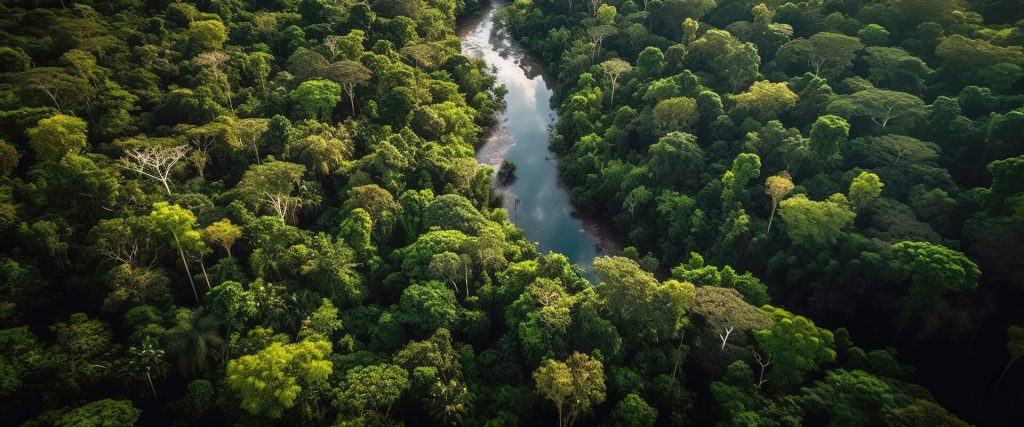
Planning your dream Uganda safari? Get a realistic 2024/2025 cost breakdown! We detail gorilla permits, accommodation, transport & hidden fees to help you budget for the ultimate adventure in the Pearl of Africa. You’ve seen the breathtaking photos: a majestic mountain gorilla in the misty forests of Bwindi, a tree-climbing lion lounging in an ancient fig tree, the mighty Nile River forcing itself through a narrow gorge at Murchison Falls. The dream of a Uganda safari is vivid and compelling. But one crucial question brings every traveler back to reality: “How much does a Uganda safari actually cost?” The answer isn’t a single number, but a mosaic of factors. An African safari is an investment, but with transparent planning, it’s an investment that pays a lifetime of dividends in memories. This definitive guide for 2024 and 2025 strips away the guesswork, providing a realistic, detailed budget breakdown so you can plan your journey to the Pearl of Africa with confidence. The Golden Rule of Uganda Safari Budgeting Before we dive into the numbers, understand this core principle: A Uganda safari cost is not a single package price; it’s the sum of its parts. The key is understanding these parts and how they interact. The two most significant factors are: The Gorilla Trekking Permit: This is the single largest fixed cost for most travelers. Your Chosen Style of Travel: Are you a budget backpacker, a comfort-seeking mid-range traveler, or a luxury explorer? This choice dramatically affects your overall spend. Let’s break down each cost component. The Fixed Costs: Your Non-Negotiable Safari Foundations These are the costs that are largely fixed, regardless of your travel style. You must account for them first. 1. The Gorilla Trekking Permit: The Crown Jewel of Your Budget Cost: $800 per person, per trek (for Foreign Non-Residents). This fee is set by the Uganda Wildlife Authority (UWA) and is highly unlikely to change for 2024/2025. What it covers: The permit grants you one trek and one hour with a habituated mountain gorilla family. It is a critical conservation tool, with a portion of the fee directly funding wildlife protection and community projects around the parks. Pro Tip: BOOK THIS FIRST. Permits for the peak seasons (June-August, December-February) sell out 6-12 months in advance. This is the anchor of your entire itinerary. 2. The Chimp Trekking Permit: The Thrilling Prelude Cost: $200 per person in Kibale Forest National Park (the premier location). Other parks like Kyambura Gorge (Queen Elizabeth NP) or Budongo Forest (Murchison Falls) may be slightly cheaper. What it covers: A guided trek to find and observe habituated chimpanzees for one hour. 3. National Park Entry Fees: Your Pass to the Wild Cost: $40 per person, per day (for Foreign Non-Residents). This fee is paid to the Uganda Wildlife Authority for every day you enter a national park for activities like game drives, birding, or nature walks. Example: A 3-day, 2-night trip to Queen Elizabeth National Park will typically incur a $80 park entry fee ($40 x 2 days of activities). The Variable Costs: Where Your Travel Style Defines Your Budget This is where your budget becomes flexible. We’ll break it down into three clear categories. 1. Accommodation: From Rustic to Royal Your choice of lodging is one of the biggest variables. Uganda offers a fantastic range. Accommodation Tier Price Range (Per Person, Per Night) What to Expect Budget $30 – $80 Public campsites, basic bandas (cottages), and budget guesthouses. Often shared facilities. Perfect for self-drive or overland groups. Mid-Range $100 – $250 The Sweet Spot for Most Travelers. Comfortable, well-appointed lodges with en-suite bathrooms, often stunning views, swimming pools, and excellent service. Usually includes full-board (all meals). Luxury $300 – $800+ Exclusive, high-end lodges and boutique camps. Featuring private plunge pools, stunning architecture, gourmet dining, and exceptional guiding. A truly immersive and pampering experience. Current Trend: There’s a growing demand for eco-lodges and community-based tourism properties, which often fall in the mid-range category and offer a more sustainable and authentic experience. 2. Safari Transport & Guiding: Your Vehicle to Adventure How you get around is not just about cost, but about the quality of your experience. Safari Vehicle (4×4) with Driver/Guide: This is the most recommended and popular option. Cost: $150 – $250 per day for the entire vehicle (not per person). This includes a private, pop-top 4×4 Land Cruiser or Safari Van, a professional English-speaking driver/guide, fuel, and all the driver’s associated costs. Why it’s worth it: A good guide is priceless. They are trackers, storytellers, mechanics, and cultural ambassadors rolled into one. They know where to find the wildlife and enhance every aspect of your journey. Self-Drive Safari: Cost: 4×4 vehicle rental starts at around $80 – $150 per day, plus fuel (which can be expensive) and insurance. Considerations: This offers ultimate freedom but comes with challenges: navigating poor roads, managing breakdowns in remote areas, and lacking the wildlife expertise of a guide. Only recommended for highly experienced African travelers. Domestic Flights (Charter): Cost: $250 – $450 per person, per sector. Use Case: Ideal for saving time on long distances (e.g., Entebbe to Kidepo or Murchison Falls) or for luxury travelers. AeroLink Uganda offers scheduled services. 3. Food & Drink (Meals) On Safari: Most safari lodges are full-board, meaning all meals are included. Drinks (bottled water, sodas, beer, wine) are typically extra. Budget $20 – $50 per day for drinks, depending on your consumption. In Cities (Entebbe/Kampala): You’ll pay for meals separately, with a good meal at a restaurant costing $10 – $25. Putting It All Together: Sample Safari Cost Calculations Let’s create realistic budget estimates for a classic 10-Day Primate & Wildlife Safari for two people sharing a room and vehicle. Scenario 1: The Value-Conscious Mid-Range Safari This is the most common and excellent value-for-money option. Gorilla Permit (x2): $1,600 Chimp Permit (x2): $400 Park Fees (8 days): $640 ($40 x 8 days x 2 people) Accommodation (9 nights, mid-range @ $175 pp/pn): $3,150 Vehicle & Guide (10 days @ $200/day): $2,000 Food & Drink (Est. $30/day pp for drinks): $600 **Total (for 2 people): $8,390 ($4,195 per person) ** Scenario 2: The Budget Backpacker Adventure For those who prioritize experience over comfort. Gorilla Permit (x2): $1,600 Chimp Permit (x2): $400 Park Fees (8 days): $640 Accommodation (9 nights, budget
How to Plan a Uganda Safari: A Step-by-Step Guide for 2024/2025

Your ultimate guide to planning a Uganda safari in 2024/2025! Get expert tips on budgets, itineraries, gorilla permits, best times to visit, and how to book with a responsible tour operator. Start your journey to the Pearl of Africa today! Dreaming of misty mountains, the thunderous roar of the Nile, and the profound experience of locking eyes with a mountain gorilla in its natural habitat? A Uganda safari is more than a vacation; it’s a pilgrimage for the soul. Known as the “Pearl of Africa,” Uganda offers an unparalleled blend of primal wildlife encounters, diverse landscapes, and warm, welcoming cultures. But planning such an adventure can feel daunting. Where do you start? How do you ensure you get the most out of your journey? This definitive, step-by-step guide is designed to take you from the first spark of inspiration to the moment you touch down in Entebbe, fully prepared for the adventure of a lifetime in 2024 or 2025. Step 1: Dream & Define Your Safari (The Blueprint) Before you dive into permits and flights, start with the vision. A well-defined dream is the foundation of a perfect safari. Identify Your “Why”: What is the non-negotiable experience? Gorilla & Chimpanzee Trekking: The premier primate experience in Bwindi Impenetrable Forest, Mgahinga, and Kibale Forest. The Big Five & Classic Game Drives: While Uganda isn’t a traditional Big Five destination, it’s home to healthy populations in Queen Elizabeth (tree-climbing lions, elephants, buffaloes) and Murchison Falls (lions, elephants, buffaloes, Rothschild’s giraffes). Kidepo Valley National Park offers a truly wild, off-the-beaten-path experience. Birding Spectacular: With over 1,080 bird species (accounting for ~50% of Africa’s bird species and ~11% of the world’s), Uganda is a top birding destination. Key spots include the Shoebill in Mabamba Swamp, and the myriad of species in Bwindi and Queen Elizabeth. Adventure & Scenery: White-water rafting on the Nile, hiking the Rwenzori Mountains (Mountains of the Moon), or witnessing the mighty Murchison Falls. Traveler Profile & Pace: Luxury Safari: High-end lodges, private guides, and charter flights. Mid-Range Comfort: The most popular choice, offering excellent value with comfortable lodges and great service. Budget/Backpacker: Camping, public transport, and basic accommodations. Fast-Paced: Covering multiple parks in a short time. Slow Travel: Immersing yourself deeply in one or two locations Step 2: Set Your Realistic Budget for 2024/2025 A transparent budget is crucial. Here’s a breakdown of the key costs, with updated figures. Cost Factor Budget Range (USD) Key Considerations for 2024/2025 International Flights $800 – $1,800 Varies by season and departure point. Book 3-6 months in advance for deals. Gorilla Trekking Permit $800 per person This is the standard fee for foreign non-residents. Book this FIRST, as they sell out months in advance. Chimp Trekking Permit $200 – $250 Kibale Forest is the prime location, but other parks offer it cheaper. Accommodation (per night) $30 (Budget) – $150 (Mid) – $500+ (Luxury) Prices are per person, often based on full-board. Safari Vehicle & Guide $150 – $250 per day A 4×4 Land Cruiser with a pop-top is the gold standard. Cost is for the vehicle, not per person. Park Entry Fees $40 – $50 per person, per day Paid to Uganda Wildlife Authority (UWA) for each day in a national park. Food & Drink $30 – $80 per day Most lodges are full-board. Drinks and tips are extra. Total Trip Cost Estimate (7-10 days): A mid-range 10-day primate and wildlife safari for two, including gorilla permits, will typically range from $5,000 to $8,000 per person. Step 3: Choose Your Travel Dates Wisely Uganda’s equatorial climate means it’s a year-round destination, but seasons matter. Dry Seasons (Best Time for Safari): June to August & December to February: These are the prime windows for your 2024/2025 planning. Roads are more accessible, wildlife gathers around water sources, and trekking conditions are less muddy. Wet Seasons (Shoulder Seasons): March to May & September to November: Lush, green landscapes, fewer tourists, and lower prices. However, rain can make some roads challenging, and trekking can be more strenuous. Pro Tip for 2024/2025: The June-August and December periods are extremely popular. To secure gorilla permits and preferred lodges, book at least 9-12 months in advance. Step 4: Craft Your Perfect Uganda Safari Itinerary Here are three sample itineraries to inspire your 2024/2025 adventure. Itinerary 1: The Classic Pearl (10 Days) Day 1-2: Arrive Entebbe, recover, and tour the Botanical Gardens. Day 3-4: Fly or drive to Murchison Falls National Park. Game drives and a Nile boat cruise to the base of the falls. Day 5-6: Travel to Kibale Forest National Park. Chimpanzee trekking and Bigodi Swamp walk. Day 7-9: Journey to Queen Elizabeth NP. Game drives in the Kasenyi Plains, boat cruise on the Kazinga Channel, and search for tree-climbing lions in Ishasha. Day 10: Depart from Kigali, Rwanda (often more convenient than returning to Entebbe). Itinerary 2: The Primate Specialist (8 Days) Day 1: Arrive Entebbe. Day 2-3: Head to Kibale Forest for an immersive chimp trekking experience. Day 4-6: Transfer to Bwindi Impenetrable National Park. This is the pinnacle of your trip—gorilla trekking. Allow a full day for the trek and recovery. Day 7-8: Explore Lake Bunyonyi for relaxation or Lake Mburo NP for a walking safari among zebras and impalas before departing. Itinerary 3: The Ultimate Adventure (12-14 Days) Day 1-3: Murchison Falls for powerful scenery and wildlife. Day 4-6: Kidepo Valley National Park for a truly remote and authentic African wilderness experience. Day 7-9: Track chimps in Kibale and explore the crater lakes. Day 10-12: Gorilla trekking in Bwindi, followed by relaxation at Lake Bunyonyi. Step 5: Secure the Big Tickets – Permits & Flights This is the most critical action step. Gorilla & Chimp Permits: These are issued by the Uganda Wildlife Authority (UWA). While you can apply directly, it is highly recommended to have your chosen tour operator handle this. They know the system, can check real-time availability, and secure your preferred dates instantly. For 2025 treks, aim to book by mid-2024. International Flights: You’ll fly into Entebbe International Airport (EBB). Use flight comparison tools and set price alerts. Consider flying via major hubs like Nairobi, Addis Ababa, or Doha. Domestic/Regional Flights: For longer distances, consider domestic charter flights
