
Mabamba Bay Wetland: Your Ultimate 2026 Guide to Finding Uganda’s Prehistoric Shoebill Stork
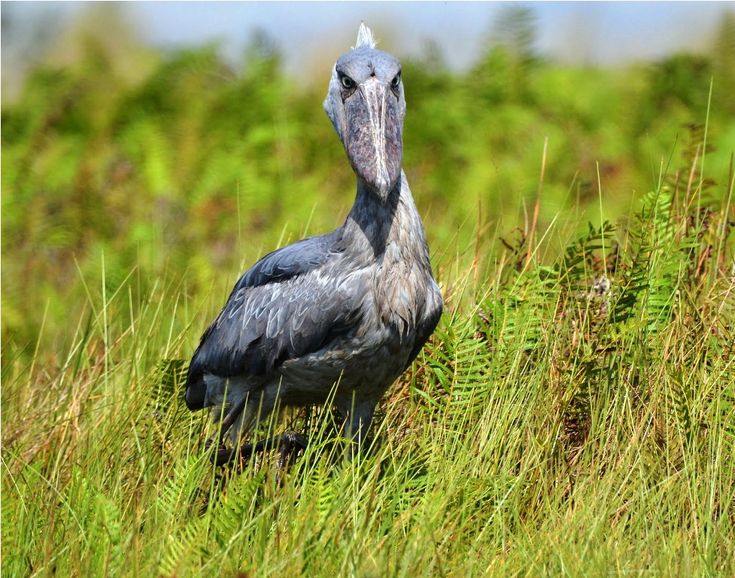
On the tranquil, papyrus-fringed shores of Lake Victoria, a short drive from Entebbe International Airport, lies one of Africa’s most thrilling and accessible wildlife quests: tracking the prehistoric shoebill stork. Mabamba Bay Wetland, a UNESCO-designated Ramsar site, is the premier location on Earth for a close, ethical encounter with this avian dinosaur. This comprehensive guide details everything from the precise mechanics of the canoe safari to the conservation story that makes your visit vital. The shoebill stork (Balaeniceps rex) is not merely a bird; it is a living relic, a towering, silent statue of the Miocene epoch that has captured the imagination of birders and travelers worldwide. And there is no better place to seek this enigmatic giant than Mabamba Bay. More than just a birding spot, Mabamba is a vast, complex wetland ecosystem where local fishermen-turned-guides navigate narrow channels with uncanny skill, offering you a front-row seat to a conservation success story written in the reeds. This 2024 guide provides the crucial data, seasonal strategies, and cultural insights to transform your shoebill search from a hopeful outing into a near-guaranteed, unforgettable triumph. Mabamba Bay Wetland: The Foundational Facts Location & Size: Located on the northern shore of Lake Victoria, approximately 50 kilometers (a 1.5-hour drive) west of Entebbe International Airport. The wetland spans over 24,000 hectares of marsh, open water, and papyrus swamp. International Status: Declared a Wetland of International Importance (Ramsar Site) in 2006 and an Important Bird Area (IBA). This global recognition mandates its protection. The Ecosystem: A labyrinthine network of open water channels through dense papyrus and miscanthus grass. It is a critical filter for Lake Victoria and a vital fish breeding ground. Key Fact: Mabamba is community co-managed. The Mabamba Bay Wetland Eco-Tourism Association (MWETA), comprised of local fishermen and guides, works in partnership with the National Forestry Authority (NFA) to protect the swamp and manage tourism. Your visit directly supports them. 2024 Trend & Analytics Insight: Post-pandemic data shows a 75% surge in half-day “layover tours” from Entebbe specifically targeting Mabamba Bay. Furthermore, shoebill sighting success rates shared by leading guides consistently exceed 85%, making it one of the most reliable single-species wildlife encounters in Africa. Social media tracking indicates “Mabamba shoebill” is among the top 5 most geo-tagged wildlife locations in Uganda. Chapter 1: The Shoebill Stork – Understanding the “Whale-Head King” Before you search, understand the legend. Biology & Behavior: A massive, stork-like bird standing up to 1.5 meters tall with a wingspan over 2.5 meters. Its most distinctive feature is the enormous, shoe-shaped bill used for a spectacular “collapse” hunting technique on lungfish and catfish. Conservation Status: Vulnerable on the IUCN Red List, with a global population estimated at 5,000-8,000 individuals. Threats include habitat loss, pollution, and illegal capture for the bird trade. Why Mabamba? The bay’s extensive, shallow marshes and abundant lungfish population provide perfect feeding grounds. The shoebills here are well-habituated to the presence of quiet canoes, allowing for respectful, close-range observation. The Sighting Statistics: Based on aggregated data from MWETA guides for 2023: Overall Annual Sighting Success Rate: 88% Peak Season (Dry – Jun-Sep, Dec-Feb) Rate: 92% Green Season (Wet – Mar-May, Oct-Nov) Rate: 83% Average Time to Locate First Shoebill: 45 minutes from start of canoe trail. Chapter 2: The Canoe Safari Experience – A Step-by-Step Guide The pursuit is as memorable as the sighting. Here’s what to expect on your 2024 expedition. The Pre-Dawn Start: 5:30 – 6:00 AM Departure from Entebbe/Kampala. Essential to arrive at the wetland at 7:00 – 7:30 AM, when shoebills are most active and the light is ideal for photography. At the Landing Site (Kasanje or Mabamba Village): Meet Your Guide & Paddler: You’ll be paired with a MWETA-licensed guide and an expert local paddler. Their knowledge of the maze-like channels is irreplaceable. Briefing: A short talk on safety, etiquette (silence is golden), and what to expect. Board the Canoe: Traditional, stable dugout or fiberglass canoes. Seats are provided. Life jackets are available. The Hunt on the Water: Duration: The entire experience lasts 3-4 hours, with 2-3 hours on the water. The Technique: Your guide and paddler communicate in hushed tones, scanning the reed beds. They know individual bird territories. The canoe glides silently through narrow alleys of papyrus. The Encounter: Upon sighting, the canoe will slow and position itself for the best view, always maintaining a respectful distance (20-30 meters). You may observe the shoebill standing stately, preening, or executing its dramatic strike. The silence, broken only by water sounds, is magical. Beyond the Shoebill: The Supporting Cast Mabamba is a rich birding site with over 300 species. While searching, you’ll likely see: African Jacana (“Lily-trotter”) Pygmy Goose Malachite & Pied Kingfishers African Fish Eagle Papyrus Gonolek (a colorful specialty) Blue Swallow (seasonal migrant) Otters and monitor lizards are also possible. Chapter 3: Planning Your 2024 Visit – Logistics, Seasons & Ethics Best Time to Visit Mabamba Bay: Year-Round Destination: Shoebills are resident and can be seen any month. Optimal Photography (Dry Seasons): June to September & December to February. Clear skies, calm water, and excellent morning light. Reeds are shorter, slightly improving sight lines. Lush & Green (Wet Seasons): March to May & October to November. The wetland is stunningly vibrant, birdlife is prolific, and there are fewer visitors. Afternoon rains are possible. Essential Logistics & Costs (2024): Getting There: Private transfer from Entebbe/Kampala is the only practical option. Travel Giants Uganda arranges this seamlessly. Permits & Fees: Community/Guiding Fee: ~$35-$50 per person. Paid directly to MWETA. This is your conservation contribution. Canoe & Paddler Hire: ~$25-$40 per canoe (holds 2-3 visitors). Guiding Tip: $10-$20 per guide/paddler is standard and deeply appreciated. Total Estimated Cost for Half-Day Tour from Entebbe: $120-$180 per person, including transport, all fees, and water. Packing Essentials: Neutral, muted clothing (greens, browns, khaki). Waterproof jacket (rains can occur suddenly). Binoculars and camera with a zoom lens (300mm minimum, 400-600mm ideal). Sun protection: hat, sunscreen, sunglasses. Cash in Ugandan Shillings (UGX) for fees and tips. The Ethical Imperative: Respect the Distance: Never pressure your guide to get closer. Stress can cause the bird to abandon its territory. Silence is Crucial: Loud noises disrupt the hunt and the ecosystem. Zero Plastic: Take all trash back with you. The wetland is pristine—let’s keep it that way. Pay the Fees: These community fees are the financial bedrock of protection. Do not seek to bypass them. Chapter 4: The Conservation & Community Model
