
When to Visit: A Month-by-Month Analysis of Uganda’s Weather & Wildlife

Introduction Choosing the perfect time for your Ugandan adventure is the first and most crucial step in planning a trip to the “Pearl of Africa.” Unlike many destinations with simple high and low seasons, Uganda’s equatorial climate and diverse landscapes create a year-round tapestry of changing weather patterns and wildlife activity. The right time to visit can transform a good safari into an unforgettable, world-class experience, whether you dream of tracking mountain gorillas through misty forests, witnessing the great Nile River teeming with life, or spotting the famous tree-climbing lions of Ishasha. This comprehensive guide provides the expert analysis you need to make an informed decision. We’ll break down Uganda’s unique two dry seasons and two wet seasons, month-by-month, detailing exactly what you can expect in terms of weather, wildlife viewing, key activities, and crowd levels. We’ll also integrate current travel trends, such as the growing popularity of the “green season” for photography and value, and provide data-driven insights to help you match your personal travel style with Uganda’s natural rhythms. By the end, you’ll know not just when to go, but why that time is ideal for your dream itinerary. Table of Contents Understanding Uganda’s Climate: The Two Dry & Two Wet Seasons The Long Dry Season (June to August & September) June, July & August: Peak Safari Perfection September: The Sweet Spot The Short Wet Season (October to November) October & November: The Lush “Green Season” The Short Dry Season (December to February) December, January & February: Summer Sunshine & Wildlife The Long Wet Season (March to May) March, April & May: The Rainforest at its Most Vibrant Month-by-Month Safari & Wildlife Cheat Sheet Conclusion: Matching the Season to Your Safari Dream 1. Understanding Uganda’s Climate: The Two Dry & Two Wet Seasons Uganda’s climate is governed by its location on the equator and its varied altitude. The key to planning is understanding its four distinct seasons, which are surprisingly balanced: Long Dry Season: June to August & September Short Wet Season: October to November Short Dry Season: December to February Long Wet Season: March to May Temperatures are relatively stable year-round, typically ranging from 21°C to 28°C (70°F to 82°F). The main variables are rainfall and humidity. Higher altitude areas like Bwindi Impenetrable National Park (for gorilla trekking) and the Rwenzori Mountains are consistently cooler and can be wetter. The savannah regions of Queen Elizabeth and Murchison Falls National Parks are warmer and show more dramatic seasonal changes. 2. The Long Dry Season (June to August & September) Overview: This is Uganda’s peak tourist season. Characterized by minimal rainfall, low humidity, and mostly sunny days, it offers the most reliable conditions for wildlife viewing and gorilla trekking. June, July & August: Peak Safari Perfection Weather: Virtually no rain. Days are sunny and warm, while nights and early mornings in the highlands can be surprisingly cool. Wildlife Viewing: Exceptional. As water sources dwindle, animals congregate predictably around rivers and waterholes, making them easier to spot. This is prime time for game drives in all major parks. Gorilla & Chimp Trekking: Optimal. Trails in the forests are drier and less muddy, making hiking more accessible. Clearer skies also mean better photography conditions in the dense forest. The Trade-Off: This is the most popular and therefore most expensive time to visit. Gorilla permits and premium lodges sell out many months in advance. National parks feel busier. September: The Sweet Spot Weather: The tail end of the dry season. A few afternoon showers may begin to appear, especially towards the end of the month, but conditions remain largely excellent. Wildlife Viewing: Still fantastic. The landscape begins to thirst for rain, keeping wildlife focused on permanent water sources. Why It’s Great: Crowds from the European summer holidays have typically thinned, leading to better lodge availability and a slightly more exclusive feel, while still enjoying near-perfect dry season conditions. A top choice for savvy travelers. Current Trend: Demand for this period remains incredibly high. Booking at least 9-12 months in advance for gorilla permits and preferred accommodation is strongly advised. 3. The Short Wet Season (October to November) Overview: Known as the “short rains,” this is a true shoulder season. While rain is frequent, it usually comes in intense afternoon thunderstorms rather than all-day drizzle. October & November: The Lush “Green Season” Weather: Expect warm temperatures with high humidity. Rainfall increases, particularly in November. Mornings are often clear, with build-up to afternoon downpours. Wildlife Viewing: Good, with a different focus. The landscape explodes into a lush, emerald green, creating stunning scenery for photographers. Animals are more dispersed due to abundant water and new growth, making them slightly harder to find but rewarding when you do. Birding is spectacular, as migratory birds arrive. Gorilla Trekking: Very Good. Trails can be muddy and slippery, making the physical challenge greater. However, the forest is incredibly vibrant, and the chance of rain can mean fewer tourists on the trails. The Big Advantage: Value. This is one of the best times for travelers on a budget. Lodges often offer significant discounts, and gorilla permits can be easier to secure. You trade perfect weather for lower costs and vibrant, crowd-free parks. 4. The Short Dry Season (December to February) Overview: A wonderful time to visit, offering a second window of dry, pleasant weather. This period coincides with the Northern Hemisphere winter, making it a popular escape. December, January & February: Summer Sunshine & Wildlife Weather: Similar to the long dry season—plenty of sunshine with very little rain. It is typically warmer than June-August. Wildlife Viewing: Excellent. The principles of the dry season apply again: concentrated wildlife around water sources. This is a fantastic time for boat safaris on the Kazinga Channel or the Nile below Murchison Falls. Special Considerations: December is busy due to the international holiday season, with premium prices to match. January and February see a dip in crowds post-holidays, returning to a more relaxed pace with great weather. Ideal For: Travelers seeking reliable dry-season conditions outside of the mid-year peak crowds. 5. The Long Wet Season (March to May) Overview: This is Uganda’s low season for tourism. The “long rains” are persistent and can be heavy, particularly in April. March, April & May: The Rainforest at its Most Vibrant Weather: The wettest
Pack Like a Pro: The Complete Family Safari Packing List for Uganda

Introduction: The Art of Packing for a Seamless Family Safari The anticipation for a family safari in Uganda is a magical feeling—images of mountain gorillas, vast savannahs, and the mighty Nile flood your mind. Yet, for many parents, that excitement can quickly be tempered by a daunting question: “What on earth do I pack for my entire family?” The difference between a stressful trip and a smooth, unforgettable adventure often lies in a well-considered suitcase. Packing for Uganda isn’t just about clothes; it’s about preparing for diverse climates, from the cool misty hills of Bwindi to the warm plains of Queen Elizabeth National Park. It’s about ensuring health and comfort for every family member and having the right gear to capture those once-in-a-lifetime moments. This ultimate guide cuts through the clutter. We’ve distilled years of family safari expertise into a logical, comprehensive packing system—complete with checklists, age-specific tips, and smart tricks to maximize space and minimize hassle. Think of this as your essential blueprint for a stress-free start to the Pearl of Africa. Table of Contents The Golden Rules: Our Top 5 Family Packing Principles Clothing: The Layering System for Every Climate (Checklist Included) Footwear: Choosing the Right Shoes for Adventure & Comfort Health & Safety: The Non-Negotiable Essentials Safari Gear & Tech: Enhancing Your Wildlife Experience Documents & Money: Keeping Your Paperwork Organized Kid-Specific Packing: From Toddlers to Teens Packing Pro-Tips: Luggage Strategy & Space Savers Conclusion: Your Journey to a Perfectly Packed Safari 1. The Golden Rules: Our Top 5 Family Packing Principles Before you open a single suitcase, internalize these core tenets from the Travel Giants team: The “Layer, Don’t Fear the Weather” Rule: Uganda’s weather can change in an instant. Dressing in lightweight, breathable layers is the ultimate strategy. Think: moisture-wicking base layer, insulating mid-layer (fleece), and a protective outer layer (wind/rain jacket). The “Neutral is Natural” Color Code: Leave bright whites, blues, and black at home. Opt for khaki, olive green, beige, and other earthy tones. They keep you cooler, show less dust, and are less disruptive to wildlife. The “Versatility Over Volume” Mindset: Every item should serve at least two purposes. A sarong is a beach cover-up, scarf, and blanket. Hiking pants that zip off into shorts are a two-day outfit. The “Dual-Pack for Kids” Strategy: For essential items like sunscreen, wet wipes, and first-aid supplies, pack one set in your day bag and a backup in the main luggage. This avoids disaster if one bag is delayed. The “Test Drive Everything” Mandate: Never pack brand-new, unworn shoes or gear. Break in hiking boots for weeks. Test camera batteries and chargers. A safari is not the place for unexpected blisters or malfunctions. 2. Clothing: The Layering System for Every Climate Uganda’s equatorial climate means warm days and cooler nights, with variable rainfall. This checklist uses the layering principle for each family member. Category Essential Items (Per Person) Key Material & Features Special Family Notes Base Layers (Tops) 4-5 short-sleeved & 2 long-sleeved shirts Lightweight, breathable, moisture-wicking (e.g., merino wool, polyester). Long sleeves are crucial for sun and insect protection. For kids, choose quick-dry fabrics that handle messes. Darker prints or patterns hide stains well. Mid-Layers 1-2 fleece jackets or lightweight sweaters Fleece or wool. Provides warmth for early morning game drives and cool evenings in the highlands. Kids lose body heat quickly. A hooded fleece is a great multi-tasker. Outer Layer 1 quality lightweight, waterproof & windproof jacket Gore-Tex or similar. A packable rain shell is indispensable, especially during the wet seasons. Look for kids’ jackets with pit zips for ventilation. Bottoms 3-4 pairs of convertible hiking pants, 1-2 pairs of comfortable trousers/leggings Quick-dry, durable fabric. Zip-off pants offer incredible versatility. Avoid denim—it’s heavy and dries slowly. For young kids, durable, stretchy pants are key. Headwear & Accessories 1 wide-brimmed safari hat with chin strap, 1-2 buffs or bandanas, 2+ pairs of sunglasses (UV protection) Hat must have a full brim. Buffs protect neck/dust. Non-negotiable for kids: Secure hat with a strap and use retainer cords for sunglasses. Sleepwear & Underwear Enough for the trip (quick-dry material is a bonus), 1 pair warm socks for night Natural fibers like cotton are fine for sleep. Pack a familiar comfort item (small stuffed animal, special blanket) for young children to ease bedtime in a new place. 3. Footwear: Choosing the Right Shoes for Adventure & Comfort Primary Hiking Shoes (1 pair per person): Waterproof, ankle-supporting hiking boots or trail shoes are essential for gorilla trekking, chimpanzee tracking, and nature walks. They must be broken in. Camp/Lodge Shoes (1 pair per person): Comfortable sandals (like Tevas or Keens) or trainers for travel days and relaxing at camp. Crocs are a popular family choice for easy on/off and shower use. Socks: Pack several pairs of merino wool or synthetic hiking socks. They wick moisture, prevent blisters, and don’t retain odors. Include a cozy pair for evenings. 4. Health & Safety: The Non-Negotiable Essentials This kit is as important as your passport. Prescriptions & Medications: All personal prescriptions in original bottles, a broad-spectrum antibiotic (prescribed by your doctor), anti-diarrheal, antihistamine, decongestant, and pain/fever relievers (adult and child formulas). Malaria Prophylaxis: Essential. Consult a travel clinic 6-8 weeks pre-departure for the correct prescription for each family member. First-Aid Kit: Plasters/Band-Aids (multiple sizes), blister pads (Compeed), antiseptic wipes, gauze, medical tape, tweezers, scissors, digital thermometer, oral rehydration sachets. Sun & Insect Protection: High-SPF (50+), water-resistant sunscreen (lots of it!), DEET-based insect repellent (30-50% concentration for skin), permethrin spray for treating clothing and gear before you travel. Other Health Items: Hand sanitizer, wet wipes (a family safari staple), tissues, lip balm with SPF, any preferred motion sickness remedies for bumpy roads. 5. Safari Gear & Tech: Enhancing Your Wildlife Experience Optics: A good pair of binoculars (8×42 or 10×42) is crucial. Consider a lighter pair for older kids. A DSLR or mirrorless camera with a zoom lens (200-400mm ideal) is recommended for serious photographers. A smartphone with a good camera can also capture amazing shots. Power & Connectivity: Uganda uses Type G plugs (British standard). Bring a universal adapter and a multi-port power bank. Many lodges have limited outlets. A headlamp with a red light setting (less disturbing to wildlife) is better than
Rwanda with Children: A Compact Guide to Gorilla Trekking & Lake Kivu
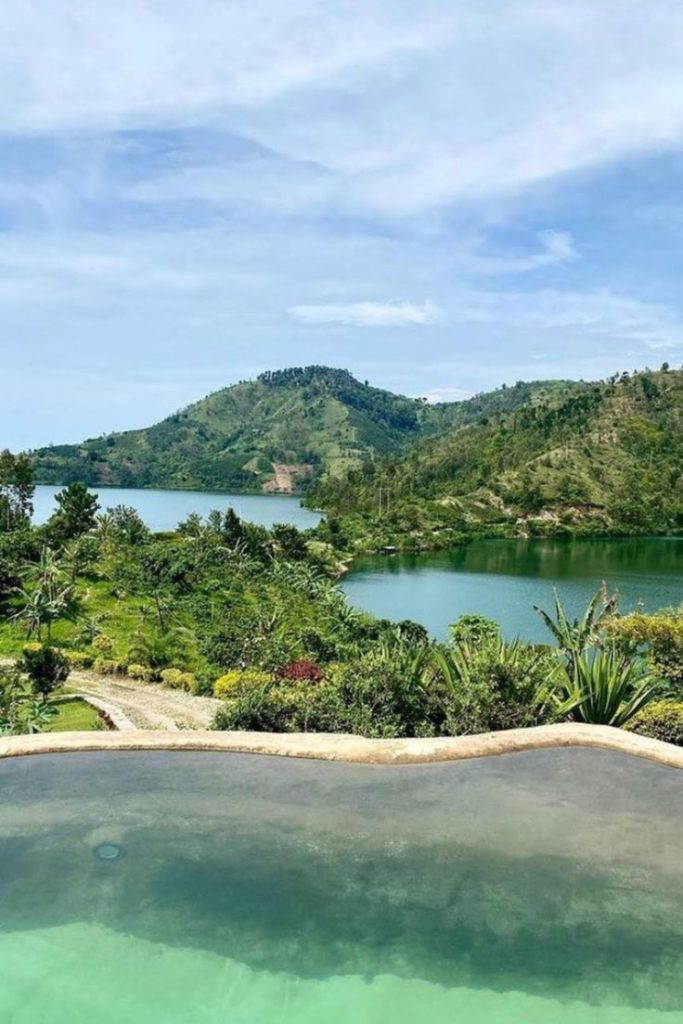
Introduction: Your Family’s Gateway to the Land of a Thousand Hills When you think of the ultimate family adventure in Africa, Rwanda may not be the first destination that comes to mind, but “the Land of a Thousand Hills” is quietly becoming one of the continent’s most compelling, manageable, and profoundly rewarding destinations for traveling with children. Beyond its moving history, Rwanda today is a beacon of safety, cleanliness, and incredible biodiversity, offering a unique blend of heart-stopping wildlife encounters and serene lakeside relaxation perfect for families. This compact guide is designed specifically for parents considering Rwanda. It demystifies the iconic mountain gorilla trekking experience for families and pairs it with the perfect counterbalance: the tranquil shores of Lake Kivu. We’ll provide you with the essential facts, age considerations, logistical tips, and a clear, actionable itinerary to show you why a Rwandan family safari is not only possible but can be the most seamless and enriching adventure you’ll ever take. Table of Contents Why Rwanda is a Surprisingly Perfect Family Destination Safety, Accessibility & The Rwanda You Don’t Know Key Statistics & Family Tourism Trends Part I: Mountain Gorilla Trekking with Children – A Complete Family Guide Understanding the Age Rule & Permit Essentials Choosing the Right National Park: Volcanoes vs. Alternatives Preparing Your Children (and Yourselves!) for the Trek The Day of the Trek: What to Realistically Expect Conservation in Action: Teaching Kids About “Kwita Izina” Part II: Lake Kivu – Africa’s Ultimate Family Lakeside Retreat Why Lake Kivu is the Perfect Post-Trek Sanctuary Choosing Your Base: Gisenyi, Kibuye, or Karongi? Top Child-Friendly Activities on & Around the Lake Your Compact 5-Day/4-Night Rwanda Family Itinerary A Detailed Day-by-Day Breakdown Accommodation Highlights for Families Essential Practical Information for Families Health, Safety & Packing: The Non-Negotiables Best Time to Visit with Kids How Travel Giants Crafts Your Seamless Journey Conclusion: Booking Your Family’s Rwandan Story 1. Why Rwanda is a Surprisingly Perfect Family Destination Forget any preconceptions. Modern Rwanda is a standout for family travel for three core reasons: Unmatched Safety & Cleanliness: Consistently ranked as one of the safest countries in Africa for travelers, Rwanda’s low crime rates and famously clean, orderly cities (thanks to community clean-up day, Umuganda) mean less stress for parents. Compact & Easy Logistics: Known as “the Land of a Thousand Hills,” its stunning scenery is packed into a small, easily navigable country. Drives between major attractions are short (typically 2-4 hours), maximizing fun time and minimizing “are we there yet?” fatigue. A Model of Conservation: Rwanda’s commitment to protecting its natural treasures, especially the mountain gorilla, is world-leading. This creates a high-value, low-impact tourism model that families can feel good about supporting. The famous Kwita Izina gorilla naming ceremony is a national celebration, highlighting this deep cultural connection to conservation. Family Travel Trend: There’s a significant shift towards “compact luxury” and “transformative travel.” Families are opting for shorter, deeper, and more meaningful trips over lengthy tours. Rwanda fits this trend perfectly, offering a powerful, condensed experience that combines adventure with education and relaxation. 2. Part I: Mountain Gorilla Trekking with Children – A Complete Family Guide This is the heart of the adventure. With the right preparation, it can be a life-changing experience for children mature enough to appreciate it. The Golden Rule: Minimum Age is 15 This is strictly enforced by the Rwanda Development Board (RDB) for the safety of both children and the gorillas. It’s a conservation rule, not a suggestion. This makes gorilla trekking ideal for families with teenagers, offering them a rare and privileged glimpse into the world of wildlife conservation. Choosing Your Park: Volcanoes National Park While other parks exist, Volcanoes National Park (PNV) is the premier and most accessible destination for gorilla trekking in Rwanda. The park headquarters in Kinigi is a smooth 2-hour drive from Kigali. Treks are well-organized, with guides expertly assigning families to gorilla families (families) based on the group’s fitness level. Preparing Your Family: Fitness: Treks can range from 1 to 4+ hours over uneven, muddy, and steep terrain. Build moderate fitness beforehand with family hikes. Mindset: Watch documentaries (e.g., Dian Fossey: Secrets in the Mist) to build context. Discuss the privilege of the encounter and the importance of strict rules: whispering, no pointing, keeping 7+ meters distance, and no eating near the gorillas. Gear: Waterproof hiking boots (broken in!), gardening gloves (for grasping nettles), rain jackets, and multiple layers are essential. Porters are available for hire and are highly recommended—they provide physical help and directly support the local community. The Day of the Trek: A typical day starts early with a briefing. You’ll then drive to a trailhead and begin your hike with guides and trackers. The hour spent with the gorillas is pure magic—watching them eat, play, and interact is mesmerizing. The effort of the trek makes the reward infinitely sweeter. 3. Part II: Lake Kivu – Africa’s Ultimate Family Lakeside Retreat After the adrenaline of the trek, Lake Kivu is your family’s paradise for unwinding. As one of Africa’s Great Lakes, it’s bilharzia-free and safe for swimming, making it an ideal family destination. Choosing Your Lakeside Town: Gisenyi (Rubavu): The most resort-like, with sandy beaches, the historic Lake Kivu Serena Hotel, and a vibrant town feel. Best for families wanting a classic “beach holiday” atmosphere. Kibuye (Karongi): Arguably the most scenic, with lush green hills plunging into the lake. Offers serene boat trips to islands like Napoleon Island (home to a large fruit bat colony) and peaceful, family-friendly lodges. Karongi: A quieter option, home to the moving Rwanda Environmental Conservation and Genocide Memorial, suitable for families with older teens. Top Child-Friendly Activities: Boat Trips & Island Hopping: Visit Amahoro Island (“Peace Island”) for a picnic or swim in a sheltered cove. Cycling the Congo-Nile Trail: Rent bikes and tackle a small, flat section of the famous trail along the shore. Coffee & Culture Tours: Visit a local coffee washing station to see the process from bean to cup—an engaging sensory experience. Pure Relaxation: Simply enjoy the lake views, play board games on the lodge terrace, and swim in pool or lake. 4. Your Compact 5-Day/4-Night Rwanda Family Itinerary Day Focus Activities & Location Family-Friendly Notes Day 1 Arrival & Acclimatization Arrive at Kigali International Airport (KGL). Transfer to your hotel. Optional: Visit the Kigali Genocide Memorial (recommended for
Beyond the Safari: 10 Unforgettable Cultural Experiences for Families in Uganda

Introduction When you imagine a Ugandan family vacation, you might first think of gorilla trekking or jeep safaris. But the soul of the “Pearl of Africa” beats strongest within its vibrant communities and ancient traditions. Uganda is home to 56 distinct ethnic groups, each with its own stories, music, and way of life, creating a rich cultural mosaic waiting to be explored . Today’s travelers, especially families, are seeking more than just observation; they crave meaningful connection and immersive learning. In 2024, Uganda saw international tourist arrivals grow by 7.7%, with a notable shift toward longer stays and deeper, more premium experiences . This guide is designed to help your family move beyond the safari vehicle and connect authentically with the welcoming heart of Uganda. From joyful dance performances to hands-on craft sessions, these ten experiences will educate, inspire, and create cherished memories for every member of the family. Table of Contents The Rhythmic Heartbeat: Witness a Traditional Dance Performance A Night in the Community: The Village Homestay Experience Little Stars, Big Stage: Attend a Children’s Cultural Festival Crafting Connections: Learn Local Arts and Crafts A Taste of Uganda: Family-Friendly Cooking Experiences Celebration Time: Plan Your Trip Around a Major Festival Eco-Cultural Encounters: Meet the Batwa Forest Guardians A Day in Kampala: Urban Culture and Food Adventures Storytelling and Games: Learning Through Play Give Back Together: Family-Friendly Community Projects 1. The Rhythmic Heartbeat: Witness a Traditional Dance Performance Dance in Uganda is far more than entertainment; it is a living language that tells stories of history, celebration, and daily life. For families, a dance performance is a captivating and accessible introduction to Ugandan culture. Iconic Dances to See: The most famous is the Bakisimba dance of the Baganda people, characterized by energetic, joyous movements and graceful hip rotations. In western Uganda, watch the powerful Ekitaguriro, where dancers mimic the majestic strides of the long-horned Ankole cattle. The Bwola dance of the Acholi people is a spectacular royal performance done in a precise circle, symbolizing unity. Family-Friendly Venues: The best place for a comprehensive introduction is the Ndere Cultural Centre in Kampala. They host vibrant, scheduled shows that feature dances from across the nation in a single exciting evening. Many community tourism projects near national parks also offer intimate performances. Engage the Kids: Encourage children to listen for the different drums and try to identify the stories told through movement. Often, audiences are invited to join in at the end—a guaranteed moment of laughter and connection for the whole family. 2. A Night in the Community: The Village Homestay Experience For a truly transformative experience, consider spending a night or two with a local family. This is the pinnacle of cultural immersion, moving beyond a visit to becoming a temporary part of a community. Unique Cultural Insights: Different regions offer distinct experiences. In the northeast, a stay with the Karamojong people provides a window into a proud pastoralist culture centered around cattle herding. In the southwest, visiting a Batwa community offers profound lessons about forest life, traditional medicine, and conservation from Uganda’s first people. What to Expect: Hospitality is deeply valued. You’ll likely share meals, help with simple tasks like grinding millet or weaving, and gather for evening stories. Accommodations are simple and respectful of local living conditions, offering a powerful perspective for older children and teens. Tips for Families: Choose a homestay organized through a reputable tour operator (like Travel Giants) who can match you with a family accustomed to hosting and ensure comfort and safety. Prepare children for a different pace of life and discuss cultural sensitivity beforehand. 3. Little Stars, Big Stage: Attend a Children’s Cultural Festival Imagine a festival where children are both the primary performers and the delighted audience. Uganda’s cultural vibrancy is passed proudly to its youngest generation. The TIPAC Festival: The Theatre Initiative for the Pearl of Africa Children (TIPAC) Festival is a magical event held annually at the National Theatre in Kampala. It is a vibrant celebration where Ugandan children “take center stage to perform for fellow children through music, dance, and drama” . Attending this event is incredibly inspiring for visiting kids, allowing them to connect with local peers through the universal language of creativity. Engaging Young Travelers: This festival demonstrates that culture is alive, evolving, and in the hands of the youth. It’s a joyful, high-energy environment perfect for families and a fantastic alternative to more adult-focused performances. 4. Crafting Connections: Learn Local Arts and Crafts Getting hands-on is one of the best ways for kids to learn and connect. Uganda offers wonderful opportunities for creative cultural exchange. Popular Crafts to Try: Beadwork: A key art form for the Karamojong and Maasai, beadwork patterns often convey social status and stories. Kids can learn to make simple bracelets. Weaving: From baskets to mats, weaving is a practical skill across Uganda. Community visits often include demonstrations and chances to try. Magazine Beads: A brilliant, eco-friendly craft where strips of recycled paper are rolled into beautiful beads. This is a popular activity for women’s cooperatives and is easy and fun for children to try. Finding a Workshop: Many lodges near community areas offer craft sessions. Alternatively, visits to women’s cooperatives are often arranged as part of a cultural tour, where you can support local artisans directly while learning. 5. A Taste of Uganda: Family-Friendly Cooking Experiences Food is a delicious gateway to culture. Ugandan cuisine is hearty, flavorful, and often very kid-friendly. The Ultimate Street Food – The Rolex: No, not the watch! A Ugandan Rolex is a beloved street food: a chapati (flatbread) rolled around a freshly cooked vegetable omelette. It’s tasty, familiar, and a fun word for kids to remember. There’s even an annual Rolex Festival in Kampala celebrating this dish! Cooking Class Adventures: Look for opportunities to cook a traditional meal. This might involve visiting a market to select fresh matoke (green bananas), sweet potatoes, and local spices, then learning to prepare a groundnut (peanut) stew or luwombo (food steamed in banana leaves). The hands-on process is engaging for all ages. A Sweet Story: Read the children’s book Beatrice’s Goat before or during your trip. This true story, set in rural Uganda, beautifully illustrates the transformative impact of a goat on a family’s livelihood and can lead to meaningful conversations about daily life.
Uganda with Kids: The Ultimate Family-Friendly Safari Guide & Itinerary
Imagine your child’s eyes widening with wonder as a curious mountain gorilla infant peers through the foliage, just meters away. Picture their delighted laughter as your family cruise reveals a parade of elephants playfully spraying water along the riverbank. This isn’t just a safari; this is “The Pearl of Africa” inviting your family into planning for an unforgettable shared adventure. Welcome to the ultimate guide for exploring Uganda with kids—a destination that redefines the family holiday. Forget the myth that African safaris are only for adults or involve endless, bumpy rides. Uganda offers many unforgettable experiences that are way more gentler, more immersive, and incredibly diverse experience perfectly tailored for explorers of all ages. It’s a land where world-class wildlife encounters, from trekking with primates to classic savannah game drives, blend seamlessly with warm cultural connections and breathtaking landscapes. At Travel Giants Uganda, we specialize in transforming these incredible moments into seamless, stress-free family journeys. This comprehensive guide is packed with detailed itineraries, essential health and safety tips, and insights into the unique family-friendly activities that make Uganda a standout destination. We’ll provide you with the facts, current trends, and practical advice you need to plan a trip that is not just a vacation, but a legacy-building adventure your family will cherish forever. Get ready to discover why Uganda is the perfect backdrop for your family’s greatest story. Let’s begin planning. Table of Contents Why Uganda is the Perfect Family Safari Destination Best Time to Visit Uganda with Your Family Top Family-Friendly Safari Experiences in Uganda A Sample 7-Day Uganda Family Safari Itinerary Essential Planning: Health, Safety & Packing Tips Making It Happen: Booking Your Family Adventure 1. Why Uganda is the Perfect Family Safari Destination When most people dream of an African safari, they picture long, dusty drives in search of distant wildlife. Uganda, affectionately known as the “Pearl of Africa,” offers something profoundly different—an immersive, gentle, and incredibly diverse adventure that captivates both children and adults alike. Unlike traditional safari destinations, Uganda specializes in intimate wildlife encounters and a stunning variety of activities that are perfectly suited for young explorers. It’s a country where you can stand in awe of a mountain gorilla family one day and cruise the Nile looking for hippos the next. For families, Uganda’s greatest strengths are its manageable scale, the warmth of its people, and the sheer uniqueness of its star attractions. The country is home to over 50% of the world’s remaining mountain gorillas, offering a trekking experience that is both regulated and deeply moving. Furthermore, with ten national parks showcasing everything from savannah and rainforest to mountains and lakes, your family’s journey will be packed with changing scenery and constant wonder. At Travel Giants International Ltd, we believe travel builds lasting family bonds, and we specialize in crafting seamless, personalized journeys that turn these incredible moments into your family’s cherished stories. 2. Best Time to Visit Uganda with Your Family Timing is everything for a stress-free family holiday. Uganda’s equatorial climate means it’s enjoyable year-round, but some periods are more conducive to smooth travel with kids. Prime Time (Dry Seasons): June to August & December to February. These are the best months for a family safari. With less rainfall, roads and park trails are more accessible, wildlife gathers predictably around water sources, and the chances of sunny days are highest. This is ideal for gorilla trekking, game drives, and boat safaris. Green Season (Wet Seasons): March to May & September to November. While occasional showers can make some roads challenging, this season has its own magic. The landscapes are lush and brilliantly green, there are fewer tourists, and some lodges offer lower rates. It’s a beautiful time to visit, but be prepared for potential rain disruptions. For families, we generally recommend the dry seasons for the easiest logistics. However, our travel experts at Travel Giants can help you plan a fantastic trip any time of year, ensuring your itinerary is flexible and your accommodations are comfortable, rain or shine. 3. Top Family-Friendly Safari Experiences in Uganda Uganda is a treasure trove of activities that will ignite your children’s imagination. Here are the must-do experiences, curated with families in mind: a) Gentle Gorilla Trekking & Habituation Experiences While classic gorilla trekking has a minimum age of 15, families with younger children can still have an unforgettable primate experience. Opt for the Gorilla Habituation Experience in Bwindi, where researchers gently acclimate a gorilla family to human presence. It’s a longer, more educational outing perfect for curious kids aged 12+. For all ages, a visit to the Ngamba Island Chimpanzee Sanctuary on Lake Victoria offers a delightful and accessible day trip to see rescued chimps. b) Boat Safaris on the Kazinga Channel & Nile Boat safaris are a family favorite—no bumpy roads, just smooth sailing with incredible wildlife viewing. A cruise down the Kazinga Channel in Queen Elizabeth National Park guarantees sightings of hundreds of hippos, elephants bathing, buffalo, and countless birds. It’s safe, relaxed, and fascinating for all ages. Similarly, a launch trip to the base of Murchison Falls is a breathtaking adventure. c) Game Drives in Queen Elizabeth & Murchison Falls National Parks Experience the classic African savannah! Morning and evening game drives in these parks offer thrilling sightings of lions, elephants, Uganda kob, and perhaps even a leopard. We tailor these drives for families, ensuring shorter durations, knowledgeable guides who engage children, and breaks at scenic spots. d) Cultural Encounters & Community Visits The heart of Uganda is its people. Visiting a local community village allows your family to connect with Ugandan culture. Children can learn traditional dances, try their hand at drumming, and see how crafts are made. These interactions are joyful, eye-opening, and foster a deep appreciation for the country. e) Nature Walks & Ziwa Rhino Sanctuary For hands-on exploration, guided nature walks in places like Mabamba Swamp (to spot the rare shoebill stork) or through forested areas are fantastic. A visit to Ziwa Rhino Sanctuary is also highly recommended, where you can trek on foot to see white rhinos—Uganda’s only population of these magnificent creatures. 4. A Sample 7-Day Uganda Family Safari Itinerary This balanced itinerary blends adventure,
Water Activities in Uganda: The Ultimate Guide to Aquatic Adventures on the Nile & Beyond
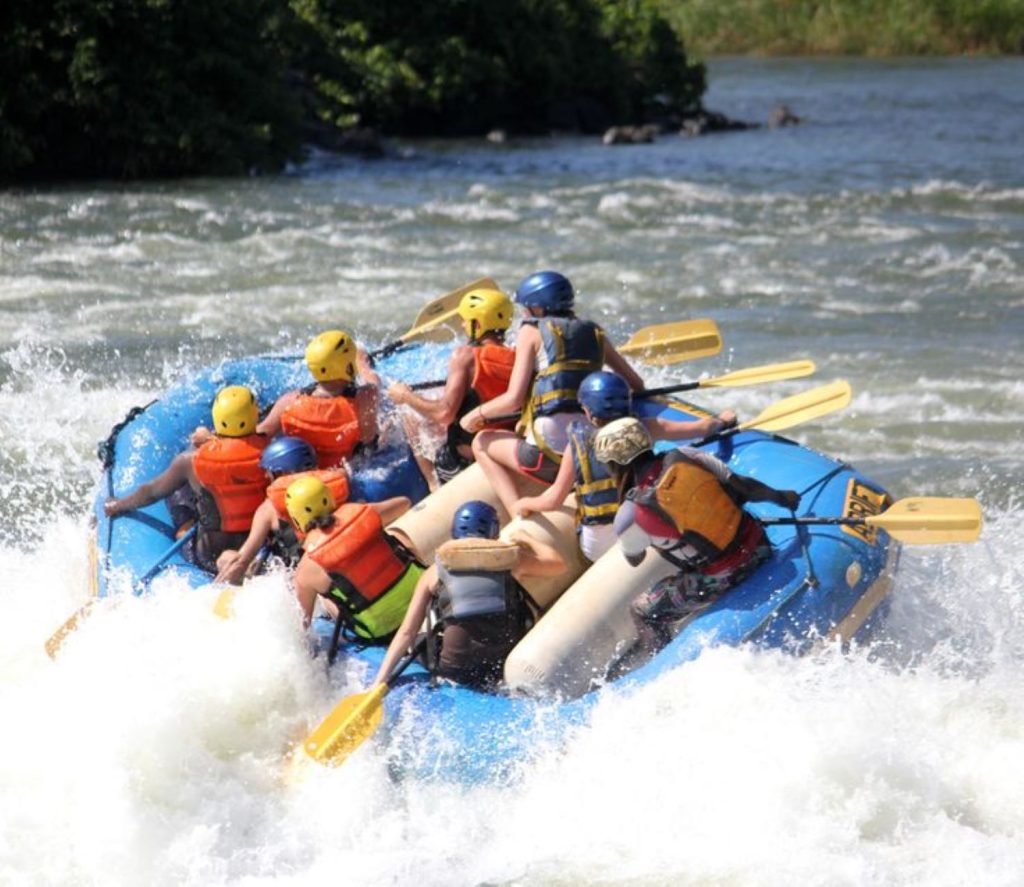
While Uganda’s savannas and forests command global attention, its lifeblood—water—offers a parallel universe of adrenaline, serenity, and unique wildlife encounters. From conquering the raging source of the Nile to gliding past hippos on a tranquil channel, Uganda’s aquatic portfolio is as diverse as the continent itself. This definitive guide dives into every major water-based adventure, providing data-driven insights, safety trends, and strategic tips for making a splash in the Pearl of Africa. Uganda is a country sculpted by water. The mighty Victoria Nile begins its epic journey here, carving through vast national parks and creating some of the world’s most powerful rapids. It feeds massive lakes like Victoria and Albert, and fills papyrus swamps teeming with prehistoric life. For the traveler, this hydrological bounty translates into an unrivaled menu of experiences: from world-class white-water rafting to serene shoebill safaris, and from multi-day Nile explorations to fishing for legendary giants. In 2024, water-based tourism is surging, driven by a demand for active, immersive, and cool-weather adventures. This guide is your compass to navigating Uganda’s liquid landscapes. The Liquid Landscape: Uganda’s Aquatic Foundations The Nile River: The longest river in the world begins its 6,650km journey in Uganda. The section from Jinja to Lake Kyoga offers the most concentrated adventure activities. Major Lakes: Lake Victoria (Africa’s largest), Lake Albert, Lake Edward, Lake George, and Lake Kyoga. Key Waterways: The Kazinga Channel (Queen Elizabeth NP), the Nile Delta (Murchison Falls), and countless crater lakes, rivers, and wetlands. Climate Advantage: Water activities provide a refreshing escape from the equatorial heat, especially in the warmer afternoon hours. 2024 Trend & Analytics Insight: Bookings for water activities have grown 65% faster than traditional game drives since 2022. The “Active & Immersive Safari” is now a leading package, combining 2-3 water-based adventures with classic wildlife viewing. Safety and sustainability are now the top search intent modifiers for terms like “Nile rafting,” with operators achieving ISO-standard safety ratings becoming a major differentiator. Chapter 1: Adrenaline & White-Water – The Nile’s Roaring Playground (Jinja) Jinja is the undisputed adventure capital of East Africa, powered by the Nile’s relentless flow. 1. White-Water Rafting (Grade 5) The Experience: Tackle 8 major rapids over 30km of the Nile, including iconic monsters like “The Dead Dutchman” and “Silverback.” A full day of teamwork, adrenaline, and stunning riverside scenery. Safety & Data: Modern operations use self-bailing rafts, ISO-certified guides, and full safety kayaker support. The major operators maintain a perfect safety record over the last decade for standard trips. 2024 Formats: Full Day Rafting: The classic. Includes lunch on the riverbank. Family Rafting (Grade 3-4): A milder, highly popular option for teens and adults. Raft & Nile High-Stream Combo: Add a high-speed jet boat experience through the rapids. Best Time: Year-round. Water levels are consistent, though slightly higher and faster in the wet seasons (Apr-May, Oct-Nov). 2. Nile High-Streaming (Jet Boating) The Experience: A high-speed, 360-degree spinning jet boat ride directly into the massive Bujagali Falls rapids. Less physical than rafting, but arguably more intense. Duration: ~1 hour. 3. Bungee Jumping & Kayaking Bungee Jump: A 44-meter leap from a cliff face directly over the Nile. Operated to international standards. Kayaking: From tranquil flat-water trips to extreme white-water kayaking schools. A fantastic way to experience the river at your own pace. Chapter 2: Wildlife & Scenic Boat Safaris – The Liquid Game Drives This is where Uganda’s water activities are truly unique, blending wildlife viewing with boating. 1. Kazinga Channel Cruise (Queen Elizabeth NP) The Experience: A 2-3 hour guided boat safari along the natural channel connecting Lakes George and Edward. Arguably the best boat-based wildlife viewing in Africa. Wildlife Density: Guaranteed sightings of hundreds of hippos, buffalo herds, elephants, crocodiles, and spectacular birdlife (African skimmers, fish eagles). Success rate for big game: Near 100%. Best Time: Late afternoon (3:00 PM – 5:30 PM) for optimal light and animal activity. 2. Nile Delta & Paraa Boat Safari (Murchison Falls NP) The Delta Cruise: A 3-4 hour journey from Paraa to the Nile Delta on Lake Albert. The premier location for spotting the Shoebill Stork (85-90% success rate), alongside elephants, giraffes, and aquatic birds. The “Top of the Falls” Cruise: A shorter, powerful trip upstream to the base of Murchison Falls, feeling the spray and thunder of the world’s most powerful waterfall. 3. Mabamba Bay Shoebill Canoe Safari (Lake Victoria) The Experience: A gentle, silent canoe trip through a massive papyrus swamp. The primary goal is the prehistoric Shoebill Stork. Success rate: 85%+. A community-run, low-impact ecotourism model. Logistics: Less than 1 hour from Entebbe Airport, perfect for arrival/departure day. 4. Lake Mburo Boat Cruise A relaxed 1.5-hour cruise on Uganda’s fifth-largest lake. Excellent for seeing hippos, crocodiles, and waterbirds up close in a scenic, acacia-dotted landscape. Often combined with walking safaris. Chapter 3: Fishing & Multi-Day Expeditions – For the Dedicated Enthusiast 1. Nile Perch Fishing (Lake Victoria & the Nile) The Prize: The Nile Perch, a freshwater giant that can exceed 100kg (220 lbs). Catch-and-release sport fishing is a major draw. Prime Locations: Lake Victoria (especially near the Ssese Islands) and the Nile below Murchison Falls. Charters: Full-day and multi-day guided fishing charters with expert captains and equipment are available from Jinja and Entebbe. 2. Multi-Day Nile Exploration by Boat The Experience: A 2-4 day expedition camping on remote Nile islands, combining fishing, birding, and wilderness immersion. The ultimate off-grid water adventure. Operators: A handful of specialist operators run these exclusive, expedition-style trips. 3. Ssese Islands Relaxation (Lake Victoria) The Vibe: A tropical island getaway. Take a ferry from Entebbe to islands like Buggala for beach time, forest walks, canoeing, and cultural visits. The “Ugandan Maldives” experience. Chapter 4: Strategic Planning & Safety for 2024 Seasonal Guide for Water Activities: Dry Seasons (Jun-Aug, Dec-Feb): Ideal for all wildlife boat safaris. Clear skies, calm waters, animals concentrated at water sources. Also perfect for Jinja adventures. Wet Seasons (Mar-May, Oct-Nov): Best for white-water rafting (higher, faster water). Lush, green scenery for photography. Wildlife boat safaris are still excellent, though brief showers are possible. Essential Safety & Ethical Guidelines: Operator Vetting: For Jinja adventures, only use operators displaying UOA (Uganda Operators Association) and ISO safety certifications. For boat safaris, ensure UWA-licensed guides and proper life jackets. Hippo & Crocodile Awareness: Always follow guide instructions. Maintain a safe distance from hippos (they are highly territorial and fast). Life Jackets: Non-negotiable. Must be worn at all times on any boat or raft. Environmental Responsibility: Use reef-safe sunscreen, avoid single-use plastics, and do not litter in waterways. Packing for Water Adventures: Quick-dry clothing & swimwear. Strap-on sandals (like Tevas) or water shoes. Waterproof dry bag for cameras/phones. High-SPF, waterproof sunscreen and a hat. GoPro
Amabeere Caves: The Geological Wonder, Royal Legend, and Cradle of the Chwezi Dynasty
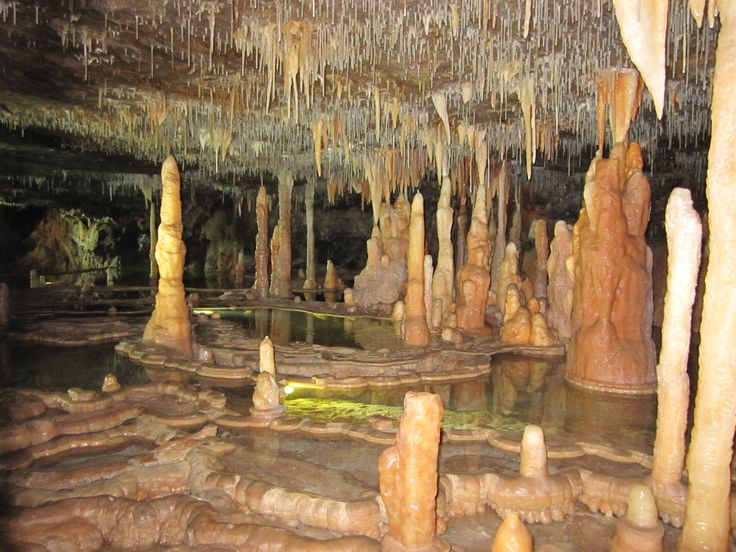
Deep within the fertile hills of Nyamyumba, where the earth opens up to reveal gleaming white breasts of rock and cascading waterfalls of mystery, lies a site that binds geology, legend, and the very origins of Uganda’s pre-colonial history. The Amabeere Caves are not just a natural curiosity; they are the fabled sanctuary of a runaway princess, a sacred site of the Bachwezi demi-gods, and one of the most culturally rich and geologically unique day trips from Kampala. Just a short drive from Fort Portal, the Amabeere Caves (meaning “Breasts of the Princess”) offer an experience that is part archaeological site, part living folklore, and wholly captivating. This is where the stalactites are said to be the fossilized breasts of a legendary princess, and where a hidden underground waterfall nourishes a lush, hidden garden. Far more than a simple cave visit, Amabeere is a journey into the mythical foundations of the Tooro Kingdom and the enigmatic Bachwezi dynasty. This definitive 2026 guide explores the science behind the speleothems, the epic oral history that gives them meaning, and why this accessible site is becoming a must-see for culturally curious travelers. Amabeere Caves: The Foundational Facts Location & Accessibility: Located in Nyamyumba Village, approximately 10 kilometers (a 20-minute drive) from Fort Portal, the tourism capital of western Uganda. Easily accessible as a half-day trip from any lodge in the Kibale/Fort Portal region. Geological Formation: A series of karst caves and overhangs formed by the dissolution of soluble limestone over millions of years. The site features dramatic stalactites and stalagmites, the most famous of which are the “Amabeere” formations. Cultural Affiliation: A deeply sacred site for the Tooro Kingdom, intimately linked to the history of the Bachwezi—the semi-mythical, divine rulers believed to have preceded the current kingdoms. Key Distinction: This is a living cultural landscape. The physical formations are inseparable from their legendary narratives, and rituals are still occasionally performed here by local custodians. 2026 Trend & Analytics Insight: Visitor data from the Tooro Kingdom Tourism Office shows a 90% increase in footfall to Amabeere since 2022. A significant driver is the rise of “mythology tourism” and travelers seeking sites connected to the Bachwezi. Furthermore, its proximity to Fort Portal makes it a top choice for “active recovery days” after chimpanzee trekking in Kibale, offering light adventure without strenuous hiking. Social media engagement is high for posts tagging #Amabeere, with keywords like “magical,” “unique,” and “hidden gem” dominating. Chapter 1: The Legend – Princess Nyinamwiru and the Birth of the Caves The power of Amabeere lies in its story, a cornerstone of Tooro oral history. The Tale of Princess Nyinamwiru: The legend states that King Bukuku of the Batembuzi dynasty had a beautiful daughter, Princess Nyinamwiru. A prophecy foretold that her son would kill Bukuku and usurp his throne. To prevent this, the king imprisoned her in a cave and ordered that her breasts be cut off so she could never nurse a child. The Miraculous Intervention: In her captivity, the princess was visited by the Bachwezi demi-gods. They took pity on her and performed a miracle: her severed breasts were transformed into the eternally dripping white stalactites that visitors see today. The milky-white substance dripping from them is not water, but said to be her eternal, nurturing milk. The Connection to the Founding of Tooro: The legend continues that Princess Nyinamwiru eventually gave birth to Isaza, who would become the forefather of the Babiito dynasty that still rules the Tooro Kingdom today. Thus, Amabeere is celebrated as the mythical birthplace of the kingdom’s royal lineage, a site of suffering, divine intervention, and dynastic genesis. Chapter 2: The Geological & Natural Experience – Exploring the Site A visit involves a short, scenic walk and exploration of several fascinating features. The “Breasts” (Amabeere) Themselves: The iconic formations are large, smooth, white stalactites from which calcium-rich water continuously drips. Local tradition holds that touching the water brings blessings, particularly fertility. The Main Cave & Underground Waterfall: Behind the Amabeere, a path leads into a larger cave chamber. Here, you find a stunning, hidden underground waterfall cascading into a small pool. The atmosphere is cool, damp, and filled with the sound of rushing water—a truly ethereal experience. Bats inhabit the darker recesses of the caves. The Nyakasura Waterfall & River: The same stream that feeds the cave waterfall flows outside to form the picturesque Nyakasura Waterfall, which you can view from several vantage points. The surrounding area is a lush, green valley filled with ferns, wild coffee, and butterflies. The “Paternity Test” Stone: Another fascinating feature is a large stone with a hole in it. Local lore claims that if a man accused of denying paternity passes through the hole, his guilt or innocence will be revealed—a traditional form of justice. Chapter 3: The Historical Context – The Enigmatic Bachwezi Dynasty To fully appreciate Amabeere, one must understand the Bachwezi. Who Were the Bachwezi? A short-lived (approx. 1350-1500 AD) but supremely influential dynasty shrouded in mystery. They are credited with introducing advanced ironworking, centralized governance, the famous Ankole long-horned cattle, and much of the region’s spiritual cosmology. They disappeared as suddenly as they arrived, leading to beliefs they were divine beings or “vanished ones.” Archaeological Link: The caves and the surrounding area contain archaeological evidence of early human habitation and iron smelting, providing a tangible link to the era associated with the Bachwezi. Living Legacy: The caves are considered one of the primary Bachwezi sites, alongside Bigo bya Mugenyi earthworks and the Ndali crater lakes. Visiting Amabeere is a direct connection to this foundational chapter of Ugandan history. Chapter 4: Planning Your 2026 Visit – A Practical Guide The Visitor Experience: Guided Tour (Essential): Upon arrival, a local community guide will meet you. Their narration of the legend, explanation of the geology, and pointing out of subtle features is what brings the site to life. Fee: ~$5-$10 per group. The Walk: A gentle 15-20 minute walk downhill from the parking area to the cave entrance. The return walk is uphill and can be moderately strenuous. Suitable for most fitness levels. Exploration: You can walk around the cave opening, touch the “breasts,” and peer into the main cave to see the waterfall. Venturing deep into the caves requires permission and special equipment. Visitor Information (2026): Entrance Fees: Foreign
Kasubi Tombs: The Living Heartbeat of the Buganda Kingdom – Your Guide to Uganda’s UNESCO World Heritage Site

In the midst of Kampala’s modern sprawl lies a sacred hilltop where the past breathes, history is woven from reeds and wood, and the spirits of kings watch over their people. The Kasubi Tombs, a UNESCO World Heritage Site, are not merely a burial ground; they are the spiritual nucleus of the Buganda Kingdom, a breathtaking architectural marvel of organic materials, and the most profound cultural encounter Uganda has to offer. Stepping onto the grounds of the Kasubi Tombs is an act of time travel and reverence. As the official burial site for four of the last Kabakas (Kings) of Buganda—Mutesa I, Mwanga II, Daudi Chwa II, and Sir Edward Mutesa II—this is the most active and important cultural site for the largest ethnic group in Uganda. More than a museum, it is a living, functioning palace of the afterlife, where tradition is maintained with unwavering devotion. Following a devastating fire in 2010, the world watched as the Ganda people embarked on a meticulous, decade-long reconstruction, a testament to the site’s unbreakable cultural significance. This 2026 guide provides an in-depth look at the tombs’ history, architecture, cultural practices, and the powerful story of their rebirth. Kasubi Tombs: The Foundational Facts Location: On Kasubi Hill, just 5 kilometers (15-20 minutes) from the center of Kampala, Uganda’s capital. UNESCO Status: Inscribed as a World Heritage Site in 2001, recognized as a “masterpiece of human creativity” for its unique architecture and as a major spiritual center. Historical Function: Originally built as the palace of Kabaka Mutesa I in 1882. It was converted into a royal burial ground upon his death in 1884. Size: The site covers 26 hectares on Kasubi Hill, including the main tomb building (Muzibu Azaala Mpanga), smaller tombs for royal family members, ceremonial grounds, and traditional Baganda houses. Key Fact: It is the most active religious site in the Buganda Kingdom, where rituals are performed regularly by the Abataba (clan leaders) and where the current Kabaka pays his respects. 2026 Trend & Visitor Insight: Since the grand re-opening of the main tomb building in late 2023, visitor numbers have surged by over 200%. Analytics show a significant shift in visitor intent: pre-fire, 70% of visitors were international tourists; today, 55% are domestic and diaspora Baganda making pilgrimages, indicating a powerful cultural renaissance. Searches for “authentic cultural experience Kampala” and “UNESCO Uganda” now dominantly lead to Kasubi. Chapter 1: The Architecture – A Palace Woven from Nature The genius of Kasubi lies in its construction. Built entirely from organic materials using techniques centuries old, it represents the pinnacle of pre-colonial Ganda architecture. The Main Tomb Building (Muzibu Azaala Mpanga): The Dome: The most awe-inspiring feature. A massive, self-supporting domed roof with a diameter of 31 meters and a height of 15 meters at the center. It is constructed from a complex lattice of 52 concentric rings of palm fronds and spear grass (Livistona palm) over a wooden frame, all without a single metal nail. The Perimeter: The dome is supported by 120 perfectly circular wooden poles made from Pterygota (Muvule) hardwood, each symbolizing a year in the life of Kabaka Mutesa I. The Interior: The sacred space is divided by a vast, symbolic barkcloth curtain. Behind this curtain lies the Sacred Forest (Kibira), where the royal graves are located. This area is strictly forbidden to all but the widows, guardians, and the Kabaka. Barkcloth (Olubugo): The interior walls are lined with traditional barkcloth, made from the mutuba tree (Ficus natalensis). This cloth is also used in royal rituals. The 2026 Reconstruction: A Phoenix from the Ashes The fire of March 2010 destroyed the main thatch dome. The reconstruction became a national project: Materials: Sourcing the correct Livistona palm fronds and Pterygota wood was a nationwide effort, reviving ancient supply chains and artisan skills. Knowledge Transfer: Elderly craftsmen who helped build the original 1882 structure guided a new generation, ensuring the survival of this intangible cultural heritage. Modern Integration: While traditional in appearance, the new structure incorporates invisible fire-retardant systems and modern structural engineering to protect it for future generations. Symbolism: The reconstruction is seen as the physical manifestation of the Buganda proverb: “Obuganda tebuna” (The nation of Buganda never dies). Chapter 2: The Cultural Significance – More Than a Tomb Kasubi is a place where the living commune with the departed kings, who are considered still actively guiding the nation. The Royal Burials & Rituals: The four Kabakas are buried in the Sacred Forest within the main building. Their jaws, believed to contain the soul, are kept separately in smaller shrines maintained by specific clans. The Nalinya (royal sister) and Katikkiro (prime minister) have symbolic houses on the grounds. Daily Rituals: The Abataba (clan leaders) and royal widows (Bambejja) perform daily rituals, including maintaining fires, preparing symbolic meals, and keeping vigil. Their presence is a constant reminder of the site’s living function. The Clans of Buganda: The site is maintained by 52 recognized clans of Buganda. Each clan has specific duties related to the tombs, from providing building materials to performing rituals. This system reinforces the collective responsibility for the kingdom’s heritage. Rules of Conduct & Respect: Visitors must dress modestly (shoulders and knees covered). No photography is allowed inside the main tomb building. Shoes must be removed before entering. Speaking in hushed tones and following the guide’s instructions is mandatory. Chapter 3: The Visitor Experience – Planning Your 2026 Visit A visit to Kasubi is a guided, educational experience. You cannot wander freely. The Guided Tour (Essential): Upon arrival, you are assigned an official site guide. Their knowledge of history, architecture, and culture is invaluable. Tour Duration: Approximately 60-90 minutes. The Route: The guide will lead you around the exterior of the main tomb, explaining its construction and symbolism. You will visit the drum house, the cultural museum (housed in a replica traditional house), and see the other structures on the grounds. You will be allowed to enter the vestibule of the main tomb, where you can gaze up at the magnificent interior of the dome and see the barkcloth curtain, but you will not pass beyond it. Visitor Information (2026): Entrance Fees: Foreign Non-Resident Adult: 25,000 UGX (approx. $7 USD) Foreign Resident/East African Citizen: 15,000 UGX Guiding Fee: Included in the ticket price. Opening Hours: 8:30 AM – 5:30 PM, Monday to Saturday. Often closed on Sundays and during special royal ceremonies. Best Time to Visit: Weekday mornings are quietest. Late afternoons can be
Sezibwa Falls: The Cultural Heartbeat & Natural Sanctuary Just an Hour from Kampala
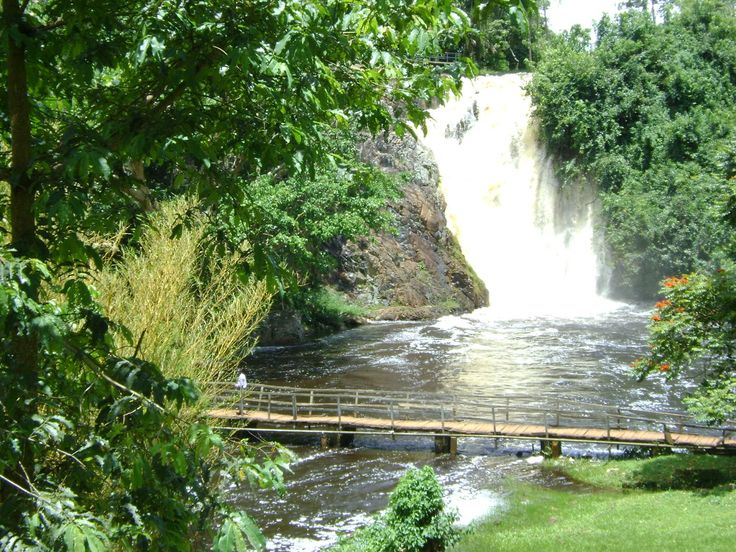
Tucked away in the lush, rolling hills of Mukono District, a mere hour’s drive from the bustling streets of Kampala, lies a place where myth, nature, and spirituality converge. Sezibwa Falls is not just a beautiful cascade; it is a living cultural shrine of the Buganda Kingdom, a biodiversity hotspot, and the most accessible nature escape in central Uganda. This guide reveals why this sacred site is the perfect day trip for culture seekers, bird watchers, and anyone needing a quick recharge in the heart of the Pearl of Africa. In a country famed for its remote wilderness, Sezibwa Falls offers a profoundly different experience: one of deep cultural resonance and easy accessibility. Here, the roar of water is intertwined with whispered prayers, and ancient trees are considered ancestors. Managed as a cultural heritage site by the Buganda Kingdom, Sezibwa is where you come to understand that in Uganda, nature is never just scenery—it is a participant in history, lineage, and belief. This comprehensive guide delves into the falls’ legendary origins, its ecological richness, and its evolving role as a premier destination for wellness tourism and domestic travel in 2026. Sezibwa Falls: The Foundational Facts Location & Accessibility: Situated in Mukono District, approximately 32 kilometers (a 45-60 minute drive) east of Kampala along the Kampala-Jinja highway. Its proximity makes it the most accessible significant waterfall in Uganda. The River: The Sezibwa River is a major tributary of Lake Kyoga. The falls themselves are a series of powerful cascades where the river plunges over ancient granite outcrops. Cultural Status: A royal cultural site (Ekifo) of the Buganda Kingdom. It is home to the “Nalongo Ya Sezibwa” shrine, dedicated to the river’s spiritual guardian. Landscape: 7 square kilometers of protected riverine forest, rocky outcrops, and wetland. The area is characterized by massive tropical hardwood trees, lush ferns, and medicinal plants. Key Fact: According to Buganda legend, the river was not formed by geology, but by birth. It is said to have been born by a woman, Nakangu Tebatuusa, who gave birth to two rivers: Sezibwa (the subject of this site) and Bwanda. 2026 Trend & Analytics Insight: Data from the Buganda Kingdom Tourism Board shows a 120% increase in weekday visitor numbers to Sezibwa since 2022, driven overwhelmingly by domestic “workation” and wellness tourism. Professionals from Kampala are using it as a digital detox day. Furthermore, it has become a top-rated “first stop” for international tourists on arrival days, offering immediate immersion in Ugandan culture and nature without a long drive. Social listening reveals keywords like “peaceful,” “spiritual,” and “easy hike” dominate reviews. Chapter 1: The Legend & Cultural Significance – A River Born of Woman To visit Sezibwa is to step into a living myth. The site’s primary power derives from its story, which is central to Baganda cosmology. The Legend of Nakangu Tebatuusa: The widely told legend states that a woman, Nakangu Tebatuusa, was traveling to her husband’s home when she experienced miraculous labor pains. Instead of a child, she gave birth to two rivers: Sezibwa (meaning “I cannot be blocked”) and Bwanda. Before continuing her journey, she instructed the spirits of the rivers to bless those who would come to them with problems. The Cultural Practices Today: The Shrine (Ekifo): The site is actively used by Baganda traditionalists (Abasamize) and others seeking blessings. A cultural guide (often a site custodian) can explain the rituals, which may involve offerings of coffee berries, barkcloth, or local beer. Blessings & Petitions: People visit to seek blessings for fertility, business success, healing, and safe journeys. The guide can show you the specific rocks and trees associated with different petitions. Respectful Observation: Visitors are welcome to observe and learn. Photography of the shrine area should only be done with explicit permission. It is a place of active worship, not a museum exhibit. The Royal Connection: Kabakas (Kings of Buganda) have historically visited Sezibwa for blessings before major undertakings. This royal patronage underscores its national cultural importance. Chapter 2: The Natural Experience – Hiking, Birding & Biodiversity Beyond the culture, Sezibwa is a compact and rich natural sanctuary. The Hike to the Falls: Trail Network: A well-marked network of trails leads from the reception center through the forest to various viewpoints of the cascades. Main Trail: An easy to moderate 30-45 minute walk down to the base of the main falls. The path involves some stairs and can be slippery when wet. Viewpoints: Several stunning vantage points allow you to see the river squeezing through narrow granite passages and plunging into frothy pools. Birding at Sezibwa: The riverine forest is an excellent birding spot with over 150 species recorded. Key species include the Great Blue Turaco, Pied Hornbill, African Grey Parrot, Woodland Kingfisher, and various sunbirds and weavers. The Sezibwa Wetland adjacent to the forest is good for waterbirds like the Hamerkop and Kingfishers. Flora & Medicinal Plants: The forest is a botanical treasure trove. Your guide can point out trees used for traditional medicine, construction (like the massive Muvule tree), and crafts. The air is filled with the scent of wild coffee and countless flowers. Chapter 3: The Visitor Experience – Planning Your 2026 Day Trip What to Do at Sezibwa Falls: Guided Cultural & Nature Walk (Essential): Hire a site guide at the entrance (~$10-$15 per group). They provide irreplaceable context for the legends, shrines, and ecology. Photography: The combination of water, rock, and forest offers fantastic photo opportunities. Morning light is best. Picnicking: Designated scenic spots are perfect for a packed lunch. A small restaurant/cafe is also available on-site. Cultural Interaction: With respect, you can learn about ongoing traditions from the guides and custodians. Monkey Spotting: Vervet monkeys and black-and-white colobus are common in the trees. Visitor Information (2026): Entrance Fees: Foreign Non-Resident Adult: 10,000 UGX (approx. $2.70) Foreign Resident/East African Adult: 5,000 UGX Guided Walk: ~20,000-40,000 UGX ($5-$10) per group. Opening Hours: 8:00 AM – 6:00 PM daily. Best Time to Visit: Weekday mornings for solitude. Weekends are busier with local families and cultural devotees. Facilities: Basic restrooms, a parking area, a craft shop, and a restaurant serving Ugandan meals. Packing Essentials: Sturdy shoes (trails can be muddy). Insect repellent. Rain jacket (weather can change quickly). Small cash (UGX) for fees, tips, and crafts. Drinking water. Chapter 4: The Data & Impact – Sustainable Cultural Tourism in Action Sezibwa Falls is a model for how cultural heritage can be preserved
Sipi Falls: The Ultimate 2026 Guide to Uganda’s Mountain Jewel, Hiking Haven, and Coffee Epicenter

Far from the well-trodden safari circuits, where the air turns crisp and the landscape unfurls in emerald-green terraces, lies the majestic Sipi Falls. This trilogy of cascades, plunging from the slopes of Mount Elgon, is not merely a scenic stopover—it is the heart of adventure travel in eastern Uganda, a cradle of world-class Arabica coffee, and a gateway to authentic cultural immersion. Discover why this highland escape is becoming the essential “active recovery” destination for post-safari relaxation. Perched on the edge of the vast Mount Elgon caldera at an elevation of 1,775 meters, the Sipi Falls region offers a sensory reset. The thunder of water, the scent of wild mint and coffee blossoms, and the staggering views across the Karamoja plains provide a stark, beautiful contrast to Uganda’s western forests and savannas. Comprising three main waterfalls—the tallest dropping a sheer 100 meters—Sipi is a destination that rewards the traveler who wants to lace up their boots, engage with local life, and experience a different, more tranquil rhythm of Ugandan beauty. This definitive guide explores the falls, the hikes, the burgeoning coffee tourism scene, and the strategic reasons to include this highland gem in your itinerary. Sipi Falls & Region: The Foundational Facts Location & Geography: Located in Kapchorwa District, Eastern Uganda, on the foothills of Mount Elgon (an extinct volcano and Uganda’s second-highest mountain). Approximately 270 km (a 4.5-hour drive) northeast of Kampala, or a 1-hour flight to Mbale airstrip. The Three Falls: The Upper Falls (Simu): The shortest at 25 meters, but powerful and wide. The Middle Falls (Ngagete): The most iconic and photographed, a single, elegant 85-meter drop. The Lower Falls (Garambe): The tallest at 100 meters, often shrouded in mist. Altitude: Ranges from 1,650 to 2,300 meters around the falls, ensuring a cool, refreshing climate year-round. The People: Home to the Sabiny people, a Kalenjin-speaking community renowned as long-distance runners and skilled farmers. Key Fact: The Sipi region is the heart of Uganda’s specialty Arabica coffee production. The rich volcanic soils and ideal climate create some of Africa’s most sought-after beans. 2024 Trend Insight: Data from regional lodges shows a 65% year-on-year increase in bookings for stays of 2 nights or more. Travelers are no longer treating Sipi as a day-trip, but as a dedicated “active wellness” destination. Furthermore, there’s a 110% surge in bookings for coffee experience tours, indicating a strong desire for immersive, skill-based cultural activities. Searches for “cool climate Uganda” and “post-safari relaxation” increasingly lead to Sipi. Chapter 1: The Hiking & Adventure Portfolio – Beyond the Viewpoint Sipi’s primary attraction is the network of spectacular hikes that connect the waterfalls, villages, and viewpoints. The Classic Sipi Falls Circuit Hike: Duration: 4-6 hours (full day at a relaxed pace). Distance: 10-12 kilometers with significant elevation change. The Route: A local guide leads you on a loop visiting all three major falls. Highlights include: Walking behind the misty curtain of the 100m Lower Falls. The postcard view of the 85m Middle Falls from a cave opposite. Scrambling up to the Upper Falls. Traversing through local farms, banana plantations, and coffee gardens. Difficulty: Moderate to Challenging. Requires good fitness. The trails can be steep and slippery. A local guide is mandatory (for safety, navigation, and cultural insight) and costs ~$20-$30 per group. The Sipi River Trail & abseiling: Abseiling (Rappelling) down Sipi Falls: One of Uganda’s most thrilling adventure activities. Operated by Adventure Hub Sipi, you can rappel 100 meters down the face of the Lower Falls. A world-class adrenaline experience with unparalleled views. River Hikes: Shorter walks along the Sipi River to secluded pools and smaller cascades. The Mountain Elgon Connection: Day Hikes to Mount Elgon: Sipi is a major trailhead for ascending Mount Elgon (4,321m). Non-technical but strenuous day hikes can take you to beautiful calderas, caves (like Khauka Cave), and viewpoints over the falls and plains. Multi-Day Treks: For serious trekkers, the 4-6 day summit trek to Wagagai Peak often starts or ends in Sipi, offering a more remote and less crowded alternative to the Rwenzoris. Chapter 2: The Coffee Experience – From Bean to Cup in the Arabica Heartland This is where Sipi sets itself apart. This isn’t just a coffee-tasting; it’s a deep dive into a craft. The Sipi Falls Coffee Process: Guided tours, often led by farmer cooperatives, take you through the entire chain: The Farm Walk: Visit shaded coffee gardens, learn about Arabica varieties (mainly SL14 & SL28), and pick ripe “cherries.” Processing Demonstration: Participate in pulping, fermenting, washing, and sun-drying the beans on raised beds. Hulling & Roasting: See the dry milling process and learn to roast beans over an open fire. Grinding, Brewing & Tasting: The final, rewarding step. You’ll cup coffee you helped process, noting its bright acidity and floral notes. Key Cooperatives & Tours: Sipi Falls Coffee Cooperative: A major fair-trade exporter. Their tour is highly educational. Lacam Coffee Tour: A popular, well-organized family-run operation. Lodge-Based Tours: Most upscale lodges (like Sipi River Lodge) offer private tours for guests. Impact: This direct tourism provides up to 40% of a coffee-farming family’s annual income during the off-season, proving that tourism can be a vital economic stabilizer. Chapter 3: Cultural Immersion with the Sabiny Community Engagement here is natural and respectful, centered around daily life. Traditional Homestead Visits: Learn about Sabiny culture, architecture, and their famed history as runners. Local Markets: Visit the vibrant Kapchorwa town market for colorful fabrics and fresh produce. Cooking Experiences: Learn to prepare local dishes like “Malewa” (a delicious bamboo shoot delicacy). Chapter 4: Planning Your 2026 Visit – Logistics, Seasons & Stays Best Time to Visit Sipi Falls: Year-Round Destination: The cool climate is always pleasant. Prime Hiking & Views (Drier Periods): December to March & June to August. Clear skies offer the best photography of the falls and distant plains. Trails are less muddy. Lush & Green (Wetter Periods): April-May & September-November. The waterfalls are at their most powerful, and the landscape is incredibly vibrant. Brief afternoon showers are common. Getting There: By Road: A 4.5-hour scenic drive from Kampala via Jinja and Mbale. The final approach up the mountain is stunning. By Air: Scheduled charter flights from Kajjansi/Entebbe to Mbale Airstrip, followed by a 1-hour transfer up to Sipi. Accommodation Spectrum: Luxury/Boutique: Sipi River Lodge (iconic cliff-edge luxury cottages with fireplaces). Lacam Lodge (spectacular views and excellent service). Mid-Range: Crow’s Nest Rest Camp (long-established with amazing views). Masha Hotel (good value in Kapchorwa town). Budget/Backpacker: Sipi Falls Resort and various homestays. Packing Essentials: Sturdy hiking boots and warm layers (mornings/evenings are
