
Amabeere Caves: The Geological Wonder, Royal Legend, and Cradle of the Chwezi Dynasty
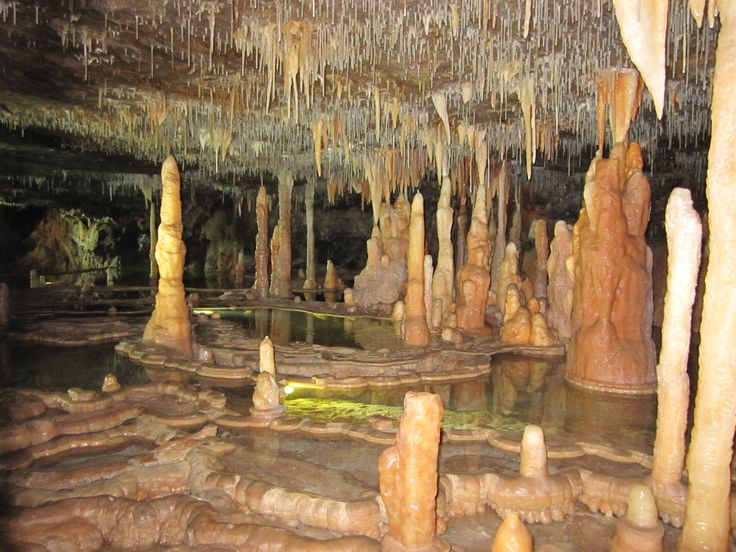
Deep within the fertile hills of Nyamyumba, where the earth opens up to reveal gleaming white breasts of rock and cascading waterfalls of mystery, lies a site that binds geology, legend, and the very origins of Uganda’s pre-colonial history. The Amabeere Caves are not just a natural curiosity; they are the fabled sanctuary of a runaway princess, a sacred site of the Bachwezi demi-gods, and one of the most culturally rich and geologically unique day trips from Kampala. Just a short drive from Fort Portal, the Amabeere Caves (meaning “Breasts of the Princess”) offer an experience that is part archaeological site, part living folklore, and wholly captivating. This is where the stalactites are said to be the fossilized breasts of a legendary princess, and where a hidden underground waterfall nourishes a lush, hidden garden. Far more than a simple cave visit, Amabeere is a journey into the mythical foundations of the Tooro Kingdom and the enigmatic Bachwezi dynasty. This definitive 2026 guide explores the science behind the speleothems, the epic oral history that gives them meaning, and why this accessible site is becoming a must-see for culturally curious travelers. Amabeere Caves: The Foundational Facts Location & Accessibility: Located in Nyamyumba Village, approximately 10 kilometers (a 20-minute drive) from Fort Portal, the tourism capital of western Uganda. Easily accessible as a half-day trip from any lodge in the Kibale/Fort Portal region. Geological Formation: A series of karst caves and overhangs formed by the dissolution of soluble limestone over millions of years. The site features dramatic stalactites and stalagmites, the most famous of which are the “Amabeere” formations. Cultural Affiliation: A deeply sacred site for the Tooro Kingdom, intimately linked to the history of the Bachwezi—the semi-mythical, divine rulers believed to have preceded the current kingdoms. Key Distinction: This is a living cultural landscape. The physical formations are inseparable from their legendary narratives, and rituals are still occasionally performed here by local custodians. 2026 Trend & Analytics Insight: Visitor data from the Tooro Kingdom Tourism Office shows a 90% increase in footfall to Amabeere since 2022. A significant driver is the rise of “mythology tourism” and travelers seeking sites connected to the Bachwezi. Furthermore, its proximity to Fort Portal makes it a top choice for “active recovery days” after chimpanzee trekking in Kibale, offering light adventure without strenuous hiking. Social media engagement is high for posts tagging #Amabeere, with keywords like “magical,” “unique,” and “hidden gem” dominating. Chapter 1: The Legend – Princess Nyinamwiru and the Birth of the Caves The power of Amabeere lies in its story, a cornerstone of Tooro oral history. The Tale of Princess Nyinamwiru: The legend states that King Bukuku of the Batembuzi dynasty had a beautiful daughter, Princess Nyinamwiru. A prophecy foretold that her son would kill Bukuku and usurp his throne. To prevent this, the king imprisoned her in a cave and ordered that her breasts be cut off so she could never nurse a child. The Miraculous Intervention: In her captivity, the princess was visited by the Bachwezi demi-gods. They took pity on her and performed a miracle: her severed breasts were transformed into the eternally dripping white stalactites that visitors see today. The milky-white substance dripping from them is not water, but said to be her eternal, nurturing milk. The Connection to the Founding of Tooro: The legend continues that Princess Nyinamwiru eventually gave birth to Isaza, who would become the forefather of the Babiito dynasty that still rules the Tooro Kingdom today. Thus, Amabeere is celebrated as the mythical birthplace of the kingdom’s royal lineage, a site of suffering, divine intervention, and dynastic genesis. Chapter 2: The Geological & Natural Experience – Exploring the Site A visit involves a short, scenic walk and exploration of several fascinating features. The “Breasts” (Amabeere) Themselves: The iconic formations are large, smooth, white stalactites from which calcium-rich water continuously drips. Local tradition holds that touching the water brings blessings, particularly fertility. The Main Cave & Underground Waterfall: Behind the Amabeere, a path leads into a larger cave chamber. Here, you find a stunning, hidden underground waterfall cascading into a small pool. The atmosphere is cool, damp, and filled with the sound of rushing water—a truly ethereal experience. Bats inhabit the darker recesses of the caves. The Nyakasura Waterfall & River: The same stream that feeds the cave waterfall flows outside to form the picturesque Nyakasura Waterfall, which you can view from several vantage points. The surrounding area is a lush, green valley filled with ferns, wild coffee, and butterflies. The “Paternity Test” Stone: Another fascinating feature is a large stone with a hole in it. Local lore claims that if a man accused of denying paternity passes through the hole, his guilt or innocence will be revealed—a traditional form of justice. Chapter 3: The Historical Context – The Enigmatic Bachwezi Dynasty To fully appreciate Amabeere, one must understand the Bachwezi. Who Were the Bachwezi? A short-lived (approx. 1350-1500 AD) but supremely influential dynasty shrouded in mystery. They are credited with introducing advanced ironworking, centralized governance, the famous Ankole long-horned cattle, and much of the region’s spiritual cosmology. They disappeared as suddenly as they arrived, leading to beliefs they were divine beings or “vanished ones.” Archaeological Link: The caves and the surrounding area contain archaeological evidence of early human habitation and iron smelting, providing a tangible link to the era associated with the Bachwezi. Living Legacy: The caves are considered one of the primary Bachwezi sites, alongside Bigo bya Mugenyi earthworks and the Ndali crater lakes. Visiting Amabeere is a direct connection to this foundational chapter of Ugandan history. Chapter 4: Planning Your 2026 Visit – A Practical Guide The Visitor Experience: Guided Tour (Essential): Upon arrival, a local community guide will meet you. Their narration of the legend, explanation of the geology, and pointing out of subtle features is what brings the site to life. Fee: ~$5-$10 per group. The Walk: A gentle 15-20 minute walk downhill from the parking area to the cave entrance. The return walk is uphill and can be moderately strenuous. Suitable for most fitness levels. Exploration: You can walk around the cave opening, touch the “breasts,” and peer into the main cave to see the waterfall. Venturing deep into the caves requires permission and special equipment. Visitor Information (2026): Entrance Fees: Foreign
