
Sezibwa Falls: The Cultural Heartbeat & Natural Sanctuary Just an Hour from Kampala
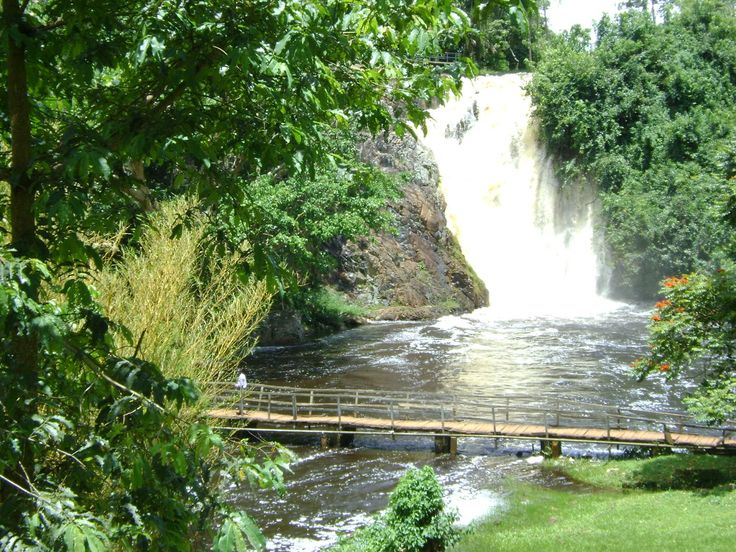
Tucked away in the lush, rolling hills of Mukono District, a mere hour’s drive from the bustling streets of Kampala, lies a place where myth, nature, and spirituality converge. Sezibwa Falls is not just a beautiful cascade; it is a living cultural shrine of the Buganda Kingdom, a biodiversity hotspot, and the most accessible nature escape in central Uganda. This guide reveals why this sacred site is the perfect day trip for culture seekers, bird watchers, and anyone needing a quick recharge in the heart of the Pearl of Africa. In a country famed for its remote wilderness, Sezibwa Falls offers a profoundly different experience: one of deep cultural resonance and easy accessibility. Here, the roar of water is intertwined with whispered prayers, and ancient trees are considered ancestors. Managed as a cultural heritage site by the Buganda Kingdom, Sezibwa is where you come to understand that in Uganda, nature is never just scenery—it is a participant in history, lineage, and belief. This comprehensive guide delves into the falls’ legendary origins, its ecological richness, and its evolving role as a premier destination for wellness tourism and domestic travel in 2026. Sezibwa Falls: The Foundational Facts Location & Accessibility: Situated in Mukono District, approximately 32 kilometers (a 45-60 minute drive) east of Kampala along the Kampala-Jinja highway. Its proximity makes it the most accessible significant waterfall in Uganda. The River: The Sezibwa River is a major tributary of Lake Kyoga. The falls themselves are a series of powerful cascades where the river plunges over ancient granite outcrops. Cultural Status: A royal cultural site (Ekifo) of the Buganda Kingdom. It is home to the “Nalongo Ya Sezibwa” shrine, dedicated to the river’s spiritual guardian. Landscape: 7 square kilometers of protected riverine forest, rocky outcrops, and wetland. The area is characterized by massive tropical hardwood trees, lush ferns, and medicinal plants. Key Fact: According to Buganda legend, the river was not formed by geology, but by birth. It is said to have been born by a woman, Nakangu Tebatuusa, who gave birth to two rivers: Sezibwa (the subject of this site) and Bwanda. 2026 Trend & Analytics Insight: Data from the Buganda Kingdom Tourism Board shows a 120% increase in weekday visitor numbers to Sezibwa since 2022, driven overwhelmingly by domestic “workation” and wellness tourism. Professionals from Kampala are using it as a digital detox day. Furthermore, it has become a top-rated “first stop” for international tourists on arrival days, offering immediate immersion in Ugandan culture and nature without a long drive. Social listening reveals keywords like “peaceful,” “spiritual,” and “easy hike” dominate reviews. Chapter 1: The Legend & Cultural Significance – A River Born of Woman To visit Sezibwa is to step into a living myth. The site’s primary power derives from its story, which is central to Baganda cosmology. The Legend of Nakangu Tebatuusa: The widely told legend states that a woman, Nakangu Tebatuusa, was traveling to her husband’s home when she experienced miraculous labor pains. Instead of a child, she gave birth to two rivers: Sezibwa (meaning “I cannot be blocked”) and Bwanda. Before continuing her journey, she instructed the spirits of the rivers to bless those who would come to them with problems. The Cultural Practices Today: The Shrine (Ekifo): The site is actively used by Baganda traditionalists (Abasamize) and others seeking blessings. A cultural guide (often a site custodian) can explain the rituals, which may involve offerings of coffee berries, barkcloth, or local beer. Blessings & Petitions: People visit to seek blessings for fertility, business success, healing, and safe journeys. The guide can show you the specific rocks and trees associated with different petitions. Respectful Observation: Visitors are welcome to observe and learn. Photography of the shrine area should only be done with explicit permission. It is a place of active worship, not a museum exhibit. The Royal Connection: Kabakas (Kings of Buganda) have historically visited Sezibwa for blessings before major undertakings. This royal patronage underscores its national cultural importance. Chapter 2: The Natural Experience – Hiking, Birding & Biodiversity Beyond the culture, Sezibwa is a compact and rich natural sanctuary. The Hike to the Falls: Trail Network: A well-marked network of trails leads from the reception center through the forest to various viewpoints of the cascades. Main Trail: An easy to moderate 30-45 minute walk down to the base of the main falls. The path involves some stairs and can be slippery when wet. Viewpoints: Several stunning vantage points allow you to see the river squeezing through narrow granite passages and plunging into frothy pools. Birding at Sezibwa: The riverine forest is an excellent birding spot with over 150 species recorded. Key species include the Great Blue Turaco, Pied Hornbill, African Grey Parrot, Woodland Kingfisher, and various sunbirds and weavers. The Sezibwa Wetland adjacent to the forest is good for waterbirds like the Hamerkop and Kingfishers. Flora & Medicinal Plants: The forest is a botanical treasure trove. Your guide can point out trees used for traditional medicine, construction (like the massive Muvule tree), and crafts. The air is filled with the scent of wild coffee and countless flowers. Chapter 3: The Visitor Experience – Planning Your 2026 Day Trip What to Do at Sezibwa Falls: Guided Cultural & Nature Walk (Essential): Hire a site guide at the entrance (~$10-$15 per group). They provide irreplaceable context for the legends, shrines, and ecology. Photography: The combination of water, rock, and forest offers fantastic photo opportunities. Morning light is best. Picnicking: Designated scenic spots are perfect for a packed lunch. A small restaurant/cafe is also available on-site. Cultural Interaction: With respect, you can learn about ongoing traditions from the guides and custodians. Monkey Spotting: Vervet monkeys and black-and-white colobus are common in the trees. Visitor Information (2026): Entrance Fees: Foreign Non-Resident Adult: 10,000 UGX (approx. $2.70) Foreign Resident/East African Adult: 5,000 UGX Guided Walk: ~20,000-40,000 UGX ($5-$10) per group. Opening Hours: 8:00 AM – 6:00 PM daily. Best Time to Visit: Weekday mornings for solitude. Weekends are busier with local families and cultural devotees. Facilities: Basic restrooms, a parking area, a craft shop, and a restaurant serving Ugandan meals. Packing Essentials: Sturdy shoes (trails can be muddy). Insect repellent. Rain jacket (weather can change quickly). Small cash (UGX) for fees, tips, and crafts. Drinking water. Chapter 4: The Data & Impact – Sustainable Cultural Tourism in Action Sezibwa Falls is a model for how cultural heritage can be preserved
