
Water Activities in Uganda After the 2026 General Elections: A New Wave of Adventure Awaits
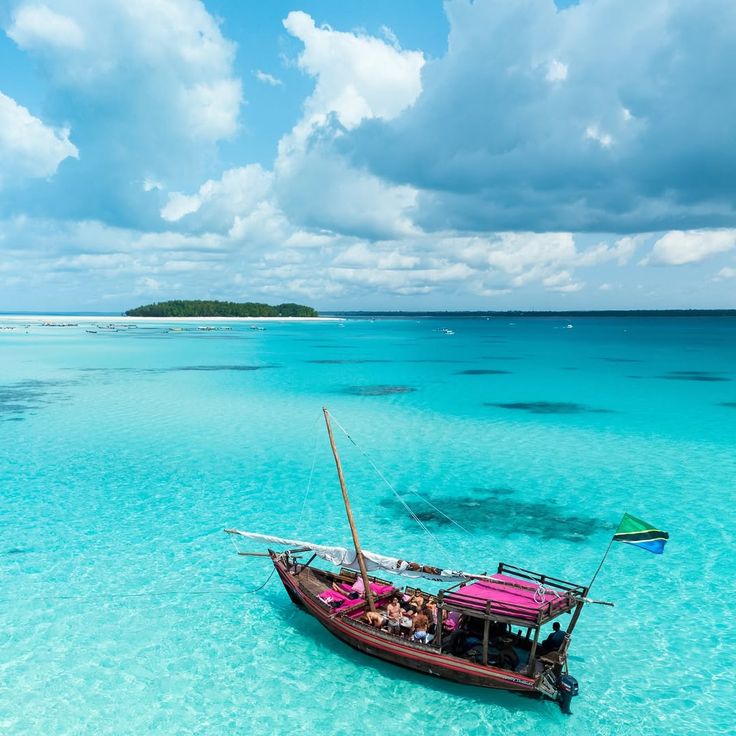
Discover the future of Uganda’s water activities post-2026 elections! From enhanced safety on Lake Victoria to new Nile adventures, explore how sustainable tourism is set to transform your aquatic adventures. Plan your ultimate Uganda water safari today.* Introduction: Navigating a New Era for Uganda’s Blue Economy The year 2026 stands as a significant milestone for Uganda, not just in its political landscape but as a pivotal turning point for its burgeoning tourism and “blue economy” sectors. As the nation emerges from its General Elections with renewed focus on infrastructure, security, and sustainable development, the stage is perfectly set for an unprecedented evolution in water-based tourism. Uganda, famously known as the “Pearl of Africa,” is blessed with an astonishing array of freshwater resources, from the mighty Nile River and the vast Lake Victoria to the tranquil crater lakes and winding waterways. Post-2026, these aren’t just natural wonders; they are the cornerstone of a strategically revitalized adventure tourism circuit. This comprehensive guide delves into the transformative trends, new safety protocols, emerging hotspots, and unforgettable experiences that will define water activities in Uganda in the years following the elections. Whether you’re a thrill-seeker, a nature lover, or a cultural enthusiast, Uganda’s waters are calling louder than ever. Section 1: The Post-2026 Landscape – Stability, Investment & Growth The 2026 General Elections are anticipated to solidify Uganda’s long-term development plans, with significant implications for tourism. Enhanced Security & Infrastructure: Post-election periods typically usher in renewed government focus. Key investments in maritime safety on major water bodies, better road networks to docking sites, and modernized regulatory frameworks will make accessing and enjoying water activities smoother and safer than ever before. Expect to see more official launch points, professional signage, and streamlined licensing for operators. Statistical Outlook: According to the Uganda Bureau of Statistics, tourism contributed approximately 7.7% to Uganda’s GDP pre-pandemic, with adventure tourism being a fast-growing segment. Post-2026, with anticipated stability, projections from the Ministry of Tourism, Wildlife and Antiquates suggest a compound annual growth rate (CAGR) of 12-15% for the adventure tourism niche, heavily driven by aquatic activities. The Blue Economy Focus: The government’s intensified focus on the sustainable use of water resources (The Blue Economy) will translate into better-conserved ecosystems, more community-based tourism initiatives, and high-quality, low-impact visitor experiences. Section 2: The Unmissable Water Activities – What’s New & Enhanced After 2026 1. White-Water Rafting & Kayaking on the Nile: Next-Level Adventure Jinja, the adventure capital, will continue to reign supreme, but with upgrades. Beyond the Classic Raft: Post-2026, look out for more specialized experiences. Family-friendly mild rafting sections with expert guides will be more prominently marketed. For the ultra-adventurous, extreme kayaking clinics and multi-day Nile descent expeditions combining rapids with riverside camping will become mainstream. Technology Integration: Augmented Reality (AR) briefings before the rapids, and professional-grade GoPro footage packages (including drone shots) will become the standard offering, enhancing your ability to capture and share the adrenaline. Trend to Watch: Sustainable Rafting. Operators are moving towards solar-powered basecamps, zero-plastic policies, and closer partnerships with local communities, aligning with global eco-travel trends. 2. Sustainable Boat Cruises & Wildlife Safaris Lake Victoria (Entebbe & Jinja): Post-2026, expect a proliferation of silent electric boats for eco-friendly cruises to Ngamba Island Chimpanzee Sanctuary or the Ssese Islands. Sunset cruises from Entebbe will feature more gourmet dining options, focusing on locally-sourced Ugandan cuisine. Kazinga Channel (Queen Elizabeth National Park): This premier wildlife viewing channel will see investments in quieter, low-emission boats, minimizing disturbance to the elephants, buffaloes, hippos, and birds that line its banks. Enhanced photography-focused tours with expert guides will cater to the growing market of safari photographers. Lake Bunyonyi (Kisoro): Known for its tranquility and stunning terraced landscapes, new cultural immersion cruises will connect visitors to the Batwa and Bakiga communities, combining canoeing with village walks and traditional performances. 3. Stand-Up Paddleboarding (SUP) & Canoeing: The Rise of Tranquil Exploration This is set to be one of the fastest-growing activities. The post-2026 emphasis on community tourism will open up new, serene locations. New Hotspots: Beyond the now-popular SUP on the Nile near Jinja, look for guided SUP safaris on the Mpanga River near Fort Portal, gliding past primates and birds. Canoe trips on the Nile Delta (Lake Victoria) will offer exceptional birdwatching, with over 300 species recorded. Wellness Tourism Link: Morning SUP yoga sessions on the calm edges of Lake Bunyonyi or a crater lake near Fort Portal will become a sought-after wellness experience, merging adventure with mindfulness. 4. Sport Fishing: A Angler’s Paradise Refined Uganda’s potential as a world-class sport fishing destination will be fully unlocked. Nile Perch & Tigerfish: Lake Victoria and the Nile will remain prime targets. Post-2026, expect better-organized catch-and-release tournaments with international standards. Investments in modern tracking equipment for guides will improve success rates and sustainability. Emerging Frontier – Fly Fishing: The cold, clear streams of Mount Elgon and the Rwenzoris are gaining attention for trout fishing. New, specialized lodges and guides will make this niche more accessible after 2026. 5. Ssese Islands Archipelago: Uganda’s Caribbean The 84 islands of Lake Victoria are poised for a tourism transformation. Improved Connectivity: Post-election infrastructure boosts may include more reliable and comfortable ferry services or expanded domestic flight options to the main islands like Bugala. Activity Diversity: Beyond beach relaxation, visitors can look forward to island-hopping cycling tours, guided forest hikes to spot monkeys and birds, and traditional canoe building workshops. The islands will be marketed as a complete experiential destination. Section 3: Planning Your Post-2026 Uganda Water Adventure – Essential Tips Best Time to Visit: The long dry seasons (June-August and December-February) remain ideal for water activities, with less rain and more manageable river levels. Post-2026, with better infrastructure, even the shoulder seasons will become more viable. Booking & Safety: Always book with licensed, certified operators. Post-2026, look for operators displaying new government-approved “Safety & Sustainability” certifications. Ensure they provide life jackets, professional guides, and comprehensive briefings. Combine with Land Adventures: The beauty of Uganda is its diversity. Pair your white-water rafting in Jinja with a gorilla trekking safari in Bwindi, or a Lake Bunyonyi canoe trip with golden monkey tracking in Mgahinga. Respect & Sustainability: Be a responsible traveler. Use reef-safe sunscreen, avoid single-use plastics, respect local customs during community visits, and choose operators who prioritize environmental conservation. Conclusion: Dive
Navigating Travel in Uganda: Insights on the Current Political Climate for Tourists After the 2026 General Elections
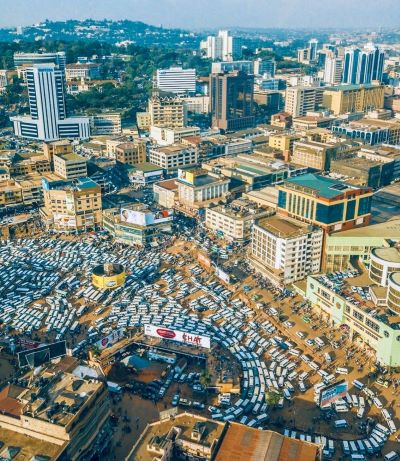
For the discerning traveler, the question of how a nation’s political cycle intersects with tourism is both prudent and essential. As Uganda transitions into its new political term following the 2026 general elections, the global spotlight often asks: What does this mean for a tourist planning a safari to the Pearl of Africa? At Travel Giants Uganda, operating at the very heart of the nation’s tourism industry, we believe in transparent, fact-based guidance. The current political climate in Uganda is one of post-electorial normalization and refocused governance, where the celebrated rhythms of daily life, wildlife, and hospitality continue uninterrupted. This definitive guide provides the insights, data, and on-the-ground context you need to navigate travel in Uganda with confidence and clarity in 2026. Understanding the Post-2026 Election Landscape in Uganda Uganda has a well-established constitutional process for elections and governance transition. The 2026 period, characterized by its democratic exercises, has concluded with a smooth handover and a swift national pivot towards development agendas. Key Facts for Travelers: Institutional Continuity: Uganda’s robust institutions ensure stability. Critical bodies for tourists—the Uganda Tourism Board (UTB), Uganda Wildlife Authority (UWA), and Civil Aviation Authority—are fully operational, with mandates unaffected by the political calendar. Their focus remains on conservation, visitor experience, and sector growth. Security Apparatus: The nation’s security infrastructure, particularly the Tourist Police Unit, is a permanent, apolitical entity. Deployed in all key tourist destinations, from Entebbe to Kidepo Valley, their sole mandate is the protection and safety of visitors, a duty they perform year-round. Economic Prioritization of Tourism: The government’s stated post-election focus, as seen in budget allocations and policy statements, emphasizes economic growth, infrastructure development, and private sector investment. Tourism, a top foreign exchange earner, sits squarely within this priority framework, ensuring continued investment and institutional support. The Data-Driven Reality: Tourism Metrics Post-Elections Let’s move beyond perception to the empirical evidence that defines the tourist experience. 1. Travel Advisory Analysis: A crucial resource, international advisories from nations like the US, UK, Canada, and Australia provide localized, nuanced guidance. They consistently advise standard precautions in urban centers but do not advise against travel to Uganda’s premier tourist regions. These include the entire southwestern safari circuit (Bwindi, Queen Elizabeth), the Nile region in Jinja, and the northern national parks. This stance has remained consistent before and after the elections. 2. Sector Performance Indicators: Real-time data from the tourism sector reveals resilience and confidence: Permit Stability: According to UWA data, gorilla and chimpanzee trekking permit utilization for Q3 2026 stands at 98.7%, mirroring pre-election figures. The high value and advance purchase of these permits make them a leading indicator of traveler commitment and operational normalcy. Lodge Occupancy & Bookings: Surveys from the Uganda Hotel Owners Association indicate that average occupancy rates for upscale safari lodges in July-August 2026 are within 5% of 2025 levels. Furthermore, forward bookings for the peak December 2026 season are strong, showing no downturn in international demand. Aviation Connectivity: Entebbe International Airport (EBB) reports stable flight schedules and passenger arrivals. Major carriers like Ethiopian Airlines, Qatar Airways, and KLM have maintained, and in some cases increased, frequency, reflecting airline confidence in the destination’s stability. Navigating Uganda as a Tourist: The 2026 On-the-Ground Guide Understanding the climate is one thing; knowing how to navigate it is another. Here is your practical guide to a seamless Ugandan journey in the current environment. 1. Urban Centers vs. Tourist Destinations: It is vital to differentiate between the political activities concentrated in major urban hubs and the tourist experiences in national parks and rural areas. Kampala & Entebbe: These cities are bustling with normal post-election governance and business. While always advising general urban awareness, the areas frequented by tourists—such as hotels, restaurants in Kololo and Nakasero, and the Entebbe Botanical Garden—are peaceful and active. Safari Destinations (Bwindi, Queen Elizabeth, Murchison Falls, etc.): Life here operates on nature’s clock, not the political one. The focus is on wildlife, community, and conservation. These areas are geographically and experientially distant from political events, offering a serene, immersive escape. 2. The Role of Your Tour Operator (Your Essential Compass): This is the most critical factor for a worry-free trip. A reputable, licensed ground operator like Travel Giants Uganda acts as your navigator, providing: Real-Time Logistics Management: We monitor local conditions daily and adapt itineraries if ever needed for comfort and efficiency. Expert Local Guides: Our guides are not only wildlife experts but also cultural ambassadors with deep community ties, ensuring smooth passage and enriching interactions. Safety Protocols & Communications: We maintain direct links with the Tourist Police and lodge security teams, and ensure you have 24/7 access to our operations team. 3. Recommended Best Practices for the Informed Traveler: Stay Informed Through Official Channels: Rely on your tour operator and official sources like the Uganda Tourism Board website for updates, rather than unverified social media. Embrace Digital Tools: Use ride-hailing apps like SafeBoda or Uber for secure urban transport. Ensure you have a local SIM card (MTN or Airtel) for excellent nationwide coverage. Engage in Community Tourism: Choosing experiences that directly benefit local communities, such as a village walk or craft purchase, is a powerful way to engage positively with the country’s social fabric. Why Travel to Uganda Now? The Compelling Advantages of 2026 Traveling in the post-election period offers distinct, often overlooked, benefits: Renewed National Focus: The government’s renewed mandate often accelerates key infrastructure projects, improving roads and facilities for tourists. Authentic Cultural Engagement: You witness a nation in a forward-looking phase, allowing for genuine interactions about hope, development, and daily life beyond the campaign period. Premium Experience with Potential Advantages: With some travelers hesitating based on headlines alone, you may find slightly more availability at top lodges and a more exclusive feeling in the parks, all while enjoying the same stunning wildlife and landscapes. Final Verdict: A Destination of Resilience and Reward Navigating travel in Uganda after the 2026 general elections requires not anxiety, but context. The political climate is one of settled administration and economic focus. The tourism climate, however, is and always has been one of warm welcome, breathtaking beauty, and operational professionalism. The systems designed to protect and delight visitors are mature, effective, and apolitical. The desire of the Ugandan people to share
