
The Ultimate Uganda Itinerary: 7, 10, and 14-Day Safari Plans for 2024/2025
Discover the perfect Uganda itinerary! Our expert-crafted 7, 10, and 14-day safari plans feature gorilla trekking, Big Five game drives & cultural encounters. Start planning your 2024/2025 adventure in the Pearl of Africa today! Introduction: Crafting Your Perfect Uganda Safari Journey Welcome to the Pearl of Africa, where emerald rainforests meet vast savannahs, and the roar of lions competes with the thunder of the world’s most powerful waterfall. Uganda stands unique among African safari destinations—it’s the only country where you can track endangered mountain gorillas in the morning and embark on a classic Big Five game drive in the afternoon. But with so many iconic national parks and unforgettable experiences, how do you craft the perfect itinerary? According to recent Uganda Tourism Board statistics, the average visitor stays 9.2 days, with over 68% of travelers combining gorilla trekking with other wildlife viewing. The key to an unforgettable safari is intelligent routing that maximizes experience while minimizing exhausting travel days. A well-planned Uganda itinerary is the difference between a good trip and a life-changing journey. Whether you have a week or two weeks, this definitive guide presents optimized 7, 10, and 14-day safari plans for 2024 and 2025. Each itinerary has been meticulously crafted by our Travel Giant Uganda experts based on current road conditions, optimal wildlife viewing periods, and traveler feedback from the past season. Let’s explore the ultimate routes through Africa’s most biodiverse safari destination. Before You Choose: Critical Planning Factors for 2024/2025 Understanding Uganda’s Geography and Travel Times Uganda’s national parks are scattered across the country, and realistic travel times are crucial. The road infrastructure has significantly improved in recent years, but distances remain substantial: Entebbe/Kampala to Queen Elizabeth NP: 6-7 hours drive Queen Elizabeth to Bwindi (Southern Sector): 3-4 hours Entebbe to Murchison Falls: 5-6 hours (plus ferry crossing) Bwindi to Lake Mburo: 5-6 hours Pro Tip: For itineraries 10 days or less, we highly recommend incorporating domestic flights with Aerolink Uganda to maximize your park time. Their scheduled services connect Entebbe to key destinations like Murchison Falls, Kidepo, and Kisoro (for gorilla trekking). The Gorilla Permit Conundrum: Your Itinerary’s Anchor Your entire Uganda itinerary revolves around one critical element: gorilla trekking permit availability. With only 160 permits available daily across four national parks (Bwindi Impenetrable, Mgahinga, Kibale, and Rwenzori Mountains), and peak season permits selling out 9-12 months in advance, your trekking date dictates your entire schedule. 2024/2025 Trend Alert: There’s increasing demand for permits in Mgahinga Gorilla National Park and the lesser-visited sectors of Bwindi (like Rushaga and Nkuringo), which can offer more availability and sometimes less crowded trekking experiences. Seasonal Considerations for Optimal Wildlife Viewing Dry Seasons (June-August & December-February): Prime wildlife viewing as animals congregate around water sources. Optimal trekking conditions with less mud. Wet Seasons (March-May & September-November): Lush landscapes, fewer tourists, lower prices, but potentially challenging road conditions and more strenuous trekking. Now, let’s explore our expertly crafted itineraries. Itinerary 1: The Classic 7-Day Uganda Highlights Safari Perfect for travelers with limited time who want to experience Uganda’s premier attractions: gorillas and classic savannah wildlife. Day-by-Day Breakdown Day 1: Arrival in the Pearl of Africa Arrive at Entebbe International Airport (EBB) Transfer to your Entebbe accommodation (we recommend Lake Victoria Serena or similar for easy access) Evening Activity: Optional sunset cruise on Lake Victoria or visit to the Uganda Wildlife Education Centre Accommodation: Entebbe Day 2: Journey to the Home of Primates Morning flight from Entebbe to Kisoro Airstrip (approximately 1 hour) Transfer to your lodge near Bwindi Impenetrable National Park Afternoon Activity: Community visit to the Batwa pygmies, former forest dwellers who share their ancient cultural heritage Evening: Pre-trek briefing from your lodge on gorilla trekking protocols Accommodation: Buhoma or Ruhija sector lodges Day 3: The Pinnacle Experience – Gorilla Trekking Morning: Early breakfast and transfer to the park headquarters for briefing (7:00-8:00 AM) Embark on your once-in-a-lifetime gorilla trek (1-8 hours depending on gorilla movement) Spend one magical hour with a habituated mountain gorilla family Afternoon: Return to lodge for rest and relaxation Evening: Celebrate your achievement with a sundowner and share stories with fellow trekkers Accommodation: Bwindi area Day 4: From Rainforest to Savannah Morning transfer to Queen Elizabeth National Park (4-5 hours) Enjoy scenic views of the Virunga Volcanoes and the Albertine Rift Valley Afternoon: Evening game drive in the Kasenyi Plains, known for its lion prides and large herds of Uganda kob Accommodation: Mweya or Ishasha sector Day 5: Kazinga Channel & Ishasha’s Tree-Climbing Lions Morning: Launch cruise on the Kazinga Channel, boasting the highest concentration of hippos in Africa and abundant birdlife Afternoon: Transfer to the Ishasha sector, famous for its unique tree-climbing lions Evening game drive in search of these remarkable predators Accommodation: Ishasha sector Day 6: Return Journey with a Cultural Stop Morning game drive in Ishasha (another chance for tree-climbing lions) Begin return journey to Entebbe with stop at the Equator crossing for photos and demonstrations Optional craft market shopping Farewell Dinner: Traditional Ugandan meal with cultural performances Accommodation: Entebbe Day 7: Departure or Extension Transfer to Entebbe International Airport for your departure flight Optional Extension: Add a night at Lake Mburo National Park for walking safaris among zebra and impala 7-Day Itinerary Quick Facts Best For: First-time visitors, families with older children, travelers with time constraints Gorilla Trekking: 1 day National Parks Visited: 2-3 Approximate Driving Distance: 800-1000km Recommended Upgrade: Fly from Entebbe to Bwindi to save a full day of travel Itinerary 2: The Complete 10-Day Uganda Primate & Wildlife Safari Our most popular Uganda itinerary offers the perfect balance of primates, predators, and pristine wilderness. According to our 2023 traveler surveys, this 10-day plan receives 94% satisfaction ratings for its comprehensive yet manageable pace. Day-by-Day Breakdown Days 1-3: Bwindi Gorilla Trekking Immersion *(Follow Days 1-3 from the 7-day itinerary but with an added recovery/exploration day)* Day 4: To the Primate Capital of the World Transfer from Bwindi to Kibale Forest National Park (5-6 hours) Scenic drive through tea plantations and rural villages Afternoon: Guided nature walk in the Bigodi Wetland Sanctuary, a community-run project excellent for birding and primate spotting Accommodation: Kibale area Day 5: Chimpanzee Trekking & Nocturnal Wonders Morning: Chimpanzee trekking in Kibale Forest, home to 13 primate species including the
Uganda Safari Cost: A Realistic Budget Breakdown for 2024/2025
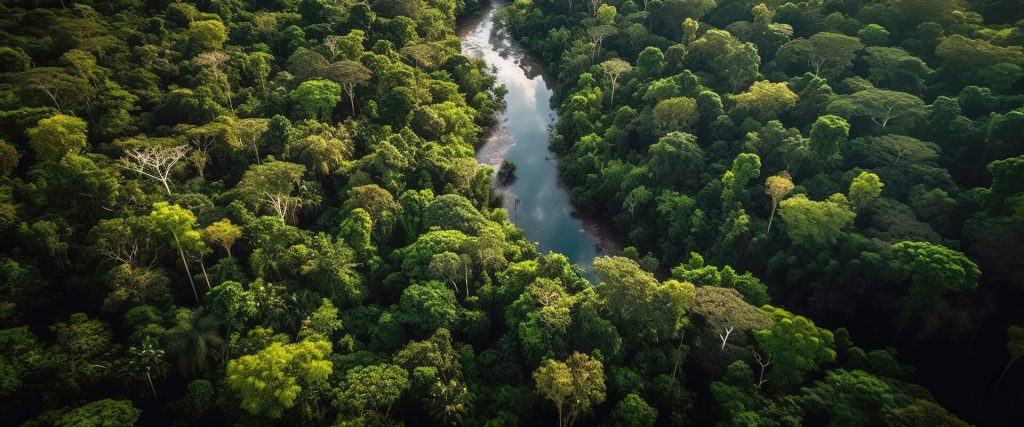
Planning your dream Uganda safari? Get a realistic 2024/2025 cost breakdown! We detail gorilla permits, accommodation, transport & hidden fees to help you budget for the ultimate adventure in the Pearl of Africa. You’ve seen the breathtaking photos: a majestic mountain gorilla in the misty forests of Bwindi, a tree-climbing lion lounging in an ancient fig tree, the mighty Nile River forcing itself through a narrow gorge at Murchison Falls. The dream of a Uganda safari is vivid and compelling. But one crucial question brings every traveler back to reality: “How much does a Uganda safari actually cost?” The answer isn’t a single number, but a mosaic of factors. An African safari is an investment, but with transparent planning, it’s an investment that pays a lifetime of dividends in memories. This definitive guide for 2024 and 2025 strips away the guesswork, providing a realistic, detailed budget breakdown so you can plan your journey to the Pearl of Africa with confidence. The Golden Rule of Uganda Safari Budgeting Before we dive into the numbers, understand this core principle: A Uganda safari cost is not a single package price; it’s the sum of its parts. The key is understanding these parts and how they interact. The two most significant factors are: The Gorilla Trekking Permit: This is the single largest fixed cost for most travelers. Your Chosen Style of Travel: Are you a budget backpacker, a comfort-seeking mid-range traveler, or a luxury explorer? This choice dramatically affects your overall spend. Let’s break down each cost component. The Fixed Costs: Your Non-Negotiable Safari Foundations These are the costs that are largely fixed, regardless of your travel style. You must account for them first. 1. The Gorilla Trekking Permit: The Crown Jewel of Your Budget Cost: $800 per person, per trek (for Foreign Non-Residents). This fee is set by the Uganda Wildlife Authority (UWA) and is highly unlikely to change for 2024/2025. What it covers: The permit grants you one trek and one hour with a habituated mountain gorilla family. It is a critical conservation tool, with a portion of the fee directly funding wildlife protection and community projects around the parks. Pro Tip: BOOK THIS FIRST. Permits for the peak seasons (June-August, December-February) sell out 6-12 months in advance. This is the anchor of your entire itinerary. 2. The Chimp Trekking Permit: The Thrilling Prelude Cost: $200 per person in Kibale Forest National Park (the premier location). Other parks like Kyambura Gorge (Queen Elizabeth NP) or Budongo Forest (Murchison Falls) may be slightly cheaper. What it covers: A guided trek to find and observe habituated chimpanzees for one hour. 3. National Park Entry Fees: Your Pass to the Wild Cost: $40 per person, per day (for Foreign Non-Residents). This fee is paid to the Uganda Wildlife Authority for every day you enter a national park for activities like game drives, birding, or nature walks. Example: A 3-day, 2-night trip to Queen Elizabeth National Park will typically incur a $80 park entry fee ($40 x 2 days of activities). The Variable Costs: Where Your Travel Style Defines Your Budget This is where your budget becomes flexible. We’ll break it down into three clear categories. 1. Accommodation: From Rustic to Royal Your choice of lodging is one of the biggest variables. Uganda offers a fantastic range. Accommodation Tier Price Range (Per Person, Per Night) What to Expect Budget $30 – $80 Public campsites, basic bandas (cottages), and budget guesthouses. Often shared facilities. Perfect for self-drive or overland groups. Mid-Range $100 – $250 The Sweet Spot for Most Travelers. Comfortable, well-appointed lodges with en-suite bathrooms, often stunning views, swimming pools, and excellent service. Usually includes full-board (all meals). Luxury $300 – $800+ Exclusive, high-end lodges and boutique camps. Featuring private plunge pools, stunning architecture, gourmet dining, and exceptional guiding. A truly immersive and pampering experience. Current Trend: There’s a growing demand for eco-lodges and community-based tourism properties, which often fall in the mid-range category and offer a more sustainable and authentic experience. 2. Safari Transport & Guiding: Your Vehicle to Adventure How you get around is not just about cost, but about the quality of your experience. Safari Vehicle (4×4) with Driver/Guide: This is the most recommended and popular option. Cost: $150 – $250 per day for the entire vehicle (not per person). This includes a private, pop-top 4×4 Land Cruiser or Safari Van, a professional English-speaking driver/guide, fuel, and all the driver’s associated costs. Why it’s worth it: A good guide is priceless. They are trackers, storytellers, mechanics, and cultural ambassadors rolled into one. They know where to find the wildlife and enhance every aspect of your journey. Self-Drive Safari: Cost: 4×4 vehicle rental starts at around $80 – $150 per day, plus fuel (which can be expensive) and insurance. Considerations: This offers ultimate freedom but comes with challenges: navigating poor roads, managing breakdowns in remote areas, and lacking the wildlife expertise of a guide. Only recommended for highly experienced African travelers. Domestic Flights (Charter): Cost: $250 – $450 per person, per sector. Use Case: Ideal for saving time on long distances (e.g., Entebbe to Kidepo or Murchison Falls) or for luxury travelers. AeroLink Uganda offers scheduled services. 3. Food & Drink (Meals) On Safari: Most safari lodges are full-board, meaning all meals are included. Drinks (bottled water, sodas, beer, wine) are typically extra. Budget $20 – $50 per day for drinks, depending on your consumption. In Cities (Entebbe/Kampala): You’ll pay for meals separately, with a good meal at a restaurant costing $10 – $25. Putting It All Together: Sample Safari Cost Calculations Let’s create realistic budget estimates for a classic 10-Day Primate & Wildlife Safari for two people sharing a room and vehicle. Scenario 1: The Value-Conscious Mid-Range Safari This is the most common and excellent value-for-money option. Gorilla Permit (x2): $1,600 Chimp Permit (x2): $400 Park Fees (8 days): $640 ($40 x 8 days x 2 people) Accommodation (9 nights, mid-range @ $175 pp/pn): $3,150 Vehicle & Guide (10 days @ $200/day): $2,000 Food & Drink (Est. $30/day pp for drinks): $600 **Total (for 2 people): $8,390 ($4,195 per person) ** Scenario 2: The Budget Backpacker Adventure For those who prioritize experience over comfort. Gorilla Permit (x2): $1,600 Chimp Permit (x2): $400 Park Fees (8 days): $640 Accommodation (9 nights, budget
How to Plan a Uganda Safari: A Step-by-Step Guide for 2024/2025

Your ultimate guide to planning a Uganda safari in 2024/2025! Get expert tips on budgets, itineraries, gorilla permits, best times to visit, and how to book with a responsible tour operator. Start your journey to the Pearl of Africa today! Dreaming of misty mountains, the thunderous roar of the Nile, and the profound experience of locking eyes with a mountain gorilla in its natural habitat? A Uganda safari is more than a vacation; it’s a pilgrimage for the soul. Known as the “Pearl of Africa,” Uganda offers an unparalleled blend of primal wildlife encounters, diverse landscapes, and warm, welcoming cultures. But planning such an adventure can feel daunting. Where do you start? How do you ensure you get the most out of your journey? This definitive, step-by-step guide is designed to take you from the first spark of inspiration to the moment you touch down in Entebbe, fully prepared for the adventure of a lifetime in 2024 or 2025. Step 1: Dream & Define Your Safari (The Blueprint) Before you dive into permits and flights, start with the vision. A well-defined dream is the foundation of a perfect safari. Identify Your “Why”: What is the non-negotiable experience? Gorilla & Chimpanzee Trekking: The premier primate experience in Bwindi Impenetrable Forest, Mgahinga, and Kibale Forest. The Big Five & Classic Game Drives: While Uganda isn’t a traditional Big Five destination, it’s home to healthy populations in Queen Elizabeth (tree-climbing lions, elephants, buffaloes) and Murchison Falls (lions, elephants, buffaloes, Rothschild’s giraffes). Kidepo Valley National Park offers a truly wild, off-the-beaten-path experience. Birding Spectacular: With over 1,080 bird species (accounting for ~50% of Africa’s bird species and ~11% of the world’s), Uganda is a top birding destination. Key spots include the Shoebill in Mabamba Swamp, and the myriad of species in Bwindi and Queen Elizabeth. Adventure & Scenery: White-water rafting on the Nile, hiking the Rwenzori Mountains (Mountains of the Moon), or witnessing the mighty Murchison Falls. Traveler Profile & Pace: Luxury Safari: High-end lodges, private guides, and charter flights. Mid-Range Comfort: The most popular choice, offering excellent value with comfortable lodges and great service. Budget/Backpacker: Camping, public transport, and basic accommodations. Fast-Paced: Covering multiple parks in a short time. Slow Travel: Immersing yourself deeply in one or two locations Step 2: Set Your Realistic Budget for 2024/2025 A transparent budget is crucial. Here’s a breakdown of the key costs, with updated figures. Cost Factor Budget Range (USD) Key Considerations for 2024/2025 International Flights $800 – $1,800 Varies by season and departure point. Book 3-6 months in advance for deals. Gorilla Trekking Permit $800 per person This is the standard fee for foreign non-residents. Book this FIRST, as they sell out months in advance. Chimp Trekking Permit $200 – $250 Kibale Forest is the prime location, but other parks offer it cheaper. Accommodation (per night) $30 (Budget) – $150 (Mid) – $500+ (Luxury) Prices are per person, often based on full-board. Safari Vehicle & Guide $150 – $250 per day A 4×4 Land Cruiser with a pop-top is the gold standard. Cost is for the vehicle, not per person. Park Entry Fees $40 – $50 per person, per day Paid to Uganda Wildlife Authority (UWA) for each day in a national park. Food & Drink $30 – $80 per day Most lodges are full-board. Drinks and tips are extra. Total Trip Cost Estimate (7-10 days): A mid-range 10-day primate and wildlife safari for two, including gorilla permits, will typically range from $5,000 to $8,000 per person. Step 3: Choose Your Travel Dates Wisely Uganda’s equatorial climate means it’s a year-round destination, but seasons matter. Dry Seasons (Best Time for Safari): June to August & December to February: These are the prime windows for your 2024/2025 planning. Roads are more accessible, wildlife gathers around water sources, and trekking conditions are less muddy. Wet Seasons (Shoulder Seasons): March to May & September to November: Lush, green landscapes, fewer tourists, and lower prices. However, rain can make some roads challenging, and trekking can be more strenuous. Pro Tip for 2024/2025: The June-August and December periods are extremely popular. To secure gorilla permits and preferred lodges, book at least 9-12 months in advance. Step 4: Craft Your Perfect Uganda Safari Itinerary Here are three sample itineraries to inspire your 2024/2025 adventure. Itinerary 1: The Classic Pearl (10 Days) Day 1-2: Arrive Entebbe, recover, and tour the Botanical Gardens. Day 3-4: Fly or drive to Murchison Falls National Park. Game drives and a Nile boat cruise to the base of the falls. Day 5-6: Travel to Kibale Forest National Park. Chimpanzee trekking and Bigodi Swamp walk. Day 7-9: Journey to Queen Elizabeth NP. Game drives in the Kasenyi Plains, boat cruise on the Kazinga Channel, and search for tree-climbing lions in Ishasha. Day 10: Depart from Kigali, Rwanda (often more convenient than returning to Entebbe). Itinerary 2: The Primate Specialist (8 Days) Day 1: Arrive Entebbe. Day 2-3: Head to Kibale Forest for an immersive chimp trekking experience. Day 4-6: Transfer to Bwindi Impenetrable National Park. This is the pinnacle of your trip—gorilla trekking. Allow a full day for the trek and recovery. Day 7-8: Explore Lake Bunyonyi for relaxation or Lake Mburo NP for a walking safari among zebras and impalas before departing. Itinerary 3: The Ultimate Adventure (12-14 Days) Day 1-3: Murchison Falls for powerful scenery and wildlife. Day 4-6: Kidepo Valley National Park for a truly remote and authentic African wilderness experience. Day 7-9: Track chimps in Kibale and explore the crater lakes. Day 10-12: Gorilla trekking in Bwindi, followed by relaxation at Lake Bunyonyi. Step 5: Secure the Big Tickets – Permits & Flights This is the most critical action step. Gorilla & Chimp Permits: These are issued by the Uganda Wildlife Authority (UWA). While you can apply directly, it is highly recommended to have your chosen tour operator handle this. They know the system, can check real-time availability, and secure your preferred dates instantly. For 2025 treks, aim to book by mid-2024. International Flights: You’ll fly into Entebbe International Airport (EBB). Use flight comparison tools and set price alerts. Consider flying via major hubs like Nairobi, Addis Ababa, or Doha. Domestic/Regional Flights: For longer distances, consider domestic charter flights
