
Queen Elizabeth National Park: Beyond the Famous Tree-Climbing Lions

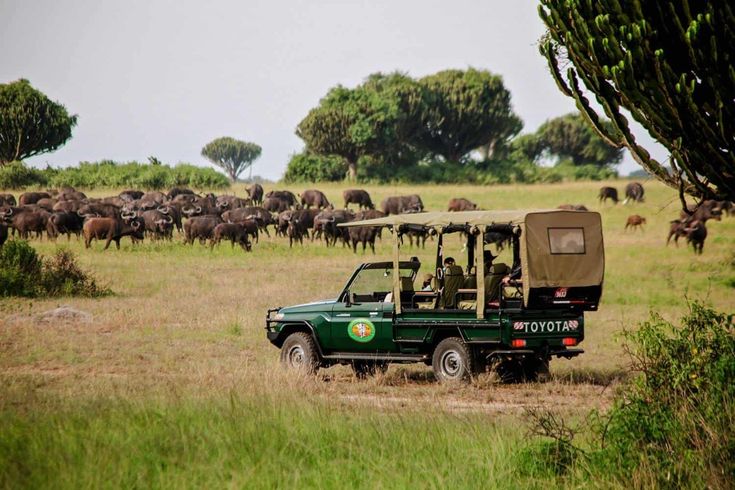
Table of Contents Introduction: The Lions Are Just the Beginning Chapter 1: Understanding the Park – A Landscape Forged by Fire and Water Chapter 2: The Ishasha Lions – Science, Behavior, and Conservation Challenges Chapter 3: The Kazinga Channel – An Aquatic Spectacle of Epic Proportions Chapter 4: Kyambura Gorge – The “Lost World” of Primates Chapter 5: The Explosion Craters & Salt Lakes – A Geological Marvel Chapter 6: Birding Paradise – Over 600 Species of Avian Wonders Chapter 7: Nocturnal Wonders – The Park After Dark Chapter 8: Community and Conservation – The Human Dimension Chapter 9: Planning Your Ultimate Safari – Seasons, Sectors, and Stays Conclusion: Answering the Call of the Wild What to Read Next & Footnotes 1. Introduction: The Lions Are Just the Beginning When you think of Queen Elizabeth National Park (QENP), the mind immediately conjures the iconic image of the tree-climbing lions of Ishasha—muscular felines draped languidly over the broad branches of ancient fig trees, surveying their savannah kingdom from a unique vantage point. This rare behavior has rightfully made them the park’s most famous ambassadors, drawing travelers from across the globe. However, to fixate solely on this spectacle is to miss the profound depth of one of Africa’s most biodiverse and captivating protected areas. Spanning 1,978 square kilometers in western Uganda, where the vast East African Rift Valley meets the snow-capped Rwenzori Mountains, QENP is a masterpiece of ecological variety. It is a park of stunning contrasts, where explosion craters filled with deep blue lakes dot the landscape, a 32-kilometer channel teems with the highest concentration of hippos in Africa, and a sunken tropical rainforest hidden within a gorge reverberates with the calls of chimpanzees. Recognized as a UNESCO Biosphere Reserve, the park supports an astounding 95 mammal species and over 600 species of birds—a greater avian diversity than the entire continent of Europe. This comprehensive guide is your invitation to look beyond the branches. We will journey through the park’s varied ecosystems, explore its critical conservation stories, and provide you with the essential knowledge to craft a safari that touches the soul of this magnificent landscape. Whether you are a first-time visitor to Africa or a seasoned safari-goer, Queen Elizabeth National Park promises revelations at every turn. 2. Chapter 1: Understanding the Park – A Landscape Forged by Fire and Water Queen Elizabeth National Park’s breathtaking scenery is the direct result of monumental geological forces. The park lies squarely within the Albertine Rift, the western branch of the East African Rift Valley. This region is one of the most geologically active on Earth, where the continental plate is slowly tearing apart, creating dramatic landscapes. A Volcanic Legacy: Approximately 10,000 years ago, violent volcanic explosions rocked the region north of the Kazinga Channel. These eruptions left behind a surreal landscape of over 72 conical explosion craters, many now filled with serene, alkaline lakes. The Katwe Explosion Craters offer one of the park’s most scenic drives, with panoramic viewpoints that showcase this “lunar” terrain. Nearby, Lake Katwe has been a source of salt for local communities for over six centuries, with traditional extraction methods still in use today, offering a fascinating cultural insight. The Lifeblood of the Park: The park is framed by two of Africa’s Great Lakes: Lake Edward (Idi Amin) to the south and Lake George to the northeast. Connecting them is the Kazinga Channel, the park’s aquatic heart. This natural waterway is the engine of the ecosystem, attracting staggering concentrations of wildlife, especially in the dry seasons. The channel’s outflow is part of the semuliki river system, which eventually feeds into the mighty white Nile. What to Read Next: Curious about how this landscape connects to Uganda’s other wonders? Explore our guide on Experiencing the Mighty Murchison Falls, where the Nile explodes through a narrow gorge. 3. Chapter 2: The Ishasha Lions – Science, Behavior, and Conservation Challenges The Ishasha sector in the remote southern part of QENP is the renowned domain of the tree-climbing lions. Unlike their savannah-dwelling cousins, these lions regularly ascend the large sycomore fig trees (Ficus sycomorus). Why Climb? Several theories exist: Escape from Heat & Insects: The treetops offer cooler breezes and respite from ground-level heat and biting tsetse flies. Vantage Point: Elevated positions provide an excellent lookout for spotting prey like the abundant Uganda kob. Observation & Learning: Younger cubs may watch hunting techniques from above. A Population Under Threat: Despite their fame, these lions face significant challenges. The Ishasha lion population is isolated and relatively small. A devastating poisoning incident in 2018 highlighted the severe threat of human-wildlife conflict, primarily with pastoralists. Conservation organizations like the Uganda Wildlife Authority (UWA) and the African Wildlife Foundation are implementing critical programs involving community scouts, livestock insurance schemes, and predator-proof enclosures (bomas) to foster coexistence. Viewing Ethics: When on a game drive in Ishasha, always maintain a respectful distance and listen to your guide. Using a quiet vehicle and not rushing the animals is key to responsible viewing. The best viewing times are often in the late morning or early afternoon when the lions are most likely to be resting in the trees. 4. Chapter 3: The Kazinga Channel – An Aquatic Spectacle of Epic Proportions No visit to QENP is complete without a boat cruise on the Kazinga Channel. This two-hour journey offers arguably the most prolific and relaxed wildlife viewing in East Africa. A Concentration of Life: The channel is home to one of the world’s largest populations of hippopotami (Hippopotamus amphibius), with estimates exceeding 5,000 individuals. You will also see massive Nile crocodiles (Crocodylus niloticus) basking on the banks, often exceeding 5 meters in length. Herds of elephant and buffalo come to the water’s edge to drink and bathe, while antelope like waterbuck and defassa waterbuck graze nearby. Birdwatcher’s Nirvana: The channel is a magnet for waterbirds. Key sightings include the majestic African fish eagle, the peculiar shoebill stork (a rare but possible sighting in the adjacent wetlands), flocks of pink-backed pelicans, and the brilliantly colored malachite kingfisher. The Mweya Peninsula, where most launches depart, is an excellent birding spot in its own right. The Cruise Experience: Launches typically depart from the Mweya Jetty twice daily. The afternoon cruise (3:00 PM – 5:00 PM) is particularly magical, with beautiful golden light. A knowledgeable guide from the Uganda Wildlife Authority will provide commentary, pointing out species and explaining ecological relationships. 5. Chapter 4: Kyambura Gorge – The “Lost World” of Primates Descending into Kyambura Gorge feels like entering another world. This
Africa’s Wild Heart: Starting Your Safari in Uganda’s Murchison Falls
Introduction: Where the Nile Roars and Wildlife Reigns Close your eyes and imagine the thunder. Not from the sky, but from the earth itself—a relentless, roaring crescendo of water that has carved its legend into stone for millennia. This is the sound of Murchison Falls, the magnificent, awe-inspiring heart of Uganda’s largest national park. Here, the entire volume of the mighty Victoria Nile, the world’s longest river, funnels through a jaw-dropping 7-meter-wide gorge before plunging 43 meters into the “Devil’s Cauldron” below. If you are dreaming of an authentic African safari, a journey that begins with untamed power and raw, breathtaking beauty, then you must start your adventure at Murchison Falls National Park. While many head straight for the mountain gorillas in the south, the true safari connoisseur knows that northern Uganda holds a spectacular secret. This is where classic East African savannah landscapes meet riverine forest and papyrus swamp, creating one of the most ecologically diverse and wildlife-rich areas on the continent. In this comprehensive guide, we’ll show you why starting your Ugandan odyssey at Murchison Falls isn’t just an option—it’s the perfect prologue to the Pearl of Africa’s greatest stories. Table of Contents The Crown Jewel: Understanding Murchison Falls National Park The Mighty Falls: Experiencing the Power of the Nile Wildlife of the Savannah: Game Drives in the Paraa Area Life on the River: The Unforgettable Nile Boat Safari Beyond the Big Five: Birding, Nature Walks & Cultural Encounters Where to Stay: From Luxury Lodges to Rustic Camps Planning Your Safari: A Practical Guide to Murchison Falls Crafting the Perfect Uganda Itinerary: Combining Murchison with Gorillas & More Conclusion: Your Gateway to Africa’s Wild Heart 1. The Crown Jewel: Understanding Murchison Falls National Park Encompassing nearly 3,840 square kilometers of protected wilderness, Murchison Falls National Park is Uganda’s largest and one of its oldest conservation areas. Established as a game reserve in 1926, it was later named after Sir Roderick Murchison, a former president of the Royal Geographical Society. The park’s diverse habitats—ranging from open Borassus palm savannah and riverine woodland to dense forest and vast wetlands—support an incredible concentration of wildlife. Key Statistics & Significance: Home to 76 mammal species and over 450 bird species. The Nile Divide: The Victoria Nile bisects the park, creating distinct northern and southern banks with unique ecosystems. A Conservation Success Story: After significant wildlife depletion in the 1980s, concerted conservation efforts have led to a remarkable recovery. Populations of elephants, giraffes, and lions are now thriving. Tourism Growth: As Uganda’s tourism sector rebounds post-pandemic, Murchison Falls has seen a significant increase in visitors, drawn by its reliable wildlife sightings and iconic scenery, contributing to a national tourism revenue that reached a record high in 2024. 2. The Mighty Falls: Experiencing the Power of the Nile No visit is complete without witnessing the park’s namesake. There are two primary, equally spectacular ways to experience Murchison Falls: The Top of the Falls: A short walk from the parking area leads you to the very brink of the cataract. Standing here, feeling the spray on your face and witnessing the Nile’s explosive power firsthand, is a humbling and unforgettable experience. The viewpoint offers unparalleled photo opportunities. The Boat Cruise to the Bottom of the Falls: This is the quintessential Murchison activity. A two- to three-hour launch trip from Paraa Jetty travels upstream, offering sublime wildlife viewing along the banks before arriving at the base of the falls. Here, you witness the towering plume of water and feel the thunderous roar reverberate through your chest—a perspective that truly captures the falls’ immense scale. Pro Tip: Combine both! Visit the top in the morning for the light and take the afternoon boat cruise for the best wildlife activity. 3. Wildlife of the Savannah: Game Drives in the Paraa Area The northern bank of the Nile, particularly the Paraa area and the Buligi Game Tracks, is prime game-viewing territory. Morning and afternoon game drives here offer the classic African safari experience. The “Big Four”: Murchison is famous for its healthy populations of elephants, buffaloes, lions, and leopards (making it a “Big Four” park, as rhinos are absent but can be seen at Ziwa Sanctuary). The park’s African elephants are particularly impressive, with some large-tusked bulls still roaming the plains. The Rothschild’s Giraffe: This is one of the best places in the world to see the endangered Rothschild’s giraffe. Their distinctive white “socks” (lack of patterning below the knees) and five ossicones make them a graceful and photogenic highlight. Other Game: Look out for herds of Jackson’s hartebeest, Uganda kob (the park’s emblem), warthogs, and olive baboons. With luck, you might spot a spotted hyena or a stealthy serval cat. 4. Life on the River: The Unforgettable Nile Boat Safari The boat safari along the Nile is arguably the park’s greatest wildlife asset. It offers a relaxed, intimate, and prolific viewing experience that land-based drives cannot match. Hippopotamus Galore: The Nile is home to one of the world’s highest concentrations of hippos. You’ll see massive pods lounging on sandbanks and hear their distinctive grunts. Nile Crocodiles: Keep an eye on the banks for basking Nile crocodiles, some reaching lengths of over 5 meters. Seeing these prehistoric predators up close is thrilling. Waterbirds & Wildlife: The cruise is a birdwatcher’s paradise. You’ll see goliath herons, African fish eagles, pied kingfishers, saddle-billed storks, and the rare shoebill stork (especially in the delta area where the Nile meets Lake Albert). Elephants, buffalo, and antelope are also frequently seen drinking at the water’s edge. 5. Beyond the Big Five: Birding, Nature Walks & Cultural Encounters Birding Hotspot: For avid birders, the Murchison Falls-Albert Delta Wetland System is a Ramsar site of international importance. Specialist guides can help you target Abyssinian ground hornbills, red-throated bee-eaters, giant kingfishers, and the majestic martial eagle. Rabongo Forest Nature Walk: In the southeastern corner of the park, this guided forest walk offers a cool, shaded contrast to the savannah. It’s excellent for spotting primates like chimpanzees (sightings are not guaranteed but possible), black-and-white colobus monkeys, and a variety of forest birds. Cultural Visits: The Boomu Women’s Group village just outside the Kichumbanyobo Gate offers a chance to experience authentic Ugandan village life, see traditional dances, and purchase beautiful handmade crafts, ensuring your tourism benefits the local community directly.
Beyond the Gorilla: Uganda’s Heart-Pumping Adventure Travel Guide

Introduction When you think of Uganda, the image of a majestic mountain gorilla in the misty forests of Bwindi likely comes to mind. And for good reason—it’s a life-changing, bucket-list encounter that draws visitors from around the globe. But what if we told you that the “Pearl of Africa” holds a secret? That beyond the famous primate trekking lies a vast, untamed playground for adrenaline seekers, offering a dizzying array of adventures you never knew Africa could provide. From white-water rafting at the literal source of the world’s longest river to tracking rhinos on foot in a revolutionary sanctuary, Uganda is an unparalleled adventure hub that is just beginning to capture the world’s attention. This guide is dedicated to the thrill-seekers, the explorers hungry for authentic experiences, and the travelers who believe a journey should challenge the body as much as it nourishes the soul. We’re going beyond the gorilla to reveal the heart-pumping, sweat-inducing, and utterly exhilarating side of Uganda that cements its place as Africa’s ultimate adventure destination. Table of Contents From Primate Capital to Adventure Hub: Uganda’s Untapped Potential Adventure #1: White-Water Rafting the Source of the Nile Adventure #2: Chimpanzee Trekking in the Wild Jungles Adventure #3: On-Foot Wildlife Tracking at Ziwa Rhino Sanctuary Adventure #4: Hiking the Mystical “Mountains of the Moon” Adventure #5: Quad Biking and Mountain Biking the Wild Terrain Essential Planning: Your Adventure Toolkit Conclusion: Answer the Call of the Wild 1. From Primate Capital to Adventure Hub: Uganda’s Untapped Potential Uganda’s reputation is rightly built on its incredible biodiversity. It’s a global hotspot, home to roughly half of the world’s remaining mountain gorillas and a staggering array of other wildlife. However, this rich natural tapestry—from the misty Bwindi Impenetrable Forest to the sprawling savannahs of Queen Elizabeth National Park—is more than a backdrop for passive viewing. It’s the foundation for world-class adventure. Current travel trends are shifting dramatically towards experiential and active travel. Tourists are no longer satisfied with just seeing; they want to do, to feel, to engage. They seek transformative journeys that combine purpose with adrenaline. Uganda is perfectly positioned to meet this demand. Its compact size means you can go from trekking with chimpanzees in a dense rainforest to navigating Grade-5 rapids on the Nile in a single trip, offering a concentration of unique activities unmatched on the continent. This guide is your map to that uncharted territory, proving that Uganda’s wild heart beats far beyond its most famous residents. 2. Adventure #1: White-Water Rafting the Source of the Nile Imagine tackling roaring rapids on the very river that has captivated explorers for centuries. In Jinja, hailed as East Africa’s adventure capital, you can do just that. White-water rafting on the White Nile is consistently ranked among the top rafting experiences in the world. The Experience: The day starts with a safety briefing before you and your crew push off into the mighty Nile. You’ll navigate a thrilling series of rapids with legendary names like “The Bad Place” and “Silverback,” punctuated by calm stretches where you can swim in the warm, tea-colored water and take in the stunning scenery. Why It’s Unique: You’re not just rafting any river; you’re conquering the historic source of the Nile. The volume of water and the consistency of the rapids create an unbeatable combination of excitement and awe. For the ultimate thrill, you can even opt for a full-day expedition or try Nile surfing on specific standing waves. Trending Angle: This activity perfectly aligns with the “challenge by choice” trend, offering options for different thrill levels, from family-friendly floats to extreme adrenaline runs. 3. Adventure #2: Chimpanzee Trekking in the Wild Jungles While gorilla trekking gets the headlines, trekking to see our closest living relatives—the chimpanzees—is a more dynamic and equally profound adventure. The Experience: Led by expert guides, you’ll hike into ancient rainforests like Kibale National Park, home to around 1,200 chimpanzees. Unlike gorillas, chimps are highly mobile and live in large, noisy troops, making the trek an active pursuit. You’ll listen for their distinctive pant-hoots and follow signs of movement through the canopy before being rewarded with an hour of observation. The Kibale Difference: Kibale is often called the “Primate Capital of the World,” boasting 13 species, including the striking red colobus and L’Hoest’s monkeys. For a deeper immersion, consider the Chimpanzee Habituation Experience, which allows for a full day with researchers as the chimps go about their daily routine. Why It’s a Must-Do: It’s a more active, unpredictable, and often more playful primate encounter than gorilla trekking. The energy of a chimp troop crashing through the trees is utterly exhilarating. 4. Adventure #3: On-Foot Wildlife Tracking at Ziwa Rhino Sanctuary For a true safari rush, nothing compares to tracking large, wild animals on foot. At Ziwa Rhino Sanctuary, you have the unique opportunity to track critically endangered southern white rhinos with an armed ranger. The Conservation Story: This isn’t just an adventure; it’s a participation in one of Uganda’s greatest conservation successes. Rhinos were poached to extinction in Uganda by the early 1980s. Ziwa was established as a breeding ground to repopulate the national parks. Every visitor directly contributes to this vital mission. The Thrill of the Trek: The experience is raw and intimate. Walking through the savannah grass, following fresh tracks and signs, builds incredible anticipation. The moment you crest a hill and come within respectful viewing distance of a two-ton rhino and her calf is a moment of pure, grounding awe that a vehicle-based safari cannot replicate. Strategic Stop: Located conveniently between Kampala and Murchison Falls National Park, Ziwa is the perfect adventure add-on to any northern circuit itinerary. 5. Adventure #4: Hiking the Mystical “Mountains of the Moon” For those who find their adventure on a mountain trail, the Rwenzori Mountains offer a challenging and otherworldly trekking experience. Known since antiquity as the “Mountains of the Moon,” this range features glacial peaks just miles from the equator. A Unique Alpine Challenge: This is not a typical hike. Multi-day treks take you through rapidly changing ecosystems—from lush montane forest and bamboo zones to the surreal alpine moorlands dotted with giant lobelias and groundsels. The ultimate goal for seasoned
