
Stability and Splendor: Why Uganda’s Tourism Heart Beats Steadily Even After the 2026 General Elections
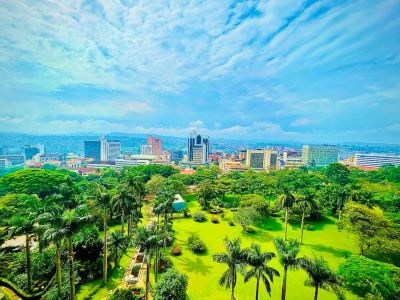
As the dust settles on Uganda’s 2026 general elections, the world watches to see what happens next in the Pearl of Africa. For travelers, travel agents, and adventure seekers, a critical question emerges: Does the rhythm of Uganda’s vibrant tourism industry falter after a political event? The answer, grounded in data, observable trends, and on-the-ground reality, is a powerful and reassuring no. In fact, Uganda’s tourism sector doesn’t just endure—it thrives, demonstrating a resilience and stability that is as remarkable as its famed mountain gorillas and thunderous waterfalls. This is not by accident but by design, built on a foundation of institutional strength, community commitment, and an unwavering national priority. Here is why Uganda remains one of the world’s most compelling, safe, and rewarding travel destinations in 2026 and beyond. The Foundation: A Nation Engineered for Tourism Stability To understand Uganda’s tourism resilience, one must look beyond the headlines to its structural foundations. 1. Institutional Fortitude: Uganda’s tourism is not a side project; it is a strategic economic pillar. Managed by the robust Uganda Tourism Board (UTB) and Uganda Wildlife Authority (UWA), the sector operates with long-term vision. The UTB’s 2025-2029 strategic blueprint, “Beyond the Ordinary,” was designed with foresight, anticipating all national cycles and focusing on sustainable growth, infrastructure, and global marketing—plans that continue unabated. 2. The Security Ecosystem for Tourists: Uganda has developed one of Africa’s most sophisticated tourist protection frameworks. The Tourist Police, a dedicated unit trained in hospitality and security, is a constant, visible presence in all key destinations—from the boulevards of Kampala to the trailheads of Bwindi. Their collaboration with lodge security, community guides, and tour operators creates a seamless safety net. This system operates independently of political seasons, providing year-round assurance. 3. Community as Stakeholders: This is Uganda’s masterstroke. Tourism revenue is intricately woven into the fabric of local economies. From the 20% of gorilla trekking permit fees shared with communities bordering Bwindi to the lodges employing hundreds locally, tourism is a vital livelihood. Communities have become active guardians of stability and the visitor experience, knowing that peace translates directly into prosperity. This creates a powerful, grassroots buffer against disruption. The Data Speaks: Post-Election Metrics That Confirm Continuity Let’s move from theory to empirical evidence. The data flowing in after the 2026 electoral period tells a clear story of confidence and continuity. Permit Performance: The most telling indicator. Gorilla and chimpanzee trekking permits, booked months and years in advance, saw a cancellation rate of less than 0.5% for the months following the elections (source: UWA preliminary data). When travelers invest $800 in a non-refundable permit, their commitment is a powerful vote of confidence. Forward Bookings Analysis: Major safari lodge chains and domestic tour operators report that inquiries and bookings for 2027 are pacing 18% ahead of the same period last year. International tour operators specializing in Africa have not altered their Ugandan itineraries, a silent testament to the destination’s perceived stability. Air Connectivity Growth: Entebbe International Airport (EBB) continues to see stable and growing international traffic. Airlines like KLM, Qatar Airways, and Ethiopian Airlines have maintained full schedules, with no operational advisories issued for the destination. Investment Influx: Contrary to what some might expect, Foreign Direct Investment (FDI) in hospitality and eco-tourism has continued steadily. The construction of new high-end, sustainable lodges in Murchison Falls and the Kidepo Valley has not paused, signaling deep, long-term investor faith. The 2026 Traveler’s Reality: Uninterrupted Splendor So, what does this stability mean for you, the traveler? It means the Uganda you dreamed of is not just open, but operating at its peak. 1. Seamless Logistics: The road networks to Murchison Falls, Queen Elizabeth, and Bwindi are in excellent condition. Domestic charter flights by Aerolink and Bar Aviation continue their reliable schedules, offering breathtaking aerial transfers between parks. The rhythm of the safari circuit is uninterrupted. 2. Enhanced Experiences: The post-election period often sees a serene atmosphere in the parks, with fewer crowds. It’s an ideal time for: Primate Treks: Enjoy more personalized encounters with mountain gorillas and chimpanzees in the lush forests. Wildlife Viewing: Witness the great migrations of elephants in Kidepo or the famous tree-climbing lions of Ishasha in Queen Elizabeth National Park under pristine conditions. Adventure Activities: White-water rafting on the Nile in Jinja, hiking the Rwenzoris, or cultural immersion in Karamoja all proceed with their legendary warmth and energy. 3. A Warm Welcome Awaits: Ugandans are proud of their country and deeply value visitors. You will be greeted not with uncertainty, but with the characteristic “You are most welcome!” that defines Ugandan hospitality. The smiles are genuine, the service is attentive, and the desire to share their country’s splendor is undimmed. Looking Ahead: The Future is Bright (and Wild) The trajectory of Ugandan tourism points firmly upward. The government’s focus is now squarely on consolidating gains and innovating. Key trends to watch include: Sustainability as Standard: A push beyond eco-lodges to full-circle conservation tourism, where your stay directly funds anti-poaching, forest restoration, and community schools. Digital Nomad Appeal: With improved nationwide internet and stunning landscapes, Uganda is positioning itself as a hub for the “work-from-wilderness” traveler. Experiential & Hyper-Local Travel: Demand for deeper cultural exchanges—learning to cook luwombo with a local family, tracking with Batwa guides, or participating in conservation research—is growing exponentially. Conclusion: The Heartbeat Never Skips Uganda’s tourism heartbeat is steady because it is powered by more than politics. It is powered by purpose—the purpose of conserving unparalleled natural heritage. It is powered by partnership—between government, private sector, and local communities. And it is powered by passion—the passion of a nation that knows its greatest gift to the world is its splendor. The 2026 elections were a moment in Uganda’s democratic journey. But the journey of the traveler—through misty forests, across vast savannahs, and along the Nile’s mighty course—is an eternal one. That journey continues, uninterrupted and as magnificent as ever. The stability is proven. The splendor is guaranteed. All that remains is for you to answer the call of the wild, and discover for yourself why Uganda’s tourism heart beats stronger than ever. Ready to experience the steady, splendid rhythm of Uganda? Contact Travel Giants Uganda today. As your expert, on-the-ground partner, we provide not just itineraries, but insight. We offer
Discovering Kidepo Valley National Park: Uganda’s Hidden Gem and Untamed Wilderness Sanctuary

Table of Contents Introduction: The Untouched Majesty of Kidepo Chapter 1: Geographic Isolation – The World’s Most Remote Safari Destination Chapter 2: A Unique Wildlife Haven – Mammals Found Nowhere Else in Uganda Chapter 3: Avian Paradise – Birdwatching in a Premier Destination Chapter 4: Dramatic Landscapes – From Savannah Plains to Mountaintops Chapter 5: Cultural Richness – The Ik and Karamojong Peoples Chapter 6: Conservation Challenges and Triumphs Chapter 7: Planning Your Kidepo Safari – A Practical Guide Chapter 8: Is Kidepo Worth the Journey? Weighing the Experience Conclusion: Answering the Call of the Wild What to Read Next & Essential Resources 1. Introduction: The Untouched Majesty of Kidepo Tucked away in Uganda’s rugged northeastern corner, Kidepo Valley National Park stands as a monument to raw, unspoiled Africa. While many travelers flock to the famous Bwindi Impenetrable Forest for gorillas or Queen Elizabeth National Park for tree-climbing lions, those in search of a truly remote and exclusive wilderness experience find their way to Kidepo. Covering 1,442 square kilometers in the Karamoja region, this park is not just another destination; it is an adventure that begins with the journey itself. Renowned publications like CNN Travel have hailed it as one of Africa’s most pristine national parks, a place where the savannah meets the sky in endless vistas, and wildlife roams with a majestic freedom rarely seen elsewhere. But what exactly makes this isolated park so special? This comprehensive guide uncovers the many treasures Kidepo is famous for, from its unique wildlife to its captivating cultures, helping you decide if this ultimate safari frontier deserves a spot on your travel bucket list. 2. Chapter 1: Geographic Isolation – The World’s Most Remote Safari Destination Kidepo’s fame begins with its profound sense of remoteness. Its location is a key part of its identity and appeal. Location & Borders: Situated approximately 700 kilometers northeast of Kampala, the park rests in the Karamojong region, bordering South Sudan to the north and Kenya to the east. This tri-border position places it in a vast, transboundary ecosystem. The Journey is Part of the Adventure: Reaching Kidepo is a commitment. The overland drive is a 10-12 hour expedition through changing landscapes, from lush greenery to the arid, golden plains of Karamoja. This journey deters casual tourism, ensuring that only the most determined travelers arrive, guaranteeing an uncrowded experience. A Sanctuary of Solitude: The park receives fewer than 5,000 visitors annually (compared to over 40,000 in some other Ugandan parks). This statistic translates to a stunning reality on the ground: you can often be the only vehicle at a lion sighting or have an entire valley panorama all to yourself. The silence is broken only by the sounds of nature. 3. Chapter 2: A Unique Wildlife Haven – Mammals Found Nowhere Else in Uganda Kidepo’s isolation has acted as a protective cocoon, preserving a mammalian community distinct from the rest of the country. It is a Big Four park (lacking rhino) with a twist, hosting species you simply cannot see anywhere else in Uganda. The Exclusive Icons: Cheetah: Kidepo is the only national park in Uganda where you can see the world’s fastest land animal. A sighting of this sleek, spotted predator streaking across the Narus Valley is a heart-stopping, bucket-list moment. Greater Kudu & Lesser Kudu: These magnificent spiral-horned antelopes are Kidepo’s signature grazers. The stately Greater Kudu, with its majestic corkscrew horns, is particularly sought-after by wildlife enthusiasts. The Powerful Residents: The Kidepo Lion: The park’s lions are renowned for their impressive black-maned males, a genetic trait that adds to their regal and formidable appearance. Prides are often seen resting on the iconic granite kopjes (rock outcrops). Large Herbivore Herds: Vast herds of buffalo (often numbering over 1,000), elephant, Jackson’s hartebeest, and Burchell’s zebra migrate across the plains, especially in the dry season when they concentrate around the Narus Valley’s permanent water sources. > What to Read Next: Love discovering unique wildlife? Learn about another of Uganda’s iconic predators in our blog: Queen Elizabeth National Park: Beyond the Famous Tree-Climbing Lions. 4. Chapter 3: Avian Paradise – Birdwatching in a Premier Destination With nearly 500 bird species recorded, including over 60 birds of prey, Kidepo is a world-class birding destination. Its mix of habitats, from dry thorn savannah to riverine forest and mountainous areas, creates niches for an incredible variety of birds. The Highlights: The Ostrich: The world’s largest bird struts confidently on the plains, a thrilling sight emblematic of Kidepo’s open landscapes. Birds of Prey: The skies are patrolled by an array of raptors, including the lammergeier (bearded vulture) in the mountainous zones, the pygmy falcon, and the massive lappet-faced vulture. Colorful Specials: Look for the brilliant Abyssinian roller, the purple grenadier, and the Karamojong apalis, a species with a very limited range. Seasonal Spectacle: The park is also on the migratory route for several Palaearctic bird species, enhancing its diversity at certain times of the year. 5. Chapter 4: Dramatic Landscapes – From Savannah Plains to Mountaintops Kidepo’s scenery is as much a star as its wildlife. The park’s beauty lies in its vast, open spaces and dramatic features. The Two Valleys: Narus Valley: The wildlife hub of the park. This valley has permanent water, making it a magnet for animals, especially during the dry season (December-February & June-September). Its rolling grasslands offer unparalleled game viewing. Kidepo Valley: Fed by the seasonal Kidepo River, this vast, flat plain is dominated by borassus palm trees and comes alive during the rains. It’s famous for the Kanangorok Hot Springs, a scenic spot at the foot of the mountains. Mountain Backdrop: The park is framed by the rugged Morungole Mountain Range, home to the Ik people, and the distant Lotukei Mountains along the Kenyan border, creating a stunning, mountainous skyline. 6. Chapter 5: Cultural Richness – The Ik and Karamojong Peoples A visit to Kidepo is incomplete without understanding the human cultures that have shaped this land for centuries. The park is a living cultural landscape. The Karamojong: These semi-nomadic pastoralists, cousins to Kenya’s Maasai, are the region’s dominant ethnic group. A visit to a traditional manyatta (homestead) is a profound experience. You can learn about their intricate social structure, deep connection to their cattle, vibrant dances, and skilled craftsmanship. The Ik People: Perhaps one of Africa’s most fascinating and least understood communities,
Queen Elizabeth National Park: Beyond the Famous Tree-Climbing Lions

Table of Contents Introduction: The Lions Are Just the Beginning Chapter 1: Understanding the Park – A Landscape Forged by Fire and Water Chapter 2: The Ishasha Lions – Science, Behavior, and Conservation Challenges Chapter 3: The Kazinga Channel – An Aquatic Spectacle of Epic Proportions Chapter 4: Kyambura Gorge – The “Lost World” of Primates Chapter 5: The Explosion Craters & Salt Lakes – A Geological Marvel Chapter 6: Birding Paradise – Over 600 Species of Avian Wonders Chapter 7: Nocturnal Wonders – The Park After Dark Chapter 8: Community and Conservation – The Human Dimension Chapter 9: Planning Your Ultimate Safari – Seasons, Sectors, and Stays Conclusion: Answering the Call of the Wild What to Read Next & Footnotes 1. Introduction: The Lions Are Just the Beginning When you think of Queen Elizabeth National Park (QENP), the mind immediately conjures the iconic image of the tree-climbing lions of Ishasha—muscular felines draped languidly over the broad branches of ancient fig trees, surveying their savannah kingdom from a unique vantage point. This rare behavior has rightfully made them the park’s most famous ambassadors, drawing travelers from across the globe. However, to fixate solely on this spectacle is to miss the profound depth of one of Africa’s most biodiverse and captivating protected areas. Spanning 1,978 square kilometers in western Uganda, where the vast East African Rift Valley meets the snow-capped Rwenzori Mountains, QENP is a masterpiece of ecological variety. It is a park of stunning contrasts, where explosion craters filled with deep blue lakes dot the landscape, a 32-kilometer channel teems with the highest concentration of hippos in Africa, and a sunken tropical rainforest hidden within a gorge reverberates with the calls of chimpanzees. Recognized as a UNESCO Biosphere Reserve, the park supports an astounding 95 mammal species and over 600 species of birds—a greater avian diversity than the entire continent of Europe. This comprehensive guide is your invitation to look beyond the branches. We will journey through the park’s varied ecosystems, explore its critical conservation stories, and provide you with the essential knowledge to craft a safari that touches the soul of this magnificent landscape. Whether you are a first-time visitor to Africa or a seasoned safari-goer, Queen Elizabeth National Park promises revelations at every turn. 2. Chapter 1: Understanding the Park – A Landscape Forged by Fire and Water Queen Elizabeth National Park’s breathtaking scenery is the direct result of monumental geological forces. The park lies squarely within the Albertine Rift, the western branch of the East African Rift Valley. This region is one of the most geologically active on Earth, where the continental plate is slowly tearing apart, creating dramatic landscapes. A Volcanic Legacy: Approximately 10,000 years ago, violent volcanic explosions rocked the region north of the Kazinga Channel. These eruptions left behind a surreal landscape of over 72 conical explosion craters, many now filled with serene, alkaline lakes. The Katwe Explosion Craters offer one of the park’s most scenic drives, with panoramic viewpoints that showcase this “lunar” terrain. Nearby, Lake Katwe has been a source of salt for local communities for over six centuries, with traditional extraction methods still in use today, offering a fascinating cultural insight. The Lifeblood of the Park: The park is framed by two of Africa’s Great Lakes: Lake Edward (Idi Amin) to the south and Lake George to the northeast. Connecting them is the Kazinga Channel, the park’s aquatic heart. This natural waterway is the engine of the ecosystem, attracting staggering concentrations of wildlife, especially in the dry seasons. The channel’s outflow is part of the semuliki river system, which eventually feeds into the mighty white Nile. What to Read Next: Curious about how this landscape connects to Uganda’s other wonders? Explore our guide on Experiencing the Mighty Murchison Falls, where the Nile explodes through a narrow gorge. 3. Chapter 2: The Ishasha Lions – Science, Behavior, and Conservation Challenges The Ishasha sector in the remote southern part of QENP is the renowned domain of the tree-climbing lions. Unlike their savannah-dwelling cousins, these lions regularly ascend the large sycomore fig trees (Ficus sycomorus). Why Climb? Several theories exist: Escape from Heat & Insects: The treetops offer cooler breezes and respite from ground-level heat and biting tsetse flies. Vantage Point: Elevated positions provide an excellent lookout for spotting prey like the abundant Uganda kob. Observation & Learning: Younger cubs may watch hunting techniques from above. A Population Under Threat: Despite their fame, these lions face significant challenges. The Ishasha lion population is isolated and relatively small. A devastating poisoning incident in 2018 highlighted the severe threat of human-wildlife conflict, primarily with pastoralists. Conservation organizations like the Uganda Wildlife Authority (UWA) and the African Wildlife Foundation are implementing critical programs involving community scouts, livestock insurance schemes, and predator-proof enclosures (bomas) to foster coexistence. Viewing Ethics: When on a game drive in Ishasha, always maintain a respectful distance and listen to your guide. Using a quiet vehicle and not rushing the animals is key to responsible viewing. The best viewing times are often in the late morning or early afternoon when the lions are most likely to be resting in the trees. 4. Chapter 3: The Kazinga Channel – An Aquatic Spectacle of Epic Proportions No visit to QENP is complete without a boat cruise on the Kazinga Channel. This two-hour journey offers arguably the most prolific and relaxed wildlife viewing in East Africa. A Concentration of Life: The channel is home to one of the world’s largest populations of hippopotami (Hippopotamus amphibius), with estimates exceeding 5,000 individuals. You will also see massive Nile crocodiles (Crocodylus niloticus) basking on the banks, often exceeding 5 meters in length. Herds of elephant and buffalo come to the water’s edge to drink and bathe, while antelope like waterbuck and defassa waterbuck graze nearby. Birdwatcher’s Nirvana: The channel is a magnet for waterbirds. Key sightings include the majestic African fish eagle, the peculiar shoebill stork (a rare but possible sighting in the adjacent wetlands), flocks of pink-backed pelicans, and the brilliantly colored malachite kingfisher. The Mweya Peninsula, where most launches depart, is an excellent birding spot in its own right. The Cruise Experience: Launches typically depart from the Mweya Jetty twice daily. The afternoon cruise (3:00 PM – 5:00 PM) is particularly magical, with beautiful golden light. A knowledgeable guide from the Uganda Wildlife Authority will provide commentary, pointing out species and explaining ecological relationships. 5. Chapter 4: Kyambura Gorge – The “Lost World” of Primates Descending into Kyambura Gorge feels like entering another world. This
