
Birding in Uganda: The Ultimate 2024 Guide to Africa’s Premier Birdwatching Paradise
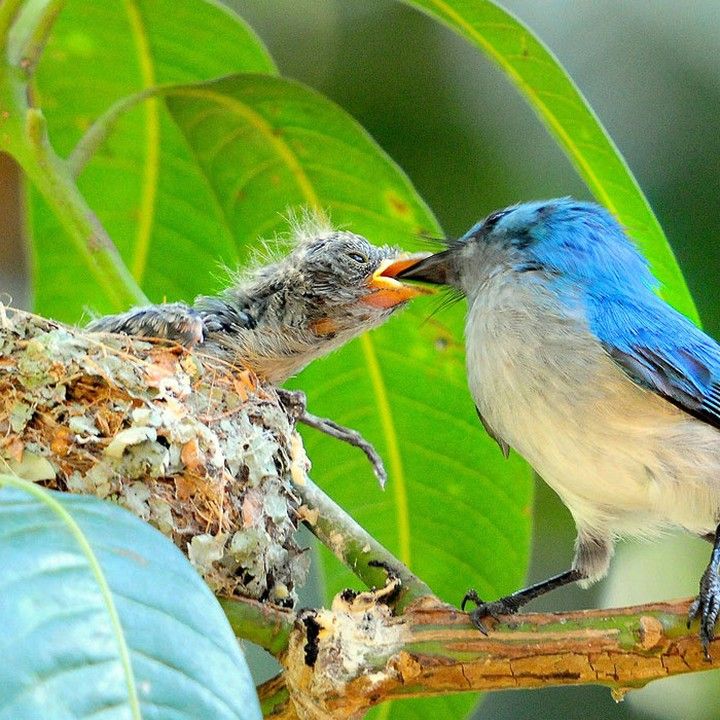
With over 1,090 recorded bird species—more than half of Africa’s total avifauna packed into a country the size of Great Britain—Uganda is not just a birding destination; it is the continent’s concentrated, breathtakingly diverse avian epicenter. From the prehistoric shoebill stork in papyrus swamps to technicolor sunbirds in misty montane forests, this guide unlocks why serious birders and curious nature lovers alike crown Uganda the undisputed “Birding Pearl of Africa.” Imagine ticking off 50 new species before breakfast, or standing in a rainforest where 23 birds exist nowhere else on Earth. This is the daily reality of birding in Uganda. The country’s unique position astride the equator, combined with its staggering range of altitudes and ecosystems—from the snow-capped Rwenzoris to the arid plains of Karamoja—creates a mosaic of habitats that support an almost unrivaled density of birdlife. For 2026, birding tourism in Uganda is undergoing a quiet revolution, with specialized guides, ethical practices, and digital tools enhancing the pursuit. This definitive guide provides the facts, hotspots, seasonal strategies, and cultural insights to transform your birding trip from a checklist into a profound exploration of life itself. Uganda: The Avian Superpower by the Numbers Total Species: 1,090+ and counting. This represents approximately 50% of Africa’s bird species and 11% of the world’s, in a country covering just 0.02% of the Earth’s land surface. Endemics: 23 Albertine Rift Endemics (birds restricted to the mountainous western rift valley region shared with Rwanda and DRC). Key targets include the African Green Broadbill, Shelley’s Crimsonwing, and Rwenzori Turaco. Global Rarity: Hosts 12 of Uganda’s species on the IUCN Red List of Threatened Species, including the Endangered Grey Crowned-Crane (national bird) and Vulnerable Shoebill. Habitat Diversity: Birding occurs across 10 National Parks, numerous forest reserves, wetlands, and savannas, each with a distinct avian community. 2026 Trend Insight: Data from the Uganda Bird Guides Club and tour operator bookings show a 40% year-on-year increase in dedicated “Birding Safari” inquiries. Furthermore, there’s a significant rise in “Photographic Birding Tours,” where clients prioritize camera setups over mere binocular sightings, and a growing demand for citizen science participation, where birders contribute sightings to platforms like eBird Uganda. Chapter 1: The “Must-See” List: Uganda’s Avian Royalty 1. The Shoebill Stork (Balaeniceps rex): The Prehistoric Prize Status: The most sought-after bird in Africa. A solitary, dinosaur-like inhabitant of vast papyrus swamps. Prime Locations & Success Rates: Mabamba Bay Wetland (Lake Victoria): ~85% sighting rate on guided canoe trips. The most accessible and reliable site. Murchison Falls NP (Nile Delta & Lake Albert marshes): ~90% sighting rate on the morning boat safari. A more scenic, wilderness-focused search. Ziwa Rhino Sanctuary (Lugogo Swamp): Excellent secondary option, often combined with rhino tracking. Best Time: Year-round, but early morning is critical. 2. The Albertine Rift Endemics: The Mountain Jewels Concentrated in the southwestern montane forests. Key targets include: African Green Broadbill (Pseudocalyptomena graueri): The “holy grail.” A vibrant green, short-tailed bird found only in Bwindi and Itombwe (DRC). Requires specialist guiding in Ruhija sector, Bwindi. Rwenzori Turaco (Ruwenzorornis johnstoni): A stunning purple and green turaco of the Rwenzori Mountains. Shelley’s Crimsonwing (Cryptospiza shelleyi): A rare, beautiful finch of dense bamboo in Bwindi and Mgahinga. 3. The Great Blue Turaco (Corythaeola cristata) Uganda’s most visually spectacular common bird. A large, raucous, blue and yellow bird seen in forest canopies nationwide, especially in Kibale Forest and botanical gardens. 4. The Grey Crowned-Crane (Balearica regulorum) Uganda’s elegant national bird, symbolizing grace. Seen in wetlands and savannas, most reliably in Lake Mburo NP and Queen Elizabeth NP’s Kasenyi plains. Chapter 2: The Top Birding Destinations: A Habitat-by-Habitat Guide 1. Bwindi Impenetrable Forest National Park (For Endemics) Species Count: 350+, including 23 Albertine Rift endemics. Key Zones: Ruhija Sector (Mubwindi Swamp for Broadbill, Grauer’s Warbler), Buhoma Sector (trail network). Specialty: High-altitude forest birding. Requires stamina and a expert local guide. 2. Kibale Forest National Park (For Primate & Bird Combos) Species Count: 375+. Key Zones: Forest interior trails, Bigodi Wetland Sanctuary (community-run, excellent for Papyrus Gonolek, Blue-headed Coucal). Specialty: The best place to combine chimpanzee trekking with world-class forest birding. High density and variety. 3. Queen Elizabeth National Park (For Variety & Raptors) Species Count: 600+ (Uganda’s highest). Key Zones: Mweya Peninsula & Kazinga Channel (waterbirds, raptors), Ishasha Sector (savanna species), Maramagambo Forest (lowland forest birds). Specialty: Raptor watching is exceptional (Martial Eagle, African Fish Eagle, various vultures). The boat cruise offers unbeatable photographic opportunities. 4. Murchison Falls National Park (For the Shoebill & Savanna Birds) Species Count: 450+. Key Zones: Nile Delta Boat Safari (Shoebill, Red-throated Bee-eater, Rock Pratincole), Budongo Forest (Royal Mile for canopy birds like Puvel’s Illadopsis). Specialty: The “Shoebill by Boat” experience is unparalleled. Budongo is a classic central African rainforest birding site. 5. Lake Mburo National Park (For Acacia Specials & Ease) Species Count: 350+. Key Zones: Acacia woodland, lakeshore. Specialty: Acacia-associated birds like the Red-faced Barbet, Lilac-breasted Roller, and Coqui Francolin. Excellent for beginners and photographers due to open terrain. 6. Kidepo Valley National Park & Karamoja (For Arid Specials) Species Count: 475+. Key Zones: Narus Valley, Kidepo River. Specialty: Arid-zone birds not found elsewhere in Uganda: Karamojong Apalis (endemic), Karamoja Apalis, Clapperton’s Francolin, and massive concentrations of raptors. Chapter 3: The 2024 Birding Safari Blueprint – Seasons, Guides & Gear Best Time for Birding in Uganda: Prime Time (Dry Seasons): December to February & June to August. Migratory Palearctic species are present (like warblers and raptors), and access to parks is easiest. Birds are concentrated around water. Green Season (Shoulder/Secret Season): March to May & October to November. Best for resident species and photography. Forests are lush, birds are in breeding plumage and highly vocal, and there are fewer tourists. Some roads may be challenging. The Non-Negotiable: Hiring a Specialist Bird Guide Why: A Uganda Bird Guides Club (UBGC) certified guide is essential. They know exact call sites, behaviors, and can identify species by song. They increase your success rate exponentially. Cost: $150-$300 per day, depending on expertise. This is the single best investment for your trip. Essential Gear for 2024: Optics: 10×42 binoculars (minimum). A spotting scope is highly recommended for wetland and savanna birding. Camera Gear: A DSLR or mirrorless camera with a 400mm lens (minimum). A 100-400mm or 150-600mm zoom is ideal. Field Guide: Birds of East Africa by Terry Stevenson & John Fanshawe (paperback or app). Digital Tools: eBird app for logging sightings and checking hotspots. Merlin Bird ID for sound identification. Ethical Birding Practices: Minimize Playback: Use sparingly and under guide’s supervision to avoid stressing birds or disrupting breeding. Respect Habitat: Stay on trails, do not trample vegetation
Uganda Wildlife Authority (UWA): The Guardian of the Pearl – Your Guide to Conservation, Tourism, and Legacy

Behind every unforgettable safari moment in Uganda—the gorilla’s gentle gaze, the lion’s roar at dusk, the thunder of Murchison Falls—stands a dedicated force of protectors. The Uganda Wildlife Authority (UWA) is the statutory body that not only manages these national treasures but is the very reason they exist for us to experience today. This definitive guide unveils the critical work of UWA, explaining how your tourism dollars fuel conservation, how to navigate its permitting systems, and why understanding UWA is key to a responsible and seamless Ugandan adventure. When you purchase a gorilla trekking permit, drive through a national park gate, or admire a rhinoceros at Ziwa, you are interacting with the extensive, intricate network of the Uganda Wildlife Authority. Established in 1996, UWA is the backbone of Uganda’s conservation and tourism success story. It is a story of transforming war-torn parks into thriving ecological and economic assets. For the informed traveler, understanding UWA is not bureaucratic detail; it is the key to appreciating the depth, complexity, and sustainability of the wildlife experiences you will encounter. This article delves into UWA’s structure, its monumental achievements, the data behind its operations, and practical advice for every traveler. Uganda Wildlife Authority (UWA): The Foundation Establishment & Mandate: Created by an Act of Parliament in 1996, merging the Uganda National Parks and the Game Department. Its mandate is to conserve, economically develop, and sustainably manage Uganda’s wildlife inside and outside protected areas for the benefit of the people of Uganda and the global community. Governance: A semi-autonomous agency under the Ministry of Tourism, Wildlife and Antiquities (MTWA). Jurisdiction: Manages 10 National Parks, 12 Wildlife Reserves, and 5 Community Wildlife Areas—a total of over 15,000 square kilometers of protected land, approximately 8% of Uganda’s total land area. The On-Ground Force: Employs over 3,000 staff, including 1,500 highly trained rangers, wildlife veterinarians, researchers, tourism officers, and community conservation specialists. 2026 Strategic Insight: UWA’s current 5-year plan emphasizes “Conservation for Development.” This means aggressively leveraging tourism revenue not just to protect parks, but to fund large-scale landscape connectivity projects, climate change resilience programs, and digital transformation of tourist services. Your visit is an investment in this forward-thinking vision. Chapter 1: The Pillars of UWA’s Work – How the System Functions 1. Protection & Law Enforcement: The Rangers’ Sacrifice The Frontline: UWA rangers undertake one of the world’s most dangerous conservation jobs. They conduct armed patrols, de-snaring operations, and intelligence-led anti-poaching missions. Technology & Innovation: Using SMART (Spatial Monitoring and Reporting Tool) conservation software, aerial surveillance, and canine units to outpace poachers. The Human Cost: Over 180 rangers have been killed in the line of duty since UWA’s inception. Their memorial at the Queen Elizabeth National Park headquarters is a sobering reminder of the price of conservation. Result: Zero rhino poaching at Ziwa since 2005. Zero elephant poaching in major parks like Murchison for over 5 years. A direct result of this unwavering protection. 2. Wildlife Health & Research: The Science of Survival The Gorilla Doctors: A partnership where UWA facilitates the work of the Mountain Gorilla Veterinary Project, providing life-saving healthcare to habituated gorillas. Epidemiological Surveillance: Monitoring diseases in wildlife populations, crucial for preventing cross-species transmission (like between livestock and buffalo). Population Census: Conducting regular aerial and ground surveys (e.g., the 2018 Bwindi-Sarambwe gorilla census) to track trends and guide management. 3. Community Conservation: The Human-Wildlife Bridge Revenue Sharing: UWA returns 20% of park entry fees to communities bordering protected areas. This has funded hundreds of schools, health clinics, and water projects, transforming local attitudes. Human-Wildlife Conflict (HWC) Mitigation: Deploys innovative solutions: beehive fences to deter elephants, predator-proof livestock enclosures, and rapid-response teams to manage conflict incidents. Collaborative Resource Management: Enabling communities to legally access certain park resources (like medicinal plants and grass for thatch) under agreed-upon plans. 4. Tourism Development & Management: Curating Your Experience Infrastructure: Maintains park roads, trekking trails, ranger posts, and visitor centers. Guide Standards: Licenses and regularly trains all safari guides, ensuring quality and safety. Permit System: Manages the centralized booking and allocation system for gorilla permits, chimp permits, and all other park activity licenses. Chapter 2: By the Numbers – UWA’s Impact in Data Tourism Growth: Annual tourist visits to UWA-managed areas have grown from 15,000 in 1996 to over 300,000 in 2026. Revenue Generation: UWA’s gross revenue has surpassed UGX 200 Billion (approx. $53 million USD) annually, over 90% of which is self-generated from tourism. Species Recovery: Mountain Gorillas: Population increased from ~300 in the 1990s to over 459 in Bwindi & Mgahinga (2018 census). Rothschild’s Giraffe: From near extinction in Uganda to over 1,800 in Murchison Falls and successfully translocated to Lake Mburo. Elephants: Populations in major parks like Queen Elizabeth and Murchison have stabilized and are growing after the poaching crises of the 70s/80s. Community Investment: Since inception, the Revenue Sharing Program has disbursed over UGX 50 Billion (~$13 million USD) to community projects. 2026 Analytics Trend: UWA’s digital transformation is a key focus. The rollout of a unified online payment and permit portal aims to increase transparency, reduce fraud, and provide real-time data on visitor distribution, helping to manage overtourism pressures in sensitive areas like Bwindi. Chapter 3: For the Traveler – Your Practical Guide to Engaging with UWA Your entire safari is facilitated by UWA. Here’s how to navigate it smoothly. A. The Permit Ecosystem: What You Book Through UWA Gorilla Trekking Permits: The crown jewel. $800 for foreign non-residents. Booked exclusively through a licensed tour operator who interfaces with UWA’s system. Demand Timeline: 6-12 months advance booking. Chimpanzee Trekking Permits: Vary by park. Kibale: $250, Kyambura: $80, Budongo: $120. National Park Entry Tickets: Daily fees (e.g., QENP: $50, Murchison: $50). Paid at the gate or often pre-arranged by your tour operator. Activity Permits: For night drives, guided walks, boat cruises within parks. Your operator will handle these. B. The “Must-Know” Rules & Regulations Code of Conduct in Parks: Speed limits, staying on tracks, no off-roading, no littering, no feeding animals. Code of Conduct for Primate Trekking: 7-meter distance from gorillas/chimps, no flash photography, no trekking if ill, max 1 hour with gorillas. Drone Policy: Strictly prohibited in all national parks without a special (and rarely granted) permit from UWA headquarters. C. How Your Money is Used: The Value of Your Permit A breakdown of where a $800 Gorilla Permit goes: ~70%: Direct park management (Ranger salaries, patrols, trail maintenance). ~20%: Revenue Sharing with local communities. ~10%: UWA central administration and national conservation initiatives. This is the
Uganda Wildlife Education Centre (UWEC): The Heart of Conservation, Education, and Rescue in Uganda

In the heart of Entebbe, on the tranquil shores of Lake Victoria, lies a living classroom dedicated to Uganda’s most precious natural heritage. The Uganda Wildlife Education Centre (UWEC) is far more than a traditional zoo; it is a dynamic ark for rescued wildlife, a hub for national conservation breeding programs, and a vital bridge connecting the people of Uganda to the majestic animals that define their nation’s identity. When you step into the Uganda Wildlife Education Centre, you embark on a journey that begins with awe and ends with understanding. Established in 1952 as an animal orphanage, UWEC has evolved into a world-class conservation, education, and recreation facility. It serves as the critical first and last touchpoint for millions of travelers to Uganda, offering a concentrated, ethical, and educational encounter with the country’s iconic species. This guide delves into UWEC’s multifaceted mission, its key role in saving endangered wildlife, and why it is an essential, responsible inclusion on every visitor’s itinerary. Uganda Wildlife Education Centre (UWEC): Foundational Facts and Evolution Location & Setting: Situated on 72 acres of botanical gardens and natural forest in Entebbe, just 5 kilometers from Entebbe International Airport and 40 km from Kampala. Origins: Founded in 1952 by the colonial government as a reception center for wild animals confiscated from smugglers and traffickers. Modern Mandate: A parastatal organization under the Ministry of Tourism, Wildlife and Antiquities with a tripartite mission: Conservation, Education, and Recreation. Key Distinction: NOT a zoo in the traditional sense. The vast majority of its 300+ animal residents are rescues, orphans, or confiscations that cannot be released back into the wild. It is a sanctuary and a hospital. Accreditations: A member of the World Association of Zoos and Aquariums (WAZA) and the Pan African Association of Zoos and Aquaria (PAAZA), adhering to the highest global standards of animal welfare and conservation. 2025 Trend & Visitor Insight: Post-pandemic, UWEC has seen a 70% increase in international visitor footfall, largely from travelers on extended layovers or those adding a “soft landing” safari day upon arrival. Furthermore, there is a growing demand for “Behind-the-Scenes” and “Keeper for a Day” experiences, indicating a shift from passive viewing to active conservation education. Chapter 1: The Living Collection – Meet Uganda’s Ambassadors UWEC provides a chance to see, learn about, and fall in love with Uganda’s wildlife in a controlled, accessible environment. The exhibits are designed to mimic natural habitats. The Primate Kingdom: Chimpanzees: Home to a thriving troop of rescued chimps. The “Chimpanzee Close-Up” experience is a highlight, offering insight into their complex social structures and the threats they face. Monkeys & Baboons: Vervet monkeys, black-and-white colobus, and olive baboons, many rescued from the pet trade. The Big Cat Sanctuary: Lions: Majestic representatives, often victims of human-wildlife conflict or rescued from poor conditions. Leopards & Serval Cats: Showcasing Uganda’s lesser-seen but equally important feline predators. The Iconic Herbivores: Rothschild’s Giraffes: Part of a crucial regional breeding program to bolster wild populations. White Rhinoceros: While not native to Uganda, they serve as powerful ambassadors for global rhino conservation efforts. Elephants: Rescued orphans that now form a bonded family unit, representing the plight of Uganda’s elephants. Uganda Kob, Eland, Waterbuck, and Warthogs: Foundational species of the savanna ecosystem. Reptiles, Birds, and Aquatic Life: Reptile House: Home to Nile crocodiles, African rock pythons, and venomous snakes, demystifying these often-feared creatures. Avian Aviaries: A stunning collection of Ugandan birds, including the great blue turaco, crowned crane (the national bird), and several eagle and vulture species. Aquarium: Features the unique cichlid fish of Lake Victoria and other aquatic life from Uganda’s rivers and lakes. Chapter 2: The Critical Work – Conservation in Action This is where UWEC’s true purpose shines. It is a hive of activity dedicated to preserving Uganda’s wildlife future. 1. Wildlife Rescue, Rehabilitation, and Release The Front Line: UWEC is the official national wildlife rescue centre. It works with the Uganda Wildlife Authority (UWA) to receive animals confiscated from illegal trade, injured by snares, or orphaned. The Process: Animals undergo quarantine, veterinary treatment, and rehabilitation. Those deemed fit are released into protected national parks. Between 2020-2023, UWEC successfully rehabilitated and released over 150 animals back into the wild, including birds of prey, primates, and small carnivores. The Permanent Residents: Animals with permanent physical or psychological trauma are provided lifelong care in spacious, enriched enclosures. 2. Endangered Species Breeding Programs (ESBs) UWEC manages scientifically monitored breeding programs for critically endangered Ugandan species, including: Rothschild’s Giraffe Nubian Giraffe Shoebill Stork (A monumental achievement in avian conservation) African Grey Parrot Chimpanzee The goal is to maintain genetically healthy assurance populations and provide individuals for reintroduction projects. 3. Conservation Education & Public Outreach School Programs: Over 50,000 Ugandan school children visit annually for curated educational tours, fostering a new generation of conservationists. Community Outreach: UWEC staff travel to communities bordering national parks to teach sustainable practices and human-wildlife conflict mitigation. The “Conservation Education Centre”: A state-of-the-art facility with interactive displays and a lecture hall for workshops and film screenings. Chapter 3: The Visitor Experience – Plan Your 2025 Visit Must-Do Activities & Encounters: Guided Walk: A 2-3 hour guided tour is highly recommended. Knowledgeable guides share the powerful backstory of each animal, transforming a simple viewing into a meaningful lesson. Behind-the-Scenes Tours: “Keeper for a Half Day” programs allow you to prepare food, clean enclosures, and learn about animal behavior and care directly from the experts. Chimp Close-Up & Giraffe Feeding: Scheduled feeding and enrichment sessions offer fantastic photo opportunities and insights into animal diets. Boat Ride on Lake Victoria: A relaxing addition, offering a chance to see aquatic birds and enjoy the lakeside setting. Visitor Information (2024): Opening Hours: 9:00 AM – 6:00 PM, 365 days a year. Entrance Fees (Approximate): Foreign Non-Resident Adult: $20 USD Foreign Resident Adult: 15,000 UGX East African Citizen: 10,000 UGX Guided Tour: $10-15 per group (highly valuable). Location Advantage: Perfect for layovers or first/last day itineraries. Easily combined with the Entebbe Botanical Gardens or a shoreline lunch. Ethical Tourism Note: UWEC is a model of ethical captive wildlife tourism. Your entrance fee is not for entertainment; it is a direct donation that funds: 30+ tonnes of animal food per month. Veterinary supplies and salaries for wildlife vets. The rescue and rehabilitation of the next orphaned chimpanzee or snared eagle. Chapter 4: UWEC by the Numbers – Impact Analytics Annual Visitors: Over 200,000 (pre-pandemic peak). Animal Rescues (Annual Average): 50-70 animals received into
