
Grade 5 Rafting vs. Family Float Trips: Best Jinja Adventure for YOU (2026)
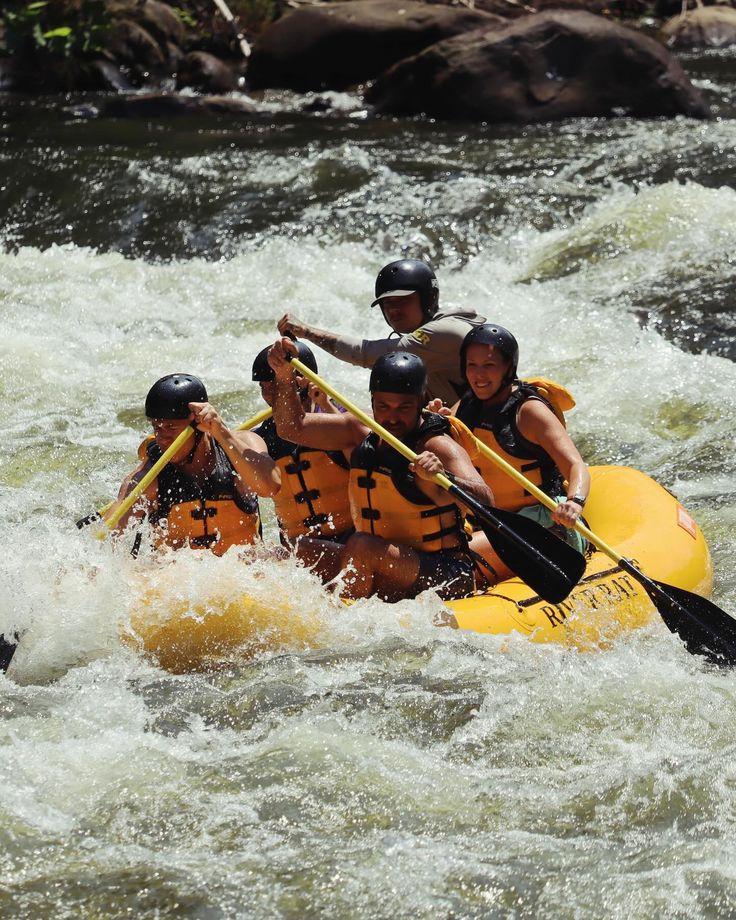
Written by Charles Lubega, Senior Safari Guide, Travel Giants Uganda *15+ years experience | Hundreds of rafting trips arranged | IATA-certified* The Explicit Answer: Which Rafting Trip Is Right for You? The right rafting trip for you depends on your age, fitness, and how much adrenaline you want. Grade 5 Rafting is for thrill-seekers, adventure travelers, and anyone who wants to conquer the legendary ‘Nile Special’ – massive waves, high chance of falling out, intense adrenaline. Minimum age 15-16. Family Float is for families with young children, nervous first-timers, seniors, and anyone who wants a gentle scenic float with small splashes. Minimum age 5+. There’s also a Half Day Grade 3 option for families with teens or cautious adults who want some excitement without terror. This guide helps you choose based on YOUR comfort level. The Quick Verdict Trip Type Grades Min Age Adrenaline Fear Factor Physical Demand Best For Full Day Grade 5 2-5 15-16 ⭐⭐⭐⭐⭐ ⭐⭐⭐⭐ (the Nile Special is scary) ⭐⭐⭐⭐ (paddling, swimming) Thrill-seekers, adventure travelers, most healthy adults Half Day Grade 3 2-3 12-14 ⭐⭐⭐ ⭐⭐ (exciting but not terrifying) ⭐⭐⭐ (paddling) Families with teens, cautious adults Family Float 1-2 5+ ⭐ (gentle) ⭐ (not scary at all) ⭐ (minimal) Families with young children, seniors, nervous first-timers The Deeper Truth After 15 years of sending clients rafting on the Nile, I’ve seen everything: 70-year-old grandmothers who conquered the Nile Special and 20-year-old adrenaline junkies who panicked on the family float. There’s no “best” trip – only the right trip for YOU. This guide helps you choose honestly, without ego or embarrassment. *As an IATA-certified tour operator with 15+ years of experience, Travel Giants Uganda has sent hundreds of clients rafting on the Nile. We’ve seen every type of rafter – and we know which trip fits which personality.* The Three Nile Rafting Options at a Glance Gist-first: Three trips. Three completely different experiences. Here’s what you need to know. Quick Comparison Table Factor Full Day Grade 5 Half Day Grade 3 Family Float Duration 6-7 hours 3-4 hours 2-3 hours Rapids 8-10 (2-3 are Grade 5) 4-5 (all Grade 2-3) 2-3 (Grade 1-2) Nile Special? ✅ YES (the famous one) ❌ No ❌ No Swimming required? Yes (you WILL fall in) Maybe (possible) No (unlikely) Wave height Up to 10-15 feet 3-6 feet 1-2 feet Flip chance 50-70% (you will flip or fall out) 10-20% 0% Scare factor “Terrifying but amazing” “Exciting but fun” “Relaxing and scenic” Minimum age 15-16 12-14 5+ Cost $120-150 $80-100 $50-80 The Honest Truth at a Glance If you want… Choose… To conquer fear Grade 5 To brag to your friends Grade 5 To experience the legendary Nile Special Grade 5 A fun family activity with teens Half Day Grade 3 To get wet and excited but not terrified Half Day Grade 3 A gentle introduction to the Nile Family Float To take your 8-year-old rafting Family Float To see monkeys, birds, and scenery Family Float Zero chance of flipping Family Float [IMAGE: Split image – Grade 5 raft in massive wave (left) vs. family float on calm water (right). Caption: “Same river, completely different experiences.”] Full Day Grade 5 Rafting – The Thrill-Seeker’s Dream Gist-first: This is the one you’ve seen on YouTube. Massive waves. People screaming. The legendary Nile Special. For adrenaline junkies only. Full Day Grade 5 – Complete Breakdown Detail Information Duration 6-7 hours (including lunch break) Distance ~25km (15 miles) Rapids The Warm Up (2-3), The Bad Place (3-4), Nile Special (5) , Club Med (3-4), The Gauntlet (3-4), Total Garbage (3), plus more Wave height 10-15 feet on the Nile Special Flip probability 50-70% – you WILL flip or fall out at least once Swimming You will be in the water – multiple times Adrenaline level Extremely high Fear factor Genuinely scary (but safe) Who This Trip Is For Type Verdict Adventure travelers ✅ YES – perfect Thrill-seekers ✅ YES – this is why you came Backpackers ✅ YES – most popular option Healthy adults (18-50) ✅ YES – ideal Couples looking for adventure ✅ YES – unforgettable shared experience Solo travelers ✅ YES – you’ll make friends in the raft Experienced rafters ✅ YES – the Nile Special is world-class Nervous first-timers ⚠️ Maybe – only if you’re ready to be scared Anyone afraid of water ❌ No – choose Family Float Non-swimmers ❌ No – you will fall in What You’ll Experience Moment What Happens How You’ll Feel The safety briefing 20 minutes of instructions “I’m nervous but excited” The practice session Paddling, flipping, swimming in calm water “Okay, I can do this” First rapid (The Warm Up) Fun splashes, nothing scary “This is awesome!” The Bad Place Bigger waves, people fall out “Okay, this is real” Calm stretch Floating, catching breath “That was intense” THE NILE SPECIAL Guide shouts “PADDLE HARD!” – massive wave, washing machine, mayhem “I’M GOING TO DIE” (you won’t) After the Nile Special Laughter, high-fives, adrenaline crash “THAT WAS THE BEST THING EVER” Lunch break Hot meal on a sandy beach “I’m starving” Club Med Fun, bouncy rapid – celebration “We survived!” Final stretch Smaller rapids, tired but happy “I can’t believe we did that” The Nile Special – What Actually Happens Second Event 0 Guide shouts “NILE SPECIAL! PADDLE HARD!” 1-3 You paddle furiously toward the wave 4 The raft drops into the trough – stomach drops 5 The wave hits – water everywhere, can’t see, can’t breathe for 2 seconds 6-10 The “washing machine” – you’re being spun, flipped, thrown 11-15 Pop out of the wave – assess: who’s still in the raft? 16-20 Laughter, screams, “I’M ALIVE!” 30 Safety kayakers collect swimmers Physical Demands Activity Intensity Duration Paddling through rapids High (sprint effort) 15-30 seconds per rapid Paddling between rapids Low (resting) 5-15 minutes Swimming after falling out Moderate 30-60 seconds Climbing back into raft High (upper body) 10-30 seconds Overall fatigue High – you’ll be tired and sore the next day 6 hours Insider tip: “The Nile Special
Rwenzori Mountains: 6 Climbing Routes Compared for Summit Success Rates, Scenery Variety, and Technical Difficulty
Mountain Hiking in Uganda: 10 Trails for Every Fitness Level From Day Hikes to Multi-Day Expeditions
Kayaking the Nile: A Complete Guide to Jinja’s Rapids, Equipment Rental, and Certification Courses for Beginners
Mountain Biking in Uganda: 7 Trails Through Villages, Tea Plantations, and Wildlife Reserves (With Guided Tour Options)
Quad Biking in Jinja: 3 Routes Compared for Scenery, Difficulty, and Village Visit Opportunities
Stand-Up Paddleboarding the Nile: Where to Go, Equipment Rental, and Why Jinja Is East Africa’s SUP Capital
Horseback Safaris in Uganda: 4 Locations Where You Can Ride Among Zebras, Giraffes, and Antelope
Hot Air Balloon Safaris In Africa. Where To Have The Best Affordable Offers And Great Balloon Experiences (With 2026 Pricing)
Rwenzori Mountains: The 7-Day Trekking Itinerary That Balances Summit Success Rates With Acclimatization Safety
By Lubega Charles | Senior Mountain Guide, Travel Giants Uganda 6+ Years in the Rwenzori | 50+ Summits of Margherita Peak | Altitude Medicine Certified* The Explicit Answer: What You’ll Learn in This Guide The Rwenzori don’t give themselves up easily. They hide their peaks in cloud, challenge your lungs with altitude, and test your resolve with mud that seems to have no bottom. After 10 years and 50+ summits of Margherita Peak, I’ve learned that success isn’t about toughness—it’s about rhythm. The rhythm of ascent, rest, acclimatization. This 7-day itinerary is that rhythm perfected. This guide delivers a complete 7-day itinerary designed to balance two competing goals: getting you to the summit (5,109m) and bringing you back safely. Every day is structured around proven acclimatization principles, with built-in flexibility for weather and individual fitness. You’ll also learn the science behind the schedule, why other itineraries fail, and exactly how to prepare. Quick Overview Element Details The Route Central Circuit Trail via Kilembe or Nyakalengija Daily Breakdown Elevation gains, trekking times, camps, acclimatization stops The Science Why this itinerary optimizes summit success (70%+ vs. 50% on faster routes) Essential Prep Fitness, gear, permits, guides The deeper truth: The mountain decides who summits. But you can tilt the odds in your favor. This itinerary is how. I’ve treated more cases of altitude sickness than I can count. I’ve watched trekkers cry at the summit and cry harder when they had to turn back. I’ve made every mistake a trekker can make, so you don’t have to. Let me guide you to the summit—safely. Why the Rwenzori Are Different – What Makes This Trek Unique *Gist: Kilimanjaro is a walk-up. The Rwenzori are an expedition. Here’s what makes them different—and why a 7-day itinerary matters.* The Six Vegetation Zones In 7 days, you’ll pass through six distinct climate zones—from equatorial rainforest to arctic ice. Each zone demands different clothing, different pacing, different respect. Zone Altitude Characteristics Montane Forest 1,800-2,500m Mud, humidity, monkeys Bamboo Zone 2,500-3,000m Steep, dense, misty Heather Zone 3,000-3,500m Giant heather, surreal landscapes Afro-Alpine 3,500-4,200m Lobelias, groundsel, otherworldly Alpine Desert 4,200-4,500m Sparse vegetation, harsh sun Arctic 4,500-5,109m Ice, snow, summit glaciers [IMAGE PLACEMENT 2: Photo of giant lobelia and groundsel in afro-alpine zone, trekkers visible for scale. Caption: “The otherworldly afro-alpine zone—giant lobelias and groundsel that grow nowhere else on earth.”] The Weather Factor The Rwenzori are wet. Expect rain, mud, and cloud cover. This isn’t a dry Kilimanjaro trek—it’s a true mountain experience. Proper gear isn’t optional. The Altitude Challenge Margherita Peak is 5,109m—higher than Mont Blanc, lower than Kilimanjaro. But the combination of altitude and difficult terrain makes acclimatization critical. Rush it, and you’ll turn back. The Honest Truth: The Rwenzori are not a “bucket list checkbox” mountain. They’re a wilderness experience that demands respect, preparation, and time. The Science of Acclimatization – Why 7 Days Works Gist: Most trekking itineraries fail because they prioritize speed over safety. Here’s the science behind why 7 days is the sweet spot. The Acclimatization Principle Your body needs time to produce more red blood cells, increase lung efficiency, and adapt to lower oxygen. The standard recommendation: don’t ascend more than 300-500m per day above 3,000m, and include rest days. This 7-day itinerary follows that rule precisely. Climb High, Sleep Low On critical days, we’ll do acclimatization hikes—climbing to a higher altitude, then descending to sleep. This triggers adaptation while letting your body recover at lower elevation. Summit Success Rates Itinerary Length Success Rate (Margherita) 5-6 days ~40-50% 7 days ~70-75% 8-9 days ~80% (but diminishing returns) The Honest Truth: 7 days gives you the best balance: high success rate without extending the trek into exhaustion. This isn’t theory—it’s data from 50+ expeditions. The Complete 7-Day Itinerary – Day by Day Gist: Here’s the exact itinerary I’ve refined over 50 summits. Follow this, and you’ll maximize your chances while staying safe. Route Overview: Central Circuit Trail (Kilembe or Nyakalengija) Day From To Altitude Change Trek Time Key Features 1 Trailhead Sine Camp 1,800m → 2,600m (+800m) 4-5 hrs Forest zone, mud, waterfalls 2 Sine Camp Mutinda Camp 2,600m → 3,500m (+900m) 5-6 hrs Bamboo to heather, giant lobelias 3 Mutinda Camp Bugata Camp 3,500m → 4,000m (+500m) 4-5 hrs Afro-alpine, acclimatization hike 4 Bugata Camp Hunwick’s Camp 4,000m → 4,200m (+200m) 3-4 hrs Rest day with acclimatization hike 5 Hunwick’s Camp Margherita Summit → Hunwick’s 4,200m → 5,109m → 4,200m 10-12 hrs Summit day (pre-dawn start) 6 Hunwick’s Camp Bugata Camp 4,200m → 4,000m (-200m) 3-4 hrs Descent, celebration 7 Bugata Camp Trailhead 4,000m → 1,800m (-2,200m) 6-7 hrs Full descent, hot shower waiting [IMAGE PLACEMENT 1: Hero shot of Margherita Peak (snowy summit) with trekkers on glacier, dramatic light. Caption: “Margherita Peak (5,109m)—the summit of Africa’s ‘Mountains of the Moon.’ This 7-day itinerary gives you the best chance of standing here.”] Day 1 – Trailhead to Sine Camp (2,600m) Gist: The journey begins in rainforest—humid, muddy, alive with birds and monkeys. Today is about finding your rhythm. Morning: 8:00 AM: Meet guides and porters at trailhead 8:30 AM: Registration and briefing with Uganda Wildlife Authority 9:00 AM: Begin trek Terrain: Thick forest, roots, mud (expect slippery sections) Waterfalls and streams cross the path Birdlife: turacos, hornbills, maybe monkeys Altitude Gain: 1,800m → 2,600m (+800m) Trek Time: 4-5 hours Evening: Arrive Sine Camp (basic huts or tents) Dinner, early night Insider Tip: “Pace yourself. It’s tempting to push on Day 1, but fatigue compounds. Walk slowly, drink water, arrive fresh.” Day 2 – Sine Camp to Mutinda Camp (3,500m) Gist: Today you leave the forest behind and enter the surreal world of giant heather and bamboo. The air thins noticeably. Morning: 7:30 AM: Breakfast, pack 8:30 AM: Depart Terrain: Transition from forest to bamboo zone to heather zone Steeper sections, muddy but beautiful First views of the peaks (weather permitting) Altitude Gain: 2,600m → 3,500m (+900m) Trek Time: 5-6 hours Evening: Arrive Mutinda Camp Acclimatization check: headache? nausea? guides monitor closely Early dinner, rest Insider Tip: “Drink more than you think you need. Altitude dehydration is silent
