
The Complete 2026 Gorilla Trekking Permit Guide: Costs, Availability, and How to Secure Yours 6 Months in Advance
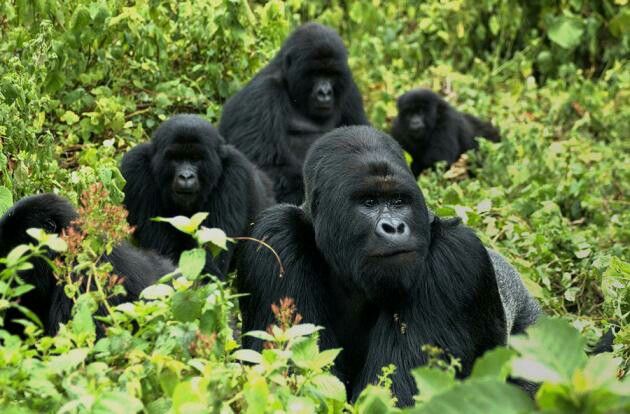
By Lubega Charles | Over 6 Years Lead Safari Guide & Permit Specialist, Travel Giants Uganda The Explicit Answer: Your 2026 Gorilla Permit Cheat Sheet A gorilla trekking permit in Uganda costs $800 per person for foreign non-residents in 2026. This price has remained stable since 2023, offering exceptional value compared to Rwanda’s $1,500 permit. Your permit grants you one hour with a habituated mountain gorilla family in Uganda’s protected forests, accompanied by experienced rangers and guides. It includes park entry, ranger services, and contributes directly to conservation efforts. It does not include transportation, accommodation, or tips. Book your permit at least 6 months in advance—especially if you’re traveling during peak seasons (December-February or June-September). Permits are limited to just 176 per day across Uganda (168 in Bwindi Impenetrable National Park across four sectors, plus 8 in Mgahinga Gorilla National Park). This strict limit protects the gorillas while ensuring a world-class experience. The math is simple: only 176 people per day can trek gorillas in Uganda. During peak weeks, permits sell out 4-6 months ahead. This guide will show you exactly how to secure yours—without anxiety, without mistakes, and with complete confidence. Why Gorilla Trekking Permits Cost $800 in 2026 – A Complete Breakdown of Where Your Money Goes Let me tell you what most permit guides won’t: your $800 doesn’t vanish into some government black hole. I’ve watched where it goes—literally followed the paper trail over 15 years of navigating this system. Conservation Allocation (Approximately 60%) The largest chunk funds Uganda Wildlife Authority’s conservation operations. This means: Anti-poaching patrols that protect gorillas from snares and traps Veterinary teams who perform life-saving interventions (I’ve watched them treat a snare wound on a young silverback—your permit paid for that surgery) Habitat protection including forest boundary maintenance and fire prevention Research and monitoring where rakers track every gorilla family daily Your single permit funds one ranger’s monthly salary and provides clean water for 10 families living near the park. Community Revenue Sharing (Approximately 20%) This is the genius of Uganda’s model. A portion flows directly to communities surrounding the parks: Schools built with permit revenue Clean water projects Healthcare clinics Infrastructure that gives local people a tangible reason to protect gorillas rather than poach them I’ve drunk from water taps funded by permits. I’ve watched children study in classrooms built by your future trek. This isn’t abstract—it’s water in a cup. Permit Processing and Administration (Approximately 15%) This covers the infrastructure that makes your trek possible: Booking systems and permit printing Raker salaries and training Park headquarters maintenance Trail clearing and maintenance Why Uganda Remains $700 Cheaper Than Rwanda Rwanda’s $1,500 permit price reflects a deliberate premium strategy. Uganda’s $800 offers: The same gorilla species (mountain gorillas don’t recognize borders) More trekking sectors and lodge options Greater availability (176 vs. Rwanda’s roughly 100 daily permits) The only Gorilla Habituation Experience in the world The price hasn’t increased since 2023—a deliberate stability signal from Uganda Wildlife Authority. They want you here. They want your business. And they’ve kept permits accessible while Rwanda chases the ultra-luxury market. Your $800 doesn’t just buy an hour with gorillas. It buys protection for an entire ecosystem. Every permit is a vote for conservation over extinction. The 176 Daily Permits Explained – Understanding Uganda’s Gorilla Trekking Capacity by Park and Sector After 500+ permit bookings, here’s what I need you to understand: not all permits are created equal. Where you trek shapes your entire experience—fitness required, scenery, lodge options, and even the gorilla families you’ll meet. Bwindi Impenetrable National Park: 168 Permits Across 4 Sectors Bwindi isn’t one trekking destination. It’s four distinct experiences sharing one forest. Park/Sector Daily Permits Trek Difficulty Best For Bwindi – Buhoma 56 Moderate First-timers, luxury lodges, shortest drive from Kampala Bwindi – Ruhija 48 Challenging Serious hikers, researchers, stunning high-altitude scenery Bwindi – Rushaga 40 Easy-Moderate Multiple gorilla families, habituation experience, budget lodges Bwindi – Nkuringo 32 Very Challenging Adventurers, dramatic views, those seeking solitude Mgahinga 8 Moderate Scenic beauty, golden monkeys, Virunga volcano views Why Sector Choice Matters for Your Itinerary Buhoma (56 permits) is the original trekking sector. It’s where Bwindi tourism began. The terrain is moderate, lodges range from budget to world-class, and the forest feels ancient and welcoming. Perfect for first-timers. Ruhija (48 permits) sits high in the mist. The trekking is steeper, the air thinner, and the reward is spectacular high-altitude forest. I send serious hikers here. Researchers love this sector. Rushaga (40 permits) offers the easiest trekking and the only Gorilla Habituation Experience on earth. Multiple gorilla families mean higher success rates. Budget lodges cluster here. Nkuringo (32 permits) is not for everyone. The descent from the lodge to the trek start is punishing—and you climb back up afterward. But the views across the forest to the Virungas? Unforgettable. Adventurers only. Mgahinga (8 permits) is the hardest permit to secure. Only 8 people daily. The trek crosses into the Virunga mountains, and on clear days, you’re walking among volcanoes. Combine with golden monkey trekking for a full day. How Permit Allocation Affects Availability Here’s the insider truth: all sectors sell out differently. Buhoma and Rushaga go first (accessibility + habituation appeal) Ruhija sells next (serious trekkers book early) Nkuringo lingers longest (the fitness requirement filters crowds) Mgahinga vanishes instantly (8 permits daily—gone within days of release) Strategy: If you’re flexible on sector, you’ll almost always find permits somewhere. If you want Mgahinga or a specific luxury lodge, book 8-10 months ahead. The 6-Month Booking Rule – Why 2026 Requires Earlier Planning Than Ever Before I’ve watched the booking curve shift dramatically since 2021. Here’s what the data shows: In 2025, all permits for December sold out by July 15th—the earliest in Uganda’s tourism history. Why the Rush? Post-pandemic travel surge continues unabated. Gorilla trekking sits at the top of more bucket lists than ever. Social media has done its work—everyone wants that silverback photo. Limited permits + increasing demand = mathematical scarcity. There are still only 176 permits daily. Uganda can’t create more without endangering gorillas. They won’t. So demand simply chases fixed supply. Peak, Shoulder,
