
Children and Gorilla Trekking: Age Requirements, Family-Friendly Lodges, and How to Prepare Kids for the Experience
The Ethical Gorilla Trekker’s Handbook: 10 Rules You Must Follow to Protect the Gorillas and Support Local Communities
Gorilla Trekking in Rain: What to Expect, How to Prepare, and Why Wet Days Often Deliver the Best Encounters
Mgahinga Gorilla National Park: The Complete Guide to Uganda’s Smallest but Most Scenic Trekking Destination
Gorilla Trekking Cancellation Policies: What Happens to Your Permit Money and How to Protect Your Investment
10 Signs You’re Ready to Book Your Gorilla Trek: A Self-Assessment Checklist for First-Time Visitors
Chimpanzee Tracking: 5 Forests Compared for Trek Duration, Habituation Level, and Group Size Limits
How to Spend More Time With Gorillas in Uganda: The Ultimate Guide to Extended Encounters (Habituation vs. Multiple Treks)
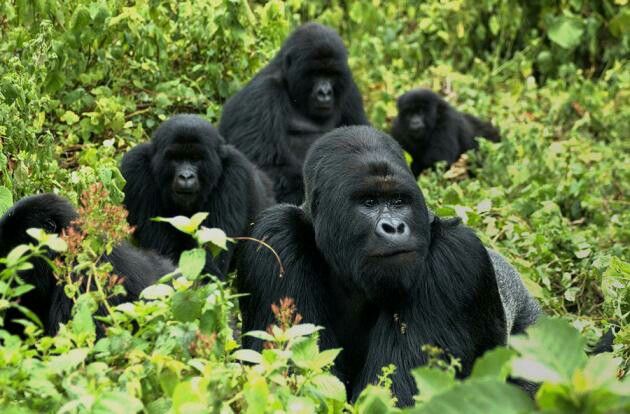
By Lubega Charles | Senior Gorilla Trekking Guide, Travel Giants Uganda 5 Years | 500+ Standard Treks | 50+ Gorilla Habituation Experiences | Rushaga Sector Specialist The Explicit Answer: What You’ll Learn in This Guide I’ve watched it happen hundreds of times. A traveler spends months planning, flies across the world, hikes for hours through mud and mist. Then they lock eyes with a silverback. And sixty minutes later, a ranger whispers, “Time to go.” The look on their faces is always the same: disbelief. How can something so profound be over so quickly? The good news is: it doesn’t have to be. After 15 years and over 500 treks, I’ve learned exactly how to extend that encounter—legally, ethically, and memorably. This guide delivers everything you need to know about spending more time with gorillas in Uganda. You’ll learn the difference between the standard trek (one hour) and the Gorilla Habituation Experience (four hours), how multiple treks across different families can multiply your time, the exact costs, booking windows, and insider tips from someone who’s done both dozens of times. Quick Overview Option Time with Gorillas Cost Group Size Best For Standard Gorilla Trek 1 hour $800 Up to 8 trekkers First-timers, budget-conscious travelers Gorilla Habituation Experience 4 hours $1,500 Only 4 trekkers Serious photographers, repeat visitors, depth-seekers Multiple Standard Treks 1 hour per trek $800 each 8 per trek Variety seekers, different families/sectors Combination Approach 5+ hours $2,300+ Varies The ultimate immersion The deeper truth: The one-hour rule exists to protect the gorillas. But Uganda has created legal, ethical ways to extend your time. This guide helps you choose the right path for your budget, your curiosity, and your heart. I’ve guided over 50 habituation experiences. I’ve watched the shift that happens in hour three—when the cameras come down and the connection begins. Let me help you find your own extra hours. The Gorilla Habituation Experience gives you four hours with gorillas—exclusive to Uganda. The Emotional Truth – Why One Hour Never Feels Enough Gist: Before we talk about options, you need to understand why that single hour disappears so quickly—and why what you’re feeling is completely normal. The Psychology of the Encounter Gorillas share 98% of our DNA. Looking into their eyes triggers something ancient and primal. Time perception shifts. The trek builds anticipation. After hours of hiking, the release of finally finding the gorillas creates an emotional peak that makes time feel compressed. You’re in a state of awe. Psychologists have documented that awe literally changes our perception of time. Moments feel both eternal and fleeting. You’re trying to do too much. See the gorillas. Take photos. Absorb the moment. Remember everything. It’s impossible to do it all in 60 minutes. Why This Matters Understanding that this feeling is universal—and that it’s not a flaw in the experience but a feature of human psychology—is the first step. You’re not alone. And there are solutions. The Honest Truth: Even the four-hour habituation experience will feel too short. The desire for more time is a gift—it means the encounter moved you. But don’t let the fear of “not enough” keep you from booking at all. Option One – The Gorilla Habituation Experience (4 Hours) Gist: The Gorilla Habituation Experience is the most immersive way to spend time with mountain gorillas anywhere in the world. Uganda is the only country that offers it. Here’s everything you need to know. What It Is Instead of visiting a fully habituated family for one controlled hour, participants join researchers and rangers who are actively habituating a wild gorilla group. This process trains the animals to tolerate calm human presence over several years. Quick Facts Table Factor Details Time with gorillas 4 hours (not including trek time) Cost $1,500 per person (foreign non-resident) Group size Maximum 4 trekkers Location Rushaga sector, Bwindi (occasionally Nkuringo) Daily permits Only 8 (four groups of two, or two groups of four) Best for Serious photographers, researchers, repeat visitors Booking window 6-12 months in advance What Makes It Different Wilder animals: These gorillas are still learning to tolerate humans. Their reactions are more natural—curiosity, play, dominance displays, even alarm. Deeper understanding: You’re observing the habituation process itself, not just the final product. Less structured: With only 4 trekkers, the experience feels more like joining a research team than a tourist activity. More movement: The gorillas may move more, meaning you might walk further during your 4 hours. The Experience You’ll meet your guides and researchers at the park headquarters before dawn. After briefing, you’ll trek into the forest to locate the gorilla family being habituated that day. Once found, your four hours begin. You’ll watch them feed, groom, play, and interact. You might see young gorillas practicing chest-beating. You might witness a silverback asserting dominance. You’ll see behaviors that fully habituated families rarely display around tourists. The researchers will explain what they’re observing—why certain behaviors matter, how habituation progresses, the individual personalities of each gorilla. Who It’s For Serious photographers who need time to wait for the perfect shot Primate enthusiasts who want more than a checkbox experience Researchers and students who want to understand gorilla behavior Repeat visitors who’ve done the standard trek and want more depth Anyone who has the budget and the time Insider Tip The first hour is often the most active—gorillas are curious about new visitors. By hour three, they may have relaxed completely and resumed normal behavior. Don’t leave early. The magic often happens after they’ve forgotten you’re there. Option Two – Multiple Standard Gorilla Treks Gist: If the habituation experience is outside your budget or you prefer fully habituated families, multiple standard treks across different days or different families is an excellent alternative. What It Is Booking separate standard trekking permits across multiple days. Each permit gives you one hour with a gorilla family. You can choose different families, different sectors, or even different parks (Bwindi and Mgahinga). Quick Facts Table Factor Details Time with gorillas per trek 1 hour Cost per permit $800 Group size per trek Maximum 8 trekkers Location Any sector
The Honest Truth About Gorilla Trekking Fitness: A Self-Assessment Guide With 5 Training Exercises You Can Start Today
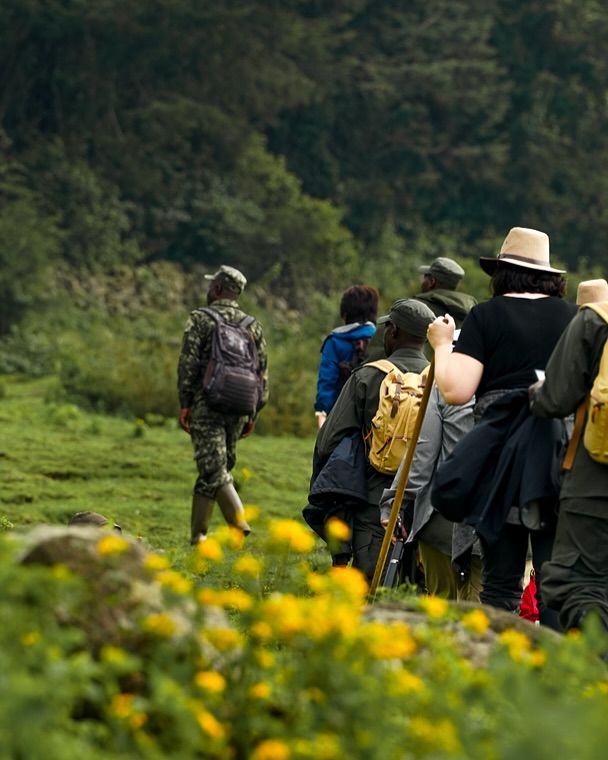
By Charles Lubega | Senior Guide, Travel Giants Uganda 5 Years Leading Treks | 200+ Gorilla Encounters | Fitness Assessment Specialist The Explicit Answer: What You’ll Learn in This Guide Here’s the truth no one tells you: Gorilla trekking fitness has almost nothing to do with how you look in gym clothes or how fast you run on a treadmill. I’ve watched marathon runners weep on Bwindi’s slopes and 68-year-old retirees glide through the forest like they were born there. The difference? Specific preparation. After 5 years and 200+ treks guiding clients through Bwindi and Mgahinga, I’ve assessed hundreds of fitness levels—and watched people succeed or struggle based on exactly three factors: leg strength, cardiovascular endurance, and mental preparation. This guide gives you: A brutally honest self-assessment test (so you know where you really stand) 5 specific exercises you can start today An 8-week training plan Sector recommendations based on your fitness level The honest truth about what your fitness actually buys you Your fitness level doesn’t just determine whether you reach the gorillas—it determines whether you have the energy, breath, and presence to actually enjoy them once you arrive. Train for the trek, and you’ll remember the gorillas. Skip the training, and you’ll remember the pain. The Big Lie About Gorilla Trekking Fitness Gist: Most articles tell you to “be active” or “do some cardio.” That’s like telling someone to “be rich” before buying a house—technically true, completely useless. Here’s what actually matters. The Story I once guided a client named Mark—triathlete, Ironman finisher, 42 years old and proud of it. He booked Nkuringo sector, the most challenging in Bwindi, because he assumed his elite cardio would carry him. Two hours in, his legs were shaking uncontrollably. Not from lack of fitness—from lack of specific training. Triathlons are on roads. Gorilla trekking is on roots, mud, and 60-degree slopes. Different muscles. Different demands. Different result. He made it to the gorillas, but he doesn’t remember them. He remembers the shaking. The fear. The relief when it ended. What Actually Matters Leg strength (specifically quads for steep descents) Core stability (for balance on uneven terrain) Grip strength (for hauling yourself up using vegetation) Cardiovascular endurance (sustained effort over 3-6 hours) Joint resilience (knees and ankles take the beating) What Doesn’t Matter How you look in gym clothes Your bench press max How fast you run a 5K on pavement Whether you did CrossFit in 2019 The Honest Truth: Gorilla trekking is a specific sport with specific demands. Train for the sport, or the sport will humble you. The Self-Assessment Test – Where Do You Really Stand? Gist: Before you train, you need to know where you are. Answer these 7 questions honestly—not how you wish you were, but how you actually are right now. No judgment. Just data. The 7-Question Self-Assessment Question 1: Stairs Can you climb 5 flights of stairs (about 100 steps) without stopping and without feeling breathless? Yes, easily → Score 3 Yes, but I’m winded → Score 2 No, I need to stop → Score 1 Question 2: Hills When you walk up a steep hill, do your legs burn within minutes? Rarely or never → Score 3 Sometimes → Score 2 Always → Score 1 Question 3: Balance Can you stand on one foot for 30 seconds without holding onto anything? Yes, easily → Score 3 Yes, but I wobble → Score 2 No → Score 1 Question 4: Joints Do your knees or ankles ache after walking on uneven ground? Never → Score 3 Sometimes → Score 2 Always or frequently → Score 1 Question 5: Duration Have you walked for 3+ hours continuously in the past month? Yes, multiple times → Score 3 Yes, once or twice → Score 2 No → Score 1 Question 6: Weight Do you carry weight when you walk/hike (backpack, groceries, etc.)? Regularly, 10kg+ → Score 3 Sometimes, light weight → Score 2 Never → Score 1 Question 7: Elevation Have you exercised at altitude (above 2,000m) in the past year? Yes, multiple times → Score 3 Yes, once → Score 2 Never → Score 1 Scoring Guide Score Category What It Means 18-21 Trek Ready Your body is prepared. Focus on maintenance and choose your sector wisely. 12-17 Needs Work You’ll likely make it, but you might struggle. Three months of specific training will transform your experience. 6-11 High Risk You can still do this—but you MUST train, choose an easier sector (Rushaga), and hire a porter. Start today. The Honest Truth: This test isn’t to discourage you. It’s to empower you. Every single score can improve with the right exercises. The question isn’t whether you’re fit enough today—it’s whether you’re willing to prepare between now and your trek. The 5 Exercises That Actually Prepare You for Gorilla Trekking Gist: Forget the gym machines. Forget fancy equipment. These 5 exercises require nothing but your body, a staircase, and a backpack. Do them consistently, and you will walk through Bwindi like you own the place. Exercise #1 – The Stairmaster of Reality: Step-Ups Why It Matters: Gorilla trekking is 70% stepping up and down on uneven surfaces. Step-ups build the exact muscles you’ll use—quads for ascending, controlled quads for descending, balance for roots and rocks. How to Do It: Find a sturdy step, bench, or low stair (12-18 inches high) Step up with right foot, bring left foot up, step down right, step down left Start with 3 sets of 20 step-ups (each leg) Progress to holding weights, increasing step height, or adding speed The Progression: Week Sets/Reps Add Weight? 1-2 3 x 20 each leg Bodyweight only 3-4 4 x 25 each leg 5-10kg backpack 5-6 4 x 30 each leg 10-15kg backpack 7-8 5 x 30 each leg 15-20kg backpack The Honest Truth: By week 8, you’ll be stepping onto kitchen counters just to feel something. Your legs will remember this when you’re hauling yourself up Bwindi’s slopes. Exercise #2 – The Forest Floor Simulator: Walking Lunges Why It Matters: Lunges mimic the uneven, extended strides you’ll take stepping
Bwindi vs. Mgahinga: An Expert’s Side-by-Side Comparison of Terrain, Gorilla Families, and Accommodation Costs for 2026
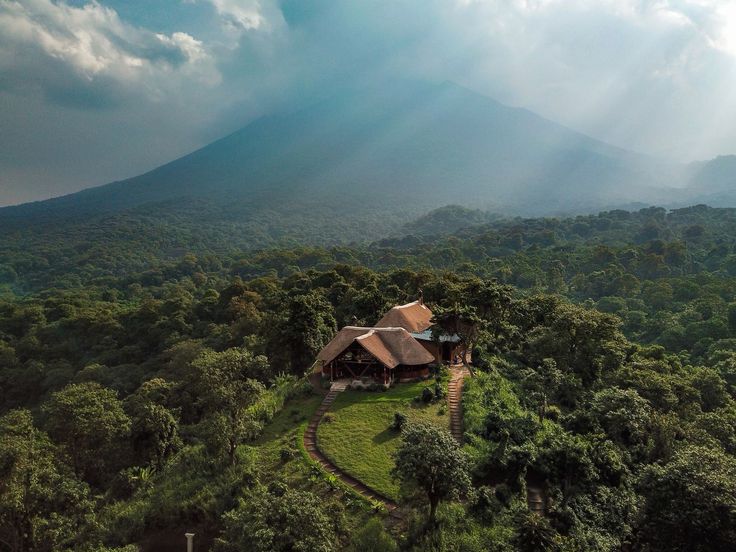
By Charles Lubega | 5+ Years Lead Safari Guide, Travel Giants Uganda The Explicit Answer: Your 30-Second Decision Choose Bwindi if you want more accommodation options, easier permits, and the classic gorilla trekking experience. Choose Mgahinga if you want volcanic scenery, golden monkey add-ons, and the most exclusive trek on earth. Here are the quick facts you need: Bwindi Impenetrable National Park: 4 distinct trekking sectors 168 daily permits 20+ habituated gorilla families 50+ lodges from budget ($50) to ultra-luxury ($2,000+) Mgahinga Gorilla National Park: 1 trekking sector 8 daily permits (the most exclusive in Uganda) 1 habituated gorilla family (the famous Nyakagezi group) 5 lodges total within reasonable driving distance Exclusive add-on: Golden monkey tracking ($100) Both parks offer life-changing encounters with mountain gorillas—the same species, the same conservation success story, the same profound silence when a silverback looks through you. But the experience surrounding the trek could not be more different. This guide will match your specific priorities—your fitness level, your budget, your desire for exclusivity, your itinerary flexibility—to the perfect park. No confusion. No indecision. Just clarity. Quick Answer – Which Park Should You Choose? (A 30-Second Decision Matrix) Scan this table. You’ll find yourself in one column instantly. Choose Bwindi If… Choose Mgahinga If… You want multiple accommodation options (50+ lodges) You want true exclusivity (only 8 trekkers daily) You need flexibility in booking dates You plan 6-9 months ahead for permits You prefer moderate forest trekking You want dramatic volcano backdrop scenery You’re a first-time trekker You’re a repeat visitor or serious photographer You want to combine with other Uganda safari parks You want to combine with Rwanda or golden monkeys You have a specific budget level to match You prioritize unique experiences over cost Where did you land? Bwindi or Mgahinga? Keep that in mind as we go deeper. But also stay open—sometimes the park that chooses you is the one you hadn’t considered. The Fundamental Difference: One Forest vs. One Volcano *Gist: Bwindi is a vast, ancient rainforest—a 331-square-kilometer ecosystem that spills across hills and valleys. Mgahinga is a sliver of forest on the slopes of a dormant volcano—part of the Virunga massif that spans Uganda, Rwanda, and Congo. You’re not just choosing a park; you’re choosing a landscape.* Bwindi Impenetrable National Park UNESCO World Heritage Site since 1994. 331 square kilometers of ancient rainforest that has stood for over 25,000 years. This is the Africa of your imagination—dense, green, alive with sound and shadow. Altitude: 1,160 to 2,607 meters above sea level Terrain: Steep hills, multiple valleys, ridges that seem to go nowhere and everywhere Vegetation: Primary forest with trees draped in ferns, bamboo zones at higher altitudes, occasional open clearings where light finally reaches the forest floor Weather: Cool and wet year-round. Mist is not occasional—it’s part of the experience. Mornings dawn clear, then clouds roll in, then mist settles like breath. Mgahinga Gorilla National Park Part of the Virunga Conservation Area—the same volcanic massif that stretches into Rwanda and Congo. At just 33.7 square kilometers, Mgahinga is tiny but fierce. Altitude: 2,227 to 4,127 meters at the peak of Mt. Sabinyo Terrain: Volcanic slopes, bamboo forests giving way to alpine zones, trails that feel like staircases carved by giants Vegetation: Bamboo dominates—thick, green, waving in the mountain wind. Higher up, it transitions to moorland with giant lobelias and groundsel. Weather: Cool, can be windy, spectacularly clear on good days. When the clouds part, you see forever. Personal credibility marker: I’ve led treks in both parks during every season—the rains of April, the clarity of July, the mist of December. The moment you step into Mgahinga on a clear day, with the Virungas towering above, you feel you’ve entered something sacred. Bwindi wraps around you like an ancient cathedral—enclosed, intimate, alive with sounds that have echoed for millennia. Both move me. Both are home. Terrain Comparison – What Your Legs Will Thank You For Knowing Gist: Your fitness level should determine your park choice. Bwindi’s terrain varies dramatically by sector. Mgahinga’s terrain is consistently steep but shorter. Here’s exactly what to expect. Factor Bwindi Mgahinga Average trek duration 2-6 hours (round trip) 2-4 hours (round trip) Elevation gain 200-800 meters depending on sector 300-600 meters Terrain type Root-filled trails, mud, stream crossings Volcanic rock, bamboo forest, steep grades Sector variation Easy (Rushaga) to very challenging (Nkuringo) Consistently moderate-challenging Porter recommendation Essential for most trekkers Essential for all trekkers Bwindi’s Four Sectors: A World of Choice Buhoma Sector – Moderate The original trekking sector. Well-established trails wind through beautiful forest with gradual climbs. The underfoot is classic rainforest—roots, mud after rain, streams to cross. Good for first-timers who want the classic experience without extreme physical demands. Lodges here range from budget to some of Uganda’s finest. Ruhija Sector – Challenging Higher altitude means thinner air. The terrain is steeper, the forest more pristine, the views more spectacular. I send serious hikers here—people who want to earn their encounter. The gorilla families here are less visited, more relaxed in human presence. Rushaga Sector – Easy to Moderate The gentlest sector overall. Multiple gorilla families mean shorter treks on average. This is where you come if fitness is a concern or if you want the highest probability of an “easy” day. Also the only sector offering the Gorilla Habituation Experience (4 hours with the gorillas during habituation). Nkuringo Sector – Very Challenging I call this the “stairmaster” sector. You descend steeply from the lodges into the forest—then climb back out afterward. The terrain is punishing. The reward? Dramatic valley views, fewer trekkers, and the famous Nkuringo family in their spectacular territory. Not for everyone. Unforgettable for those who choose it. Mgahinga Terrain Detail Starting point: 2,227 meters. You’re already breathing thinner air. Gorilla territory: The Nyakagezi family typically moves between 2,400-2,800 meters The trail: Cuts through bamboo forest first—thick, green, creaking in the wind. Then transitions to mixed vegetation as you climb. The final approach: Often involves hauling yourself up volcanic slopes using vegetation as handholds. Your legs will burn. Your lungs will remind you you’re alive. The reward: Trekking with the Virunga volcanoes as
