
Luxury in the Bush: The Most Exclusive Safari Lodges in Uganda
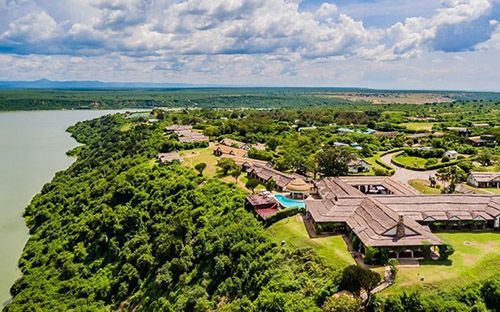
Uganda has quietly become one of Africa’s most compelling luxury safari destinations. A generation ago, the country’s tourism infrastructure was focused almost entirely on budget camps and mid-range lodges, with travellers arriving primarily for gorilla trekking and leaving immediately afterwards. That has changed. Over the past five years, a wave of multi-million-dollar rebuilds, new openings, and international hotel group investments has transformed Uganda’s high-end accommodation landscape. Today, the country offers lodges that rival anything in Kenya, Tanzania, or Rwanda — properties with private butlers, plunge pools overlooking the Nile, spa treatments using locally sourced ingredients, and architecture designed by studios behind some of Africa’s most celebrated safari properties. This is the guide to Uganda’s most exclusive safari lodges, organised by region, with real rates, what sets each property apart, and how to choose the one that matches your trip. What “Luxury” Means in the Ugandan Bush Before the list, it is worth understanding what distinguishes a luxury lodge in Uganda from its counterparts elsewhere in Africa. Intimacy over scale. Uganda’s luxury lodges are almost uniformly small. Ten rooms is a large property here. Eight suites is common. This is not a limitation — it is a deliberate design choice that ensures guests are never competing for space, attention, or a spot on the trail. Location as the ultimate luxury. The most exclusive properties are exclusive because of where they sit: inside a national park boundary, on a private island in the Nile, on the rim of a crater lake, or on a ridge overlooking the forest canopy. You cannot build more of these locations. Genuine community connection. Uganda’s luxury sector is unusual in how deeply it integrates local communities and artisans. The most celebrated properties source furniture, textiles, and decorative elements from Ugandan craftspeople and community organisations. Sustainability as standard. Solar power, rainwater harvesting, recycled materials, and low-impact construction are not marketing additions here — they are baseline expectations. Building inside a UNESCO World Heritage Site with a mountain gorilla population demands nothing less. Bwindi Impenetrable National Park: Luxury at the Gorilla Frontier Bwindi is where Uganda’s luxury safari industry has concentrated most heavily, and for obvious reasons. This is the reason most travellers come to Uganda. The lodges here are competing to offer the best possible recovery after a day spent trekking through dense rainforest. Gorilla Forest Lodge (A&K Sanctuary) The headline property. Gorilla Forest Lodge is the only luxury lodge located inside the gates of Bwindi Impenetrable National Park — a UNESCO World Heritage Site. It reopened in late 2024 following a multimillion-dollar rebuild, and it is now widely described as the most exclusive retreat in Uganda. The lodge features 10 spacious suites with floor-to-ceiling windows, private terraces, and oversized jacuzzi tubs and showers. The Explorer’s Lounge serves as the social hub, with a full bar, indoor/outdoor dining, and a two-room Jungle Spa. What sets Gorilla Forest Lodge apart is its design philosophy. Every piece of furniture was custom-made in Uganda. Wall hangings and cushions are made from bark cloth used by the local Batwa people. Rugs are woven from reclaimed agricultural byproducts. Wall cladding and ceiling panels were woven from banana fibre and papyrus reed by Ride 4 a Woman, a community organisation that supports women through skills training and economic opportunity. Because the lodge sits inside the park, guests begin their gorilla treks directly from the property — and gorillas occasionally wander through the grounds. Rates: From approximately $800 per person per night sharing. Silverback Lodge The design-led newcomer. Rebuilt and relaunched in 2025, Silverback Lodge sits on a mist-laced ridge above the Buhoma sector of Bwindi, minutes from the trailhead. The architecture and interiors were designed by HesseKleinloog Studio — the same firm behind Singita Kataza House and Kwitonda Lodge — and the result is a lodge that feels both world-class and deeply connected to its setting. With 12 guest rooms overlooking the rainforest canopy, Silverback is intentionally intimate. Contemporary design frames the forest as the focal point, while hospitality and wellbeing create space for rest and reflection. The lodge operates within a framework that ensures every guest stay contributes directly to conservation outcomes and local livelihoods. “Conservation has to be lived, not just spoken about,” says Tanya Madhvani, Founder of Marasa Africa. “We rebuilt it with humility, respecting the forest and ensuring what we create here protects what has existed for centuries”. Rates: Lead-in rates from USD $2,100 per room per night. Clouds Mountain Gorilla Lodge The view. Situated at roughly 2,000 metres above sea level on a hilltop on the south-western side of Bwindi, Clouds Mountain Gorilla Lodge delivers what many consider the finest views of any lodge in Uganda — panoramic vistas over the Virunga Volcano Range to the south and Bwindi itself to the north. The lodge comprises eight spacious cottages built from volcanic stone, each featuring a bedroom, en-suite bathroom with walk-in shower, and a separate lounge. Interiors are decorated with plush furnishings, turned wood, and commissioned artwork from Ugandan artists. Rates: From approximately USD $1,380–$2,276 per person per night, depending on season and room type. Nkuringo Bwindi Gorilla Lodge The award-winner. Nkuringo Bwindi Gorilla Lodge sits on Nteko Ridge at 2,161 metres, overlooking the Bwindi forest with sweeping views of the Virunga Volcanoes. It is a six-time winner of the World Travel Awards and operates as a carbon-neutral lodge. The property has expanded its luxury offering with five Luxury Forest Suites featuring floor-to-ceiling glass windows, alongside rebuilt and refurbished Deluxe Garden Rooms. The lodge now offers 15 rooms in total, including villas and forest suites. Rates: From approximately USD $621–$883 per person per night. Erebero Hills The new arrival. Scheduled to open in August 2026, Erebero Hills is Asilia Africa’s first Ugandan property and represents a significant vote of confidence in the country’s luxury market. The lodge comprises eight luxury suites (including two triple suites) with glass-fronted interiors, on the northern edge of Bwindi. Each suite offers 180-degree views of the surrounding montane forest and valley, with private viewing decks. The property rests on 18.2 hectares of land on the northern fringes of the UNESCO World Heritage Site. Rates: From $1,100 per person per night in low season to $2,000 in high
Solo in the Pearl: Why Uganda is Perfect for the Solo Female Traveler
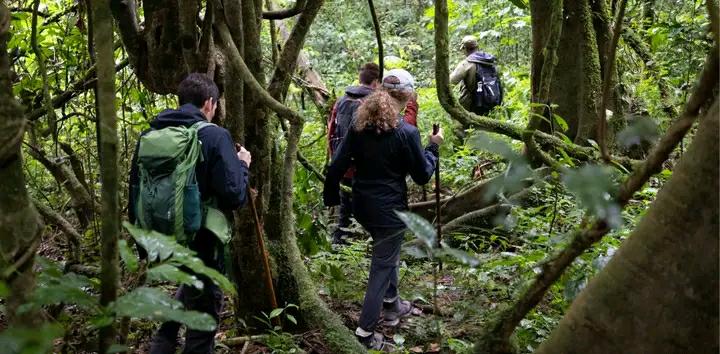
There is a particular kind of silence that happens on a solo journey. It arrives somewhere between the third and fifth day, usually in the late afternoon, when you realise that no one is waiting for you, no one is expecting an update, and the entire shape of the next twenty-four hours belongs to you alone. For some travellers, that silence is uncomfortable. For others, it is the whole point. Uganda, it turns out, is a remarkably good place to find it. This is not a claim made lightly. Solo female travel carries real considerations in any country, and Uganda has genuine risks that deserve honest acknowledgement. But it is also one of the most welcoming, well-structured, and unexpectedly empowering destinations on the African continent for a woman travelling alone — and the reasons are more practical than romantic. This is the complete guide to solo female travel in Uganda: why it works, what to expect, how to stay safe, and how to build a trip that feels like yours. Why Uganda Works for Solo Female Travellers The Safari Structure Does the Heavy Lifting This is the single most important factor, and it is worth understanding before anything else. Most travellers experience Uganda through a structured safari format: a private driver-guide, a defined itinerary, lodges with staff, and activities arranged in advance. This structure is not a compromise on independence — it is a safety net that functions invisibly. On a private safari, you are never navigating alone. Your guide meets you at the airport, drives you between parks, eats meals with you or nearby, and remains a consistent, vetted point of contact for the duration of your trip. You are independent in the sense that matters — you chose the itinerary, you are travelling alone, you answer to no one — but you are never actually unsupported. Compare this to solo travel in a European city, where you are constantly making micro-decisions about transport, directions, and safety in unfamiliar surroundings. In Uganda, those decisions are largely made for you by a professional who knows the country. The result is a form of solo travel that feels genuinely liberating rather than precarious. Ugandan Culture Respects Women — In Specific Ways Uganda is a patriarchal society in many respects, and it would be dishonest to suggest otherwise. Women hold fewer leadership positions, domestic responsibilities fall disproportionately on them, and conservative expectations around dress and behaviour persist, particularly in rural areas. But there is an important distinction that solo female travellers consistently report: being a woman alone in Uganda rarely attracts the kind of harassment common in many other countries. The cultural expectation in Uganda is that women are to be respected and protected. A woman travelling alone is more likely to be treated with concern than with predatory attention. Strangers will ask if you are okay. Lodge staff will check that you have transport arranged. Guides will walk you to your room at night without being asked. This is not universal, and it is not a guarantee. But it is the dominant experience, and it is why so many solo women describe Uganda as unexpectedly comfortable. The “Mzungu” Effect Cuts Both Ways As a foreign woman in Uganda, you will be visibly different. The word mzungu (foreigner, literally “one who wanders”) will follow you everywhere — shouted by children, called out by boda boda drivers, used as a neutral descriptor by market vendors. This visibility has two effects. On one hand, it means you will never blend in, and you will attract constant attention. On the other, it means you are rarely invisible — and there is safety in being seen. A woman alone at a bus station in Kampala will be noticed, and often, someone will quietly help her. The attention is exhausting. It is also, in most cases, benign. The Community Tourism Model Puts Women at the Centre Uganda’s tourism industry has an unusually strong presence of women-led and women-focused enterprises — and this changes the texture of a solo trip. Ride 4 a Woman in Bwindi supports over 300 women across 11 communities, offering cooking classes, basket-weaving sessions, dance performances, and a homestay. Staying there means your money goes directly to women who are rebuilding their lives after poverty, HIV, and domestic violence. KAFRED in Bigodi employs women across multiple affiliate groups — the Bigodi Women’s Group, Kiyoima Women’s Group, and the Bigodi Peanut Butter Group among them. Buhoma Community Rest Camp was Uganda’s first community-owned lodge and employs local women across hospitality roles. Ndere Cultural Centre performances feature both male and female performers, and the troupe’s leadership includes women. For a solo female traveller, these enterprises offer something rare: spaces where you are hosted by women, in a context that feels genuinely safe, with money flowing directly to the people you are spending time with. The Activity Mix Suits Solo Travel Some destinations are built for couples and groups. Uganda’s headline activities are, unusually, well-suited to solo travellers. Gorilla trekking is done in groups of eight, with a guide and trackers. You will spend the day with strangers who become temporary companions, then part ways. It is intimate without being isolating, and it requires no partner. Chimpanzee tracking follows the same model. Game drives on a private safari put you alone in a vehicle with a guide — which many solo travellers describe as one of the great pleasures of Ugandan travel. You set the pace, ask the questions you want to ask, and stop for as long as you like. Boat cruises on the Kazinga Channel and the Nile are group activities with a shared focus. Cultural performances at Ndere and elsewhere are social without requiring you to bring company. Rafting and kayaking in Jinja run in groups. You will be assigned a raft, meet your crew, and paddle together for a day. It is one of the fastest ways to make friends in Uganda. It Is Genuinely Affordable Solo travel is expensive almost everywhere, because single supplements apply to accommodation, transport, and guides. Uganda is no exception —
The Pearl of Africa: Why Winston Churchill Was Right About Uganda
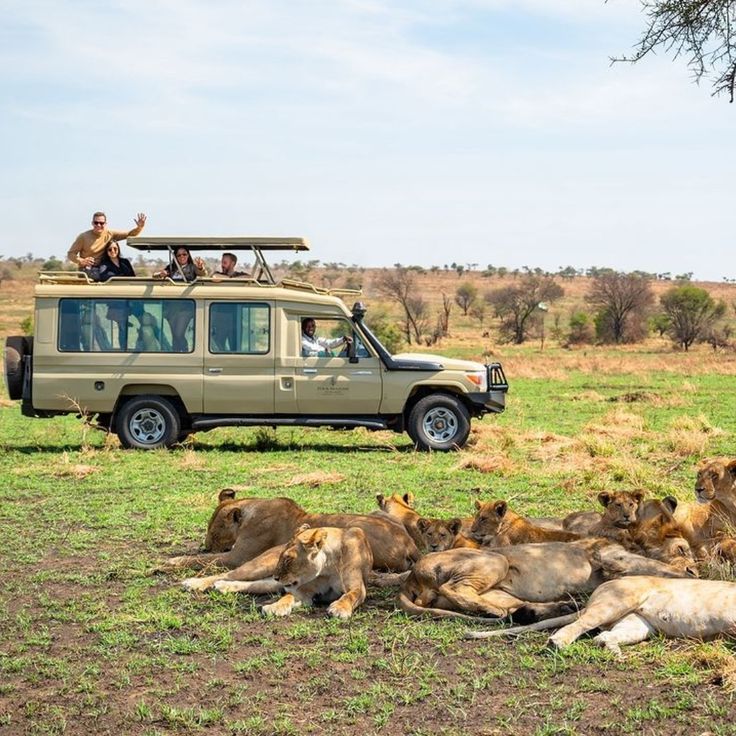
In the autumn of 1907, a 33-year-old British politician named Winston Churchill set out from London on a journey that would take him through Malta, Cyprus, Kenya, and finally into the heart of East Africa. He was not yet the bulldog statesman of the Second World War. He was Parliamentary Under-Secretary of State for the Colonies, a young man with a restless curiosity and a gift for language that would later win him a Nobel Prize in Literature. What he found in Uganda stopped him in his tracks. He travelled by steamer across Lake Victoria, rode the Uganda Railway through lion country, walked through banana plantations and rainforest, and stood at the lip of Murchison Falls where the entire Nile forces itself through a seven-metre gap in the rock. And when he sat down in the long, hot Ugandan afternoons to write, he produced a sentence that has defined the country ever since. “For magnificence, for variety of form and color, for profusion of brilliant life — bird, insect, reptile, beast — for vast scale — Uganda is truly ‘the Pearl of Africa.’” More than a century later, that phrase is still on Uganda’s tourism branding, still in the opening lines of every guidebook, and still — remarkably — accurate. Churchill was not exaggerating. He was not engaged in colonial boosterism. He was describing something real, and the country he described is still there. This is why Winston Churchill was right about Uganda. Churchill’s Journey: What He Actually Saw The Route Churchill left London in October 1907 and travelled first to Malta and Cyprus before crossing to Mombasa on the East African coast. From there, he rode the Uganda Railway — the “Lunatic Line,” as it was nicknamed — through British East Africa (now Kenya) and into the Uganda Protectorate, reaching Jinja at the source of the Nile. He travelled with a small party, including his private secretary Eddie Marsh and an uncle by marriage, and combined official engagements with big-game hunting along the way. The journey was, in his own words, “half safari, half industrial planning.” Murchison Falls: The Moment of Revelation Churchill’s route took him to Murchison Falls, where the Victoria Nile — carrying the entire outflow of Lake Victoria — is forced through a gap just seven metres wide before exploding into the gorge below. He was, by all accounts, awestruck. Standing at the top of the falls, watching the river disappear into the earth, he wrote words that still resonate today: “I cannot believe that modern science will be content to leave these mighty forces untamed, unused.” He was looking at raw, untapped power — both the power of the water and the potential of the land itself. Many Ugandans still believe it was this moment, more than any other, that gave birth to the phrase “Pearl of Africa.” The Kingdom of Uganda: A Fairy Tale What surprised Churchill most was not the landscape but the society. Uganda in 1907 was not a blank canvas awaiting colonial administration. It was the Kingdom of Buganda, a highly organised monarchy with a parliament, a legal system, and a sophisticated culture. Churchill described it as “a fairy tale.” He was struck by the contrast between the coastal regions he had passed through and what he found in Uganda. “All the way up to Uganda there were naked Pagan savages,” he wrote — a statement that reveals the colonial attitudes of his era — “but in Uganda one found oneself in a new world of clothed, well-mannered, amiable and polite people.” He marvelled at the social and institutional coherence of Buganda under Kabaka Daudi Chwa, describing it as a “civilised nation state.” The People: “How Good Its People Are” Churchill’s admiration for Uganda was not limited to its landscapes. In a speech delivered during his visit, he told his audience: “When I return to England I shall tell His Majesty the King how beautiful their country is and how good its people are. That is all I have to say.” This was not empty flattery. Churchill was a man who flattered frequently but sincerely — and his written accounts of Uganda consistently return to the warmth, hospitality, and dignity of the people he met. He described being offered a sheep by a local chief, and he noted the “unconditional kindness of the natives in the communities he traversed.” What Churchill Saw That Still Exists Today The Landscape: Still Magnificent Churchill’s description of Uganda’s “magnificence” and “vast scale” remains accurate in the most literal sense. The country sits on the equator, but its altitude moderates the climate, producing a landscape of extraordinary variety: rainforest, savanna, volcanic craters, glacial peaks, papyrus swamps, and open water. Murchison Falls still thunders through its seven-metre gap, and the boat cruise to its base remains one of the most thrilling wildlife experiences in Africa. The Rwenzori Mountains still carry snow on the equator — though the glaciers are retreating rapidly, with the IUCN projecting they may disappear entirely by 2030. Lake Bunyonyi still winds between its terraced hills, and the Ssese Islands still offer freshwater beaches without crocodiles or bilharzia. Churchill saw the “variety of form and colour” — the green of the rainforest, the gold of the savanna, the blue of the crater lakes, the white of the snow. That palette has not changed. The “Profusion of Brilliant Life”: Still Astonishing Churchill’s phrase — “bird, insect, reptile, beast” — was not rhetorical flourish. It was a checklist. Birds: Uganda has recorded over 1,000 bird species, more than half of all bird species in Africa. The shoebill stork, reliably found at Mabamba Swamp just 45 minutes from Entebbe, is one of the most sought-after birds on the planet — a prehistoric-looking giant that Churchill would certainly have recognised as something extraordinary. Mammals: Bwindi Impenetrable National Park shelters approximately half of the world’s remaining mountain gorillas. Queen Elizabeth National Park hosts tree-climbing lions — a behaviour documented in only two places on Earth. Murchison Falls protects Uganda’s largest elephant population, along with
Forget the Serengeti: Why Uganda is Africa’s Best Kept Secret
Let us begin with a confession. The Serengeti is extraordinary. The Great Migration is one of the genuine wonders of the natural world, and no one who has watched a million wildebeest cross the Mara River will ever forget it. Tanzania has earned its reputation. But here is the thing nobody tells you before you book: on a peak-season game drive in the Seronera Valley, you may share a single leopard sighting with thirty other vehicles. The radios crackle, the trucks converge, and the wilderness becomes a car park. The Serengeti is not ruined — but it is thoroughly, comprehensively discovered. Uganda is not. Not yet. This is not an argument that Uganda is better than Tanzania. It is an argument that Uganda offers something Tanzania cannot, and that most travellers have not yet considered it. Uganda has mountain gorillas, tree-climbing lions, the source of the Nile, snow on the equator, over 1,000 bird species, and one of Africa’s last true wilderness parks — all in a country the size of the United Kingdom, at roughly two-thirds the price of a comparable Tanzanian safari. This is why Uganda is Africa’s best-kept secret — and why the secret is starting to leak. The Crowd Problem: What the Serengeti Has Become The Numbers The Serengeti National Park receives approximately 350,000 visitors per year. The wider Serengeti ecosystem, including the Ngorongoro Conservation Area and the Maasai Mara across the border, handles far more. Ngorongoro alone draws over 600,000 visitors annually and has been described by UNESCO as facing serious pressure from tourism infrastructure. During the peak migration season — roughly July to September — the Mara River crossing points in the northern Serengeti and the Maasai Mara can host more than 300 vehicles at a single crossing. Photographers describe having to shoot over the roofs of other vehicles to capture the action. What This Means for Your Experience The Serengeti’s wildlife is not diminished. The animals are there, and the sightings are still spectacular. But the intimacy is gone. You are not alone in the wilderness. You are part of an industry. This is not a moral failing on anyone’s part. It is simply arithmetic: a world-famous destination, a short peak season, and a finite number of river crossings create a bottleneck that no amount of management can fully resolve. What Uganda Offers Instead Gorillas — The One Thing Tanzania Will Never Have Tanzania has the Big Five, the Great Migration, and Ngorongoro Crater. What Tanzania does not have — and cannot have — is mountain gorillas. There are no mountain gorillas in Tanzania. There are none in Kenya. There are none in South Africa or Botswana or Namibia. There are none anywhere in the world outside the Virunga Massif and Bwindi. Bwindi Impenetrable National Park shelters approximately half of the world’s remaining mountain gorillas, with 19 habituated groups and a trekking success rate that consistently exceeds 95%. The experience — pushing through dense rainforest for two to six hours, then spending one hour in the presence of a wild gorilla family — is routinely described by travellers as the single most powerful wildlife encounter of their lives. Crucially, gorilla trekking is strictly capacity-limited. Each habituated family is visited by a maximum of eight people per day. That means no crowds, no jostling for position, no thirty vehicles converging on a sighting. Just you, seven other people, and a family of gorillas. Permit cost: USD $800 for foreign non-residents, with low-season discounts to $600 in April, May, and November. Compare that to Rwanda’s $1,500. Tree-Climbing Lions — A Behaviour Found in Only Two Places on Earth Lions climb trees in only two locations in Africa: Tanzania’s Lake Manyara National Park and Uganda’s Ishasha sector of Queen Elizabeth National Park. The difference is that Lake Manyara is a small, heavily visited park on the northern Tanzania circuit, while Ishasha is remote, uncrowded, and often delivers private sightings. The behaviour is believed to be an adaptation to escape ground heat and biting flies, and it makes for some of the most surreal and photogenic wildlife photography on the continent. Why it matters: On a Tanzanian safari, tree-climbing lions are a bonus if you happen to visit Lake Manyara. In Uganda, they are a headline attraction in a park where you will rarely see another vehicle. The Source of the Nile — and Grade 5 Rapids Uganda is the only country in the world where you can stand at the source of the longest river on Earth, then, within a few hours, raft its most powerful commercially runnable rapids, bungee jump over it, or kayak through its waves. Jinja, at the point where Lake Victoria spills into the White Nile, has become the adventure capital of East Africa. The rafting section covers 21 kilometres and 8 to 10 major rapids, including the legendary Nile Special. Thanks to upstream dam regulation, the rapids run year-round. Tanzania has Zanzibar, beaches, and Kilimanjaro. It does not have the Nile. Snow on the Equator — The Rwenzori Mountains The Rwenzori Mountains are one of the few places on Earth where glaciers exist on the equator. Africa’s third-highest peak, Margherita Peak on Mount Stanley, stands at 5,109 metres, and the trek to reach it passes through five distinct vegetation zones, from tropical rainforest to glacial ice. The glaciers are disappearing rapidly — the IUCN projects they may vanish entirely by 2030, and the Stanley Plateau glacier lost nearly 30% of its surface area between 2020 and 2024 alone. There is no equivalent to this in Tanzania, where Kilimanjaro’s glaciers are also retreating but the terrain is volcanic and arid rather than rainforest and bog. Over 1,000 Bird Species — More Than Half of Africa’s Total Uganda has recorded over 1,000 bird species — more than half of all bird species in Africa — in a country the size of the United Kingdom. The shoebill stork, reliably found at Mabamba Swamp just 45 minutes from Entebbe, is one of the most sought-after birds on the planet. Tanzania has an impressive bird list of its own — over 1,100 species — but the
Top 10 Unique Wildlife Experiences You Can Only Have in Uganda
Gorilla Trekking: An Unforgettable Experience Birdwatching in Uganda: A Hidden Gem Wildlife Conservation Efforts Unique Activities Beyond Traditional Safaris
Why Uganda is the Next Big Safari Destination (And Why You Should Go Now)
For decades, the word “safari” has conjured one image: the endless plains of the Serengeti, the Maasai Mara during the Great Migration, a million wildebeest thundering across a river. That image is extraordinary, and it has earned Kenya and Tanzania their place at the top of the African travel hierarchy. But something is shifting. Travellers are asking different questions. They want fewer crowds. They want authenticity rather than spectacle. They want to feel like explorers rather than participants in a well-managed queue. And increasingly, they are finding what they are looking for not in East Africa’s most famous parks, but a few hundred kilometres to the west. Uganda is not the next big safari destination because it is copying Kenya or Tanzania. It is the next big safari destination because it offers something neither of them can: the chance to see mountain gorillas in the wild, tree-climbing lions, and the source of the Nile — all in a single, uncrowded, deeply rewarding trip. This is why Uganda is on the verge of a tourism breakthrough, and why the smartest travellers are booking now rather than waiting. The Shift: Why Travellers Are Looking Beyond the Classic Safari Crowd Fatigue Is Real The Maasai Mara receives over 300,000 visitors per year. During the Great Migration season, more than 300 vehicles can be found surrounding a single river crossing, jostling for position while a wildebeest herd hesitates on the bank. The Serengeti handles a similar volume across a much larger area, but the pressure is concentrated in the same handful of high-season locations. Travellers who have experienced this describe a strange contradiction: witnessing one of the greatest wildlife spectacles on Earth while surrounded by dozens of other tourists doing exactly the same thing. The intimacy is lost. The wilderness feels managed. Uganda does not have this problem. The Search for Authenticity Modern travellers — particularly younger ones and those who have already done the classic circuits — are prioritising experiences that feel genuine. They want to interact with local cultures, eat local food, hire local guides, and feel that their money is going somewhere meaningful. Uganda is one of the best destinations in Africa for this. Community tourism is deeply embedded in the country’s tourism model, and organisations like the Buhoma Community Development Association, KAFRED, and Ride 4 a Woman have been running community-owned tourism enterprises for decades. The Rise of Primate Tourism Interest in primate trekking has exploded. Gorilla trekking in Rwanda has become a bucket-list item for a certain kind of affluent traveller, and the success of that market has drawn attention to the fact that Uganda offers the same experience for roughly half the price. What most travellers do not yet realise is that Uganda also offers chimpanzee trekking, golden monkey tracking, and gorilla habituation experiences — a broader primate portfolio than any other country in Africa. What Uganda Has That Nowhere Else Does 1. Half the World’s Mountain Gorillas This is Uganda’s crown jewel and its single greatest competitive advantage. Bwindi Impenetrable National Park shelters approximately half of the world’s remaining mountain gorillas, and with 19 habituated groups, it is the most reliable place on Earth to see them in the wild. No other country offers the same combination of availability and value. Rwanda charges USD $1,500** per gorilla permit. Uganda charges **USD $800 — and offers low-season discounts down to $600 in April, May, and November. The experience itself is unmatched: trekking through ancient rainforest, pushing through vines and undergrowth, and then spending one hour in the presence of a wild gorilla family. It is consistently described by travellers as the single most powerful wildlife encounter of their lives. Why you should go now: Gorilla tourism is strictly capped. Permits are limited, demand is rising, and prices have historically only moved in one direction. Uganda’s permit price has risen repeatedly over the past decade and will almost certainly rise again. 2. Tree-Climbing Lions The Ishasha sector of Queen Elizabeth National Park is one of only two places in Africa where lions regularly climb trees. This is not a gimmick — it is a documented behavioural adaptation, believed to help the lions escape ground heat and biting insects. Seeing a pride draped across the branches of an ancient fig tree is one of the most surreal and photogenic wildlife sights on the continent. And because Ishasha is far less visited than the main Queen Elizabeth sector, you will often have the sighting to yourself. Why you should go now: Ishasha’s lion population has declined dramatically from an estimated 80 individuals in the 1970s to a small fraction of that today. In 2026, the Uganda Wildlife Authority and the Wildlife Conservation Society launched a 10-year partnership to protect the sector, with three cubs born in late June 2026 offering hope. But the population remains fragile. The lions are still there — but the window of abundance is not guaranteed. 3. The Source of the Nile Uganda is the only country in the world where you can stand at the source of the longest river on Earth and then, within a few hours, raft its Grade 5 rapids, bungee jump over it, or kayak through its waves. Jinja, at the point where Lake Victoria spills into the White Nile, has become the adventure capital of East Africa. A full day of white water rafting covers 21 kilometres and 8 to 10 major rapids, including the legendary Nile Special — one of the world’s most powerful commercially rafted stretches of water. Why you should go now: Jinja’s rafting industry is well-established, but the town is growing quickly. New hotels, restaurants, and adventure operators are opening every year. The relaxed, slightly rough-around-the-edges character that makes Jinja special is unlikely to survive its own popularity indefinitely. 4. The Big Five Without the Crowds Uganda offers the full Big Five — lion, leopard, elephant, buffalo, and rhinoceros — across Murchison Falls, Queen Elizabeth, and Kidepo Valley National Parks, with the rhino at Ziwa Rhino Sanctuary. What makes this special is the absence of crowds. In Murchison Falls,
The Best Time to Visit Uganda: A Seasonal Breakdown
Uganda sits directly on the equator, which means it never has a true winter and never has a true off-season. What it has instead are two dry seasons, two wet seasons, and a set of trade-offs that quietly decide whether your safari is a good one or an unforgettable one. This is the guide that cuts through the noise. Whether you are planning a gorilla trek, a classic Big Five safari, a birdwatching expedition, or simply want to avoid the mud, here is exactly when to go — and why. The Quick Answer: Two Dry Seasons, Two Wet Seasons Uganda’s climate is governed by rainfall, not temperature. The country is warm year-round, with average daytime temperatures ranging from 26°C to 29°C. What changes is the rain — and the rain determines everything: trail conditions, road access, wildlife visibility, lodge rates, and permit availability. The dry seasons: December to February June to September The wet seasons: March to May (the long rains) September to November (the short rains) The shoulder seasons: February (transitional dry) Late May and early October (transitional wet) Most travellers should aim for the dry seasons. But the wet seasons offer genuine advantages — lower prices, fewer crowds, and peak birdwatching — and are underrated by travellers who assume rain means ruin. Why the Dry Seasons Are the Most Popular The dry seasons — June to September and December to February — are the peak windows, and for good reason. Wildlife Viewing: The Best of the Year In the dry months, the grass in Murchison Falls and Queen Elizabeth National Park is short and gold, waterholes shrink, and animals concentrate around the remaining water sources. Lions become far easier to find. Elephant herds gather along the Nile and the Kazinga Channel in numbers that photograph beautifully. For gorilla trekking in Bwindi Impenetrable Forest, the dry seasons are also kindest. The forest trails are steep and slippery year-round, but in June–September they are merely demanding rather than genuinely punishing. If you have any doubts about your fitness, book a dry-season trek. Trail Conditions: Firmer and Safer Dry-season trails are firmer, roads are more reliable, and hiking in the Rwenzori or Elgon ranges is more manageable. Wildlife tends to gather around water sources, making sightings easier. The Trade-Offs The dry seasons come with real costs: Gorilla permits sell out 6–10 months ahead during peak periods Lodge rates in Bwindi and Kibale peak July and August flights collide with European school holidays, pushing airfares up significantly August is the busiest month for European visitors If you are booking for July or August, start planning at least nine months in advance. Why the Wet Seasons Deserve a Second Look The wet seasons — March to May and October to November — are not the disaster many travellers imagine. Ugandan rain is rarely all-day drizzle in the British sense — it usually arrives as a heavy afternoon downpour that clears within a couple of hours. Mornings are frequently bright, and game drives run normally. What You Gain Dramatically lower prices. Lodges drop rates by 20–40% during the wet seasons. Gorilla permits are easier to secure, and low-season discounts are sometimes available. Spectacular landscapes. The country turns spectacularly green. Bwindi is at its most atmospheric in the mist. The crater lakes around Fort Portal look like something out of a painting. Peak birdwatching. Migratory birds arrive from Europe between November and April, and the long rains (March–May) are Uganda’s premier birding season. Forest birds are highly vocal, breeding activity peaks for most resident species, and the full Albertine Rift endemic vocal chorus fills the montane forests. Fewer crowds. Near-empty parks and private canoe access at Mabamba Swamp are genuine luxuries. What You Sacrifice Muddier gorilla treks. Trails become genuinely challenging, and some remote park tracks become difficult or impassable. Some seasonal camps close in April and May. Road access can be limited in remote areas, particularly Kidepo Valley and the Rwenzori foothills. Activity-by-Activity: When to Go for What Gorilla Trekking Best time: June to August and December to February Gorilla trekking is possible year-round — the success rate exceeds 95% in every single month. But conditions vary enormously. Dry-season trails are firmer and less slippery, making the trek physically easier and the experience more comfortable. Shoulder season sweet spot: Late May and early October offer a great balance — decent conditions with fewer crowds and lower prices. Avoid if you can: March to May, when rainfall is heaviest and trails are at their muddiest. Safari and Game Viewing Best time: June to August and December to February Dry months are better for spotting animals and navigating unpaved roads in Murchison Falls, Queen Elizabeth, and Kidepo Valley. Wildlife gathers around waterholes, vegetation is thinner, and sightings are more frequent. Birdwatching bonus: The dry seasons offer the best road conditions for accessing remote sites like Kidepo Valley. Chimpanzee Tracking Best time: June to August and December to February Kibale Forest’s chimpanzee tracking follows the same seasonal logic as gorilla trekking. Dry-season trails are easier, and the forest is more navigable. October and November are also strong for chimpanzee tracking in Kibale, with green, quiet conditions and good value. Birdwatching Best time: March to May (long rains) and October to November (short rains) This is the contrarian recommendation — and it is correct. The long rains are Uganda’s premier birding season. Forest birds are highly vocal, breeding activity peaks, and the last Palearctic migrants can be observed alongside incoming intra-African migrants. The single best month for a first Uganda birding trip is April — the peak of the long rains, when forest species are at their most active and vocal. October to November is the most productive period for Palearctic migrant species, as the short rains bring the first arrivals from Europe and Asia. Hiking and Mountain Trekking Best time: January to February and June to August Uganda’s mountains and forests offer some of East Africa’s best hiking, but wet trails can turn treks into slogs. The dry seasons offer more stable weather with fewer storms and less mud. Rwenzori Mountains: The first dry season (June–August) is best for Rwenzori
Kampala Nightlife: Where to Eat, Drink, and Dance Like a Local
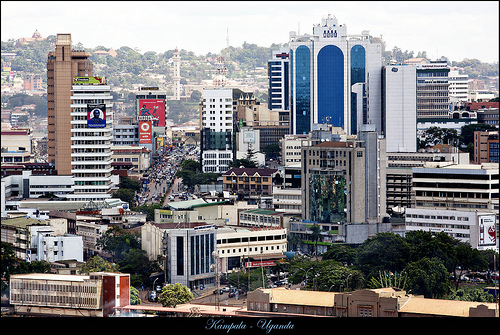
Kampala does not ease into the evening. It erupts. At 6:00 PM, the city is still gridlocked — boda bodas weaving between cars, hawkers selling roasted maize at junctions, office workers streaming toward taxi parks. By 9:00 PM, the streets have emptied of commuters and filled with something else entirely: the smell of charcoal-grilled pork, the bass thumping from open-air bars, the laughter of friends gathered around plastic tables under string lights. Kampala’s nightlife is not a curated tourist experience. It is how the city lives — loud, generous, chaotic, and utterly addictive. There are no velvet ropes at most places, no minimum spend, no dress codes enforced by grim-faced bouncers. There is just food, drink, music, and an entire city determined to enjoy itself. This is your guide to experiencing it like a local. Not the sanitised hotel-bar version. The real thing. Understanding Kampala Nightlife: The Rhythm of the City Timing: Ugandans Go Out Late If you arrive at a bar or club at 8:00 PM, you will likely find it empty. Kampala operates on its own clock, and that clock runs late. 6:00–9:00 PM: Dinner time. Restaurants fill up, pork joints fire up their grills, families eat together. 9:00–11:00 PM: The drinking hour. Bars fill, music gets louder, the first rounds are ordered. 11:00 PM–2:00 AM: Peak club time. This is when Kampala truly comes alive. 2:00–5:00 AM: The late crowd. Hardcore dancers, night-shift workers, and those who simply never went home. On weekends, especially Friday and Saturday, the city stays out until dawn. Thursday is “pre-weekend” and draws a solid crowd. Sunday has its own culture — long lunches, day drinking, and recovery brunches. The Neighborhoods Kampala’s nightlife is not concentrated in one district. It sprawls across several areas, each with a distinct character. Neighborhood Character Best For Kabalagala Gritty, loud, legendary Pork joints, clubs, late-night Rolex Kololo Upscale, expat-friendly Cocktail bars, fine dining, lounges Nakasero Central, mixed Hotel bars, restaurants, business crowd Bugolobi Relaxed, residential Jazz, wine bars, low-key evenings Ntinda Local, vibrant Pork joints, neighbourhood bars Bukoto Trendy, mixed Clubs, brunch spots, live music Kisementi Polished, walkable Restaurants, wine bars, upscale casual Kamwokya Authentic, bustling Local food, live music, creative scene Industrial Area Warehouse clubs Big-name DJs, late-night dancing The Culture A few things to understand before you go out: Greetings matter. Ugandans greet before they transact. A simple “Oli otya?” (How are you?) opens doors. Groups, not solo. Kampala is a social city. People go out in groups — friends, colleagues, family. Solo travellers are welcomed, but expect to be adopted by a group before the night is over. Cash is king. Many bars and clubs accept mobile money (MTN and Airtel Money), but cash is still the most reliable option, especially at smaller establishments and street stalls. Dress to impress (a little). Upscale clubs in Kololo and Nakasero enforce smart-casual dress codes. No flip-flops, no athletic wear. Elsewhere, anything goes. Alcohol flows freely, but so does water. Ugandans drink, but they also pace themselves. You will see as many bottles of water on tables as bottles of beer. Where to Eat: From Pork Joints to Fine Dining The Pork Joints: Kampala’s Greatest Culinary Institution If you do one food thing in Kampala, make it a pork joint. These open-air establishments — clustered in Kabalagala, Ntinda, Bukoto, and Kamwokya — serve grilled pork by the kilo, chopped into bite-sized pieces with a cleaver, and served with kachumbari (fresh tomato, onion, and coriander salad), matooke or posho, and a fiery chilli sauce called akabanga. You eat with your hands, drink cold Nile Special or Club beer, and watch the grill masters work their magic over glowing charcoal. The meat is grilled simply — salt, sometimes a little spice — and it is extraordinary. The fat crisps, the edges char, and the flavour is unlike anything you will find in a restaurant. Where to go: Kabalagala — the most famous pork joint strip. Dozens of joints line the main road, all competing for your business. Prices are negotiable and quality varies, so follow the crowds. Ntinda — slightly more relaxed than Kabalagala, with excellent pork and a neighbourhood feel. Bukoto — a growing cluster of pork joints with a younger, trendier crowd. What it costs: A quarter kilo of pork costs UGX 8,000–15,000 ($2–$4). A half kilo runs UGX 15,000–25,000 ($4–$6.50). Beer is UGX 4,000–6,000 per bottle. Pro tip: Order the pork “kikomando style” — chopped and mixed with beans and chapati — for a full meal at street-food prices. Muchomo: Grilled Meat on the Go Muchomo is the broader category of grilled meat — goat, beef, chicken, and pork — sold from roadside charcoal braziers all over the city. Goat ribs are the classic, seasoned with salt and served with kachumbari and a squeeze of lime. You will find muchomo vendors on street corners, outside bars, and at taxi parks. A plate of goat ribs costs UGX 5,000–10,000 ($1.30–$2.60). The Rolex: Kampala’s Nightcap No night out in Kampala ends without a Rolex. These chapati-wrapped omelettes are sold from roadside stalls that operate until 3:00 AM or later, particularly in Kabalagala, Wandegeya, and Ntinda. After a night of dancing, a cheese Rolex or a chicken Rolex is the perfect ending. It costs UGX 4,000–10,000 ($1–$2.60), and it will soak up whatever you have been drinking. Restaurants: Where to Sit Down When you want a proper meal, Kampala delivers. The city’s restaurant scene has exploded in recent years, with options ranging from traditional Ugandan to Indian, Ethiopian, Italian, and East Asian. Ugandan and East African: 2 Friends Restaurant (Kamwokya) — A Kampala institution. Live music most evenings, excellent Ugandan and continental dishes, and a warm, relaxed atmosphere. Try the luwombo — meat or chicken steamed in banana leaves. Endiro Coffee (multiple locations) — Excellent coffee, all-day breakfast, and a menu that spans Ugandan classics and Western comfort food. The Kisementi branch is particularly popular for evening meals. The Bistro (Kololo) — A long-standing favourite with a garden setting, live music, and a menu that includes outstanding steak and Ugandan dishes. Indian: Khana Khazana (Kisementi) — One of Kampala’s best Indian restaurants, serving rich
Birdwatching in Uganda: Spotting the Shoebill Stork in Mabamba Swamp
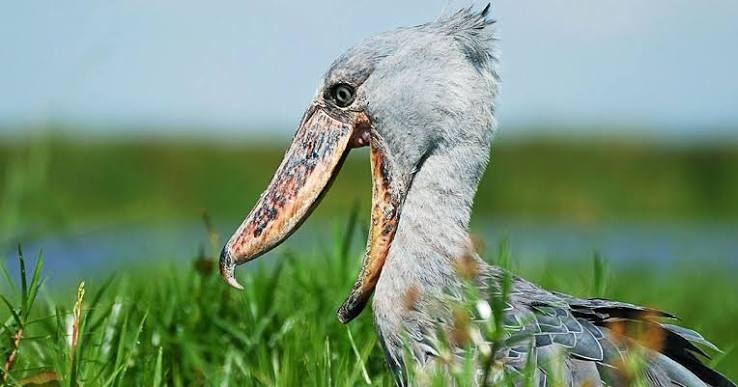
There is a bird in Uganda that looks like it walked out of the Cretaceous period and simply never left. It stands over a metre tall, motionless as a statue, with a bill shaped like a wooden clog and eyes that seem to look straight through you. When it moves, it moves with the slow deliberation of something that has no natural predators and no particular reason to hurry. When it strikes, it strikes with a speed that is genuinely startling. The shoebill stork is one of Africa’s most sought-after birds, and for good reason. It is the only living member of its family, a taxonomic oddity that has puzzled scientists for over a century. It is classified as Vulnerable on the IUCN Red List, with an estimated population of only 3,300 to 5,300 mature individuals remaining in the wild. And while it is found in scattered wetlands across central and eastern Africa, from South Sudan to Zambia, there is one place where your chances of seeing it are as close to guaranteed as nature allows: Mabamba Swamp, on the northern shores of Lake Victoria, just 45 minutes from Entebbe. This is the complete guide to birdwatching in Mabamba Swamp — how to get there, what to expect, what it costs, and why this unassuming papyrus wetland has become one of the most important shoebill conservation sites on the planet. The Shoebill Stork: A Living Fossil What Makes the Shoebill So Extraordinary The shoebill (Balaeniceps rex) is not actually a stork, despite its common name. It was once classified as a stork, but genetic and anatomical evidence led scientists to place it in its own family, Balaenicipitidae, and it is now understood to be more closely related to pelicans and herons. It is a relic of an older world, a bird whose lineage diverged from other avian groups millions of years ago. Its most distinctive feature is, of course, its bill. Shoe-shaped, pale grey, and often streaked with darker markings, the bill is a precision instrument for catching large prey in shallow water. It is edged with sharp, upcurving ridges that grip slippery fish, and it is used in a hunting technique researchers describe as “collapsing” — the bird lunges forward and downward, engulfing its prey and the water around it in a single explosive movement. The Patient Hunter What makes watching a shoebill so compelling is its hunting style. Shoebills are ambush predators, and they are extraordinarily patient. One study found that shoebills spend roughly 85% of their time engaged in low-energy activities, mainly standing still and preening, and catch on average one prey item every 8.3 hours. They can stand in one place for more than three hours waiting for something to eat. Their preferred prey in Mabamba is the lungfish — a prehistoric fish that surfaces to breathe air and is relatively easy to catch in shallow water. They also take catfish, tilapia, frogs, and occasionally small reptiles. For a photographer, this patience is a gift. Unlike birds that flit constantly through the canopy, a shoebill will stand and pose for as long as you need. The challenge is being ready when the strike finally comes. Conservation Status: Why Mabamba Matters The shoebill is listed as Vulnerable by the IUCN, with a declining population. The threats are familiar: habitat destruction and degradation, hunting of eggs and birds for food, and the conversion of wetlands for agriculture and development. Throughout most of its range, the shoebill is fully protected by national law, but enforcement is inconsistent. Mabamba Swamp has become a critical stronghold. It is the only swamp close to Kampala where the globally-threatened shoebill can be easily found, and it is the most reliable place on Earth to see the species in the wild. The wetland was designated a Ramsar Wetland of International Importance in 2006, recognising its global significance for biodiversity. Mabamba Swamp: A Ramsar Wetland of Global Importance The Landscape Mabamba Bay is an extensive marsh stretching through a narrow, long bay fringed with papyrus toward the main body of Lake Victoria. The wetland covers approximately 2,424 hectares, and together with contiguous wetlands, the protected area totals over 22,375 hectares. The swamp is dominated by papyrus — a tall, sedge-like plant that forms dense, impenetrable walls along the water channels. These papyrus stands are the shoebill’s preferred habitat, providing cover, hunting platforms, and nesting material. Navigating through them requires a canoe and a guide who knows the channels intimately. An Astonishing Concentration of Birds Mabamba is not just a shoebill site. The wetland supports an average of close to 190,000 birds, and it is part of a wetland system that hosts approximately 38% of the global population of the Blue Swallow (Hirundo atrocaerulea), as well as the globally-threatened Papyrus Yellow Warbler. The bird list for Mabamba Swamp exceeds 300 species. Beyond the shoebill, visitors can expect to see: Wetland specialists: African jacana, malachite kingfisher, pied kingfisher, blue-breasted bee-eater, papyrus gonolek, swamp flycatcher, white-winged warbler, and purple heron. Waterbirds: Long-tailed cormorant, African pygmy goose, white-faced whistling-duck, spur-winged goose, knob-billed duck, yellow-billed duck, and glossy ibis. Raptors: African fish eagle, and occasionally the pallid harrier. Other wildlife: The sitatunga — a semi-aquatic antelope with specially adapted hooves for walking on floating vegetation — is occasionally seen, along with monitor lizards and a variety of butterflies and dragonflies. A Community-Led Conservation Success Mabamba’s conservation model is one of its most remarkable features. The wetland is managed collaboratively by local communities, conservation organisations, and government agencies. The community is organised under a Site Support Group called the Mabamba Wetland Eco-tourism Association (MWETA), comprising fishermen, guides, and boat operators who have a direct stake in protecting the wetland. Canoe trips are run by local guides who know every bend of the swamp. The trips aren’t just about birdwatching — they directly fund community-led conservation programmes that protect the wetland from encroachment and overfishing. Mabamba’s guides and boat operators are part of a locally-managed ecotourism cooperative that reinvests earnings into habitat protection and anti-poaching patrols. This is conservation that works because it pays. When local fishermen and guides earn more from showing visitors the shoebill than they would from hunting it or draining
Why Ssese Islands Should Be Your Next Beach Getaway
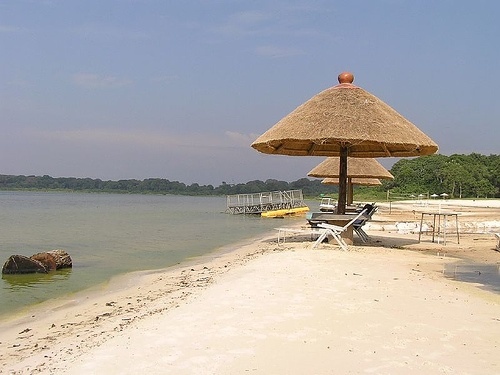
When travellers imagine a beach holiday, they think of Zanzibar, the Maldives, or the coastlines of Kenya and Tanzania. Almost nobody thinks of Uganda. And that is precisely why the Ssese Islands remain one of East Africa’s best-kept secrets — a scattering of 84 islands in the northwest corner of Lake Victoria where white-sand beaches meet equatorial forest, where fishermen still paddle dugout canoes at dawn, and where you can swim in fresh water without a single crocodile in sight. The Ssese Islands are not a resort destination in the conventional sense. There are no high-rise hotels, no beach clubs pumping music until 4:00 AM, and no crowds fighting for sun loungers. What you will find instead is something increasingly rare in modern travel: genuine quiet. Long stretches of sand backed by forest. Water so calm it reflects the sky like glass. And a pace of life that slows the moment you step off the ferry. This is the complete guide to the Ssese Islands — how to get there, what to do, where to stay, and why this archipelago deserves a place on your Uganda itinerary alongside the gorillas and the game drives. Where Are the Ssese Islands? The Ssese Islands lie in the northwestern part of Lake Victoria, forming part of Uganda’s Kalangala District. The archipelago comprises approximately 84 islands, of which around 43 are inhabited. They stretch across the water between Entebbe and the Tanzanian border, sitting roughly 50 to 60 kilometres from the Ugandan mainland. The largest and most developed island is Bugala, which is also the main entry point for visitors. Bugala is roughly 40 kilometres long and 10 kilometres wide, and it holds most of the archipelago’s accommodation, beaches, and infrastructure. The name “Ssese” is pronounced “Say-say” and derives from the Luganda language. Why the Ssese Islands Are Different Freshwater Beaches Without the Danger Swimming in most African lakes comes with caveats. Lake Victoria’s mainland shores carry risks of bilharzia, and many lakes harbour hippos and crocodiles. The Ssese Islands are different. The beaches on Bugala and its neighbouring islands are generally safe for swimming. The water is fresh, calm, and clean, and the areas around the main resorts are free of dangerous wildlife. This is one of the very few places in Uganda where you can genuinely swim in a natural body of water without worry. An Actual Beach Climate The islands sit at a lower altitude than much of Uganda and benefit from lake breezes that moderate the heat. The result is a climate that feels genuinely tropical — warm days, cool evenings, and humidity that is far more comfortable than Kampala’s. No Crowds The Ssese Islands receive a fraction of the visitors that Uganda’s national parks do. Even on public holidays, you can find a stretch of beach to yourself. This is a destination where you can genuinely escape, read a book under a palm tree, and hear nothing but the water. Forest, Not Just Sand Unlike many beach destinations, the Ssese Islands are covered in equatorial rainforest. Bugala Island has extensive forest reserves and several forest walks where you can spot primates, birds, and butterflies. This gives the islands a dual character — beach holiday and nature retreat in one. Community Tourism at Its Best The islands are home to fishing communities that have lived on Lake Victoria for generations. Visiting the Ssese Islands means engaging with a way of life that is genuinely local — buying fresh tilapia straight off the boat, watching fishermen mend nets, and eating meals prepared with fish caught that morning. How to Get to the Ssese Islands The Main Route: Bukakata to Luku Ferry The standard route to the Ssese Islands is via the ferry from Bukakata to Luku on Bugala Island. Step 1: Kampala to Bukakata. The drive from Kampala to Bukakata takes approximately 3 to 4 hours (roughly 140 kilometres). The road passes through Masaka and turns off toward the lake. Most of the route is tarmacked, with the final stretch on murram road. Step 2: The Ferry Crossing. The ferry from Bukakata to Luku takes approximately 1 hour and runs several times daily. The ferry carries both passengers and vehicles, and the crossing itself is scenic — you will pass small islands and fishing boats on the way. Step 3: Luku to Your Accommodation. From Luku, most resorts are within a 30 to 60-minute drive along the island’s main road. Many lodges offer pick-up services, and boda-bodas are available at the landing site. Alternative Route: Entebbe to Kalangala Ferry There is also a ferry service connecting Entebbe to Kalangala, which is convenient for travellers coming directly from Entebbe Airport. However, this service operates less frequently and should be confirmed in advance. Getting Around the Island Once on Bugala, transport is by boda-boda (motorcycle taxi), special hire taxi, or organised lodge transfers. Distances are significant — the island is 40 kilometres long — so plan your movements accordingly. What to Do on the Ssese Islands 1. Swim and Relax on the Beaches This is the headline activity. The beaches on Bugala — particularly around Kalangala town and the main resorts — offer soft sand, calm water, and shade from trees. Bring a book, bring sunscreen, and do absolutely nothing for a few hours. It is a rare pleasure in Uganda. 2. Forest Walks and Nature Trails Bugala Island has extensive forest reserves, including the Bugala Forest Reserve, where guided walks reveal monkeys, birds, butterflies, and towering hardwood trees. The forest is home to vervet monkeys, red-tailed monkeys, and a rich variety of birdlife. 3. Birdwatching The Ssese Islands are a birdwatcher’s destination. Lake Victoria’s shores and the island forests host species including African fish eagles, kingfishers, weavers, herons, egrets, and the elusive shoebill in some wetland areas. The island’s relative isolation means bird populations are healthy and easy to observe. 4. Fishing Fishing is the lifeblood of the Ssese Islands, and visitors can join local fishermen on the water. Sport fishing for Nile perch is popular, and the islands are known for producing some of the largest Nile perch in Lake Victoria. Tilapia fishing with local fishermen using traditional methods is a more relaxed alternative. 5. Sunset Cruises
