
The Ultimate Guide to Lake Bunyonyi: Uganda’s Little Switzerland
The Ultimate Guide to Lake Bunyonyi: Uganda’s Little Switzerland There is a place in southwestern Uganda where the air turns cool and crisp, where terraced hillsides fold into one another like green staircases descending to still, dark water, and where twenty-nine islands scatter across the surface of a lake so deep it ranks among the deepest on the African continent. Travellers who spend time here describe the same sensation again and again: nothing quite prepared them for how peaceful it feels. Lake Bunyonyi sits in the Kigezi highlands, tucked into the folds of Uganda’s far southwest. Its name, loosely translated from the local Rukiga language, means “place of many little birds” — an apt description for a lake that hosts over 200 recorded bird species along its papyrus-lined shores. At roughly 1,962 metres above sea level, it is one of the highest lakes in Africa, and its cool climate offers welcome relief from the heat travellers experience elsewhere on a Ugandan safari. It is often called the “Switzerland of Africa” — a nickname earned by its terraced hills, its cool air, and the almost European sense of order in the way local farmers have shaped the landscape over centuries. But comparisons only go so far. Lake Bunyonyi has its own character, one built on volcanic geology, island folklore, and a genuine sense of remoteness that is increasingly hard to find. This is the complete guide to Lake Bunyonyi — what to do, where to stay, how to get there, and why this quiet corner of Uganda deserves more than a passing stopover. The Lake Itself: Geology, Depth, and the Meaning of “Bunyonyi” Lake Bunyonyi was formed by a volcanic eruption from the Virunga Mountains that blocked a river exit less than ten thousand years ago. The result is a long, winding body of water with a jagged shoreline and a remarkable depth — scientific literature generally quotes a maximum depth of about 900 metres, making it the second-deepest lake in Africa after Lake Tanganyika. That depth has practical implications. The lake is famously free of bilharzia — a parasitic disease transmitted through snails found in many tropical lakes — and it contains no crocodiles or hippos. This makes it one of the few lakes in East Africa that is genuinely safe for swimming, a rarity that transforms the experience of being near the water. The lake’s 29 islands are the heart of its character. Each has its own story, its own history, and its own place in the folklore of the Bakiga people who have lived on these shores for generations. The Islands: Stories Written in Water Punishment Island (Akampene): The Darkest Chapter No island on Lake Bunyonyi carries more weight than Akampene, known as Punishment Island. For centuries, in traditional Bakiga society, an unmarried girl who fell pregnant brought shame to her family — and, crucially, robbed that family of the livestock wealth a virgin bride would bring. The consequence was brutal. Parents would row their pregnant daughter to the centre of the lake and leave her on a tiny overgrown island with just two trees, one long-dead and one alive. Most girls did not know how to swim. They were left with two options: stay on the island and die from cold and hunger, or dive into the lake and drown. The practice continued even after missionaries and colonialists arrived in the nineteenth century and outlawed it, because of the remoteness of the area. There is only one known remaining survivor, Mauda Kyitaragabirwe, who was left on the island at the age of twelve. She survived four nights without food or water before a local fisherman came and took her home to be his wife. Today, Punishment Island is a destination for visitors seeking to understand this dark chapter of the region’s history. It is a place of beauty and tragedy in equal measure — a reminder that the landscapes we admire often hold stories we must not forget. Bwama Island (Sharp’s Island): A Legacy of Healing Bwama Island, also known as Sharp’s Island, tells a very different story. In 1921, a British missionary doctor named Leonard Sharp and his wife arrived in the Kigezi region and established the Ruanda Mission hospital near Lake Bunyonyi. In 1931, Sharp turned Bwama into a leprosy treatment centre — a voluntary colony where patients could receive care in isolation. The colony closed in the 1980s, coinciding with improved leprosy therapeutics. Today, Bwama Island hosts a school, and the island remains a place of quiet significance — a testament to the complicated history of missionary medicine in the region. Kyahugye Island: Wildlife on the Water Kyahugye Island was once bought by a former governor of the Bank of Uganda, who brought wildlife to the island. Today it is home to zebras, impalas, Uganda kob, and donkeys — a surprising concentration of animals on a lake island. It is one of the few places in Uganda where you can take a boat to see zebras. Other Islands Worth Knowing Bushara Island was owned by the Church of Uganda and, in the 1930s and 1940s, was cultivated by patients from the leprosy settlement. Today it is home to a community campsite and offers some of the most accessible island camping on the lake. Itambira Island hosts Byoona Amagara, a popular budget lodge and campground, and is a common base for travellers exploring the lake on a budget. Rutinda Market, on the mainland at the water’s edge, holds a market day twice a week — a lively gathering where local farmers and fishermen sell their produce directly from canoes and shoreline stalls. The Signature Experience: Canoeing on Lake Bunyonyi If there is one activity that defines a visit to Lake Bunyonyi, it is canoeing. Motorised boats are officially restricted on much of the lake, a rule that has preserved both the silence of the water and the traditional way of moving across it. Local dugout canoes, carved from single tree trunks, are still used by fishermen and island residents for daily transport, and visitors are warmly invited to try their hand at paddling one. More stable wooden rowing canoes are
The Rolex and Rolex: A Foodie’s Guide to Uganda’s Street Food Scene

There is a joke that every visitor to Uganda eventually hears. You can buy a Rolex in Kampala for less than two dollars. It will not tell the time, it will not survive a swim, and it will not impress anyone at a board meeting. But it will be hot, greasy, deeply satisfying, and quite possibly the best thing you eat in Africa. The Ugandan Rolex is not a watch. It is a chapati rolled around an omelette — the name is a contraction of “rolled eggs” — and it is the undisputed king of Uganda’s street food scene. Sold from roadside stalls and tiny kiosks from dawn until well past midnight, it is breakfast, lunch, dinner, and post-night-out salvation all at once. In 2016, Uganda’s Ministry of Tourism even attempted to have the Rolex recognised as a national dish. But Uganda’s street food goes far beyond the Rolex. This is a country where you can eat grilled goat ribs off a charcoal brazier, drink fresh passion fruit juice squeezed in front of you, snack on roasted grasshoppers during the November rains, and buy a whole pineapple for a dollar from a woman balancing a basket on her head. This is the foodie’s guide to Uganda’s street food scene — what to eat, where to find it, how much to pay, and how to eat it like a local. The Rolex: Uganda’s National Treasure What Exactly Is a Rolex? A Rolex is made in three stages. First, a chapati — soft, layered, slightly flaky — is cooked on a flat iron griddle called a kikalango. Then eggs are beaten with finely chopped onions, tomatoes, and often cabbage, and fried into a thin omelette on the same griddle. Finally, the chapati is laid over the omelette, the whole thing is rolled into a tight cylinder, and it is wrapped in paper or a plastic bag and handed to you, steaming hot. That is the classic version. The variations are endless. The Rolex Menu: From Classic to Extravagant Type What’s Inside Typical Price (UGX) Approx. USD Classic Rolex Chapati, 1–2 eggs, onion, tomato 2,000–3,000 $0.50–$0.80 Rolex with Cabbage Adds shredded cabbage 2,500–3,500 $0.65–$0.90 Rolex with Cheese Adds a slice of processed cheese 4,000–6,000 $1.00–$1.60 Chicken Rolex Adds shredded chicken 6,000–10,000 $1.60–$2.60 Beef Rolex Adds minced or shredded beef 6,000–10,000 $1.60–$2.60 Double Rolex Two chapatis, two to three eggs 5,000–7,000 $1.30–$1.80 Special Rolex Everything: cheese, meat, avocado 10,000–15,000 $2.60–$4.00 The avocado Rolex deserves special mention. During avocado season, vendors will slice fresh avocado into the roll — a simple addition that transforms the texture and flavour entirely. If you see avocados on the stall, order it. Where to Find the Best Rolex Rolex stalls are everywhere. They cluster around taxi parks, markets, universities, and busy junctions. The best ones share a few characteristics: a queue of locals, a vendor cooking continuously rather than waiting for orders, and a clean, well-organised setup. In Kampala, the most reliable Rolex hunting grounds include: Wandegeya, near Makerere University, where student demand keeps quality high and prices low Nakasero Market, where vendors serve office workers from early morning Kabalagala, the nightlife district, where Rolex stalls operate until 3:00 AM Ntinda and Bugolobi, where upscale versions with cheese and chicken are common Kalerwe Market, one of the city’s biggest and busiest food markets Beyond Kampala, every town in Uganda has its Rolex stand. In Fort Portal, Jinja, Mbarara, and Gulu, ask your driver or lodge staff where the locals go — that is where you will find the best one. How to Order Like a Local Walk up, greet the vendor, and place your order clearly. A few phrases that will earn you points: “Rolex ya magi abbiri” — a Rolex with two eggs “yongeramu cabbage” — add cabbage “yongeramu cheese” — add cheese “yongeramu kkedo” — add avocado (seasonal) “totekamu onion” — no onions, if you want to skip them “Kamulali” — spicy, if you want chilli added Most vendors will ask “akatungulu?” (onions?) and “Kaamulali?” (chilli?) as they cook. Nod or shake your head. The Rolex Festival Kampala has hosted an annual Rolex Festival celebrating the dish, with vendors from across the country competing for the title of best Rolex. The event has drawn thousands of attendees and helped cement the Rolex’s status as a symbol of Ugandan identity. If your visit coincides with the festival, it is an unmissable introduction to the dish at its most inventive. Beyond the Rolex: The Full Street Food Menu Muchomo: Uganda’s Charcoal-Grilled Meat If the Rolex is Uganda’s breakfast, muchomo is its evening. The word covers any grilled meat — usually goat, beef, chicken, or pork — cooked over charcoal braziers on the roadside and served with salt, chilli, and sometimes a squeeze of lime. Goat muchomo is the classic. Vendors grill ribs and chunks of meat slowly, then chop them into bite-sized pieces with a cleaver and serve them on a piece of paper or a plate with kachumbari (a fresh salad of tomato, onion, and coriander) and matooke or posho on the side. Pork muchomo is its own institution. In Kampala, the “pork joints” of Kabalagala, Ntinda, and Bukoto are legendary — bustling, open-air spots where grilled pork is served by the kilo with raw vegetables, chilli sauce, and cold beer. The most famous is arguably the strip of pork joints along Kabalagala’s main road. Typical prices: A quarter kilo of goat muchomo costs UGX 8,000–15,000 ($2–$4). A half kilo of pork at a joint runs UGX 15,000–25,000 ($4–$6.50). Gonja: Roasted Banana, Uganda’s Street Snack Gonja is a ripe plantain roasted over charcoal until the skin blackens and the inside turns soft, sweet, and smoky. Vendors sell it from roadside stands, often alongside roasted cassava and maize. It costs almost nothing — usually UGX 500–1,000 ($0.15–$0.25) per piece — and it is one of the simplest, most satisfying snacks in the country. Gonja is best eaten hot, peeled with your fingers, with the charred outer layer stripped away. Roasted Maize and Cassava(kasooli omwookye) Roasted maize (corn) is everywhere — grilled over charcoal, rubbed with salt or chilli, and sold on street corners for UGX 1,000–2,000. During maize
Uganda Visa Requirements 2026: Everything You Need to Know Before You Fly
Planning a trip to Uganda — whether for gorilla trekking in Bwindi, chimpanzee tracking in Kibale, or a classic safari in Murchison Falls — begins with one essential step: sorting out your visa. Uganda has one of Africa’s most streamlined visa systems, with an entirely online application process that most travellers can complete in minutes. But 2026 brought significant changes, including a new visa-free entry policy for dozens of countries and updated fee structures. This guide covers everything you need to know before you fly. The Big Change in 2026: Visa-Free Entry for 40 Countries The most significant development in Uganda’s immigration policy this year is the introduction of visa-free entry for nationals of 40 countries, allowing stays of up to three months for tourism or business purposes. The policy is part of Uganda’s broader effort to promote regional integration, tourism growth, and cross-border trade. Who Qualifies for Visa-Free Entry? Nationals of the following African countries may now enter Uganda visa-free: Kenya, Tanzania, Rwanda, Burundi, South Sudan, Seychelles, Mauritius, Mozambique, Zambia, Zimbabwe, Malawi, Botswana, Lesotho, Madagascar, Comoros, Eritrea, The Gambia, Sierra Leone, Ghana, and Eswatini. Several non-African countries and territories have also been granted visa-free access, including Ireland, Jamaica, Antigua and Barbuda, Bahamas, Barbados, Belize, Cyprus, Fiji, Grenada, Malaysia, Malta, Singapore, Solomon Islands, Saint Vincent and the Grenadines, Tonga, Trinidad and Tobago, United Arab Emirates, Vanuatu, and Hong Kong SAR. Who Still Needs a Visa? United States, European Union, and United Kingdom nationals remain subject to visa requirements. The policy shift follows recent changes in US immigration measures affecting Ugandan travellers, which took effect January 21, 2026. Travellers from all other countries not listed must continue to apply for a visa and obtain approval before entering Uganda. Types of Uganda Visas and Fees in 2026 Uganda offers several visa categories to suit different travel purposes. Here is the complete breakdown of fees for 2026. Single-Entry Tourist Visa (Ordinary Visa) The standard single-entry visa is the most common option for tourists, business travellers, and family visitors. It costs USD $50 and is valid for 90 days from the date of approval or issuance. Once the 90-day window closes, travellers must begin the application process again from scratch. This visa covers tourism, business engagements, family visits, and other personal trips. It permits a single entry into Uganda. Multiple-Entry Visa For travellers who need to enter Uganda more than once, the multiple-entry visa is available in two durations: 6-month multiple-entry visa: USD $100 24-month multiple-entry visa: USD $200 A multiple-entry visa requires documented justification and police clearance certificates. East Africa Tourist Visa (EATV) The East Africa Tourist Visa is a regional visa that allows travel across Uganda, Kenya, and Rwanda under a single permit. It is valid for 90 days from the date of issuance and allows multiple entries among the three participating states for tourism purposes. The flat fee is USD $100. A critical rule to remember: you must first enter the East African region through the country that issued the visa. If you apply through Uganda’s immigration portal, Uganda must be your first port of entry. The EATV does not cover travel to Tanzania, Burundi, or South Sudan. Transit Visa Travellers passing through Uganda on their way to another destination can apply for a transit visa, which costs USD $50 and is valid for 7 days. The transit visa does not permit tourism or extended visits. Note: Passengers who remain airside and have a confirmed onward ticket within 48 hours may not need a transit visa. Visa Fee Summary Table Visa Type Fee (USD) Validity Entry Single-Entry Tourist Visa $50 90 days Single Multiple-Entry Visa (6 months) $100 6 months Multiple Multiple-Entry Visa (24 months) $200 24 months Multiple East Africa Tourist Visa $100 90 days Multiple (Uganda, Kenya, Rwanda) Transit Visa $50 7 days Single Fees are payable by credit card, with a 3% commission applied by the processing system. The Application Process: Step by Step All visa applications are processed online through the Uganda Electronic Visa/Permit Application System at https://visas.immigration.go.ug. Step 1: Choose Your Application Type Select the visa category (Ordinary, Multiple-Entry, Diplomatic and Official, Transit, or East Africa Tourist Visa) and the appropriate subcategory (single-entry, multiple-entry for 6–12 months, 12–24 months, or 24–36 months). Step 2: Fill the Electronic Form Complete the online application form with your personal details, passport information, travel dates, and purpose of visit. Step 3: Upload Required Documents You will need to upload electronic copies of the following: A recent passport-sized photograph Copy of your passport bio-data page (valid for at least 6 months from your date of entry) Yellow Fever Vaccination Certificate Proof of hotel accommodation booked within Uganda, or evidence confirming the status of whoever will be hosting you during your stay Recommendation letter or police clearance (depending on visa type) All documents must be submitted in English, regardless of your country of origin or the language of your home country’s official records. Step 4: Submit and Pay Submit your application and pay the applicable fee by credit card. The system applies a 3% commission on all payments. Step 5: Receive Your Travel Authorization Upon submission, you will receive a notification with an application number to track your application. If approved, an approval letter will be sent as an attachment to the email you provided. This letter serves as your travel authorization. Print it out and present it together with your valid passport at the port of entry. Important: The travel authorization does not guarantee entry into Uganda. Travellers will be subjected to secondary verification where necessary before a visa can be placed in the passport. Processing Time All visas, permits, and passes are approved within 2 to 3 working days, except in special circumstances where more documents or verification may be required. Applicants are advised to apply at least 5 working days before travel. Yellow Fever Vaccination: Mandatory for All Travellers Yellow fever vaccination is compulsory for all travellers entering Uganda from the age of one year. The vaccination must be administered at least 10 days prior to arrival by an official yellow fever vaccination centre and must be registered in an International Certificate of Vaccination and Prophylaxis (the “yellow card”). Note: Uganda requires a valid Yellow Fever Certificate from all travellers regardless of country of origin,
How to Get from Entebbe to Kampala: A Transportation Guide.
You have just landed at Entebbe International Airport. The equatorial heat hits you as you step off the plane, the air thick with the smell of rain and jet fuel. Your bags are heavy, you are jet-lagged, and all you want is to get to your hotel in Kampala. But first, you have to navigate the 40-kilometre journey from the airport to the capital — a trip that can take anywhere from 40 minutes to well over two hours depending on the traffic, the route, and the mode of transport you choose. This is the complete guide to getting from Entebbe to Kampala, covering every option from private transfers to shared minibuses, with real prices, practical tips, and everything you need to make the right choice for your arrival. The Basics: Distance, Time, and Traffic Entebbe International Airport sits roughly 40 kilometres south of Kampala on the shores of Lake Victoria. The driving distance is approximately 35 to 41 kilometres depending on your starting point and final destination in the city. In light traffic, the drive takes as little as 35 to 50 minutes via the Entebbe-Kampala Expressway. But Kampala’s traffic is legendary. During peak hours — roughly 7:00 to 9:00 AM and 5:00 to 8:00 PM — the same journey can stretch to 90 minutes or more. Late-night arrivals face their own challenges: fewer drivers, higher taxi quotes, and the general disorientation of navigating an unfamiliar city in the dark. The key to a smooth arrival is choosing the right transport option for your budget, your arrival time, and your tolerance for adventure. Option 1: Pre-Booked Private Transfer (The Easiest Option) For first-time visitors, late-night arrivals, or anyone travelling with heavy luggage or a group, a pre-booked private transfer is the smoothest and most comfortable option. How It Works You arrange the transfer online before you travel, usually through your hotel, tour operator, or a dedicated airport transfer service. A driver meets you in the arrivals hall holding a sign with your name. He helps with your bags, walks you to a waiting vehicle, and drives you directly to your accommodation in Kampala. What It Costs Pre-booked transfers typically cost USD $30 to $60 depending on the vehicle type — sedans sit at the lower end, while SUVs and minivans for larger groups or extra luggage cost more. The price is fixed and all-inclusive, including the expressway toll, fuel, and the driver’s time. Why Choose It No negotiation required. The price is agreed before you arrive. No waiting. Your driver is already there when you land. No uncertainty. You know exactly what you are paying and exactly where you are going. The price is fixed even if traffic is terrible. A pre-booked transfer maintains the same price regardless of how long the journey takes. For solo travellers, the cost is higher than a shared taxi, but the convenience is worth it. For couples or groups of three to four, the per-person cost drops significantly and becomes highly competitive with other options. Option 2: Airport Taxi (The Negotiated Option) If you have not pre-booked, the next option is an airport taxi — the official taxis waiting outside the arrivals terminal. How It Works Drivers approach you as you exit the terminal. You negotiate a price before getting in, then the driver takes you to your destination in Kampala. What It Costs Airport taxis are not metered. Drivers typically start by asking USD $60 to $80 and expect you to negotiate down. A reasonable landed price is USD $40 to $55 for a ride to central Kampala. First-time visitors often end up paying $55 to $70; skilled negotiators get closer to $40. The official rate is often quoted as UGX 150,000 (approximately USD $40). Tips for Negotiating Know the fair price before you start. Aim for $40 to $50 to central Kampala. Never agree to a per-person price. All quotes should be for the car, not per passenger. Walk away if the price is too high. There are always other drivers, and walking away signals that you are not desperate. Confirm whether the expressway toll is included in the quote. Most drivers include it, but it is worth asking. Why Choose It Airport taxis are convenient if you have not pre-booked and want to leave the airport immediately. They are also a good option if your flight is delayed and your pre-booked driver has already left. Option 3: Ride-Hailing Apps (Uber, Bolt, SafeBoda) Ride-hailing apps have transformed transport in Kampala, and they can be an excellent option for getting from Entebbe to the city — with a few caveats. How It Works You open the app (Uber, Bolt, or SafeBoda), set your pickup location as Entebbe Airport, enter your destination in Kampala, and the app shows you a fixed price before you confirm. A driver accepts the ride, picks you up at the designated location, and drives you to your destination. What It Costs Ride-hailing is the cheapest private option. Uber and Bolt fares from Entebbe Airport to Kampala typically range from USD $15 to $25 when available. Bolt estimates a journey from the airport to Jinja Road in Kampala at approximately UGX 31,806 (about USD $8.50) for a motorbike and **UGX 94,143** (about USD $25) for a standard car. Surge pricing during peak times or late at night can push fares up to $30 to $40. The Catch: Availability at the Airport The main limitation of ride-hailing at Entebbe Airport is unreliable availability. The airport is outside the main operating zone for many drivers, and wait times can be long — sometimes 20 to 40 minutes or more. Some travellers report waiting indefinitely for a ride that never comes. SafeBoda for Boda Bodas SafeBoda is a Ugandan ride-hailing app specifically for boda bodas (motorcycle taxis). It offers tracked routes, upfront fares, and a helmet as standard — a significant safety improvement over flagging a boda boda on the street. A SafeBoda from Entebbe to Kampala is possible but not recommended for the full journey with luggage; it is better suited for short hops around the city. Why Choose It Ride-hailing is the best option if you want a private ride at a low price and
Malaria, Vaccines, and Travel Insurance: Staying Healthy in Uganda
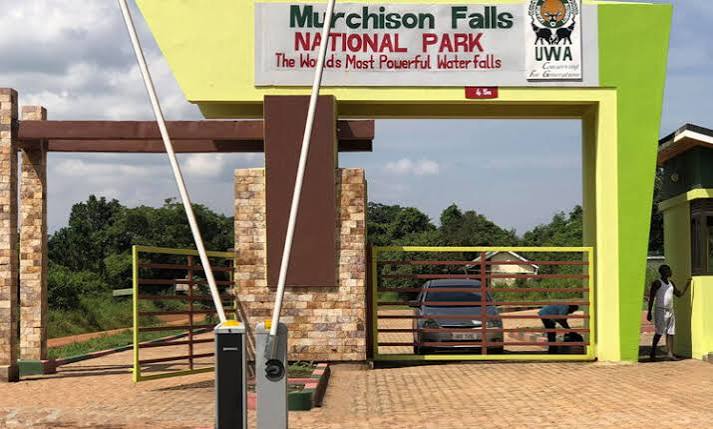
Uganda is one of the most rewarding destinations in Africa — mountain gorillas, tree-climbing lions, the source of the Nile, and landscapes that shift from rainforest to glacial peaks within a single journey. But travelling here requires something that many first-time visitors underestimate: serious attention to your health. Uganda is a tropical country with a high burden of mosquito-borne and water-borne disease. Medical facilities are limited outside Kampala, and in remote areas — including the gorilla parks and the Rwenzori Mountains — a medical emergency can become a logistical crisis very quickly. The good news is that nearly all the significant health risks are preventable with preparation, the right vaccinations, and comprehensive travel insurance. This is the complete guide to malaria prevention, recommended and required vaccines, travel insurance, safe eating and drinking, and everything else you need to stay healthy in the Pearl of Africa. Malaria: The Single Biggest Health Risk Malaria is the most significant health threat to travellers in Uganda. It is present throughout the entire country, year-round, including in urban areas such as Kampala. There is no malaria-free season and no malaria-free region. The German Federal Foreign Office rates the infection risk as high across the whole country, including the cities. The dominant species is Plasmodium falciparum, which accounts for over 99% of infections in Uganda and is the most dangerous form of the parasite — the one that causes severe malaria and can be fatal within 24 hours if untreated. In 2026, the Ugandan government confirmed that genomic surveillance has detected no new or more dangerous strain of malaria; the parasite circulating today is the same one that has been present for decades. Prevention: Tablets and Mosquito Protection Malaria prevention works on two fronts: chemoprophylaxis (antimalarial tablets) and mosquito avoidance. You need both. Tablets alone do not provide complete protection, and mosquito nets alone do not eliminate the risk. Antimalarial tablets. Travellers to Uganda should take prescription antimalarial medication. The choice of drug depends on your medical history, the length of your stay, and your doctor’s assessment. Common options include atovaquone-proguanil (Malarone) , doxycycline, and mefloquine (Lariam) . Each has different dosing schedules, side effects, and contraindications. You must start most prophylactics before arrival — sometimes one to two days before, sometimes one to two weeks — and continue taking them for a set period after leaving the malaria zone. Consult a travel medicine clinic at least four to six weeks before departure to discuss which option is right for you. Mosquito nets. Sleeping under an insecticide-treated net (LLIN) every night is essential. Uganda’s Ministry of Health notes that consistent use of LLINs can reduce malaria transmission by up to 50% and lower morbidity and mortality rates by about 25%. Most safari lodges and hotels provide nets, but it is worth confirming before you book — and if you are camping or staying in budget accommodation, bring your own. Insect repellent. Apply a DEET-based or picaridin-based repellent to exposed skin, especially from dusk onward. Wear long sleeves and trousers in the evening. Mosquitoes that transmit malaria are most active between dusk and dawn. Indoor spraying. Uganda’s Ministry of Health advises indoor residual spraying with recommended insecticides before the start of each school term and planting mosquito-repellent vegetation on school premises. Lodges in high-risk areas often follow similar protocols, but it is worth asking about their mosquito control measures. What to Do If You Develop a Fever If you develop a fever, chills, or flu-like symptoms during or after your trip — even weeks later — seek medical attention immediately and tell the healthcare provider where you have been travelling. Malaria can become serious very quickly if left untreated. Do not assume it is “just a cold” or “just jet lag.” A rapid diagnostic test for malaria is simple, cheap, and widely available in Uganda. In Kampala and other major towns, private clinics can test you within hours. Required Vaccinations: Yellow Fever and Beyond Yellow Fever: Mandatory for All Travellers Yellow fever vaccination is compulsory for all travellers entering Uganda from the age of one year. This is not a recommendation — it is a legal entry requirement. Unlike many countries that only require proof from travellers arriving from yellow fever-endemic zones, Uganda requires a valid Yellow Fever Certificate from every traveller, regardless of country of origin. The vaccination must be administered at least 10 days before arrival at an official yellow fever vaccination centre, and must be registered in an International Certificate of Vaccination and Prophylaxis — the “yellow card”. You will need to upload a copy of this certificate as part of your online visa application, and you may be asked to present it at the border. If you do not have it, you will not be allowed to enter. Recommended Vaccinations for Uganda Beyond yellow fever, the CDC and WHO recommend the following vaccines for travellers to Uganda: Hepatitis A. Recommended for all travellers. Hepatitis A is transmitted through contaminated food and water and is highly prevalent in Uganda. A single injection provides protection for at least one year, with a booster extending coverage to 20 years or more. Typhoid. Recommended for travellers to Uganda, particularly those visiting smaller cities, rural areas, or staying with local families. Typhoid is transmitted through contaminated food and water and can cause prolonged, debilitating illness. Hepatitis B. Recommended for all travellers, especially those who may have close contact with local communities, undergo medical procedures, or stay for extended periods. Hepatitis B is transmitted through blood and bodily fluids. Rabies. Recommended for travellers who will be trekking (gorilla trekking, chimpanzee tracking, Rwenzori hiking), volunteering rurally, or spending significant time outside Kampala. Rabies is present in Uganda, and post-exposure immunoglobulin may be unavailable in rural areas. Pre-vaccination means only two booster shots are needed after a bite rather than a full emergency course you may not be able to access. Measles, Mumps, Rubella (MMR). All international travellers should be fully vaccinated against measles. Measles cases are rising globally, and Uganda is not exempt. Ensure you are up to date according to your national vaccination schedule. Meningococcal vaccine (ACWY). Considered for travellers on longer stays or
The Cost of a Ugandan Safari: How Much Should You Budget?
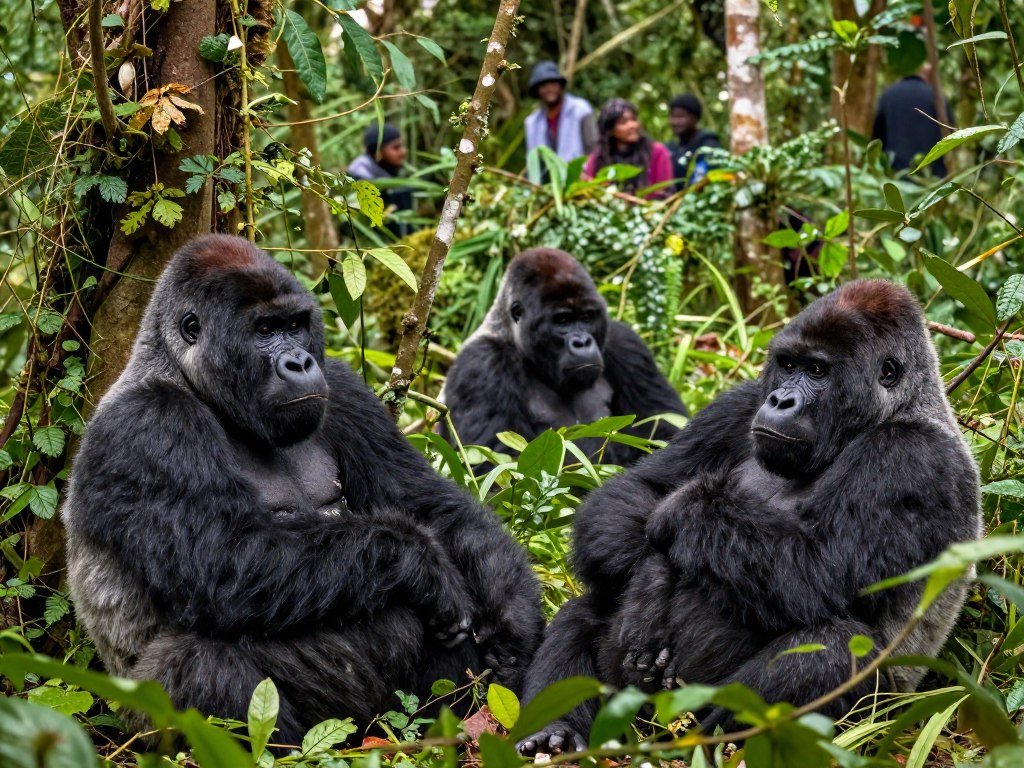
Uganda sits in an unusual sweet spot in African travel. It offers the same headline wildlife experiences as Kenya and Tanzania — the Big Five, sweeping savannas, world-class birding — plus one thing neither of them has: mountain gorillas. And it delivers all of it at a noticeably lower price point than its more famous neighbours. But “cheaper than Kenya” is not the same as cheap. A Ugandan safari can cost $150 per person per day or $1,200 per person per day depending on how you travel, where you sleep, and whether gorilla permits are involved. Two travellers can book what looks like the same trip and pay wildly different amounts. This guide breaks down the real 2026 numbers across three budget tiers so you can plan with confidence rather than guesswork. The Quick Answer For a 7-day Uganda safari including gorilla trekking, expect to pay the following per person: Tier Per Person (7 days) Daily Average Budget $1,200 – $1,800 $170 – $260 Mid-Range $2,200 – $3,500 $315 – $500 Luxury $4,500 – $8,000+ $640 – $1,140+ These figures include accommodation, park fees, one gorilla permit, a driver-guide, meals, and ground transport — but not international flights. If gorilla trekking is not part of your itinerary, subtract the $800 permit and expect to pay significantly less. For comparison, a 7-day wildlife safari without gorillas ranges from $1,400–$2,000 (basic) to $4,200+ (luxury). What Actually Drives the Cost Before breaking down the tiers, it helps to understand the two expenses that swing your budget more than anything else. Gorilla permits. A single permit costs $800** for foreign non-residents in 2026, regardless of which tier you are travelling in. This is a fixed cost that budget travellers pay just as much as luxury travellers — it just represents a much bigger share of a tight budget. The Uganda Wildlife Authority has introduced **low-season discounted permits at $600 for April, May, and November 2026 — a $200 saving per person. Accommodation style. This is where the real spread happens. A basic guesthouse near Bwindi might run $30–$50 per night. A luxury lodge with gorilla-forest views can run $600–$1,200 per night. Everything else — meals, park entry, guide fees — stays relatively similar across tiers. The Fixed Costs: What Everyone Pays Several costs are set by the Uganda Wildlife Authority and cannot be negotiated or avoided. These apply regardless of your travel style. Park Entry Fees (Per Day) Park Foreign Non-Resident Foreign Resident East African Citizen Murchison Falls $45 $35 UGX 25,000 Queen Elizabeth $40 $30 UGX 20,000 Kibale Forest $40 $30 UGX 20,000 Lake Mburo $40 $30 UGX 20,000 Bwindi / Mgahinga $40 $30 UGX 20,000 Murchison Falls is classified as a Class A+ park, which explains its slightly higher rate. Children aged 5–15 pay reduced fees, and children under 5 enter free. Activity Permits and Fees Activity Foreign Non-Resident (USD) Gorilla Trekking (high season) $800 Gorilla Trekking (low season: Apr, May, Nov) $600 Gorilla Habituation Experience $1,500 Chimpanzee Tracking (Kibale) $250 Chimpanzee Tracking (low season) $200 Chimpanzee Habituation Experience $300 Kyambura Gorge Chimpanzee Tracking $100 Lion Tracking (Queen Elizabeth) $200 Boat Cruise (Kazinga Channel) ~$30 Source: UWA 2026 tariff updates Vehicle Fees A tour company 4×4 vehicle pays approximately $150** per entry at Murchison Falls, while a saloon car costs around **$40. Budget Tier: $170–$260 Per Day Best for: Backpackers, solo travellers, and anyone prioritising wildlife over comfort. What It Looks Like Accommodation: Budget guesthouses, hostels, and community campsites ($20–$50 per night) Transport: Shared shuttle or public minibus (matatu) between towns, budget driver-guide for park days Meals: Local restaurants and guesthouse meals ($5–$15 per day) Park fees: Standard entry fees ($40–$45 per day per park) Gorilla permit: $800 (unavoidable) What You Sacrifice Comfort and flexibility — not the core experience. You still see the gorillas, the game drives, and the falls. You are just doing it with simpler lodging and less hand-holding. What It Costs A 7-day budget safari with gorilla trekking runs $1,200–$1,800 per person. A self-drive safari for a couple travelling economically costs roughly $100–$250 per person per day depending on vehicle choice and accommodation. Sample 7-day budget breakdown: Item Cost Gorilla permit $800 Park fees (4 parks × ~$40) $160 Chimpanzee permit $250 Accommodation (6 nights × $35) $210 Meals (7 days × $10) $70 Shared transport $150 Total ~$1,640 Mid-Range Tier: $315–$500 Per Day Best for: Most first-time visitors. This is where the majority of Uganda safari-goers land. What It Looks Like Accommodation: Comfortable tented camps or mid-range lodges ($100–$250 per night), often with en-suite bathrooms and good food Transport: Private driver-guide with 4×4 for the entire trip — a major upgrade in comfort and flexibility Meals: Included at most mid-range lodges (full board is standard) Extras: Boat cruise on the Kazinga Channel, chimp tracking in Kibale, optional second gorilla trek What It Costs A 7-day mid-range safari with gorilla trekking runs $2,200–$3,500 per person. Individual activities are priced as follows: A 3-day mid-range wildlife safari to Queen Elizabeth or Murchison Falls: $750–$1,200 per person A 5-day mid-range wildlife circuit covering two parks with a private 4×4: approximately $2,500 A 7-day mid-range safari including gorillas, Big Five, and chimps: from $2,850 per person Sample 7-day mid-range breakdown: Item Cost Gorilla permit $800 Chimpanzee permit $250 Park fees (5 park days × $42 avg) $210 Accommodation (6 nights × $180) $1,080 Private 4×4 with driver-guide (7 days) $700 Meals (included in lodge rates) — Boat cruise and activities $80 Total ~$3,120 The private driver-guide is the single biggest upgrade at this tier — it turns a series of disconnected activities into an actual guided safari, and it is what most tour operators quote by default. Luxury Tier: $640–$1,140+ Per Day Best for: Honeymoons, special occasions, and travellers who want the best of everything. What It Looks Like Accommodation: Ultra-luxury lodges, premium tented camps, and fly-in options Transport: Private guiding, fly-in transfers, top locations Meals: Gourmet dining, often with wine pairings Extras: Helicopter safaris, private guides, exclusive concessions What It Costs A 7-day luxury safari with gorilla trekking runs $4,500–$8,000+ per person. A luxury 3-day gorilla trek costs $2,800–$5,500+ per person. Rates at Uganda’s top lodges start at around
Is Uganda Safe for Solo Travelers? An Honest Guide for 2026.
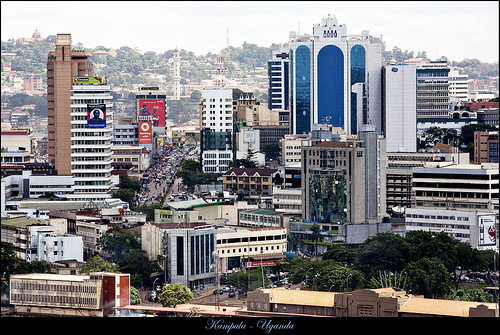
Uganda is one of the most rewarding destinations on the African continent. It is home to half the world’s remaining mountain gorillas, the source of the Nile, tree-climbing lions, and a level of cultural warmth that travellers describe as unforgettable. But if you are planning to visit alone, you deserve an honest answer to a simple question: is it safe? The short answer is: yes, with care. Uganda is not a dangerous country in the way that some travel advisories suggest, but it is also not a destination where you can switch off and wander without a plan. The vast majority of solo travellers — including solo women — complete their trips without serious incident. The ones who run into trouble have almost always overlooked precautions that locals would never ignore. This guide gives you the full picture for 2026: the real risks, the government advisories, the health situation, the political context, and the practical habits that keep solo travellers safe. The Honest Safety Picture Uganda ranks among Africa’s most welcoming destinations for women travelling alone, and the honest, reassuring answer to the question most solo female travellers ask first is yes — provided you travel with the same sensible precautions you’d apply in any unfamiliar destination. The majority of solo travellers, including women travelling alone, complete their Uganda trips without experiencing any serious safety issues. On organised safaris specifically, you are accompanied by trained guides who prioritise your safety throughout, staying in staffed lodges and moving along established tourist circuits. The structure of safari travel itself provides genuine safety through both numbers and professional support. Urban areas, particularly Kampala, warrant a somewhat higher level of awareness than rural areas or the national parks themselves — similar to the precautions you’d take in any major city worldwide. The key is understanding where the risks actually lie. Crime: The Most Significant Risk Violent crime is a real danger in Uganda. This includes armed robbery, home invasion, and sexual assault, and it can happen at any time of day. The U.S. Embassy in Kampala issued a security alert in February 2026 noting an increase in crime around Uganda, including Kampala, and reminded citizens that crime — including violent crime — can happen throughout the country at any time of the day. The most common risks for solo travellers are: Petty crime and pickpocketing. This is the most likely issue you will face, especially in crowded markets, taxi parks, and bus stations in Kampala. Keep valuables secured in a money belt or front pocket rather than an easily accessible bag, and avoid displaying expensive jewellery or electronics in crowded public spaces. Drink-spiking and scams. Drink-spiking is a documented risk in Uganda, particularly in bars and nightlife areas. Never leave your drink unattended, and be cautious of strangers who offer to buy you drinks. Armed robbery and carjacking. These are more common outside Kampala, particularly in areas near the border with the Democratic Republic of Congo. Avoid travelling at night, especially inter-city travel, and never walk in isolated areas or along dark streets after dark. Bag-snatching. In Kampala and other urban areas, bag-snatching and phone theft are common, and incidents targeting foreigners have been increasing. Do not carry a handbag loosely or wear visible jewellery. Keep your phone hidden when not in use. Airport scams. There have been reports of people posing as meeters and greeters at Entebbe International Airport who lead travellers into vehicles and then rob or assault them. Always arrange your airport transfer in advance and confirm your driver’s identity. Health Risks: The Biggest Concern for 2026 The most significant health issue affecting Uganda travel in 2026 has been Ebola. On 17 May 2026, the World Health Organization determined that the Ebola disease caused by the Bundibugyo virus in the DRC and Uganda constituted a Public Health Emergency of International Concern. However, the situation improved significantly. On 28 July 2026, Uganda’s Minister for Health announced that Uganda was Ebola-free, with all known cases linked and all known contacts having completed mandatory quarantine. No further transmission was identified. Despite this, some governments maintained elevated advisories. The U.S. State Department’s Uganda Travel Advisory remained at Level 4 — Do Not Travel as of June 2026, citing crime, health, terrorism, and unrest. Australia’s Smartraveller advised “Reconsider your need to travel” due to the outbreak of Ebola disease, as well as the threat of terrorism and violent crime and the risk of civil unrest. Other advisories, such as New Zealand’s SafeTravel, advised “Exercise increased caution” (level 2 of 4) due to the threat of terrorism, crime and the potential for civil unrest. Other Health Risks Yellow fever is widespread in Uganda and vaccination is compulsory for all travellers. Malaria is common throughout the year, and travellers should take preventative tablets. Other insect-borne diseases include Marburg virus, Crimean-Congo fever, and African tick-bite fever. Waterborne and foodborne illnesses are common. Drink bottled or boiled water, eat freshly cooked food, and avoid pre-cut fruit and salads unless you are confident in the hygiene. Medical facilities are very limited outside Kampala. Comprehensive travel insurance including provision for medical evacuation by air is essential. Political Situation and Civil Unrest Uganda held general elections on 15 January 2026. Since those elections, repression has increased against all those perceived to oppose the government. The UN Human Rights Office reported that at least 50 opposition leaders and supporters, five human rights defenders, and five journalists have been subjected to human rights violations, including enforced disappearance, torture, and arbitrary arrest. Ten leading civil society organisations have been suspended since January 2026. The UN High Commissioner for Human Rights described “a climate of fear throughout the country,” with increased self-censorship and stifling of public debate. What this means for travellers: You are extremely unlikely to be affected directly by political repression as a tourist. However, avoid demonstrations, political rallies, and large crowds. Police have responded to protesters with tear gas, rubber bullets, and live ammunition. During periods of political tension, authorities may restrict internet and telecommunications services, increase security measures, restrict movement without notice, and impose curfews. Monitor local media, follow the advice of authorities, and stay away from any gathering that looks political. Terrorism: A Regional Threat There
Drumming, Dance, and Storytelling: Experiencing Ugandan Culture in Kampala
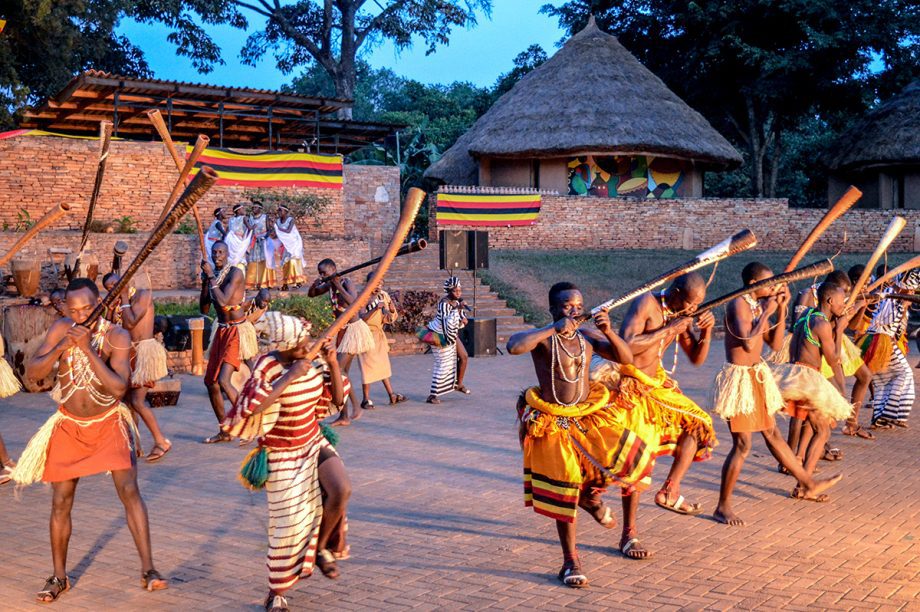
The drum speaks first. It is a low, rolling thunder that you feel in your chest before you hear it clearly — the engalabi, a tall hand-carved drum covered in cowhide, played with the palms and fingers in patterns that have been passed down through generations. Then the flutes join, the dancers enter, and suddenly you are not watching a performance. You are inside a story that has been told in this land for centuries. Kampala is not usually marketed as a cultural destination. Travellers pass through it on the way to Bwindi or Murchison Falls, spending a night in a hotel before the real adventure begins. That is a mistake. Uganda’s capital is one of the most culturally alive cities in East Africa — a place where the traditions of the Buganda Kingdom, the rhythms of dozens of ethnic groups, and a fiercely creative contemporary arts scene all collide in the same few square kilometres. This is the guide to experiencing Ugandan culture in Kampala — the drumming, the dance, the storytelling, the royal history, and the practical details that will turn a stopover into a highlight. Why Kampala Is the Gateway to Ugandan Culture Uganda is home to more than 50 ethnic groups, each with its own language, music, dance, and storytelling traditions. The Baganda — the kingdom that gives Kampala its name and its culture — are the largest, but the city has drawn people from every corner of the country: the Acholi of the north, the Banyankole of the west, the Basoga of the east, the Karamojong of the northeast. The result is a city where a single evening can take you through a dozen traditions. Kampala is also the home of the Buganda Kingdom, one of Africa’s oldest surviving monarchies, whose palaces, tombs, and ceremonies remain central to the city’s identity. And importantly for travellers: Kampala’s cultural experiences are accessible, affordable, and genuinely welcoming. You do not need a special invitation. You need an evening, a taxi, and a willingness to clap along. The Ndere Troupe: Uganda’s Cultural Flagship If you do one cultural thing in Kampala, make it the Ndere Troupe. Founded in 1986 by Stephen Rwangyezi, the Ndere Troupe is Uganda’s most celebrated cultural performance group. The troupe takes its name from the endere, a traditional bamboo flute, and its mission is simple and ambitious: to preserve, promote, and perform the music and dance of all of Uganda’s ethnic groups. The troupe performs at the Ndere Cultural Centre in Kisaasi, a purpose-built venue with an open-air amphitheatre, gardens, and a restaurant. Shows typically run on Wednesday, Friday, and Sunday evenings, starting around 6:00 PM with a dinner option and performances lasting two to three hours. What Happens at a Ndere Performance The show is a journey across the country. Over the course of the evening, you will see: Buganda dances — the stately Bakisimba with its swaying hips and flowing arms, the playful Muwogola, and the energetic Nankasa Bwola — the royal dance of the Acholi, traditionally performed for the chief, with men in elaborate feather headdresses moving in perfect circular formation Ekitaguriro — the cattle-keeping dance of the Banyankole, with its distinctive stamping and horn-like arm movements Runyege — a courtship dance of Bunyoro featuring the engoma drums and the distinctive leg rattles called binyeebwa Dingi Dingi — the Lango dance of celebration Naleyo — the Karamojong dance, performed to the sound of horns and stamping feet Agwal — the Alur dance of the West Nile Between performances, the MC explains the meaning of each dance, the instruments being played, and the cultural context behind the movements. This is not a silent spectacle — the audience is encouraged to participate, and by the end of the evening, most visitors are on their feet. Practical Details for the Ndere Centre Location: Kisaasi, approximately 8 kilometres from central Kampala Show days: Typically Wednesday, Friday, and Sunday Start time: Around 6:00 PM for dinner, 7:00 PM for the performance Ticket prices: Approximately UGX 60,000–120,000 ($16–$32) for foreign visitors, depending on whether you include the buffet dinner. Ugandan citizens typically pay less. Dinner: A buffet of Ugandan dishes is available before the show, including matooke, groundnut sauce, rice, beans, chicken, and greens Transport: A taxi or boda boda from central Kampala takes 20–40 minutes depending on traffic. Most hotels can arrange transport. Book ahead during peak season, particularly for Friday and Sunday shows. The Instruments: Uganda’s Musical Heart Ugandan music is built on a remarkable family of traditional instruments, most of which you will see played live at the Ndere Centre or the National Theatre. The Drums Engalabi — the long, tall drum, played with the hands, used in Buganda royal music. Its deep tone carries for kilometres. Embuutu — the “big drum”, the largest of the Buganda drum family, played with sticks. Emudidi — a smaller, higher-pitched drum played with two sticks. Namunjoloba — a set of small drums played together, used in the Amagunjju royal dance. Engoma — the general term for drum in Luganda, and the root of the word “ngoma” found across Bantu-speaking Africa. The Xylophones and Lamellophones Amadinda — a large, twelve-key wooden xylophone played by three or four people at once, producing interlocking melodies of extraordinary complexity. The amadinda is central to Buganda court music. Akadinda — a smaller xylophone with up to twenty-two keys, played by up to six musicians. Akogo — the thumb piano, known elsewhere in Africa as the kalimba or mbira. Its gentle, metallic tones accompany storytelling and quiet evenings. The Stringed Instruments Endingidi — a single-stringed tube fiddle, played with a bow, producing a high, nasal, haunting sound. It is the instrument most associated with traditional Buganda storytelling. Adungu — an arched harp with eight to ten strings, played by the Alur and Acholi of northern Uganda. Its sound is soft, rippling, and beautiful. Nnanga — a large, multi-stringed trough zither traditionally played in the royal courts of Buganda and Bunyoro. The Wind Instruments Endere — the bamboo flute that gives the Ndere Troupe its name. Different sizes produce different pitches, and flute ensembles play interlocking melodies. Aluti — a horn made from animal horn or wood, used in Acholi and Lango music. Arupepe — a side-blown trumpet made
The Igongo Cultural Centre: Unlocking the Secrets of the Ankole Kingdom
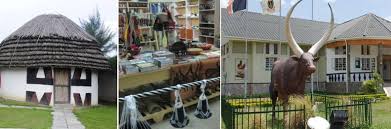
A Gateway to a Forgotten Kingdom For centuries, the rolling hills of southwestern Uganda were ruled by one of the most powerful monarchies in the Great Lakes region. The Ankole Kingdom — known as Nkore to its people — was a land of long-horned cattle, warrior kings, and a caste system that shaped every aspect of life. Its kings, the Omugabe, commanded respect across the region, and its herds of majestic Ankole cattle were the measure of all wealth. That kingdom was abolished in 1967. But its story did not end. It lives on at the Igongo Cultural Centre, a sprawling heritage complex built on the grounds of a former palace of the Ankole king, just 12 kilometres from Mbarara on the Mbarara-Masaka highway. Lonely Planet calls it home to the best museum displays in Uganda. Atlas Obscura describes its collection as one of the most detailed and historically accurate depictions of Bahima tribal history, culture, and daily life anywhere in the country. This is the complete guide to the Igongo Cultural Centre — what to see, what it teaches us about the Ankole Kingdom, and why it belongs on every Uganda itinerary. The Ankole Kingdom: A Brief History The Rise of the Omugabe The Ankole Kingdom was a traditional Bantu monarchy that lasted from the 15th century until 1967. It was ruled by a monarch known as the Omugabe — a title that carried supreme power, dignity, and supremacy under the laws and customs of Ankole. The first Omugabe, Ruhinda, is believed to have reigned from around 1430 to 1446, founding a dynasty that would endure for more than five centuries. The kingdom was consolidated through a series of agreements with the British colonial administration. The Ankole Agreement of 1901 formally brought together Nkore and other states under British protectorate rule, with subsequent agreements refining the relationship between the governor of Uganda and the Omugabe until Uganda’s independence in 1962. The kingdom was finally abolished in 1967, along with Uganda’s other traditional monarchies. The Bahima and the Bairu: A Society of Two Peoples Ankole society was built on a fundamental division between two groups: the Bahima and the Bairu. The Bahima were pastoralists — cattle herders whose lives revolved around their herds of long-horned Ankole cattle. The Bairu were agriculturalists, cultivating the land and growing crops such as millet, sorghum, and bananas. While they spoke the same language, Runyankole, with dialectical variations, the two groups occupied different social and economic strata. This division was more than occupational. It was a caste system with deep-rooted social implications. The Bahima, as the ruling class, held political power and owned the cattle that symbolized wealth and prestige. The Bairu, as the subject class, worked the land and, in many cases, served Bahima masters. The Bahima monopolized the office of the Omugabe and the senior chieftainships, and their racial features were often distinct from those of the Bairu. The Igongo Cultural Centre does not shy away from this history. Its museum explores the agrarian and pastoral cultures of both Bahima and Banyankole communities, offering visitors an honest, nuanced look at a society shaped by inequality as much as by tradition. The Eriijukiro Museum: Western Uganda’s Largest Collection At the heart of the Igongo Cultural Centre lies the Eriijukiro Museum — the largest museum in Western Uganda and the most comprehensive collection of Ankole artifacts anywhere in the country. The museum’s name, Eriijukiro, means “a reminder” in Runyankole — and that is precisely what it serves as. Its displays are organized thematically around housing, fashion, games and leisure, education, folklore, religion, and politics, with each section covering that aspect of culture chronologically for the different communities of southwestern Uganda, including the Banyankore, the Bakiga, and their subgroups. What You Will See The collection is vast and varied. Visitors can explore traditional regalia of the Ankole kingdom, ancient cooking utensils, farming tools, hunting accessories, indigenous drums and musical instruments, herbal medicine, and historical photographs. There are hides and skins, grinding stones for millet and sorghum, calabashes, milk gourds, and a traditional fireplace used for cooking. The museum also documents the political evolution of the region, offering insights into pre-colonial, colonial, and post-colonial governance structures. It traces how the Ankole kingdom was consolidated, how it interacted with British colonial rule, and how it was ultimately abolished — a story that mirrors the fate of monarchies across Uganda. The Power of Milk: A Permanent Exhibition One of the museum’s most distinctive features is a permanent exhibition called The Power of Milk, opened on 30 September 2017. It is one of four exhibitions co-created by the Points of View museum cooperation project between the Uganda National Museum, Igongo Cultural Centre, and the Ethnographic Museum at the University of Zurich. The exhibition explores the profound cultural significance of milk in southwestern Uganda, drawn from joint research by Ugandan and Swiss curators. For the Bahima, milk was not merely a food — it was the foundation of identity, wealth, and social standing. The museum documents the traditional practices of milking, the rituals surrounding milk containers, and the ways in which dairy culture shaped everything from marriage negotiations to spiritual beliefs. The museum also highlights a more recent chapter in this story: the collaboration between Bahima communities and the University of Basel, Switzerland, on cheese making and milk pasteurization, documented as a success story of new technologies from Europe reaching Uganda. The Eitaramiro Cultural Village: Step into a Traditional Homestead Adjacent to the museum is the Eitaramiro Cultural Village, a meticulously recreated traditional homestead that offers a glimpse into the daily lives of the Ankole people. Traditional homesteads known as ebitabo have been reconstructed to create the feel of rural life as it was in ancient times. The village features two distinct types of homestead: one for cattle farmers (Bariisa) and one for crop farmers (Abahingi), showcasing their different architectural styles and daily routines. Visitors can see traditional huts made of grass and cow dung, a central cattle pen, and a cooking area. What You Will Experience Walking through the Eitaramiro Cultural Village is like stepping back in time. You will
Beyond the Safari: How to Travel Uganda Ethically and Support Local Communities
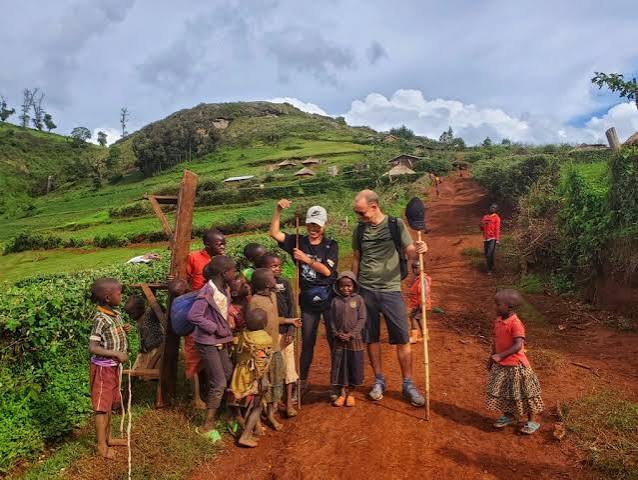
There is a moment on every Ugandan safari when the wildlife takes your breath away — a silverback gorilla locking eyes with you through the mist, a lion draped across a fig tree, a shoebill stork frozen in the papyrus. These are the moments you will remember forever. But there is another story unfolding alongside them, one that most travellers never fully see: the story of how tourism is transforming lives in the communities that live alongside Uganda’s national parks. In Uganda, ethical travel is not a niche trend or a marketing buzzword. It is a national strategy. The Uganda Tourism Board, the Uganda Wildlife Authority, and the Ministry of Tourism, Wildlife and Antiquities have built a tourism model in which conservation and community development are not competing goals but two sides of the same coin. Gorilla tourism directly supports surrounding communities and conservation ecosystems, and the country has positioned itself as a global leader in ethical, conservation-driven tourism. This is the complete guide to travelling Uganda ethically — how the revenue-sharing system works, where to stay, what to do, and how to make sure your shillings stay in the communities that need them most. The Gorilla Permit Revolution: How $800 Protects Communities The centrepiece of Uganda’s ethical tourism model is the gorilla permit, and the way its revenue is distributed is one of the most progressive in Africa. A standard gorilla trekking permit costs USD $800 per person** for foreign non-residents. An official revenue-sharing policy channels **$10 from each permit back to the local community via their elected leaders, who can invest in projects ranging from water provision to health care. Local communities are also entitled to 20% of all park entry fees generated annually. The scale of this is significant. In June 2025, the Uganda Wildlife Authority disbursed UGX 2.19 billion to communities living around the Bwindi-Mgahinga Conservation Area, drawn from park entry fees and the gorilla permit levy, to support local development projects and strengthen community participation in conservation. But the impact goes far beyond the numbers. The Associated Press documented how tourism has turned poachers into conservationists, married women into porters, and rangers into eloquent spokespeople for the great apes. Philemon Mujuni, who poached animals until five years ago, now serves as a community watchdog alongside 128 other reformed poachers, looking out for people who might venture into the forest to set traps. “When community conservation rangers sensitized us, we said, ‘Let us reform and stop poaching in the national park of Bwindi,’” Mujuni told the AP. “I can’t go there. Because, through the conservation team from Bwindi Impenetrable National Park, we get some money from these gorillas we could kill.” The lesson is clear: when communities benefit directly from wildlife, they protect it. Community-Based Tourism Enterprises: Where Your Money Goes Directly to Locals Beyond the national revenue-sharing system, Uganda has a thriving ecosystem of community-based tourism enterprises (CBTEs) — locally owned and operated businesses that put tourism revenue directly into the hands of the people who live alongside the parks. Buhoma Community Development Association (BCDA) The Buhoma Community Development Association is one of Uganda’s most respected and long-standing community-based conservation organizations. Established in the early 1990s alongside the introduction of gorilla trekking in Buhoma, BCDA was created in response to the economic hardship communities faced when Bwindi was gazetted as a national park. BCDA’s flagship achievement is the Buhoma Community Rest Camp, Uganda’s first community-owned lodge near a national park. The camp employs local residents and channels profits into education, healthcare, and infrastructure projects. The association also coordinates community walks, cultural encounters, craft markets, and village visits led by trained community guides, ensuring authenticity and fair income distribution. Revenue from BCDA’s tourism activities supports school construction, classroom improvement, teacher housing, scholarships for vulnerable children, local health centres, medical equipment, and clean water projects. The model has been so successful that it has been replicated in other districts around Bwindi. KAFRED and the Bigodi Wetland Sanctuary The Kibale Association for Rural and Environmental Development (KAFRED) was founded in 1992 by six members of the Bigodi community, with the technical assistance of a US Peace Corps volunteer. Today it numbers over 120 members, including affiliate groups such as the Bigodi Women’s Group, Enyange Dance and Drama Group, Kiyoima Women’s Group, Bigodi Peanut Butter Group, and the Bigodi Credit and Savings Group. KAFRED uses ecotourism and environmentally sustainable businesses to promote biodiversity conservation and community development around the Bigodi Wetlands Sanctuary, an important wildlife corridor that connects two areas of Kibale National Park. The wetland supports over 200 species of birds, 24 species of dragonflies, over 50 species of butterflies, and eight species of primates. The organisation won the national Uganda Community Tourism Association (UCOTA) / USAID-STAR Sustainable Tourism Award as the Best Overall Community Tourism Enterprise in 2011. Its vision is to promote conservation, reduce poverty, and develop local communities, while its mission is to promote the management and sustainable use of natural resources around Bigodi wetlands to achieve the development of the Rwenzori region. Kara-Tunga: Fair Trade Tourism in Karamoja Kara-Tunga Safari Camp made history in 2026 by becoming the first tourism business in Uganda to achieve Fair Trade Tourism (FTT) certification. Established in 2016, Kara-Tunga operates cultural and adventure tours in Uganda’s Karamoja sub-region with a focus on community-based tourism, cultural heritage, and biodiversity experiences. The company’s sustainability initiatives include biodiversity conservation, reforestation projects, support for local honey producers, cultural heritage preservation, and programmes focused on education and livelihoods for local communities. FTT auditors assessed Kara-Tunga over six months against 184 criteria across six pillars: Fair Share, Fair Say, Respect, Reliability, Transparency, and Sustainability. A percentage of every overnight stay supports a community development fund, while jobs are created and local supply chains are strengthened through farmers and small businesses. Ride 4 a Woman: Empowering Women in Bwindi Ride 4 a Woman is a Ugandan non-governmental organization set up to empower women socially and economically in the Bwindi community. The organization supports over 300 women in 11 surrounding communities, many of whom are struggling with poverty, HIV, and domestic violence. Ride 4 a
