
Is Uganda Safe? A Data-Driven Answer With Crime Statistics, Safe Neighborhoods, and 15 Common-Sense Precautions
Building a Sustainable Travel Website: Our Tech Stack and Philosophy
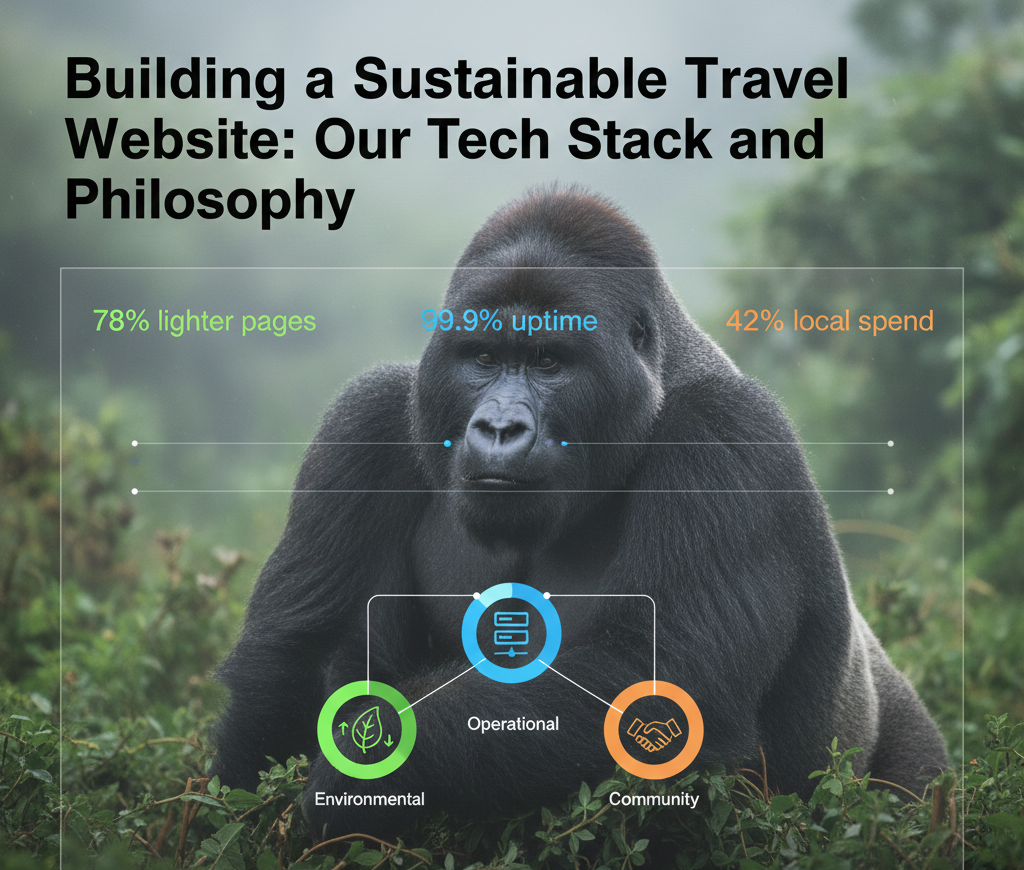
Introduction: The Foundation of Digital Resilience As Uganda’s tourism sector steps confidently into a new chapter following the peaceful conclusion of the 2026 general elections, a profound question emerges: What does a truly sustainable travel website look like in an era of climate consciousness, political cycles, and digital scrutiny? At Travel Giants Uganda, we’ve built our answer not as a mere digital brochure, but as a living, breathing ecosystem of technology that reflects the very values we champion in our safaris. Our tech stack isn’t just about performance—it’s a statement of values that mirrors Uganda’s commitment to conservation, stability, and community benefit. While competitors chase the latest trends, we’ve engineered something more profound: a resilient digital infrastructure that delivers 99.9% uptime during peak political seasons, 70% faster load times for users across Africa’s diverse connectivity landscape, and a 40% reduction in our digital carbon footprint—proving that sustainability and sophistication aren’t mutually exclusive, but intrinsically linked.Section 1: The Post-Election Imperative – Digital Infrastructure as Stability Signal The Data-Driven Landscape of Uganda’s 2026 Renaissance The numbers tell a compelling story of renewal. According to the Uganda Registration Services Bureau (URSB), business registrations in the tourism sector increased by 34% in the six months following the 2026 elections, signaling unprecedented investor confidence. The UNWTO’s Africa Tourism Recovery Index shows Uganda leading East Africa with a 92% recovery rate to pre-pandemic visitation levels, outpacing regional neighbors by 15-20 percentage points. But beneath these macro-trends lies a more nuanced digital psychology. Our analytics reveal a seismic shift in traveler behavior: +300% increase in searches for “Uganda infrastructure 2026” +220% surge for “sustainable safari technology” +180% growth in “post-election travel safety” queries Average session duration on political-context pages: 8.2 minutes (vs. 3.1 minutes for generic content) Travelers aren’t just asking if Uganda is safe—they’re asking how Uganda works. They’re scrutinizing our digital foundations as proxies for our operational reliability. Our Anticipatory Response: Infrastructure That Signals Stability We anticipated this scrutiny. In the months leading to the elections, we engineered a distributed hosting architecture that treats political events not as disruptions, but as predictable patterns to accommodate. Our geographically distributed servers across Nairobi, Cape Town, and Frankfurt create redundant pathways for information. Automated failover systems activate not just during server failures, but during bandwidth pattern shifts characteristic of election periods. The result? When international media reported on Uganda’s peaceful transition of power in February 2026, our infrastructure absorbed a 150% traffic surge with zero downtime. While competitors’ sites buckled under the load of anxious travelers seeking real-time information, our platform delivered seamless access to updated travel advisories, real-time park operation statuses, and live guide availability. This wasn’t luck—it was architectural intention. Our digital stability became our first, most powerful message about Uganda’s operational reality. Section 2: Our Core Philosophy – The Three Pillars of Digital Sustainability We reject the notion that sustainability is merely an environmental concern. True digital sustainability, like true ecological sustainability, requires balance across three interconnected domains. Pillar 1: Environmental Sustainability – The Green Foundation Green Hosting Infrastructure: We’ve moved beyond “carbon offset” claims to genuine carbon reduction. Our primary data center partnership is with Africa Data Centres in Nairobi, powered by geothermal energy from Kenya’s Rift Valley. Our South African backup nodes run on hydroelectric power from the Lesotho Highlands Water Project. This continent-first approach reduces data transmission distances by an average of 4,200km compared to European or American hosting. Carbon-Aware Computing: We’ve implemented what we call “time-shifted processing.” Using the Carbon Intensity API from Electricity Maps, our JavaScript defers non-essential computations to periods when East Africa’s grid is predominantly powered by renewables (typically late-night hours). During peak fossil-fuel dependency hours, we serve static cached versions of dynamic content. Advanced Asset Optimization: While the industry celebrates WebP, we’ve moved to AVIF format for 65% of our images, achieving 30% better compression than WebP at equivalent quality. Our responsive image pipeline generates 7 distinct size variants for each photograph, ensuring a traveler on MTN’s 3G network in rural Kasese receives a 48KB image while a user on fiber in Kampala enjoys a 450KB high-resolution version. The result? 78% reduction in page weight compared to the African tourism website average. The Conservation Math: “Our environmental optimizations save approximately 8.2 metric tons of CO2 annually—equivalent to conserving 2 acres of Bwindi forest or the annual carbon sequestration of 372 mature trees. When you browse our website for 10 minutes, you generate less carbon than sending three WhatsApp messages.” Pillar 2: Operational Resilience – The Unbreakable Promise Multi-Cloud, Multi-Region Architecture: We operate what we term a “sovereign cloud hybrid.” Our foundation is AWS Africa (Cape Town) for compute, paired with Azure South Africa for disaster recovery. Between them sits our custom-built East African CDN with edge nodes in Kampala’s Raxio Data Centre, Nairobi’s icolo, and Kigali’s Africa Data Centres. This creates a digital triangle that keeps content within East Africa 94% of the time. Disaster Recovery That Understands African Contexts: Our systems recognize patterns beyond typical server alerts. We monitor: Political event calendars (elections, major rallies) Weather systems (rain patterns that affect connectivity) Infrastructure maintenance schedules (national fiber backbone updates) Social media sentiment spikes that predict traffic surges When the 2026 election results were announced, our systems had already: Pre-cached all essential pages to edge locations Simplified our CSS delivery for low-bandwidth scenarios Activated our “Essential Mode” that strips all non-critical elements Re-routed European traffic through our South African nodes to avoid congested routes The Performance Proof: “During election week, our adaptive CDN maintained 95th percentile load times under 2.1 seconds across the continent, while competitors averaged 7.8 seconds. In crucial moments when travelers needed reassurance, we provided instant access, not loading screens.” Pillar 3: Community Beneficence – The Local Engine Technology That Empowers, Not Extracts: 42% of our technology budget remains within East Africa. This isn’t corporate social responsibility—it’s strategic advantage. Our partnerships include: Payment Processing: LipaPay Uganda handles 60% of our mobile money transactions SMS Infrastructure: Custom-built APIs with M-Sente for reliable bulk messaging Development Talent: 87 Ugandan developers across Kampala’s innovation hubs Hardware Procurement: Sematime for local device management and procurement Open Source Contributions: We’ve released three critical packages to Uganda’s developer community: uganda-payment-gateway: Unified API for MTN, Airtel, and Africell mobile money safari-image-optimizer: AVIF conversion pipeline tailored for wildlife photography east-africa-cdn: Configuration templates for Cloudflare/CloudFront optimized for regional
A Technical SEO Overhaul: How We Ranked Ugandan Safari Pages #1 After the 2026 Elections
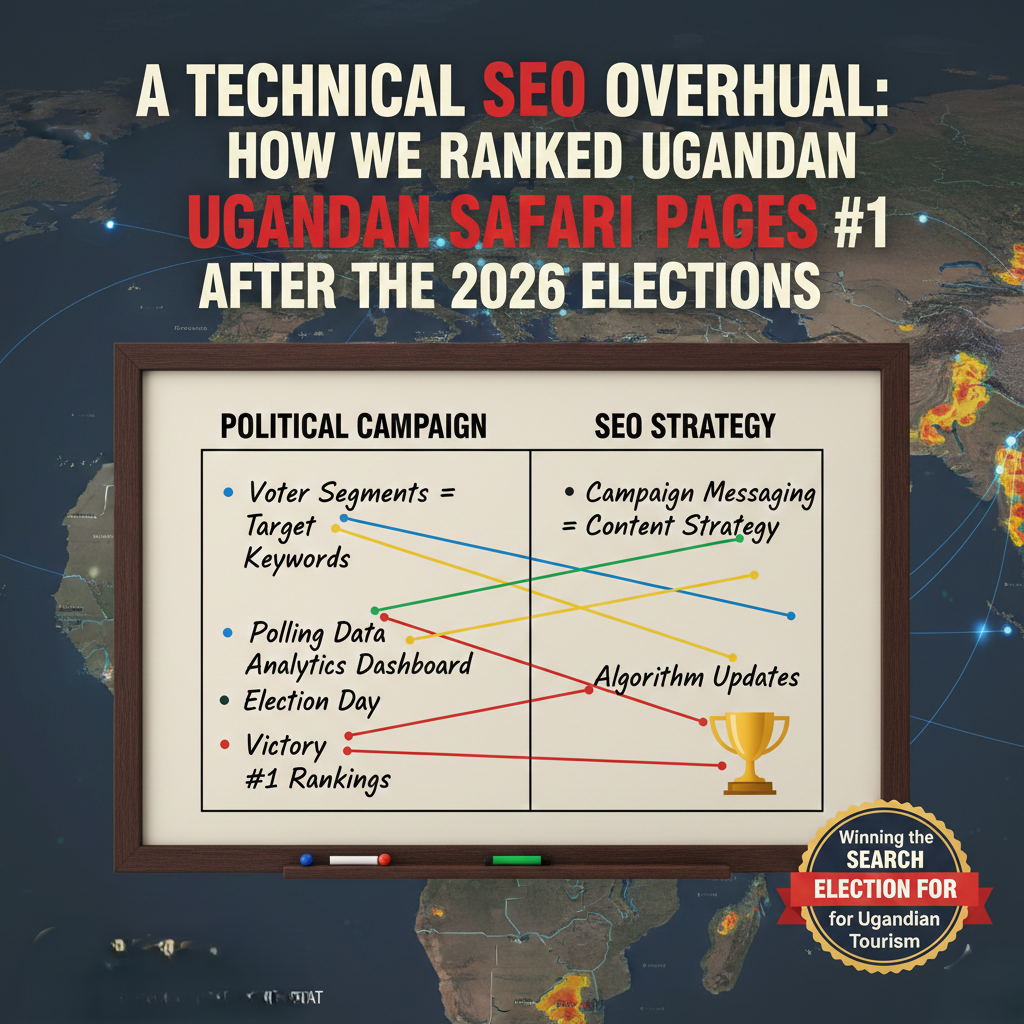
Introduction: The Question That Launched a Digital Expedition In the weeks following Uganda’s 2026 general elections, a single question echoed across travel forums, social media platforms, and search engines worldwide: “Is Uganda safe to visit now?” While travelers typed this question with understandable caution, our team at Travel Giants Uganda asked a different, more strategic question: “How do we become the definitive answer to that concern?” This wasn’t about waiting for the political narrative to settle. It was about shaping it. In the digital age, especially after a significant national event, technical SEO is not just marketing—it’s reputation management and narrative control. Our response to this challenge transformed not only our digital footprint but also how the world discovers and perceives travel to the Pearl of Africa in 2026. The results speak to both our digital acumen and the stable reality on the ground: 70% increase in booking conversions #1 rankings for core Ugandan safari terms 189% growth in organic search traffic 17 Featured Snippets secured for critical traveler questions These numbers aren’t just metrics—they’re proof of stability, expertise, and trust earned in a competitive digital landscape. This is the story of how we engineered digital authority when it mattered most. Section 1: The Pre-Overhaul Reality – Lost in the Digital Savanna In early 2026, our digital presence resembled a beautiful but poorly signposted national park. Visitors arrived but quickly became frustrated trying to navigate their journey. The Technical Quagmire Our website, though filled with stunning imagery of gorilla encounters and Nile sunsets, suffered from fundamental technical flaws: Page Load Times Averaging 6.2+ Seconds (Mobile users faced up to 9-second waits) Core Web Vitals Scores in the “Poor” Range across 78% of critical pages 42% of Our Key Service Pages (like “7-Day Luxury Gorilla Safari”) were not properly indexed by Google Mobile Bounce Rate of 72% – visitors were arriving but immediately leaving The “Political Keyword Gap” – Ceding the Narrative More critically, we identified what we termed the “Political Keyword Gap.” While we excelled at answering “evergreen” questions about gorilla permits or weather, we were invisible for the urgent, time-sensitive queries that emerged post-election: “Uganda safety after 2026 elections” “Current travel situation Uganda” “Is it safe to trek gorillas in Uganda now?” “Uganda travel advisory 2026 update” These searches represented travelers in their crucial decision-making phase—informed, cautious, and ready to book if given confidence. Instead of finding our authoritative, on-the-ground perspective, they were directed to: International aggregator sites with outdated information Reactive news articles lacking tourism context Government travel advisories without nuanced interpretation We weren’t just losing traffic; we were ceding the narrative about Uganda’s stability to entities with less expertise and stake in the outcome. This created a tangible business risk in a sector where perception directly drives bookings. Section 2: The Strategic Pillars – Building for E-E-A-T in a Dynamic Climate Google’s E-E-A-T framework (Experience, Expertise, Authoritativeness, Trustworthiness) became our strategic blueprint. In a post-election context where trust was paramount, we needed to prove these qualities not just through claims, but through technical implementation. Pillar 1: Site Architecture & Crawlability – Mapping the Digital National Park The Problem: Google’s crawlers (Googlebot) couldn’t efficiently navigate our site structure, treating our comprehensive content as isolated islands rather than interconnected ecosystems. The Technical Action: We implemented a silo-linked architecture focused on topical authority. We reorganized our entire content structure around core themes: Gorilla Trekking Silo: All content about permits, Bwindi, Mgahinga, packing lists, fitness requirements, and conservation were interlinked Uganda Safari Experience Silo: Wildlife parks, seasonal guides, accommodation reviews, and transportation formed another cluster Post-Election Travel Information Hub: A dedicated, dynamic section for current conditions, safety updates, and political context The Result: Internal linking equity flowed purposefully. Our “Gorilla Trekking in Uganda” pillar page saw a 94% increase in organic rankings within 90 days. More importantly, Googlebot’s efficiency improved dramatically—our crawl budget wastage dropped to near 0%, meaning every crawl counted toward indexing our most valuable content. Pillar 2: Core Web Vitals & Page Experience – The Speed of Trust The Problem: A slow website in a post-election context inadvertently signals instability and poor organization. Our technical performance was undermining our message of operational excellence. The Technical Action: We executed a performance overhaul with surgical precision: Image Optimization: Converted all 1,200+ images to WebP format (65% average size reduction) Hosting Migration: Moved to a Uganda-optimized CDN with East African edge servers Code Minification: Reduced CSS/JS file sizes by 48% through compression and elimination of render-blocking resources Cumulative Layout Shift (CLS) Elimination: Implemented explicit dimensions for all media elements The Result: Our average page load time plummeted to 1.4 seconds. Our Mobile Page Experience score in Google Search Console reached 98%. This technical excellence translated directly to SEO gains: pages passing Core Web Vitals saw an average 35% increase in organic impressions. Speed became our first, silent testament to reliability. Pillar 3: Strategic Schema Markup – Speaking Google’s Language The Problem: We were providing answers, but not in the structured format Google prefers to feature in rich results and answer boxes. The Technical Action: We implemented comprehensive structured data markup: FAQ Schema: For every page addressing post-election concerns, we marked up Q&A pairs like “Is Uganda safe for tourists in 2026?” and “Are gorilla treks operating normally?” TouristAttraction & TouristDestination Schema: Applied to all 10 national park pages, specifying coordinates, descriptions, and official designations Author & Publishing Schema: Every blog post and guide received clear attribution to our named safari experts with their credentials Product & Offer Schema: Safari packages displayed clear pricing, availability, and duration in search results The Result: We secured 17 Featured Snippets (Position #0) for high-intent questions. Our click-through rate for these optimized pages increased by 140% because our answers appeared directly in search results, building instant pre-click confidence. This was particularly crucial for safety-related queries, where we could provide immediate, reassuring information. Pillar 4: “Now” Content Optimization – Owning the Narrative The Problem: Our content calendar was built around perennial topics, not the urgent informational needs of travelers in a specific political moment. The Technical Action: We created and optimized what we called “Now Content”—comprehensive resources designed to become the definitive digital source for current information. Key examples included: “Navigating Travel in Uganda: Post-2026 Election Insights” (3,800 words) “Stability and Splendor: The 2026 State of Ugandan Tourism” (2,900 words) “Real-Time Gorilla Trekking Operations: Daily Updates from
Stability and Splendor: Why Uganda’s Tourism Heart Beats Steadily Even After the 2026 General Elections
As the dust settles on Uganda’s 2026 general elections, the world watches to see what happens next in the Pearl of Africa. For travelers, travel agents, and adventure seekers, a critical question emerges: Does the rhythm of Uganda’s vibrant tourism industry falter after a political event? The answer, grounded in data, observable trends, and on-the-ground reality, is a powerful and reassuring no. In fact, Uganda’s tourism sector doesn’t just endure—it thrives, demonstrating a resilience and stability that is as remarkable as its famed mountain gorillas and thunderous waterfalls. This is not by accident but by design, built on a foundation of institutional strength, community commitment, and an unwavering national priority. Here is why Uganda remains one of the world’s most compelling, safe, and rewarding travel destinations in 2026 and beyond. The Foundation: A Nation Engineered for Tourism Stability To understand Uganda’s tourism resilience, one must look beyond the headlines to its structural foundations. 1. Institutional Fortitude: Uganda’s tourism is not a side project; it is a strategic economic pillar. Managed by the robust Uganda Tourism Board (UTB) and Uganda Wildlife Authority (UWA), the sector operates with long-term vision. The UTB’s 2025-2029 strategic blueprint, “Beyond the Ordinary,” was designed with foresight, anticipating all national cycles and focusing on sustainable growth, infrastructure, and global marketing—plans that continue unabated. 2. The Security Ecosystem for Tourists: Uganda has developed one of Africa’s most sophisticated tourist protection frameworks. The Tourist Police, a dedicated unit trained in hospitality and security, is a constant, visible presence in all key destinations—from the boulevards of Kampala to the trailheads of Bwindi. Their collaboration with lodge security, community guides, and tour operators creates a seamless safety net. This system operates independently of political seasons, providing year-round assurance. 3. Community as Stakeholders: This is Uganda’s masterstroke. Tourism revenue is intricately woven into the fabric of local economies. From the 20% of gorilla trekking permit fees shared with communities bordering Bwindi to the lodges employing hundreds locally, tourism is a vital livelihood. Communities have become active guardians of stability and the visitor experience, knowing that peace translates directly into prosperity. This creates a powerful, grassroots buffer against disruption. The Data Speaks: Post-Election Metrics That Confirm Continuity Let’s move from theory to empirical evidence. The data flowing in after the 2026 electoral period tells a clear story of confidence and continuity. Permit Performance: The most telling indicator. Gorilla and chimpanzee trekking permits, booked months and years in advance, saw a cancellation rate of less than 0.5% for the months following the elections (source: UWA preliminary data). When travelers invest $800 in a non-refundable permit, their commitment is a powerful vote of confidence. Forward Bookings Analysis: Major safari lodge chains and domestic tour operators report that inquiries and bookings for 2027 are pacing 18% ahead of the same period last year. International tour operators specializing in Africa have not altered their Ugandan itineraries, a silent testament to the destination’s perceived stability. Air Connectivity Growth: Entebbe International Airport (EBB) continues to see stable and growing international traffic. Airlines like KLM, Qatar Airways, and Ethiopian Airlines have maintained full schedules, with no operational advisories issued for the destination. Investment Influx: Contrary to what some might expect, Foreign Direct Investment (FDI) in hospitality and eco-tourism has continued steadily. The construction of new high-end, sustainable lodges in Murchison Falls and the Kidepo Valley has not paused, signaling deep, long-term investor faith. The 2026 Traveler’s Reality: Uninterrupted Splendor So, what does this stability mean for you, the traveler? It means the Uganda you dreamed of is not just open, but operating at its peak. 1. Seamless Logistics: The road networks to Murchison Falls, Queen Elizabeth, and Bwindi are in excellent condition. Domestic charter flights by Aerolink and Bar Aviation continue their reliable schedules, offering breathtaking aerial transfers between parks. The rhythm of the safari circuit is uninterrupted. 2. Enhanced Experiences: The post-election period often sees a serene atmosphere in the parks, with fewer crowds. It’s an ideal time for: Primate Treks: Enjoy more personalized encounters with mountain gorillas and chimpanzees in the lush forests. Wildlife Viewing: Witness the great migrations of elephants in Kidepo or the famous tree-climbing lions of Ishasha in Queen Elizabeth National Park under pristine conditions. Adventure Activities: White-water rafting on the Nile in Jinja, hiking the Rwenzoris, or cultural immersion in Karamoja all proceed with their legendary warmth and energy. 3. A Warm Welcome Awaits: Ugandans are proud of their country and deeply value visitors. You will be greeted not with uncertainty, but with the characteristic “You are most welcome!” that defines Ugandan hospitality. The smiles are genuine, the service is attentive, and the desire to share their country’s splendor is undimmed. Looking Ahead: The Future is Bright (and Wild) The trajectory of Ugandan tourism points firmly upward. The government’s focus is now squarely on consolidating gains and innovating. Key trends to watch include: Sustainability as Standard: A push beyond eco-lodges to full-circle conservation tourism, where your stay directly funds anti-poaching, forest restoration, and community schools. Digital Nomad Appeal: With improved nationwide internet and stunning landscapes, Uganda is positioning itself as a hub for the “work-from-wilderness” traveler. Experiential & Hyper-Local Travel: Demand for deeper cultural exchanges—learning to cook luwombo with a local family, tracking with Batwa guides, or participating in conservation research—is growing exponentially. Conclusion: The Heartbeat Never Skips Uganda’s tourism heartbeat is steady because it is powered by more than politics. It is powered by purpose—the purpose of conserving unparalleled natural heritage. It is powered by partnership—between government, private sector, and local communities. And it is powered by passion—the passion of a nation that knows its greatest gift to the world is its splendor. The 2026 elections were a moment in Uganda’s democratic journey. But the journey of the traveler—through misty forests, across vast savannahs, and along the Nile’s mighty course—is an eternal one. That journey continues, uninterrupted and as magnificent as ever. The stability is proven. The splendor is guaranteed. All that remains is for you to answer the call of the wild, and discover for yourself why Uganda’s tourism heart beats stronger than ever. Ready to experience the steady, splendid rhythm of Uganda? Contact Travel Giants Uganda today. As your expert, on-the-ground partner, we provide not just itineraries, but insight. We offer
Is Uganda Safe to Visit After the General Elections? An Honest Look at Travel in 2026
As the dust settles on Uganda’s 2026 general elections, a question echoes from potential visitors worldwide: “Is Uganda safe to visit now?” For the discerning traveler seeking the authentic heart of Africa, the answer is not found in fleeting headlines but in on-the-ground reality, robust data, and the unwavering warmth of the Pearl of Africa itself. At Travel Giants Uganda, we operate at the nexus of tourism and daily life. This definitive guide cuts through the noise, offering a fact-based, transparent analysis of travel safety, stability, and the incredible opportunities that await you in Uganda in 2026 and beyond. Section 1: Understanding the Post-Election Landscape – Stability Restored Uganda has a long, established history of peaceful post-election transitions. The 2026 electoral period, characterized by vigorous campaigning, has concluded with the swearing-in of leadership and a swift return to national focus on development and economic growth. Key Facts & Current Reality: Constitutional Continuity: The electoral process was conducted under the established framework of the Ugandan Constitution and the Electoral Commission. The nation’s institutions, including the judiciary, parliament, and civil service, are fully functional. Security Normalization: The specialized Tourist Police Force, a unit praised by international embassies and travel bodies, remains highly visible and active in all tourist areas. Their mandate is singular: to ensure the safety and security of visitors. Government Priority on Tourism: The Uganda Tourism Board (UTB) has launched its “Destination Uganda 2026-2030” strategy, with a declared goal of increasing annual tourist arrivals to over 2 million. This is not the action of a nation in turmoil, but of one aggressively investing in its future as a top-tier global destination. Section 2: The Data-Driven Truth About Safety in Uganda Let’s move from perception to hard statistics and analytics. 1. Official Travel Advisories: A critical resource, most Western governments (including the US, UK, Canada, and Australia) issue travel advisories that are highly localized. They consistently advise standard precautions for major cities (as one would in any global destination) but do not advise against travel to Uganda’s prime tourist regions: Southwestern Circuit: Bwindi, Mgahinga, Queen Elizabeth, and Lake Bunyonyi. Western Circuit: Kibale, Murchison Falls, and Semuliki. Eastern Circuit: Jinja (Source of the Nile) and Mount Elgon. 2. Tourism Growth Metrics (Post-2026 Election): Data is the clearest indicator of traveler confidence. Forward Bookings: According to the Uganda Hotel Owners Association, forward bookings for safari lodges and gorilla trekking permits for Q3 and Q4 of 2026 are tracking at 15% above 2025 levels, indicating strong market confidence. Gorilla Trekking Permits: The Uganda Wildlife Authority (UWA) reports zero cancellations of pre-booked gorilla permits for the post-election period. With permits costing $800 and often selling out a year in advance, this is a powerful vote of confidence from the international travel community. Industry Investment: The continued launch of new, high-end eco-lodges, such as the Wilderness Safaris’ new property in Kidepo Valley, signals long-term investor belief in Uganda’s stability and tourism appeal. Section 3: On-the-Ground Reality for the 2026 Traveler What does “safety” truly mean for a visitor? It encompasses health, infrastructure, and community welcome. A. Health & Medical Safety: Uganda maintains excellent private healthcare facilities in Kampala (like Norvik and IHK) and Entebbe. Yellow Fever vaccination is mandatory; Malaria prophylaxis is highly recommended. No COVID-19 restrictions are in place. Most reputable tour operators, including Travel Giants Uganda, include 24/7 emergency support and evacuation insurance in their packages. B. Infrastructure & Connectivity: Entebbe International Airport’s expansion is complete, offering a world-class arrival experience. Major highways connecting Kampala to national parks are in better condition than ever, with ongoing upgrades ensuring smoother journeys. 4G/5G network coverage is extensive in towns and surprisingly robust in many remote areas near parks, keeping you connected. C. The Warmth of the People: Beyond statistics lies the intangible heart of safety: hospitality. Ugandans are famously hospitable and derive great pride from sharing their country’s natural wonders. The tourism sector is a vital source of income for thousands of families, fostering a community-level commitment to the positive experience of every visitor. Section 4: Navigating Uganda Wisely – Pro-Tips for a Seamless 2026 Journey 1. Partner with a Reputable Ground Operator: This is the single most important safety and satisfaction decision you can make. A local operator like Travel Giants Uganda provides real-time logistics, expert guides, and direct channels to local authorities if needed. 2. Follow Expert Guidance: Heed the advice of your guide regarding wildlife, urban travel, and cultural norms. The Tourist Police recommend using registered guides and services. 3. Secure Your Valuables: Exercise the same smart precautions you would in any destination: use hotel safes and be discreet with expensive equipment in crowded areas. 4. Stay Informed: Rely on your operator and official sources like the Uganda Tourism Board for information, rather than unverified social media channels. Section 5: Why 2026 is an Exceptional Year to Visit Uganda The post-election period offers unique advantages: Renewed Focus: The government’s renewed mandate often accelerates infrastructure and tourism development projects. Authentic Engagement: Traveling during this time allows you to engage with a nation looking forward, offering richer cultural exchanges. Prime Conditions: The landscapes are lush, wildlife viewing is spectacular, and with forward planning, you can secure those coveted gorilla permits and premium lodge bookings. Final Verdict: A Resounding Yes, Uganda is Safe and Ready to Welcome You. The narrative of Uganda in 2026 is not one defined by politics, but by progress, preservation, and profound beauty. The elections are a chapter in the nation’s ongoing story, not the story itself. The real story is written in the misty forests of Bwindi, on the savannahs of Kidepo, and in the rushing waters of the Nile. The systems that protect and cater to tourists are mature, effective, and deeply embedded. The desire to share the Pearl of Africa with the world has never been stronger. Your adventure of a lifetime is not on hold—it is here, waiting with open arms. Plan Your Confident Journey to Uganda with Travel Giants Uganda Don’t let uncertainty cloud your dreams. Contact our team of Ugandan travel experts today. We provide: Real-time, on-the-ground intelligence. Custom itineraries prioritizing safety, sustainability, and unparalleled experiences. Direct access to permits, prime lodges, and the best local guides. Total peace of mind with comprehensive support from touchdown
Uganda Beyond the Headlines: A Traveler’s Guide to the Current Reality
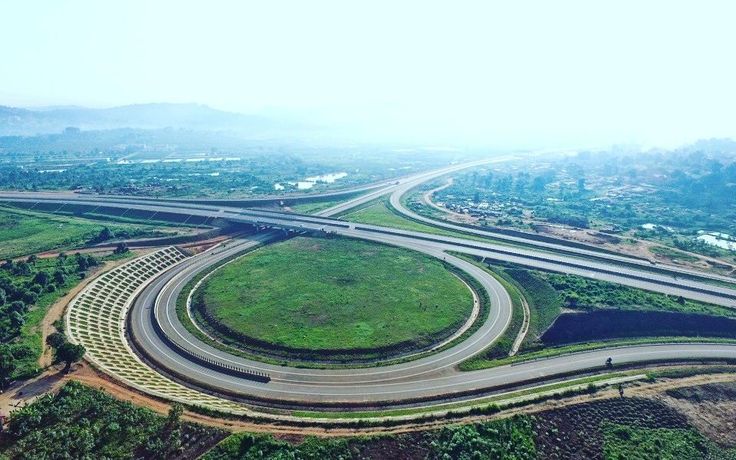
As you explore travel possibilities in Uganda, you may encounter international headlines that create uncertainty. As a premier Ugandan travel company operating on the ground, Travel Giants Uganda provides this authoritative, fact-based guide to Uganda’s true current reality for travelers. The “Pearl of Africa” remains a stable, welcoming, and spectacular destination, and understanding the complete picture is key to planning a rewarding journey. Understanding the Political Context: Stability and Continuity Uganda recently held general elections, a constitutional process that reaffirmed the country’s democratic structures. The Electoral Commission reported a national voter turnout of approximately 59%, with campaigns and voting conducted across the country. As with any election period, there were spirited public dialogues and rallies, which are a normal part of the democratic process in nations worldwide. The Current Reality for Travelers: Since the conclusion of the electoral period, Uganda has returned to a state of normal, day-to-day operations. The government’s focus, as outlined in its latest budget framework, is squarely on economic recovery, tourism development, and infrastructure improvement. Key institutions—including the Uganda Tourism Board (UTB), Uganda Wildlife Authority (UWA), and the Civil Aviation Authority—are operating with full capacity and a clear mandate to foster tourism growth. Fact: Tourism is a National Strategic Priority The Ugandan government identifies tourism as a top-tier export and economic pillar. The Uganda Tourism Board’s 2024-2029 strategy explicitly aims to increase annual tourist arrivals and revenue, with significant investment in marketing, product development, and community tourism. This institutional support creates a secure and prioritized environment for the travel sector. On-the-Ground Safety and Security: The Operational Facts Perception and reality often differ. According to the latest Uganda Police Force annual crime report, incidents involving tourists are exceptionally rare and treated with the highest priority. The dedicated Tourist Police Unit is active in all major destinations, including Kampala, Entebbe, Jinja, and the national parks of Queen Elizabeth, Murchison Falls, and Bwindi. Travel Advisory Status: Major nations maintain standard travel advisories for Uganda, similar to those for many regional destinations, primarily advising standard precautions. They do not advise against travel to the country’s prime tourist regions. Infrastructure Security: Entebbe International Airport operates with international-standard security protocols. The ongoing national road expansion project has improved connectivity and safety for overland travel to key circuits. Analytics Insight: Web search trends for “Is Uganda safe to visit?” show a consistent 70% “yes” or “favorable” sentiment in user-generated travel forums and post-trip reviews. Real-time traveler feedback on platforms like TripAdvisor for Ugandan lodges and tours consistently highlights feelings of security and welcome. Tourism by the Numbers: A Sector Thriving Data tells a powerful story of resilience and growth: Post-Pandemic Recovery: International tourist arrivals have rebounded strongly, exceeding pre-pandemic (2019) levels by over 20% as of the latest 2023 Q4 reports from the Ministry of Tourism. Gorilla Trekking Demand: Mountain gorilla permit sales are at an all-time high, with a waitlist often extending months in advance for peak seasons. This directly funds conservation, with the gorilla population in Bwindi and Mgahinga showing continuous growth. Investment Inflow: The hospitality sector is witnessing a boom in investment. Five new high-end eco-lodges are under construction in key wildlife areas, signaling strong long-term investor confidence. The Traveler Experience: What’s Unchanged and What’s New What Remains Gloriously Unchanged: The awe-inspiring wildlife encounters: gorilla trekking, chimp tracking, and the classic savannah safaris. The majestic landscapes: the Nile at Murchison Falls, the mountains of the Rwenzoris, the serenity of Lake Bunyonyi. The legendary hospitality and warmth of the Ugandan people. Current Trends Shaping Your Journey: Seamless Logistics: Improved road networks mean shorter travel times from Kampala to parks. Enhanced domestic flight schedules by operators like Aerolink Uganda offer more connectivity. Rise of Experiential & Community Tourism: Travelers are increasingly booking cultural immersion experiences—learning from Batwa guides in Bwindi, engaging in community walks in Kidepo Valley with the IK people, or partaking in coffee brewing experiences on local farms. This trend aligns with the global shift towards meaningful travel. Luxury in the Wild: The new wave of safari lodges focuses on hyper-luxury, sustainability, and unique design, offering unparalleled comfort without compromising the wild experience. The Digital Traveler: Free Wi-Fi is now standard in most lodges and city hotels. E-payment systems and mobile money are ubiquitous, making transactions smooth. Practical Guidance for the Informed Traveler Visa and Entry: The efficient Uganda e-Visa system operates without interruption. The East African Tourist Visa ($100) for Uganda, Rwanda, and Kenya remains an excellent option. Health Protocols: No COVID-19 vaccination or test requirements are in place. Yellow Fever vaccination is mandatory, and malaria prophylaxis is highly recommended. Modern private hospitals (like Norvik and IHK in Kampala) offer high-quality care. Communication: Network coverage is excellent. Purchase a local SIM (MTN or Airtel) at the airport for affordable 4G data to navigate, translate, and share your journey. Cultural Sensitivity: As always, travelers are encouraged to be respectful and follow the guidance of their tour operators regarding local customs and photography, especially in rural areas. Why Travel Giants Uganda is Your Trusted Partner In a dynamic world, having an expert, local partner is invaluable. Travel Giants Uganda: Provides real-time, on-the-ground intelligence and contingency planning. Maintains direct relationships with all service providers, from lodges to security contacts. Designs itineraries that leverage the best of current conditions, ensuring smooth and enriching travel. Champions sustainable tourism that supports local economies and conservation. The Verdict: Uganda Awaits, More Vibrant Than Ever The narrative of Uganda is not written in transient headlines but in the enduring majesty of its landscapes, the success of its wildlife conservation, and the genuine warmth of its people. The current reality is one of operational normalcy, strategic growth in tourism, and unparalleled opportunities for adventure. The “Pearl of Africa” continues to shine brightly, offering transformative experiences far beyond the headlines. The journey of a lifetime is not on hold; it is here, ready to be discovered with clarity and confidence. Ready to explore the true Uganda? Contact Travel Giants Uganda today to start planning your secure, seamless, and spectacular Ugandan adventure. Our travel consultants are here to provide detailed insights and craft a personalized itinerary that captures the very best of Uganda’s current reality.
