
Everyone knows Murchison Falls is where the Nile explodes through a gorge. But beyond the iconic postcard lies a world of astonishing secrets, from prehistoric megafauna fossils and botanical rarities to covert WWII missions and a thriving microbrewery on the savanna. Uncover the hidden facts that make Uganda’s largest park a true wonder.
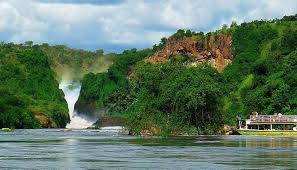
The thunder of Murchison Falls is the heartbeat of Uganda’s wilderness. While travelers come for the roaring water, giraffes, and lions, few realize they are walking on a stage set by geological cataclysms, ancient hunters, and quirky modern history. This deep-dive guide goes far beyond the standard safari brochure to reveal the little-known, fascinating, and often astonishing facts about Murchison Falls National Park—details that will transform your visit from a sightseeing trip into a journey through time, ecology, and extraordinary human endeavor.
1. It Was Once a Hunting Ground for Egyptian Pharaohs (And Their Predecessors)
The Fact: The area around Murchison Falls was part of the ancient, vast hunting grounds for the nobility of the Egyptian Old Kingdom and possibly even pre-dynastic rulers.
-
The Evidence: While not within the current park boundaries, significant archaeological sites in northern Uganda and South Sudan have yielded ivory and exotic animal skins known to be traded with ancient Egypt. The region, known for its incredible wildlife wealth, was considered a remote source of prestige goods.
-
What This Means: When you watch elephants cross the Nile, you are witnessing a spectacle that has drawn powerful humans for over 5,000 years. The park’s wildlife is part of a historical legacy that stretches back to the age of the pyramids.
2. Home to a “Living Fossil” Fish That Breathes Air
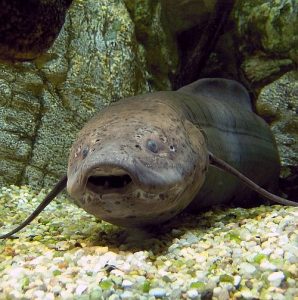
The Fact: The Nile below Murchison Falls is home to the African Lungfish (Protopterus aethiopicus) a prehistoric fish that can survive the dry season by burrowing into mud and breathing air.
-
The Science: During drought, the lungfish secretes a mucous cocoon, burrows up to 30cm into the mud, and enters a state of estivation (summer hibernation). It breathes through a primitive lung, surviving for up to four years without water until the rains return.
-
Where to “See” It: You won’t spot it on a boat cruise, but knowing it’s there adds a layer of deep-time wonder. This resilient creature has survived in these waters for over 400 million years, outliving dinosaurs.
3. The Site of a Secret WWII Aircraft Crash & Spy Mission
The Fact: During World War II, a British Royal Air Force (RAF) Vickers Wellington bomber crashed in the park during a covert supply mission, and its wreckage remained hidden for decades.
-
The Story: In 1945, the bomber (nicknamed “The Gaboon”) was flying from Egypt to Congo on a clandestine mission when it disappeared. It was discovered 57 years later, in 2002, by a park ranger. The remarkably preserved wreckage, including machine guns and radios, can still be seen on guided hikes—a surreal relic of war amidst the wilderness.
-
The Experience: Special interest tours can be arranged to this remote crash site, offering a unique blend of military history and safari.
4. The “Karuma” Name Game: The Falls’ Twin Personalities
The Fact: What we call “Murchison Falls” has two distinct names reflecting its dual nature, and the park itself was almost named after a different waterfall.
-
The Names:
-
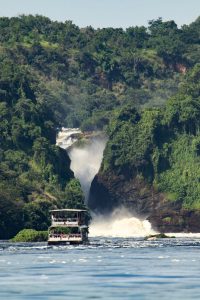
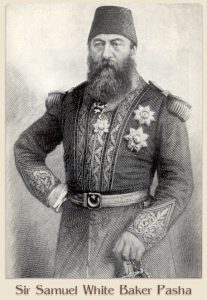
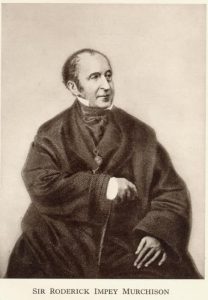
Murchison Falls: The main, thunderous cascade where the Nile forces itself through the 7-meter gap. Named in 1864 by explorer Samuel Baker for Sir Roderick Murchison, then President of the Royal Geographical Society.
-
-
Uhuru Falls: Meaning “Freedom” in Swi, this smaller but powerful waterfall was formed just east of the main falls during extreme flooding in 1962—the year of Uganda’s independence. It is often missed by visitors but can be seen on the hike to the “Top of the Falls.”
-
-
-
Historical Footnote: Baker initially proposed naming the entire area “Lake Albert” and “Murchison Falls” after his patrons. The park was originally named “Kabarega National Park” after the defiant Bunyoro king, but was renamed by colonial authorities.
5. A Botanical Wonderland with a “Suicide Tree”
The Fact: Beyond the wildlife, the park hosts unique and dangerous flora, including the Suicide Tree (Pangium edule) and the giant Borassus Palm.
-
The Suicide Tree: Found in the riverine forests, its seeds contain hydrogen cyanide and are lethally toxic if not prepared correctly by knowledgeable local communities. Its presence is a reminder of the deep botanical wisdom contained within the ecosystem.
-
The Borassus Palm Savanna: The iconic silhouette of the park’s northern sector is defined by these massive palms. They can live for over 100 years and are a keystone species, providing fruit for baboons and palm wine for humans, and their leaves are used for thatch.
6. It Had Its Own (Brief) Savanna Microbrewery
The Fact: In the 1950s, at the height of its colonial safari heyday, the legendary Paraa Safari Lodge operated its own brewery to produce beer for its guests in the remote wilderness.
-
The Quirk: Supplying a remote luxury lodge was a logistical nightmare. The solution? Build a small, on-site brewery. For a short period, guests sipped “Paraa Pilsner” or similar while watching the Nile flow by—arguably one of the most epic beer garden settings in history.
-
The Legacy: While the brewery is long gone, Paraa Lodge retains its vintage charm. Ask the old staff for stories; some may remember the tales.
7. The World’s Only Place to See This Specific Bird Hybrid
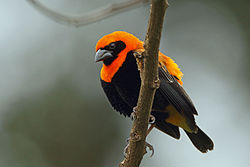
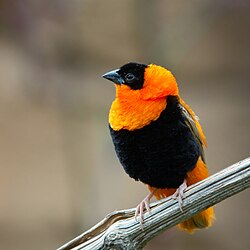
The Fact: The Nile corridor in Murchison is one of the only documented places in the world to reliably spot the hybrid offspring of two distinct weaver bird species.
-
The Ornithology: The Northern Red Bishop (Euplectes franciscanus) and the Black-winged Red Bishop (Euplectes hordeaceus) interbreed here. Keen birders can spot hybrid males displaying plumage that is a mix of both parents’ vibrant red and black patterns.
-
Why It Matters: For birdwatchers, this is a rare and exciting find. It highlights the park’s role as a dynamic ecological crossroads where species interact in unique ways.
8. A Fossil Bed of Extinct Megafauna Lies Beneath the Savanna
The Fact: The sediments around the Lake Albert basin, within the park’s ecosystem, are a rich Pliocene-Pleistocene fossil bed, containing remains of extinct giants.
-
The Paleontology: Fossil finds have included ancestors of modern elephants, giant buffalo, and prehistoric hippos. This area was part of the same paleo-ecosystem as major fossil sites in Kenya and Ethiopia.
-
The Implication: The wildlife you see today—elephants, hippos, buffalo—are the modern heirs to a lineage of mega-herbivores that have roamed this rift valley for millions of years.
9. The “Murchison Falls” Almost Drowned in a Dam Project
The Fact: In the 1950s, a serious hydroelectric dam project was proposed that would have submerged the majestic falls completely, turning the raging cascade into a placid reservoir.
-
The Saved Wonder: The project, driven by colonial industrial interests, was ultimately abandoned due to its enormous cost, logistical difficulty, and—thankfully—the growing recognition of the site’s immense natural and touristic value.
-
The Close Call: This historical footnote makes visiting the falls today feel even more precious. Your visit is a testament to the victory of conservation (and economic sense) over short-term exploitation.
10. A Sanctuary Built by a “Murderer’s” Son
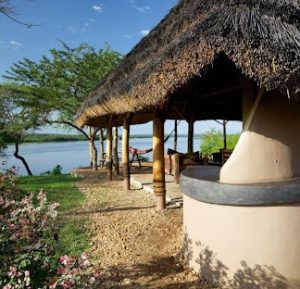
The Fact: One of the park’s most beautiful and ethical mid-range lodges, Murchison River Lodge, was founded by a man whose father was infamously executed.
-
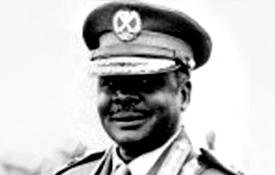
The Human Story: The lodge was built by Tito Okello, son of General Tito Okello Lutwa, who briefly served as Uganda’s president after the 1985 coup and was later executed. The younger Okello chose to create a peaceful, sustainable tourism business in this beautiful place, a positive legacy far removed from his father’s turbulent political fate.
-
The Takeaway: It’s a reminder that Uganda’s parks are woven into the nation’s complex human history, and that tourism can be a powerful force for positive renewal.
How to Experience These Hidden Facts: Your 2024 Insider’s Itinerary
To move beyond the standard safari, structure your visit to uncover these layers:
-
Day 1: Arrival & The Falls.
-
Morning: Visit the Top of the Falls. Look for Uhuru Falls to the east.
-
Afternoon: Take the boat cruise to the BASE of the falls. Feel the spray and understand the power that almost was dammed.
-
-
Day 2: Deep History & Wildlife.
-
Morning: Game drive on the Buligi Circuit. Look at the Borassus palms and imagine the fossil beds below.
-
Afternoon: Special Interest Tour. Request a guide to visit the RAF Wellington wreckage (requires advance booking and fitness).
-
-
Day 3: The River’s Secrets.
-
Morning: Delta Boat Safari. Go birding with an expert guide to look for hybrid weavers and the shoebill. Contemplate the lungfish in the water.
-
Evening: Enjoy a sundowner at a historic lodge (Paraa or Baker’s) and ask the staff about the old brewery stories.
-
Murchison Falls isn’t just a park you visit; it’s a story you step into—a narrative written in stone, water, bone, and memory.
Ready to explore the secrets behind the thunder? Contact Travel Giants Uganda today. Our expert guides know these hidden stories and will craft a Murchison Falls safari that reveals the profound, surprising, and unforgettable depths of Uganda’s greatest wilderness.
