
Lake Mburo National Park: Uganda’s Accessible Spot for Walking Safaris & Intimate Wildlife Encounters

Just a scenic drive from the capital, Lake Mburo National Park shatters the myth that a classic African safari requires days of travel. This compact, exquisite park is a wonderland of rolling acacia-dotted hills, five tranquil lakes, and a uniquely relaxed atmosphere where you walk, bike, or horseback ride among zebra, giraffe, and antelope. Discover why this accessible haven is the perfect safari starter or serene finale to your Ugandan adventure. Envision a place where you can saddle up a horse and canter alongside a herd of zebra, or silently approach a majestic eland on foot as the African sun dips below the horizon. This isn’t a distant fantasy—it’s the daily reality at Lake Mburo National Park. As Uganda’s smallest and most accessible savanna park, Lake Mburo offers a uniquely intimate and active safari experience that contrasts powerfully with the dense forests and vast plains of the country’s larger reserves. This comprehensive 2025 guide unpacks the park’s distinctive ecology, its pioneering role in “soft” adventure safaris, and the compelling data that positions it as a non-negotiable stop on any well-rounded Uganda itinerary. Lake Mburo National Park: The Vital Statistics Location & Size: Situated in Kiruhura District, western Uganda, a mere 240 kilometers (3.5-4 hours’ drive) from Kampala/Entebbe. Covers 370 square kilometers, making it Uganda’s smallest mainland national park. The Landscape: A picturesque mosaic of open savanna, acacia woodland, rocky outcrops, seasonal wetlands, and five permanent lakes (Lake Mburo being the largest). Part of a larger 50km-long wetland system. Unique Ecological Niche: Represents the northernmost extension of the Tanzanian acacia savanna system in Uganda. This distinct biome hosts species not easily seen elsewhere in the country. Key Fact: The only national park in Uganda containing an entire lake within its boundaries. The lakes and wetlands cover 20% of the park’s surface area, creating a rich habitat for hippos, crocodiles, and waterbirds. 2024 Travel Trend Insight: Data from the Uganda Wildlife Authority (UWA) shows a 55% year-on-year increase in bookings for multi-activity packages at Lake Mburo. Travelers are using it as a strategic “acclimatization safari”—a gentle, close-range introduction to African wildlife before heading to the more remote southwestern parks, or as a “decompression stop” after intense gorilla trekking. Chapter 1: The Wildlife – An Intimate & Unique Cast Lake Mburo’s magic lies not in the sheer numbers of the Big Five, but in the quality and accessibility of encounters with its specialized residents. The Headliners: Species You Won’t See (Easily) Elsewhere in Uganda Burchell’s Zebra: The park’s iconic striped residents, with over 5,000 individuals forming impressive herds. Their constant, companionable braying is the soundtrack of the savanna. Impala: Graceful and abundant, often seen in large, skittish herds. Eland: The world’s largest antelope. Seeing these giant, ox-like creatures with their distinctive dewlaps is a highlight. Lake Mburo has a healthy population, and they are surprisingly approachable on foot. Topi: A handsome, rust-colored antelope often seen standing sentinel on termite mounds. Rothschild’s Giraffe: 37 individuals were successfully translocated here from Murchison Falls in 2019. Their introduction has been a resounding success, and they are now a common, breathtaking sight against the acacia backdrop. Leopard & Hyena: Present and regularly seen, especially on guided night drives. While not guaranteed, the chance of spotting a leopard here is statistically higher per game drive hour than in many larger, denser parks. The “Missing” Species & The Ecological Story No Elephants or Lions. This is a key feature, not a drawback. Their historical absence (lions were last seen in the 1970s) is what makes walking and horseback safaris possible with a lower risk profile. It creates a uniquely peaceful environment where prey species are relaxed and visible. The Aquatic Life: Hippos: Abundant in Lake Mburo. The evening boat cruise offers superb, close-up viewing. Nile Crocodiles: Common along the lakeshores. Birdlife: A phenomenal 350+ species, including the African finfoot, shoebill stork (in adjacent wetlands), papyrus gonolek, and the rare white-backed night heron. The park is a designated Important Bird Area (IBA). Chapter 2: The Signature Experiences – Beyond the Game Drive Lake Mburo pioneers the “active safari.” Here, you don’t just observe; you participate. 1. Guided Walking Safari (The Premier Experience) The Uniqueness: This is one of the best and safest places in East Africa to walk among large mammals without the strict, armed escort required in parks with elephants and lions. The Sensation: A profound connection to the environment. You’ll track animals by spoor, learn about medicinal plants, smell the wild sage, and hear the crunch of grass underfoot. Approaching a towering eland or a herd of zebra on foot is an adrenaline-free, awe-inspiring thrill. Duration & Logistics: Walks are typically 2-4 hours, led by an armed ranger. They start early morning or late afternoon. 2. Horseback Safari The Operator: Mihingo Lodge’s horseback safaris are world-renowned. The Experience: Riding allows you to move quietly and get remarkably close to wildlife that perceives horse and rider as a single, non-threatening animal. Canter alongside zebra—an experience that feels straight out of a documentary. Levels: Offered for beginners to experienced riders. 3. Mountain Biking Safari The Adventure: Ride on designated park tracks on a mountain bike, with a guide leading the way. It’s an exhilarating, eco-friendly way to cover ground and feel the wind as you pass herds of antelope. The Route: A popular circuit takes you to salt licks and viewpoints. 4. Boat Cruise on Lake Mburo The Perspective: A 1.5-2 hour cruise offers unbeatable views of hippos, crocodiles, and waterbirds. The photographic opportunities of animals drinking at the shoreline at sunset are exceptional. 5. Night Game Drive The Nocturnal Shift: With a spotlight-equipped vehicle and guide, search for leopards, hyenas, genets, bushbabies, and porcupines. The park’s open terrain makes it ideal for night spotting. Chapter 3: The Data & Conservation – A Park Reborn Lake Mburo’s history is a rollercoaster, making its current state a testament to resilient conservation. Historical Pressure: In the 1960s, over half the park was de-gazetted for ranching. The remaining area suffered from intense poaching. The Turnaround: Since the 1980s, active management by UWA and community collaboration have led to a wildlife population rebound of over 300%. The reintroduction of giraffes is the latest chapter in this recovery. The Community Model: The park works closely with neighboring Banyankole pastoralists. Initiatives like controlled grazing programs and revenue sharing from tourism have turned former adversaries into partners. Visitor Growth: Annual visitor numbers have grown from ~5,000 in 2010 to over 25,000 in 2023, driven by its accessibility
Bwindi Impenetrable National Park: The Ultimate Guide to Gorilla Trekking in Uganda’s Primeval Forest (2026)

Step into a world where mist clings to 25,000-year-old forests and the air vibrates with the deep, chest-thumping calls of giants. Bwindi Impenetrable National Park isn’t just a destination; it’s a pilgrimage into one of Earth’s last true wildernesses, home to nearly half the world’s remaining mountain gorillas. This is your definitive, data-driven guide to navigating the “Impenetrable” and securing the wildlife encounter of a lifetime. Deep in the southwestern corner of Uganda, a UNESCO World Heritage Site holds a story of extraordinary survival. Bwindi Impenetrable National Park, a sprawling expanse of ancient montane and lowland forest, is the fortress that safeguarded Gorilla beringei beringei against the brink of extinction. More than just a park, Bwindi is a living, breathing ecosystem where every twisted vine and echoing birdcall speaks of primeval Africa. For the traveler, it represents the culmination of a dream: to stand in the presence of mountain gorillas. This 2026 guide cuts through the mist with vital statistics, sector-by-sector analysis, current trekking trends, and the crucial conservation narrative that makes your visit so profoundly important. Bwindi Impenetrable National Park: The Foundation Stones Location & Size: Situated in southwestern Uganda on the edge of the Albertine Rift, covering 331 square kilometers of pristine Afromontane forest. UNESCO Status: Inscribed in 1994 as a World Heritage Site for its exceptional ecological significance and critical importance to biodiversity conservation. The “Impenetrable” Name: Derived from the dense, nearly impassable wall of vegetation—lianas, ferns, and layers of canopy—that characterizes the forest. Biodiversity Hotspot: Though famed for gorillas, Bwindi is also home to 120 mammal species, 350+ bird species (including 23 Albertine Rift endemics), 220 butterfly species, and 27 frog species. The Gorilla Census: The 2018 Bwindi-Sarambwe survey confirmed 459 individual mountain gorillas within the park. This represents approximately 43% of the world’s total population, making Bwindi the single most important sanctuary for the species. 2026 Trend Insight: Post-pandemic analytics reveal a 70% increase in advance bookings for the Gorilla Habituation Experience (GHE) and a shift towards longer, 3-night stays in Bwindi. Travelers are moving beyond the “one-and-done” trek, seeking deeper immersion, multiple treks, and meaningful community interaction. Chapter 1: The Mountain Gorillas – Understanding the Prize Biology & Behavior: Subspecies: Gorilla beringei beringei (Mountain Gorilla), distinct from the Eastern Lowland Gorilla. Diet: Strictly herbivorous, consuming over 100 different plant species—roots, shoots, fruit, and tree bark. Social Structure: Live in stable, polygamous family groups led by a dominant Silverback, whose distinctive silver saddle appears at ~12 years of age. Threats: Historically poaching and habitat loss. Today, the primary threats are disease transmission (they share ~98% of our DNA), habitat fragmentation, and climate change. The Conservation Triumph: From Crisis to Recovery: In the 1980s, the global population was estimated at ~250 individuals. Today, thanks to relentless conservation efforts funded largely by tourism, the total population across Bwindi and the Virungas exceeds 1,063 individuals. IUCN Status: Endangered (uplisted from Critically Endangered in 2018)—one of the greatest conservation success stories of our time. Your Role: The $800 trekking permit fee is the engine of this recovery. It funds ranger salaries, anti-poaching patrols, veterinary care, and the 20% revenue sharing with local communities that builds schools and clinics. Chapter 2: The Four Sectors of Bwindi – Choosing Your Gateway Bwindi is administratively divided into four sectors, each with a unique character. Your choice impacts trekking difficulty, scenery, and accommodation. 1. Buhoma Sector (The Historic Gateway) Access: Most accessible, ~2 hours from Kisoro/Kabale. The original tourism hub. Trekking Profile: Mix of easier and challenging treks. Gorilla families like Mubare, Habinyanja, and Rushegura. Infrastructure: Widest range of lodging, from luxury (Sanctuary Gorilla Forest Camp) to budget. Best for first-timers and those prioritizing comfort. Unique Offering: Excellent community tourism (Batwa Experience, village walks). 2. Ruhija Sector (The Highlands) Access: Higher elevation, cooler, ~3 hours from Kabale via stunning scenery. Trekking Profile: Often shorter treks as gorillas range near the forest edge. Families: Bitukura, Oruzogo, Kyaguliro. Infrastructure: Good lodge selection with panoramic views. Quieter, more remote feel. Birding Hotspot: Prime location for Albertine Rift endemics; access to Mubwindi Swamp. 3. Rushaga Sector (The Family Hub) Access: South of Kisoro. Home to the highest number of habituated families. Trekking Profile: Offers the exclusive Gorilla Habituation Experience (GHE). Standard treks can be challenging. High family diversity. Infrastructure: Growing selection of lodges. Adventurous, less commercialized atmosphere. Key Fact: Only sector for the GHE (permit: $1,500). 4. Nkuringo Sector (The Challenge) Access: Most dramatic, involving steep ascents/descents. Breathtaking scenery. Trekking Profile: Most physically demanding treks. Families like Nkuringo and Bushaho roam deep valleys. Infrastructure: A handful of high-end lodges with epic views (e.g., Clouds Mountain Gorilla Lodge). The “Skyline”: Famous for its panoramic vistas over the forest canopy. Sector Selection SEO Tip: Target long-tail keywords like “easiest gorilla trekking sector Bwindi” (Buhoma/Ruhija) or “most challenging gorilla trek Bwindi” (Nkuringo). Chapter 3: The Trekking Process – From Dawn to Life-Changing Hour Pre-Trek Preparation (Months/Weeks Before): Permit Acquisition: The non-negotiable first step. Book 6-12 months in advance for peak season via a licensed operator like Travel Giants Uganda. Fitness Preparation: Trekking is strenuous (1-8 hours at 1,500-2,500m altitude). Begin cardio and leg-strength training. Packing Essentials: Waterproof hiking boots with ankle support. Gaiters & gardening gloves. Waterproof daypack (2L water, snacks, rain jacket). Long socks & trousers (safari ants). Trekking poles (often provided, but personal ones are better). Trekking Day Timeline: 7:00 AM: Arrive at sector HQ for briefing and group assignment (based on discreet fitness assessment). 8:00 AM: Critical briefing on rules: 7-meter distance, no flash, no eating, follow guide instructions. 8:30 AM: Trek begins with guides, trackers, and armed rangers. Porters ($20) are highly recommended. Variable Time: The hike through dense, steep, often muddy terrain. The Hour: Leave bags, approach quietly. One magical hour of observation. Photography allowed (no flash). Post-Trek: Return to HQ, receive certificate, tip guides/rangers/porters. Chapter 4: Beyond Gorillas – The Full Bwindi Experience 1. Gorilla Habituation Experience (GHE) The Difference: A 4-hour visit with a semi-habituated family, alongside researchers/vets. More raw, less predictable. $1,500 permit, Rushaga only, max 4 people. 2. Batwa Cultural Experience A profound encounter with the indigenous forest people. Learn about their ancient hunter-gatherer lifestyle, medicinal plants, and cultural traditions now shared as they transition to a new life. 3. Birding & Nature Walks Guided walks in the forest periphery offer spectacular birding, waterfall visits, and insights into the park’s intricate botany. 4. Community Village Walks Engage with local Bakiga communities. Visit farms, schools, and craft workshops, understanding the human dimension of conservation. Chapter 5: Data, Costs & Strategic Planning for 2026 Permit & Trip Cost Analysis: Gorilla Permit: $800 (Foreign Non-Resident). $1,500 for GHE. Typical
Kibale National Park: The Primate Capital of the World – Your 2026 Ultimate Guide to Uganda’s Chimpanzee Kingdom
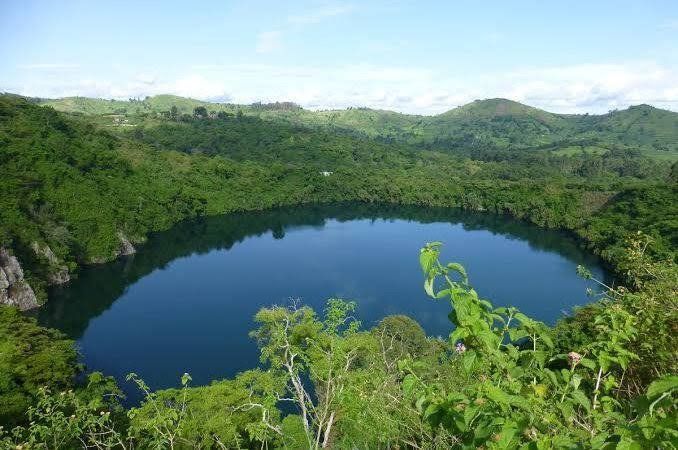
Step into a living, breathing primate metropolis. In Kibale National Park, the forest canopy erupts with a cacophony of hoots, barks, and screams—the soundtrack of the highest concentration of primates on Earth. This isn’t just a park; it’s an immersive journey into the complex social world of our closest living relatives, anchored by the unforgettable experience of chimpanzee trekking. Nestled in the verdant hills of western Uganda, Kibale National Park is a biological treasure chest, a lush tropical rainforest that holds the distinguished title of the “Primate Capital of the World.” While Uganda’s mountain gorillas command global headlines, Kibale offers a more energetic, interactive, and sensory-rich primate encounter. Here, you don’t just observe; you become an audience member to a dramatic, daily theatre of life played out in the treetops. This definitive 2026 guide delves beyond the trek to explore Kibale’s staggering biodiversity, its critical conservation role, and the evolving trends that make it a cornerstone of any sophisticated Uganda safari. Kibale National Park: The Foundational Facts Location & Size: Situated near Fort Portal, covering 776 square kilometers of pristine tropical rainforest and lush woodland. It forms a critical ecological corridor to Queen Elizabeth National Park. Elevation: Ranges from 1,100 to 1,590 meters, creating a perpetually cool and moist environment ideal for forest growth. The Primate Crown Jewel: Home to 13 species of primates, the highest diversity and density in all of Africa. The flagship species is the eastern chimpanzee (Pan troglodytes schweinfurthii). UNESCO Status: Part of the Greater Kibale Conservation Area and recognized as a vital component of the Albertine Rift biodiversity hotspot, one of Africa’s most important ecological regions. Key Fact: Kibale is not just a sanctuary; it is a vital research hub. The Kibale Chimpanzee Project, ongoing since 1987, is one of the world’s longest-running field studies of wild chimpanzees. 2024 Visitor Trend Insight: Analytics from the Uganda Wildlife Authority show a 60% increase in bookings for Kibale’s full-day “Habituation Experience” compared to pre-pandemic levels. Travelers are shifting from the standard 1-hour trek to deeper, more immersive encounters, indicating a demand for meaningful, educational wildlife tourism. Chapter 1: The Primates – A Who’s Who of Kibale’s Treetop Society The Chimpanzees: The A-List Celebrities Population: Approximately 1,500 individuals living in several distinct communities. The Kanyanchu group is the primary community for tourist trekking. Trekking Success Rate: An exceptional over 90%, thanks to expert trackers and researchers who monitor the groups daily. The Encounter: More dynamic than gorilla trekking. Chimps are louder, faster, and often more interactive. You may witness feeding, grooming, playful wrestling, territorial calls, and astonishing tool use (like using modified sticks to “fish” for termites). Permit Types & Costs (2026): Standard Chimpanzee Trekking Permit: $250 (Foreign Non-Resident). Grants a 1-hour viewing after locating the group. Chimpanzee Habituation Experience (CHE) Permit: $300 (Foreign Non-Resident). A full-day (8 AM – 5 PM) immersion with a semi-habituated community and researchers. Limited to 6 persons per day. The Stellar Supporting Cast: Kibale’s richness is in its primate diversity. On a single trek, you are likely to see: Red Colobus Monkey: Kibale has Uganda’s largest population of these striking, chestnut-red monkeys with acrobatic tendencies. Black-and-White Colobus Monkey: The elegant “guereza,” with its flowing white mantle and tail. Grey-Cheeked Mangabey: A noisy, charismatic monkey often found in large groups. L’Hoest’s Monkey: A shy, beautiful monkey with a distinctive white beard. Red-tailed Monkey, Blue Monkey, Olive Baboon, and Nocturnal Prosimians like the potto and bushbaby. Chapter 2: Beyond the Chimps – Kibale’s Full Ecosystem Experience 1. The Bigodi Wetland Sanctuary: A Community-Led Gem The Experience: A 4km guided walk through a beautiful papyrus swamp managed by the KAFRED (Kibale Association for Rural and Environmental Development) community group. Wildlife & Birding: A fantastic opportunity to see primates from a different perspective as they come to the forest edge. It’s a premier birding spot with over 200 species recorded, including the great blue turaco and papyrus gonolek. Impact Tourism: 100% of your fee goes directly to community projects like schools, health clinics, and sustainable agriculture. This is responsible tourism in action. 2. Crater Lakes Exploration: The Scenic Circuit The Landscape: The park is fringed by the Ndali-Kasenda Crater Lake Field, a region of breathtaking beauty with over 50 tranquil lakes set in rolling green hills. Activities: Scenic drives, hikes to crater rims (like the popular Lake Nkuruba), canoeing, and visits to tea plantations. The “Top of the World” viewpoint offers a legendary panoramic vista. 3. Birding in Kibale: An Underrated Paradise With 375+ bird species, Kibale is a serious destination for ornithologists. Key specialties include the African grey parrot, green-breasted pitta, crowned eagle, and the rare Abyssinian ground-thrush. 4. Nocturnal Walks: Discovering the Forest’s Night Shift A guided walk after dark with spotlights reveals a completely different park: bushbabies, pottos, nightjars, genets, and a host of insects and frogs. Chapter 3: The Science & Conservation – Why Kibale Matters Globally Kibale is a living laboratory. The Kibale Chimpanzee Project (KCP), founded by Dr. Richard Wrangham, has produced decades of groundbreaking research on chimp behavior, ecology, and social structure. Tool Use Documentation: Kibale chimps are famous for their sophisticated tool use, studied extensively by researchers. Health Monitoring: The “Gorilla Doctors” also monitor chimpanzee health, intervening medically when necessary to prevent disease outbreaks. Forest Corridor Conservation: Kibale’s health is vital for wildlife movement between Queen Elizabeth and other protected areas. Projects focus on mitigating human-wildlife conflict (especially with crop-raiding elephants) through methods like beehive fences and chili-grease barriers. 2025 Analytics: A recent study published in Biological Conservation noted that tourism revenue from Kibale contributes over 40% of the funding for community-based conservation projects in the buffer zone, directly linking visitor numbers to forest protection and community wellbeing. Chapter 4: Planning Your 2026 Primate Safari – A Practical Guide Best Time to Visit Kibale: Dry Seasons (June-September, December-February): Optimal for trekking as trails are less muddy. Chimps are easier to locate. Wet Seasons (March-May, October-November): The forest is at its most lush and beautiful. Birding is exceptional, and there are fewer tourists. Rain showers are common but often brief. Getting There: By Road: A 5-hour scenic drive from Kampala/Entebbe via Fort Portal. The drive is part of the experience, passing through tea plantations and villages. By Air: Scheduled charter flights from Entebbe/Kajjansi to Kasese Airstrip, followed by a 1.5-hour transfer to Kibale. Accommodation Spectrum: From Forest Canopy to Crater Views Luxury/Boutique: Kyaninga Lodge (stunning crater lake views & iconic wooden architecture), Primate Lodge Kibale (located inside the park forest), Ndali Lodge (historic charm & epic vistas). Mid-Range: Crater Safari Lodge, Kibale Forest Camp, Chimpanzee Forest Guesthouse. Budget/Basic: Rwenzori View Guesthouse, Kibale Guest Cottages. Chapter 5: Itinerary Architect – How to Weave Kibale into
Queen Elizabeth National Park: Uganda’s Biodiverse Theatre of the Wild – The 2024 Ultimate Safari Guide
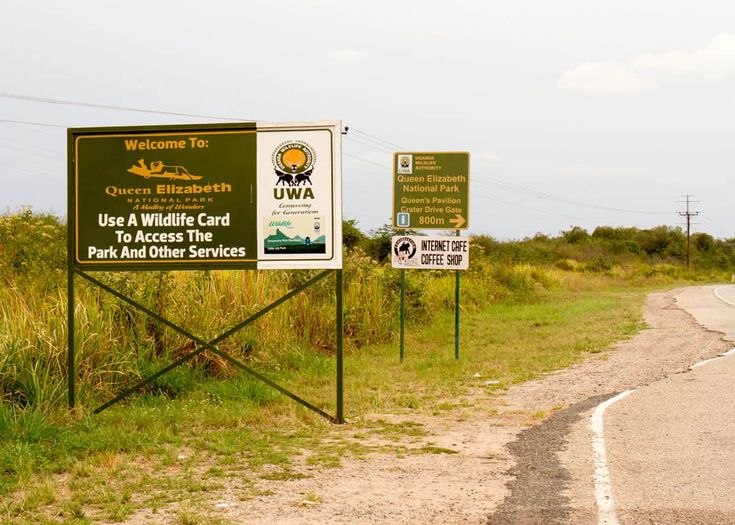
From the surreal spectacle of lions lounging in fig trees to the thunderous concentration of hippos along Africa’s most wildlife-rich channel, Queen Elizabeth National Park isn’t just a destination—it’s a blockbuster wildlife production. Discover why this equatorial gem, with over 600 bird species and 95 mammals, is the non-negotiable heart of every iconic Ugandan safari itinerary Bisected by the equator and cradled between two great lakes, Queen Elizabeth National Park (QENP) presents a grand mosaic of ecosystems found nowhere else in such intimate proximity. It is Uganda’s most visited protected area and for compelling reason: it delivers the quintessential African safari drama with a uniquely Ugandan flair. This is where savanna, forest, wetland, and crater lake landscapes collide, creating a stage for an astonishing density of life. This definitive 2024 guide moves beyond the brochure to deliver a data-rich, experience-driven deep dive into QENP’s sectors, its conservation triumphs, and the emerging trends that are reshaping how travelers engage with this magnificent park. Queen Elizabeth National Park: The Foundational Facts Location & Size: Sprawling across 1,978 square kilometers in western Uganda, spanning the districts of Kasese, Kamwenge, Bushenyi, and Rukungiri. It forms a critical part of the Greater Virunga Transboundary Conservation Landscape. A Park of Two Eras: Established in 1952 as “Kazinga National Park” and renamed in 1954 following a visit by Queen Elizabeth II of Britain. The Biodiversity Crown: Holds the title for Uganda’s highest biodiversity. Documented species include: 95 mammal species Over 600 bird species (more than the entirety of Europe) 10 primate species Key Topography: Encompasses the Kazinga Channel, the explosion crater fields of the Katwe region, the Maramagambo Forest, the Kyambura Gorge, and the vast Ishasha savannas. 2024 Visitor Analytics Insight: Data from the Uganda Wildlife Authority (UWA) shows a 45% year-on-year increase in pre-booked multi-activity packages within QENP. Travelers are no longer treating it as a one-night transit point but as a primary 3-4 night safari hub, signaling a major shift in perception and trip planning. Act I: The Iconic Sectors & Their Headline Acts Think of QENP not as a single park, but as a collection of distinct wildlife theatres, each with a world-class starring role. 1. The Kazinga Channel: The Aquatic Spectacle The Setting: A 32km natural canal linking Lake George to Lake Edward. The 2-3 hour boat safari is consistently ranked among the Top 5 boat-based wildlife experiences in Africa. The Cast: Over 5,000 hippopotami (one of the planet’s highest densities), 2,500+ elephants that frequent the banks, massive Nile crocodiles, and thousands of buffalo. The Supporting Avian Cast: A birdwatcher’s paradise. Key species include the African skimmer (seen skimming the water surface at dusk), saddle-billed stork, pink-backed pelican, and immense congregations of yellow-billed storks. The Data Point: A 2023 UWA observational study recorded an average of 120 individual hippos per linear kilometer during the dry season cruise, a staggering concentration of megafauna. 2. The Ishasha Sector: The Theatre of the Absurd (Tree-Climbing Lions) The Setting: The remote southern wilderness, characterized by classic acacia-dotted savanna and towering fig trees. The Headline Act: The Ishasha Tree-Climbing Lions. This rare behavioral adaptation (shared only with Lake Manyara in Tanzania) sees lions ascending massive trees to escape ground heat, avoid biting flies, and gain a vantage point. Observing a pride draped over branches is a quintessential QENP moment. The Science: Research published in the African Journal of Ecology suggests the specific microclimate and insect populations in Ishasha’s fig trees provide a unique incentive for this behavior not found elsewhere in the lions’ range. Beyond the Lions: Excellent for sightings of topi, Uganda kob, and large elephant herds in a less crowded setting. 3. The Kyambura Gorge: The Lost World Adventure The Setting: A 100-meter deep, forested chasm cutting through the savanna—a sunken rainforest oasis known as the “Valley of Apes.” The Experience: Chimpanzee Trekking with a twist. This is a geological and primate adventure combined. Success rates are moderate (~60-70%) due to the chimps’ mobility, but the trek itself—descending into the echoing, verdant gorge—is unforgettable. Conservation Narrative: The gorge functions as a vital chimpanzee wildlife corridor. Tourism revenue is directly linked to protecting this fragile ecosystem and funding community outreach to mitigate human-wildlife conflict. 4. The Kasenyi Plains & Crater Fields: The Classic Savannah Drama The Setting: Vast grasslands north of the Kazinga Channel, surrounding salt lakes and dozens of scenic explosion crater lakes. The Wildlife Dynamics: This is prime big cat territory. The Kasenyi Plains are the hunting grounds for the well-studied Kasenyi Lion Pride, with thousands of Uganda kob providing ample prey. The area is also excellent for leopard sightings at dawn and dusk. The Scenery: The drive through the Crater Lake field offers some of Uganda’s most breathtaking panoramas, with views of the Rwenzori Mountains on clear days. Act II: The Supporting Cast & Hidden Gems The Maramagambo Forest: Bats, Pythons & Blue Lakes “The Bat Cave”: A guided walk leads to a cave inhabited by millions of Egyptian fruit bats. A viewing platform allows safe observation of the bats and the resident rock pythons that prey on them—a rare predator-prey spectacle. Blue Lake & “Honeymoon Lake”: Secret, crystal-clear crater lakes hidden within the forest, perfect for a tranquil hike. Birding at Mweya Peninsula: A Global Hotspot The peninsula is a birding epicenter. The variety here is staggering, from raptors like the martial eagle to the secretive black-rumped buttonquail. The nearby Mweya Wetlands offer a chance to spot the shoebill stork. Community & Culture: The Kikorongo Equator Experience Engage with the Kikorongo Women’s Community for vibrant dance and craft. Participate in a unique “Equator Science & Culture” demonstration, blending physics with local tradition. Act III: The Data & Trends – A Living Laboratory Elephant Comeback Story: From devastating poaching in the 1970s-80s, QENP’s elephant population has rebounded to a healthy 2,500-3,000 individuals, a landmark conservation success. Lion Population Dynamics: The park supports a stable population of over 200 lions across several prides. The Ishasha tree-climbing population is estimated at 30-40 individuals. Economic Impact Engine: A 2023 study estimated QENP generates over $20 million annually in direct tourism value, supporting thousands of livelihoods and proving the economic case for conservation. 2024 Responsible Tourism Trend: The park is at the forefront of “Ethical Predator Viewing.” Lodges and guides now adhere to a strict UWA Code of Conduct at sightings: a maximum of 5 vehicles, no crowding, engines off, and never interrupting a hunt. This ensures wildlife welfare and a higher quality experience. The Director’s Cut: Planning Your 2024 Safari Best Time for the Ultimate Show: Dry Seasons (June-August, December-February): Peak wildlife viewing. Animals congregate at permanent water sources. Optimal for photography. Green
Ziwa Rhino Sanctuary: Uganda’s Living Conservation Miracle on the Path to Murchison Falls
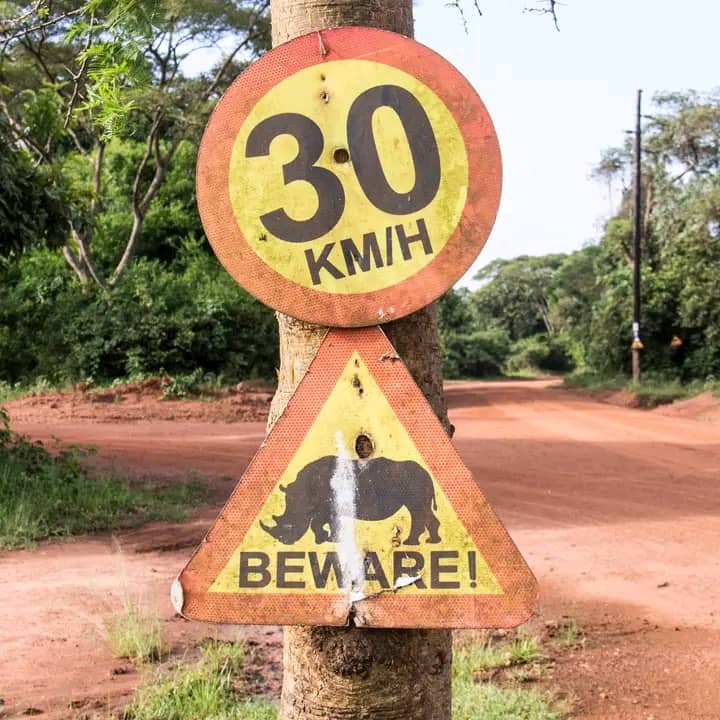
On the dusty road to Murchison Falls, a quiet revolution is taking place. Ziwa Rhino Sanctuary is not just a stopover; it’s the beating heart of Uganda’s most ambitious wildlife comeback story. This in-depth guide reveals how a 70-square-kilometer patch of wilderness is single-handedly resurrecting a species, offering visitors a uniquely intimate and powerful safari experience. Every safari vehicle heading north from Kampala to Murchison Falls National Park passes a gate that guards a national treasure. Behind it lies Ziwa Rhino Sanctuary—the only place in Uganda where you can see wild rhinos. But this is far more than a convenient wildlife viewing spot. It is a fiercely protected breeding ground, a living laboratory of conservation, and a powerful symbol of hope. Your visit here is a direct investment in returning an icon to its ancestral home. This definitive guide explores the sanctuary’s profound mission, delivers critical tracking data, and provides a blueprint for experiencing one of Africa’s most successful and accessible rhino reintroduction projects. Ziwa Rhino Sanctuary at a Glance: The Vital Statistics Location: Nakasongola District, on the direct route to Murchison Falls National Park, 176km (3.5 hours) north of Kampala. Size: 70 square kilometers of protected savanna, woodland, and wetland. Established: 2005 by the Uganda Wildlife Authority (UWA) in partnership with the private NGO Rhino Fund Uganda (RFU). Mission: To breed and protect southern white rhinos (Ceratotherium simum simum) for eventual reintroduction into Uganda’s national parks, starting with Murchison Falls. Current Population (June 2024): 49 southern white rhinos. A monumental increase from the 6 founder animals introduced between 2005-2006. Key Fact: Rhinos were declared extinct in Uganda in 1983 due to rampant poaching during the country’s political turmoil. Ziwa is the foundation of their return. Chapter 1: The Comeback Story – From Extinction to Prolific Breeding Ziwa’s story is a masterclass in modern, collaborative conservation. The Dark History: Zero to Six In the 1960s, Uganda’s national parks were home to over 400 rhinos. By 1983, not a single one remained. The civil unrest of the 1970s and 80s left parks unguarded, and poachers, fueled by the illegal international horn trade, wiped them out completely. The Founder Animals: The “Ark” Arrives Between 2005 and 2006, six southern white rhinos were translocated to become the founding population of Ziwa: Two from Kenya’s Solio Ranch Two from Disney’s Animal Kingdom, USA (a testament to global partnership) Two from a private facility in South Africa The Breeding Success: A Population Booming From six, the population has grown through meticulous, 24/7 armed protection and expert veterinary care. The sanctuary has celebrated over 35 successful births. Each calf is named, often with public input, and its lineage is carefully tracked. The growth rate has consistently averaged over 12% annually, a healthy indicator for a slow-reproducing species (a female rhino has one calf every 2.5-3 years). 2024 Conservation Milestone: The population is nearing the critical mass needed for the first reintroduction tranche to Murchison Falls National Park. While no official date is set, planning is actively underway, marking the beginning of the endgame for Ziwa’s primary mission. Chapter 2: The Visitor Experience – Tracking Rhinos on Foot A visit to Ziwa is immersive, educational, and deeply moving. It operates on a full-day access fee model. The Core Activity: Rhino Tracking on Foot The Process: After a briefing at the visitor center, you are assigned a highly trained RFU ranger guide. Using radio contact with the dedicated rhino monitoring team who are with the animals 24/7, your guide leads you on foot through the bush. The Walk: The trek can be 20 minutes to over an hour, depending on the rhinos’ location. You walk through beautiful landscapes of savanna and palm groves, often spotting other wildlife like Uganda kob, waterbuck, oribi, and over 300 bird species. The Encounter: You approach to within 30-50 meters of a rhino or a crash (group) of rhinos. Your ranger provides expert commentary on their behavior, social structure, and individual histories. You do not approach white rhinos on a vehicle safari; you walk to them, making the connection visceral and respectful. Success Rate: 99.9%. The constant monitoring ensures you will find rhinos. The only variable is how far you walk. Additional Activities at the Sanctuary: Birding & Nature Walks: The sanctuary is a Important Bird Area (IBA). Guided walks focus on the diverse avifauna, including the endemic Fox’s weaver. Canopy Walkway & Tree Top Hide: A 40-meter canopy walkway leads to a hide overlooking a waterhole, perfect for photography and quiet observation. Night Walks: A unique opportunity to experience the bush after dark with spotlights, searching for nocturnal creatures. Lodging: Amuka Safari Lodge (mid-range) and **Ziwa Guesthouse (budget) allow for overnight stays, supporting the sanctuary longer. Kafu River Boat Ride: A tranquil boat trip along the Kafu River, excellent for birdwatching and seeing hippos. Chapter 3: The Bigger Picture – Your Role in the “Big Five” Safari Ziwa Rhino Sanctuary is the essential key to completing a modern Ugandan Big Five safari. The Ugandan Big Five: Lion, Leopard, Elephant, Buffalo, and Rhino. The Safari Circuit Logic: Located on the road to Murchison Falls (which has lion, leopard, elephant, and buffalo), a 2-3 hour stop at Ziwa allows you to tick all five in one seamless northern circuit. No other itinerary in Uganda offers this efficiency. The Data Point: Over 85% of all visitors to Ziwa are on their way to or from Murchison Falls. It has become an indispensable pillar of the northern safari route. Sample 1-Day Integration: 7:00 AM: Depart Kampala. 10:30 AM: Arrive at Ziwa. Briefing and begin rhino tracking. 1:00 PM: Lunch at the sanctuary’s “The Hornbill” restaurant. 2:30 PM: Depart for Murchison Falls. 5:00 PM: Check into your lodge in Murchison, having already seen rhinos. Chapter 4: The Security & Community Model – How Protection Works Ziwa’s success is built on an uncompromising, multi-layered security and community integration model. The “Fort Knox” of Rhino Protection: 24/7 Armed Ranger Presence: A dedicated force of RFU rangers, many ex-military, patrols on foot and by vehicle. Individual Rhino Monitors: Each rhino or crash has a dedicated monitoring team that tracks them continuously, providing real-time data and deterring poachers. Physical Security: The entire 70km² sanctuary is surrounded by an electric fence and has a single, controlled access gate. Canine Unit: Trained tracking dogs assist in patrols and anti-poaching operations. Result: Zero poaching incidents since inception in 2005. This
Murchison Falls National Park: The Secrets of the Nile’s Thunder
Everyone knows Murchison Falls is where the Nile explodes through a gorge. But beyond the iconic postcard lies a world of astonishing secrets, from prehistoric megafauna fossils and botanical rarities to covert WWII missions and a thriving microbrewery on the savanna. Uncover the hidden facts that make Uganda’s largest park a true wonder. The thunder of Murchison Falls is the heartbeat of Uganda’s wilderness. While travelers come for the roaring water, giraffes, and lions, few realize they are walking on a stage set by geological cataclysms, ancient hunters, and quirky modern history. This deep-dive guide goes far beyond the standard safari brochure to reveal the little-known, fascinating, and often astonishing facts about Murchison Falls National Park—details that will transform your visit from a sightseeing trip into a journey through time, ecology, and extraordinary human endeavor. 1. It Was Once a Hunting Ground for Egyptian Pharaohs (And Their Predecessors) The Fact: The area around Murchison Falls was part of the ancient, vast hunting grounds for the nobility of the Egyptian Old Kingdom and possibly even pre-dynastic rulers. The Evidence: While not within the current park boundaries, significant archaeological sites in northern Uganda and South Sudan have yielded ivory and exotic animal skins known to be traded with ancient Egypt. The region, known for its incredible wildlife wealth, was considered a remote source of prestige goods. What This Means: When you watch elephants cross the Nile, you are witnessing a spectacle that has drawn powerful humans for over 5,000 years. The park’s wildlife is part of a historical legacy that stretches back to the age of the pyramids. 2. Home to a “Living Fossil” Fish That Breathes Air The Fact: The Nile below Murchison Falls is home to the African Lungfish (Protopterus aethiopicus) a prehistoric fish that can survive the dry season by burrowing into mud and breathing air. The Science: During drought, the lungfish secretes a mucous cocoon, burrows up to 30cm into the mud, and enters a state of estivation (summer hibernation). It breathes through a primitive lung, surviving for up to four years without water until the rains return. Where to “See” It: You won’t spot it on a boat cruise, but knowing it’s there adds a layer of deep-time wonder. This resilient creature has survived in these waters for over 400 million years, outliving dinosaurs. 3. The Site of a Secret WWII Aircraft Crash & Spy Mission The Fact: During World War II, a British Royal Air Force (RAF) Vickers Wellington bomber crashed in the park during a covert supply mission, and its wreckage remained hidden for decades. The Story: In 1945, the bomber (nicknamed “The Gaboon”) was flying from Egypt to Congo on a clandestine mission when it disappeared. It was discovered 57 years later, in 2002, by a park ranger. The remarkably preserved wreckage, including machine guns and radios, can still be seen on guided hikes—a surreal relic of war amidst the wilderness. The Experience: Special interest tours can be arranged to this remote crash site, offering a unique blend of military history and safari. 4. The “Karuma” Name Game: The Falls’ Twin Personalities The Fact: What we call “Murchison Falls” has two distinct names reflecting its dual nature, and the park itself was almost named after a different waterfall. The Names: Murchison Falls: The main, thunderous cascade where the Nile forces itself through the 7-meter gap. Named in 1864 by explorer Samuel Baker for Sir Roderick Murchison, then President of the Royal Geographical Society. Uhuru Falls: Meaning “Freedom” in Swi, this smaller but powerful waterfall was formed just east of the main falls during extreme flooding in 1962—the year of Uganda’s independence. It is often missed by visitors but can be seen on the hike to the “Top of the Falls.” Historical Footnote: Baker initially proposed naming the entire area “Lake Albert” and “Murchison Falls” after his patrons. The park was originally named “Kabarega National Park” after the defiant Bunyoro king, but was renamed by colonial authorities. 5. A Botanical Wonderland with a “Suicide Tree” The Fact: Beyond the wildlife, the park hosts unique and dangerous flora, including the Suicide Tree (Pangium edule) and the giant Borassus Palm. The Suicide Tree: Found in the riverine forests, its seeds contain hydrogen cyanide and are lethally toxic if not prepared correctly by knowledgeable local communities. Its presence is a reminder of the deep botanical wisdom contained within the ecosystem. The Borassus Palm Savanna: The iconic silhouette of the park’s northern sector is defined by these massive palms. They can live for over 100 years and are a keystone species, providing fruit for baboons and palm wine for humans, and their leaves are used for thatch. 6. It Had Its Own (Brief) Savanna Microbrewery The Fact: In the 1950s, at the height of its colonial safari heyday, the legendary Paraa Safari Lodge operated its own brewery to produce beer for its guests in the remote wilderness. The Quirk: Supplying a remote luxury lodge was a logistical nightmare. The solution? Build a small, on-site brewery. For a short period, guests sipped “Paraa Pilsner” or similar while watching the Nile flow by—arguably one of the most epic beer garden settings in history. The Legacy: While the brewery is long gone, Paraa Lodge retains its vintage charm. Ask the old staff for stories; some may remember the tales. 7. The World’s Only Place to See This Specific Bird Hybrid The Fact: The Nile corridor in Murchison is one of the only documented places in the world to reliably spot the hybrid offspring of two distinct weaver bird species. The Ornithology: The Northern Red Bishop (Euplectes franciscanus) and the Black-winged Red Bishop (Euplectes hordeaceus) interbreed here. Keen birders can spot hybrid males displaying plumage that is a mix of both parents’ vibrant red and black patterns. Why It Matters: For birdwatchers, this is a rare and exciting find. It highlights the park’s role as a dynamic ecological crossroads where species interact in unique ways. 8. A Fossil Bed of Extinct Megafauna Lies Beneath the Savanna The Fact: The sediments around the Lake Albert basin, within the park’s ecosystem, are a rich Pliocene-Pleistocene fossil bed, containing remains of extinct giants. The Paleontology: Fossil finds have included ancestors of modern elephants, giant buffalo, and prehistoric hippos. This area was part of the same
The 7 Best National Parks in Uganda for Your Safari Adventure

From the thunder of the world’s most powerful waterfall to the misty silence of ancient gorilla forests, Uganda’s national parks offer a safari tapestry unlike any other. This definitive guide ranks and details the country’s seven premier protected areas, providing essential data, current trends, and expert insights to help you craft the ultimate multi-park adventure in the Pearl of Africa. Choosing where to go on a Ugandan safari can feel like selecting jewels from a treasure chest—each park is brilliant, yet distinct in its sparkle. While many visitors know of Bwindi and Murchison Falls, Uganda’s portfolio of protected areas is deep, diverse, and tailored to a range of safari dreams. This isn’t just about wildlife; it’s about landscapes that steal your breath, cultures that touch your heart, and adventures that redefine your boundaries. Our comprehensive 2024 guide moves beyond simple lists to deliver a data-driven, experience-focused analysis of Uganda’s seven best national parks, helping you prioritize based on your personal travel ambitions, whether they be primate pilgrimages, classic Big Five quests, or serene wilderness immersion. The Ranking Framework: How We Evaluated Uganda’s Best Our selection is based on a weighted analysis of six key factors critical to the modern safari-goer: Wildlife Density & Diversity: The abundance and variety of fauna. Iconic “Signature” Experience: The unique, world-class attraction the park offers. Scenic & Ecological Uniqueness: The distinct beauty of the landscape. Accessibility & Tourism Infrastructure: Ease of travel and quality of lodging. Conservation Significance: Its role in protecting key species and ecosystems. Overall Visitor Satisfaction & 2024 Trends: Based on operator data and emerging travel patterns. 1. Bwindi Impenetrable Forest National Park: The Primate Pilgrimage The Crown Jewel of Primate Tourism. Signature Experience: Mountain Gorilla Trekking. Home to roughly half of the world’s remaining population (approx. 459 individuals across ~22 habituated families). Key Statistic: Over 98% trekking success rate (Uganda Wildlife Authority). Permits: $800 (Foreign Non-Resident). Beyond Gorillas: Batwa Cultural Experience (indigenous forest people), exceptional birding with 23 Albertine Rift endemics, and a deep, immersive rainforest atmosphere. Landscape: A UNESCO World Heritage Site, this ancient, mist-shrouded montane forest is breathtakingly dense and steep. 2024 Trend: Rise in repeat visitors opting for the Gorilla Habituation Experience ($1,500) in Rushaga sector for a more in-depth, 4-hour encounter. Increased interest in community-led tourism around the park’s edges. Who It’s For: Anyone for whom seeing mountain gorillas is a life goal. It is the non-negotiable heart of many Ugandan itineraries. 2. Murchison Falls National Park: The Classic Savannah Powerhouse Uganda’s Largest & Most Complete Wildlife Destination. Signature Experience: Witnessing the Nile’s Power. The Victoria Nile explodes through a 7-meter gorge at Murchison Falls—the world’s most powerful waterfall by volume. Key Statistic: Largest national park (3,893 sq km). Hosts the world’s largest population of Rothschild’s giraffes (~1,800+). 60,000+ estimated large mammal biomass. Beyond the Falls: Prolific game drives on the Buligi Circuit (lions, elephants, buffalo), Nile Delta boat cruises with >90% shoebill stork sighting rates, and chimpanzee trekking in the adjoining Budongo Forest. Landscape: A stunning mix of savanna, Borassus palm woodland, riverine forest, and the vast Nile corridor. 2024 Trend: Major surge in dedicated 3-4 night stays, transforming it from a “stopover” to a primary destination. The “Northern Circuit” (Ziwa Rhino + Murchison) is the go-to for a Ugandan Big Five safari. Who It’s For: Travelers seeking the quintessential African safari with epic wildlife, water-based activities, and dramatic scenery. 3. Queen Elizabeth National Park: The Biosphere of Wonders The Most Biodiverse Park with Unforgettable Gimmicks. Signature Experience: Tree-Climbing Lions of Ishasha and the Kazinga Channel Boat Cruise. Key Statistic: 95 mammal species and 600+ bird species—the highest biodiversity of any Ugandan park. The Kazinga Channel boasts one of the world’s highest hippo concentrations. Beyond the Icons: Kyambura Gorge “chimp trekking” (a dramatic geological adventure), explosion crater drives, and night game drives in the Kasenyi sector. Landscape: Diverse ecosystems including savanna, wetlands, acacia woodland, and the forested Kyambura Gorge. 2024 Trend: Growing popularity of “Luxury in the Bush” stays at high-end lodges in isolated sectors like Ishasha. The park is a critical and flexible hub for southwestern safari circuits. Who It’s For: Wildlife enthusiasts and photographers who value diversity and unique animal behaviors over sheer massive herds. 4. Kibale Forest National Park: The Primate Capital The Best Place on Earth to Track Wild Chimpanzees. Signature Experience: Chimpanzee Trekking. The highest concentration of primates in Africa (13 species), with a chimp trekking success rate exceeding 90%. Key Statistic: ~1,500 chimpanzees. Permit: $250 (Foreign Non-Resident). Full-day Habituation Experience available for $300. Beyond Chimps: Bigodi Wetland Sanctuary (excellent community-run birding/botanical walk), visits to crater lakes, and cultural encounters in Fort Portal. Landscape: Beautiful tropical rainforest, often less steep and “impenetrable” than Bwindi, making for slightly easier trekking. 2024 Trend: Chimpanzee trekking is now a major standalone attraction, not just a gorilla add-on. Increased bookings for the full-day habituation experience. Who It’s For: Primate lovers, birders, and those wanting an energetic, auditory-rich wildlife encounter. 5. Kidepo Valley National Park: The Remote Frontier Africa’s Most Wilderness-Intense Safari Experience. Signature Experience: True Isolation & Raw Beauty. Voted by CNN as one of Africa’s best national parks for its untouched wilderness. Key Statistic: Over 77 mammal species and 475+ bird species in a 1,442 sq km wilderness. Home to endemic species like the Kidepo giraffe and cheetahs, which are found nowhere else in Uganda. Beyond Isolation: Spectacular game viewing in the Narus Valley (lion, elephant, buffalo, zebra), hiking Mount Morungole to visit the IK people, and authentic Karamoja cultural encounters. Landscape: Sweeping, semi-arid savannas framed by distant mountain ranges. Feels like the set of a classic safari film. 2024 Trend: The rise of “ultra-luxury wilderness” travel. A small but growing segment of high-budget travelers are flying in via private charter for exclusive, week-long stays at Apoka Safari Lodge. Who It’s For: The seasoned safari-goer seeking crowds, the adventurer, and the photographer wanting truly unique and dramatic backdrops. 6. Rwenzori Mountains National Park: The Alpine Challenge Hike the Mythical “Mountains of the Moon.” Signature Experience: Technical High-Altitude Trekking to glacial peaks. Key Statistic: A UNESCO World Heritage Site. Home to Africa’s third-highest peak, Margherita Peak (5,109m). Beyond the Summit: Multi-day treks through five distinct biomes, from rainforest to surreal alpine zones with giant lobelias and groundsels. Landscape: Dramatic, misty, and otherworldly. A complete departure from the African savanna stereotype. 2024 Trend: Growth in adventure travel and “slow safari” trends. Attracts a niche market of serious hikers looking to combine a physical challenge with an African holiday. Who It’s For: Serious trekkers and adventure travelers, not a traditional wildlife safari destination. Requires good fitness and preparation. 7. Lake Mburo National Park: The Accessible Gem The Perfect Safari Introduction or Finale. Signature Experience: Walking Safaris & Night Drives. The only park in Uganda where you can commonly
10 Unforgettable Things to Do in Uganda: Beyond Gorilla Trekking

While the mountain gorilla is Uganda’s most famous ambassador, the “Pearl of Africa” offers a dazzling tapestry of experiences that extend far beyond the misty forests. This ultimate guide reveals the country’s incredible depth, showcasing ten unforgettable adventures that will fill your itinerary with wonder, adrenaline, culture, and raw natural beauty. Uganda is often, and rightly, defined by the life-changing encounter with mountain gorillas in Bwindi Impenetrable Forest. But to limit your Ugandan adventure to gorilla trekking alone is to only read the first chapter of an epic novel. This is a country where the mighty Nile begins its journey, where savannas teem with classic wildlife, where cultures thrive on the shores of vast lakes, and where adventure beckons from every ridge and river. For the traveler seeking a truly holistic African experience, Uganda presents an unrivaled portfolio. Here, we dive deep into ten unforgettable activities that showcase why Uganda is a premier multi-dimensional destination, supported by current trends, vital statistics, and insider insights for 2025/2026. 1. Chase the “Big Five” on a Classic Savannah Safari in Murchison Falls & Queen Elizabeth The Experience: Witness the raw power of Africa’s most iconic wildlife in landscapes that define the safari dream. Murchison Falls National Park: Uganda’s largest park is a powerhouse. Stand in awe at the world’s most powerful waterfall, where the entire Victoria Nile explodes through a 7-meter gorge. On game drives across the Borassus palm-dotted savanna, encounter herds of over 1,800 Rothschild’s giraffes (the world’s largest population), massive elephant herds, lions, and thousands of Uganda kob. The Nile Delta boat cruise offers an almost guaranteed sighting of the prehistoric shoebill stork. Queen Elizabeth National Park: This biodiverse haven boasts the famous tree-climbing lions of the Ishasha sector. Take a boat cruise on the Kazinga Channel, a magnet for wildlife where hippos, buffalo, and elephants crowd the banks in phenomenal numbers. 2024 Trend: The “Northern Circuit Safari” is surging in popularity. Travelers are combining 3-4 days in Murchison Falls with Ziwa Rhino Sanctuary to complete their Big Five safari in Uganda, before heading southwest for primates, creating a perfectly rounded itinerary. 2. Trek Chimpanzees in the Primate Capital of Kibale Forest The Experience: Walk into a cacophony of hoots and screams as you track humankind’s closest living relatives. Why It’s Unforgettable: Kibale Forest National Park has the highest concentration of primates in East Africa, with 13 species including over 1,500 chimpanzees. The trekking success rate exceeds 90%. The energy is palpable and interactive; watch them groom, squabble, and swing through the canopy with exhilarating agility. Go Deeper: Opt for the Chimpanzee Habituation Experience (CHE), a full-day trek that allows you to spend up to 8 hours with a semi-habituated community alongside researchers. The Data Point: According to UWA, chimp trekking permits in Kibale have seen a 35% increase in sales post-2022, signaling its rise as a must-do standalone activity. 3. White-Water Raft the Source of the Nile in Jinja The Experience: Confront the raw, adrenaline-pumping power of the Nile River where it begins its 6,650km journey to the Mediterranean. The Adrenaline: Jinja is East Africa’s adventure capital. Grade 5 white-water rapids like “The Dead Dutchman” and “Silverback” offer a world-class rafting experience. For the ultimate thrill, try Nile High-Streaming or bungee jumping 44 meters over the river. Softer Adventures: Kayak to the exact source of the Nile, take a stand-up paddleboarding safari, or cruise on a vintage steamer at sunset. 4. Track Rhinos on Foot at Ziwa Rhino Sanctuary The Experience: Participate directly in one of Africa’s great conservation comeback stories. The Backstory: Rhinos were poached to extinction in Uganda by 1983. Ziwa, a 70 sq km private sanctuary, was established to breed and reintroduce them. The population now stands at over 40 southern white rhinos. The Activity: Accompanied by armed rangers, you walk through the savanna to find these prehistoric giants. It’s an intimate, respectful, and deeply moving encounter. Your permit fee funds the entire project. The Big Five Link: This activity is the key to completing your Ugandan Big Five (lion, leopard, elephant, buffalo, rhino), as rhinos are not yet back in the main national parks. 5. Hike the “Mountains of the Moon” in Rwenzori Mountains National Park The Experience: Trek through a mystical, otherworldly landscape of giant lobelias and surreal peaks shrouded in legend. UNESCO World Heritage Site: The Rwenzoris are not volcanic; they are a block of ancient rock thrust upward, making them Africa’s tallest mountain range after Kilimanjaro and Kenya. Margherita Peak on Mount Stanley stands at 5,109m. The Trek: Multi-day hikes (from 3 to 12 days) pass through five distinct ecological zones, from tropical rainforest to alpine meadows and the stunning glacial “alpine zone.” It’s a challenging but profoundly rewarding trek for serious hikers. Trend for 2026: There is growing interest in “slow adventure travel.” The Rwenzoris cater perfectly to trekkers seeking remote, technically challenging experiences away from mainstream tourism trails. 6. Cruise & Relax on the “Lake of a Thousand Islands,” Lake Bunyonyi The Experience: Unwind in serene, breathtaking beauty after the physical demands of trekking. The Setting: Nestled in the Kigezi highlands, Lake Bunyonyi (“Place of Little Birds”) is one of Africa’s deepest and safest lakes, free of bilharzia and hippos. Its terraced hillsides and 29 islands create a panorama of sublime peace. Activities: Canoe or take a dugout canoe to islands like Punishment Island (with a poignant history), visit local communities, birdwatch (over 200 species), or simply soak in the legendary tranquility from your lodge balcony. Perfect Pairing: Located near Bwindi, it is the perfect post-gorilla trekking recovery destination. Searches for “relaxation after gorilla trekking” often lead here. 7. Encounter the Mountain Gorillas (The Essential Foundation) The Experience: We said “beyond,” but this remains the soul-stirring heart of a Ugandan journey. The 2026 Context: While we explore other wonders, gorilla trekking’s impact cannot be overstated. With permits at $800 (vs. Rwanda’s $1,500), Uganda offers exceptional value. The Gorilla Habituation Experience ($1,500) in Bwindi’s Rushaga sector provides a more in-depth, four-hour visit. Conservation Fact: Your permit fee is the engine of conservation. The mountain gorilla population has increased by over 50% in 40 years, a direct result of this sustainable tourism model. You are not just a visitor; you are a patron of their survival. 8. Immerse in Culture with the Batwa & Karamojong Communities The Experience: Move beyond observation to genuine connection with Uganda’s diverse cultural tapestry. The Batwa Experience: The indigenous forest people
Bwindi or Mgahinga? Choosing the Best Park for Your Gorilla Trek

Planning your mountain gorilla adventure in Uganda presents an incredible choice: the vast, primeval jungle of Bwindi or the dramatic volcanic slopes of Mgahinga. This definitive guide compares every critical factor—from trekking difficulty and gorilla family dynamics to scenery and hidden costs—to help you select the perfect destination for your once-in-a-lifetime wildlife encounter. The dream is clear: trekking through misty forests to stand mere feet from endangered mountain gorillas. But in southwestern Uganda, you face a remarkable decision between two spectacular but distinctly different national parks: Bwindi Impenetrable Forest and Mgahinga Gorilla National Park. While both offer that coveted hour with gorillas, the experiences diverge dramatically in atmosphere, accessibility, and overall adventure. Choosing correctly can define your entire safari. Our comprehensive 2024 guide, packed with the latest trekking statistics, conservation insights, and expert analysis, provides the clarity you need to make an informed, confident choice for your ultimate primate pilgrimage. Executive Summary: The Core Distinctions Before diving deep, understand the fundamental differences that often dictate the choice for most travelers. Feature Bwindi Impenetrable Forest National Park Mgahinga Gorilla National Park Scale & Environment Vast, dense rainforest (331 sq km) – “The Impenetrable” Compact volcanic slopes (33.7 sq km) in the Virunga Massif Gorilla Families ~22 habituated families across 4 sectors 1 primary habituated family (Nyakagezi); 2-3 backup groups Trekking Terrain Steep, muddy, dense undergrowth; truly “impenetrable” More open, gentler gradients with volcanic rock and valleys Viewing Certainty >98% success rate; extremely reliable High but variable; gorillas can cross into Rwanda/DRC Scenery & Vistas Immersive, enclosed jungle canopy; limited long views Spectacular panoramic views of volcanoes and valleys Atmosphere Classic, intense jungle immersion; more tourist traffic Remote, frontier feel; intimate and exclusive Primary Appeal Guaranteed deep-forest gorilla encounter; high biodiversity Volcanic landscape adventure; golden monkey combo Best For First-time trekkers, photography-focused visitors, those seeking certainty Adventurers, landscape lovers, those wanting a rarer experience Chapter 1: The Gorilla Encounter – Family Dynamics & Viewing Reliability The heart of your decision lies in the gorilla families themselves—their behavior, location, and the nature of your meeting. Bwindi: The Gorilla Kingdom Population & Habituation: Bwindi is a global stronghold, home to approximately 459 mountain gorillas (per the 2018 Bwindi-Sarambwe census). It boasts 22 fully habituated families strategically distributed across four sectors: Buhoma, Ruhija, Rushaga, and Nkuringo. Success Rate: The Uganda Wildlife Authority (UWA) reports a viewing success rate exceeding 98%. The high density of families and their deep-forest territories make it exceptionally rare to not locate them. Your trek may be physically challenging, but the reward is virtually guaranteed. Unique Offering: Only Bwindi’s Rushaga Sector offers the Gorilla Habituation Experience (GHE), a 4-hour, small-group visit with a semi-habituated family (permit: $1,500). This is for those seeking a more in-depth, raw behavioral observation. Mgahinga: The Transboundary Nomads Population & Movement: Mgahinga is part of the larger Virunga Massif ecosystem spanning Rwanda and DRC. Its one fully habituated tourist group, the celebrated Nyakagezi family, is highly mobile. They may reside in Uganda for weeks or months before crossing the porous borders. Viewing Certainty & Strategy: When Nyakagezi is in Uganda, trekking is straightforward. However, UWA has developed an intelligent system. If the primary family is across the border, trekkers visit one of 2-3 other partially habituated “trekking groups.” This can mean a more adventurous, authentic tracking experience with fewer humanized behaviors. You will always trek to see gorillas, but the group’s familiarity with humans can vary. Intimacy Factor: With only one main tourist family, Mgahinga offers an exclusive feel. Treks are less crowded, and you’re tracking specific, well-known individuals in a truly wild, transboundary context. 2024 Trend & Data Insight: Post-pandemic, there’s a 15% increase in repeat visitors choosing Mgahinga specifically for its unpredictable, frontier quality after a first Bwindi trek. This “second chapter” trend highlights how the parks cater to different travel desires. Chapter 2: The Trekking Experience – Terrain, Difficulty & Physical Demand Your fitness level and preferred hiking style are crucial considerations. Bwindi: The Ultimate Jungle Trek Terrain Analysis: The name “Impenetrable” is literal. Expect steep, slippery slopes, thick bamboo, dense nettles, tangled roots, and often deep mud. Elevation ranges from 1,160 to 2,607 meters. There is no “easy” path. Difficulty Spectrum: Moderate to Extremely Strenuous. Buhoma often has shorter, easier treks (1-4 hours). Nkuringo is renowned for its challenging, thigh-burning climbs (potentially 4-8 hours). It’s a full-body workout. Scenery: You are inside the forest. The experience is immersive, green, and intimate. You’ll be focused on the immediate path and the rich micro-environment of ferns, orchids, and ancient trees. Broad vistas are rare. Mgahinga: The Volcanic Highland Adventure Terrain Analysis: The landscape is more open, with alpine meadows, lobelia zones, and clearer trails on volcanic soil. While still involving climbs, the gradients are often less severe than Bwindi’s ravines. The altitude, however, is significant (2,227m – 4,127m at peaks). Difficulty Assessment: Generally Moderate. The trek itself to find gorillas is often shorter (1-4 hours) and less physically grueling than a typical Bwindi trek. The open air and panoramic views can make the effort feel easier psychologically. Scenery: Breathtaking and cinematic. You hike with constant views of the Virunga volcanoes (Muhavura, Gahinga, Sabinyo). The sense of space and scale is immense, offering phenomenal photography opportunities beyond the gorillas. Chapter 3: Beyond the Gorillas – Activities, Biodiversity & Cultural Encounters What fills the rest of your itinerary? The parks offer divergent secondary experiences. Bwindi: The Biodiversity & Cultural Hub Cultural Depth: Bwindi is surrounded by vibrant communities. The Batwa Cultural Experience is a profound, educational encounter with the former forest-dwelling people. The Buhoma Community Walk showcases local farming, crafts, and medicine. Birding Paradise: A premier African birding destination with 350+ species, including 23 Albertine Rift endemics like the African Green Broadbill. Mubwindi Swamp (Ruhija) is a legendary birding spot. Other Wildlife: Though overshadowed by gorillas, Bwindi hosts 120 mammals, including forest elephants, chimpanzees, and numerous monkey species (though harder to see). Mgahinga: The Adventure Sports Base Volcano Hiking: The standout secondary activity. Summit Mount Gahinga (3,474m) or tackle the iconic “Old Man’s Teeth” of Mount Sabinyo (3,669m), where the peak marks the tri-point of Uganda, Rwanda, and DRC. Golden Monkey Tracking: A major highlight. Mgahinga protects a population of these stunning, endangered primates. The $100 permit offers a lively, colorful contrast to the gorilla trek. The Virunga Experience: The park provides a tangible connection to the greater Virunga conservation story, with a
How Much is a Gorilla Trekking Permit in Uganda? (2026 Prices)

Planning your dream gorilla trekking adventure in Uganda starts with one crucial question: what does the permit cost? Our comprehensive 2026 price guide breaks down the exact fees for every traveler type, explains the value behind the price, and provides essential booking strategies to secure your spot for this life-changing wildlife encounter. The mountain gorilla trekking permit is the golden ticket to one of the world’s most profound wildlife experiences. For 2024, the Uganda Wildlife Authority (UWA) has maintained its permit pricing structure, making the “Pearl of Africa” a premier—and strategically priced—destination for this bucket-list adventure. Understanding the exact gorilla trekking permit cost in Uganda for 2026, along with the critical factors that influence availability and price, is the first step in planning a successful safari. This guide delivers detailed facts, current booking analytics, and transparent advice to help you budget and book with confidence. 2026 Gorilla Trekking Permit Prices: Official UWA Fee Structure The following prices are set by the Uganda Wildlife Authority (UWA) and are effective for all of 2026. These are the official rates paid directly to the government for conservation. Traveler Category Permit Cost (USD) Where it is Valid Foreign Non-Resident $800 Bwindi Impenetrable Forest or Mgahinga Gorilla National Park Foreign Resident $700 Bwindi Impenetrable Forest or Mgahinga Gorilla National Park East African Citizen (EAC) UGX 300,000 (approx. $80) Bwindi Impenetrable Forest or Mgahinga Gorilla National Park Key Definitions: Foreign Non-Resident: Any international visitor holding a passport from outside Africa, not residing in Uganda. This applies to most tourists from the USA, UK, EU, Canada, Australia, Asia, etc. Foreign Resident: An expatriate legally residing and working in Uganda, Kenya, Tanzania, Rwanda, or Burundi, with a valid permit/ID from those countries. East African Citizen: A citizen of Uganda, Kenya, Tanzania, Rwanda, Burundi, South Sudan, or the Democratic Republic of Congo (DRC) with a valid national ID. Important Note: The Gorilla Habituation Experience (GHE) permit, which allows a 4-hour visit with a semi-habituated family, remains at $1,500 for all foreign visitors and is only available in Bwindi’s Rushaga sector. Beyond the Sticker Price: What Your $800 Permit Fee Actually Funds The $800 price tag is significant, but it’s not arbitrary. It is a direct conservation investment that has been pivotal in the recovery of the mountain gorilla. Here’s the breakdown of where your money goes, according to UWA and partner NGO data: Direct Park Protection (50-60%): This is the largest portion. It funds: Ranger Salaries & Training: Over 700 rangers and trackers in Bwindi and Mgahinga. Anti-Poaching Patrols: Daily foot patrols, canine units, and technology to protect gorillas from snares and threats. Veterinary Care: The Mobile Gorilla Veterinary (MGVP) “Gorilla Doctors” who monitor gorilla health and intervene in life-threatening situations. Community Revenue Sharing (20%): A mandatory and revolutionary model. 20% of all park gate fees (including gorilla permits) is invested in communities bordering the park. This builds: Schools and health clinics Clean water projects Roads and community centers Why it matters: It transforms local people from poachers into protectors by proving that a live gorilla is more valuable to their livelihood than a dead one. Park Infrastructure & Management (15-20%): Maintenance of trekking trails, ranger posts, visitor centers, and sustainable tourism facilities. Administration & Monitoring (5-10%): Permitting systems, scientific research, and population censuses. The Result? A Conservation Success Story. In 2018, the International Union for Conservation of Nature (IUCN) uplisted mountain gorillas from “Critically Endangered” to “Endangered.” This rare victory is attributed directly to this tourism-funded conservation model. The population in the Virunga Massif and Bwindi has grown from ~680 in 2008 to over 1,063 individuals today. The Real Cost of Gorilla Trekking: Building Your Total Trip Budget The permit is the single largest line item, but a complete Uganda gorilla safari involves other essential costs. Here’s a realistic 2024 budget breakdown for a 3-day/2-night gorilla trekking itinerary for a Foreign Non-Resident. Cost Component Budget Tier Mid-Range Tier Luxury Tier Gorilla Permit (Per Person) $800 $800 $800 Accommodation (Per Night, Sharing) $80 – $150 $200 – $400 $600 – $1,200+ Transport (Private 4×4 from Entebbe) $500 – $700 (round trip) $500 – $700 $700 – $900 (luxury van) Meals & Drinks Included in lodge Included in lodge Included in lodge Other Fees (Park Entry, Guide Tips) $50 – $100 $50 – $100 $100 – $150 Porters & Community Tips $20 – $30 $20 – $30 $30 – $50 **Estimated Total Per Person $1,450 – $1,880 $1,570 – $2,130 $2,330 – $3,200+ Critical Note: International flights, travel insurance, visas, and souvenirs are not included in these estimates. Current Booking Trends & Strategic Tips for Securing Your 2026 Permit 2026 Trend Analysis: Post-pandemic demand has not just recovered; it has surged. Data from major tour operators indicates a 30-40% increase in advance bookings for peak season (June-October, December-February) compared to 2025 levels. The “revenge travel” phenomenon, coupled with the gorilla’s elevated conservation status, has created unprecedented competition for permits. How to Secure Your Gorilla Trekking Permit: Book EARLY. Extremely Early. Peak Season (Jun-Oct, Dec-Feb): Secure permits 9 to 12 months in advance. Permits for Christmas and July/August often sell out a full year ahead. Shoulder Season (Mar-May, Nov): Aim for 4 to 6 months in advance. While less competitive, popular sectors like Buhoma still book up quickly. You Cannot Book Directly. Individual tourists must book through a licensed Uganda tour operator (like Travel Giants Uganda) or an authorized international agent. The operator purchases the permit from UWA on your behalf. The 30% Deposit Rule. To confirm a permit reservation, operators require a non-refundable deposit—usually 30-50% of the permit cost—which is sent to UWA. The balance is typically due 90 days before trekking. Be Flexible with Dates and Sectors. If your preferred date in Buhoma is sold out, ask about availability in Ruhija, Rushaga, or Nkuringo. Being flexible significantly increases your chances. Understand the Cancellation & Refund Policy. UWA’s Policy is Strict: Permits are non-refundable and non-transferable. However, if you provide a doctor’s note proving illness, UWA may allow you to reschedule for a later date (subject to a small fee and availability). Travel Insurance is Non-Negotiable: This is why you must purchase a comprehensive policy that covers trip cancellation and interruption due to illness, family emergency, or flight delays. Frequently Asked Questions (2026 Edition)
