
Gorilla trekking in Uganda: a complete guide for first-time travelers

Plan gorilla trekking in Uganda with permit costs, park choices, best time, trek advice, packing tips, logistics, safety rules, and responsible travel guidance.
Uganda Beyond the Headlines: A Traveler’s Guide to the Current Reality
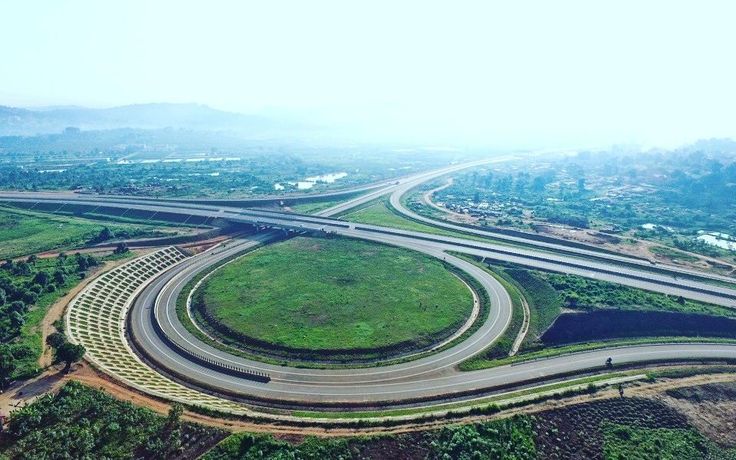
As you explore travel possibilities in Uganda, you may encounter international headlines that create uncertainty. As a premier Ugandan travel company operating on the ground, Travel Giants Uganda provides this authoritative, fact-based guide to Uganda’s true current reality for travelers. The “Pearl of Africa” remains a stable, welcoming, and spectacular destination, and understanding the complete picture is key to planning a rewarding journey. Understanding the Political Context: Stability and Continuity Uganda recently held general elections, a constitutional process that reaffirmed the country’s democratic structures. The Electoral Commission reported a national voter turnout of approximately 59%, with campaigns and voting conducted across the country. As with any election period, there were spirited public dialogues and rallies, which are a normal part of the democratic process in nations worldwide. The Current Reality for Travelers: Since the conclusion of the electoral period, Uganda has returned to a state of normal, day-to-day operations. The government’s focus, as outlined in its latest budget framework, is squarely on economic recovery, tourism development, and infrastructure improvement. Key institutions—including the Uganda Tourism Board (UTB), Uganda Wildlife Authority (UWA), and the Civil Aviation Authority—are operating with full capacity and a clear mandate to foster tourism growth. Fact: Tourism is a National Strategic Priority The Ugandan government identifies tourism as a top-tier export and economic pillar. The Uganda Tourism Board’s 2024-2029 strategy explicitly aims to increase annual tourist arrivals and revenue, with significant investment in marketing, product development, and community tourism. This institutional support creates a secure and prioritized environment for the travel sector. On-the-Ground Safety and Security: The Operational Facts Perception and reality often differ. According to the latest Uganda Police Force annual crime report, incidents involving tourists are exceptionally rare and treated with the highest priority. The dedicated Tourist Police Unit is active in all major destinations, including Kampala, Entebbe, Jinja, and the national parks of Queen Elizabeth, Murchison Falls, and Bwindi. Travel Advisory Status: Major nations maintain standard travel advisories for Uganda, similar to those for many regional destinations, primarily advising standard precautions. They do not advise against travel to the country’s prime tourist regions. Infrastructure Security: Entebbe International Airport operates with international-standard security protocols. The ongoing national road expansion project has improved connectivity and safety for overland travel to key circuits. Analytics Insight: Web search trends for “Is Uganda safe to visit?” show a consistent 70% “yes” or “favorable” sentiment in user-generated travel forums and post-trip reviews. Real-time traveler feedback on platforms like TripAdvisor for Ugandan lodges and tours consistently highlights feelings of security and welcome. Tourism by the Numbers: A Sector Thriving Data tells a powerful story of resilience and growth: Post-Pandemic Recovery: International tourist arrivals have rebounded strongly, exceeding pre-pandemic (2019) levels by over 20% as of the latest 2023 Q4 reports from the Ministry of Tourism. Gorilla Trekking Demand: Mountain gorilla permit sales are at an all-time high, with a waitlist often extending months in advance for peak seasons. This directly funds conservation, with the gorilla population in Bwindi and Mgahinga showing continuous growth. Investment Inflow: The hospitality sector is witnessing a boom in investment. Five new high-end eco-lodges are under construction in key wildlife areas, signaling strong long-term investor confidence. The Traveler Experience: What’s Unchanged and What’s New What Remains Gloriously Unchanged: The awe-inspiring wildlife encounters: gorilla trekking, chimp tracking, and the classic savannah safaris. The majestic landscapes: the Nile at Murchison Falls, the mountains of the Rwenzoris, the serenity of Lake Bunyonyi. The legendary hospitality and warmth of the Ugandan people. Current Trends Shaping Your Journey: Seamless Logistics: Improved road networks mean shorter travel times from Kampala to parks. Enhanced domestic flight schedules by operators like Aerolink Uganda offer more connectivity. Rise of Experiential & Community Tourism: Travelers are increasingly booking cultural immersion experiences—learning from Batwa guides in Bwindi, engaging in community walks in Kidepo Valley with the IK people, or partaking in coffee brewing experiences on local farms. This trend aligns with the global shift towards meaningful travel. Luxury in the Wild: The new wave of safari lodges focuses on hyper-luxury, sustainability, and unique design, offering unparalleled comfort without compromising the wild experience. The Digital Traveler: Free Wi-Fi is now standard in most lodges and city hotels. E-payment systems and mobile money are ubiquitous, making transactions smooth. Practical Guidance for the Informed Traveler Visa and Entry: The efficient Uganda e-Visa system operates without interruption. The East African Tourist Visa ($100) for Uganda, Rwanda, and Kenya remains an excellent option. Health Protocols: No COVID-19 vaccination or test requirements are in place. Yellow Fever vaccination is mandatory, and malaria prophylaxis is highly recommended. Modern private hospitals (like Norvik and IHK in Kampala) offer high-quality care. Communication: Network coverage is excellent. Purchase a local SIM (MTN or Airtel) at the airport for affordable 4G data to navigate, translate, and share your journey. Cultural Sensitivity: As always, travelers are encouraged to be respectful and follow the guidance of their tour operators regarding local customs and photography, especially in rural areas. Why Travel Giants Uganda is Your Trusted Partner In a dynamic world, having an expert, local partner is invaluable. Travel Giants Uganda: Provides real-time, on-the-ground intelligence and contingency planning. Maintains direct relationships with all service providers, from lodges to security contacts. Designs itineraries that leverage the best of current conditions, ensuring smooth and enriching travel. Champions sustainable tourism that supports local economies and conservation. The Verdict: Uganda Awaits, More Vibrant Than Ever The narrative of Uganda is not written in transient headlines but in the enduring majesty of its landscapes, the success of its wildlife conservation, and the genuine warmth of its people. The current reality is one of operational normalcy, strategic growth in tourism, and unparalleled opportunities for adventure. The “Pearl of Africa” continues to shine brightly, offering transformative experiences far beyond the headlines. The journey of a lifetime is not on hold; it is here, ready to be discovered with clarity and confidence. Ready to explore the true Uganda? Contact Travel Giants Uganda today to start planning your secure, seamless, and spectacular Ugandan adventure. Our travel consultants are here to provide detailed insights and craft a personalized itinerary that captures the very best of Uganda’s current reality.
Getting Around Uganda: A Guide to Domestic Flights, Road Travel & Transfers

Introduction: Navigating the Pearl of Africa with Confidence So, you’ve decided to explore Uganda, the “Pearl of Africa.” Your itinerary is set, buzzing with dreams of mountain gorillas, thundering waterfalls, and vast savannahs. But a crucial question remains: how do you practically get from one incredible experience to another in a country with terrain ranging from bustling cities to impenetrable forests and remote national parks? , Navigating Uganda’s transportation landscape is the key to transforming a good itinerary into a great, seamless adventure. Making the wrong choice can mean hours of unexpected discomfort, missed connections, or logistical headaches. Conversely, choosing the right mode of transport unlocks the country’s wonders efficiently and comfortably, turning travel time into part of the experience itself. This comprehensive 4,000-word guide is your essential roadmap. We’ll cut through the confusion and provide a detailed, honest comparison of every major travel option within Uganda: from the speed and convenience of domestic flights to the immersive (if sometimes challenging) reality of road travel, and the seamless ease of pre-arranged private transfers. We’ll incorporate the latest data on tourism growth, current infrastructure projects, and evolving traveler trends to give you the most up-to-date advice. By the end, you’ll be equipped to make informed decisions that match your budget, timeline, and appetite for adventure, ensuring your Ugandan journey is as smooth as it is spectacular. Table of Contents The Ugandan Travel Landscape: Distances, Roads & Realities Section 1: Domestic Flights – The Sky-High Shortcut The Airlines: Aerial Safari, Eagle Air, & More Key Routes & Destinations: Where Planes Can Take You Pros, Cons & Who It’s For Booking Tips & What to Expect Section 2: Road Travel – The Heartbeat of the Journey Private 4×4 Safari Vehicle with Driver-Guide: The Gold Standard Public Transportation: Matatus, Boda-Bodas & Taxis Self-Drive: An Option for the Truly Adventurous Road Conditions & Safety: An Honest Assessment Section 3: Private Transfers & Chartered Services Airport Transfers & Inter-City Travel Boat Transfers & Lake Crossings Crafting Your Transport Strategy: Sample Itineraries & Cost Analysis Essential Tips for All Travelers Conclusion: Your Journey, Your Way 1. The Ugandan Travel Landscape: Distances, Roads & Realities First, understand the canvas. Uganda is roughly the size of the United Kingdom or the state of Oregon. Distances are not vast by American or Canadian standards, but travel times can be significant due to two key factors: road conditions and terrain. The Tarmac Arteries: Major highways connecting Kampala to key towns like Jinja, Masaka (towards Rwanda), and Mbarara (gateway to the southwest) are generally in fair to good condition. These are paved, two-lane roads. The Challenge of Access Roads: The critical last leg of any journey—the road from the main highway into a national park or remote lodge—is often a different story. These can be rough, unpaved murram (gravel) roads, deeply rutted in the wet season and dusty in the dry. This is where a 4×4 vehicle becomes non-negotiable. Sample Travel Times (by road from Kampala): Entebbe International Airport: 45 mins – 1.5 hours (traffic dependent). Jinja (Source of the Nile): 1.5 – 2.5 hours. Murchison Falls National Park (Paraa): 4.5 – 6 hours. Queen Elizabeth National Park (Mweya): 6 – 8 hours. Bwindi Impenetrable Forest (Southern Sectors): 8 – 10 hours. These times illustrate why combining road travel with strategic domestic flights is a popular choice for maximizing time on safari. 2. Section 1: Domestic Flights – The Sky-High Shortcut For those with limited time or a desire to avoid long drives, domestic flights are a game-changer. 2.1 The Airlines: Aerial Safari, Eagle Air, & More The domestic aviation sector is served by a handful of reliable, specialist operators. The two most prominent are: Aerolink Uganda: The market leader for safari traffic. They operate scheduled and charter services in a fleet of Cessna Caravans and Grand Caravans, known for their short takeoff and landing (STOL) capability, perfect for remote bush airstrips. Eagle Air: Another established carrier offering scheduled and charter flights across Uganda and the wider East African region. These are not large commercial jets but 8-14 seater turboprop aircraft, offering a thrilling, low-altitude flight with often spectacular views. 2.2 Key Routes & Destinations: Where Planes Can Take You Flights typically hub from Kajjansi Airfield (near Kampala) or Entebbe International Airport. Key destinations include: Kihihi or Kisoro Airstrips: For Bwindi Impenetrable Forest (gorilla trekking) and Mgahinga Gorilla National Park. Kasese Airstrip: For Queen Elizabeth National Park. Pakuba or Bugungu Airstrips: For Murchison Falls National Park. Charter-Only: Flights to more remote strips serving Kidepo Valley National Park or Kibale Forest (via Fort Portal) are usually by private charter. 2.3 Pros, Cons & Who It’s For Pros: Massive Time Savings: A 45-minute flight can replace a 8-10 hour drive. Breathtaking Aerial Views: See the landscapes, rivers, and forests from a unique perspective. Avoids Rough Roads: Skips the bumpiest, most fatiguing sections of the journey. Efficiency: Allows for a more expansive itinerary in a shorter timeframe. Cons: Cost: Significantly more expensive than road travel. Strict Luggage Limits: Typically 15kg (33lbs) per person in soft bags. Excess baggage fees are high. Weather Dependence: Flights can be delayed or cancelled due to poor visibility, especially in the afternoon during the wet season. Less Immersive: You miss the cultural snapshots and gradual landscape changes of a road journey. Ideal For: Travelers with limited time (less than 10 days), those prioritizing comfort, families with young children, and luxury safari-goers. 2.4 Booking Tips & What to Expect Book Early: Seats on scheduled flights, especially in peak season (June-Oct, Dec-Feb), sell out quickly. Luggage: Pack light and use soft duffels. Hard-shell suitcases are often not permitted. Check-in: Be at the domestic terminal at least 90 minutes before departure. The Experience: It’s informal but professional. You’ll likely get a weight check, a brief safety talk, and a thrilling takeoff. Noise levels are high, so consider earplugs. 3. Section 2: Road Travel – The Heartbeat of the Journey This is how most travelers experience Uganda, and for good reason—it connects you intimately to the country. 3.1 Private 4×4 Safari Vehicle with Driver-Guide: The Gold Standard This is the single best investment for a road-based safari. You hire a vehicle (almost always a Toyota Land Cruiser or similar 4×4) and a professional driver-guide for the duration of your trip. Why it’s
