
Introduction: Navigating the Pearl of Africa with Confidence
So, you’ve decided to explore Uganda, the “Pearl of Africa.” Your itinerary is set, buzzing with dreams of mountain gorillas, thundering waterfalls, and vast savannahs. But a crucial question remains: how do you practically get from one incredible experience to another in a country with terrain ranging from bustling cities to impenetrable forests and remote national parks?
,
Navigating Uganda’s transportation landscape is the key to transforming a good itinerary into a great, seamless adventure. Making the wrong choice can mean hours of unexpected discomfort, missed connections, or logistical headaches. Conversely, choosing the right mode of transport unlocks the country’s wonders efficiently and comfortably, turning travel time into part of the experience itself.
This comprehensive 4,000-word guide is your essential roadmap. We’ll cut through the confusion and provide a detailed, honest comparison of every major travel option within Uganda: from the speed and convenience of domestic flights to the immersive (if sometimes challenging) reality of road travel, and the seamless ease of pre-arranged private transfers. We’ll incorporate the latest data on tourism growth, current infrastructure projects, and evolving traveler trends to give you the most up-to-date advice. By the end, you’ll be equipped to make informed decisions that match your budget, timeline, and appetite for adventure, ensuring your Ugandan journey is as smooth as it is spectacular.
Table of Contents
-
The Ugandan Travel Landscape: Distances, Roads & Realities
-
Section 1: Domestic Flights – The Sky-High Shortcut
-
The Airlines: Aerial Safari, Eagle Air, & More
-
Key Routes & Destinations: Where Planes Can Take You
-
Pros, Cons & Who It’s For
-
Booking Tips & What to Expect
-
-
Section 2: Road Travel – The Heartbeat of the Journey
-
Private 4×4 Safari Vehicle with Driver-Guide: The Gold Standard
-
Public Transportation: Matatus, Boda-Bodas & Taxis
-
Self-Drive: An Option for the Truly Adventurous
-
Road Conditions & Safety: An Honest Assessment
-
-
Section 3: Private Transfers & Chartered Services
-
Airport Transfers & Inter-City Travel
-
Boat Transfers & Lake Crossings
-
-
Crafting Your Transport Strategy: Sample Itineraries & Cost Analysis
-
Essential Tips for All Travelers
-
Conclusion: Your Journey, Your Way
1. The Ugandan Travel Landscape: Distances, Roads & Realities
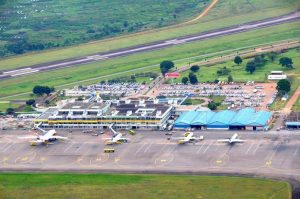
First, understand the canvas. Uganda is roughly the size of the United Kingdom or the state of Oregon. Distances are not vast by American or Canadian standards, but travel times can be significant due to two key factors: road conditions and terrain.
-
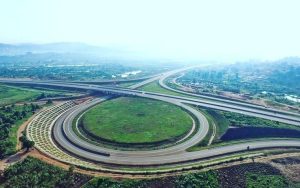
The Tarmac Arteries: Major highways connecting Kampala to key towns like Jinja, Masaka (towards Rwanda), and Mbarara (gateway to the southwest) are generally in fair to good condition. These are paved, two-lane roads.
-
The Challenge of Access Roads: The critical last leg of any journey—the road from the main highway into a national park or remote lodge—is often a different story. These can be rough, unpaved murram (gravel) roads, deeply rutted in the wet season and dusty in the dry. This is where a 4×4 vehicle becomes non-negotiable.
-
Sample Travel Times (by road from Kampala):
-
Entebbe International Airport: 45 mins – 1.5 hours (traffic dependent).
-
Jinja (Source of the Nile): 1.5 – 2.5 hours.
-
Murchison Falls National Park (Paraa): 4.5 – 6 hours.
-
Queen Elizabeth National Park (Mweya): 6 – 8 hours.
-
Bwindi Impenetrable Forest (Southern Sectors): 8 – 10 hours.
-
These times illustrate why combining road travel with strategic domestic flights is a popular choice for maximizing time on safari.
2. Section 1: Domestic Flights – The Sky-High Shortcut
For those with limited time or a desire to avoid long drives, domestic flights are a game-changer.
2.1 The Airlines: Aerial Safari, Eagle Air, & More
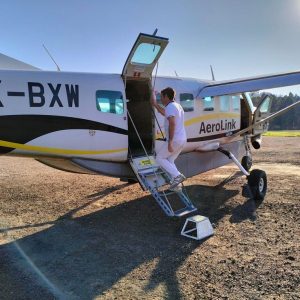
The domestic aviation sector is served by a handful of reliable, specialist operators. The two most prominent are:
-
Aerolink Uganda: The market leader for safari traffic. They operate scheduled and charter services in a fleet of Cessna Caravans and Grand Caravans, known for their short takeoff and landing (STOL) capability, perfect for remote bush airstrips.
-
Eagle Air: Another established carrier offering scheduled and charter flights across Uganda and the wider East African region.
These are not large commercial jets but 8-14 seater turboprop aircraft, offering a thrilling, low-altitude flight with often spectacular views.
2.2 Key Routes & Destinations: Where Planes Can Take You
Flights typically hub from Kajjansi Airfield (near Kampala) or Entebbe International Airport. Key destinations include:
-
Kihihi or Kisoro Airstrips: For Bwindi Impenetrable Forest (gorilla trekking) and Mgahinga Gorilla National Park.
-
Kasese Airstrip: For Queen Elizabeth National Park.
-
Pakuba or Bugungu Airstrips: For Murchison Falls National Park.
-
Charter-Only: Flights to more remote strips serving Kidepo Valley National Park or Kibale Forest (via Fort Portal) are usually by private charter.
2.3 Pros, Cons & Who It’s For
Pros:
-
Massive Time Savings: A 45-minute flight can replace a 8-10 hour drive.
-
Breathtaking Aerial Views: See the landscapes, rivers, and forests from a unique perspective.
-
Avoids Rough Roads: Skips the bumpiest, most fatiguing sections of the journey.
-
Efficiency: Allows for a more expansive itinerary in a shorter timeframe.
Cons:
-
Cost: Significantly more expensive than road travel.
-
Strict Luggage Limits: Typically 15kg (33lbs) per person in soft bags. Excess baggage fees are high.
-
Weather Dependence: Flights can be delayed or cancelled due to poor visibility, especially in the afternoon during the wet season.
-
Less Immersive: You miss the cultural snapshots and gradual landscape changes of a road journey.
Ideal For: Travelers with limited time (less than 10 days), those prioritizing comfort, families with young children, and luxury safari-goers.
2.4 Booking Tips & What to Expect
-
Book Early: Seats on scheduled flights, especially in peak season (June-Oct, Dec-Feb), sell out quickly.
-
Luggage: Pack light and use soft duffels. Hard-shell suitcases are often not permitted.
-
Check-in: Be at the domestic terminal at least 90 minutes before departure.
-
The Experience: It’s informal but professional. You’ll likely get a weight check, a brief safety talk, and a thrilling takeoff. Noise levels are high, so consider earplugs.
3. Section 2: Road Travel – The Heartbeat of the Journey
This is how most travelers experience Uganda, and for good reason—it connects you intimately to the country.
3.1 Private 4×4 Safari Vehicle with Driver-Guide: The Gold Standard
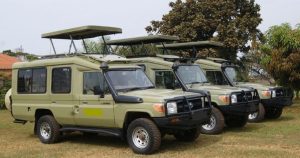
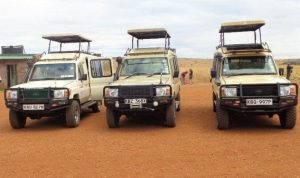
This is the single best investment for a road-based safari. You hire a vehicle (almost always a Toyota Land Cruiser or similar 4×4) and a professional driver-guide for the duration of your trip.
Why it’s the top choice:
-
Expert Guidance: Your driver-guide is a wealth of knowledge on wildlife, birds, culture, and history.
-
Flexibility: Stop for photos, bathroom breaks, or village visits whenever you wish.
-
Designed for Safari: Pop-up roofs for optimal game viewing, onboard refrigerators, and charging ports.
-
Safety & Reliability: The guide handles all navigation, vehicle issues, and communication.
-
Local Insight: They provide context you’d never get on your own.
3.2 Public Transportation: Matatus, Boda-Bodas & Taxis
This is the domain of the budget backpacker and adventurous independent traveler.
-
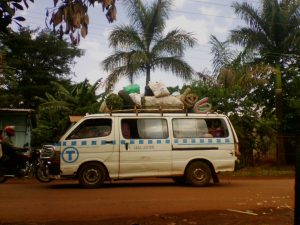
Matatus: Shared minibus taxis that operate set routes between towns. They are very cheap, often overcrowded, and can be risky due to erratic driving. Not recommended for first-time visitors with luggage or tight schedules.
-
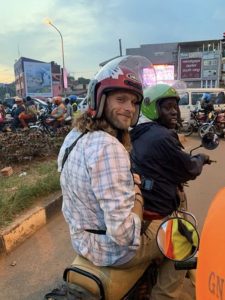
Boda-Bodas: Motorcycle taxis ubiquitous in every town. Useful for very short, local trips (e.g., within Jinja or Kampala suburbs). Always wear a helmet (they should provide one) and agree on a price beforehand.
-
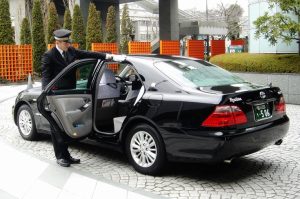
Special Hire Taxis: Regular sedans that can be hired for private trips within a city or for longer journeys. Negotiate the fare firmly before setting off.
3.3 Self-Drive: An Option for the Truly Adventurous
Renting a 4×4 and driving yourself is possible but comes with major caveats.
-
Challenges: Navigating chaotic urban traffic, understanding local driving customs, handling police checkpoints, dealing with breakdowns in remote areas, and the high cost of a proper 4×4 rental with full insurance.
-
Who Should Consider It: Only experienced drivers familiar with challenging developing-world conditions. For 99% of tourists, a private driver-guide is a safer, less stressful, and ultimately more enriching choice.

3.4 Road Conditions & Safety: An Honest Assessment
-
Driving Standards: Can be erratic. Expect to share the road with slow trucks, speedy matatus, bicycles, pedestrians, and livestock. Defensive driving is essential.

-
Police Checkpoints: Common. Have your passport and driver’s license (international permit if driving) ready. Be polite and patient.

-
Night Driving: Strongly discouraged. Hazards (unlit vehicles, animals, potholes) increase dramatically after dark. Any reputable tour operator will plan itineraries to avoid it.

4. Section 3: Private Transfers & Chartered Services
For point-to-point travel without a full safari guide, private transfers are the perfect solution.
-
Airport Transfers: The safest and easiest way to get from Entebbe Airport to your Kampala or Jinja hotel. Pre-booked through your tour operator or lodge.
-
Inter-City Transfers: For journeys like Kampala to Jinja, a private car with a driver is comfortable and efficient.
-
Boat Transfers: On certain lakes, boats are the primary transport. For example, a boat from Jacana Lodge to the Mweya Peninsula in Queen Elizabeth NP, or canoes in the Mabamba Swamp for shoebill stork sightings.

5. Crafting Your Transport Strategy: Sample Itineraries & Cost Analysis
Let’s apply this knowledge. Assume a 10-day “Classic Uganda” itinerary: Entebbe > Murchison Falls > Kibale (Chimps) > Queen Elizabeth > Bwindi (Gorillas) > Lake Bunyonyi > Entebbe.
-
Option A: All-Road Safari.
-
Mode: Private 4×4 with driver-guide for the entire circuit.
-
Pros: Most immersive, flexible, great for photography from the vehicle.
-
Cons: Several long driving days (6-10 hours), more fatiguing, more time in transit.
-
Estimated Cost (Vehicle/Guide): $200 – $350 per day, plus fuel and the guide’s accommodation/allowance.
-
-
Option B: Fly-Road Hybrid Safari.
-
Mode: Fly from Entebbe to Murchison Falls; private 4×4 for Murchison to Kibale to Queen Elizabeth; fly from Queen Elizabeth to Bwindi; private 4×4 for Bwindi to Lake Bunyonyi to Kihihi; fly back to Entebbe.
-
Pros: Cuts out the two longest drives, maximizes time in parks, reduces overall fatigue.
-
Cons: Higher cost, strict luggage limits, less continuity with one guide.
-
Estimated Cost (Flights): $300 – $600 per person per sector.
-
Verdict: The hybrid model is increasingly popular, reflecting the modern traveler’s desire to optimize time and comfort. The all-road safari offers a deeper, more continuous connection with the landscape and guide.
6. Essential Tips for All Travelers
-
Patience is a Virtue: Things rarely run exactly on time. Build flexibility into your schedule.
-
Hydrate & Snack: Always have water and some snacks in your vehicle.
-
Entertainment: For long road journeys, download podcasts, audiobooks, or playlists.
-
Cash for Tips: Have small denomination Ugandan Shillings for tipping drivers, guides, and porters.
-
Communicate: If booking through an operator like Travel Giants, communicate your preferences (e.g., “I prefer to minimize driving time” or “I want the full road trip experience”).
7. Conclusion: Your Journey, Your Way
There is no single “best” way to get around Uganda. The optimal strategy is a personal equation balancing time, budget, comfort, and adventure.
For the vast majority of visitors seeking a carefree, immersive, and safe experience, the combination of strategic domestic flights and a private 4×4 safari vehicle with an expert driver-guide represents the gold standard. It delivers the perfect blend of efficiency, insight, and flexibility, allowing you to focus entirely on the wonder of the Pearl of Africa.
The journey between destinations is not just a gap on a map—it’s an integral part of your Ugandan story. Choose the mode of transport that will write the story you want to tell.
Ready to plan your seamless Ugandan adventure? Contact Travel Giants International Ltd today. Our logistics experts will design a personalized transportation plan that perfectly aligns with your itinerary, budget, and travel style, ensuring every mile of your journey is as memorable as the destinations themselves.
What to Read Next
-
How to Plan a Uganda Safari: A Step-by-Step Guide – The perfect primer to build your entire trip.
-
Best Time to Visit Uganda: A Month-by-Month Guide – See how seasons affect road conditions and flight schedules.
-
What to Pack for a Uganda Safari: The Ultimate Checklist – Essential gear, especially with strict flight luggage limits.
-
Uganda with Kids: A Family-Friendly Safari Guide – Get specific transport advice for traveling with children.
-
The Northern Safari Circuit: Uganda’s Murchison to Kenya’s Maasai Mara – See transport options for cross-border travel.
External Resources & Further Reading
-
Aerolink Uganda: Official website for schedules and booking.
https://www.aerolinkuganda.com/ -
Uganda Civil Aviation Authority: For official aviation updates and safety info.
https://www.caa.go.ug/ -
Uganda National Roads Authority (UNRA): Updates on major road projects and conditions.
https://www.unra.go.ug/ -
Google Maps – Uganda: Surprisingly reliable for major routes and estimated travel times. (Use as a guide, not gospel).
-
TripAdvisor Uganda Forum: Real-time traveler reports on road conditions and transport experiences.
-
Lonely Planet – Uganda Transport: Trusted guidebook overview.
https://www.lonelyplanet.com/uganda/transport -
Safaribookings.com – Uganda Safari Costs: Breakdown of what to budget, including transport.
https://www.safaribookings.com/uganda/costs -
The Man in Seat 61 – Africa by Train: While Uganda’s train network is limited, this site covers the nascent “Lunatic Express” route to Kenya.
https://www.seat61.com/uganda.htm -
World Bank – Uganda Transport Project Data: For those interested in infrastructure development.
https://www.worldbank.org/en/country/uganda -
CDC – Road Safety Advice: General tips for international road travel.
https://wwwnc.cdc.gov/travel/page/road-safety
