
Tree Climbing Lions & Zebras: The Magic of Queen Elizabeth National Park
There is a scene in Queen Elizabeth National Park that feels like a dream borrowed from another world. On the ancient fig trees of the Ishasha sector, a lioness lies draped across a thick horizontal branch, her tail flicking lazily, her eyes half-closed. Below her, the savanna stretches golden and endless toward the distant blue of the Rwenzori Mountains. Nothing about this image makes sense — lions belong on the ground, not in trees — and yet here they are, and they have been doing this for generations. Queen Elizabeth National Park is Uganda’s most visited savannah park, a 1,978-square-kilometre mosaic of grasslands, forests, crater lakes, and wetlands that straddles the equator in the country’s western reaches. It is a park of superlatives: over 95 mammal species, more than 600 bird species, and one of only two places on the entire African continent where lions regularly climb trees. But the magic of Queen Elizabeth is not limited to its famous tree-climbing lions. It is a park where you can cruise a channel teeming with hippos, track chimpanzees in a sunken forest, watch elephants gather at the water’s edge, and — yes — encounter zebras grazing on open plains against the backdrop of the Mountains of the Moon. This is the complete guide to experiencing it all. The Tree-Climbing Lions of Ishasha: Africa’s Rarest Lion Behaviour If there is one image that defines Queen Elizabeth National Park, it is a lion in a tree. The Ishasha sector, in the park’s remote southern reaches, is one of only two places in Africa where lions regularly and habitually climb trees — the other being Tanzania’s Lake Manyara National Park. The behaviour is not fully understood, but the leading theories point to a simple, practical explanation: the lions are escaping the heat and the biting flies that plague the savanna floor. The candelabra trees and ancient sycamore figs that dominate Ishasha’s landscape provide the perfect architecture — broad, sturdy branches that can hold the weight of several lions at once. Seeing a pride draped across the branches of a fig tree, tails dangling, cubs peeking through the leaves, is a wildlife experience unlike any other. It is the reason many travellers add Ishasha to their Uganda itinerary, even though it lies a full day’s drive from the park’s main northern sector. The Fight to Protect Ishasha’s Lions The tree-climbing lions of Ishasha are not just a tourist attraction. They are a conservation priority. In 2026, the Uganda Wildlife Authority signed a 10-year partnership with the Wildlife Conservation Society to strengthen protection of the Ishasha sector and support the recovery of its lion population. The partnership focuses on scientific research, regular monitoring, improved management, and targeted conservation interventions. The timing is critical. Ishasha’s lion population has fallen dramatically from an estimated 80 individuals in the 1970s to a small fraction of that today. In late June 2026, three lion cubs were born in the sector — an encouraging sign for a population that WCS estimates now numbers between 35 and 50 lions. The threats are real and persistent. Some lions are illegally killed for their fat, which is falsely believed to possess medicinal properties capable of treating joint and back pain. In March 2021, six lions were poisoned at the Habugombwa kob mating grounds in Ishasha, a devastating loss that also claimed the lives of 10 vultures. Two men were subsequently sentenced to eight years and seven months in prison for the killings. When you visit Ishasha and see those lions in the trees, you are witnessing a species fighting for survival — and every permit, every game drive, every night spent at a local lodge contributes directly to that fight. Zebras in Queen Elizabeth National Park: A Conservation Success Story The title of this article mentions zebras alongside the tree-climbing lions, and that is no accident. Queen Elizabeth National Park is home to a growing population of zebras — a fact that surprises many travellers who assume zebras are only found in Tanzania and Kenya. Uganda’s zebra population has been on the rise. According to the Uganda Wildlife Authority’s State of Wildlife Resources in Uganda Report 2026, zebra numbers increased from 17,762 to 20,942 between survey periods. The report highlighted increasingly tight law enforcement, focused species recovery programs, improved ranger capabilities, and technology-enabled monitoring tools as key drivers of the recovery. In Queen Elizabeth National Park, zebras can be spotted grazing on the open savanna plains, often against the stunning backdrop of the Rwenzori Mountains. They are most commonly seen in the Kasenyi Plains and along the northern sector of the park, where they mix with herds of Uganda kob, buffalo, and elephant. The presence of zebras in Queen Elizabeth is a reminder that this is not just a park frozen in time. It is a living, recovering ecosystem — a place where conservation efforts are producing tangible results. The Kazinga Channel: Where 2,000 Hippos Call Home No visit to Queen Elizabeth is complete without a boat cruise on the Kazinga Channel. This 40-kilometre waterway connects Lake Edward to Lake George and serves as the ecological heart of the park. The Kazinga Channel holds one of the world’s largest concentrations of hippos — over 2,000 individuals — along with enormous Nile crocodiles, elephants drinking at the water’s edge, and buffalo cooling off in the shallows. The birdlife is extraordinary: the channel is home to 60% of Uganda’s known bird species, making it one of Africa’s premier birdwatching destinations. The standard cruise lasts approximately two hours and costs USD $30 per person for foreign non-residents. Morning departures typically begin around 9:00 AM, with afternoon cruises departing at approximately 2:00 PM or 3:00 PM depending on the operator. The experience is immersive. Your boat drifts within metres of hippo pods, close enough to hear them snort and grunt. Fish eagles call from the trees. Kingfishers dart across the water. And in the distance, the Rwenzori Mountains rise like a mirage, their snow-capped peaks visible on
Chimp Tracking in Kibale: A Primate Lover’s Dream Come True
There is a sound that stays with you long after you leave Kibale Forest. It begins as a low rumble in the distance, then rises into a series of hoots and screams that echo through the canopy like a jungle symphony. The pant-hoot call of a wild chimpanzee carries for over a kilometre, and when you hear it for the first time — knowing that a community of our closest living relatives is somewhere ahead in the tangle of vines and mahogany — something ancient stirs inside you. Kibale Forest National Park is not just another safari stop. It is the Primate Capital of the World, a 795-square-kilometre rainforest in western Uganda that shelters the highest concentration of primates anywhere in East Africa. With over 1,500 chimpanzees and 13 primate species in total, it offers the most reliable wild chimpanzee encounter on the continent. This is the complete guide to tracking chimpanzees in Kibale — why it matters, what to expect, how much it costs, and how to make every moment count. Why Kibale Is the World’s Best Chimpanzee Trekking Destination Chimpanzee trekking is possible in several African countries, but Kibale stands apart for one simple reason: the depth and age of its habituation programme. Uganda Wildlife Authority rangers have worked with Kibale’s chimpanzee communities since the 1990s, and today’s animals behave naturally around small, controlled human groups. You will observe feeding, grooming, play, and territorial calling — and the chimps will pay you almost no attention at all. That level of relaxed behaviour is rare, and it is what makes Kibale extraordinary. The forest itself is a lush tropical rainforest with swamps, grassland, and rolling crater lakes. It is home to over 1,500 chimpanzees — nearly a quarter of Africa’s entire chimpanzee population — living in three large troops. No other forest concentrates so many chimpanzees in one manageable trekking area. And the chimps are not the only draw. Kibale hosts 13 primate species in total, making it the most primate-diverse forest in East Africa. Beyond chimpanzees, you may encounter red colobus monkeys, grey-cheeked mangabeys, L’Hoest’s monkeys, red-tailed monkeys, blue monkeys, olive baboons, black-and-white colobus monkeys, bush babies, pottos, and the tiny Demidoff’s galago. The Trekking Experience: What Actually Happens The Briefing at Kanyanchu Your day begins early at the Kanyanchu Visitor Centre, usually around 8:00 AM for the morning session or 2:00 PM for the afternoon. After a short briefing on safety, behaviour, and the rules of the forest, you are assigned to a group of no more than eight visitors per chimpanzee family. This small group size ensures an intimate experience and minimises disturbance to the animals. The Search Unlike gorilla trekking, where a habituated family typically stays in one area and feeds, chimpanzees move fast. They travel through the canopy, drop to the forest floor without warning, and range widely across their territory. Your ranger guide will follow fresh signs — nests from the previous night, droppings, and the unmistakable pant-hoot calls — to locate the group. Trekking usually takes between one and three hours in total, though it can stretch longer depending on how far the chimps have moved. The terrain is generally flatter and less punishing than Bwindi’s steep gorilla trails, making Kibale an accessible option even for travellers with moderate fitness levels. The Hour Once the rangers locate the chimpanzee family, your regulated time with the animals is exactly one hour. During that hour, you may watch chimps feeding fifteen metres above your head, a dominant male sitting metres away barely glancing at you, mothers carrying infants on their backs, and adolescents crashing through branches in playful displays. Rangers narrate behaviour in real time, explaining what you are seeing — a grooming session, a territorial dispute, a mother teaching her young to fish for termites. The hour passes faster than you can imagine. Most trekkers describe it as one of the most profound wildlife encounters of their lives. The Chimpanzee Habituation Experience: Four Hours Instead of One If one hour does not feel like enough, Kibale offers something extraordinary: the Chimpanzee Habituation Experience (CHEX). This is a full-day programme where you join researchers and trackers to follow a semi-habituated chimpanzee community from the moment they leave their nests at dawn until they settle down for the night. You spend up to four to six hours in the forest, watching the chimps feed, groom, patrol, hunt, and build new sleeping nests. You witness the raw, unfiltered life of a wild chimpanzee community in a way that standard trekking simply cannot match. Every day is uncertain, and that uncertainty is part of the magic. The CHEX permit costs $300 per person for foreign non-residents and is limited to a very small number of participants per day. It sells out well in advance, especially during peak season, so early booking is essential. 2026 Permit Costs and Booking Understanding the permit system is essential for planning your Kibale chimpanzee trek. Permit Type Foreign Non-Residents Foreign Residents East African Citizens Standard Chimpanzee Trekking $250 $200 UGX 180,000 Chimpanzee Habituation Experience (CHEX) $300 $250 UGX 250,000 Prices as per Uganda Wildlife Authority 2026 tariffs The permit includes park entry, the ranger guide, and the tracking itself. It does not include transport, accommodation, meals, or the optional porter service (approximately $15, and worth every shilling in the wet season). Important: Starting January 1st, 2027, chimpanzee trekking permits in Kibale will increase to $300** for standard tracking and **$400 for the habituation experience for foreign non-residents. If you are planning a trip for 2027, budget accordingly. Permits are limited to 90 per day across all trekking sessions, and the habituation experience in particular sells out quickly. For the July–September peak season, secure your permits three to four months in advance. When to Go: The Best Time for Chimp Tracking Kibale is a year-round destination, but your experience will vary depending on the season. The Dry Seasons (June–September and December–February) The dry seasons are widely considered the best time to visit Kibale. Trails are firmer and easier to navigate, the
The Pearl of Africa: 10 Wildlife Encounters You Can’t Miss in Uganda
Uganda is not your typical African safari destination. It is a land of staggering biodiversity, where mist-covered mountains hide the world’s last remaining mountain gorillas, ancient savannahs host lions that climb trees, and papyrus swamps shelter a prehistoric bird so strange it defies belief. This is why Winston Churchill called it the Pearl of Africa. While Kenya and Tanzania are celebrated for their vast plains and the Great Migration, Uganda delivers something profoundly different: intimate, unhurried wildlife encounters in landscapes that feel genuinely wild. From tracking chimpanzees through a rainforest canopy to cruising a channel teeming with two thousand hippos, the experiences here stay with you long after you leave. This guide covers the ten wildlife encounters you simply cannot miss in Uganda — where to find each one, what to expect, and how to make it happen. 1. Trek Face-to-Face with Mountain Gorillas in Bwindi Where: Bwindi Impenetrable National Park, south-western Uganda No list for Uganda is complete without the mountain gorilla. Trekking through the dense, mist-covered forests of Bwindi to spend an hour with a habituated gorilla family is widely described as a life-altering experience. Watching a mighty silverback tend to his family, playful juveniles tumbling through the undergrowth, and nurturing mothers cradling their infants creates a connection that transcends ordinary wildlife viewing. Bwindi Impenetrable National Park shelters approximately half of the world’s remaining mountain gorillas, making it the single most reliable place on Earth to see them in the wild. The park is divided into four trekking sectors — Buhoma, Ruhija, Rushaga, and Nkuringo — each with its own habituated gorilla families. Treks can last anywhere from two to six hours depending on where the gorillas have moved overnight. The permit for a standard one-hour gorilla trek costs USD $800 per person** for foreign non-residents. For those who want more time, the Gorilla Habituation Experience in the Rushaga sector offers up to four hours with a semi-habituated family for **USD $1,500 — limited to just four visitors per day. Why it’s unmissable: This is not watching animals from a vehicle. It is entering their world on foot, an experience unmatched anywhere on Earth. 2. Track Chimpanzees in Kibale Forest Where: Kibale Forest National Park, western Uganda Kibale Forest is described by many as the Primate Capital of the World, and with good reason. The park hosts over 1,500 wild chimpanzees — the highest density of primates anywhere in Africa. Tracking them is an exhilarating, noisy, and deeply moving experience. You set out early in the morning with Uganda Wildlife Authority guides and trackers who know each individual chimp and their ranging patterns. The forest erupts with pant-hoots and screams as the chimpanzee community moves through the canopy. You may watch them groom each other, feed on ripe figs, or engage in territorial displays — behaviours that feel startlingly human. A standard chimpanzee trekking permit costs USD $250 per person** for foreign non-residents. For the truly devoted, the Chimpanzee Habituation Experience allows you to spend up to four to six hours with a chimp community, from the moment they leave their nests at dawn until they settle down for the night, for **USD $300 per person. Why it’s unmissable: Chimpanzees share 98% of our DNA. Watching a wild community go about its daily life — the politics, the play, the family bonds — is like looking into a mirror. 3. Witness Tree-Climbing Lions in Ishasha Where: Ishasha Sector, Queen Elizabeth National Park Lions climb trees in only two places in Africa, and Uganda’s Queen Elizabeth National Park is one of them. In the remote Ishasha sector, lions regularly ascend the branches of ancient fig and acacia trees, where they lounge for hours, sometimes entire prides draped across the limbs like oversized house cats. The behaviour is believed to be an adaptation to escape ground heat and biting insects, as well as to catch cooling breezes. The best time to spot them is during the late morning and early afternoon hours, when the heat drives them into the branches. Ishasha’s lions are also a conservation priority. The population has declined dramatically from an estimated 80 individuals in the 1970s to a small fraction of that today. In 2026, the Uganda Wildlife Authority and the Wildlife Conservation Society launched a 10-year partnership to protect the sector and support lion recovery, with three cubs born in late June 2026 offering a glimmer of hope. Why it’s unmissable: This rare behavioural adaptation is documented in only a few places on Earth, making it a genuinely special sighting. 4. Cruise the Kazinga Channel Where: Queen Elizabeth National Park The Kazinga Channel is a 40-kilometre natural waterway connecting Lake Edward to Lake George, and it offers one of Africa’s most rewarding boat safaris. The channel holds one of the world’s largest concentrations of hippos — over 2,000 individuals — along with enormous Nile crocodiles basking on the banks and elephants drinking at the water’s edge. The birdlife is extraordinary. The channel is home to 60% of Uganda’s known bird species, including African fish eagles, pelicans, kingfishers, and saddle-billed storks. The standard two-hour cruise costs approximately USD $30 per person for foreign non-residents and operates in the morning and afternoon. Why it’s unmissable: There is no better vantage point for wildlife photography in Uganda. Drifting silently within metres of hippo pods, with the Rwenzori Mountains rising in the distance, is an experience that defines the Queen Elizabeth safari. 5. Encounter the Prehistoric Shoebill Stork Where: Mabamba Swamp, near Entebbe Standing up to five feet tall with a wingspan approaching nine feet, the shoebill stork looks like a creature lifted from the age of dinosaurs. Mabamba Swamp on the northern shore of Lake Victoria is the most reliable place on Earth to see this remarkable bird in the wild. A canoe trip through the papyrus channels with a local guide offers the best chance of a sighting. Most visitors encounter between one and three shoebills per session. The swamp is also home to over 300 bird species, including papyrus gonoleks, African jacanas, and malachite kingfishers. Depart by 6:00 AM
Volcanoes and Crater Lakes: Hiking Uganda’s Explosive Past
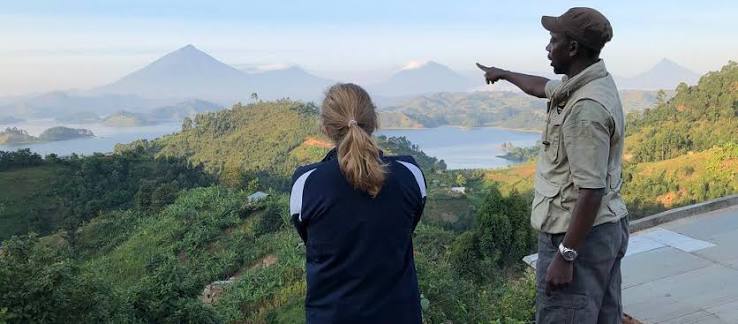
Uganda’s landscape tells a violent story. Millions of years ago, this land was shaped by volcanic fury — explosions that tore open the earth, sent lava pouring across the plains, and left behind a legacy of towering peaks and sunken craters that define the country’s western reaches today. That legacy is your invitation. In Uganda, you can climb dormant volcanoes whose summits offer views across three countries, stand on the rim of ancient craters now filled with crystal-clear lakes, and walk through a landscape that geologists describe as one of the most dramatic volcanic regions on the African continent. This is hiking Uganda’s explosive past — and it is one of the most underrated adventures in East Africa. The Virunga Volcanoes: Uganda’s Alpine Playground The Virunga Massif is a chain of eight volcanoes stretching across Uganda, Rwanda, and the Democratic Republic of Congo. Three of them rise inside Uganda’s Mgahinga Gorilla National Park, a compact 33.7-square-kilometre protected area in the country’s far southwestern corner. The park sits beside protected areas in Rwanda and the DRC, creating a transboundary mountain landscape that forms one of Africa’s most important biodiversity corridors. What makes Mgahinga extraordinary is that all three volcanoes can be climbed in a single day each. They are dormant, not extinct — the last eruptions occurred thousands of years ago — but their cones remain sharp, their craters intact, and their slopes covered in vegetation zones that shift dramatically with every hundred metres of ascent. Hiking here requires preparation for steep terrain, changing weather, and high elevation. These are not casual nature walks. But for travellers willing to put in the effort, the rewards are views that rank among the finest in Africa. Mount Muhabura: The Highest Peak At 4,127 metres, Mount Muhabura — sometimes spelled Muhavura — is the highest of Uganda’s three Virunga volcanoes and the most demanding of the day hikes. Its name means “The Guide” in the local language, a reference to its prominent cone, which is visible from considerable distances across southwestern Uganda and neighbouring Rwanda. The climb is a serious undertaking. The route from the Ntebeko Visitor Centre covers approximately 12.6 kilometres round trip, gaining over 1,800 metres of elevation. Most groups take 9 to 10 hours to complete the ascent and descent. The trail passes through montane forest, bamboo, heather, and high-altitude vegetation before reaching the summit area. UWA describes Muhavura as having a small crater lake at the top and broad views along the entire Virunga chain. From the peak, on a clear day, you can see Queen Elizabeth National Park, Lake Edward, the Rwenzori Mountains, and the other Virunga volcanoes stretching toward Rwanda and the DRC. Altitude is the real challenge here. The summit exceeds 4,000 metres, and altitude-related symptoms are possible. Experienced hikers describe the final ascent as the most demanding section, with thin air and steep gradients combining to slow even fit trekkers to a crawl. The climb should not be considered easy despite the structured pacing. Key facts: Distance: 12.6 km round trip Elevation gain: Approximately 1,829 metres Maximum elevation: 4,127 metres Estimated time: 9 to 10 hours Difficulty: Hard Mount Sabyinyo: The Three-Country Summit Mount Sabyinyo is the most distinctive of Uganda’s volcano hikes. Its jagged summit ridge marks the exact point where Uganda, Rwanda, and the Democratic Republic of Congo converge. Standing at the summit, you can literally stand in three countries at once. Sabyinyo — also written as Sabinyo — rises to approximately 3,669 metres and takes about 8 hours to climb and descend. The route covers roughly 13 kilometres round trip with an ascent of 1,200 to 1,300 metres. What makes Sabyinyo unique is its upper section. The ridges are so steep that the Uganda Wildlife Authority has installed a series of wooden ladders to allow access. These ladders are not a convenience — they are essential. Without them, the climb would be impossible for most hikers. The descent can be almost as challenging as the climb, especially when navigating down the ladders in wet conditions. The name Sabyinyo means “old man’s teeth” in the local language, a reference to the jagged, serrated appearance of its summit ridge. The trail passes through four distinct vegetation zones: bamboo forest, Hagenia-Hypericum forest, sub-alpine, and alpine moorland. This is a hike for fit hikers who are comfortable with heights. The steep slopes, vertical ladders, and rapidly changing weather make it a serious physical undertaking rather than a casual nature walk. Key facts: Distance: Approximately 13 km round trip Elevation gain: Approximately 1,193 metres Maximum elevation: Approximately 3,669 metres Estimated time: 8 hours Difficulty: Hard Mount Gahinga: The Accessible Climb Mount Gahinga is the smallest and most accessible of Uganda’s three Virunga volcanoes. At 3,474 metres, it offers a gentler introduction to volcano hiking without sacrificing the scenery or the sense of achievement. The climb takes approximately 6 hours to ascend and descend, covering about 13.5 kilometres round trip with an elevation gain of roughly 1,088 metres. The trail starts in recently reclaimed farmland and winds up to the edge of a virgin forest. The hike is steep in places but not uncomfortably so, and while rain is common, the fog that rolls in and out over the mountain adds a dramatic atmosphere to the experience. At the summit, hikers are rewarded with a crater filled with swamp and giant lobelia — a surreal, otherworldly landscape that feels like something from a different planet. The peak also offers breathtaking views of the surrounding volcanoes and valleys, including a clear view of the impressive Gahinga Crater. Mount Gahinga is the perfect trek for those looking to enjoy a more relaxed volcanic climb while still experiencing the natural beauty and thrill of volcano trekking. Key facts: Distance: Approximately 13.5 km round trip Elevation gain: Approximately 1,088 metres Maximum elevation: 3,474 metres Estimated time: 6 hours Difficulty: Hard but manageable The Crater Lakes: Uganda’s Volcanic Jewels While the Virunga volcanoes dominate the skyline, the craters they left behind have become some of Uganda’s most peaceful and photogenic destinations. The Ndali-Kasenda crater region around Fort Portal in Kabarole District contains more than 50 crater lakes, each with its own character and charm. These lakes were formed by volcanic activity approximately 10,000 years ago.
Bungee Jumping & Kayaking: The Ultimate Adventure Lover’s Guide to Jinja
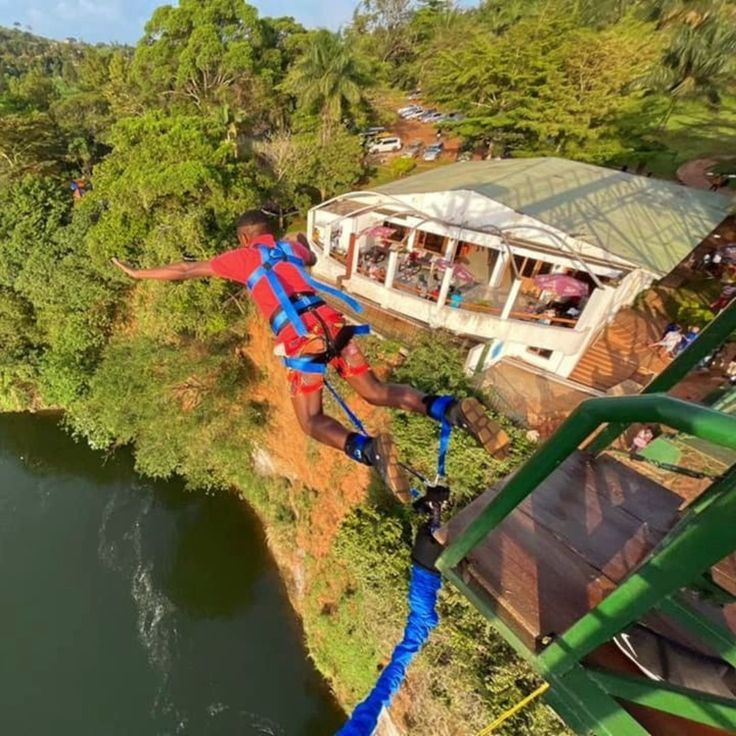
There are two ways to meet the Nile in Jinja. The first is to fall toward it from a 44-metre tower, arms outstretched, the longest river in the world rushing up to meet you. The second is to paddle into it in a small plastic kayak, learning to read the currents and roll through the waves until the river becomes an extension of your own body. Both will change you. Both belong on every adventure traveller’s bucket list. And both are waiting in the same small Ugandan town that has quietly become the adrenaline capital of East Africa. Jinja sits at the exact point where Lake Victoria spills into the White Nile. The result is a rare gift for adventure lovers: a river with enormous, consistent volume, regulated by upstream dams so it flows powerfully year-round, and a stretch of rapids that ranks among the best commercially run white water on the planet. Around that river, an entire adventure ecosystem has grown — bungee towers, kayak schools, zip lines, quad bikes, and horseback trails — all within two hours of Kampala. This is the ultimate guide to bungee jumping and kayaking in Jinja — the thrills, the costs, the safety, the logistics, and how to build the perfect adventure itinerary. Bungee Jumping the Nile: 44 Metres of Pure Adrenaline The Jump That Put Jinja on the Map Bungee jumping in Jinja is operated by Adrift from a custom-built tower perched on the banks of the Nile near Bujagali, suspended directly over the water. The jump is 44 metres — roughly the height of a 14-storey building — and it is widely regarded as one of the highest bungee jumps in Africa and the only one of its kind over the Nile. What makes this jump exceptional is not just the height. It is the setting. You are not falling toward a concrete car park in a city. You are falling toward the Nile itself, with the sound of rapids in your ears, forested islands in your peripheral vision, and the knowledge that the water beneath you is the same water that has been flowing through Africa’s history for millennia. What the Jump Actually Feels Like The build-up is its own experience. You climb the tower with your instructor, get fitted into a full-body harness, and have your ankles strapped. The team briefs you thoroughly, explains exactly what will happen, and answers every question — no matter how nervous you sound. Then you walk to the edge. Most jumpers describe the seconds before the leap as the hardest part. The free fall itself lasts roughly three to four seconds, reaching speeds that leave your stomach somewhere far above you. The bounce and swing afterward are gentler than expected — a slow, dizzying pendulum over the river while the crew lowers you safely to the recovery point. Photos and video are captured by the operator, and this is one jump where you will absolutely want the footage. Very few people can explain the feeling in words. Bungee Jumping Costs and Logistics Bungee jumping in Jinja typically costs between USD $115 and $160 per person for a single jump, depending on the operator and whether you book as part of a package. Photo and video packages are usually available for an additional fee, and many travellers book a combined rafting-and-bungee package for better value. Minimum age is generally 16, with parental consent required for under-18s. There are weight limits (typically 40–120kg) for safety, and participants complete a health declaration covering conditions such as high blood pressure, heart conditions, epilepsy, and pregnancy. The jump operates year-round, and the tower is located near the main riverside adventure camps, making it easy to combine with rafting, kayaking, or a sunset cruise on the same day. Is It Safe? Bungee jumping, done properly, is remarkably safe. The Jinja operators use internationally certified equipment, redundant attachment systems, and staff trained to recognised bungee standards. Cords are inspected and rotated on strict schedules. Every jumper is double-checked by two crew members before the leap. The risks that remain are mostly human: doing the jump unwell, concealing a medical condition, or ignoring instructions. Follow the briefing, declare your health honestly, and trust the crew. Thousands of jumpers leap from this tower every year without incident. Kayaking the Nile: From First Paddle to Grade 5 If bungee jumping is a moment, kayaking is a journey. It is also, for many travellers, the single most rewarding thing they do in Uganda — a skill that turns an intimidating river into a playground. Jinja is home to one of Africa’s most respected white water kayaking scenes, with schools offering everything from half-day beginner introductions to multi-day kayak safaris and professional-grade coaching. The Nile’s consistent flow means instruction happens in real rapids, safely, every day of the year. White Water Kayaking Courses for Beginners You do not need any prior kayaking experience to start. Beginner courses typically run one to three days and cover the fundamentals: wet exits, self-rescue, paddle strokes, edging, ferrying, catching eddies, and the all-important Eskimo roll — the technique that lets you right yourself after flipping rather than swimming. Day one is usually spent on calm water and gentle Grade 1–2 sections, learning to feel comfortable upside down. By day two, most beginners are running Grade 2–3 rapids with a guide, grinning through the spray. By day three, many are tackling their first Grade 4 sections with support. Typical beginner course costs: Half-day introduction: approximately USD $60–$90 One-day beginner course: approximately USD $110–$150 Three-day beginner-to-intermediate course: approximately USD $300–$450 Equipment — kayak, paddle, helmet, life jacket, spray deck, and dry bags — is included in all courses. Grade 5 Kayaking for Experienced Paddlers For intermediate and advanced paddlers, Jinja is a genuine world-class destination. The river offers progressive challenges, from friendly surf waves to the powerful hydraulics of Nile Special and The Bad Place. Experienced kayakers can hire guides, join groups, or simply rent equipment and paddle the sections they are qualified for. Most operators require a demonstrated roll and previous Grade 3–4 experience
Hiking to the Top of the World: Conquering the Rwenzori Mountains
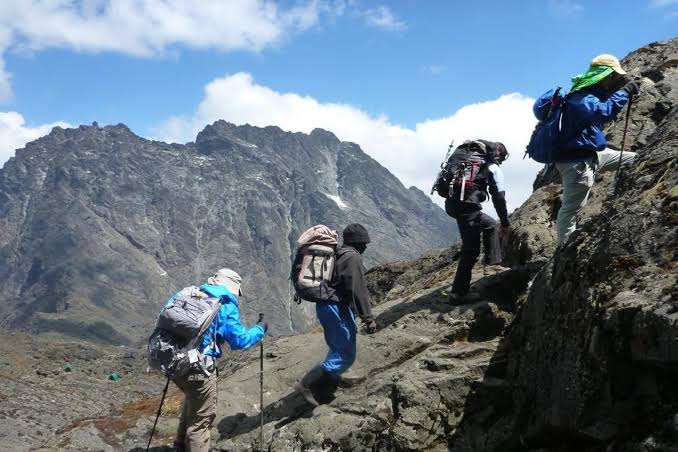
There is a place in Uganda where glaciers cling to the equator, where giant lobelias tower over misty bogs like alien sentinels, and where the summit of Africa’s third-highest peak rises 5,109 metres into thin, freezing air. This is the Rwenzori Mountains — the legendary Mountains of the Moon — and conquering them is one of the most demanding, rewarding, and transformative adventures in all of Africa. Unlike Kilimanjaro, which is a trek, the Rwenzori is an expedition. The terrain is steep, the trails are mud-soaked, the weather is unpredictable, and the altitude is relentless. But the reward is a journey through five distinct vegetation zones, from tropical rainforest to glacial ice, culminating in a summit that few travellers ever reach. This is the complete guide to trekking the Rwenzori Mountains — why they matter, which route to choose, what it costs, and how to prepare for the adventure of a lifetime. The Mountains of the Moon: What Makes the Rwenzori So Special The Rwenzori Mountains straddle the border between Uganda and the Democratic Republic of Congo, rising abruptly from the western Rift Valley like an island of rainforest and alpine vegetation surrounded by dry plains. They are the highest and most permanent sources of the River Nile, a vital water catchment whose fast-flowing rivers and magnificent waterfalls make the range exceptionally scenic. The range includes Africa’s third-highest peak, Margherita Peak on Mount Stanley, standing at 5,109 metres — behind only Kilimanjaro and Mount Kenya. But what truly sets the Rwenzori apart is its unique alpine flora, which has been called “Africa’s botanical big game”. The mountains are home to giant heathers, groundsels, and lobelias — bizarre, otherworldly plants that grow to enormous sizes in the high-altitude zones, many of them endemic to the Albertine Rift. The park protects five distinct vegetation zones, determined largely by altitude, making the trek a journey through ecosystems that shift dramatically with every day of ascent. It is also recognised as an Important Bird Area, with 217 bird species recorded to date, and its montane forests shelter threatened species including the African forest elephant, eastern chimpanzee, and l’Hoest’s monkey. The Trekking Routes: Choosing Your Path to the Summit The Rwenzori Mountains offer three main trekking routes to Margherita Peak, typically taking 7 to 9 days. Each offers a different experience, and choosing the right one is the first critical decision. The Central Circuit Trail: The Classic Route The Central Circuit is the oldest and most popular route, managed by Rwenzori Mountaineering Services (RMS). It starts at Nyakalengija, approximately 22 kilometres from Kasese, and offers a full loop through the heart of the range. The trail passes through the Bujuku Valley, the challenging and muddy Bigo Bogs, and the dramatic Scott-Elliot Pass. Notable camps include Nyabitaba Hut, John Matte Hut, Bujuku Hut, Elena Hut (the base camp for the summit), and Kitandara and Guy Yeoman Huts on the descent. The Central Circuit traverses five vegetation zones and offers dramatic views of Mount Stanley, Mount Speke, and Mount Baker. The route takes 7 to 9 days for a full summit attempt. It is steep, wet, and cold, and the fast ascent can make acclimatisation harder for some hikers. The Kilembe Trail: The Southern Approach The Kilembe Trail, opened in 2009 and managed by Rwenzori Trekking Services (RTS), offers a southern approach to the mountains. It starts at Kilembe near Kasese and is known for its stunning, less-used lower valleys and its efficient approach to the summit area. The Kilembe Trail is less crowded than the Central Circuit and offers better-maintained trails, with comfortable, modern huts. Its gradual ascent provides superior acclimatisation, leading to higher summit success rates. The route passes Mutinda Lookout, Weismann’s Peak, and glacial lakes, with options for shorter treks of 3 to 5 days or the full summit circuit of 9 to 10 days. The Bukurungu Trail: The Wilderness Route The Bukurungu Trail is a newer, rugged, and remote route catering to experienced trekkers looking for a wilderness experience away from the main trails. It focuses on community tourism, nature walks, and lower-altitude trekking, making it ideal for trekkers not aiming for the summit but still wanting to explore the beauty of the Rwenzoris. The Summit: Margherita Peak and the Vanishing Glaciers Margherita Peak, standing at 5,109 metres, is the pinnacle of Mount Stanley and the highest point in Uganda. The summit was first ascended in 1906 by the Duke of Abruzzi and his team, and the route used today through Elena Hut follows the same path. Summit day begins at 2:00 AM. After a breakfast of warm porridge and tea, you put on your harness, crampons, and headlamp, and set out into the darkness. The route ascends the Stanley Plateau — Africa’s largest ice sheet — passing the Margherita Glacier before a final rock climb to the summit. The views from the top, across the glaciers and snowfields of the equator, are unlike anything else in Africa. But the glaciers are disappearing. The Rwenzori’s glaciers are rapidly receding due to global warming, and the IUCN projects they may disappear altogether by 2030. The Stanley Plateau glacier lost nearly 30% of its surface area between 2020 and 2024 alone. The ice that has crowned these equatorial peaks for thousands of years is in its final decades. If you want to see it — and stand on it — now is the time. The Trekking Zones: A Journey Through Five Worlds The Rwenzori trek is defined by its vegetation zones, which present different challenges and rewards at every stage. Montane Forest (Day 1): The trek begins in lush rainforest and bamboo, climbing through dense vegetation with high elephant grass. Expect mud, humidity, and the calls of colobus monkeys, blue monkeys, and the Rwenzori turaco. Giant Heather and Bogs (Days 2–3): You enter the zone famous for giant heathers and thick moss — the wettest part of the trek, dominated by deep mud and high-altitude bog crossings that require careful footing and strong legs. The Bigo Bog, traversed via a
Source of the Nile: White Water Rafting the Grade 5 Rapids of Jinja
There is a moment on the Nile when the calm disappears. The river, wide and glassy just seconds before, suddenly drops away into a churning wall of white water. Your guide shouts a command. Eight paddles bite the water in unison. And then the Nile — the longest river on Earth, the lifeline of Egypt, the source of empires — lifts your raft, spins it sideways, and slams you into a wave the size of a house. Welcome to Jinja. Welcome to the source of the Nile. Welcome to the most thrilling white water rafting destination in Africa. Jinja, a laid-back town on the northern shores of Lake Victoria, has earned its title as the adventure capital of East Africa for one reason above all others: the Nile. Here, where the great river spills out of Lake Victoria on its 6,650-kilometre journey to the Mediterranean, the water is squeezed through a series of rapids that rank among the most powerful commercially rafted stretches on the planet. For over 25 years, adventurers have come from around the world to test themselves against Grade 5 rapids with names like The Bad Place, Nile Special, and Itanda Falls. This is the complete guide to white water rafting the Grade 5 rapids of Jinja — what to expect, what it costs, how to stay safe, and why this is the adventure you will never forget. Why Jinja Is the Adventure Capital of East Africa Jinja sits at the exact point where Lake Victoria empties into the White Nile. It is Uganda’s second-largest city, a place of colonial-era architecture, leafy streets, and a surprising concentration of adrenaline activities — bungee jumping, kayaking, quad biking, horseback riding, and zip lining all operate alongside the rafting industry. But it is the river that put Jinja on the map. The stretch of the Nile from the Nalubaale Dam outflow downstream toward Bujagali is described as one of Africa’s most established and internationally recognised adventure sports experiences, offering Grade 2 to Grade 5 rapids over approximately 21 kilometres of river. The volume and consistency of the water — regulated by the dam upstream — mean the rapids are raftable year-round, regardless of season. Jinja remains vital, increasingly branding itself as the “adventure capital of East Africa” with activities such as white-water rafting, kayaking, and bungee jumping along the River Nile. Understanding the Rapids: Grades and Named Sections White water rapids are classified on an international scale from Grade 1 to Grade 6. Grade 1 is flat, moving water. Grade 6 is effectively unraftable. Grade 5 — the category that defines the Jinja experience — is defined as extremely difficult, with large drops, powerful hydraulics, and significant risk of swimming if the raft flips. The Jinja section contains multiple Grade 4 and Grade 5 rapids interspersed with calmer stretches of Grade 1 to 2 water. A full-day Grade 5 trip covers approximately 21 kilometres over four to five hours of active water time, with 8 to 10 major rapids, of which two to three are Grade 5. The Legendary Rapids of the Nile The Nile Special: The headline act. Named after Uganda’s most famous beer, this Grade 5 rapid provides the day’s biggest adrenaline surge and the most dramatic photographs. It is known for its intense waves and powerful currents that deliver an unmatched adrenaline rush, and successfully navigating it is considered a badge of honour among rafting enthusiasts. The Bad Place: The name says everything. This rapid earns its reputation through a powerful hydraulic that flips even experienced rafts. Itanda Falls: A thundering drop in the lower section that guides navigate around the most dangerous lines. Itanda Falls is a Class VI rapid — viewed from safety but not rafted commercially. Silverback, Overtime, and Hair of the Dog: Other named rapids that make up the full-day experience, each with its own character and challenge. Between the big rapids, the river flows wide and calm. Crocodiles sun themselves on the banks. Kingfishers dart across the surface. African fish eagles circle overhead. These calmer sections balance the intensity of the rapids with Africa’s quintessential river beauty. What a Full Day of Rafting Actually Looks Like A full-day Grade 5 rafting trip runs from approximately 8:00 AM to 4:00 PM. Here is how the day unfolds. The Briefing and Gear Up Your day begins at a riverside camp near Jinja with breakfast, followed by a thorough safety briefing. You are fitted with a helmet, life jacket, and paddle, and you learn the essential techniques: how to hold on, how to fall safely, how to position your body if you end up in the water, and the paddle commands you will use as a team. The briefing covers swimming techniques, paddle commands, and what to do if you fall out — which most participants do at least once. The Warm-Up Stretch The first mile or two is a warm-up on gentler water. Guides use this stretch to coach you, refine your paddle strokes, and prepare you mentally for the rapids ahead. Tackling the Rapids As you move downstream, the real action begins. Waves grow, currents tighten, and named rapids like The Bad Place make their dramatic entrance. At some points, the group may even vote on which line to take: the tame edge path or the heart-thumping middle. The flips are part of the experience. Falling out is expected — the flip chance on a full-day Grade 5 trip is 50 to 70 percent. Wave heights can reach 10 to 15 feet. Safety kayakers — expert paddlers who swim through rapids first to assess conditions — shadow every raft through major rapids, and motorised rescue boats position themselves at key points to retrieve swimmers quickly. Calm Zones and Breaks After the rapids, the river slows. Here, you can float, breathe, maybe swim, and soak in the surroundings: forest islands, birdlife, fishermen, and monkeys. The trip includes a mid-river snack stop and a riverside BBQ meal. The Finish Line At the end, guides host a little riverside
Beyond the Jungle: Why Murchison Falls is Uganda’s Most Thrilling Safari Destination
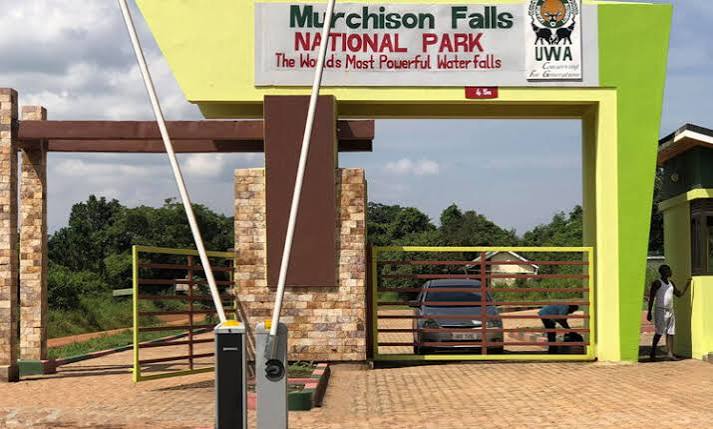
Most travellers come to Uganda for the gorillas. They leave talking about Murchison Falls. That sentence captures something essential about Uganda’s oldest and largest national park. It is not simply a stopover on the way to Bwindi, nor a secondary attraction to be squeezed into a gorilla itinerary. Murchison Falls National Park is the piece that transforms a primate-focused trip into a proper, heart-pounding African safari — a place where the entire Victoria Nile detonates through a seven-metre gap in ancient rock, where the Big Five roam open savanna, and where the rare shoebill stork stalks papyrus swamps that stretch to the horizon. This is why Murchison Falls is Uganda’s most thrilling safari destination. The Falls That Defy Belief No account of Murchison Falls can begin anywhere else. The Victoria Nile, one of Africa’s mightiest rivers, carries an enormous volume of water on its journey from Lake Victoria through Lake Kyoga toward Lake Albert. At Murchison, the entire river — up to 300 cubic metres of water per second — is forced through a rock gap just seven metres wide, generating a roaring curtain of white water, thundering sound, and perpetual rainbow-lit spray that can be experienced from both the top of the falls and from the river below. To put that in perspective: this is the full force of the Nile, compressed through a gap roughly the width of a small car, then released in an explosion of water and sound that you can feel in your chest from hundreds of metres away. Standing at the top of the falls, watching the river disappear into the gorge below, is one of the most viscerally powerful wildlife experiences in East Africa. The falls themselves are the beating heart of the entire Murchison wildlife experience, the point around which the park’s ecosystem orbits. The Nile Boat Cruise: Uganda’s Best Wildlife Water Journey If the falls are the heart of Murchison, the Nile boat cruise is its pulse. The three-hour afternoon cruise from Paraa upriver to the base of the falls is, quite simply, the single best wildlife experience in the park — and arguably in Uganda. The cruise takes you past hundreds of hippos, enormous Nile crocodiles hauled out on sandbanks, elephants drinking at the water’s edge, and the shoebill stork if you are fortunate. The birdlife along the riverbanks is exceptional, with African fish eagles, kingfishers, goliath herons, and saddle-billed storks all regularly recorded. Bird sightings on a single cruise routinely exceed 30 species. The boat stops a few hundred metres short of the falls, and most operators offer the option to disembark at the bottom for the hike to the top — a steep 45-minute climb that ends standing beside the point where the entire Nile forces itself through that impossible gap. For those who prefer solitude over spectacle, the downstream delta cruise is the quieter alternative. This route winds through papyrus swamps and wetlands toward Lake Albert, offering superb birdwatching opportunities and giving birders their best shoebill odds in the country. The Top of the Falls Hike: A Pilgrimage to the Edge The hike to the top of Murchison Falls is included in the standard park entry fee and takes approximately 45 minutes from the trailhead. The trail is roughly 2 kilometres from the parking area to the top and gains around 100 metres of elevation, passing through rocky terrain and green vegetation. The hike is steep and can be challenging, but the reward is well worth the effort. At the top, you are welcomed by wide views of Murchison Falls, the powerful drop, and the natural gorge known as the Devil’s Cauldron. As you move closer to the summit, the sound of the rushing water becomes louder and louder until it is all you can hear. Beyond the natural beauty, the top of the falls holds historical value. Visitors can explore the remains of an old British colonial fort built in the early 1900s to manage river transport along the Nile. It is a strange and haunting contrast: the raw, timeless power of the river on one side, and the crumbling remnants of empire on the other. The best time to hike to the top is during the dry season, from June to August and December to February, when the trail is dry and easier to walk on. Carry rain jackets, sunscreen, a hat, and wear comfortable clothes and shoes, regardless of the season. The Big Five and Beyond: Murchison’s Wildlife Murchison Falls is one of the few destinations in East Africa where visitors can encounter four of the Big Five — lions, elephants, buffaloes, and leopards — within the park itself. The fifth, the rhinoceros, awaits at Ziwa Rhino Sanctuary, which sits directly on the drive up from Entebbe and completes the Big Five for most itineraries. The park hosts Uganda’s largest lion population, alongside thousands of giraffes, antelopes, hippos, crocodiles, and bird species spread across its vast savannah plains and river systems. The northern bank, reached by the Paraa ferry, holds the park’s open savanna. Morning game drives across the Buligi tracks routinely produce Rothschild’s giraffe — Murchison protects one of the largest remaining populations on earth — plus Jackson’s hartebeest, oribi, Uganda kob, and large breeding herds of elephant. Lions are the headline act. The prides here spend the cool early hours out in the open grass beside the tracks, and sightings of lionesses and sub-adults sprawled in the long yellow grass are common on a dawn drive. As the Chief Warden of the Murchison Falls Conservation Area put it: “You think about a lion, you will definitely see it in Murchison Falls. If you want to see baby ones, you will see them. But also, if you want to see the real African man-eaters of lions, still you will find them at Murchison Falls.” The Shoebill Stork: A Prehistoric Prize For many travellers, the shoebill stork is the single most sought-after sighting in Uganda. This prehistoric-looking bird, classified as Vulnerable by the IUCN, is found in the papyrus swamps at the
Gorilla Trekking in Bwindi: The Complete Guide to Meeting Your Ancestors
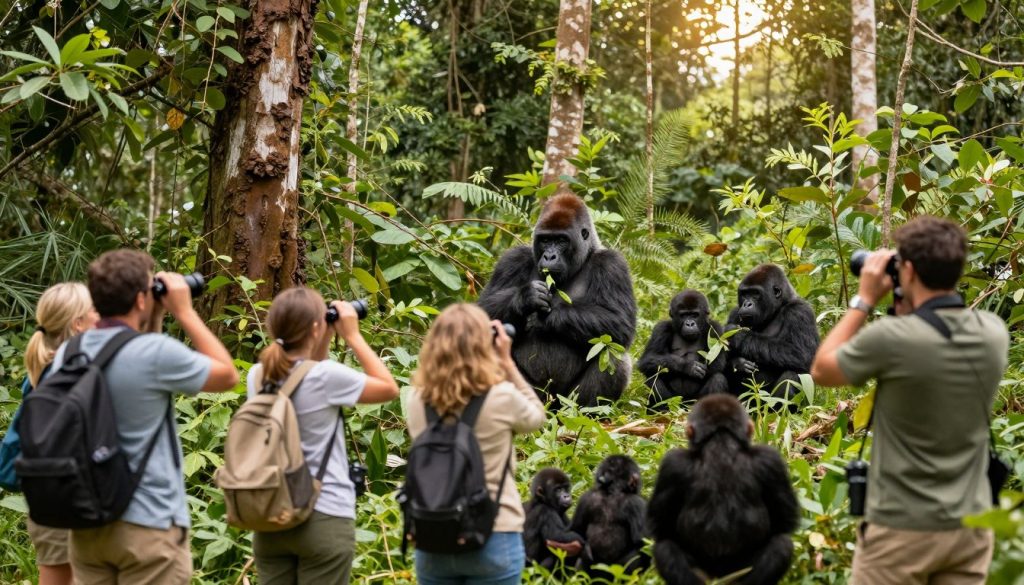
There is a moment, somewhere deep in the misty heart of Bwindi Impenetrable National Park, when the forest falls silent. The trackers have stopped. The porters have set down their loads. And then, through a curtain of vines and wet leaves, you see them — a silverback sitting in the dappled light, a mother cradling an infant, a juvenile tumbling through the undergrowth. You are standing a few metres from a wild mountain gorilla family, watching a species that shares 98.4% of your DNA go about its morning as if you were not there at all. This is why people call it “meeting your ancestors.” It is not merely a wildlife sighting. It is a reunion. This guide covers everything you need to know to make that reunion happen — from securing a permit to navigating the forest, understanding the rules, and savouring every second of your one precious hour. Why Bwindi Is the World’s Premier Gorilla Trekking Destination Bwindi Impenetrable National Park in south-western Uganda is not just a gorilla park. It is a 321-square-kilometre fragment of ancient rainforest that has survived ice ages, human encroachment, and decades of conservation struggle. Today, it shelters approximately half of the world’s remaining mountain gorillas and is the single most reliable place on Earth to see them in the wild. At present, 19 gorilla groups can be viewed across the park, with one additional group still undergoing habituation. The daily permit limit sits at around 192 across the habituated families, and each group is visited by a maximum of eight people per day. That hard cap is the reason permits sell out months in advance — and the reason every trek feels intimate rather than crowded. For 90% of first-time trekkers, Bwindi is the safer all-round choice compared to Uganda’s other gorilla park, Mgahinga, simply because the sheer number of families means far greater permit availability, even in peak season. The Permit: Your Golden Ticket Everything begins with the permit. Without one, you will not be allowed anywhere near the gorillas. How Much Does a Gorilla Permit Cost? For 2026, the official Uganda Wildlife Authority (UWA) permit price is USD $800 per person for foreign non-residents. Foreign residents pay $700, citizens of other African countries pay $500, and East African citizens pay UGX 300,000. That $800 buys you one hour with a habituated gorilla family. It sounds expensive, and it is — but the fee is not padding a lodge owner’s pocket. Permit revenue funds ranger patrols, veterinary care for injured gorillas, habitat protection, and community programmes for people living alongside the forest. It is, quite literally, the price of the gorillas’ survival. The Gorilla Habituation Experience If one hour does not feel like enough, Uganda offers something no other gorilla destination can match: the Gorilla Habituation Experience. For USD $1,500 per person, you join researchers and rangers for up to four hours with a semi-habituated gorilla family. You track them from where they nested the previous night, watch them wake, feed, and move through the forest, and witness the delicate process of accustoming a wild group to human presence — a process that takes two to five years to complete. The habituation experience is limited to just four visitors per day and is only available in Bwindi’s southern Rushaga sector, making it the most exclusive primate encounter in Africa. How and When to Book Permits are issued by the Uganda Wildlife Authority and can be booked directly or — far more commonly and far more easily — through a licensed tour operator like Travel Giants Uganda. A reputable operator will check real-time availability, secure your permit for the correct date and sector, and handle the paperwork. Book as early as you possibly can. For peak season (June to September and December to February), aim for 6 to 12 months in advance. For the low season (March to May and October to November), three to six months should suffice, though the best dates still disappear quickly. The Best Time to Trek Bwindi is a year-round destination — the gorillas are always there. But your experience will vary significantly depending on when you visit. Bwindi has two dry seasons (May–September and December–February) and two wet periods (March–April and October–November). The long dry season (May to September) offers the most forgiving conditions: firm trails, fewer slippery sections, and generally easier trekking. It is ideal for first-time trekkers and those who want a predictable, manageable hike. Visitor traffic peaks in this window, particularly around August, so lodges and permits need to be booked far ahead. The short dry season (December to February) brings cooler mornings, misty valleys, and excellent photographic conditions. Trails are firm, and treks are generally manageable. The wet seasons (March–April and October–November) are for travellers who want drama. The forest is dripping with green, shrouded in mist, and almost empty of other visitors. The trade-off is real: trails are soft, sometimes treacherous, and treks can be longer and more physically demanding. But for photographers and solitude-seekers, the wet months offer an immersive rainforest experience that the dry season cannot match. Choosing Your Sector: Buhoma, Ruhija, Rushaga, or Nkuringo Bwindi is not a single trekking destination. It is four distinct sectors, each with its own trailheads, landscapes, and gorilla families. Your permit will be tied to a specific sector, so choosing wisely matters. Buhoma: The Classic Buhoma, on the north-western edge of the park, is by far the most frequented sector and the one with the most developed tourist infrastructure. Treks departing from Buhoma reliably deliver exceptional sightings, making it a great choice for first-time travellers to Uganda. It also offers easy access to the Ruhija sector’s gorilla groups, bringing variety into the experience for those doing multiple treks. Ruhija: For Scenic Trekking Ruhija sits at higher altitude on the eastern side of the park, home to four gorilla groups and known for its dramatic scenery and birdlife. Treks here are often undertaken by guests staying in Buhoma, but Ruhija has its own distinct character — cooler, mistier, and more remote. Rushaga: For the
The Big Five and Beyond: Your Ultimate Guide to Uganda’s Wild Heart
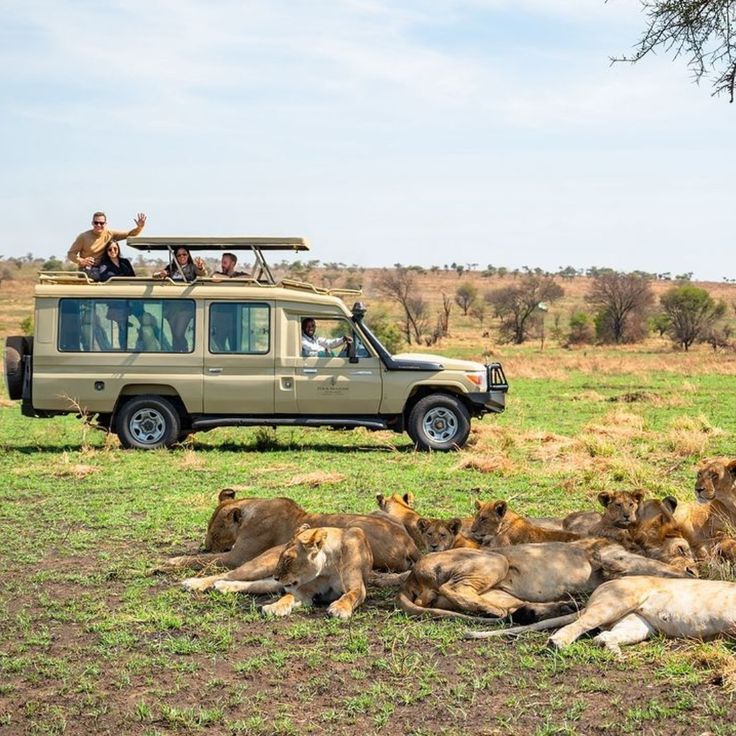
Uganda is celebrated worldwide as the home of mountain gorilla trekking, but limiting your safari ambitions to primates alone would be a mistake. The Pearl of Africa harbours one of the continent’s most rewarding Big Five safari experiences — one that weaves classic savannah species through rainforests, volcanic landscapes, and Nile-fed wetlands you simply cannot find anywhere else in Africa. Lion, leopard, elephant, African buffalo, and rhinoceros are all present in Uganda. The twist? No single national park holds all five in one place. Each animal has its stronghold, and the most satisfying safari involves understanding which park to visit for which species, how to connect them logically, and what extraordinary wildlife lies beyond the headline animals. This guide covers exactly that. Uganda’s Big Five: Where to Find Each Animal Uganda’s Big Five are distributed across several national parks rather than concentrated in a single reserve. That actually makes a Ugandan Big Five safari far more varied and adventurous than the classic single-park game drive — you are not just ticking animals off a list, but travelling through rainforests, sweeping savanna plains, massive waterfalls, and crater lakes along the way. Lion: The Tree-Climbing Phenomena of Ishasha Uganda’s lions are found primarily in Queen Elizabeth National Park and Murchison Falls National Park. Queen Elizabeth’s Ishasha sector holds one of Africa’s rarest wildlife spectacles: tree-climbing lions that lounge in the branches of ancient fig trees. This behaviour is documented in only two places on Earth — Ishasha and Tanzania’s Lake Manyara. The Kasenyi Plains in the northern sector of Queen Elizabeth also deliver classic savanna game viewing, with lion prides regularly spotted stalking buffalo, Uganda kob, and warthog across open grasslands. A morning or evening game drive through Kasenyi is one of the best wildlife experiences in Uganda, full stop. Best for tree-climbing lions: Ishasha (Queen Elizabeth NP) Best overall sighting frequency: Murchison Falls NP Most dramatic, isolated setting: Kidepo Valley NP Leopard: The Elusive Prize of Kidepo Leopards are present across Uganda’s major game parks but, as across Africa, remain elusive. Kidepo Valley National Park in the remote northeast offers Uganda’s best leopard sighting rates, with individuals frequently spotted on rocky outcrops and in acacia scrub. Murchison Falls NP also has a healthy leopard population, particularly in the Budongo Forest fringe areas. Early morning and late afternoon game drives offer the best chance at all parks. African Elephant: The Largest Herds of Murchison Uganda’s elephant population is one of East Africa’s most robust recovery stories. Murchison Falls National Park holds the country’s largest elephant population — herds of 50–100 individuals are commonly seen on northern circuit game drives. Queen Elizabeth National Park also has excellent elephant viewing, particularly in the Kasenyi plains and around Mweya Peninsula. Kidepo Valley’s elephants are smaller-tusked and more arid-adapted, while forest elephants are present within Bwindi Impenetrable Forest, though rarely seen by gorilla trekkers. Largest herds: Murchison Falls NP Best all-round viewing: Queen Elizabeth NP Unique arid-zone elephants: Kidepo Valley NP African Buffalo: The Reliable Constant Buffaloes are frequently spotted and form part of most game drives across Uganda’s savanna parks. They are the most dependable member of the Big Five to encounter, appearing in healthy numbers in Queen Elizabeth, Murchison Falls, and Kidepo Valley. Rhinoceros: The Ziwa Sanctuary Connection Rhinos are extinct in Uganda’s wild national parks, but this does not mean you cannot complete the Big Five. Ziwa Rhino Sanctuary sits directly on the drive up from Entebbe to Murchison Falls, and a tracking walk there completes the Big Five for most itineraries. With over 30 white rhinos, it is a must-visit for any serious Big Five safari. Beyond the Big Five: Uganda’s True Wildlife Treasures Here is where Uganda transforms from a conventional safari destination into something genuinely extraordinary. Mountain Gorillas: The Ultimate Encounter Tracking mountain gorillas in the wild is one of the most powerful wildlife experiences available anywhere in the world. Bwindi Impenetrable National Park shelters approximately half of the world’s remaining mountain gorillas, and with 19 habituated gorilla groups, your chances of a successful trek are excellent — operators report a 90 percent success rate. Gorilla trekking permits are strictly limited to protect the animals and minimise human impact. A maximum of eight people are permitted to trek to any one group per day, and the minimum age is 15. The trek itself can last anywhere from two to six hours depending on where the gorilla family has moved that day. Key tip: Bring garden gloves for the trek, wear sturdy waterproof hiking boots, and pack a mask — it is essential for protecting both you and the gorillas from illness. Chimpanzees: The Primate Capital Kibale Forest National Park is one of Africa’s best primate hotspots, with 13 species recorded, including nearly 1,500 resident chimpanzees. The forest floor is generally flatter and easier to navigate than Bwindi, making it an excellent complement to gorilla trekking. Chimpanzee tracking is also available in Budongo Forest near Murchison Falls and in the Kyambura Gorge within Queen Elizabeth National Park. The Shoebill Stork: A Prehistoric Wonder Perhaps the most sought-after bird in Uganda is the prehistoric-looking shoebill stork. The downstream delta cruise at Murchison Falls gives birders their best shoebill odds in the country, while the Mabamba Wetland in Entebbe is another prime location. Uganda is a birdwatcher’s paradise, with over 1,000 species representing more than half of all bird species in Africa. Queen Elizabeth National Park alone boasts 600+ species. Golden Monkeys and Other Primates Mgahinga Gorilla National Park is home to the rare and endemic golden monkey. Kibale’s forests are alive with L’Hoest’s monkeys, red-tailed monkeys, blue monkeys, and large troops of black and white colobus monkeys whose acrobatic leaps through the trees are a sight to behold. Night nature walks can reveal the tiny bushbaby with its large, luminous eyes, or the slow-moving potto — a unique glimpse into the jungle’s secret world. Antelopes: The Graceful Residents of the Plains While the African buffalo represents one species in the bovid family, Uganda is home to over 29
