
Mountain Gorilla Trekking Trips Are Making a Remarkable Comeback in 2026: The Greatest Conservation Success Story of Our Lifetime (And How Your Visit Helps)
Here is a sentence I never thought I would write when I started guiding gorilla treks 15 years ago: Mountain gorillas are no longer critically endangered. In 2018, they were downlisted from Critically Endangered to Endangered. In 2026, the population continues to climb. From a low of just 680 individuals in 2008 to over 1,063 today—and still growing. This is not luck. This is not accident. This is one of the greatest conservation success stories in human history. And you—yes, you—can be part of it. Every gorilla permit you buy funds anti-poaching patrols, veterinary care, and community conservation. Every trek you take supports the rangers who protect these animals. Your visit is not a disruption. It is the reason the gorillas are still here. This guide tells the full story of the mountain gorilla comeback in 2026. You will learn: how close the gorillas came to extinction (and what saved them), the current population numbers (Bwindi, Virungas, overall), the role of tourism in conservation (how your $800 permit is used), the threats that remain (and why the work is not done), what this means for your gorilla trekking plans, and how you can be part of the next chapter of this success story. This is not a tragedy. This is a triumph. Read it. Share it. Celebrate it. Quick Overview of the Comeback Year Population (Wild) Status Key Milestone 1981 ~254 Critically Endangered Lowest recorded population 2008 ~680 Critically Endangered Beginning of intensive conservation 2010 ~786 Critically Endangered Gradual increase 2018 ~1,004 DOWNLISTED to Endangered Historic reclassification 2026 ~1,063+ Endangered (but improving) Continued growth The deeper truth (Charles Lubega’s emotional reflection): I have been in the forest with gorillas when they were down to 680. I have seen the fear in their eyes when poachers were active. And I have watched, over 15 years, as that fear has been replaced by calm. The gorillas today do not run from humans the way they once did. Not because they are tame—they are wild—but because they have learned that the people who come are protectors, not threats. That change is the real conservation success story. The 30-Second Answer – How Remarkable Is the Mountain Gorilla Comeback? Let me give you the headline numbers first. Then we will dive into the story behind them. The Comeback in Numbers Metric Then (2008) Now (2026) Change Total wild population ~680 ~1,063+ +56% Bwindi population ~300 ~459+ +53% Virunga population ~380 ~604+ +59% IUCN Status Critically Endangered Endangered Downlisted (2018) Annual poaching incidents ~10-15 ~1-2 (with rangers) -90% Habituated gorilla families for trekking ~8 ~20+ +150% Why This Matters Reason Explanation Only great ape increasing Most great apes (chimpanzees, orangutans, eastern gorillas) are declining. Mountain gorillas are the only ones increasing. Proof conservation works The mountain gorilla model is now studied worldwide as the gold standard for endangered species recovery. Hope in a crisis In an era of biodiversity collapse, this is a rare story of genuine hope. Tourism as conservation Your $800 permit is a major reason this worked. The Honest Truth in One Paragraph Charles Lubega says: “When I started guiding in 2011, I wondered if I would be one of the last people to see wild gorillas. Every trek felt precious, fragile, possibly temporary. Today, I look into the eyes of silverbacks and see not just survival but thriving. The gorillas are not out of danger—no wild animal ever is—but they are no longer on the brink. That is a miracle. And it is a miracle we all built together.” [IMAGE PLACEMENT 1: Infographic showing population growth from 1981 to 2026 with milestone markers. 1200px+. Caption: “From 680 to over 1,063. The greatest conservation comeback of our lifetime.”] The Dark Days – How Close the Mountain Gorillas Came to Extinction To understand the miracle, you must understand how close we came to losing them forever. The Low Point (1980s-1990s) Threat Impact How Bad It Was Poaching 10-15 gorillas killed per year Silverbacks shot for bushmeat; infants sold as pets Civil war (Rwanda, DRC) Habitat destruction, displaced rangers Virunga gorillas caught in crossfire Habitat loss Forest cleared for agriculture 50% of gorilla habitat lost since 1970 Disease transmission Human illnesses (flu, pneumonia) killed gorillas No tourism protocols yet The Turning Point Year Event Impact 1991 Bwindi Impenetrable National Park gazetted Protected habitat 1990s Gorilla trekking tourism begins Economic incentive for conservation 2005 International Gorilla Conservation Program intensifies Coordinated anti-poaching 2008 Population low of 680 Wake-up call for global action What It Felt Like in the Forest Charles Lubega’s memory: “I remember the first time I saw a gorilla with a snare wound. A silverback named Kinyonyi. His hand was swollen, infected, clearly painful. The rangers couldn’t get close enough to help. For weeks, we watched him suffer. He survived. But the memory never left me. That was the reality of gorilla conservation 15 years ago. Every gorilla was fighting to survive against humans who wanted them dead. Today, snares are found and destroyed weekly by anti-poaching patrols. That is the difference conservation makes.” The Honest Dark Days Truth: “We almost lost them. If conservation efforts had not intensified in the 2000s, mountain gorillas would likely be extinct in the wild today. That is not exaggeration. That is fact.” [IMAGE PLACEMENT 2: Historical photo of Bwindi forest with ranger patrol (1980s/90s feel). Caption: “From the brink of extinction to a thriving population. The transformation is real.”] The Comeback – How Conservation Saved the Mountain Gorilla The comeback did not happen by accident. Here is exactly what worked. The Four Pillars of Success Pillar What It Involves Why It Worked 1. Anti-poaching patrols Armed rangers patrol daily; remove snares; track gorillas Reduced poaching by 90% 2. Veterinary intervention Gorilla Doctors (veterinarians) treat injured/sick gorillas Snares and respiratory illnesses treated quickly 3. Community conservation Local communities share tourism revenue (schools, healthcare, water) Communities now protect gorillas instead of poaching them 4. Regulated tourism Permits limit visitors; strict health protocols Tourism funds conservation AND prevents disease transmission How Your Permit Saves Gorillas
Planning a Honeymoon Safari in Uganda: Romantic Lodges & Experiences (2026)

Written by Charles Lubega, Senior Safari Guide, Travel Giants Uganda 15+ years experience | Hundreds of honeymoons planned | IATA-certified The Explicit Answer: Is Uganda a Good Honeymoon Destination? Yes – Uganda is a spectacular honeymoon destination. A well-planned 10-day honeymoon safari combines the world’s most intimate wildlife encounter (gorilla trekking) with romantic luxury lodges, private sundowners, candlelit dinners in the bush, and breathtaking scenery. The most romantic lodges are Sanctuary Gorilla Forest Camp (Bwindi), Nile Safari Lodge (Murchison), Apoka Safari Lodge (Kidepo), and Bwindi Lodge (Bwindi). Budget $8,000-15,000 for a 10-day luxury honeymoon including gorilla permits, private vehicle, and top-tier lodges. This guide covers everything: most romantic lodges, private experiences, sample itineraries, and honeymoon-specific tips. The Quick Overview – Most Romantic Lodges Lodge Location Price/Night Romantic Features Best For Sanctuary Gorilla Forest Camp Bwindi (Buhoma) $800-1,500 Inside forest, private tents, forest dining Ultimate gorilla honeymoon Nile Safari Lodge Murchison (South) $400-700 Nile views, private decks, outdoor showers River romance Apoka Safari Lodge Kidepo $600-1,000 Valley views, remote, wildlife from deck Wilderness seclusion Bwindi Lodge Bwindi (Buhoma) $500-800 Eco-luxury, forest views, community-owned Gorillas + value Clouds Mountain Gorilla Lodge Bwindi (Nkuringo) $500-800 Volcano views, fireplaces, stone cottages Mountain romance Kyambura Gorge Lodge QENP $400-600 Gorge views, coffee plantation, eco-chic Adventure + luxury Mweya Safari Lodge QENP (Mweya) $300-500 Kazinga views, pool, classic safari Classic romance Elephant Plains Lodge QENP (Ishasha) $350-500 Tree lion territory, private decks Safari + seclusion The Deeper Truth After 15 years of planning honeymoon safaris for hundreds of couples, I can tell you: the key to a perfect honeymoon is balance. You want adventure (gorillas, game drives) AND romance (private dinners, stunning lodges, downtime). You want luxury but not stuffiness. You want unforgettable moments that are just for the two of you. This guide tells you exactly how to design that trip. As an IATA-certified tour operator with 15+ years of experience planning honeymoon safaris, Travel Giants Uganda has helped hundreds of couples celebrate their love. We know the most romantic lodges, the most private experiences, and the little touches that make a honeymoon magical. Why Uganda for a Honeymoon? Gist-first: Uganda offers something no other safari destination can: the most intimate wildlife encounter on Earth – gorilla trekking – combined with stunning scenery, luxury lodges, and far fewer crowds. What Makes Uganda Romantic Factor Why It’s Romantic Gorilla trekking Life-changing shared experience – you’ll cry together Fewer crowds You’ll have wildlife sightings almost to yourselves Luxury lodges Intimate (6-10 rooms), not large hotels Scenic diversity Rainforest, savanna, lakes, mountains – every day is different Private experiences Sundowners, bush dinners, private vehicles Value More affordable than Kenya or Tanzania for similar luxury Uganda vs. Traditional Honeymoon Destinations Destination Romance Factor Adventure Factor Privacy Value Uganda Safari ⭐⭐⭐⭐⭐ ⭐⭐⭐⭐⭐ ⭐⭐⭐⭐⭐ ⭐⭐⭐⭐ Kenya Safari ⭐⭐⭐⭐ ⭐⭐⭐⭐⭐ ⭐⭐ (crowded) ⭐⭐⭐ Tanzania Safari ⭐⭐⭐⭐ ⭐⭐⭐⭐⭐ ⭐⭐ (crowded) ⭐⭐⭐ Maldives Beach ⭐⭐⭐⭐⭐ ⭐⭐ ⭐⭐⭐⭐ ⭐⭐ Paris/Euro Trip ⭐⭐⭐⭐ ⭐⭐⭐ ⭐⭐⭐ ⭐⭐⭐ Insider tip: “Most honeymooners go to the beach. You’re different. You want adventure, intimacy, and a story you’ll tell for decades. Uganda delivers. A gorilla trek is more romantic than a beach. Trust me.” [IMAGE: Couple at Sanctuary Gorilla Forest Camp, private deck, forest view. Caption: “Uganda’s luxury lodges are intimate, private, and stunningly romantic.”] The Most Romantic Lodges in Uganda Gist-first: These lodges aren’t just luxurious – they’re designed for romance. #1 – Sanctuary Gorilla Forest Camp (Bwindi) – The Ultimate Gorilla Honeymoon Detail Information Location Inside Bwindi Impenetrable Forest (Buhoma sector) Price $800-1,500 per person per night Number of rooms 6 luxury tents (plus family tent) Romantic features Inside the forest, private decks, forest dining, outdoor baths Best for Couples who want the ultimate gorilla experience What Makes It Romantic Feature Why Forest location You’re IN the rainforest – monkeys in the trees, forest sounds Intimate size Only 6 tents – you’ll rarely see other guests Private dining Dinner can be served on your private deck Forest spa treatments Massages in the forest (booking required) Gorillas steps away 10-minute walk to trekking start Insider tip: “Request Tent #3 or #4. They’re deeper in the forest, more private, with better wildlife viewing from your deck. Book 6-8 months ahead – this lodge is small and fills up.” [IMAGE: Couple on private deck at Sanctuary Gorilla Forest Camp, forest backdrop. Caption: “Sanctuary Gorilla Forest Camp – the ultimate gorilla honeymoon experience.”] #2 – Nile Safari Lodge (Murchison Falls) – Romance on the River Detail Information Location Murchison Falls NP (south bank, on the Nile) Price $400-700 per person per night Number of rooms 8 luxury bandas Romantic features Nile views from every room, outdoor showers, private boat available Best for Couples who want river romance What Makes It Romantic Feature Why Nile front Every banda faces the Nile – watch hippos from your bed Outdoor showers Shower under the stars Private boat safari Charter the lodge boat for just the two of you Sunset drinks on the Nile Magical Intimate size Only 8 bandas Insider tip: “Book a private boat safari at sunset. The light on the Nile is magical. Hippos grunting, fish eagles calling, and no other boats. It’s worth every extra dollar.” [IMAGE: Couple on private boat at sunset, Nile River, golden light. Caption: “Nile Safari Lodge – sunset on the river, just the two of you.”] #3 – Apoka Safari Lodge (Kidepo) – Wilderness Seclusion Detail Information Location Kidepo Valley NP (Narus Valley) Price $600-1,000 per person per night Number of rooms 10 luxury bandas Romantic features Valley views, wildlife from your deck, remote wilderness Best for Couples who want to get away from everything What Makes It Romantic Feature Why Spectacular views Built on a kopje overlooking the entire Narus Valley Wildlife from your deck Watch elephants, buffalo, lions from your private deck Complete isolation Kidepo sees only 5,000 visitors/year – you’ll feel like you have the park to yourselves Stunning design Stone bandas that blend into the landscape Private game drives With your own guide Insider tip: “Apoka is for couples
What Animals Will I See on a Uganda Safari? (Ultimate Checklist) – 2026

Written by Charles Lubega, Senior Safari Guide, Travel Giants Uganda 15+ years experience | 1,000+ safaris guided | IATA-certified The Explicit Answer: What Animals Can You Expect to See in Uganda? On a typical 7-day Uganda safari (Queen Elizabeth + Bwindi), you have a 95%+ chance of seeing elephants, hippos, buffalo, warthogs, and multiple primate species. You have a 99% chance of seeing mountain gorillas (with a permit). You have a 60-70% chance of seeing lions (higher in dry season). You have a 15-20% chance of seeing leopards. You will NOT see rhinos in national parks – they’re only at Ziwa Sanctuary. This checklist covers 50+ animals with realistic probabilities, park-by-park breakdowns, and a printable tracker. The Quick Overview – Big Animals Animal Probability (7-day safari) Best Park Best Time Must-See Rating Mountain Gorilla 99% (with permit) Bwindi Any ⭐⭐⭐⭐⭐ Elephant 95-100% QENP, Murchison Late afternoon ⭐⭐⭐⭐⭐ Hippo 100% (boat) QENP (Kazinga), Murchison Boat safari ⭐⭐⭐⭐⭐ Buffalo 95% QENP, Murchison Morning/afternoon ⭐⭐⭐⭐ Lion 60-70% QENP (Kasenyi), Murchison Dawn ⭐⭐⭐⭐⭐ Leopard 15-20% Lake Mburo (night), QENP Night/dawn ⭐⭐⭐⭐⭐ Giraffe 85% (Murchison only) Murchison Any ⭐⭐⭐⭐ Zebra 90% (Lake Mburo only) Lake Mburo Any ⭐⭐⭐⭐ Chimpanzee 70-90% (with permit) Kibale, Kyambura Morning ⭐⭐⭐⭐⭐ Rhino 99% (Ziwa only) Ziwa Sanctuary Morning ⭐⭐⭐⭐ The Deeper Truth After 15 years of guiding over 1,000 safaris, I can tell you: Uganda delivers incredible wildlife sightings – but you need realistic expectations. You will almost certainly see elephants, hippos, and buffalo. Lions are likely with a good guide and early starts. Leopards are genuinely difficult – most safaris don’t see them. Gorillas are guaranteed with a permit. This checklist gives you the real probabilities – not marketing hype. As an IATA-certified tour operator with 15+ years of experience, Travel Giants Uganda has guided thousands of safaris. These probabilities are based on real data from hundreds of trips. How to Use This Checklist Gist-first: This isn’t a random list of animals. It’s a practical guide to what you’ll actually see. Color Code Key Color Meaning 🟢 Almost Guaranteed 90-100% probability – you will almost certainly see this animal 🟡 Very Likely 60-90% probability – good chances with proper planning 🟠 Possible 30-60% probability – might see, might not 🔴 Rare/Difficult 10-30% probability – requires luck, specific timing ⚫ Special/Requires Permit Permit required (gorillas, chimps) or specific location How to Track Your Sightings Tip Why Print this guide before you go Use it as a checklist Mark off animals as you see them Satisfying to track progress Note the park and time Helps guide future trips Don’t obsess over “missing” animals Enjoy what you see [IMAGE: Printable checklist template design mockup. Caption: “Print this guide and track your sightings – satisfying to see the checkmarks add up.”] Primates – Uganda’s Superstars Gist-first: Uganda is the best place in Africa for primates – gorillas, chimpanzees, and monkeys. Primate Quick Comparison Primate Probability Best Park Permit Required? Cost Mountain Gorilla 99% (with permit) Bwindi, Mgahinga Yes $800 Chimpanzee 70-90% (with permit) Kibale, Kyambura, Budongo Yes ($50-200) $50-250 Golden Monkey 90% (with permit) Mgahinga Yes $100 Black-and-White Colobus 95% Bwindi, Kibale, QENP No Included Red-tailed Monkey 90% Kibale, Bwindi No Included Blue Monkey 85% Bwindi, Kibale No Included Olive Baboon 95% QENP, Murchison, Lake Mburo No Included Vervet Monkey 90% QENP, Lake Mburo No Included Mountain Gorilla (⭐⭐⭐⭐⭐) – The Crown Jewel Detail Information Probability 99% (with valid permit) Best park Bwindi Impenetrable Forest (90% of permits) or Mgahinga (10%) Best time Year-round (permits required) Where to see Buhoma, Ruhija, Rushaga, Nkuringo sectors (Bwindi) Best time of day Trekking starts at 8:00 AM – encounter mid-morning to early afternoon Tips Book permits 3-6 months ahead, hire a porter, bring a 70-200mm f/2.8 lens What Makes It Special Factor Why Only 1,000 left in the world Extremely endangered Only 3 countries Uganda, Rwanda, DRC 98% DNA match Our closest relatives 1 hour with them Intimate, life-changing [IMAGE: Silverback gorilla in Bwindi, eye contact. Caption: “Mountain gorillas – 99% probability with a permit. The ultimate Uganda experience.”] Chimpanzee (⭐⭐⭐⭐⭐) Detail Information Probability 70-90% (Kibale 90%, Kyambura 60-70%, Budongo 60-70%) Best park Kibale National Park (“Chimpanzee Capital of the World”) Alternative parks Kyambura Gorge (QENP), Budongo Forest (Murchison) Best time Morning trek (8:00 AM start) Permit cost Kibale 200−250,Kyambura200−250,Kyambura50, Budongo $50 Tips Kibale is best for reliability; Kyambura for spectacular gorge setting What You’ll See Behavior Probability Notes Chimpanzees in trees 90% Feeding, resting Chimpanzees on ground 60-70% Walking, playing Tool use 30% Using sticks to extract termites Pant-hooting calls 80% Loud, dramatic vocalizations [IMAGE: Chimpanzee in Kibale, forest background. Caption: “Chimpanzees – 90% success rate in Kibale, the ‘Chimpanzee Capital of the World.’”] Monkeys (Various Species) Monkey Species Probability Best Park Best Time Notes Black-and-White Colobus 95% Bwindi, Kibale, QENP Morning Dramatic black and white fur Red-tailed Monkey 90% Kibale, Bwindi Morning Cute, red tail tip Blue Monkey 85% Bwindi, Kibale Morning Not actually blue Olive Baboon 95% QENP, Murchison, Lake Mburo Any time Large troops, entertaining Vervet Monkey 90% QENP, Lake Mburo Any time Blue scrotum (males) Golden Monkey 90% (with permit) Mgahinga Morning Permit required ($100) Insider tip: “Don’t overlook the monkeys. Black-and-white colobus are spectacular – their fur looks like a tuxedo. And baboons are endlessly entertaining – watch them interact, groom, and squabble.” The Big Five (Plus Special Additions) Gist-first: The Big Five were named by hunters as the most dangerous animals to hunt on foot. Here’s your real chance of seeing each in Uganda. African Elephant (⭐⭐⭐⭐⭐) – The Easiest of the Big Five Detail Information Probability 95-100% Best park QENP (Kasenyi, Kazinga, Ishasha), Murchison Falls Alternative parks Kidepo (large herds) Best time Late afternoon (4:00-6:30 PM) – they come to water Best location Kazinga Channel (from boat) or Kasenyi Plains What you’ll see Herds of 10-50, bathing, drinking, feeding Elephant Viewing by Park Park Probability Herd Size Best Viewing QENP (Kasenyi) 99% 10-30 Morning/afternoon game drives QENP (Kazinga boat) 95% 5-20 Boat safari (afternoon best) Murchison (Buligi) 95% 10-50 Late afternoon near Nile Kidepo 90% 20-100+ Narus Valley Insider
Unique Wildlife Encounters: Comparing Uganda to Other Safari Destinations
Unique Wildlife Experiences in Uganda Comparative Analysis: Uganda vs. Other Safari Destinations Planning Your Safari Adventure in Uganda Insider Tips for a Memorable Safari in Uganda
Lake Mburo National Park: The Best Short Safari from Kampala (2026)

Written by Charles Lubega, Senior Safari Guide, Travel Giants Uganda 15+ years experience | Hundreds of Lake Mburo safaris guided | IATA-certified The Explicit Answer: Is Lake Mburo Worth the Trip? Yes – Lake Mburo National Park is absolutely the best short safari from Kampala or Entebbe. Just 3.5-4 hours from Kampala, Lake Mburo offers a genuine savanna safari experience without the 6-7 hour drives to Queen Elizabeth or Murchison Falls. You’ll see zebras (the only park in Uganda with them), eland (Africa’s largest antelope), impalas, buffalo, warthogs, hippos, crocodiles, and over 300 bird species. You can do a 2-day/1-night safari that delivers an incredible wildlife experience – perfect for layovers, weekends, or adding to a gorilla trekking itinerary. The Quick Overview Factor Lake Mburo QENP Murchison Drive from Kampala 3.5-4 hours 6-7 hours 5-6 hours Minimum safari length 1 day / 2 days recommended 2-3 days 2-3 days Zebras ✅ Yes (only park in Uganda) ❌ No ❌ No Giraffes ❌ No ❌ No ✅ Yes Lions ⚠️ Rare ✅ Good ✅ Good Leopards ✅ Good (night drives) ✅ Good ✅ Good Eland ✅ Yes (largest antelope) ❌ No ❌ No Impalas ✅ Yes ❌ No ❌ No Boat safari ✅ Yes (Lake Mburo) ✅ Yes (Kazinga) ✅ Yes (Nile) Walking safari ✅ Yes (unique) ⚠️ Limited ⚠️ Limited Crowds Low Medium-High Medium Cost Low-Medium Medium-High Medium-High The Deeper Truth After 15 years of guiding hundreds of trips to Lake Mburo, I can tell you: this park is criminally underrated. Most tourists skip it for the “bigger” parks, but Lake Mburo offers experiences you can’t get elsewhere in Uganda – zebras, eland, impalas, night drives with high leopard probability, and the only walking safaris in a savanna park. For travelers with limited time or budget, Lake Mburo is a perfect introduction to Ugandan wildlife. As an IATA-certified tour operator with 15+ years of experience, Travel Giants Uganda has guided thousands of travelers to Lake Mburo. We know the best game drive routes, the best times for leopard sightings, and the best walking safari trails. Why Lake Mburo? – The Underrated Gem Gist-first: Lake Mburo is the park that most tourists skip – and that’s exactly why you should go. Lake Mburo at a Glance Fact Detail Size 370 sq km (143 sq miles) – Uganda’s smallest savanna park Location Western Uganda, 3.5-4 hours from Kampala Established 1983 Unique features Zebras, eland, impalas, walking safaris, night drives Annual visitors ~20,000 (much quieter than QENP’s 150,000) Best for Short safaris, budget travelers, weekend trips, leopards What Makes Lake Mburo Unique Unique Feature Where Else in Uganda? Why It’s Special Zebras Nowhere else Only park in Uganda with zebras Eland Nowhere else Largest antelope in Africa Impala Nowhere else Elegant, leaping antelope Walking safaris Bwindi (forest) only Walk among zebras, eland, buffalo Night drives Available elsewhere Best leopard viewing in Uganda Acacia savanna Other parks have open plains Different landscape – more trees Why Tourists Skip It (And Why They’re Wrong) Misconception Reality “It’s too small” Size isn’t everything – wildlife density is high “No lions” True – but leopards are more reliable here than anywhere else “No giraffes” True – but zebras and eland are unique to Lake Mburo “It’s not a ‘real’ safari” It’s absolutely a real safari – just shorter and more accessible Insider tip: “I’ve guided travelers who ‘settled’ for Lake Mburo because they didn’t have time for QENP. Almost all of them loved it. They loved the zebras, the walking safari, the night drive where they saw a leopard. Don’t underestimate this park. It’s a gem.” [IMAGE: Zebras in Lake Mburo, acacia trees, morning light. Caption: “Lake Mburo is the only park in Uganda with zebras – a unique highlight.”] Wildlife in Lake Mburo – What You’ll See Gist-first: Lake Mburo has fewer species than QENP – but the ones it has are special. Animals You’ll Almost Certainly See (90%+ probability) Animal Where to Find Best Time Notes Zebra Open plains, acacia woodland Any time Only park in Uganda Eland Open areas, near water Morning/evening Largest antelope in Africa Impala Open woodland Any time Elegant, leaping Buffalo Near water, open plains Morning/afternoon Large herds Warthog Everywhere Morning Everywhere Hippo Lake Mburo (boat) Boat safari Dozens visible Crocodile Lake Mburo Boat safari Sunbathing on banks Animals You Have a Good Chance of Seeing (50-70% probability) Animal Where to Find Best Time Notes Topi Open plains Morning Beautiful antelope Bushbuck Woodland edges Dawn/dusk Shy Waterbuck Near water Any time Common Baboon Woodland, near lodge Any time Large troops Monitor lizard Lake shore Boat safari Up to 2 meters long Animals That Are Possible (20-40% probability) Animal Where to Find Best Time Notes Leopard Night drive 7:00-9:00 PM Best leopard viewing in Uganda Giant forest hog Night drive Night Rare, impressive Sitatunga Swamp areas Dawn/dusk Rare swamp antelope Shoebill stork Wet season Morning Rare but possible Animals NOT in Lake Mburo Animal Where to Find Instead Lion QENP, Murchison, Kidepo Giraffe Murchison, Kidepo Elephant QENP, Murchison, Kidepo Gorilla Bwindi, Mgahinga Chimpanzee Kibale, Kyambura, Budongo Rhino Ziwa Sanctuary The Honest Truth About Wildlife “Lake Mburo won’t give you the Big Five. But it WILL give you zebras (unique), eland (unique), impalas (unique), and the best leopard viewing in Uganda. For a short safari, that’s an incredible lineup. Most visitors leave thrilled.” [IMAGE: Eland in Lake Mburo, largest antelope in Africa. Caption: “Eland – Africa’s largest antelope – are unique to Lake Mburo in Uganda.”] Top Activities in Lake Mburo National Park Gist-first: Lake Mburo offers activities that other Ugandan parks don’t – including walking safaris and excellent night drives. 1. Game Drives (⭐⭐⭐⭐⭐ Essential) Gist-first: The classic safari experience – but with zebras instead of lions. Game Drive Details Factor Information Duration 2-4 hours Best time Morning (6:30-10:00 AM) or late afternoon (4:00-7:00 PM) Best areas Zebra Track, Eland Track, Lakeside Track What you’ll see Zebras, eland, impala, buffalo, warthog, topi Difficulty Easy Morning vs. Afternoon Game Drives Time Pros Cons Morning (6:30-10:00 AM) Animals most active, cooler temperatures Very
Comparing Uganda Safari vs. Kenya Safari: Which is Better for YOU? (2026)

The short answer: Choose Uganda if your dream is to come face-to-face with mountain gorillas (only found here, Rwanda, and DRC) and you want a quieter, more diverse safari experience with fewer crowds. Choose Kenya if your dream is the wildebeest migration in the Masai Mara (one of the Seven Natural Wonders of Africa) and you want classic “Out of Africa” savanna landscapes with high predator density. Neither is “better” – they offer completely different experiences. Many travelers eventually do both. Quick Verdict Table Your Priority Winner Why Gorilla trekking 🇺🇬 Uganda Only found here, Rwanda, DRC – not in Kenya Wildebeest migration 🇰🇪 Kenya Masai Mara is one of the Seven Natural Wonders Classic savanna wildlife 🇰🇪 Kenya Higher predator density, more open plains Tree-climbing lions 🇺🇬 Uganda Ishasha sector – one of only two places in Africa Chimpanzee tracking 🇺🇬 Uganda Kibale, Kyambura, Budongo – Kenya has very limited chimp options Crowds 🇺🇬 Uganda Far fewer tourists (except gorilla permits) Budget (lower cost) 🇺🇬 Uganda Accommodation, permits, fees generally cheaper Luxury lodges 🇰🇪 Kenya More options, more established Infrastructure/roads 🇰🇪 Kenya Better roads, easier self-drive Birding 🇺🇬 Uganda 1,100+ species vs. Kenya’s 1,000+ Family-friendly 🇰🇪 Kenya More established family lodges, easier logistics Combine with beach 🇰🇪 Kenya Kenya has excellent beaches (Mombasa, Diani) Solo travel 🇰🇪 Kenya Easier logistics, more group tours The deeper truth: After 15 years of guiding safaris in both Uganda and Kenya, I can tell you: these countries are not competitors – they’re complements. Kenya delivers the classic savanna safari you’ve seen in movies: lions on termite mounds, wildebeest crossing rivers, hot air balloons over golden plains. Uganda delivers experiences Kenya cannot: gorillas in the mist, chimpanzees in ancient rainforests, tree-climbing lions, and the world’s most powerful waterfall. This guide helps you choose based on YOUR dream – not someone else’s. As an IATA-certified tour operator with 15+ years guiding in both Uganda AND Kenya, Travel Giants Uganda offers expertise in both destinations. We’re not biased – we just want you to have the right safari for YOU. At a Glance – Uganda vs. Kenya Safari Comparison Before we dive deep, here’s the one-minute comparison. Category 🇺🇬 Uganda 🇰🇪 Kenya Signature experience Gorilla trekking (Bwindi) Wildebeest migration (Masai Mara) Annual visitors ~1.5 million ~2 million Iconic parks Bwindi, QENP, Murchison, Kidepo Masai Mara, Amboseli, Tsavo, Samburu Gorillas ✅ Yes (mountain gorillas) ❌ No Wildebeest migration ❌ No ✅ Yes (Masai Mara, July-Oct) Big Five Four (no wild rhinos – Ziwa only) Five (rhinos in some parks) Tree-climbing lions ✅ Yes (Ishasha) ❌ No (rare elsewhere) Chimpanzees ✅ Excellent (Kibale, Kyambura) ⚠️ Limited (rare sightings) Bird species 1,100+ (#1 in Africa) 1,000+ Best for Gorillas, chimps, unique experiences Classic savanna, migration, predators Crowds Low (except gorilla permits) High (Masai Mara very busy) Cost (daily average) $300-500 (mid-range) $400-700 (mid-range) Luxury options Good (fewer, but excellent) Excellent (many, world-class) Road quality Fair to good (rough in parks) Good to excellent Self-drive possible ⚠️ Difficult (rough roads) ✅ Yes (easier) Beach options Limited (Lake Victoria only) ✅ Excellent (Indian Ocean) Signature Experiences – What Makes Each Country Unique Kenya is the classic savanna safari. Uganda is the primate and adventure safari. Neither is “better” – they’re just different. Uganda’s Unique Offerings (What Kenya Can’t Match) Experience Where Why It’s Special Mountain gorilla trekking Bwindi, Mgahinga Only 3 countries in the world – Kenya not one of them Tree-climbing lions Ishasha (QENP) One of only 2 places in Africa (with Lake Manyara, Tanzania) Chimpanzee tracking Kibale, Kyambura, Budongo 90%+ success rate in Kibale – Kenya has very limited chimp options Murchison Falls Murchison Falls NP The world’s most powerful waterfall – Nile explodes through 7m gap Shoebill stork Mabamba, Murchison Delta Prehistoric bird – Uganda is best place in Africa Kazinga Channel boat safari QENP Highest hippo density in East Africa True wilderness (Kidepo) Kidepo Valley NP Only 5,000 visitors/year – feels like Africa 50 years ago Kenya’s Unique Offerings (What Uganda Can’t Match) Experience Where Why It’s Special Wildebeest migration Masai Mara (July-Oct) One of the Seven Natural Wonders of Africa – 1.5 million animals Predator density Masai Mara The highest concentration of lions, leopards, cheetahs in Africa Hot air balloon safaris Masai Mara Sunrise over the savanna with wildlife below Classic “Out of Africa” landscapes Masai Mara, Amboseli Open plains, acacia trees, views of Kilimanjaro Rhino sightings Lake Nakuru, Ol Pejeta Uganda has no wild rhinos (only Ziwa sanctuary) Beach + safari combo Mombasa, Diani, Watamu Indian Ocean beaches perfect after safari Self-drive safaris Many parks Better roads, easier navigation Insider tip: “I’ve guided in both countries extensively. Kenya gave me the ‘postcard safari’ – lions on termite mounds, hot air balloons over the Mara. Uganda gave me the ‘bucket-list safari’ – looking a silverback in the eyes, seeing a lion in a fig tree. If you can, do both. But if you have to choose, let your heart decide.” Wildlife Comparison – What Animals Will You See? Both countries have incredible wildlife – but the species and experiences differ. Big Five Comparison Animal Uganda Kenya Notes Lion ✅ Good (60-70% in QENP) ✅ Excellent (80-90% in Masai Mara) Kenya has higher density Leopard ✅ Fair (15-20%) ✅ Good (25-35% in Mara) Kenya slightly better odds Elephant ✅ Excellent (95%+) ✅ Excellent (95%+) Both great Buffalo ✅ Excellent (95%+) ✅ Excellent (95%+) Both great Rhino ⚠️ Only at Ziwa (sanctuary) ✅ Good (Lake Nakuru, Ol Pejeta) Kenya has wild rhinos Other Key Wildlife Animal Uganda Kenya Notes Giraffe ✅ Good (Murchison) ✅ Excellent (many parks) Kenya has more Zebra ✅ Good (Lake Mburo, Kidepo) ✅ Excellent (Mara, Amboseli) Kenya has more Cheetah ✅ Only in Kidepo (rare) ✅ Good (Masai Mara) Kenya much better Hippo ✅ Excellent (Kazinga, Nile) ✅ Excellent (Mara River) Both great Crocodile ✅ Excellent (Kazinga, Nile) ✅ Excellent (Mara River) Both great Mountain gorilla ✅✅ WORLD CLASS ❌ No Uganda wins (with Rwanda) Chimpanzee ✅✅ Excellent (Kibale) ❌ Very limited Uganda wins Tree-climbing lion ✅✅ Unique (Ishasha) ❌
Bird Watching in Uganda: Top 10 Endemic Species to Spot (2026)

The short answer: Uganda is Africa’s best-kept birding secret – with over 1,100 bird species (more than any other African country) and 35 Albertine Rift endemics found nowhere else on Earth. The top 10 endemic and near-endemic species birders should prioritize are: (1) Shoebill, (2) African Green Broadbill, (3) Green-breasted Pitta, (4) Shelley’s Crimsonwing, (5) Grauer’s Swamp Warbler, (6) African Black Duck, (7) Standard-winged Nightjar, (8) Karamoja Apalis, (9) Fox’s Weaver, and (10) Papyrus Gonolek. Each has a specific location, season, and strategy. Rank Species Endemic Status Best Location Difficulty Must-See Rating 1 Shoebill Near-endemic (swamps) Mabamba Swamp ⭐⭐ Easy ⭐⭐⭐⭐⭐ 2 African Green Broadbill Albertine Rift endemic Bwindi (Ruhija) ⭐⭐⭐⭐ Difficult ⭐⭐⭐⭐⭐ 3 Green-breasted Pitta Albertine Rift endemic Kibale / Semliki ⭐⭐⭐⭐⭐ Very difficult ⭐⭐⭐⭐⭐ 4 Shelley’s Crimsonwing Albertine Rift endemic Bwindi (Ruhija) ⭐⭐⭐⭐ Difficult ⭐⭐⭐⭐ 5 Grauer’s Swamp Warbler Albertine Rift endemic Mburo / wetlands ⭐⭐⭐ Moderate ⭐⭐⭐⭐ 6 African Black Duck Near-endemic Forest streams ⭐⭐⭐ Moderate ⭐⭐⭐ 7 Standard-winged Nightjar Near-endemic Kidepo / Murchison ⭐⭐⭐⭐ Difficult ⭐⭐⭐⭐ 8 Karamoja Apalis Near-endemic Kidepo ⭐⭐⭐ Moderate ⭐⭐⭐ 9 Fox’s Weaver Near-endemic Lake Mburo area ⭐⭐ Easy ⭐⭐⭐ 10 Papyrus Gonolek Near-endemic (papyrus swamps) Mabamba / wetland ⭐⭐ Easy ⭐⭐⭐⭐ The deeper truth: After 15 years of birding across Uganda and spotting over 600 species, I can tell you: Uganda is a paradise for birders, but you need a strategy. The Albertine Rift endemics (birds found only in this small corner of the world) are the crown jewels. The Shoebill is the celebrity. The African Green Broadbill is the holy grail. This guide tells you exactly where to find each one – and how to maximize your chances. Authority signal: As an IATA-certified tour operator with 15+ years of birding experience in Uganda, Travel Giants Uganda has guided hundreds of birding tours. We know the territories, the calls, and the best local guides. Why Uganda for Birding? (The Big Picture) More species than any other African country – and some you can’t see anywhere else. Uganda Birding by the Numbers Statistic Number Rank Total bird species 1,100+ #1 in Africa, Top 10 in world Albertine Rift endemics 35+ Only found in Uganda, Rwanda, DRC National parks with birding 10+ Multiple habitats Best birding months November-April Migratory birds present Why So Many Species? Factor Why It Matters Habitat diversity Rainforest, savanna, wetlands, mountains, lakes Albertine Rift Endemic hotspot – isolated by mountains Lake Victoria Africa’s largest lake – shorebirds, waterbirds Migration route Palearctic migrants winter here Birding Habitats in Uganda Habitat Best Parks Key Species Lowland rainforest Kibale, Semliki, Budongo Pittas, broadbills, hornbills Montane forest Bwindi, Mgahinga, Rwenzori Albertine Rift endemics Savanna QENP, Murchison, Kidepo Weavers, raptors, bustards Wetlands/swamps Mabamba, Lutembe, Lake Mburo Shoebill, papyrus endemics Lakeshores Entebbe, Lake Victoria Shoebill, herons, kingfishers [IMAGE PLACEMENT 1 – Collage of Uganda’s birding habitats: Bwindi forest, Mabamba swamp, QENP savanna. Caption: “Uganda’s habitat diversity – from rainforest to swamp to savanna – explains its 1,100+ species.”] Understanding Endemics – What Makes a Bird Special? Not all rare birds are equal. Here’s the hierarchy of ‘specialness’ for birders. Endemism Definitions Term Definition Example Found Elsewhere? Uganda endemic Found ONLY in Uganda None (unfortunately) No Albertine Rift endemic Found only in Albertine Rift (Uganda, Rwanda, DRC, Burundi, Tanzania) African Green Broadbill No (only this region) Near-endemic Mostly in Uganda + small range elsewhere Shoebill Yes (small population elsewhere) Regional endemic Found in specific East African habitat Papyrus Gonolek Yes (papyrus swamps elsewhere) The Albertine Rift – Birding’s Holy Grail Fact Detail What is it? Mountain chain along western Uganda (Rwenzori, Bwindi, Mgahinga) Why special? Isolated by mountains – species evolved uniquely How many endemics? 35+ species found nowhere else on Earth Best places to find them Bwindi (Ruhija sector), Mgahinga, Rwenzori Mountains Insider tip: “Uganda has no true ‘Uganda-only’ endemics – but the Albertine Rift endemics are just as special. There’s no other place on Earth where you can see an African Green Broadbill or a Shelley’s Crimsonwing. That’s what makes Uganda birding so exciting.” Top 10 Endemic & Near-Endemic Birds to Spot in Uganda #1 – Shoebill (Balaeniceps rex) – The Living Dinosaur The Shoebill is Uganda’s most famous bird – prehistoric, terrifying, beautiful, and absolutely unforgettable. Overview: Detail Information Status Near-endemic (also in South Sudan, Tanzania, Zambia) Size 110-140 cm tall – enormous Best location Mabamba Swamp (near Entebbe) – 90%+ success rate Other locations Murchison Falls Delta, Lake Mburo Best time Morning (7:00-10:00 AM), dry season (June-Sept, Dec-Feb) Difficulty ⭐⭐ Easy (with guide) What Makes It Special: Feature Why It’s Remarkable Prehistoric appearance Looks like a dinosaur – clattering bill Size Up to 4.5 feet tall – enormous Behavior Stands motionless for hours, then explodes to catch lungfish Rarity Only 5,000-8,000 left in the wild Photography Incredible photo opportunities Where to Find the Shoebill in Uganda: Location Success Rate Access Best Guide Mabamba Swamp (near Entebbe) 90-95% 1 hour from Entebbe, by boat Local boat guides essential Murchison Falls Delta 40-50% 3-4 hour boat safari Lodge guides Lake Mburo (wet season) 30-40% Boat/walk Local guides Ziwa Rhino Sanctuary 40-50% Walk with ranger Sanctuary rangers Insider tip: *“Mabamba Swamp is the Shoebill capital of the world. You have a 90%+ chance of seeing one on a 2-hour boat trip. The best time is early morning (7:00 AM). Book a local boat guide – they know exactly where the Shoebills are hiding. I’ve never taken a client to Mabamba who didn’t see a Shoebill.”* [IMAGE PLACEMENT 2 – Shoebill in Mabamba Swamp, morning light, classic stance. Caption: “The Shoebill – Uganda’s most famous bird. Prehistoric, patient, and unforgettable.”] #2 – African Green Broadbill (Calyptomena graueri) – The Holy Grail The African Green Broadbill is the bird that serious birders come to Uganda to see – and the reason some birders cry when they finally spot it. Overview: Detail Information Status Albertine Rift endemic Size 25-28 cm Best location Bwindi Impenetrable Forest (Ruhija sector) Other locations Mgahinga Gorilla Park, Nyungwe (Rwanda) Best time Year-round, but early morning best Difficulty ⭐⭐⭐⭐
Game Drive Guide: Best Time of Day for Safari in Uganda (2026)

The short answer: The best time for a game drive in Uganda is dawn (6:00-9:00 AM) and late afternoon (4:00-6:30 PM). These “golden windows” align with peak animal activity – predators hunt at dawn and dusk, herbivores graze in the cooler hours, and the golden light makes for spectacular photography. The midday heat (10:00 AM – 3:00 PM) drives most animals into shade, making game drives less productive. If you can only do one drive, choose the early morning – it consistently delivers the best predator sightings. Time of Day Animal Activity Predator Sightings Photography Light Temperature Recommendation Dawn (5:30-6:30 AM) 🌄 Excellent ⭐⭐⭐⭐⭐ 🌅 Soft, golden Cool Essential for predators Morning (6:30-10:00 AM) 🦁 Peak ⭐⭐⭐⭐⭐ ☀️ Good to harsh Comfortable Best all-around drive Midday (10:00 AM – 3:00 PM) 😴 Low ⭐⭐ ☀️ Harsh Hot Rest at lodge Late Afternoon (3:30-6:30 PM) 🦒 Resurging ⭐⭐⭐⭐ 🌇 Golden, dramatic Cooling Best photography Night (7:00-9:00 PM) 🌙 Nocturnal ⭐⭐⭐⭐ (leopards, hyenas) 🔦 Spotlight Cool Good for predators The deeper truth: After 15 years of guiding hundreds of game drives in Queen Elizabeth, Murchison Falls, and other parks, I’ve learned that timing is everything. I’ve seen travelers arrive at 9:00 AM (after a leisurely breakfast) and see nothing but sleeping lions and distant elephants. Meanwhile, the 6:30 AM drive saw a lion kill, a leopard in a tree, and a hyena chase. This guide explains WHY animals behave the way they do – and exactly when YOU should be in the bush. Authority signal: As an IATA-certified tour operator with 15+ years of on-the-ground experience, Travel Giants Uganda has guided thousands of game drives. We know when lions hunt, when leopards move, and when elephants come to water. We don’t guess – we know. Why Timing Matters – The Rhythm of the African Bush Animals don’t wear watches, but they follow predictable daily patterns. Learn these patterns, and you’ll see more wildlife in 2 hours than most travelers see in 2 days. The Daily Wildlife Cycle Time Period Animal Behavior What This Means for You Night (9 PM – 5:30 AM) Predators hunt, herbivores rest in safe areas You’re sleeping (but night drives available) Dawn (5:30-6:30 AM) Night shift ends, day shift begins – lions return from hunt, leopards settle, hyenas retreat Best time for predators returning to rest Morning (6:30-10:00 AM) Peak activity – herbivores graze, predators visible after hunting BEST WINDOW – see everything Midday (10 AM – 3 PM) All animals rest in shade – too hot for activity Break time – nap, pool, lunch Afternoon (3-4 PM) Animals begin stirring, moving toward water Activity slowly resumes Late Afternoon (4-6:30 PM) Peak activity again – herbivores water, predators begin hunting prep SECOND BEST WINDOW – golden hour Dusk (6:30-7 PM) Day shift ends, night shift begins Transition – often very active The Science Behind the Patterns Factor Why It Matters Temperature Animals avoid midday heat – they rest in shade Predator-prey dynamics Predators hunt when prey is active and light favors ambush (dawn/dusk) Water needs Herbivores drink at dawn and dusk – predators know this Light levels Lions hunt when light is low – their eyes are adapted for low light [IMAGE PLACEMENT 1 – Infographic showing animal activity levels across 24 hours. Caption: “The African bush has a rhythm – learn it, and you’ll see more wildlife.”] The Dawn Drive (5:30-6:30 AM) – The Predator’s Hour Most tourists are still asleep. This is when the magic happens. What’s Happening in the Bush at Dawn Animal Activity Why Lions Returning from night hunt, settling to rest They hunt at night – dawn is when you find them before they hide Leopards Settling into trees after night hunting Often visible in trees at first light Hyenas Returning to dens after night hunting Can be seen at den entrances Elephants Beginning to feed (they feed 16-18 hours/day) Active but not yet heading to water Hippos Returning to water from night grazing You’ll see them crossing paths, hurrying to water Herbivores Grazing intensely before heat arrives Zebras, antelopes, buffalo all active Dawn Drive Details Factor Information Departure time Park gates open at 6:30 AM (5:30-6:30 AM for lodges inside parks) Duration 2-3 hours (until 8:30-9:30 AM) Best for Lions, leopards, hyenas, returning hippos Photography Soft, warm light – excellent Temperature Cool – bring a jacket Crowds Minimal – dedicated early risers only What You Might See (Real Probabilities) Animal Probability (Dawn Drive) Notes Lions returning to rest 60-70% (Kasenyi, Buligi) Best chance of the day Leopards settling in trees 20-30% (dawn is your best shot) Still rare but highest probability Hyenas 50% Common at dawn Hippos returning to water 80-90% If you’re near water Elephants 90% Always active Predators with kills 10-15% Magical if you find it Insider tip: “The dawn drive is for predators. If lions are your priority, you NEED to be in the park when gates open at 6:30 AM. I’ve seen clients arrive at 8:00 AM and ask ‘where are all the lions?’ They’re sleeping under bushes, invisible. The 90-minute head start changes everything.” [IMAGE PLACEMENT 2 – Lion at dawn, golden light, returning from hunt. Caption: “The dawn drive – when predators return from night hunting and settle to rest.”] The Morning Drive (6:30-10:00 AM) – The Golden Window This is the most productive game drive of the day. If you only do one drive, do this one. What’s Happening in the Bush (6:30-10:00 AM) Time Animal Activity 6:30-7:30 AM Predators settling, herbivores intensely grazing, birds most active 7:30-8:30 AM Herbivores beginning to rest, elephants heading to water 8:30-10:00 AM Activity slowing, animals moving to shade Morning Drive Details Factor Information Departure time 6:30 AM (park gates open) Duration 3-4 hours (until 10:00-10:30 AM) Best for EVERYTHING – most productive window Photography Good early (soft), harsh by 9:30 AM Temperature Cool to warm – comfortable Crowds Busiest – most tourists do this drive What You’ll See (Hour by Hour) Time Best Animal Sightings Notes 6:30-7:30 AM Lions (resting), leopards (if
The Best of the Best: Top-Rated Uganda Safaris & Travel Giants’ Signature Trips (2026)

The short answer: The best Uganda safari for most first-timers is a 7-day itinerary combining Bwindi gorilla trekking, Queen Elizabeth’s tree-climbing lions, and a boat safari on the Kazinga Channel. But “best” depends on your budget, time, and priorities. After 15 years and hundreds of safaris guided across every major park in Uganda, I can tell you this with confidence: there is no single “best” safari for everyone. But there is a best safari for YOU. This guide breaks down our top-rated trips, what makes each one special, and exactly who should book which itinerary. Safari Type Duration Best For Price Range (per person) Gorillas & Wildlife Express 7 days First-timers who want the classics 2,500−2,500−3,500 Primates & Plains 10 days Wildlife enthusiasts, photographers 3,500−3,500−5,000 Ultimate Uganda 12 days Those who want everything 4,500−4,500−6,500 Gorilla Trekking Special 4 days Budget-conscious, gorilla-focused 1,800−1,800−2,500 Luxury Gorilla & Safari 8 days Honeymooners, luxury travelers 6,000−6,000−9,000 Chimpanzee & Gorilla Combo 6 days Primate lovers 2,200−2,200−3,200 The deeper truth: After 15 years of guiding hundreds of travelers through Uganda, I’ve learned that the “best” safari isn’t the longest or the most expensive—it’s the one that matches your energy, your budget, and your dreams. I’ve watched travelers on a 4-day gorilla trek have a more profound experience than someone on a 14-day luxury tour. I’ve also watched travelers regret not adding one more day for chimpanzees. This guide will help you choose the right trip for YOU. Authority signal: As an IATA-certified tour operator with 15+ years of on-the-ground experience, Travel Giants Uganda has guided thousands of clients through every national park. We know what works, what doesn’t, and which itineraries consistently earn five-star reviews. Why Trust Travel Giants Uganda With Your Safari? Before we dive into the trips, let me tell you why hundreds of travelers have chosen us—and why you should too. Our Credentials Credential What It Means For You IATA-certified We’re legitimate, bonded, and accountable—not a fly-by-night operator UTB licensed Fully registered with Uganda Tourism Board AUTO member Active member of Association of Uganda Tour Operators 4.9 stars (217 reviews) Real clients, real experiences, consistently excellent TripAdvisor Travelers’ Choice 2024 Ranked among the best in Uganda 15+ years experience We’ve been guiding since before gorilla permits cost $800 What Our Clients Say “Travel Giants exceeded every expectation. Charles and his team handled every detail—permits, lodging, transfers, even helping with a last-minute flight change. The gorilla trek was life-changing. Worth every penny.” — Sarah M., Colorado (TripAdvisor, 2025) “I was nervous about booking with a local operator I found online. Travel Giants made me feel safe and informed from the first email. Our guide knew exactly where to find the tree-climbing lions. We saw three! Absolutely incredible.” — David and Linda P., UK (TripAdvisor, 2024) “The 10-day Primates & Plains safari was perfect. Gorillas, chimps, tree lions, the Kazinga Channel—we saw everything. Our guide was knowledgeable, patient, and genuinely cared about our experience. I’ve already recommended Travel Giants to four friends.” — Michael T., Australia (TripAdvisor, 2025) Our Guiding Philosophy We don’t sell safaris. We craft experiences. We don’t guarantee sightings (no ethical operator can). But we guarantee honesty, expertise, and 100% effort to make your trip unforgettable. We also believe in liberating you from anxiety. Every client gets a detailed pre-trip planning packet, 24/7 in-country support, and a guide who knows every road, every animal hotspot, and every insider secret. Now, let’s find your perfect safari. [IMAGE PLACEMENT 1 – Guide with clients in safari vehicle, smiling, golden hour light. Caption: “Travel Giants Uganda guides: 15+ years experience, 4.9 stars, and a genuine passion for showing you Uganda.”] Our Signature Safaris – Ranked by Popularity Gist-first opening: “These are our top-selling trips, ranked by how many travelers choose them. Start here, then read the detailed descriptions.” At a Glance: Which Safari Is Right For You? If You Want… Choose This Safari Duration The classic Uganda experience (gorillas + tree lions + boat safari) Gorillas & Wildlife Express 7 days Gorillas AND chimpanzees (primate focus) Chimpanzee & Gorilla Combo 6 days Everything (gorillas, chimps, tree lions, Murchison Falls, rhinos) Ultimate Uganda 12 days Only gorillas (budget-focused) Gorilla Trekking Special 4 days Maximum wildlife photography Primates & Plains 10 days Luxury experience (best lodges, private everything) Luxury Gorilla & Safari 8 days 1. Gorillas & Wildlife Express (7 Days) – ⭐ MOST POPULAR Gist-first opening: “This is our best-selling safari for a reason. In 7 days, you’ll see Uganda’s three biggest highlights: gorillas in Bwindi, tree-climbing lions in Queen Elizabeth, and the Kazinga Channel boat safari.” Quick Facts Detail Information Duration 7 days / 6 nights Price 2,500−2,500−3,500 per person (depending on accommodation level) Best for First-timers who want the classics When to go Year-round (dry season June-Sept, Dec-Feb is ideal) Group size 2-6 people (private departures available) Physical rating Moderate (gorilla trek requires fitness) Full Itinerary Day Morning Afternoon Overnight Day 1 Arrive Entebbe, meet your guide Transfer to Lake Mburo (4 hours) or rest in Entebbe Entebbe or Lake Mburo Day 2 Drive to Bwindi (6-7 hours) Arrive, rest, forest orientation Bwindi (Rushaga or Buhoma) Day 3 Gorilla trekking (4-8 hours including trek) Rest, celebrate, optional community walk Bwindi Day 4 Drive to Queen Elizabeth (4-5 hours) Evening game drive (Kasenyi Plains) Queen Elizabeth (Mweya) Day 5 Morning game drive (6:30 AM) Kazinga Channel boat safari (2:00 PM) Queen Elizabeth (Mweya) Day 6 Drive to Ishasha (2-3 hours) OR second game drive Tree-climbing lion search (Ishasha, 4-6:30 PM) Ishasha or Mweya Day 7 Morning game drive (Ishasha) OR drive to Kampala Transfer to Entebwe (6-7 hours) Departure What You’ll See Animal/Experience Probability Notes Mountain gorillas 98%+ The main event—life-changing Tree-climbing lions 60-70% (dry season) Ishasha sector, late afternoon Elephants 90% QENP and Bwindi (forest elephants) Hippos 100% Kazinga Channel—hundreds Buffalo 90% QENP Giraffes 0% Not in QENP (choose Murchison for giraffes) Chimpanzees 0% Not included (choose 10-day for chimps) What’s Included vs. Excluded Included Not Included Gorilla permit ($800) International flights All accommodation (6 nights) Visas ($50-100) All meals (as specified) Travel insurance Safari vehicle (4×4) with pop-up roof
Shoebill Stork Sighting in Uganda: Best Places to Find the Prehistoric Bird (2026)
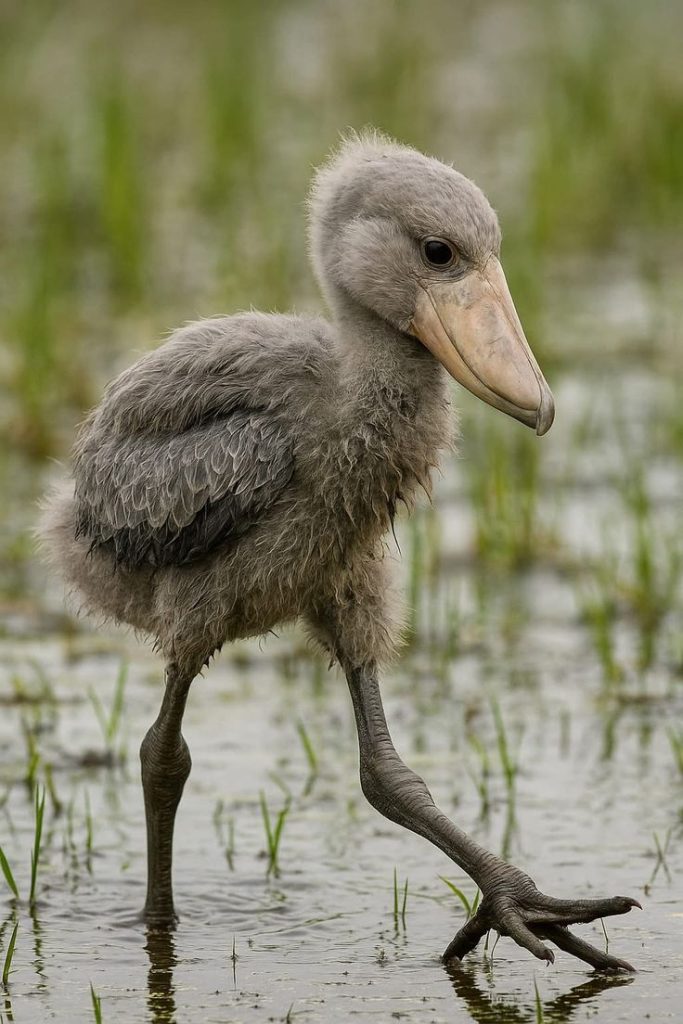
Written by Charles Lubega, Senior Safari Guide, Travel Giants Uganda 15+ years experience | 100+ Shoebill expeditions guided | IATA-certified The Explicit Answer: Where to See the Shoebill in Uganda Yes – Uganda is the best place in the world to see the Shoebill, and the single best location is Mabamba Swamp, just a 1-hour drive from Entebbe International Airport. With a local boat guide, your chance of seeing a Shoebill at Mabamba is 90-95% on a 2-3 hour morning trip. Other excellent locations include the Murchison Falls Delta (40-50% success rate) and Ziwa Rhino Sanctuary (40-50% success rate). For guaranteed sightings, go to Mabamba. For a more adventurous, wilderness experience, try Murchison. The Quick Overview Location Success Rate Travel Time from Entebbe Cost Best Time Difficulty Mabamba Swamp 90-95% 1 hour $50-80 7:00-10:00 AM ⭐ Easy Murchison Falls Delta 40-50% 5-6 hours Included in park fees + boat 8:00 AM or 2:00 PM ⭐⭐⭐ Moderate Ziwa Rhino Sanctuary 40-50% 2-3 hours $50-70 + rhino tracking 8:00-10:00 AM ⭐⭐ Easy Lake Mburo NP 30-40% 4 hours Park fees + guide Morning ⭐⭐ Easy Semliki Wildlife Reserve 30-40% 8-9 hours Park fees + guide Morning ⭐⭐⭐⭐ Difficult The Deeper Truth After 15 years of leading hundreds of Shoebill expeditions across Uganda, I can tell you: Mabamba is the gold standard. It’s close to the airport, affordable, and nearly guarantees a sighting. But if you’re already going to Murchison Falls for the safari experience, the Delta offers a wilder, more adventurous Shoebill search – with lower odds but higher reward. This guide tells you exactly how to maximize your chances at each location. As an IATA-certified tour operator with 15+ years of experience, Travel Giants Uganda has guided hundreds of Shoebill seekers. We know the best guides, the best times, and the best strategies. The Shoebill – Why This Bird Captivates Travelers Gist-first: The Shoebill isn’t beautiful in the traditional sense. It’s bizarre, prehistoric, and utterly mesmerizing. Shoebill Facts Fact Detail Scientific name Balaeniceps rex Height 110-140 cm (3.5-4.5 feet) – as tall as a small child Wingspan 230-260 cm (7.5-8.5 feet) – enormous Weight 4-7 kg (9-15 lbs) Lifespan 35-50 years in the wild Population 5,000-8,000 left in the wild (vulnerable) Uganda population Estimated 1,000-2,000 Diet Lungfish, tilapia, frogs, small reptiles Why It Looks Prehistoric Feature Why It’s Remarkable Bill Shoe-shaped, 20-25 cm long – the most distinctive bill in the bird world Eyes Stare straight ahead – look almost human-like Posture Stands motionless for hours – looks like a statue Behavior Clattering bill sound – like a machine gun Slow movement Moves with deliberate, almost robotic slowness The Shoebill’s Famous Behavior Behavior Description Standing motionless Can stand completely still for hours waiting for prey Explosive strike When prey approaches, strikes with lightning speed Bill clattering Territorial display – sounds like gunfire Fishing Specializes in lungfish – crushes them with its massive bill Insider tip: “The Shoebill’s stare is unforgettable. It looks at you like it’s been here for 80 million years and you’re just passing through. That’s the magic of this bird – it feels ancient. When you see one in the wild, you understand why people travel from across the world just for this moment.” [IMAGE: Close-up of Shoebill face, that iconic stare, morning light. Caption: “The Shoebill’s stare – prehistoric, patient, and unforgettable.”] Location #1 – Mabamba Swamp (The Gold Standard) Gist-first: If you want the highest possible chance of seeing a Shoebill, go to Mabamba. It’s that simple. Mabamba Swamp Overview Detail Information Location Lake Victoria shoreline, 50km west of Kampala / 1 hour from Entebbe Size 16,500 hectares of papyrus swamp Shoebill population 15-20 resident Shoebills Success rate 90-95% on a 2-3 hour morning trip Best time 7:00-10:00 AM (peak activity) Access 4×2 or 4×4 – road is fine Guide required? Yes – local boat guides essential Why Mabamba is the Best Reason Why It Matters Proximity to Entebbe 1 hour from the airport – can do on arrival or departure day High density of Shoebills 15-20 birds in a relatively small swamp Local guide expertise Guides have tracked these same birds for years Reliable sightings Guides know exactly which channels to check Easy logistics No park fees, no complicated permits Affordable $50-80 per boat (2-4 people) The Mabamba Experience – Step by Step Time Activity 6:00 AM Depart Entebbe (or Kampala) 7:00 AM Arrive at Mabamba landing site 7:15 AM Meet local boat guide, board small motorized canoe 7:30-10:00 AM Shoebill search – navigate papyrus channels 10:00 AM Return to landing site 10:30 AM Depart for next destination or return to Entebbe What Else You’ll See at Mabamba Species Probability Notes Papyrus Gonolek 95% Striking black and orange – almost guaranteed African Jacana 90% “Jesus bird” – walks on lily pads Malachite Kingfisher 70% Stunning blue and orange Pygmy Goose 60% Smallest waterfowl in Africa Blue-breasted Bee-eater 50% Beautiful colors Saddle-billed Stork 40% Tall, striking, colorful Practical Information Detail Information Boat cost $50-80 per boat (holds 2-4 people + guide) Guide tip $10-20 recommended Park fees None – it’s not a national park Walking None – you stay in the boat Wet season access Fine – water levels higher Dry season access Fine – channels may be narrower Insider tip: “Mabamba is the only place I confidently say ‘you will see a Shoebill.’ In over 100 trips, I’ve failed to find one maybe 3 times. The local guides are magicians – they know every bird, every channel, every hiding spot. Don’t skip Mabamba because you think it’s ‘too touristy.’ It’s popular for a reason: it works.” [IMAGE: Boat in Mabamba Swamp, papyrus channels, morning mist. Caption: “Mabamba Swamp – the world’s most reliable Shoebill site, just 1 hour from Entebbe.”] Location #2 – Murchison Falls Delta (The Wilderness Experience) Gist-first: For travelers already going to Murchison Falls, the Delta offers a wilder, more adventurous Shoebill search – with lower odds but higher reward. Murchison Falls Delta Overview Detail Information Location Where the Nile River meets Lake Albert, Murchison Falls NP Shoebill population 5-10
