
Self-Drive Safari in Uganda: Is it Safe and Possible? (2026 Honest Guide)

Written by Charles Lubega, Senior Safari Guide, Travel Giants Uganda 15+ years experience | Driven every major safari route | IATA-certified The Explicit Answer: Can You Self-Drive in Uganda? Yes, self-drive safari in Uganda is possible – but it’s not for everyone, and it’s often NOT cheaper than hiring a guide. You can rent a 4×4 vehicle from Kampala or Entebbe ($100-200/day) and drive yourself to most national parks. The main roads are paved and in good condition. However, park roads are rough, navigation can be challenging, wildlife encounters are dangerous if you don’t know protocols, and you’ll miss animals that guides spot. For experienced off-road drivers with good maps, self-drive is an adventure. For first-time safari travelers, I strongly recommend hiring a guide. The Quick Verdict Your Experience Level Verdict Recommendation First-time safari traveler ❌ Not recommended Hire a guide – you’ll see 2-3x more animals Experienced off-road driver ⚠️ Possible, with caution Rent a 4×4, bring GPS, study park maps Traveling solo (one person) ❌ Not cost-effective Guide costs less than renting a 4×4 alone Couple/group of 4 ⚠️ Possibly cost-effective Compare rental + fuel vs. guide fees Adventurer who values freedom ✅ Yes Self-drive gives you flexibility Traveling in wet season ❌ Not recommended Roads become impassable without local knowledge The Deeper Truth After 15 years of driving every road in Uganda, I can tell you: self-drive is NOT the money-saving hack many travelers think it is. Between rental costs, fuel, insurance, park fees for your vehicle, and the value of your time, a guided safari often costs the same or less – and you see more animals. That said, some travelers genuinely prefer the independence. This guide tells you exactly what you’re getting into. As an IATA-certified tour operator with 15+ years of experience driving Uganda’s roads, Travel Giants Uganda knows every pothole, every police checkpoint, and every animal crossing. We’ve rescued stranded self-drivers. We’ve seen the mistakes. Read this before you decide. The Short Answer – Self-Drive vs. Guided Safari Gist-first: Let me save you time: for most first-time safari travelers, self-drive is a bad idea. Here’s why in one table. Comparison at a Glance Factor Self-Drive Guided Safari Cost (7 days, 2 people) $2,200-3,000 $2,500-3,500 Animal sightings 40-60% of what a guide finds 100% (guides communicate) Stress level High (navigation, police, breakdowns) Low (you relax) Freedom Complete Moderate (you can request changes) Safety Moderate (wildlife risks) High (guide knows protocols) Road knowledge You learn as you go Guide knows every pothole Park navigation You’ll get lost Guide knows every track Best for Experienced, adventurous drivers Everyone else The Honest Bottom Line “I’ve seen self-drive work beautifully for a couple of experienced overlanders with a well-prepared 4×4. I’ve also seen self-drivers stuck in mud at 7 PM, lost in Bwindi’s maze of roads, and dangerously close to charging elephants. If you’re an experienced off-road driver with GPS, paper maps, and a backup plan, self-drive is an adventure. If this is your first safari, hire a guide. You’ll see more animals, stress less, and probably spend the same amount of money.” [IMAGE: Split image – guided safari vehicle with guide pointing (left) vs. self-drive 4×4 stuck in mud (right). Caption: “Guided safari vs. self-drive – the difference can be dramatic.”] The Cost Myth – Is Self-Drive Actually Cheaper? Gist-first: Most travelers assume self-drive saves money. Let me show you the real math. 7-Day Self-Drive Cost Breakdown (2 People, Mid-Range) Expense Cost Per Person Total (2 People) 4×4 rental (7 days) $350-500 $700-1,000 Fuel (2,000 km) $150-200 $300-400 Accommodation (6 nights, mid-range) $600-900 $1,200-1,800 Park entrance fees 280(7daysx280(7daysx40) $560 Gorilla permit (if included) $800 $1,600 Food (self-cater/mix) $150-200 $300-400 Insurance (rental + travel) $100-150 $200-300 Miscellaneous (water, snacks, etc.) $50-100 $100-200 TOTAL (without gorillas) $1,680-2,330 $3,360-4,660 TOTAL (with gorillas) $2,480-3,130 $4,960-6,260 7-Day Guided Safari Cost Breakdown (2 People, Mid-Range) Expense Cost Per Person Total (2 People) Guided safari package (includes vehicle, guide, accommodation, park fees, some meals) $2,500-3,500 $5,000-7,000 Gorilla permit (if included) $800 $1,600 TOTAL (with gorillas) $3,300-4,300 $6,600-8,600 The Surprising Truth Comparison Cost Difference Note Self-drive vs. guided (without gorillas) Self-drive saves $1,600-2,300 But you do all the work Self-drive vs. guided (with gorillas) Self-drive saves $1,300-2,300 Still significant savings BUT – self-drive misses animals Hard to quantify Guides find 2-3x more wildlife Value of your time/stress Priceless Guided = vacation. Self-drive = work. Hidden Costs of Self-Drive Hidden Cost Amount When It Happens Car damage (potholes, branches) $500-2,000 Common – insurance may not cover Towing/recovery $200-500 If you get stuck Speeding tickets $50-100 Police checkpoints everywhere Extra nights (delayed) $100-300 If you break down or get stuck Missing gorilla trek (late arrival) $800 (permit lost) If you miscalculate drive time Insider tip: “The math is closer than most people think. A guided safari is NOT 2-3x more expensive. It’s maybe 20-40% more – and you see 2-3x more animals. For first-timers, the value of a guide is enormous. For experienced overlanders who want the adventure, self-drive can make sense – but not primarily for cost savings.” The Real Challenges of Self-Drive in Uganda Gist-first: Driving in Uganda is NOT like driving in the US, UK, or Europe. Here’s what you’re actually signing up for. Road Conditions – The Good, The Bad, and The Ugly Gist-first: The main highways are surprisingly good. The park roads are surprisingly bad. Road Quality by Route Route Surface Condition Driving Time Difficulty Kampala → Murchison (via Masindi) Paved Good 5-6 hours Easy Kampala → Queen Elizabeth (via Mbarara) Paved Good (few potholes) 6-7 hours Easy Kampala → Bwindi (via Kabale) Paved + dirt Good to fair 7-8 hours Moderate Murchison → QENP Paved + dirt Fair 5-6 hours Moderate QENP → Bwindi (via Ishasha) Dirt Fair to rough 3-4 hours Challenging QENP → Bwindi (via Kabale) Paved + dirt Good to fair 5-6 hours Moderate Kitgum → Kidepo Dirt Rough 2-3 hours Very challenging Park Roads (Inside Parks) Park Road Condition 4×4 Required? Navigation Difficulty Queen Elizabeth (Kasenyi) Fair (graded dirt) Yes (in wet season)
Luxury Safari Lodges in Uganda: Top 10 Picks for 2026

Written by Charles Lubega, Senior Safari Guide, Travel Giants Uganda *15+ years experience | Stayed at every lodge on this list | IATA-certified* The Explicit Answer: Uganda’s Finest Luxury Safari Lodges Uganda’s luxury safari lodges rival the best in Africa – from treehouse-style suites overlooking Bwindi’s rainforest to cliffside lodges with panoramic views of the Kazinga Channel. The top 10 luxury lodges in Uganda for 2026 are: (1) Sanctuary Gorilla Forest Camp (Bwindi), (2) Apoka Safari Lodge (Kidepo), (3) Bwindi Lodge (Bwindi), (4) Mweya Safari Lodge (QENP), (5) Nile Safari Lodge (Murchison), (6) Kyambura Gorge Lodge (QENP), (7) Clouds Mountain Gorilla Lodge (Bwindi), (8) Paraa Safari Lodge (Murchison), (9) Elephant Plains Lodge (QENP), and (10) Chobe Safari Lodge (Murchison). Prices range from $400-1,500+ per night. The Quick Overview Rank Lodge Location Price Range (per night) Best For 1 Sanctuary Gorilla Forest Camp Bwindi (Buhoma) $800-1,500 Ultimate gorilla luxury 2 Apoka Safari Lodge Kidepo $600-1,000 Wilderness, solitude, cheetahs 3 Bwindi Lodge Bwindi (Buhoma) $500-800 Eco-luxury, gorillas 4 Mweya Safari Lodge QENP (Mweya) $300-500 Classic safari, Kazinga views 5 Nile Safari Lodge Murchison (South bank) $400-700 Nile views, ultra-luxury 6 Kyambura Gorge Lodge QENP (Kyambura) $400-600 Eco-luxury, chimp tracking 7 Clouds Mountain Gorilla Lodge Bwindi (Nkuringo) $500-800 Mountain views, intimate 8 Paraa Safari Lodge Murchison (South bank) $300-500 Historic, classic safari 9 Elephant Plains Lodge QENP (Ishasha) $350-500 Tree-climbing lions 10 Chobe Safari Lodge Murchison (South bank) $300-500 Family-friendly luxury The Deeper Truth After 15 years of staying at every luxury lodge in Uganda, I can tell you: the difference between a 500lodgeanda500lodgeanda1,500 lodge is real – but not always worth it for every traveler. The 1,500lodgesofferunparalleledservice,privacy,andexclusivity.The1,500lodgesofferunparalleledservice,privacy,andexclusivity.The500 lodges offer very comfortable luxury with excellent service. This guide helps you choose based on YOUR priorities – not just the highest price tag. *As an IATA-certified tour operator with 15+ years of experience, Travel Giants Uganda has booked thousands of nights at these lodges. We know which rooms have the best views, which lodges have the best guides, and which are truly worth the splurge.* How We Chose These Lodges – Our Criteria Gist-first: Not every expensive lodge is a great lodge. Here’s how we selected the top 10. Selection Criteria Criteria Weight What We Looked For Location 25% Prime wildlife viewing, stunning scenery, proximity to activities Service 25% Staff attentiveness, guide quality, attention to detail Accommodations 20% Room quality, comfort, design, amenities Food & Drink 15% Meal quality, variety, dietary accommodations Value for Money 10% Does the price match the experience? Sustainability 5% Eco-practices, community engagement What’s NOT on This List Omitted Why Budget or mid-range lodges This list is strictly luxury ($300+/night) Lodges we haven’t personally vetted We only recommend lodges we’ve stayed at Overpriced lodges that don’t deliver Price alone doesn’t guarantee quality Lodges with poor service reviews Consistently negative feedback disqualified them The Top 10 Luxury Lodges in Uganda for 2026 #1 – Sanctuary Gorilla Forest Camp (Bwindi) – The Ultimate Gorilla Luxury Gist-first: If money is no object and you want the finest gorilla trekking experience in Uganda, this is it. Overview Detail Information Location Bwindi Impenetrable Forest (Buhoma sector) Price range $800-1,500 per person per night Number of rooms 6 luxury tents (plus 2-bedroom family tent) Best for Honeymoons, special occasions, discerning travelers Unique feature Only lodge inside Bwindi’s forest (others are on edge) What Makes It Special Feature Why It’s Exceptional Forest location You’re IN the rainforest – monkeys in the trees, forest sounds at night Tented luxury Canvas walls, but with en-suite bathrooms, hot water, king beds Private dining Dinner can be served in your tent or in the forest clearing Exclusive experience Only 6 tents – maximum 12 guests Gorilla proximity Minutes from gorilla trekking departure point Room Types Room Description Best For Luxury Tented Suite King bed, en-suite bathroom, private veranda Couples Family Tent Two bedrooms, shared living area Families (rare in luxury lodges) What Guests Love Positive Guest Quote (paraphrased) “The forest location is magical” “Woke up to monkeys playing outside our tent” “Service is impeccable” “They remembered our names, our drink preferences, everything” “Food is outstanding” “Fine dining in the middle of the rainforest” “Gorillas are steps away” “10-minute walk to the trailhead” What Guests Don’t Love Negative Reality Check “Very expensive” Yes – it’s the most expensive lodge in Uganda “Basic compared to other luxury lodges in Africa” It’s tented luxury – not a concrete hotel “No Wi-Fi” Intentionally – to preserve the wilderness experience Insider tip: “Request Tent #3 or #4. They’re set deeper in the forest, with more privacy and better monkey viewing from your veranda. And book at least 6 months ahead – this lodge fills up fast.” [IMAGE: Sanctuary Gorilla Forest Camp, luxury tent interior, forest backdrop. Caption: “Sanctuary Gorilla Forest Camp – the ultimate luxury gorilla experience, inside Bwindi’s rainforest.”] #2 – Apoka Safari Lodge (Kidepo) – True Wilderness Luxury Gist-first: For travelers who want remote, wild, and spectacular – Apoka is a masterpiece. Overview Detail Information Location Kidepo Valley National Park (Narus Valley) Price range $600-1,000 per person per night Number of rooms 10 luxury bandas (cottages) Best for Wilderness lovers, cheetah seekers, photographers Unique feature Panoramic views of Narus Valley – animals right below your deck What Makes It Special Feature Why It’s Exceptional Spectacular location Built on a kopje (rocky hill) overlooking the entire Narus Valley Unbeatable views Watch elephants, buffalo, lions from your private deck Exclusive wilderness Kidepo sees ~5,000 visitors/year – you’ll feel like you have the park to yourself Cheetah territory Best base for Uganda’s only cheetah population Stunning design Stone and thatch bandas that blend into the landscape Room Types Room Description Best For Luxury Banda King bed, indoor/outdoor bathroom, private veranda with valley views Couples What Guests Love Positive Guest Quote (paraphrased) “The view is UNREAL” “Watched a herd of 500 buffalo from my bed” “Complete isolation” “Didn’t see another vehicle for 2 days” “Cheetahs!” “The lodge guides found cheetahs twice” “Stunning architecture” “The stone bandas are works of art” What Guests Don’t Love Negative Reality
Uganda Safari on a Budget: How to Save on Accommodation & Park Fees (2026)
Written by Charles Lubega, Senior Safari Guide, Travel Giants Uganda 15+ years experience | Hundreds of budget safaris planned | IATA-certified The Explicit Answer: Can You Do a Uganda Safari on a Budget? Yes, you can do a Uganda safari on a budget – a very comfortable one. The key is strategic choices: travel in low season (20-40% savings), stay in budget accommodation (40−80/nightinsteadof40−80/nightinsteadof200-400), share a vehicle with other travelers (solo drives cost triple), and book directly with local operators (avoid international middlemen). A 7-day budget safari including gorilla trekking can cost 2,000−2,500 per person –less than half the price of a luxury safari. The gorilla permit (2,000−2,500 per person–less than half the price of a luxury safari. The gorilla permit (800) is fixed – that’s your biggest expense. Everything else can be trimmed without ruining the experience. The Quick Overview Expense Category Luxury Safari Budget Safari Savings Gorilla permit $800 $800 $0 (fixed) Accommodation (per night) $250-500 $40-80 70-80% Transport (private 4×4) $250/day (solo) $80-100/day (shared) 60-70% Park entrance fees $40/day $40/day $0 (fixed) Meals $50-80/day $15-25/day 60-70% Total 7-day safari $4,500-6,000 $2,000-2,800 40-50% The Deeper Truth After 15 years of helping budget travelers plan safaris, I can tell you: you don’t need luxury lodges to have an incredible experience. The animals don’t care if you slept in a tent or a suite. The sunrise over the savanna looks the same. The gorillas are just as magical. Budget safari isn’t “roughing it” – it’s smart, strategic, and still comfortable. This guide shows you exactly how to save on every expense without missing the magic. As an IATA-certified tour operator with 15+ years of experience, Travel Giants Uganda offers budget-friendly safaris that don’t cut corners on the experience. We’ve helped hundreds of travelers save thousands of dollars. The Biggest Myth About Safari – “It’s Only for the Rich” Gist-first: Let me bust this myth right now: a Uganda safari can cost less than a week at Disney World. The Reality Check Safari Type Per Person Cost (7 days) Includes Per Day Cost Ultra-luxury $8,000-12,000 Private flights,顶级 lodges, everything $1,100-1,700 Luxury $4,500-6,000 Private 4×4, luxury lodges, most meals $650-850 Mid-range $3,000-4,000 Private/shared 4×4, comfortable lodges $430-570 Budget $2,000-2,800 Shared 4×4, basic lodges/camping $285-400 Backpacker $1,200-1,800 Public transport, camping, self-catering $170-260 Comparison with Other Vacations Vacation Type Typical Cost (7 days) Safari Comparison Disney World (family of 4) $5,000-7,000 Similar to budget safari All-inclusive Caribbean $2,500-4,000 Similar or more expensive European tour $2,500-4,000 Similar Uganda budget safari $2,000-2,800 Competitive Insider truth: “The ‘10,000 safari′ is a myth for most travelers. Yes, you CAN spend that much. You don′t HAVE to. Most of my budget clients spend 10,000 safari′ is a myth for most travelers. Yes, you CAN spend that much. You don′t HAVE to. Most of my budget clients spend 2,000-3,000 for 7 days including gorillas – and they have an unforgettable time.” [IMAGE: Infographic comparing luxury vs. budget safari costs side by side. Caption: “A budget safari costs 40-50% less than luxury – and you see the same animals.”] Strategy #1 – Travel in Low Season (20-40% Savings) Gist-first: The single biggest way to save money is also the simplest: travel when others don’t. Seasonal Price Comparison Season Months Accommodation Price Crowds Wildlife Viewing Recommendation Peak Dry June-Sept, Dec-Feb Highest (100%) Busy Excellent Best weather, highest prices Shoulder March, October 10-20% lower Moderate Good Good value Low Season April-May, November 20-40% lower Very low Fair-Good Best savings Low Season Savings Examples Lodge Type Peak Season Price Low Season Price Savings Budget lodge ($60) $60 $45-50 $10-15/night Mid-range lodge ($150) $150 $100-120 $30-50/night Luxury lodge ($350) $350 $220-280 $70-130/night 7-night trip savings – – $70-300+ What Low Season Actually Means Myth Reality “It rains all day every day” Rains are usually afternoon showers (1-3 hours) – mornings are often sunny “Roads are impassable” Main roads are fine – some dirt roads get muddy, but 4×4 handles it “No wildlife” Animals are still there – they’re more dispersed, but you’ll still see plenty “It’s miserable” With proper gear (rain jacket), it’s fine – and you save hundreds Best Low Season Months for Budget Travelers Month Savings Wildlife Road Conditions Verdict May 25-35% Good (late May improves) Fair to good ⭐⭐⭐⭐ Best value April 30-40% Fair to good Fair (muddy) ⭐⭐⭐ Good for tough travelers November 20-30% Good (short rains) Good ⭐⭐⭐⭐ Best birding + savings Insider tip: “May is my secret pick for budget travelers. The long rains are easing, parks are empty, lodges offer 30%+ discounts, and wildlife viewing is still good. You’ll need a rain jacket – but you’ll save $500-1,000. Worth it.” Strategy #2 – Stay in Budget Accommodation (70-80% Savings) Gist-first: The difference between a 400lodgeanda400lodgeanda60 lodge is often just the sheets and the pool. The animals don’t know the difference. Budget Accommodation Options by Park Queen Elizabeth National Park: Budget Option Price/Night Type Location Notes Pumba Safari Cottages $60-80 Bungalow Mweya Basic, clean, great location Simba Safari Camp $50-70 Tented camp Near park Good value Enganzi Game Lodge (dorm) $25-30 Dorm bed Hilltop Very budget UWA Bandas (Mweya) $30-50 Basic bandas Inside park Self-catering Murchison Falls National Park: Budget Option Price/Night Type Location Notes Red Chilli Rest Camp $40-80 Camping/tents Northern bank Best budget option Fort Murchison $80-120 Tented camp Northern bank Good value UWA Bandas (Paraa) $30-50 Basic bandas Southern bank Self-catering Bwindi Impenetrable Forest (Gorilla Trekking): Budget Option Price/Night Type Sector Notes Buhoma Community Rest Camp $50-80 Basic bandas Buhoma Best budget in Bwindi Bwindi View Bandas $40-60 Basic bandas Buhoma Very basic Rushaga Gorilla Camp (budget) $60-90 Tented camp Rushaga Good value Nkuringo Gorilla Camp (budget) $70-100 Tented camp Nkuringo Stunning views Entebbe (Start/End): Budget Option Price/Night Type Location Notes Karibu Guest House $60-80 Guesthouse Entebbe Best budget option Entebbe Backpackers $15-25 Dorm beds Near airport Very budget ViaVia Entebbe $50-70 Guesthouse Town center Good value Budget Accommodation Tips Tip Savings Stay outside the park (5-20 minutes away) 20-40% cheaper Use UWA bandas (government-run) $30-50/night – basic but safe Camp (if
5 Days in Kidepo Valley National Park: Uganda’s Hidden Gem (2026)

Written by Charles Lubega, Senior Safari Guide, Travel Giants Uganda 15+ years experience | Dozens of Kidepo expeditions guided | IATA-certified The Explicit Answer: Is Kidepo Worth the Journey? Yes – Kidepo Valley National Park is absolutely worth the journey. Often called “Uganda’s best-kept secret” and ranked by CNN as one of Africa’s best safari destinations, Kidepo offers something no other Ugandan park can: true wilderness, fewer than 50 tourists on a busy day, cheetahs (the only park in Uganda with them) , bat-eared foxes, aardwolves, and landscapes that feel like the Serengeti 50 years ago. The 5-day itinerary is the sweet spot – enough time to reach this remote park (10+ hours from Kampala), see the highlights, and return without rushing. The Quick Verdict Traveler Type Verdict 🏆 Experienced safari travelers Essential – you’ve seen the others, now see the best 🥾 Adventurers Perfect – remote, wild, off the beaten path 🌍 First-time safari travelers Maybe not – start with QENP + Murchison 📸 Photographers Essential – dramatic landscapes, unique wildlife 🚗 Those who hate long drives Fly – charter flights available (2 hours) 🌅 Those who want “Africa that was” Essential – Kidepo delivers The Deeper Truth After 15 years of guiding dozens of trips to Kidepo, I can tell you: this park is special. The Narus Valley at sunrise, with buffalo and elephants spreading across the plains, looks like a scene from Out of Africa. The cheetahs – Uganda’s only population – are worth the journey alone. And the Karamojong people, cousins of Kenya’s Maasai, add a cultural dimension you won’t find elsewhere. Yes, it’s far. Yes, it’s rugged. But for travelers who want the real Africa – not the crowded circuit – Kidepo is magic. As an IATA-certified tour operator with 15+ years of on-the-ground experience, Travel Giants Uganda has guided dozens of Kidepo expeditions. We know the roads, the wildlife, and the secrets of Uganda’s last true wilderness. Why Kidepo? – What Makes This Park Special Gist-first: Kidepo isn’t for everyone. But for the right traveler, it’s the best safari in Uganda. Kidepo at a Glance Fact Detail Location Far northeastern Uganda, bordering South Sudan and Kenya Distance from Kampala 700 km (435 miles) – 10-12 hours drive Size 1,442 sq km (557 sq miles) – Uganda’s second-largest park Annual visitors ~5,000 (compared to 150,000 at QENP) Established 1962 UNESCO status Biosphere Reserve Signature feature Untouched wilderness, cheetahs, dramatic landscapes What Makes Kidepo Unique Unique Feature Why It Matters Cheetahs The ONLY park in Uganda with wild cheetahs True wilderness Some days, you’ll see 0 other vehicles Narus Valley Dramatic plains framed by mountains – stunning photography Kidepo River Valley Dry riverbed with borassus palms – otherworldly landscape Karamojong people Semi-nomadic pastoralists – cultural visits available Animal diversity 80+ mammal species, 470+ birds Aardwolf & bat-eared fox Rare species not found elsewhere in Uganda Kidepo vs. Other Ugandan Parks Factor Kidepo QENP Murchison Crowds Minimal (~5,000/year) Busy (~150,000/year) Moderate (~80,000/year) Accessibility Difficult (10+ hours) Moderate (6-7 hours) Moderate (5-6 hours) Landscape Dramatic mountains + plains Rolling savanna River gorge + plains Cheetahs ✅ Yes ❌ No ❌ No Giraffes ✅ Yes (rarer) ❌ No ✅ Yes Tree-climbing lions ❌ No ✅ Yes (Ishasha) ❌ No Elephants ✅ Yes (large herds) ✅ Yes ✅ Yes Buffalo ✅ Yes (large herds) ✅ Yes ✅ Yes Lions ✅ Yes ✅ Yes ✅ Yes Leopards ✅ Yes ✅ Yes ✅ Yes Rhinos ❌ No ❌ No ❌ No Best for Wilderness, cheetahs, solitude Tree lions, variety Waterfall, giraffes [IMAGE: Wide landscape of Narus Valley, mountains in background, golden light. Caption: “Kidepo’s Narus Valley – often called the most beautiful savanna in Uganda.”] The 5-Day Kidepo Itinerary – Day by Day Gist-first: Five days is the perfect amount of time for Kidepo: two days to get there, two full days in the park, and one day to return. Here’s exactly how it unfolds. Day 1 – Kampala/Entebbe to Gulu (or Kitgum) Time Activity Notes 6:00 AM Depart Kampala/Entebbe Early start essential 8:00 AM Stop in Luwero Breakfast, restroom 10:30 AM Stop at Karuma Falls Stretch legs, photos of falls 12:30 PM Arrive Gulu Lunch, fuel 2:00 PM Continue to Kitgum (or direct to Kidepo) Road worsens 5:00 PM Arrive Kidepo area OR overnight in Kitgum Option 1: reach Kidepo late. Option 2: overnight in Kitgum Why break the journey: “The drive to Kidepo is long and tiring (10-12 hours). I strongly recommend breaking it into two days – overnight in Gulu or Kitgum. You’ll arrive at Kidepo fresh, not exhausted. The final 2-3 hours of road (Kitgum to Kidepo) is particularly rough – you don’t want to drive it in the dark.” Where to Overnight En Route Location Option Price Notes Gulu Acholi Inn $80-120 Best option in Gulu Gulu Churchill Courts $40-60 Budget option Kitgum Kidepo Savanna Lodge (outside park) $60-100 Closer to park Day 2 – Arrival in Kidepo & Afternoon Game Drive Time Activity Notes 7:00 AM Depart Gulu/Kitgum After breakfast 10:00 AM Arrive Kidepo (Karurama gate) 2-3 hours from Kitgum 10:30 AM Check into lodge Apoka area (inside park) 11:00 AM – 1:00 PM Rest, lunch Recover from drive 3:30 PM Afternoon game drive (Narus Valley) 3-4 hours – prime wildlife viewing 6:30 PM Return to lodge, sunset drinks – 7:30 PM Dinner – Day 3 – Full Day Game Drives (Narus Valley) Time Activity Notes 6:30 AM Morning game drive (Narus Valley) 3-4 hours – best for predators 10:00 AM Return to lodge, brunch – 11:00 AM – 2:00 PM Rest, pool, edit photos Midday heat 2:00 PM Lunch – 3:30 PM Afternoon game drive (Narus Valley) 3-4 hours – golden hour 6:30 PM Return to lodge, sunset – 7:30 PM Dinner – 8:30 PM Optional night drive Extra cost Day 4 – Morning Drive & Kidepo Valley OR Cultural Visit Option Activity Notes Option A: Kidepo Valley Morning drive to Kidepo River Valley Dramatic dry riverbed, borassus palms, ostriches (rare) Option B: Karamojong Village Cultural visit to local Karamojong manyatta Learn about semi-nomadic pastoralist culture Option C: Second Narus
How to See the Big 5 Animals in Uganda (Lions, Leopards, Elephants, Buffalo, Rhino) – 2026 Guide

Written by Charles Lubega, Senior Safari Guide, Travel Giants Uganda 15+ years experience | 100+ Big Five quests guided | IATA-certified The Explicit Answer: Can You See the Big Five in Uganda? Yes, you can see the Big Five in Uganda – but with one important caveat: the rhino is only found at Ziwa Rhino Sanctuary, not in national parks. The other four (lion, leopard, elephant, buffalo) are present in Queen Elizabeth and Murchison Falls National Parks. Here’s your realistic probability of seeing each: Animal Probability Best Location Difficulty Elephant 95-100% QENP, Murchison Falls Easy Buffalo 90-95% QENP, Murchison Falls Easy Lion 60-70% (dry season) QENP (Kasenyi), Murchison (Buligi) Moderate Leopard 15-20% QENP, Murchison, Lake Mburo Difficult Rhino 99% (at Ziwa only) Ziwa Rhino Sanctuary Easy (but requires detour) With a well-planned 8-10 day itinerary including Queen Elizabeth, Murchison Falls, and Ziwa Sanctuary, completing the Big Five is achievable for most travelers — though the leopard remains the true bottleneck. The Quick Overview Animal Uganda Presence Best Location Probability Difficulty Elephant ✅ Common QENP, Murchison, Kidepo 95-100% Easy Buffalo ✅ Common QENP, Murchison, Kidepo 90-95% Easy Lion ✅ Present QENP (Kasenyi), Murchison (Buligi) 60-70% (dry season) Moderate Leopard ✅ Present (elusive) QENP (Kasenyi), Murchison (Buligi) 15-20% Difficult Rhino ⚠️ Only at Ziwa Sanctuary Ziwa Rhino Sanctuary (not national parks) 99% Easy (but requires detour) The Deeper Truth After 15 years of guiding hundreds of travelers on Big Five quests in Uganda, I can tell you: elephants and buffalo are easy. Lions require good timing and a good guide. Leopards are genuinely difficult – most safaris don’t see them. Rhinos require a specific detour to Ziwa Sanctuary (which isn’t a national park). But here’s the honest truth: the Big Five is overrated as a checklist. Uganda offers so much more – gorillas, chimpanzees, tree-climbing lions, incredible birding. That said, if completing the Big Five matters to you, this guide tells you exactly how to do it. As an IATA-certified tour operator with 15+ years of on-the-ground experience, Travel Giants Uganda has guided thousands of Big Five quests. We know where lions hide, where leopards hunt, and how to add Ziwa seamlessly to your itinerary. What Is the “Big Five”? (And Why Is It Called That?) Gist-first: The Big Five weren’t named for their size. They were named for being the most dangerous animals to hunt on foot. The Origin Story Fact Detail Origin Colonial-era trophy hunters Meaning The five most difficult and dangerous animals to hunt on foot The List Lion, leopard, elephant, buffalo, rhino Irony They’re not the five largest (hippo and giraffe are larger than some) Modern usage Safari tourists’ checklist The Big Five Animals Animal Why Dangerous to Hunt Modern Safari Appeal Lion Will charge, powerful predator Apex predator, social behavior Leopard Elusive, hides in trees, nocturnal Rare, beautiful, challenging to spot Elephant Largest land animal, charges, intelligent Majestic, family groups, memorable Buffalo Unpredictable, charges without warning “Black death” – grumpy, dangerous Rhino Charges blindly, thick skin, powerful Endangered, prehistoric appearance What the Big Five Is NOT Misconception Reality “The five largest animals” Hippo and giraffe are larger than leopard and rhino (sometimes) “The most common animals” Leopard is rare – much harder to see than hippos or giraffes “The only animals worth seeing” Gorillas, chimps, tree-climbing lions, shoebills – all incredible The Honest Take “I’ve guided travelers who obsessed over the Big Five checklist – and missed the gorillas because they were too focused on finding a leopard. Don’t be that traveler. The Big Five is a fun goal, but Uganda’s real treasures are the gorillas, the tree-climbing lions, the chimpanzees, and the shoebill. Keep the Big Five in perspective.” [IMAGE: Collage of all Big Five animals (lion, leopard, elephant, buffalo, rhino). Caption: “The Big Five – named by hunters as the most dangerous animals to hunt on foot.”] Big Five Animal #1 – Elephant (The Easiest) Gist-first: Elephants are everywhere in Uganda’s savanna parks. You’ll almost certainly see them – probably within your first game drive. Elephant Facts Fact Detail Species African bush elephant (Loxodonta africana) Population in Uganda ~5,000+ Size Up to 13 feet tall, 6,000-7,000 kg Lifespan 60-70 years Social structure Matriarchal herds (females + young), males solitary Where to See Elephants in Uganda Park Probability Best Location Best Time Queen Elizabeth NP 95-100% Kasenyi Plains, Kazinga Channel, Ishasha Late afternoon (drinking) Murchison Falls NP 90-95% Buligi circuit, Nile River banks Late afternoon Kidepo Valley NP 90% Narus Valley Morning or late afternoon Other parks Lower Kibale (forest elephants, rare) – Best Places for Elephant Viewing Specific Location Why It’s Good Kazinga Channel (QENP) Elephants come to drink and bathe – seen from boat Kasenyi Plains (QENP) Herds of 20-50 common on open plains Buligi circuit (Murchison) Elephants along the Nile, often crossing Ishasha (QENP) Elephants among fig trees – beautiful photography What You’ll See Behavior When to See Grazing Morning and evening Drinking Late afternoon (peak at water sources) Bathing Late afternoon (throwing water on backs) Herd movement Any time – family groups with calves Males in musth Seasonal (aggressive – keep distance) Probability by Season Season Probability Notes Dry (June-Sept, Dec-Feb) 99% Concentrated at water sources Wet (Mar-May, Oct-Nov) 90-95% Dispersed but still common Insider tip: “The best elephant viewing in Uganda is on the Kazinga Channel boat safari (2:00 PM cruise) or the Murchison Nile boat safari (2:00 PM cruise). You’ll see elephants drinking, bathing, and crossing the water. It’s unforgettable.” [IMAGE: Elephant herd at Kazinga Channel, drinking, golden hour. Caption: “Elephants are the easiest Big Five animal to see in Uganda – you’ll almost certainly encounter them.”] Big Five Animal #2 – African Buffalo (Also Easy) Gist-first: Buffalo are everywhere in Uganda’s savanna parks – large, grumpy herds of “Black Death.” You’ll see them. Buffalo Facts Fact Detail Species African buffalo (Syncerus caffer) Nickname “Black Death” (kills more hunters than any other animal) Population in Uganda ~15,000+ Size Up to 6 feet tall, 500-900 kg Lifespan 15-25 years Temperament Unpredictable, dangerous when threatened Where to See
Game Drive Guide: Best Time of Day for Safari in Uganda (2026)

The best time for a game drive in Uganda is dawn (6:00-9:00 AM) and late afternoon (4:00-6:30 PM). These “golden windows” align with peak animal activity – predators hunt at dawn and dusk, herbivores graze in the cooler hours, and the golden light makes for spectacular photography. The midday heat (10:00 AM – 3:00 PM) drives most animals into shade, making game drives less productive. If you can only do one drive, choose the early morning – it consistently delivers the best predator sightings. Time of Day Animal Activity Predator Sightings Photography Light Temperature Recommendation Dawn (5:30-6:30 AM) 🌄 Excellent ⭐⭐⭐⭐⭐ 🌅 Soft, golden Cool Essential for predators Morning (6:30-10:00 AM) 🦁 Peak ⭐⭐⭐⭐⭐ ☀️ Good to harsh Comfortable Best all-around drive Midday (10:00 AM – 3:00 PM) 😴 Low ⭐⭐ ☀️ Harsh Hot Rest at lodge Late Afternoon (3:30-6:30 PM) 🦒 Resurging ⭐⭐⭐⭐ 🌇 Golden, dramatic Cooling Best photography Night (7:00-9:00 PM) 🌙 Nocturnal ⭐⭐⭐⭐ (leopards, hyenas) 🔦 Spotlight Cool Good for predators The deeper truth: After 15 years of guiding hundreds of game drives in Queen Elizabeth, Murchison Falls, and other parks, I’ve learned that timing is everything. I’ve seen travelers arrive at 9:00 AM (after a leisurely breakfast) and see nothing but sleeping lions and distant elephants. Meanwhile, the 6:30 AM drive saw a lion kill, a leopard in a tree, and a hyena chase. This guide explains WHY animals behave the way they do – and exactly when YOU should be in the bush. Authority signal: As an IATA-certified tour operator with 15+ years of on-the-ground experience, Travel Giants Uganda has guided thousands of game drives. We know when lions hunt, when leopards move, and when elephants come to water. We don’t guess – we know. Why Timing Matters – The Rhythm of the African Bush Animals don’t wear watches, but they follow predictable daily patterns. Learn these patterns, and you’ll see more wildlife in 2 hours than most travelers see in 2 days. The Daily Wildlife Cycle Time Period Animal Behavior What This Means for You Night (9 PM – 5:30 AM) Predators hunt, herbivores rest in safe areas You’re sleeping (but night drives available) Dawn (5:30-6:30 AM) Night shift ends, day shift begins – lions return from hunt, leopards settle, hyenas retreat Best time for predators returning to rest Morning (6:30-10:00 AM) Peak activity – herbivores graze, predators visible after hunting BEST WINDOW – see everything Midday (10 AM – 3 PM) All animals rest in shade – too hot for activity Break time – nap, pool, lunch Afternoon (3-4 PM) Animals begin stirring, moving toward water Activity slowly resumes Late Afternoon (4-6:30 PM) Peak activity again – herbivores water, predators begin hunting prep SECOND BEST WINDOW – golden hour Dusk (6:30-7 PM) Day shift ends, night shift begins Transition – often very active The Science Behind the Patterns Factor Why It Matters Temperature Animals avoid midday heat – they rest in shade Predator-prey dynamics Predators hunt when prey is active and light favors ambush (dawn/dusk) Water needs Herbivores drink at dawn and dusk – predators know this Light levels Lions hunt when light is low – their eyes are adapted for low light [IMAGE PLACEMENT 1 – Infographic showing animal activity levels across 24 hours. Caption: “The African bush has a rhythm – learn it, and you’ll see more wildlife.”] The Dawn Drive (5:30-6:30 AM) – The Predator’s Hour Most tourists are still asleep. This is when the magic happens. What’s Happening in the Bush at Dawn Animal Activity Why Lions Returning from night hunt, settling to rest They hunt at night – dawn is when you find them before they hide Leopards Settling into trees after night hunting Often visible in trees at first light Hyenas Returning to dens after night hunting Can be seen at den entrances Elephants Beginning to feed (they feed 16-18 hours/day) Active but not yet heading to water Hippos Returning to water from night grazing You’ll see them crossing paths, hurrying to water Herbivores Grazing intensely before heat arrives Zebras, antelopes, buffalo all active Dawn Drive Details Factor Information Departure time Park gates open at 6:30 AM (5:30-6:30 AM for lodges inside parks) Duration 2-3 hours (until 8:30-9:30 AM) Best for Lions, leopards, hyenas, returning hippos Photography Soft, warm light – excellent Temperature Cool – bring a jacket Crowds Minimal – dedicated early risers only What You Might See (Real Probabilities) Animal Probability (Dawn Drive) Notes Lions returning to rest 60-70% (Kasenyi, Buligi) Best chance of the day Leopards settling in trees 20-30% (dawn is your best shot) Still rare but highest probability Hyenas 50% Common at dawn Hippos returning to water 80-90% If you’re near water Elephants 90% Always active Predators with kills 10-15% Magical if you find it Insider tip: *“The dawn drive is for predators. If lions are your priority, you NEED to be in the park when gates open at 6:30 AM. I’ve seen clients arrive at 8:00 AM and ask ‘where are all the lions?’ They’re sleeping under bushes, invisible. The 90-minute head start changes everything.”* [IMAGE PLACEMENT 2 – Lion at dawn, golden light, returning from hunt. Caption: “The dawn drive – when predators return from night hunting and settle to rest.”] The Morning Drive (6:30-10:00 AM) – The Golden Window This is the most productive game drive of the day. If you only do one drive, do this one. What’s Happening in the Bush (6:30-10:00 AM) Time Animal Activity 6:30-7:30 AM Predators settling, herbivores intensely grazing, birds most active 7:30-8:30 AM Herbivores beginning to rest, elephants heading to water 8:30-10:00 AM Activity slowing, animals moving to shade Morning Drive Details Factor Information Departure time 6:30 AM (park gates open) Duration 3-4 hours (until 10:00-10:30 AM) Best for EVERYTHING – most productive window Photography Good early (soft), harsh by 9:30 AM Temperature Cool to warm – comfortable Crowds Busiest – most tourists do this drive What You’ll See (Hour by Hour) Time Best Animal Sightings Notes 6:30-7:30 AM Lions (resting), leopards (if dawn drive missed them),
Rhino Tracking at Ziwa Sanctuary: A Complete Guide (2026)

Written by Charles Lubega, Senior Safari Guide, Travel Giants Uganda 15+ years experience | 100+ Ziwa visits guided | IATA-certified The Explicit Answer: Is Ziwa Rhino Sanctuary Worth It? Ziwa Rhino Sanctuary is the ONLY place in Uganda to see rhinos – and yes, it’s absolutely worth the detour if completing the Big Five matters to you. Located 2-3 hours from Kampala (on the way to Murchison Falls), Ziwa is a successful reintroduction project for southern white rhinos. You’ll track rhinos on foot with an armed ranger, getting within 20-50 feet of these massive, endangered animals. It’s not a zoo – it’s a sanctuary where rhinos roam 70 square kilometers of bush. The experience takes 1-2 hours and costs $50-70 per person. The Quick Verdict Priority Verdict 🦏 Big Five completists Absolutely essential (only place in Uganda) 🥾 First-time safari travelers Highly recommended (unique walking experience) 🗺️ Travelers going to Murchison Falls Perfect add-on (it’s on the way) 🦍 Travelers only doing Bwindi + QENP Possible detour (adds 4-5 hours driving) 💰 Budget travelers Worth $50-70 (best value for a unique experience) 🌍 Those who’ve seen rhinos elsewhere Skip (if you’ve seen wild rhinos before) The Deeper Truth After 15 years of guiding hundreds of travelers to Ziwa, I can tell you: walking within 50 feet of a 2,500kg rhino is terrifying and magical. There’s no vehicle between you and the animal – just an armed ranger and a lot of respect. It’s the closest most travelers will ever get to a wild rhino. This guide covers everything: what to expect, how to book, when to go, and whether it’s worth adding to YOUR itinerary. As an IATA-certified tour operator with 15+ years of on-the-ground experience, Travel Giants Uganda has guided thousands of clients to Ziwa Rhino Sanctuary. We know the rangers, the rhinos (by name), and exactly how to maximize your experience. What Is Ziwa Rhino Sanctuary? (And Why Does It Exist?) Gist-first: Ziwa isn’t a national park. It’s a rhino reintroduction project – and a remarkable success story. The Basics Fact Detail Location Nakasongola district, central Uganda Size 70 sq km (27 sq miles) Distance from Kampala 2-3 hours (170km / 105 miles) Distance from Murchison Falls 2-3 hours Rhino species Southern white rhino (Ceratotherium simum simum) Current population ~35-40 rhinos (growing) Established 2005 Managed by Ziwa Rhino Sanctuary Trust + Uganda Wildlife Authority Why Ziwa Exists Historical Fact Detail Rhinos in Uganda historically Northern white rhinos were native to Uganda Extinction in Uganda Poaching eliminated rhinos by 1983 Reintroduction 2005-2006: 6 southern white rhinos brought from Kenya Success Population has grown to ~35-40, with multiple births What Makes Ziwa Different Factor Ziwa Sanctuary National Park (e.g., QENP) Rhinos present Yes (only place in Uganda) No Tracking method On foot with armed ranger Vehicle (if rhinos were present) Fencing Fenced perimeter Open Primary purpose Rhino breeding and protection General wildlife conservation Size 70 sq km 1,000+ sq km The Success Story “When Ziwa started in 2005, many said rhinos couldn’t be reintroduced to Uganda. Twenty years later, the sanctuary has produced dozens of calves. Some have even been translocated to other parks (though not yet released into unfenced areas – that’s the next goal). Walking through Ziwa, seeing a mother rhino with her calf, you realize: this is conservation working. It’s not wild in the purest sense – there’s a fence around the sanctuary. But the rhinos are wild, untamed, and dangerous. And they’re thriving.” [IMAGE: White rhino mother and calf at Ziwa, natural bush background. Caption: “Ziwa’s breeding program has grown from 6 to 35+ rhinos – a conservation success story.”] The Experience – What Is Rhino Tracking Really Like? Gist-first: You’re not in a vehicle. You’re on foot. With a 2,500kg animal that could kill you. Here’s what that actually feels like. Step-by-Step Experience Step What Happens Duration 1. Arrival Register at reception, pay fees, meet your ranger 15 minutes 2. Briefing Safety instructions, rhino behavior, what to do if charged 10 minutes 3. Tracking Drive with ranger to rhino location OR walk from sanctuary 15-45 minutes 4. Approach Walk slowly toward rhinos, staying downwind 5-10 minutes 5. Observation Spend 30-60 minutes watching rhinos from 20-50 feet away 30-60 minutes 6. Return Walk back to vehicle or sanctuary 15-45 minutes The Safety Briefing (What You’ll Be Told) Rule Why Stay behind the ranger at all times He’s trained to read rhino behavior Don’t run if charged Running triggers predator response Speak quietly or not at all Loud noises may startle rhinos Don’t use flash photography May agitate rhinos If rhino looks at you, freeze Assesses threat – don’t move If rhino charges, climb a tree Rangers will distract the rhino The Emotional Arc of a Ziwa Visit Stage Feeling Before tracking Excited, a little nervous During briefing “Wait, this is actually dangerous?” Tracking Anticipation, scanning the bush First sighting “There it is. That’s huge.” Approaching Heart racing, adrenaline pumping Observation Awe, respect, thrill, peace Walking away Relieved, exhilarated, proud Afterwards “That was the best $70 I’ve ever spent.” What the Ranger Does Ranger Action Why Leads the group He sees the rhino first Reads rhino body language Knows when rhino is agitated Positions group downwind Rhinos have poor eyesight but great smell Carries a rifle Last resort if rhino charges Communicates with other rangers Coordinates tracking The Honest Truth About Danger “Yes, rhinos are dangerous. They’ve killed people. But the rangers at Ziwa are experts. They’ve tracked these same rhinos for years – they know each animal’s personality. ‘Grumpy’ is aggressive. ‘Mellow’ is relaxed. They won’t take you close to a rhino that’s agitated. I’ve done this over 100 times. I’ve never felt genuinely unsafe. Nervous? Yes. Excited? Yes. But the rangers know what they’re doing. Trust them.” [IMAGE: Ranger leading group on foot, rhino visible in distance, natural bush. Caption: “You’ll track rhinos on foot with an armed ranger – getting closer than any vehicle safari allows.”] How Close Will You Get to the Rhinos? Gist-first: Close. Closer than you’d expect. But not too close. Here’s the
The Best of the Best: Top-Rated Uganda Safaris & Travel Giants’ Signature Trips (2026)

The best Uganda safari for most first-timers is a 7-day itinerary combining Bwindi gorilla trekking, Queen Elizabeth’s tree-climbing lions, and a boat safari on the Kazinga Channel. But “best” depends on your budget, time, and priorities. After 15 years and hundreds of safaris guided across every major park in Uganda, I can tell you this with confidence: there is no single “best” safari for everyone. But there is a best safari for YOU. This guide breaks down our top-rated trips, what makes each one special, and exactly who should book which itinerary. Safari Type Duration Best For Price Range (per person) Gorillas & Wildlife Express 7 days First-timers who want the classics 2,500−2,500−3,500 Primates & Plains 10 days Wildlife enthusiasts, photographers 3,500−3,500−5,000 Ultimate Uganda 12 days Those who want everything 4,500−4,500−6,500 Gorilla Trekking Special 4 days Budget-conscious, gorilla-focused 1,800−1,800−2,500 Luxury Gorilla & Safari 8 days Honeymooners, luxury travelers 6,000−6,000−9,000 Chimpanzee & Gorilla Combo 6 days Primate lovers 2,200−2,200−3,200 The deeper truth: After 15 years of guiding hundreds of travelers through Uganda, I’ve learned that the “best” safari isn’t the longest or the most expensive—it’s the one that matches your energy, your budget, and your dreams. I’ve watched travelers on a 4-day gorilla trek have a more profound experience than someone on a 14-day luxury tour. I’ve also watched travelers regret not adding one more day for chimpanzees. This guide will help you choose the right trip for YOU. Authority signal: As an IATA-certified tour operator with 15+ years of on-the-ground experience, Travel Giants Uganda has guided thousands of clients through every national park. We know what works, what doesn’t, and which itineraries consistently earn five-star reviews. Why Trust Travel Giants Uganda With Your Safari? Before we dive into the trips, let me tell you why hundreds of travelers have chosen us—and why you should too. Our Credentials Credential What It Means For You IATA-certified We’re legitimate, bonded, and accountable—not a fly-by-night operator UTB licensed Fully registered with Uganda Tourism Board AUTO member Active member of Association of Uganda Tour Operators 4.9 stars (217 reviews) Real clients, real experiences, consistently excellent TripAdvisor Travelers’ Choice 2024 Ranked among the best in Uganda 15+ years experience We’ve been guiding since before gorilla permits cost $800 What Our Clients Say “Travel Giants exceeded every expectation. Charles and his team handled every detail—permits, lodging, transfers, even helping with a last-minute flight change. The gorilla trek was life-changing. Worth every penny.” — Sarah M., Colorado (TripAdvisor, 2025) “I was nervous about booking with a local operator I found online. Travel Giants made me feel safe and informed from the first email. Our guide knew exactly where to find the tree-climbing lions. We saw three! Absolutely incredible.” — David and Linda P., UK (TripAdvisor, 2024) *“The 10-day Primates & Plains safari was perfect. Gorillas, chimps, tree lions, the Kazinga Channel—we saw everything. Our guide was knowledgeable, patient, and genuinely cared about our experience. I’ve already recommended Travel Giants to four friends.”* — Michael T., Australia (TripAdvisor, 2025) Our Guiding Philosophy We don’t sell safaris. We craft experiences. We don’t guarantee sightings (no ethical operator can). But we guarantee honesty, expertise, and 100% effort to make your trip unforgettable. We also believe in liberating you from anxiety. Every client gets a detailed pre-trip planning packet, 24/7 in-country support, and a guide who knows every road, every animal hotspot, and every insider secret. Now, let’s find your perfect safari. [IMAGE PLACEMENT 1 – Guide with clients in safari vehicle, smiling, golden hour light. Caption: “Travel Giants Uganda guides: 15+ years experience, 4.9 stars, and a genuine passion for showing you Uganda.”] Our Signature Safaris – Ranked by Popularity Gist-first opening: “These are our top-selling trips, ranked by how many travelers choose them. Start here, then read the detailed descriptions.” At a Glance: Which Safari Is Right For You? If You Want… Choose This Safari Duration The classic Uganda experience (gorillas + tree lions + boat safari) Gorillas & Wildlife Express 7 days Gorillas AND chimpanzees (primate focus) Chimpanzee & Gorilla Combo 6 days Everything (gorillas, chimps, tree lions, Murchison Falls, rhinos) Ultimate Uganda 12 days Only gorillas (budget-focused) Gorilla Trekking Special 4 days Maximum wildlife photography Primates & Plains 10 days Luxury experience (best lodges, private everything) Luxury Gorilla & Safari 8 days 1. Gorillas & Wildlife Express (7 Days) – ⭐ MOST POPULAR Gist-first opening: “This is our best-selling safari for a reason. In 7 days, you’ll see Uganda’s three biggest highlights: gorillas in Bwindi, tree-climbing lions in Queen Elizabeth, and the Kazinga Channel boat safari.” Quick Facts Detail Information Duration 7 days / 6 nights Price 2,500−2,500−3,500 per person (depending on accommodation level) Best for First-timers who want the classics When to go Year-round (dry season June-Sept, Dec-Feb is ideal) Group size 2-6 people (private departures available) Physical rating Moderate (gorilla trek requires fitness) Full Itinerary Day Morning Afternoon Overnight Day 1 Arrive Entebbe, meet your guide Transfer to Lake Mburo (4 hours) or rest in Entebbe Entebbe or Lake Mburo Day 2 Drive to Bwindi (6-7 hours) Arrive, rest, forest orientation Bwindi (Rushaga or Buhoma) Day 3 Gorilla trekking (4-8 hours including trek) Rest, celebrate, optional community walk Bwindi Day 4 Drive to Queen Elizabeth (4-5 hours) Evening game drive (Kasenyi Plains) Queen Elizabeth (Mweya) Day 5 Morning game drive (6:30 AM) Kazinga Channel boat safari (2:00 PM) Queen Elizabeth (Mweya) Day 6 Drive to Ishasha (2-3 hours) OR second game drive Tree-climbing lion search (Ishasha, 4-6:30 PM) Ishasha or Mweya Day 7 Morning game drive (Ishasha) OR drive to Kampala Transfer to Entebwe (6-7 hours) Departure What You’ll See Animal/Experience Probability Notes Mountain gorillas 98%+ The main event—life-changing Tree-climbing lions 60-70% (dry season) Ishasha sector, late afternoon Elephants 90% QENP and Bwindi (forest elephants) Hippos 100% Kazinga Channel—hundreds Buffalo 90% QENP Giraffes 0% Not in QENP (choose Murchison for giraffes) Chimpanzees 0% Not included (choose 10-day for chimps) What’s Included vs. Excluded Included Not Included Gorilla permit ($800) International flights All accommodation (6 nights) Visas ($50-100) All meals (as specified) Travel insurance Safari vehicle (4×4) with pop-up roof Tips (guides, porters, lodge
Boat Cruise on the Kazinga Channel: Best Wildlife Viewing Guide

Written by Charles Lubega, Senior Safari Guide, Travel Giants Uganda *15+ years experience | 200+ Kazinga cruises guided | IATA-certified* The Explicit Answer: Is the Kazinga Channel Boat Cruise Worth It? Yes, the Kazinga Channel boat cruise is absolutely worth it – it’s often the highlight of a Queen Elizabeth safari. This 40-kilometer channel connects Lake George and Lake Edward, and it has the highest concentration of hippos in East Africa (thousands of them). You’ll see hippos, elephants, buffalo, crocodiles, and incredible birdlife – all from the safety of a boat, often within 20-50 feet. It’s a completely different perspective than a game drive, and for many travelers, it’s the most memorable part of their Uganda safari. The Quick Verdict Priority Verdict 🦛 Hippo viewing Unmissable – highest density in East Africa 🐘 Elephant viewing Excellent – they come to drink and bathe 🐦 Birders World-class – over 600 species in the park 📸 Photographers Outstanding – eye-level perspective 👨👩👧👦 Families Perfect – safe, easy, engaging for kids 💰 Tight budget Worth $30-50 – best value activity in the park The Deeper Truth After 15 years of guiding hundreds of clients on the Kazinga Channel, I’ve never had anyone tell me they regretted it. The 2-hour cruise delivers consistent wildlife viewing that rivals any boat safari in Africa. You’ll see more hippos in 2 hours than you’ll see elephants in 2 days on a game drive. It’s not a ‘maybe’ activity – it’s essential. *As an IATA-certified tour operator with 15+ years of on-the-ground experience, Travel Giants Uganda has guided thousands of clients on the Kazinga Channel. We know exactly when to go, where to sit, and how to maximize your experience.* What Is the Kazinga Channel? (And Why Is It So Special?) Gist-first: A 40-kilometer natural channel connecting two lakes – and one of the most wildlife-rich bodies of water in Africa. The Basics Fact Detail Length 40 km (25 miles) Location Queen Elizabeth National Park, Uganda Connects Lake George (east) to Lake Edward (west) Width Varies from 500m to 2km Depth Shallow (3-10 meters on average) Water source Rivers from Rwenzori Mountains Hippo population Estimated 3,000-5,000 (highest density in East Africa) Why It’s Special Factor Why It Matters Permanent water Animals congregate here year-round – even in dry season Shallow depth Hippos and elephants can stand/wade easily Gentle banks Easy access for drinking, bathing, crossing Protected status No fishing, no human settlement – animals are safe Strategic location Between two lakes – natural wildlife corridor The Magic of the Channel What makes Kazinga different from other boat safaris is the density. On a typical 2-hour cruise, you might see: 200-300 hippos, 20-50 elephants, 50+ buffalo, 20+ crocodiles, and hundreds of birds. This isn’t a “maybe” experience. This is consistent, reliable, spectacular wildlife viewing. I’ve done this cruise over 200 times. It delivers almost every single time. [IMAGE: Wide shot of Kazinga Channel with hippos in foreground, elephants on shore. Caption: “The Kazinga Channel – 40km of the densest wildlife concentration in East Africa.”] What Animals Will You Actually See? Gist-first: Here’s the honest breakdown – not marketing hype, but real sightings from 200+ cruises. Hippopotamus – The Star of the Show Factor Detail Probability 100% How many? 200-500 per cruise (depending on season) Best view In water (nostrils, eyes, occasional full-body yawn) What you’ll see Pods resting in water, males fighting, babies riding on mothers’ backs Best time Midday (they rest in water to avoid sun) Elephant Factor Detail Probability 85-95% How many? 10-50 per cruise Best view On shore, drinking, bathing, crossing the channel What you’ll see Herds coming to drink, individuals bathing (throwing water on backs) Best time Late afternoon (2:00 PM cruise) African Buffalo Factor Detail Probability 80-90% How many? 30-100 per cruise Best view On shore, sometimes in water What you’ll see Large herds, individuals, sometimes crossing Best time Any cruise Nile Crocodile Factor Detail Probability 90-95% How many? 10-30 per cruise Best view Basking on mud banks, swimming with only eyes/tip of snout visible What you’ll see Sunbathing, sliding into water, occasionally feeding Best time Morning (basking) or any cruise Birdlife (Over 600 Species in the Park) Species Probability Notes African fish eagle 95% Often seen perched, diving for fish Great white pelican 70% Flocks of hundreds Yellow-billed stork 80% Wading in shallows Saddle-billed stork 40% Rare but present Goliath heron 60% World’s largest heron Kingfishers (multiple species) 90% Pied, malachite, giant African skimmer 30% Seasonal Shoebill stork 5% Rare – requires dedicated search [IMAGE: Close-up of hippos in Kazinga Channel, mouths open. Caption: “You’ll see more hippos in 2 hours on the Kazinga Channel than anywhere else in East Africa.”] Other Animals (Less Common but Possible) Animal Probability When/Where Leopard 5-10% Drinking along shore (rare) Lion 10-15% On shore, especially in dry season Warthog 70% Running along banks Waterbuck 60% Near water’s edge Bushbuck 40% In vegetation along banks Monitor lizard 60% Sunbathing on rocks/banks The Honest Truth About Sightings I’ve done this cruise over 200 times. Here’s what you can expect with near-certainty: hippos (hundreds), crocodiles (dozens), elephants (tens), buffalo (tens), and incredible birds. You might see a lion or leopard drinking – but don’t count on it. The channel is consistent, reliable, and spectacular without the rare sightings. Which Cruise Time Is Best? (Morning vs. Afternoon vs. Sunset) Gist-first: The channel offers three main cruise times. Each has different advantages. Here’s how to choose. Cruise Options at a Glance Cruise Time Departure Duration Best For Crowds Morning 8:00 AM or 9:00 AM 2 hours Birding, cooler temperatures Medium Afternoon 11:00 AM or 12:00 PM 2 hours Hippos (most active in water) Medium-High Late Afternoon 2:00 PM or 3:00 PM 2 hours Elephants drinking, golden hour light High (most popular) Morning Cruise (8:00-10:00 AM or 9:00-11:00 AM) Factor Rating Details Hippos ⭐⭐⭐⭐ Visible but less active Elephants ⭐⭐⭐ Good – they come to drink Birds ⭐⭐⭐⭐⭐ Best birding – most active Crocodiles ⭐⭐⭐⭐⭐ Best basking time (morning sun) Light for photos ⭐⭐⭐⭐ Soft morning light Temperature ⭐⭐⭐⭐⭐ Cool, comfortable Crowds ⭐⭐⭐ Moderate Best for: Birders, photographers who want soft light, travelers who dislike
Is the Tree-Climbing Lion in Ishasha Sector Worth the Drive? (Honest 2026 Guide)
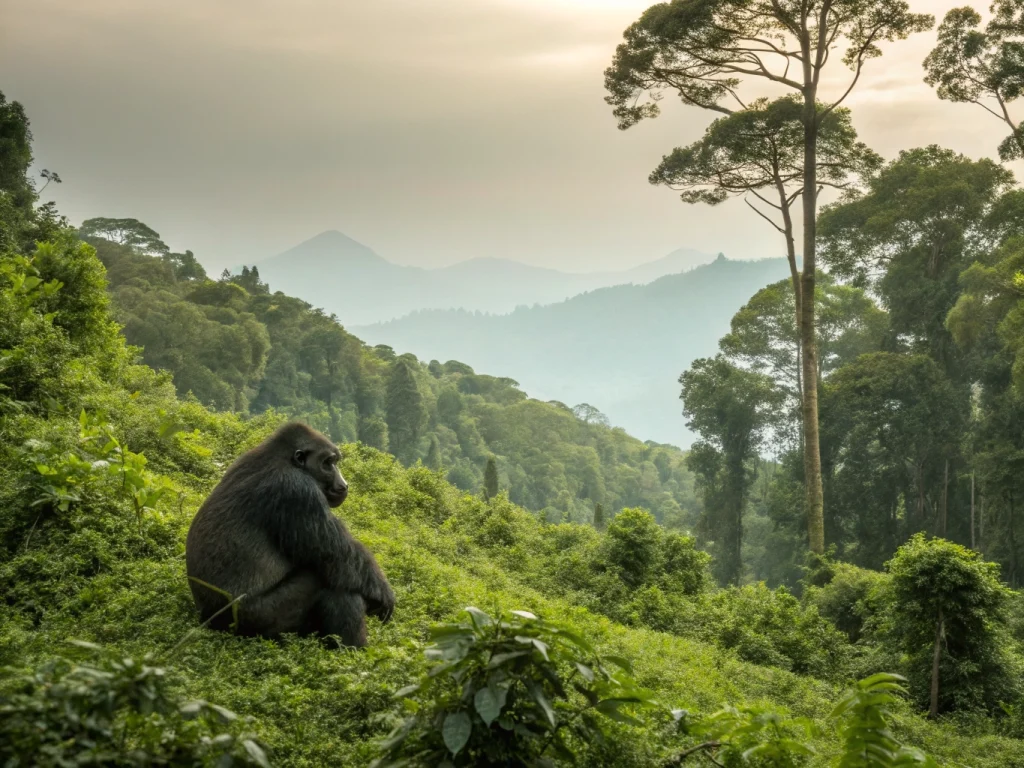
The short answer: Yes, the tree-climbing lions of Ishasha are worth the drive – but with honest expectations. This is one of only two places in Africa (the other is Lake Manyara in Tanzania) where lions regularly climb and lounge in fig trees. It’s a genuinely rare and magical sight. However, you have a 60-70% chance of seeing them in dry season, and only 30-40% in wet season. The detour adds 2-3 hours of driving each way. Here’s exactly what you need to know to decide. Your Situation Verdict Dry season (June-Sept) + you have an extra day ✅ Absolutely worth it Dry season + tight schedule ✅ Worth it (drive via Ishasha to Bwindi) Wet season (March-May) + you’re flexible ⚠️ Maybe – odds are lower Wet season + tight schedule ❌ Probably skip You’ve seen tree-climbing lions elsewhere ❌ Skip – focus on other parks You’re a photographer ✅ Worth it (unique shots) The deeper truth: After 15 years of guiding hundreds of travelers to Ishasha, I’ve seen the magic and the disappointment. I’ve watched travelers weep tears of joy at a lioness and cubs in a fig tree. I’ve also watched travelers drive 4 hours, see nothing, and feel crushed. This guide will give you the real odds, the best strategies, and the honest answer about whether Ishasha belongs in YOUR itinerary. Authority signal: As an IATA-certified tour operator with 15+ years of on-the-ground experience, Travel Giants Uganda has guided more Ishasha lion searches than almost any operator. We know the territory, the timing, and the truth. What Exactly Are Tree-Climbing Lions? Before you decide if they’re worth it, understand what you’re chasing – and why it’s so unusual. The Phenomenon Question Answer What are they? Lions that regularly climb and rest in large fig trees – behavior that’s rare among lions worldwide Where else can you see them? Lake Manyara National Park (Tanzania) – only two places on Earth Why do they climb? Theories: escape biting insects (tsetse flies), cool breezes, better vantage point, habit passed through generations Which trees? Large fig trees (Ficus species) with spreading branches How high? 10-20 feet off the ground When do they climb? Late afternoon (4:00-6:30 PM) when heat and insects are intense The Science (Simplified) Lions don’t normally climb trees. Their bodies aren’t built for it – they’re heavy (males 400+ lbs), their claws aren’t as curved as leopards, and they prefer to conserve energy on the ground. But the Ishasha lions have learned this behavior, probably from generations of mothers teaching cubs. It’s a cultural behavior, not instinct. That’s what makes it so special – and so unpredictable. [IMAGE PLACEMENT 1 – Tree-climbing lion in fig tree, Ishasha sector, golden afternoon light. Caption: “One of only two places on Earth where lions regularly climb trees – the other is Lake Manyara, Tanzania.”] The Real Odds – What’s Your Probability of Seeing Them? Let’s be honest about the numbers. No one can guarantee tree-climbing lions. Here’s what you can actually expect. Sightings Probability by Season Season Months Probability Why Peak Dry June, July, August, September 65-70% High heat, many insects – lions climb for relief Short Dry December, January, February 55-65% Still good – slightly less heat Shoulder October, November, March 40-50% Mixed conditions Peak Wet April, May 30-40% Cooler, fewer insects – lions stay on ground Probability by Time of Day Time Probability Why Late afternoon (4:00-6:30 PM) Highest (60-70% in dry season) Heat peaks, insects swarm – lions climb for relief Morning (6:30-10:00 AM) Low (10-20%) Lions descend at dawn to hunt or rest on ground Midday (10:00 AM – 3:00 PM) Low (10-20%) Too hot – lions are hiding in shade (may be trees or bushes) The Honest Truth About the Numbers I’ve guided 150+ Ishasha safaris. Here’s the real data from my experience: Dry season: About 2 out of 3 trips see tree-climbing lions Wet season: About 1 out of 3 trips If you spend two afternoons in Ishasha: 80-85% success rate in dry season If you only have one afternoon: 50-60% in dry season These are real numbers, not marketing. You can beat the odds by following my strategies below – but you can’t eliminate the possibility of seeing nothing. The Drive – What It Actually Costs You Ishasha isn’t on the main road. Here’s exactly what the detour costs you in time, money, and effort. The Geography Route Driving Time Distance Road Condition Mweya (QENP headquarters) → Ishasha 2-3 hours 75 miles (120 km) Good dirt road, dusty in dry season Ishasha → Bwindi (Rushaga/Buhoma) 3-4 hours 85 miles (135 km) Good to fair – mountain roads Kampala/Entebbe → Ishasha (direct) 8-9 hours 280 miles (450 km) Mostly paved, last 2 hours dirt The Time Cost for a Typical 7-Day Itinerary Itinerary Option Extra Driving What You Gain What You Lose Via Ishasha +4-6 hours total detour Chance at tree-climbing lions 1 afternoon/evening of rest Direct to Bwindi 0 hours detour More rest, lower cost No tree lion chance Overnight in Ishasha 0 extra driving (you stay there) Two game drives (afternoon + morning) Different lodging (not Mweya) The Cost Breakdown Cost Factor With Ishasha Detour Without Ishasha Detour Difference Fuel $30-40 extra – +$30-40 Accommodation (1 night) $80-400 (depending on budget) $0 (you’d stay elsewhere) +$80-400 Guide time Included in daily rate – $0 (already paid) Park fees Included in QENP entry – $0 Total extra $110-440 $0 +$110-440 [IMAGE PLACEMENT 2 – Map showing Ishasha’s location between Mweya and Bwindi. Caption: “Ishasha sits between Queen Elizabeth’s main sector and Bwindi – adding 2-3 hours of driving each way.”] The Best Strategy to See Tree-Climbing Lions You can’t guarantee a sighting. But you can stack the odds in your favor. Here’s exactly what I tell my clients. The Winning Formula (Proven by 150+ Safaris) Step Action Why It Works 1 Visit in dry season (June-September) 65-70% probability vs. 30-40% in wet 2 Stay overnight in Ishasha (not just passing through) Two game drives instead of one 3
