
Gorilla Trekking in Uganda for First-Time Visitors

Few wildlife trips feel as personal as walking through a green forest and meeting a family of mountain gorillas. The experience is powerful, but it takes careful planning. This guide explains what to expect, how to prepare, and how to choose the right route without guesswork. A guided walk through Uganda’s highland forest. Where Does Gorilla Trekking Take Place? Uganda’s main destination is Bwindi Impenetrable National Park. Its Bwindi impenetrable forest is divided into several trekking sectors, including Buhoma, Ruhija, Rushaga, and Nkuringo. Each sector has its own trail network, lodges, and habituated gorilla family groups. The second option is Mgahinga Gorilla National Park in the country’s southwest. The park mgahinga gorilla landscape forms part of the Virunga mountain range. It is smaller than Bwindi, yet it offers a distinct forest setting and dramatic volcanic views. Some travelers combine the trek with Queen Elizabeth National Park or Murchison Falls. Queen Elizabeth National Park is especially convenient for a wider safari itinerary, but it is not a gorilla trekking site. Plan road time carefully between parks. Bwindi’s hills make location and road planning important. Bwindi or Mgahinga: Which Region Is Best? Bwindi is usually the more flexible choice because it has more sectors and a larger range of gorilla families. It can suit travelers who want more accommodation options or who are building a longer safari. Mgahinga Gorilla National Park may suit visitors who prefer a smaller park and volcanic scenery. However, the available gorilla family can move across the border region, so local conditions may affect sightings and plans. Choose a sector based on your permit, lodge, road transfer, and fitness needs. Do not select a lodge in one area and assume it will be close to a permit in another. Bwindi impenetrable routes can be separated by long, winding roads. Need help choosing a sector? Share your dates, budget, and wider safari plans. A local planner can match your permit area with transport and a suitable safari lodge. Request a route recommendation Mgahinga combines forest trails with volcanic scenery. Gorilla Permits: How to Get One A gorilla permit gives you access to a guided visit with a designated gorilla family. Permits are limited, and the Uganda Wildlife Authority manages the official permit system. A reputable tour company can help reserve one, especially if you also need lodging and transfers. Ask for the permit date, sector, inclusions, and receipt before paying a deposit. A permit is not the same as a complete gorilla safari. Transport, meals, lodging, tips, and other park activities may cost extra. Rules and prices can change. Confirm the current fee directly with the Uganda Wildlife Authority or with a licensed operator before making nonrefundable arrangements. Planning note: Secure the permit before booking fixed domestic transfers. Your permit sector determines where you need to sleep the night before the trek. Check permit details before confirming other travel services. Expected Costs and What Your Budget Covers The permit is the largest single cost for most visitors. Your full budget will also include international flights, visas, airport transfers, accommodation, meals, road transport, guide services, and optional activities. Luxury lodges near Bwindi can raise the total quickly. A simpler gorilla safari lodge may offer better value if you care more about trail access than room features. Ask whether the quoted tour includes park fees, drinking water, porter support, and transfers. Do not choose only by the lowest headline price. A clear quote should list what is included and excluded. It should also explain cancellation terms, payment stages, and any seasonal change. Get a clear safari estimate Request an itemized plan that separates the permit, transport, lodging, meals, and guide services. This makes comparison easier. Ask for an itemized quote The Best Time for Gorilla Trekking Gorilla trekking is possible throughout the year. Many visitors prefer drier periods because trails may be less slippery. September to December can be a useful travel window, and January and February are often popular too. Rain remains possible in a tropical mountain forest during any month. The best time depends on your wider trip, budget, and comfort with changing weather. Wet months may bring muddier trails but can offer quieter travel conditions. Book early for popular dates, especially around major holidays. If your schedule is flexible, ask about several permit dates before confirming flights. Rain can arrive quickly, even during a preferred season. What the Trek Is Really Like The day normally starts early with a briefing at the park headquarters. Rangers assign visitors to a gorilla family and explain safety rules. The walk can last from a short outing to several hours, depending on where the gorilla family is located. Trails may cross steep ground, thick vegetation, roots, mud, and streams. The group pauses when needed. Once you find the gorillas, your viewing time follows the current park rules and ranger instructions. Expect a quiet, focused experience rather than a fast wildlife drive. You may hear birds, insects, and distant movement before seeing the gorilla family. The ranger briefing sets expectations for the day. Fitness, Mobility, and Accessibility You do not need to be an athlete, but you should be ready for uneven ground and long periods outdoors. Build walking stamina before arrival. Practice on hills or stairs while carrying a light daypack. Tell your operator about knee, heart, breathing, or balance concerns. Ask about the shortest likely route, porter help, walking poles, and the sector’s terrain. Options may be limited, so honest planning matters. Porters can carry your bag and offer support on difficult ground. Hiring one also provides direct income to nearby communities. A porter does not replace a ranger or guarantee an easy trail. Be realistic: Forest conditions can change during the trek. Ask for a practical assessment instead of a promise about trail length or difficulty. Walking poles and porter support can improve comfort. What to Pack for Gorilla Trekking Uganda Pack for wet, cool, and muddy conditions. A small, balanced daypack is easier to carry than a large
Gorilla trekking in Uganda and Rwanda Ultimate Guide

Embarking on a journey to witness rare primates in their natural habitat is a life-changing experience. Many travelers dream of mountain gorilla trekking, a profound encounter that brings you face-to-face with these gentle giants deep within lush, misty forests. Whether you choose the dense canopy of Bwindi Impenetrable National Park or the volcanic slopes of the Virunga range, this adventure promises memories that last a lifetime. Planning your gorilla trekking in uganda and rwanda requires careful preparation to ensure a smooth and respectful visit. This guide provides essential insights into securing permits, understanding seasonal weather patterns, and selecting the best routes. We will also cover safety protocols and itinerary tips to help you navigate these spectacular destinations with confidence and ease. Key Takeaways Discover the top national parks for primate encounters. Learn how to secure your essential trekking permits early. Understand the best seasons for optimal forest visibility. Follow expert safety tips for a respectful wildlife visit. Master the logistics of planning your dream African safari. Why Gorilla Trekking in Uganda and Rwanda Belongs on Your Adventure List Embarking on a journey to see mountain gorillas is a transformative experience that stands apart from any other wildlife encounter. Unlike traditional safaris where you view animals from the safety of a vehicle, this adventure places you directly into the heart of the forest. You are not just an observer; you become a temporary guest in the home of these majestic primates. What makes mountain gorilla encounters so rare and meaningful The rarity of mountain gorilla trekking lies in the intimate nature of the meeting. Because these animals share so much of our DNA, the connection you feel when locking eyes with a silverback is profound and deeply moving. It is a quiet, respectful interaction that reminds us of our shared place in the natural world. “To look into the eyes of a gorilla is to see a reflection of our own soul, reminding us that we are merely one part of a vast, interconnected web of life.” How Uganda and Rwanda protect gorilla habitats and communities Conservation is the backbone of gorilla trekking in uganda and rwanda. Both nations have implemented rigorous protection programs that ensure the survival of these endangered creatures. By strictly regulating the number of visitors and employing dedicated rangers, they keep the forest environment pristine. Tourism revenue also plays a vital role in local development. These programs provide essential funding for schools, clinics, and infrastructure in surrounding villages. When you choose to trek, you are directly supporting the people who act as the primary guardians of the gorillas. Which travelers will enjoy the physical and cultural demands of the trek This adventure is perfect for those who crave more than a passive vacation. You should be prepared for the following realities: Physical Stamina: The terrain is often steep, muddy, and unpredictable, requiring a good level of fitness. Cultural Sensitivity: Respecting local customs and following the guidance of your rangers is essential for a successful trip. Patience: Finding a gorilla family in the dense jungle takes time, but the reward is worth every step of the hike. If you value authentic wildlife experiences and are willing to put in the effort, this journey will undoubtedly be the highlight of your travel life. It is a rare opportunity to witness nature in its most raw and beautiful form. Gorilla Trekking in Uganda and Rwanda: Key Differences Deciding between gorilla trekking in uganda and rwanda is a wonderful challenge for any traveler. While both nations offer the chance to see mountain gorillas in their natural habitat, the logistical flow and environmental feel of each country differ significantly. Uganda’s Bwindi Impenetrable National Park and Mgahinga Gorilla National Park Uganda is often favored by travelers looking for a more rugged, immersive forest experience. The country boasts two primary locations for these encounters, each offering a unique perspective on the wild. Gorilla trekking sectors in Bwindi Bwindi Impenetrable National Park is a massive, ancient forest divided into four distinct sectors. Each area provides a slightly different trekking atmosphere: Buhoma: Known for being the most accessible and having a long history of habituation. Ruhija: Offers high-altitude views and is often less crowded than other sectors. Rushaga: Home to the highest number of habituated gorilla families. Nkuringo: Famous for its challenging, steep terrain and breathtaking vistas. What makes Mgahinga different from Bwindi Mgahinga Gorilla National Park offers a more intimate experience compared to the vastness of Bwindi. Because it is smaller and features fewer habituated groups, the trekking feels more exclusive. The park is also part of the Virunga Mountains, providing a dramatic volcanic backdrop that differs from the dense, tangled canopy of Bwindi. Rwanda’s Volcanoes National Park and its easier access from Kigali Rwanda gorilla trekking is renowned for its efficiency and accessibility. Most travelers land in Kigali and reach Volcanoes National Park in just a few hours by car. This makes it an ideal choice for those with limited time who want a seamless, high-end experience. Comparing scenery, trek difficulty, group size, and traveler experience To help you decide, consider how these factors align with your personal travel goals and physical comfort levels. Feature Uganda Rwanda Scenery Dense, ancient rainforest Volcanic mountain slopes Difficulty Can be very strenuous Generally more accessible Group Size Strictly 8 per group Strictly 8 per group Access Longer drives from Entebbe Short drive from Kigali How to choose between Uganda and Rwanda for your trip Choosing the right destination depends on your priorities. If you prefer flexibility and want to combine your trek with a broader safari, Uganda gorilla trekking is an excellent choice. The country offers diverse landscapes, from savannahs to lakes, allowing for a comprehensive adventure. Conversely, if you value convenience and a shorter travel itinerary, Rwanda is hard to beat. The infrastructure is highly developed, and the proximity of the park to the capital city minimizes travel fatigue. Ultimately, both countries provide a life-changing encounter that stays with you long after you return home.
Gorilla trekking in Uganda: a complete guide for first-time travelers

Plan gorilla trekking in Uganda with permit costs, park choices, best time, trek advice, packing tips, logistics, safety rules, and responsible travel guidance.
Is Uganda Safe for a Safari? The Honest 2026 Safety Guide for Worried First-Time Travelers (Crime, Health, Wildlife, & Peace of Mind)
You want to come to Uganda. But you are afraid. You have read the travel advisories. Your family thinks you are crazy. The news has filled your head with images of danger. Here is the honest truth after 15 years and over 500 safaris: Uganda is one of the safest countries for tourists in East Africa. Yes, there are real risks—just like anywhere in the world. But the Uganda you see on the news and the Uganda where tourists actually go are almost entirely different places. I have guided thousands of visitors from the USA, UK, and Europe. Almost all of them arrived nervous and left wondering what they were so worried about. This guide tells you the truth: where the real risks are, where the fears are exaggerated, and how to stay safe without staying home. This is the only safety guide you need for planning your Uganda safari in 2026. It covers: crime realities in tourist areas vs cities (what to actually worry about), health and medical considerations (yellow fever, malaria), wildlife safety during game drives and treks (gorillas, lions, elephants), political stability and travel advisories (decoding the warnings), road safety and driving risks (the real danger nobody talks about), solo travel, female travel, and LGBTQ+ travel considerations, and answers to every safety question first-timers ask. No sugar-coating. No fear-mongering. Just the truth from someone who has kept thousands of visitors safe. Quick Overview of Safety Realities Concern Reality for Tourists Risk Level Violent crime (armed robbery, assault) Extremely rare in tourist areas; low in cities with precautions Low Petty crime (pickpocketing, bag snatching) Exists in crowded areas (Kampala, Entebbe markets) Moderate – use common sense Political instability Highly exaggerated; tourist areas far from any conflict zones Very Low Wildlife encounters (gorillas, lions, elephants) Safe with trained guides; follow rules Very Low (with guide) Road accidents The REAL risk; poor roads, reckless driving in some areas Moderate – choose driver wisely Terrorism Extremely rare; no tourist-targeted attacks in decades Very Low Yellow fever/malaria Real health risks; preventable with vaccines and prophylaxis Moderate – take precautions Solo female travel Generally safe with common sense; local culture is respectful Low – take standard precautions The deeper truth (Charles Lubega’s honest reassurance): Fear is the biggest killer of dreams. I have watched travelers cancel trips because of news stories from countries 1,000 kilometers away. I have watched parents forbid their adult children from coming. And then I have watched those same travelers—when they finally come—laugh at themselves for worrying. Uganda is not without risk. No country is. But the risks are manageable. The rewards are immeasurable. The 30-Second Answer – Is Uganda Actually Safe for Tourists? Before we dive deep, here is the quick answer to what you are really asking. Quick Safety Assessment If you are worried about… The truth is… Being attacked or robbed Violent crime against tourists is extremely rare. Use common sense in cities. Political unrest Tourist areas are far from any conflict zones. Uganda is politically stable. Wildlife attacking you With trained guides, the risk is near zero. Follow the rules. Getting sick Yellow fever and malaria are real risks. Get vaccinated, take prophylaxis, use mosquito nets. Car accidents This is the real danger. Hire professional drivers; avoid night driving. Scams and theft Exists, like anywhere. Don’t flash valuables. Use hotel safes. Being alone as a woman Generally safe. Dress modestly. Avoid walking alone at night. Terrorism Extremely rare. No tourist-targeted attacks in decades. The Honest Truth in One Paragraph Charles Lubega says: “Uganda is safer than many American cities. The murder rate in St. Louis, Baltimore, and Detroit is higher than anything a tourist will encounter in Uganda. But your family won’t warn you about visiting those cities. The fear of ‘Africa’ is often greater than the reality. Come. Be smart. You will be fine.” What the Travel Advisories Actually Mean Advisory Level What It Means Uganda’s Status (2026) Level 1: Exercise Normal Precautions Same as most European countries Most of Uganda (tourist areas) Level 2: Exercise Increased Caution Some risks exist; be vigilant Border regions (Congo, South Sudan) Level 3: Reconsider Travel Significant risks None for tourist areas Level 4: Do Not Travel Extreme danger None for tourist areas The Honest Advisory Truth: “Travel advisories often warn about border regions that tourists never visit. The US State Department warns about the Congo border. Guess what? No safaris happen there. The UK Foreign Office warns about South Sudan border. Same story. Read the fine print. The areas where you will actually go are rated Level 1 or 2—the same as much of Europe.” [IMAGE PLACEMENT 1: Split infographic – Fear vs Reality (news headlines vs actual tourist experience). 1200px+. Caption: “The Uganda you fear vs the Uganda you will experience. Very different places.”] Crime in Uganda – What Tourists Actually Need to Know Let me be honest about crime. It exists. But the risks are not what you think. Crime Types – Reality Check Crime Type Risk for Tourists Where It Happens Prevention Armed robbery Very Low Rare; occasional in Kampala at night Don’t walk alone at night; use registered taxis Pickpocketing Moderate Crowded markets, bus parks, taxi parks Keep valuables hidden; use money belt Bag snatching Low-Moderate Same as pickpocketing Keep bags cross-body, zipped Carjacking Very Low Extremely rare; mostly near borders Not a concern in tourist areas Scams Low-Moderate Airport, currency exchange, ‘tourist police’ Use official operators; don’t trust strangers offering help Corruption/bribes Low (for tourists) Police checkpoints (rarely target tourists) Driver handles; you won’t interact Tourist Areas vs Cities – Very Different Safety Levels Kampala & Entebbe (Cities): Petty crime exists. Pickpocketing in crowded areas. Violent crime is rare but possible at night in certain areas. Advice: Don’t walk alone at night. Use registered taxis or your driver. Keep valuables hidden. National Parks & Safari Areas (Bwindi, Queen Elizabeth, Murchison, Kibale, Kidepo): Crime against tourists is almost non-existent. These are remote, heavily patrolled areas focused entirely on tourism. Local communities are welcoming and dependent on tourism.
Uganda Honeymoon Safari: The Complete 2026 Guide to Planning the Perfect Romantic Adventure (Gorilla Trekking, Game Drives, Boat Cruises & Relaxation)

The Honest Honeymoon Truth (Charles Lubega) “I have guided honeymoon couples who almost booked the Maldives. They came to Uganda instead. Every single one said the same thing: ‘This is so much better than a beach.’ You will have beaches your whole life. You will not always have the energy, health, and opportunity to trek gorillas. Choose the adventure now. The beach can wait.” [IMAGE PLACEMENT 1: Romantic hero image – Couple watching sunset over savanna with safari vehicle silhouette. 1200px+. Caption: “Adventure meets romance. Uganda is not your typical honeymoon. It is so much more.”] The Perfect 10-Day Uganda Honeymoon Itinerary (Adventure + Romance Balanced) Let me walk you through the perfect honeymoon itinerary. You will get everything: gorillas, game drives, boat cruises, chimpanzees, and just enough relaxation to actually enjoy each other. Day 1-2: Arrival & Settling In (Entebbe) Time Activity Couple Moment Day 1 Evening Arrive Entebbe, transfer to boutique lodge First night of honeymoon! Relax, unpack, breathe Day 2 Morning Sleep in, breakfast at lodge No alarms. Just you two. Day 2 Afternoon Optional: Entebbe Botanical Gardens or relax Easy, gentle introduction Romantic touch: Choose a lodge near Lake Victoria. Watch the sunset over the water. Toast your marriage. Where to stay (Entebbe): Luxury: Lake Victoria Serena Golf Resort & Spa Mid-range: The Boma Entebbe (historic, charming) Budget: Airport View Hotel Day 3: Journey to Kibale (The Adventure Begins) Time Activity Couple Moment Morning Drive Entebbe to Kibale (5-6 hours) Scenic drive, private vehicle, hold hands in the back seat Lunch stop Fort Portal (beautiful crater lake region) Lunch with a view Afternoon Arrive Kibale, check into lodge Settle in, explore lodge grounds Evening Dinner at lodge First night in the forest Romantic touch: Choose a lodge with a private veranda overlooking the forest. Listen to the sounds of the jungle together. Where to stay (Kibale): Luxury: Primate Lodge Kibale (treehouse rooms!) Mid-range: Kibale Forest Camp (tented camp, very romantic) Budget: Chimpanzee Forest Guesthouse Day 4: Chimpanzee Trekking + Bigodi Swamp Walk Time Activity Couple Moment Morning Chimpanzee trekking (2-4 hours) Experience the wild together. Laugh at the chimps. Lunch Picnic lunch or return to lodge Share stories of the morning Afternoon Bigodi Wetlands Sanctuary walk (2-3 hours) See monkeys, birds, butterflies Evening Dinner at lodge Compare photos, relive the moments Romantic touch: After trekking, surprise your partner with a booked couples massage at the lodge (many lodges offer this). What makes chimpanzee trekking romantic: You will laugh together. The chimps are chaotic, hilarious, and wildly entertaining. That shared joy is romantic in its own way. Day 5: Drive to Queen Elizabeth NP + Evening Game Drive Time Activity Couple Moment Morning Drive Kibale to Queen Elizabeth (2-3 hours) Scenic drive through crater lakes Afternoon Check into lodge, relax Sunset views from your room Late afternoon Evening game drive Sundowner with champagne over the savanna Evening Dinner at lodge Watch the stars appear Romantic touch: The sundowner game drive. Your guide will find a safe spot with a view. You will watch the sun set over the savanna. The guide will bring out drinks. Champagne, if you arranged it. This is the quintessential romantic safari moment. Where to stay (Queen Elizabeth): Luxury: Kyambura Gorge Lodge (stunning views) Mid-range: Elephant Plains Lodge (tented camp) Unique: Buffalo Safari Lodge (on the edge of the park) Day 6: Morning Game Drive + Kazinga Channel Boat Cruise Time Activity Couple Moment Early morning Game drive (6:00-9:00 AM) Lions, elephants, buffalo, maybe leopards Late morning Return to lodge, brunch, relax Rest, swim, nap Afternoon Kazinga Channel boat cruise (2 hours) See hippos, crocodiles, elephants from the water Evening Dinner at lodge Share the day’s photos Romantic touch: The boat cruise is surprisingly romantic. The sun is usually warm but not too hot. The water is calm. Hippos grunt from the shallows. Elephants drink from the shore. You can sit close, whisper, and watch the wildlife together. Day 7: Drive to Bwindi (The Gorilla Forest) Time Activity Couple Moment Morning Drive Queen Elizabeth to Bwindi (4-5 hours) Scenic drive through Ishasha (tree-climbing lions possible) Afternoon Arrive Bwindi, check into lodge Settle into the rainforest Evening Relax, prepare for gorilla trekking Lay out gear together. Nerves and excitement. Romantic touch: Choose a luxury lodge for the gorilla nights. This is the pinnacle of your honeymoon. Splurge here if you splurge anywhere. Where to stay (Bwindi – by region): Buhoma Region (moderate trekking): Luxury: Buhoma Lodge, Bwindi Lodge Mid-range: Engagi Lodge Rushaga Region (more challenging, more families): Luxury: Gorilla Safari Lodge Mid-range: Rushaga Gorilla Camp, Gorilla Valley Lodge Nkuringo Region (very challenging, best views): Ultra-luxury: Clouds Mountain Gorilla Lodge (life-changing views) Luxury: Nkuringo Gorilla Lodge Charles’s recommendation for honeymooners: “Clouds Mountain Gorilla Lodge or Buhoma Lodge. Both are stunning. Both understand romance. Both will make you feel like the only couple in the forest.” Day 8: Gorilla Trekking – The Main Event Time Activity Couple Moment Early morning Briefing, hire porter (DO THIS) Hold hands. You are nervous. That is normal. Morning Gorilla trekking (2-6 hours) You will be tired, muddy, exhilarated The Hour ONE HOUR WITH GORILLAS This will be the most emotional hour of your trip. Hold hands. Cry together. It is okay. Afternoon Return to lodge, shower, REST You will be exhausted. Nap together. Evening Celebration dinner Many lodges offer private honeymoon dinners Romantic touch: Book the private celebration dinner. Many lodges offer this—a table set just for you, overlooking the forest, with a special menu and candlelight. You will have earned this meal. What the gorilla hour feels like as a couple: You will look at each other when the silverback appears. Your eyes will be wide. You will not need words. That shared experience—seeing something so powerful, so ancient, so familiar—will bond you in a way few experiences can. Day 9: Optional Lake Bunyonyi (The Relaxation Day) Time Activity Couple Moment Morning Drive Bwindi to Lake Bunyonyi (2-3 hours) Scenic drive Afternoon Canoeing, swimming, or just relaxing Finally, a true rest day Evening Lakeside dinner One of the most beautiful lakes in Africa Romantic touch: Lake Bunyonyi is often called the “Lake of a
Uganda Safari Holiday: What We Loved About Tracking Chimpanzees in Budongo Forest and Gorillas in Bwindi – An Honest First-Timer’s Experience

Before we left for Uganda, I was terrified. Not of the travel. Not of the cost. Of the moment. What if the gorillas didn’t appear? What if the chimps were hidden in the canopy? What if I spent all this money and came home with nothing but mosquito bites and a story about a long hike? I was wrong. So wrong. After trekking chimpanzees in Budongo Forest and mountain gorillas in Bwindi, I can tell you this: the fear disappears the moment you hear the first chimpanzee scream. And the tears come the moment the silverback looks into your eyes. This is not a travel brochure. This is what it actually felt like. The mud. The exhaustion. The laughter. The tears. The moment I realized I was looking at a cousin—98% the same DNA—and seeing myself. This is an honest, first-person account of what I loved about tracking chimpanzees in Budongo Forest and gorillas in Bwindi. No fluff. No generic marketing. Just the sensory, emotional, raw truth of what it feels like to stand in the presence of our closest relatives. You will learn: what surprised me most about each trek, what made me laugh, what made me cry, what I wish I had known before I went, and which experience—chimps or gorillas—stayed with me longer. If you are trying to decide whether to do one or both, or just want to know what you are signing up for, this is for you. Quick Overview of the Experience (Emotional, Not Logistical) Experience One Word Emotional Highlight Budongo Chimpanzees Chaotic Hearing them scream before you see them. Laughing out loud. Bwindi Gorillas Sacred The first eye contact. The silence. The tears. The Contrast Complete Chaos vs stillness. Laughter vs tears. The deeper truth: The chimpanzees made me laugh. The gorillas made me cry. I needed both to understand something about myself. You will too. Before the Trek – What I Was Afraid Of (And Why I Was Wrong) Let me be honest about the fear. Because you are probably feeling it too. The Fears I Carried Fear Reality What if I wasn’t fit enough? I was tired. I was sore. But porters exist for a reason. I made it. What if the animals didn’t show up? 98% success rate. The trackers know where they slept. They always show up. What if I cried in front of everyone? I did. So did half the group. It was fine. Better than fine. It was real. What if the cost wasn’t worth it? I would have paid double. Not joking. What if I was disappointed? I was not. I was the opposite of disappointed. How I Prepared (And What I Wish I Had Known) What I Did What I Wish I Had Known Brought hiking boots (broken in) Gaiters are NOT optional. Rent them. Bought rain gear Bring extra socks. Your feet will get wet. Got fit(ish) You don’t need to be an athlete. You need a porter. Researched the animals Nothing prepares you for the actual moment. Nothing. The Night Before What I felt: I could not sleep. Not from jet lag. From anticipation. What if? What if? What if? What happened: The alarm went off at 5:30 AM. I drank coffee in the dark. I packed my daypack three times. I was terrified. I was excited. I was ready. What I wish someone had told me: “The fear is part of it. Feel it. Then walk into the forest anyway.” [IMAGE PLACEMENT 1: Pre-dawn at lodge – coffee being poured, headlamps on table, anticipation. 1200px+. Caption: “The night before. No sleep. Just anticipation.”] Budongo Forest – The Chimpanzees That Made Me Laugh Out Loud We chose Budongo over Kibale for one reason: fewer crowds. But we stayed for the chimpanzees. First Impressions of Budongo Aspect What I Experienced The forest Ancient mahogany trees. Taller than I imagined. Cathedral-like. The sounds Birds. Monkeys. Then… something else. Something loud. The first sign The guide stopped. Listened. Pointed. “Chimpanzees. Close.” The First Sound – The Thing That Stopped Me Cold What I heard: A scream. Not human. Not monkey. Something in between. It echoed through the trees. I stopped walking. My heart pounded. What I thought: “What is that? Is that them? Are they okay? Are WE okay?” What my guide said: “They are greeting each other. Or fighting. Or playing. With chimps, it is hard to tell.” What I felt: Fear. Excitement. Disbelief. This was really happening. The First Sight – Shapes Moving Fast What I saw: At first, nothing. Just leaves and branches. Then movement. A shape. Then another. Dark shapes moving fast through the canopy. Branches shaking. Leaves falling. What I thought: “Are those…? Yes. Those are chimpanzees.” How many: At least a dozen. Maybe more. They kept appearing. The Hour with Chimpanzees – Chaos, Laughter, Wonder What they did: Screamed (constantly) Swung from branches (effortlessly) Groomed each other (tenderly) Fought (briefly, loudly) Ate (everything) Played (the babies were absurdly cute) What I did: Laughed (so much) Took photos (most were blurry) Put my camera down (to just watch) Looked at my partner (we were both grinning) What surprised me: They did not sit still. Not for one second. I had expected something like gorillas—still, calm, posing for photos. Chimps are the opposite. Chaos incarnate. And I loved them for it. The Emotional Hit – Laughter and Wonder What I felt during the hour: Pure joy. The kind of joy that surprises you. I had expected awe. I had expected reverence. I did not expect to laugh until my cheeks hurt. Why it affected me: They are so clearly our cousins. The way the mother held her baby. The way the young males roughhoused. The way the alpha male watched everyone. I saw my family in theirs. The moment I will never forget: A baby chimpanzee fell out of a tree. Not far—maybe two meters. He landed on his back. He looked stunned. Then he looked around to see if anyone noticed. No one did. So he picked himself up and climbed back up. I laughed
Gorilla Trekking Safari in Uganda and Rwanda: Is It Worth Going Twice? An Honest 2026 Guide for Repeat Visitors
You have seen the gorillas once. You cried. You spent the money. You told everyone it was the best experience of your life. And now, weeks or months or years later, you are wondering: Should I go again? Here is my honest answer after guiding over 500 treks and watching countless repeat visitors return to the forest: Yes. But not for the reasons you think. The second trek is not the same as the first. It cannot be. The first time, you were nervous. You did not know what to expect. Every sound made you jump. Every glimpse of black fur through the leaves sent your heart racing. The silverback’s first eye contact shattered something in you. The second time, you know what is coming. You are less nervous. More prepared. And that changes everything. But here is what no one tells you: the second trek is not lesser. It is deeper. The first time, you are overwhelmed. The second time, you are present. This guide answers the honest question: Is gorilla trekking worth doing twice? I will tell you: how the second trek differs from the first (emotionally, not just logistically), when you should go back (and when you should not), whether to return to the same country or try the other, the financial reality of repeat visits, what repeat trekkers wish they had known, and my honest advice after watching hundreds of people make this decision. No sales pitch. Just the truth. Quick Overview of the Answer Question Short Answer Why Is the second trek as magical as the first? Different magic, not less First is overwhelming awe. Second is quiet presence. Should I go to the same country or the other? Either works, but different Same: comfort, familiarity. Other: new experience, comparison. Is it worth the money again? For most, yes. For some, no. Depends on your financial situation and what you seek. Will I cry the second time? Probably. I still do. The gorillas do not get less moving. The deeper truth: The first time you see a gorilla, you are meeting a legend. The second time, you are visiting an old friend. Both are precious. Both are worth it. But they are not the same. Go expecting different magic, not less magic, and you will not be disappointed. The 30-Second Answer – Should You Go Gorilla Trekking Again? Let me give you the quick answer based on what you are really asking. Quick Decision Matrix for Repeat Trekkers Your Situation Should You Go Again? Why You have the budget and the time Yes, absolutely The gorillas are worth revisiting. You are wondering if it will be as magical Yes, but manage expectations Different magic, not less magic. You want to see different gorilla families Yes Every family has its own personality. You want to try the other country (Uganda vs Rwanda) Yes Each country offers a different flavor. You are on a tight budget and this would strain you Maybe not The first trek was priceless. A second can wait. You are hoping for the exact same emotional experience No The second time is different. Deeper, but different. You want to bring someone who has never been Absolutely yes Watching someone else experience it for the first time is its own gift. You are a photographer wanting better shots Yes Second time, you know what to expect and can focus on images. The Honest Truth in One Paragraph Charles Lubega says: “I have guided people on their second, third, and even fourth treks. Every single one said the same thing: ‘I am so glad I came back.’ Not one said it was a waste of money. But they also said the second time was different. Less overwhelming. More present. If you go expecting the same heart-stopping, breath-stealing, tear-inducing shock of the first time, you might be disappointed. If you go expecting a quieter, deeper, more intimate encounter, you will leave fulfilled.” [IMAGE PLACEMENT 1: Split image – First trek (tears, overwhelmed) vs Second trek (calm, peaceful smile). 1200px+. Caption: “First time: overwhelmed. Second time: present. Both are beautiful.”] First Trek vs Second Trek – What Actually Changes Let me walk you through how the experience shifts from first to second trek. The differences are real. They are not bad. They are just different. The Emotional Arc – First vs Second Aspect First Trek Second Trek Nerves High. What if I can’t do it? What if we don’t find them? Low. You know you can do it. You know they will be there. The first sighting Shock. Disbelief. “Is that actually a gorilla?” Recognition. “There they are. Hello again.” The first eye contact Time stops. Tears come. You are not prepared. Time slows. Tears may still come. You are ready now. Your behavior Trying to absorb everything at once. Camera up. Constantly looking around. More present. Camera down more often. Just watching. The hour Overwhelming. Sensory overload. Goes by in a flash. Still goes fast, but you notice more details. Afterward Silent. Processing. Wondering what just happened. Chatty. Comparing to last time. Already planning next visit. What You Notice More the Second Time Detail Why You Notice It The baby’s personality First time, you just saw “baby.” Second time, you see the troublemaker, the shy one, the mama’s boy. The silverback’s patience You have time to watch how he watches everyone. How he settles disputes with a look. The forest itself First time, the gorillas consumed your attention. Second time, you notice the trees, the birds, the light. Your own reactions You are less in your head. More able to just feel. The other trekkers First time, they were strangers. Second time, you feel a kinship. You are all here because you love this. What the Second Trek Still Gives You What Remains Why It Endures The tears Many repeat trekkers still cry. The gorillas are still that moving. The awe You cannot get used to a silverback. It is always awe-inspiring. The connection That feeling of being
Kayaking the Nile in Uganda: Rentals, Tours, and Season Guide (2026)

Written by Charles Lubega, Senior Safari Guide, Travel Giants Uganda 15+ years experience | Certified kayak instructor | 100+ kayaking trips arranged | IATA-certified The Explicit Answer: Can You Kayak the Nile in Jinja? Yes – kayaking the Nile in Jinja is an incredible experience for all skill levels. The Nile offers both flat water (calm, scenic paddling near the Source) and world-class white water (Grade 2-5 rapids). You can rent kayaks from Kayak the Nile or Nile River Explorers (30−80/daydependingonkayaktype).Guidedtoursrangefrom30−80/daydependingonkayaktype).Guidedtoursrangefrom80-200 depending on duration and difficulty. The best season for white water kayaking is high water (May-June, October-November) for bigger waves, or low water (March-April) for more technical challenges. Beginners should start with flat water or instructional courses before attempting white water. This guide covers rentals, tours, safety, seasons, and skill levels. The Quick Overview Kayaking Type Skill Level Rapids Best For Cost Flat Water Beginner (none needed) None (Grade 0) Scenic paddling, beginners, families $30-50 rental White Water (Grade 2-3) Intermediate Grade 2-3 Experienced kayakers, instruction $80-150 guided White Water (Grade 4-5) Advanced/Expert Grade 4-5 Advanced kayakers only $150-200 guided Instruction/Courses Beginner to Advanced Varies Learn to kayak properly 50−100/houror50−100/houror300-500/course The Deeper Truth After 15 years of kayaking the Nile (and teaching hundreds of others), I can tell you: this is world-class kayaking. The Nile’s consistent flow, warm water, and Grade 5 rapids attract paddlers from around the globe. But don’t just rent a kayak and paddle into the Nile Special – that’s how people die. Get instruction. Hire a guide. Start on flat water. Respect the river. As an IATA-certified tour operator with 15+ years of experience, Travel Giants Uganda has sent hundreds of clients kayaking on the Nile. We know the best operators, the safest practices, and the right trips for each skill level. Why Kayak the Nile in Jinja? Gist-first: The Nile isn’t just any river – it’s THE river. And Jinja has some of the best kayaking in the world. The Nile Kayaking Credentials Fact Detail World ranking Top 5 white water kayaking destinations globally Africa ranking #1 in Africa Water temperature Warm (22-26°C / 72-79°F) – no drysuit needed Flow consistency Year-round (regulated by Lake Victoria) Rapids range Grade 1-5 (something for every skill level) Scenery Tropical riverbanks, birds, monkeys What Makes It Unique Factor Why It’s Special The Nile World’s longest river – bragging rights Warm water Kayak in shorts and a rash guard – not a drysuit Grade 5 rapids World-class white water Consistent flow Year-round kayaking Professional operators Kayak the Nile is world-renowned The “Nile Special” Famous rapid – bucket list for kayakers Insider tip: “I’ve kayaked in Colorado, Costa Rica, and New Zealand. The Nile is better. The water is warm. The rapids are big. And the vibe in Jinja – paddlers from around the world sharing stories – is unbeatable. Don’t miss it.” [IMAGE: Kayaker running the Nile Special, massive wave. Caption: “The Nile Special – world-class white water for advanced kayakers.”] Types of Kayaking on the Nile Gist-first: The Nile offers everything from gentle flat water to terrifying Grade 5 rapids. Here’s what each type involves. Flat Water Kayaking (Beginner – No Experience Needed) Gist-first: Calm water. Beautiful scenery. No rapids. Perfect for beginners, families, and anyone who wants a peaceful paddle. Flat Water Details Detail Information Location Source of the Nile area, Lake Victoria, or calm sections below the rapids Rapids None (Grade 0) Skill level Beginner – no experience needed Duration 1-4 hours (flexible) Best for First-timers, families with children, seniors, bird watchers Equipment Stable sit-on-top kayaks (hard to flip) What You’ll See Sight Probability Source of the Nile monument 100% (if you paddle there) Birds (kingfishers, herons, fish eagles) 90% Local fishermen in wooden boats 90% Monitor lizards on banks 70% Monkeys (vervet, colobus) 60% Insider tip: “Flat water kayaking is underrated. Most visitors go straight for white water. But paddling to the Source of the Nile at sunset – calm water, golden light, birds calling – is magical. Great for couples, families, or anyone who wants a relaxing day on the water.” White Water Kayaking (Intermediate to Advanced) Gist-first: This is what brings kayakers from around the world. Big waves, technical rapids, and the legendary Nile Special. White Water Difficulty Levels Level Rapids Experience Required Best For Class II-III Grade 2-3 Intermediate – can roll, read water Experienced kayakers wanting fun without extreme risk Class III-IV Grade 3-4 Advanced – confident in big water Strong paddlers seeking challenge Class IV-V Grade 4-5 (including Nile Special) Expert – very advanced Only for expert kayakers White Water Sections Section Rapids Grades Difficulty Distance Upper Section The Bad Place, Nile Special 3-5 Advanced to Expert ~5km Lower Section Club Med, The Gauntlet 2-4 Intermediate to Advanced ~8km Full River All rapids 2-5 Advanced to Expert ~13km Insider tip: “The Nile Special is no joke. I’ve seen experienced kayakers swim (flip and get out of their boat) on this rapid. Don’t paddle it unless you have a solid roll and experience in big water. Hire a guide or join a group – don’t go alone.” [IMAGE: Kayak instructor teaching beginner on flat water. Caption: “Start with instruction – the Nile demands respect.”] Kayak Instruction & Courses (All Levels) Gist-first: The best way to experience the Nile is to learn properly. Instruction is affordable and world-class. Instruction Options Course Duration Skill Level What You’ll Learn Cost Intro to Kayaking 2-3 hours Beginner (never kayaked) Basic paddling, safety, flat water $50-80 White Water Intro 1 day Beginner (can paddle flat water) Reading water, eddy turns, ferrying, rolling $150-200 White Water Course 3-5 days Beginner to Intermediate All white water skills, safety, rescue $400-600 Roll Clinic 2-3 hours Intermediate (can paddle, can’t roll) The kayak roll (essential for white water) $50-80 Advanced Coaching 1-2 days Advanced Specific skills (Nile Special, etc.) $150-300/day Why Take a Course Reason Explanation Safety The Nile is dangerous – learn to roll and rescue Confidence Instruction builds skills and confidence Efficiency Learn faster than struggling on your own Equipment Courses include kayak, paddle, gear Local
Grade 5 Rafting vs. Family Float Trips: Best Jinja Adventure for YOU (2026)
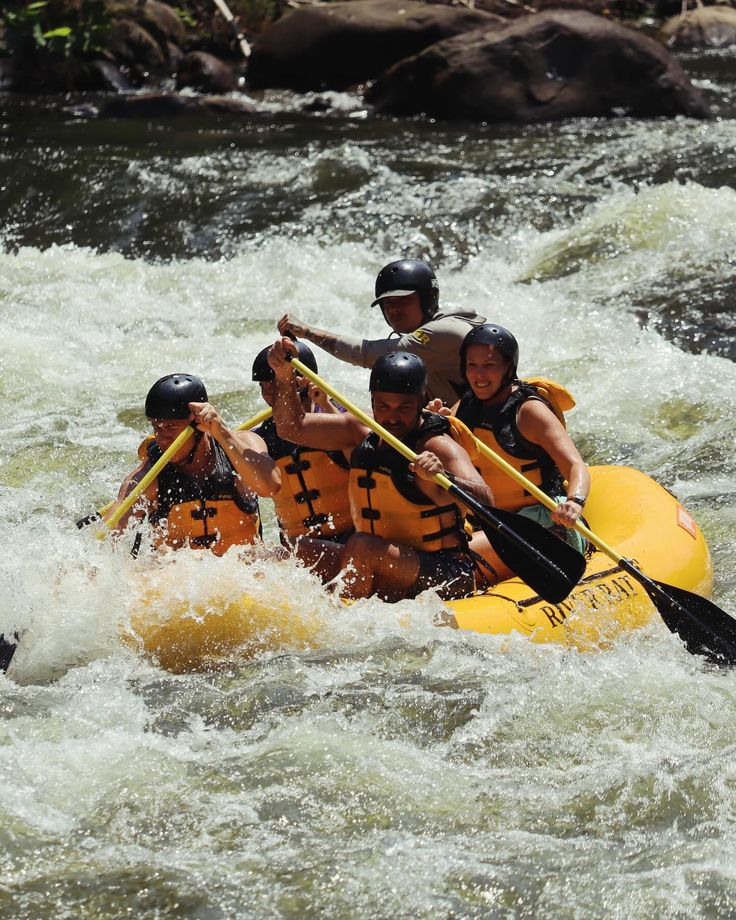
Written by Charles Lubega, Senior Safari Guide, Travel Giants Uganda *15+ years experience | Hundreds of rafting trips arranged | IATA-certified* The Explicit Answer: Which Rafting Trip Is Right for You? The right rafting trip for you depends on your age, fitness, and how much adrenaline you want. Grade 5 Rafting is for thrill-seekers, adventure travelers, and anyone who wants to conquer the legendary ‘Nile Special’ – massive waves, high chance of falling out, intense adrenaline. Minimum age 15-16. Family Float is for families with young children, nervous first-timers, seniors, and anyone who wants a gentle scenic float with small splashes. Minimum age 5+. There’s also a Half Day Grade 3 option for families with teens or cautious adults who want some excitement without terror. This guide helps you choose based on YOUR comfort level. The Quick Verdict Trip Type Grades Min Age Adrenaline Fear Factor Physical Demand Best For Full Day Grade 5 2-5 15-16 ⭐⭐⭐⭐⭐ ⭐⭐⭐⭐ (the Nile Special is scary) ⭐⭐⭐⭐ (paddling, swimming) Thrill-seekers, adventure travelers, most healthy adults Half Day Grade 3 2-3 12-14 ⭐⭐⭐ ⭐⭐ (exciting but not terrifying) ⭐⭐⭐ (paddling) Families with teens, cautious adults Family Float 1-2 5+ ⭐ (gentle) ⭐ (not scary at all) ⭐ (minimal) Families with young children, seniors, nervous first-timers The Deeper Truth After 15 years of sending clients rafting on the Nile, I’ve seen everything: 70-year-old grandmothers who conquered the Nile Special and 20-year-old adrenaline junkies who panicked on the family float. There’s no “best” trip – only the right trip for YOU. This guide helps you choose honestly, without ego or embarrassment. *As an IATA-certified tour operator with 15+ years of experience, Travel Giants Uganda has sent hundreds of clients rafting on the Nile. We’ve seen every type of rafter – and we know which trip fits which personality.* The Three Nile Rafting Options at a Glance Gist-first: Three trips. Three completely different experiences. Here’s what you need to know. Quick Comparison Table Factor Full Day Grade 5 Half Day Grade 3 Family Float Duration 6-7 hours 3-4 hours 2-3 hours Rapids 8-10 (2-3 are Grade 5) 4-5 (all Grade 2-3) 2-3 (Grade 1-2) Nile Special? ✅ YES (the famous one) ❌ No ❌ No Swimming required? Yes (you WILL fall in) Maybe (possible) No (unlikely) Wave height Up to 10-15 feet 3-6 feet 1-2 feet Flip chance 50-70% (you will flip or fall out) 10-20% 0% Scare factor “Terrifying but amazing” “Exciting but fun” “Relaxing and scenic” Minimum age 15-16 12-14 5+ Cost $120-150 $80-100 $50-80 The Honest Truth at a Glance If you want… Choose… To conquer fear Grade 5 To brag to your friends Grade 5 To experience the legendary Nile Special Grade 5 A fun family activity with teens Half Day Grade 3 To get wet and excited but not terrified Half Day Grade 3 A gentle introduction to the Nile Family Float To take your 8-year-old rafting Family Float To see monkeys, birds, and scenery Family Float Zero chance of flipping Family Float [IMAGE: Split image – Grade 5 raft in massive wave (left) vs. family float on calm water (right). Caption: “Same river, completely different experiences.”] Full Day Grade 5 Rafting – The Thrill-Seeker’s Dream Gist-first: This is the one you’ve seen on YouTube. Massive waves. People screaming. The legendary Nile Special. For adrenaline junkies only. Full Day Grade 5 – Complete Breakdown Detail Information Duration 6-7 hours (including lunch break) Distance ~25km (15 miles) Rapids The Warm Up (2-3), The Bad Place (3-4), Nile Special (5) , Club Med (3-4), The Gauntlet (3-4), Total Garbage (3), plus more Wave height 10-15 feet on the Nile Special Flip probability 50-70% – you WILL flip or fall out at least once Swimming You will be in the water – multiple times Adrenaline level Extremely high Fear factor Genuinely scary (but safe) Who This Trip Is For Type Verdict Adventure travelers ✅ YES – perfect Thrill-seekers ✅ YES – this is why you came Backpackers ✅ YES – most popular option Healthy adults (18-50) ✅ YES – ideal Couples looking for adventure ✅ YES – unforgettable shared experience Solo travelers ✅ YES – you’ll make friends in the raft Experienced rafters ✅ YES – the Nile Special is world-class Nervous first-timers ⚠️ Maybe – only if you’re ready to be scared Anyone afraid of water ❌ No – choose Family Float Non-swimmers ❌ No – you will fall in What You’ll Experience Moment What Happens How You’ll Feel The safety briefing 20 minutes of instructions “I’m nervous but excited” The practice session Paddling, flipping, swimming in calm water “Okay, I can do this” First rapid (The Warm Up) Fun splashes, nothing scary “This is awesome!” The Bad Place Bigger waves, people fall out “Okay, this is real” Calm stretch Floating, catching breath “That was intense” THE NILE SPECIAL Guide shouts “PADDLE HARD!” – massive wave, washing machine, mayhem “I’M GOING TO DIE” (you won’t) After the Nile Special Laughter, high-fives, adrenaline crash “THAT WAS THE BEST THING EVER” Lunch break Hot meal on a sandy beach “I’m starving” Club Med Fun, bouncy rapid – celebration “We survived!” Final stretch Smaller rapids, tired but happy “I can’t believe we did that” The Nile Special – What Actually Happens Second Event 0 Guide shouts “NILE SPECIAL! PADDLE HARD!” 1-3 You paddle furiously toward the wave 4 The raft drops into the trough – stomach drops 5 The wave hits – water everywhere, can’t see, can’t breathe for 2 seconds 6-10 The “washing machine” – you’re being spun, flipped, thrown 11-15 Pop out of the wave – assess: who’s still in the raft? 16-20 Laughter, screams, “I’M ALIVE!” 30 Safety kayakers collect swimmers Physical Demands Activity Intensity Duration Paddling through rapids High (sprint effort) 15-30 seconds per rapid Paddling between rapids Low (resting) 5-15 minutes Swimming after falling out Moderate 30-60 seconds Climbing back into raft High (upper body) 10-30 seconds Overall fatigue High – you’ll be tired and sore the next day 6 hours Insider tip: “The Nile Special
White Water Rafting on the Nile in Jinja: Ultimate Guide (Grades & Safety) – 2026

Written by Charles Lubega, Senior Safari Guide, Travel Giants Uganda *15+ years experience | Hundreds of rafting trips arranged | IATA-certified* The Explicit Answer: Is White Water Rafting on the Nile Worth It? Yes – white water rafting on the Nile in Jinja is absolutely worth it. It’s consistently rated among the top 10 white water rafting experiences in the world. The rapids range from Grade 1 (gentle) to Grade 5 (extreme), with the famous “Nile Special” being one of the most intense commercially-run rapids on Earth. You do NOT need experience – professional guides provide full safety briefings and training. The best rafting companies are Nile River Explorers and Adrift (both have excellent safety records). A full-day rafting trip costs $120-150 per person including lunch, equipment, and transport from Jinja. This guide covers everything: rapid grades, safety, what to wear, fitness requirements, and how to prepare. The Quick Overview Factor Information Location Jinja, Uganda (Source of the Nile – 2 hours from Kampala) Rapids range Grade 1-5 (something for everyone) Famous rapid “Nile Special” – Grade 5 (world-famous) Experience needed None – beginners welcome Minimum age 15-16 years (depending on operator) Season Year-round (water levels vary) Cost (full day) $120-150 per person Best operators Nile River Explorers, Adrift Includes Equipment, lunch, safety briefing, transport from Jinja Must-do rating ⭐⭐⭐⭐⭐ (top 10 worldwide) The Deeper Truth After 15 years of sending clients rafting on the Nile, I can tell you: it’s safe, it’s thrilling, and it’s well-organized. The rapids are big – the Nile Special is genuinely scary – but the guides are world-class. You will fall out at some point (everyone does). You will swallow water. You will laugh harder than you’ve ever laughed. Then you’ll buy the video and watch it for years. *As an IATA-certified tour operator with 15+ years of experience, Travel Giants Uganda has sent hundreds of clients rafting on the Nile. We know which operators are safest, which rapids are most intense, and how to prepare.* Why Raft the Nile in Jinja? Gist-first: The Nile isn’t just a river – it’s THE river. And Jinja has the best white water rafting in Africa. The Nile Rafting Credentials Fact Detail World ranking Top 10 white water rafting destinations globally Africa ranking #1 in Africa Rapids per trip 8-10 significant rapids Grade 5 rapids 2-3 per trip (including the legendary Nile Special) Water source Lake Victoria – consistent flow year-round Scenery Tropical riverbanks, birds, occasional monkeys What Makes It Special Factor Why It’s Unique The Nile The world’s longest river – bragging rights Grade 5 rapids Not many places offer commercial Grade 5 rafting Warm water You’re not freezing like in New Zealand or Colorado Professional operation Safety standards are high The Nile Special Legendary rapid – bucket list material Beautiful setting You’re rafting through the African jungle Insider tip: “I’ve rafted in Colorado, Costa Rica, and New Zealand. The Nile is better. The rapids are bigger, the water is warmer, and the setting – the Source of the Nile – is magical. Don’t miss it.” [IMAGE: Raft going through big rapid, Nile River, Jinja. Caption: “White water rafting on the Nile – consistently ranked among the top 10 in the world.”] Understanding Rapid Grades (What Do Grade 1-5 Mean?) Gist-first: Rapids are rated on a scale of 1 (easy) to 6 (un-runnable). Here’s what each grade means for the Nile. International Scale of River Difficulty Grade Description What It Feels Like On the Nile 1 Easy, small waves Like a gentle river float The calm sections between rapids 2 Moderate, clear channels Fun splashes, easy maneuvering Several stretches 3 Difficult, irregular waves You’ll get wet, maybe thrown around a bit Most rapids are Grade 3 4 Very difficult, powerful Intense waves, strong currents, high chance of flipping Several big rapids 5 Extremely difficult The Nile Special – massive waves, holes, very high adrenaline The Nile Special (Grade 5) 6 Un-runnable Not commercially rafted – too dangerous None What You’ll Experience on the Nile Rapid Grade Location Description “The Warm Up” 2-3 Early in trip Gentle introduction “The Bad Place” 3-4 Mid-trip Big waves, high chance of swimming “The Nile Special” 5 Late in trip THE MAIN EVENT – massive, famous, terrifying, amazing “Club Med” 3-4 After Nile Special Fun, bouncy, celebratory “The Gauntlet” 3-4 Final stretch Continuous waves What Grade 5 Really Means Fear Reality “I might die” No – safety systems are excellent “I’ll definitely fall out” Maybe – but that’s part of the fun “The waves are huge” Yes – 10-15 foot waves “I can’t do this” You can – guides help you through Insider tip: “The Nile Special is the real deal. I’ve done it over 20 times. It scares me every single time. That’s why it’s special. You’ll be terrified for 10 seconds, then you’ll be laughing. Trust your guide. Paddle hard. Hold on.” [IMAGE: Raft going through Nile Special, massive wave. Caption: “The Nile Special – Grade 5, legendary, and absolutely epic.”] Safety – How Safe Is Rafting on the Nile? Gist-first: Let’s address the elephant in the room: safety. The Nile is big water. But the operators are professional, and the safety systems are excellent. Safety Statistics Fact Detail Safety record Excellent – major incidents are extremely rare Guide training Wilderness First Responder, swift water rescue certified Safety kayakers 2-3 kayakers accompany every rafting trip Life jackets High-quality, mandatory Helmets Mandatory Rafts Self-bailing, commercial grade Safety Systems in Place Safety Feature What It Does Safety briefing 20-30 minute instruction before getting on the water Practice session You’ll practice paddling, flipping, and swimming in calm water Safety kayakers Positioned at each major rapid to rescue swimmers Rescue procedures Guides practice rescue drills regularly Emergency plan Evacuation to hospital in Jinja (20-30 minutes) What Happens If You Fall Out Step What Happens 1 You fall out (it happens to everyone) 2 Go feet first, toes up (protects you from rocks) 3 Safety kayaker reaches you in 30-60 seconds 4 You’re pulled into the kayak or escorted to raft 5
