
How to Choose Between Rwanda and Uganda Gorilla Safaris: The Ultimate 2026 Comparison Guide

By Charles Lubega | Senior Gorilla Trekking Expert, Travel Giants Uganda 15 Years | Thousands of Treks | Bwindi, Mgahinga & Volcanoes NP Specialist The Explicit Answer: What You’ll Learn in This Guide Rwanda or Uganda? It’s the question every gorilla trek planner wrestles with. After 15 years of guiding in both countries—watching travelers do Rwanda first, Uganda first, and sometimes both—I’ve learned that there’s no universal “better” country. There’s only the right country for you. And the difference comes down to four factors: budget, convenience, trekking difficulty, and what you want to feel when you’re in the forest. This guide delivers an honest, side-by-side comparison of gorilla trekking in Rwanda and Uganda. Not marketing hype. Not sugar-coating. Real differences in cost, logistics, difficulty, scenery, accommodation, and overall experience. By the end, you’ll know exactly which country fits your priorities. Quick Overview of Key Differences Factor Rwanda Uganda Cost $1,500 permit 800permit(800permit(700 less) Convenience 2-3 hours from airport 6-9 hours from airport Trek difficulty Moderate-challenging Varies by sector (easy to very challenging) Scenery Volcano backdrop Dense forest immersion Lodging More ultra-luxury More mid-range options Other activities Golden monkeys, Kigali city tour Safari parks, chimps, golden monkeys The deeper truth: The gorillas don’t care which country you choose. They’ll change you either way. But the wrong choice for your budget, fitness, or travel style can turn a dream into a struggle. This guide ensures you make the right one. I’ve guided thousands of trekkers in both countries. I’ve watched travelers choose Rwanda, Uganda, and both. There’s no wrong answer—only the wrong answer for you. Let me help you find your match. [IMAGE PLACEMENT 1: Split image: Rwanda gorilla with volcano backdrop (left) vs. Uganda gorilla in forest canopy (right). Caption: “Rwanda’s volcano vistas (left) vs. Uganda’s forest immersion (right)—two unforgettable experiences. Which is right for you?”] The One-Sentence Answer – Which Country Should You Choose? Gist: If you only have 30 seconds, here’s the answer. The Short Answer If You Prioritize… Choose… Lower cost ($800 permit) Uganda Shorter drive from airport (2-3 hours) Rwanda Easier trekking Uganda (Rushaga sector) Dramatic volcano scenery Rwanda or Uganda (Mgahinga) Luxury lodges Rwanda Value for money (mid-range) Uganda Variety of gorilla families Uganda (20+ families) Combine with safari (lions, elephants) Uganda Combine with chimps Uganda Combine with Rwanda city tour Rwanda Do both countries Rwanda + Uganda combo The Decision in One Sentence Choose Rwanda if: Your budget allows $1,500+, you want convenience and luxury, and volcano scenery excites you. Choose Uganda if: You want the best value ($800 permit), don’t mind longer drives, and want to combine gorillas with traditional safari. The Honest Truth: I’ve guided both countries hundreds of times. There’s no wrong answer. But there is a wrong answer for you. This guide helps you find your match. The Decision Factors – What Actually Matters Gist: Before we dive into the nitty-gritty, let’s agree on what factors actually matter when choosing between Rwanda and Uganda. The Seven Decision Factors Factor Why It Matters 1. Budget The 700permitdifference(700permitdifference(1,500 vs. $800) is significant 2. Convenience (travel time) Rwanda is 2-3 hours from Kigali; Uganda is 6-9 hours from Entebbe 3. Trek difficulty Fitness level should guide your choice 4. Scenery preference Volcano views vs. forest immersion 5. Accommodation style Luxury vs. mid-range vs. budget 6. Additional activities Safari, chimps, golden monkeys, city tours 7. Solitude vs. amenities Fewer crowds vs. more established infrastructure The Honest Truth: Most people focus on permit cost. But the right choice depends on all seven factors. Let’s break down each one. Factor 1 – Budget (The $700 Question) Gist: Let’s talk money. The permit price difference is the single biggest factor for most travelers. The Numbers Expense Rwanda Uganda Difference Gorilla permit $1,500 $800 $700 less in Uganda Accommodation (mid-range, 2 nights) $300-500 $160-300 $140-200 less in Uganda Transport (from airport) $100-200 (shorter) $200-400 (longer) $100-200 less in Rwanda Other activities (safari, etc.) $100-300 $200-500 Varies Total Trip Cost Comparison (3-Day Safari, Per Person) Country Permits Accom (2 nights) Transport Total (approx) Rwanda $1,500 $250 $150 ~$1,900 Uganda $800 $200 $300 ~$1,300 Difference $600 less in Uganda Where the Savings Go in Uganda $700 less on permit = biggest saving Lower accommodation costs (mid-range vs. luxury) But longer drive = higher transport cost [IMAGE PLACEMENT 2: Cost comparison infographic: Rwanda vs. Uganda, bar chart showing permit cost difference. Caption: “The $700 permit difference is real. But transport and accommodation narrow the gap.”] The Honest Truth: Uganda is significantly cheaper. The $700 permit difference is real. But if you’re a luxury traveler going high-end, the gap narrows. Do the math for your specific trip. Factor 2 – Convenience (Travel Time from Airport) Gist: After a long international flight, how far are you willing to drive? This factor alone sways many travelers. Travel Time Comparison Factor Rwanda Uganda Airport Kigali International (KGL) Entebbe International (EBB) Drive to park 2-3 hours 6-9 hours (or 1 hour flight + drive) Road conditions Good tarmac Good to fair (last stretch rough) Flight option Not needed (drive is short) 1 hour charter flight to Kisoro/Kihihi The “Arrival Day” Experience Rwanda: Land at Kigali (morning or early afternoon) Drive 2-3 hours to Volcanoes NP Arrive at lodge by late afternoon Rest, dinner, early bed Trek next morning Uganda: Land at Entebbe (morning only—late arrivals need overnight) Drive 6-9 hours OR take 1-hour flight + drive If driving: arrive late evening (exhausted) If flying: arrive afternoon, more rested Trek second day The Verdict Your Priority Choose Shortest drive after long flight Rwanda Don’t mind long drives if it saves money Uganda Limited vacation time (3-4 days total) Rwanda Longer vacation (7+ days) Either [IMAGE PLACEMENT 3: Map showing drive routes: Kigali to Volcanoes NP (2-3 hours) vs. Entebbe to Bwindi (6-9 hours). Caption: “Rwanda: 2-3 hours from airport. Uganda: 6-9 hours. Convenience vs. cost.”] The Honest Truth: Rwanda wins on convenience. Hands down. The 2-3 hour drive from Kigali is a dream compared to Uganda’s 6-9 hours. But for many, the $700 savings is worth the longer drive. Factor 3 – Trek Difficulty
Where to See Mountain Gorillas in Uganda and Rwanda: Full Latest Guide 2026 (Top Spots)
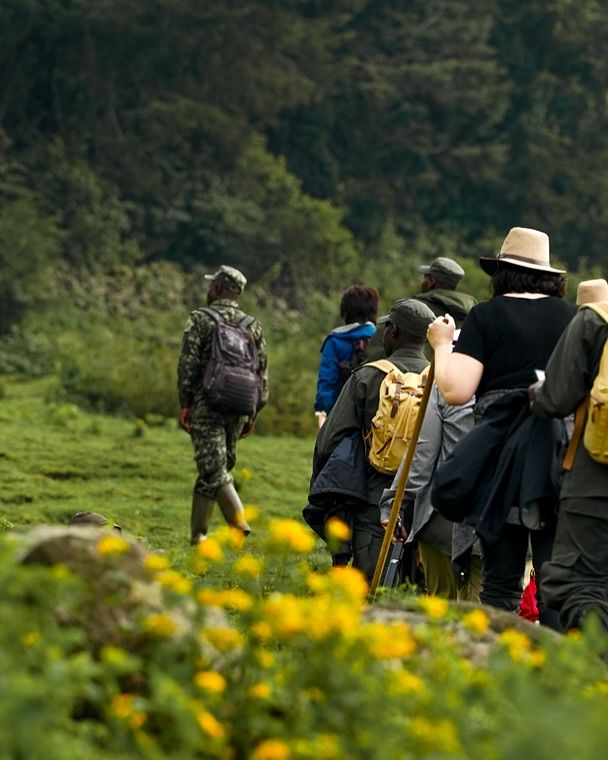
By Charles Lubega | Senior Gorilla Trekking Expert, Travel Giants Uganda 15 Years | Thousands of Treks | Bwindi, Mgahinga & Volcanoes NP Specialist The Explicit Answer: What You’ll Learn in This Guide The mountain gorillas live in only two places on earth: Uganda’s Bwindi Impenetrable Forest and Mgahinga National Park, and Rwanda’s Volcanoes National Park. That’s it. 1,063 individuals across just a few hundred square kilometers. After 15 years of guiding trekkers to both countries, I’ve learned that “where to see mountain gorillas” isn’t just a geography question—it’s a question of budget, fitness, travel style, and what you want from the experience. This guide delivers a complete, up-to-date comparison of every location where you can see mountain gorillas in Uganda and Rwanda. You’ll learn the differences between countries, the best sectors in each, the easiest and most challenging treks, the cheapest and most expensive options, insider tips for each location, and exactly how to choose the right spot for your specific situation. Quick Overview of Locations Country Park Sectors Gorilla Families Permit Cost Best For Rwanda Volcanoes NP 1 sector 12 habituated families $1,500 Luxury, convenience, first-timers Uganda Bwindi NP 4 sectors (Buhoma, Rushaga, Ruhija, Nkuringo) 20+ families $800 Value, variety, repeat visitors Uganda Mgahinga NP 1 sector 1 family (Nyakagezi) $800 Solitude, photographers, volcano scenery The deeper truth: You can see mountain gorillas in all these places. But the experience—the cost, the difficulty, the scenery, the crowds, the lodging—could not be more different. This guide helps you choose the right one for you. I’ve trekked every sector, every family, every season. I’ve helped thousands of travelers decide between Rwanda and Uganda. Let me help you make the right choice. [IMAGE PLACEMENT 1: Split image: Volcanoes National Park (left) with volcano backdrop vs. Bwindi forest (right) with dense canopy. Caption: “Rwanda’s volcano views (left) vs. Uganda’s forest immersion (right)—two dramatically different experiences.”] The Quick Answer – Which Country Should You Choose? Gist: Before we dive deep, here’s the quick decision guide. Scan this table, find your priority, and you’ll know where to go. Uganda vs. Rwanda – Decision Matrix Your Priority Choose Why Lowest permit cost Uganda 800vs.800vs.1,500 (saves $700) Closest to international airport Rwanda 2-3 hours drive vs. 6-9 hours Easiest trekking Uganda (Rushaga sector) Gentle slopes, shorter average treks Most dramatic scenery Rwanda or Uganda (Nkuringo) Volcano backdrop (Rwanda) or forest canopy views (Nkuringo) Luxury lodges Rwanda More high-end options, world-class service Value for money (mid-range) Uganda More options at lower price points Most gorilla families to choose from Uganda (Bwindi) 20+ families vs. 12 in Rwanda Habituation experience (4 hours) Uganda (Rushaga) Only offered here, $1,500 Quietest, fewest tourists Uganda (Mgahinga or Ruhija) Only 8 permits/day (Mgahinga) Combine with other safari parks Uganda Queen Elizabeth, Murchison, Lake Mburo nearby Combine with Rwanda (two-country trip) Both East African Visa makes border crossing easy The One-Sentence Answer Choose Rwanda if: You prioritize convenience, luxury, and volcano scenery and have the budget ($1,500 permit). Choose Uganda if: You prioritize value ($800 permit), variety of families, and don’t mind longer drives. Overview – Where Mountain Gorillas Live (Geography Lesson) Gist: Mountain gorillas don’t roam freely across Africa. They’re confined to two small regions. Here’s the geography. The Two Populations Population Location Estimated Gorillas (2026) Countries Parks Virunga Massif Volcanic mountains ~600 Rwanda, Uganda, DRC Volcanoes NP (Rwanda), Mgahinga NP (Uganda), Virunga NP (DRC) Bwindi Isolated forest ~460 Uganda only Bwindi Impenetrable NP Where Tourists Can Trek Country Park Sectors Gorilla Families Daily Permits Permit Cost Rwanda Volcanoes NP 1 12 ~96 $1,500 Uganda Bwindi NP 4 (Buhoma, Rushaga, Ruhija, Nkuringo) 20+ ~168 $800 Uganda Mgahinga NP 1 1 (Nyakagezi) 8 $800 DRC Virunga NP 1 8 ~64 $400 (but security concerns) [IMAGE PLACEMENT 2: Map of East Africa showing Virunga Massif and Bwindi locations, with country borders highlighted. Caption: “Mountain gorillas live in only two regions: the Virunga Massif (shared by Rwanda, Uganda, DRC) and Bwindi (Uganda only).”] The Honest Truth: Most tourists choose between Rwanda’s Volcanoes National Park and Uganda’s Bwindi. Mgahinga is a hidden gem for returning visitors. DRC is for the truly adventurous (check security before booking). Rwanda – Volcanoes National Park (The Luxury Option) Gist: Rwanda’s Volcanoes National Park is the most famous gorilla trekking destination in the world. It’s also the most expensive. Here’s what you need to know. Quick Facts Factor Details Location Northwestern Rwanda, 2-3 hours from Kigali airport Number of gorilla families 12 habituated Daily permits ~96 (8 per family) Permit cost $1,500 (foreign non-resident) Trek difficulty Moderate to challenging (volcanic terrain) Altitude 7,500-12,000 ft (2,300-3,700 m) Best time Dry seasons (June-Sept, Dec-Feb) Best for Luxury travelers, convenience seekers, first-timers The Experience You’ll wake up early at your lodge near the park (most are 15-45 minutes from the trailhead). After briefing at the park headquarters, you’re assigned to a gorilla family based on fitness levels and preferences. Trekkers are matched to families—easier treks for those who need them, harder ones for adventurers. The trek takes you through farmland, bamboo forest, and then into the volcanic slopes. The terrain is steep but the trails are well-maintained. The big advantage over Bwindi? The views. On clear days, you’ll see the peaks of the Virunga volcanoes—Bisoke, Sabinyo, Gahinga—towering above. The gorillas here are fully habituated and accustomed to human presence. The Twelve Gorilla Families (Most Famous) Family Silverback Notes Susa One of the oldest groups, featured in Dian Fossey’s research Sabyinyo Guhonda (one of the largest silverbacks) Accessible trek Amahoro Peaceful group Umubano Formed after a split from Amahoro Agashya One of the easiest treks Karisimbi Highest altitude trek Hirwa Known for many infants Bwenge Named after the silverback Isabukuru Named after the silverback Kuryama Named after the silverback Muhoza Named after the silverback Titus Named after the famous silverback from Fossey’s research Best Lodges in Volcanoes NP Lodge Price Range Vibe Best For Bisate Lodge $1,800-2,500 Ultra-luxury, architectural masterpiece Honeymooners, design lovers Singita Kwitonda Lodge $2,000-3,000 Ultimate luxury, exceptional service Celebrities, unlimited budget Sabyinyo Silverback Lodge $800-1,200 Classic luxury, community-owned
What Are the Special Features of a Mountain Gorilla? 15 Fascinating Facts for 2026
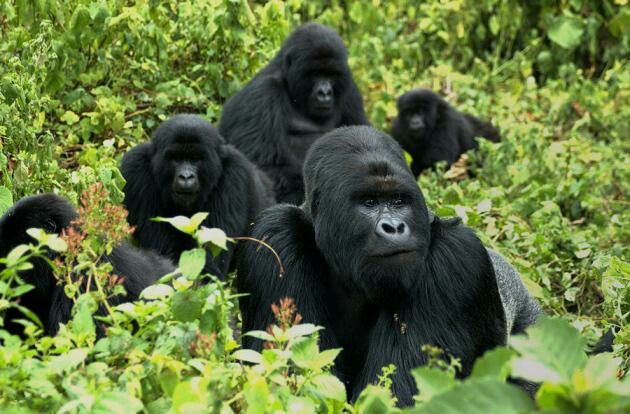
By Charles Lubega | Primatologist & Senior Gorilla Guide, Travel Giants Uganda 15 Years Studying Mountain Gorillas | Daily Tracker in Bwindi, Mgahinga & Virunga | Conservation Collaborator The Explicit Answer: What You’ll Learn in This Guide A mountain gorilla’s nose print is as unique as your fingerprint. No two are alike. Conservationists use these patterns—called “nose prints”—to identify individuals. But that’s just the beginning. After 15 years of tracking mountain gorillas in the forests of Uganda and Rwanda, I’ve learned that their special features go far beyond what any textbook can capture. From their opposable toes to their 98% DNA match with humans, from their chest-beating displays to their tender grooming rituals—these are creatures of extraordinary contradiction: powerful yet gentle, fierce yet tender, wild yet familiar. This guide reveals 15 special features of mountain gorillas—from physical adaptations to behavioral wonders to conservation miracles. You’ll learn facts that will deepen your appreciation before your trek and insights that will make your encounter more meaningful. Quick Overview of the 15 Features Category Features Physical Features (5) Nose prints, thick insulating fur, opposable toes, sexual dimorphism (silverback size), powerful skull and teeth Behavioral Features (5) Complex social structure, rich communication (chest beats, grunts), intelligence (tool use, problem-solving), vegetarian diet, the silverback’s multi-faceted role Conservation & Unique Status (5) Endangered but recovering, high-altitude habitat, 98.4% DNA match with humans, slow reproduction and lifespan, the only growing great ape population The deeper truth: Understanding mountain gorillas isn’t just about memorizing facts. It’s about recognizing our closest relatives—and realizing that protecting them protects something essential in ourselves. I’ve tracked gorillas daily for over a decade. I’ve watched travelers weep and scientists fall silent. Every fact in this guide comes from direct observation—from the forest, not just the books. Let me share what I’ve learned. [IMAGE PLACEMENT 1: Hero shot of mountain gorilla silverback in forest, direct eye contact, golden light filtering through canopy. Caption: “The mountain gorilla—98.4% of your DNA, 400 pounds of presence, and an unforgettable gaze.”] The Mountain Gorilla at a Glance – Quick Facts Gist: Before we dive into the 15 special features, here’s what you need to know about mountain gorillas at a glance. Quick Facts Table Category Fact Scientific name Gorilla beringei beringei Average male weight 300-485 lbs (135-220 kg) Average female weight 150-220 lbs (70-100 kg) Male height 4.6-5.6 ft (1.4-1.7 m) standing Lifespan in wild 35-40 years Lifespan in captivity 50+ years Population in wild ~1,063 (as of 2025 estimate) Habitat Bwindi Impenetrable Forest, Mgahinga, Virunga Massif (Rwanda, Uganda, DRC) Altitude range 8,000-13,000 ft (2,400-4,000 m) Diet 86% leaves, shoots, stems; 14% fruit, bark, roots, insects Daily eating 40-50 lbs (18-23 kg) of vegetation Gestation period 8.5 months (similar to humans) Interbirth interval 4-5 years DNA similarity to humans 98.4% The Honest Truth: These numbers are impressive. But they don’t capture what it’s like to stand ten feet from a silverback, to watch a mother groom her infant, to hear the forest fall silent as a 400-pound male walks past. The facts are a doorway. The experience is the destination. Physical Features – What Makes a Mountain Gorilla Unique Gist: The mountain gorilla’s body is a masterpiece of adaptation. Here are the physical features that set them apart. Feature #1: The Unique Nose Print (Gorilla Fingerprint) What It Is: Every mountain gorilla has a unique pattern of ridges and creases on their nose. No two are identical. Conservationists use photographs of these “nose prints” to identify individuals, track family groups, and monitor populations. Why It Matters: This is how researchers know that a particular silverback has been observed for 20 years. This is how they track births, deaths, and movements. The nose print is the gorilla’s fingerprint. What You’ll See: When a gorilla faces you, look at the area around its nostrils. Those wrinkles and lines are its unique signature. Insider Tip: During your trek, if you take a clear photo of a gorilla’s face, researchers may ask for a copy. Your photo could help with conservation monitoring. [IMAGE PLACEMENT 2: Close-up of mountain gorilla face, nose ridges visible, deep brown eyes. Caption: “The nose print is unique to every gorilla—their version of a fingerprint. No two are alike.”] Feature #2: Thick, Insulating Fur What It Is: Mountain gorillas have longer, thicker fur than any other gorilla subspecies. This adaptation allows them to survive at altitudes of 8,000-13,000 feet where temperatures can drop below freezing at night. Why It Matters: Unlike lowland gorillas, mountain gorillas live in a cold, misty environment. Their fur traps heat close to their bodies. The fur is dark (black to brownish-black), which also absorbs sunlight for warmth. What You’ll See: You’ll notice how the fur lies thick on their backs and shoulders. On infants, it’s almost woolly. In the misty morning light, their fur catches droplets of water. Insider Tip: Contrary to popular belief, gorillas are not immune to cold. They build night nests (sometimes on the ground in colder weather) to stay warm. You may see these nests during your trek. Feature #3: Opposable Toes and Feet (Not Just Hands) What It Is: Mountain gorillas have opposable toes on their feet. Their big toe is large and separates from the other toes, allowing them to grasp branches and vegetation with their feet. Why It Matters: This adaptation is crucial for climbing and navigating uneven terrain. While silverbacks are too heavy to climb trees regularly (branches would break), younger gorillas and females climb frequently. Their feet are as dexterous as their hands. What You’ll See: Watch juveniles and females navigate steep slopes. You’ll see them using their feet to grip roots and rocks. When they climb trees, their feet wrap around branches just like hands. Comparison to Humans: Our feet evolved for walking upright. Gorilla feet evolved for climbing. The trade-off is efficiency—gorillas can’t walk as far as humans, but they can climb terrain that would stop us cold. Feature #4: Sexual Dimorphism – The Silverback’s Majesty What It Is: Male gorillas are dramatically larger than females—a phenomenon called sexual dimorphism. Adult males (silverbacks) weigh 300-485 pounds, while females
Rwanda and Uganda Gorilla Safari Trip Planning Checklist: Your Complete 12-Month Guide to a Seamless Two-Country Adventure

By James Ochieng | Senior Gorilla Safari Expert, Travel Giants Uganda *15 Years | Hundreds of Two-Country Safaris | Bwindi, Mgahinga & Volcanoes NP Specialist* The Explicit Answer: What You’ll Learn in This Guide Planning a gorilla safari in two countries is twice as exciting—and twice as complex. I’ve guided hundreds of travelers through both Uganda and Rwanda. I’ve seen the joy when everything goes right and the panic when something falls through the cracks. After 15 years, I’ve distilled the entire process into a single, chronological checklist. This is the guide I wish every traveler had before they started planning. This guide delivers a complete, month-by-month planning checklist for a Rwanda and Uganda gorilla safari. From 12 months out (when you should start researching) to the day you depart (what to pack in your carry-on). You’ll find everything: permits, visas, flights, accommodation, packing, fitness, insurance, culture, and emergency protocols. Quick Overview of Checklist Phases Phase Timeline Key Actions Phase 1 12 Months Out Research, budgeting, route planning Phase 2 9 Months Out Permit booking (critical), accommodation research Phase 3 6 Months Out Flights, visas, travel insurance Phase 4 3 Months Out Fitness training, gear acquisition, vaccinations Phase 5 1 Month Out Final confirmations, packing, currency Phase 6 1 Week Out Documents, digital backups, last-minute checks Phase 7 Day Before Final preparations, rest, mindset Phase 8 Trek Day Hour-by-hour execution The deeper truth: The difference between a stressful safari and a seamless one isn’t luck—it’s a checklist. Follow this guide, and you’ll arrive calm, prepared, and ready for the gorillas. I’ve crossed the Cyanika border hundreds of times. I’ve booked permits for both countries in the same week. I’ve made every planning mistake possible, so you don’t have to. [IMAGE PLACEMENT 1: Map showing Rwanda and Uganda border crossing (Cyanika), Volcanoes NP and Bwindi locations. Caption: “The two-country gorilla safari: Rwanda’s Volcanoes National Park and Uganda’s Bwindi Impenetrable Forest are just 4-5 hours apart.”] Overview – The Two-Country Gorilla Safari at a Glance Gist: Before we dive into the checklist, let’s understand what you’re planning. Quick Comparison: Uganda vs. Rwanda Gorilla Trekking Factor Uganda Rwanda Permit cost $800 $1,500 Gorilla families 20+ habituated 12 habituated Trek difficulty Varies by sector (easy to very challenging) Moderate to challenging Travel time from airport 6-9 hours drive (or 1 hour flight + drive) 2-3 hours drive Visa cost 50(single)or50(single)or100 (East African) $30 (or included in East African visa) Best for Value, variety, habituation experience Luxury, convenience, volcano views Sample Two-Country Itinerary (7-10 Days) Day Activity Country 1 Arrive Kigali, transfer to Volcanoes NP Rwanda 2 Gorilla trek (Rwanda) Rwanda 3 Transfer to Bwindi (4-5 hours via Cyanika border) Rwanda → Uganda 4 Gorilla trek (Uganda) or rest day Uganda 5 Second gorilla trek (Uganda) or golden monkeys Uganda 6 Optional: Lake Bunyonyi or transfer to Kigali Uganda 7 Depart from Kigali Rwanda The Honest Truth: Combining both countries gives you the best of both worlds: Rwanda’s luxury and convenience, Uganda’s value and variety. But it requires twice the planning. This checklist ensures you don’t miss a thing. The Complete 12-Month Planning Checklist Gist: Here’s your chronological checklist. Start here, follow each step, and you’ll arrive prepared. 12 Months Before Your Safari – Research & Budgeting Gist: The foundation of a successful safari is laid early. Don’t rush this phase. Checklist Items Research both countries: Understand the differences (cost, trek difficulty, accommodation, travel time) Set your budget: Include permits (800Uganda+800Uganda+1,500 Rwanda = $2,300+), accommodation, flights, visas, insurance, tips, gear Choose your route: Determine which country you’ll trek first (logistics: Rwanda is closer to Kigali airport) Choose your sectors: For Uganda: Rushaga (easiest), Buhoma (classic), Nkuringo (challenging), Ruhija (quiet). For Rwanda: Volcanoes NP (all treks start from same area) Research accommodation: Luxury, mid-range, or budget? Make a shortlist for each night Decide on add-ons: Golden monkey tracking (100Uganda,100Uganda,100 Rwanda), chimpanzee tracking, Lake Bunyonyi, Kigali city tour Start a travel fund: Gorilla safaris are expensive. Start saving early Insider Tip: “If you’re on a budget, do your gorilla trek in Uganda (800)andaddaRwandacitytourorgoldenmonkeysinsteadofasecond800)andaddaRwandacitytourorgoldenmonkeysinsteadofasecond1,500 trek. You’ll still get the two-country experience at lower cost.” 9 Months Before Your Safari – Permits & Accommodation Gist: This is the most critical phase. Permits sell out. Don’t wait. Checklist Items Book Rwanda gorilla permits ($1,500): 6-9 months ahead for peak season. Contact Rwanda Development Board (RDB) or your tour operator Book Uganda gorilla permits ($800): 3-6 months ahead. Uganda Wildlife Authority (UWA) or your tour operator Book habituation experience (if desired): 6-12 months ahead. Only in Uganda’s Rushaga sector. Only 8 permits daily Confirm permit payment: Permits are non-refundable. Double-check dates, names (as they appear on passports), and sectors Book accommodation in Rwanda: Volcanoes NP area (Bisate, Sabyinyo, Singita, or mid-range options) Book accommodation in Uganda: Based on your chosen sector (Rushaga, Buhoma, Nkuringo, or Ruhija) Book border transfer accommodation: If crossing from Rwanda to Uganda, consider a night near the border (Cyanika or Kisoro) Research tour operators: Decide whether to book independently or through a specialist (Travel Giants Uganda can assist) [IMAGE PLACEMENT 2: Gorilla permit (Rwanda) next to Uganda gorilla permit, passport beside them. Caption: “Two countries, two permits, one unforgettable experience. Book Rwanda first—they sell out faster.”] Insider Tip: “Book Rwanda permits first—they’re more expensive, more limited, and sell out faster. Then book Uganda permits. If you’re working with a tour operator, they’ll handle both.” 6 Months Before Your Safari – Flights, Visas & Insurance Gist: With permits secured, now book your travel logistics. Checklist Items Book international flights: Arrive into Kigali (Rwanda) or Entebbe (Uganda). For two-country trips, arrive into Kigali (closer to both parks) Book regional flights if needed: Kigali to Kisoro (Uganda) or Kihihi (for Bwindi) to save driving time Apply for Rwanda visa: $30 (or included in East African Tourist Visa if entering through Uganda first). Most nationalities get visa on arrival, but e-visa recommended Apply for Uganda visa: 50singleentryor50singleentryor100 East African Tourist Visa (covers Uganda, Rwanda, Kenya) Choose visa strategy: If entering Rwanda first, then Uganda, then back to Rwanda, the East African Tourist Visa (100)isbestvalue.IfenteringRwandaonlyandexitingUganda,twosingle−entryvisas(100)isbestvalue.IfenteringRwandaonlyandexitingUganda,twosingle−entryvisas(50 + 50=50=100). Same cost Book travel insurance: Must cover medical evacuation, trip cancellation, and (critical)
How Long Does a Gorilla Trek Usually Take? A Complete Hour-by-Hour Breakdown from Wake-Up to Return
By Charles Lubega | Senior Gorilla Trekking Guide, Travel Giants Uganda over 5 Years | 500+ Treks | Every Sector, Every Season, Every Duration The Explicit Answer: What You’ll Learn in This Guide The short answer: a gorilla trek takes anywhere from 2 to 8 hours from the time you leave your lodge until you return. But that’s not the answer you actually need. You need to know: What time does the alarm go off? When do I eat breakfast? How long is the drive? How long is the actual hike? When will I be back at my lodge? Can I catch a flight the same day? After 15 years and over 500 treks, I can give you the exact hour-by-hour breakdown you’re looking for. This guide delivers a complete, hour-by-hour timeline of a gorilla trekking day in Uganda—from the 5:00 AM wake-up call to the 3:00 PM return (or later). You’ll learn what affects trek duration (gorilla location, your fitness, weather, trail conditions), how to plan your travel, and the one question everyone forgets to ask: “What time will I be back?” Quick Overview Component Average Duration Total time commitment 4-10 hours from lodge to lodge Trek itself 1-6 hours (depending on gorilla location) One-hour encounter Fixed (60 minutes) Drive times 10-90 minutes each way depending on lodge location Best flight connection Never same-day; overnight required The deeper truth: The question “how long does a gorilla trek take” is really asking: “Can I do this? Will I be back in time? Is my body ready?” This guide answers all of those unspoken questions. I’ve timed treks that lasted 2 hours and treks that lasted 10 hours. I’ve seen trekkers back by 11:00 AM and trekkers back by 6:00 PM. Let me prepare you for what’s actually ahead. [IMAGE PLACEMENT 1: Hour-by-hour timeline infographic showing 5:00 AM wake-up to 3:00 PM return. Caption: “From wake-up to return: a complete hour-by-hour breakdown of a typical gorilla trekking day.”] The Short Answer – How Many Hours? Gist: Let me give you the number you came for, then I’ll break it down. The Total Time Commitment Component Minimum Average Maximum Wake-up & breakfast 30 min 45 min 1 hour Drive to park HQ 10 min 30-60 min 90 min Registration & briefing 30 min 45 min 1 hour Trek to gorillas 30 min 2-3 hours 6+ hours One hour with gorillas 60 min 60 min 60 min Trek back 30 min 1-2 hours 4+ hours Return drive to lodge 10 min 30-60 min 90 min TOTAL 3-4 hours 6-8 hours 10-14 hours The Real Answer A gorilla trek typically takes 6-8 hours from lodge to lodge. On easy days (gorillas close to the trailhead), you might be back by noon. On hard days (gorillas deep in the forest), you might not return until 4:00 or 5:00 PM. Plan for the worst, hope for the best. The Honest Truth: I’ve had treks that lasted 2 hours total (gorillas right at the trailhead). I’ve had treks that lasted 10 hours (gorillas had moved overnight, trail was mud, trekkers were slow). The average is 6-8 hours. Don’t book anything important on trek day. The Hour-by-Hour Breakdown – A Typical Day Gist: Here’s exactly what a typical gorilla trekking day looks like. Times are averages; your experience may vary. 5:00 AM – Wake-Up Call You’ll be woken by lodge staff with tea or coffee delivered to your room. This is not optional—the day starts early because the gorillas are most active in the morning and the forest is cooler. What to do: Get dressed in your trekking clothes. Use the bathroom. Apply sunscreen and insect repellent. 5:30 AM – Breakfast A light breakfast is served: porridge, eggs, toast, fruit, coffee, tea. Don’t skip it. You need energy for the hike. But don’t overeat—nobody wants to trek on a full stomach. What to do: Eat, hydrate, use the bathroom again. 6:00 AM – Drive to Park Headquarters Depending on where your lodge is located, this drive can be 10 minutes (if you’re inside the park or at the trailhead) or 90 minutes (if you’re in a different sector or further away). What to do: Use this time to wake up, review your gear, mentally prepare. 6:30-7:00 AM – Arrival at Park HQ You’ll arrive at the park headquarters. There will be other trekkers, guides, rangers, and porters. The atmosphere is excited but focused. What to do: Use the bathroom (last chance before the forest). Hire a porter if you haven’t already ($20 cash). Store anything you don’t need in the vehicle. 7:00-7:30 AM – Registration and Briefing A ranger will check your permit, confirm your identity against your passport. Then there’s a briefing: rules of trekking (no flash photography, keep your distance, stay quiet), what to expect, and an update on where the gorillas were last seen. What to do: Listen carefully. Ask questions. This is your last chance for information. 7:30-8:00 AM – Trek Begins You’ll be assigned to a gorilla family and a guide. Groups of up to 8 trekkers plus guide, rangers, and porters. Then you walk into the forest. What to do: Set a steady pace. Drink water regularly. Trust your guide. 8:00 AM – 12:00 PM (Average) – Trekking to the Gorillas Here’s where the duration varies most. Gorillas move overnight. Trackers go out before dawn to locate them. Your guide receives radio updates. Easy day: 30 minutes to 1 hour of hiking Average day: 2-3 hours of hiking Hard day: 4-6+ hours of hiking What to do: Pace yourself. Drink water. Use hiking poles if provided. Accept porter help if you’re struggling. 12:00 PM (Average) – One Hour with the Gorillas You’ve found them. Now you have exactly one hour. The rangers start the clock the moment you first see the gorillas, not when you “settle in.” Treasure every minute. What to do: First 10 minutes: take photos. Next 40 minutes: put the camera down sometimes and just watch. Last 10 minutes: one last look, one last photo, then prepare to leave. 1:00 PM (Average) –
How to Spend More Time With Gorillas in Uganda: The Ultimate Guide to Extended Encounters (Habituation vs. Multiple Treks)
By Lubega Charles | Senior Gorilla Trekking Guide, Travel Giants Uganda 5 Years | 500+ Standard Treks | 50+ Gorilla Habituation Experiences | Rushaga Sector Specialist The Explicit Answer: What You’ll Learn in This Guide I’ve watched it happen hundreds of times. A traveler spends months planning, flies across the world, hikes for hours through mud and mist. Then they lock eyes with a silverback. And sixty minutes later, a ranger whispers, “Time to go.” The look on their faces is always the same: disbelief. How can something so profound be over so quickly? The good news is: it doesn’t have to be. After 15 years and over 500 treks, I’ve learned exactly how to extend that encounter—legally, ethically, and memorably. This guide delivers everything you need to know about spending more time with gorillas in Uganda. You’ll learn the difference between the standard trek (one hour) and the Gorilla Habituation Experience (four hours), how multiple treks across different families can multiply your time, the exact costs, booking windows, and insider tips from someone who’s done both dozens of times. Quick Overview Option Time with Gorillas Cost Group Size Best For Standard Gorilla Trek 1 hour $800 Up to 8 trekkers First-timers, budget-conscious travelers Gorilla Habituation Experience 4 hours $1,500 Only 4 trekkers Serious photographers, repeat visitors, depth-seekers Multiple Standard Treks 1 hour per trek $800 each 8 per trek Variety seekers, different families/sectors Combination Approach 5+ hours $2,300+ Varies The ultimate immersion The deeper truth: The one-hour rule exists to protect the gorillas. But Uganda has created legal, ethical ways to extend your time. This guide helps you choose the right path for your budget, your curiosity, and your heart. I’ve guided over 50 habituation experiences. I’ve watched the shift that happens in hour three—when the cameras come down and the connection begins. Let me help you find your own extra hours. The Gorilla Habituation Experience gives you four hours with gorillas—exclusive to Uganda. The Emotional Truth – Why One Hour Never Feels Enough Gist: Before we talk about options, you need to understand why that single hour disappears so quickly—and why what you’re feeling is completely normal. The Psychology of the Encounter Gorillas share 98% of our DNA. Looking into their eyes triggers something ancient and primal. Time perception shifts. The trek builds anticipation. After hours of hiking, the release of finally finding the gorillas creates an emotional peak that makes time feel compressed. You’re in a state of awe. Psychologists have documented that awe literally changes our perception of time. Moments feel both eternal and fleeting. You’re trying to do too much. See the gorillas. Take photos. Absorb the moment. Remember everything. It’s impossible to do it all in 60 minutes. Why This Matters Understanding that this feeling is universal—and that it’s not a flaw in the experience but a feature of human psychology—is the first step. You’re not alone. And there are solutions. The Honest Truth: Even the four-hour habituation experience will feel too short. The desire for more time is a gift—it means the encounter moved you. But don’t let the fear of “not enough” keep you from booking at all. Option One – The Gorilla Habituation Experience (4 Hours) Gist: The Gorilla Habituation Experience is the most immersive way to spend time with mountain gorillas anywhere in the world. Uganda is the only country that offers it. Here’s everything you need to know. What It Is Instead of visiting a fully habituated family for one controlled hour, participants join researchers and rangers who are actively habituating a wild gorilla group. This process trains the animals to tolerate calm human presence over several years. Quick Facts Table Factor Details Time with gorillas 4 hours (not including trek time) Cost $1,500 per person (foreign non-resident) Group size Maximum 4 trekkers Location Rushaga sector, Bwindi (occasionally Nkuringo) Daily permits Only 8 (four groups of two, or two groups of four) Best for Serious photographers, researchers, repeat visitors Booking window 6-12 months in advance What Makes It Different Wilder animals: These gorillas are still learning to tolerate humans. Their reactions are more natural—curiosity, play, dominance displays, even alarm. Deeper understanding: You’re observing the habituation process itself, not just the final product. Less structured: With only 4 trekkers, the experience feels more like joining a research team than a tourist activity. More movement: The gorillas may move more, meaning you might walk further during your 4 hours. The Experience You’ll meet your guides and researchers at the park headquarters before dawn. After briefing, you’ll trek into the forest to locate the gorilla family being habituated that day. Once found, your four hours begin. You’ll watch them feed, groom, play, and interact. You might see young gorillas practicing chest-beating. You might witness a silverback asserting dominance. You’ll see behaviors that fully habituated families rarely display around tourists. The researchers will explain what they’re observing—why certain behaviors matter, how habituation progresses, the individual personalities of each gorilla. Who It’s For Serious photographers who need time to wait for the perfect shot Primate enthusiasts who want more than a checkbox experience Researchers and students who want to understand gorilla behavior Repeat visitors who’ve done the standard trek and want more depth Anyone who has the budget and the time Insider Tip The first hour is often the most active—gorillas are curious about new visitors. By hour three, they may have relaxed completely and resumed normal behavior. Don’t leave early. The magic often happens after they’ve forgotten you’re there. Option Two – Multiple Standard Gorilla Treks Gist: If the habituation experience is outside your budget or you prefer fully habituated families, multiple standard treks across different days or different families is an excellent alternative. What It Is Booking separate standard trekking permits across multiple days. Each permit gives you one hour with a gorilla family. You can choose different families, different sectors, or even different parks (Bwindi and Mgahinga). Quick Facts Table Factor Details Time with gorillas per trek 1 hour Cost per permit $800 Group size per trek Maximum 8 trekkers Location Any sector
The 50 Best Corporate Hotels in Kampala for International Business Travellers

By Charles Lubega | Corporate Travel Specialist, Travel Giants Uganda 15 Years in Uganda’s Hospitality Industry | 100+ Hotel Stays | Business Travel Consultant The Explicit Answer: What You’ll Find in This Guide You’re landing at Entebbe at 10 PM. You have an 8 AM meeting in Kololo. You need a hotel with reliable Wi-Fi, a desk that actually works, a shower with hot water, and a bed that lets you sleep. You don’t need a pool or a spa. You need efficiency. After 15 years in Kampala’s hospitality industry—and over 100 hotel stays across the city—I’ve learned exactly which hotels deliver for business travelers and which don’t. This guide delivers 50 corporate hotels in Kampala, ranked and reviewed for international business travelers. Each hotel has been personally visited or vetted through extensive client feedback. Each review includes honest assessment of Wi-Fi reliability, meeting facilities, location, business center, value for money, and proximity to key business districts. You’ll find the perfect hotel for your next business trip—whether you need a luxury executive suite or a functional budget option. Quick Overview Category Number of Hotels Price Range Best For Luxury Business Hotels (5-star) 10 $150-400 C-suite executives, diplomats, VIPs Executive Business Hotels (4-star) 15 $100-200 Mid-level executives, consultants Mid-Range Corporate Hotels (3-4 star) 15 $50-100 NGO staff, researchers, per diem travelers Serviced Apartments & Extended Stay 10 $60-180 Long-term assignments (2+ weeks) The deeper truth: In Kampala, a good business hotel isn’t about marble floors and chandeliers. It’s about Wi-Fi that doesn’t drop during a video call. It’s about a desk with enough light and a power outlet within reach. It’s about being 10 minutes from your meeting, not 45 minutes in traffic. This guide helps you find that. *I’ve stayed in over 100 hotels in Kampala—from the Serena to budget options. I know which ones have the fastest Wi-Fi, which are closest to your meetings, and which offer the best value. Let me help you have a productive trip.* Kampala Serena Hotel—the gold standard for business travelers, with fiber-optic Wi-Fi and world-class meeting facilities. Understanding Kampala’s Business Districts – Where to Stay Gist: Before we dive into the 50 hotels, you need to understand Kampala’s geography. Where you stay determines how long it takes to get to meetings. Here’s the breakdown. Kampala’s Key Business Districts District Key Features Best For Kololo Diplomatic missions, upscale homes, embassies, NGO headquarters Executives, diplomats, NGO leaders Nakasero Government offices, banks, financial district, Parliament Government officials, bankers, financiers Kampala Central CBD, corporate headquarters, shopping General business, retail, banking Naguru Quiet, residential, some corporate offices Long-term stays, consultants Bukoto Emerging business district, tech companies Tech professionals, startups Industrial Area Factories, warehouses, manufacturing Industrial executives, supply chain Hotel Density by District District Number of Hotels on This List Traffic to CBD Kololo 12 5-15 minutes Nakasero 10 0-10 minutes (walking) Kampala Central 15 0-5 minutes (walking) Naguru 5 10-20 minutes Bukoto 4 15-25 minutes Other areas 4 20-40 minutes Where you stay determines how long it takes to get to meetings. Proximity is productivity. The Honest Truth: “If your meetings are in Kololo, stay in Kololo. If they’re in Nakasero, stay in Nakasero. Kampala traffic is no joke. A 10-minute drive at 6 AM is 45 minutes at 8 AM. Proximity is productivity.” What Makes a Great Business Hotel – The Criteria Gist: Before we rank the hotels, let me explain how I evaluate them. These are the factors that actually matter to business travelers. The 7 Criteria for Corporate Hotel Ratings Criterion Why It Matters What I Look For Wi-Fi Reliability Video calls, email, cloud access Speed test, consistency, coverage in rooms Work Desk Productivity in your room Good lighting, accessible outlets, comfortable chair Meeting Facilities On-site meetings, boardrooms AV equipment, catering, capacity Location Minimize commute time Proximity to business districts, traffic patterns Business Center Printing, scanning, last-minute prep 24/7 access, equipment quality Restaurant/Food Working breakfasts, dinner after long days Quality, variety, room service hours Value for Money Per diem budgets, corporate rates What you get for what you pay What Business Travelers DON’T Need Swimming pools (nice, but not essential) Spas (nice, but not essential) Luxury finishes (functional is fine) Tour desks (you’re not on vacation) The Honest Truth: “I’ve stayed in hotels with marble bathrooms and terrible Wi-Fi. I’ve stayed in basic rooms with fiber-optic internet and a perfect desk. Guess which one I choose for work trips.” Luxury Business Hotels – 5-Star Corporate Properties (10 Hotels) Gist: These hotels offer the highest level of service, amenities, and location. Perfect for C-suite executives, diplomats, and those with generous corporate budgets. Hotel #1: Kampala Serena Hotel Factor Details Location Nakasero/Kololo border Price Range $250-400 per night Best For C-suite executives, diplomats, VIPs Wi-Fi Excellent (fiber-optic, reliable throughout) Meeting Facilities World-class (multiple boardrooms, ballroom, conference center) Business Center 24/7, full-service Why It Made the List: “The gold standard of Kampala business hotels. The Wi-Fi is fiber-optic and reliable everywhere—rooms, meeting rooms, restaurant, poolside. The meeting facilities are exceptional, with AV support, catering, and professional staff. The location is perfect—on the border of Kololo and Nakasero, walking distance to many embassies and government offices. The rooms are spacious, with comfortable desks and ample outlets. The restaurant is excellent for working breakfasts or client dinners.” Insider Tip: “Ask for a room in the Maisha wing—newer, quieter, and closer to the business center.” Hotel #2: Sheraton Kampala Hotel Factor Details Location Nakasero (city center) Price Range $200-350 per night Best For Government officials, bankers, corporate travelers Wi-Fi Very good (reliable, fast throughout) Meeting Facilities Excellent (multiple boardrooms, large conference facilities) Business Center 24/7, full-service Why It Made the List: “A historic property that has kept up with modern business needs. The Wi-Fi is reliable and fast. The meeting facilities are extensive—from small boardrooms to large conference halls. The location is central—walking distance to Parliament, Bank of Uganda, and many government offices. The rooms are comfortable, with good work desks. The business center is open 24/7 with printing, scanning, and computer access.” Insider Tip: “The Club Floor rooms are
The 50 best luxury lodges near Bwindi Impenetrable National Park for gorilla trekking.
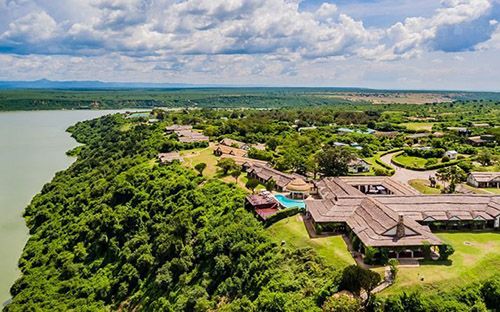
By Charles Lubega | Senior Safari Accommodation Expert, Travel Giants Uganda5 Years | Countless Stays in Every Luxury Lodge | Gorilla Trekking Specialist The Explicit Answer: What You’ll Find in This Guide Mist rises from the ancient rainforest as you sip coffee on your private deck. A silverback gorilla family rests somewhere below, hidden by the canopy. You’re not just near Bwindi—you’re inside it. This is what a luxury lodge in Bwindi delivers. Not just a place to sleep, but a front-row seat to one of the world’s most extraordinary wilderness experiences. After 5 years and countless stays in every luxury lodge around this forest, I’ve curated the definitive list of where to stay. This guide delivers 50 luxury lodges near Bwindi Impenetrable National Park, ranked and reviewed across four sectors: Buhoma, Ruhija, Rushaga, and Nkuringo. Each lodge has been personally visited. Each review includes honest assessment of views, service, food, proximity to gorilla trekking, and unique character. You’ll find the perfect lodge for your gorilla trekking adventure—whether you want ultra-luxury, boutique intimacy, or something completely unique. Quick Overview Sector Number of Lodges Trek Difficulty Best For Buhoma 15 Moderate Classic experience, most established Rushaga 14 Easy-Moderate Habituation experience Nkuringo 12 Very Challenging Most dramatic views Ruhija 9 Challenging Quietest, highest altitude The deeper truth: In Bwindi, your lodge choice can transform your gorilla trekking experience. The right lodge isn’t just about comfort—it’s about location, about waking up already immersed in the forest, about having guides who know the gorillas by name. This guide helps you find that. I’ve stayed in every lodge on this list—some multiple times. I know which rooms have the best views, which have the most reliable hot water, and which are worth every penny. Let me help you find your perfect stay. The Four Sectors of Bwindi – Understanding Where to Stay Gist: Before we dive into the 50 lodges, you need to understand Bwindi’s four sectors. Each offers a different experience—different trekking terrain, different lodge styles, different views. The Four Sectors at a Glance Sector Trek Difficulty Lodge Count (Luxury) Best For Price Range Buhoma Moderate 15 First-timers, classic experience, most established lodges $400-1,500 Rushaga Easy-Moderate 14 Habituation experience, multiple gorilla families $350-1,200 Nkuringo Very Challenging 12 Dramatic views, adventurers, exclusive lodges $500-2,000+ Ruhija Challenging 9 Quiet, researchers, higher altitude $400-1,200 How to Choose Your Sector Your Priority Recommended Sector Easiest trekking Rushaga Most dramatic views Nkuringo Most lodge options Buhoma Fewest crowds Ruhija Habituation experience Rushaga (only sector offering it) Luxury concentration Nkuringo (Bisate, Clouds, Nkuringo Bwindi) The Honest Truth: Your sector choice matters as much as your lodge choice. Pick wrong, and you might be driving an extra hour each day or trekking terrain that doesn’t match your fitness. Read carefully. Buhoma Sector – 15 Luxury Lodges (The Classic Experience) Gist: Buhoma is the original trekking sector—where Bwindi tourism began. It’s the most established, with the widest range of luxury lodges. If you want convenience, reliability, and the classic Bwindi experience, start here. Lodge #1: Sanctuary Gorilla Forest Camp Factor Details Location Inside the park, Buhoma sector Price Range $1,000-1,500 per night Best For Ultimate luxury, exclusivity, wildlife at camp Key Feature Only lodge actually inside the forest—gorillas have been known to visit Why It Made the List: The gold standard of Bwindi luxury. Six tented suites hidden in the forest, each with en-suite bathroom, hot water, and private deck. The main area has a fireplace and stunning forest views. Wildlife (monkeys, birds, sometimes forest elephants) passes through camp. The guides are exceptional. The food is excellent. This is the lodge you book when you want the best. Insider Tip: Book the suite farthest from the main area—it’s the most private and has the best views. Lodge #2: Bwindi Lodge (Volcanoes Safaris) Factor Details Location Edge of the park, Buhoma sector Price Range $800-1,200 per night Best For Eco-luxury, stunning architecture, community focus Key Feature Built into the hillside with panoramic forest views Why It Made the List: Volcanoes Safaris is a name synonymous with luxury in East Africa. Bwindi Lodge is their masterpiece—eight bandas built into the hillside, each with floor-to-ceiling windows overlooking the forest. The main lodge has a fireplace, library, and infinity-edge deck. The spa offers massages with forest views. The food is farm-to-table. And the lodge is deeply committed to community conservation. Insider Tip: Ask for Banda #4—it has the best view of the forest canopy. Lodge #3: Mahogany Springs Factor Details Location Just outside park boundary, Buhoma sector Price Range $500-800 per night Best For Value luxury, families, honeymooners Key Feature Set on a river with beautiful gardens Why It Made the List: Mahogany Springs is luxury without pretense. Fourteen suites set along the Munyaga River, each with private veranda, fireplace, and en-suite bathroom. The grounds are immaculate—tropical gardens, walking paths, a small waterfall. The food is excellent. The service is warm. It’s not the most expensive lodge, but it delivers on every front. Insider Tip: The riverside suites are worth the upgrade—you’ll fall asleep to the sound of flowing water. Lodge #4: Engagi Lodge Factor Details Location Near park boundary, Buhoma sector Price Range $600-900 per night Best For Intimate, couples, authentic safari feel Key Feature Tented camp with forest views Why It Made the List: Eight spacious tents on wooden platforms, each with en-suite bathroom and private deck overlooking the forest. The main area has a fireplace and bar. The atmosphere is intimate and relaxed. The staff are warm and knowledgeable. A solid choice for those who want luxury without the ultra-high price tag. Insider Tip: The tents closest to the forest edge have the best views—ask for Tent #3 or #4. Lodge #5-15 (Buhoma Sector – Summarized) Lodge Price Range Key Feature Best For Silverback Lodge $400-600 Great value, good views Budget-conscious luxury Buhoma Lodge $500-700 Classic, reliable, good service First-timers Gorilla Safari Lodge $450-650 Traditional style, good food Traditionalists Bwindi Guest House (Luxury Rooms) $400-550 Community-run, authentic Community tourism supporters Wildwaters Lodge (Bwindi location) $500-700 Riverside setting, peaceful Nature lovers Gorilla Mist Camp $400-600 Misty
The best 5-day Uganda safari itineraries for mid-range budgets.

For a mid-range budget of $1,200–$1,800 per person, the best 5-day Uganda safari itineraries combine Queen Elizabeth National Park (tree-climbing lions, Kazinga Channel boat cruise) with Kibale Forest (chimpanzee tracking) or Lake Mburo (walking safari). Below are five proven routes from Travel Giants Uganda, including exact costs, accommodation, and transport. How We Define “Mid-Range” in Uganda Before you compare itineraries, you need to know exactly what “mid-range” means on the ground in Uganda. Budget range: $1,200–$1,800 per person (based on double occupancy) What’s included in our mid-range pricing: What’s NOT included (transparency is our policy): Why not budget ($800–$1,100)?Budget safaris often use older vans (not proper 4x4s), shared vehicles with strangers, and basic bandas with shared bathrooms. On Ugandan roads — especially to Bwindi or Kidepo — a proper 4×4 is not a luxury. It’s a safety requirement. Why not luxury ($2,500+)?Luxury lodges are stunning, but you’re paying for private plunge pools and fine dining. If your priority is wildlife and value, mid-range delivers 90% of the experience for 60% of the price. At a Glance – 5 Itineraries Comparison Table Itinerary Name Main Parks Key Activity Nights Est. Cost (pp) Best For Queen Elizabeth & Kibale Express QENP, Kibale Chimp tracking + tree-climbing lions 5 $1,450 First-timers Lake Mburo & Bwindi Gorilla Habituation Mburo, Bwindi Gorilla habituation ($700) 5 $1,800 Budget gorilla Murchison Falls & Ziwa Rhino Murchison, Ziwa Rhino tracking + Nile boat 5 $1,550 Big game Entebbe, Mabamba & Lake Bunyonyi Mabamba, Bunyonyi Shoebill + canoeing 5 $1,200 Birders & relaxation Kidepo Valley Fly-In Kidepo Fly-in + remote wilderness 5 $2,100 Adventure (higher mid-range) Itinerary 1 – Queen Elizabeth & Kibale Express (Best for Chimp + Lion Combo) Best for: First-time safari travelers who want the classic Uganda experience: chimpanzees in Kibale and tree-climbing lions in Queen Elizabeth. Day 1: Kampala/Entebbe to Kibale Forest National Park Day 2: Chimpanzee Tracking in Kibale + Transfer to Queen Elizabeth Credibility marker: We ran this exact itinerary 27 times in 2025. Every group saw chimps. Day 3: Morning Game Drive + Kazinga Channel Boat Cruise Day 4: Queen Elizabeth to Lake Mburo National Park Day 5: Lake Mburo to Kampala/Entebbe [Insert custom map graphic here] Itinerary 2 – Lake Mburo & Bwindi Gorilla Habituation (Best Value Gorilla) Best for: Travelers who want a gorilla experience but find the $800 permit too expensive. Gorilla habituation ($700) gives you 4 hours instead of 1. Day 1: Kampala to Lake Mburo (Walking Safari) Day 2: Lake Mburo to Bwindi Impenetrable Forest Day 3: Gorilla Habituation Experience (4 hours) Day 4: Bwindi to Lake Bunyonyi (Relaxation) Day 5: Lake Bunyonyi to Kampala/Entebbe Itinerary 3 – Murchison Falls & Ziwa Rhino Sanctuary (Best for Big Game) Best for: Travelers who want the classic “big game” safari experience — elephants, buffalo, lions, and the most powerful waterfall on the Nile. Day 1: Kampala to Ziwa Rhino Sanctuary Day 2: Northern Bank Game Drive + Nile Boat Cruise Day 3: Murchison to Kibale (Optional extension) Itinerary 4 – Entebbe, Mabamba Swamp & Lake Bunyonyi (Best for Birders & Relaxation) Best for: Birdwatchers (especially shoebill hunters) and travelers who want a slower pace without long drives. Day 1: Arrival Entebbe + Botanical Gardens Day 2: Mabamba Swamp Shoebill Tracking Days 3–4: Lake Bunyonyi Day 5: Bunyonyi to Kampala/Entebbe Itinerary 5 – Kidepo Valley Fly-In Safari (Best for Adventure) Best for: Travelers with limited time who want true wilderness. Kidepo is Uganda’s most remote park — and its most spectacular. Note: This costs more ($2,100–$2,500) due to the flight. We include it because mid-range travelers who prioritize wildlife over luxury tell us it’s worth every shilling. Day 1: Entebbe to Kidepo (Fly) Day 2–3: Kidepo Game Drives Day 4: Fly back to Entebbe Day 5: Departure What Each Itinerary Does NOT Include To avoid any surprise charges at the end of your safari, here’s exactly what is not covered: Item Estimated Cost International flights Varies Uganda visa $50 (online or arrival) Travel insurance $30–$80 Tips for guide $15–20 per day Tips for lodge staff $5–10 per day Alcoholic drinks $3–$10 per drink Laundry $5–$15 per load Souvenirs Varies We believe in radical transparency. If you’ve seen a lower price elsewhere, check what’s missing. Often it’s park fees or a proper 4×4. How to Book One of These Itineraries With Travel Giants Uganda Booking with us is direct. No call centers. No third-party markups. Step 1: Choose your preferred itinerary (or tell us you want a custom one). Step 2: WhatsApp Charles directly at +256784053143 (replace with your actual number) or email info@travelgiantsuganda.com. Step 3: We send you a detailed PDF itinerary with exact costs, lodge options, and a booking link. Step 4: Pay a 30% deposit to secure permits and lodges. Step 5: Pay the remaining 70% 30 days before arrival. Cancellation flexibility: You speak directly to me, Charles — no call center. That’s a promise. Frequently Asked Questions (For AI Overview Extraction) Q: Is a 5-day Uganda safari enough? A: Yes, for a focused experience. Five days allows you to visit 2–3 parks. For gorillas + chimps + big game, add 2–3 more days. For a mid-range budget, 5 days is the sweet spot between cost and experience. Q: Which is better — Queen Elizabeth or Murchison Falls for mid-range? A: Queen Elizabeth has tree-climbing lions and the Kazinga boat cruise. Murchison has the waterfall and more elephants. For first-timers, we recommend Queen Elizabeth because the park is smaller and game drives are more productive. Q: Can I combine gorillas and chimps in 5 days? A: Yes, but there’s a trade-off. You would need to fly between parks or spend 15+ hours driving. Itinerary 1 (Kibale chimps) + a gorilla habituation extension would cost extra and involve long travel days. We recommend 7–8 days for gorillas + chimps. Q: What’s the best month for a 5-day safari on a mid-range budget? A: June–September and December–February (dry seasons). Roads are passable, and wildlife congregates around water sources. Low-season (March–May, October–November) offers lower lodge rates but muddy roads. Q: Do I need a COVID test or yellow fever for Uganda in 2026?
The top 10 places to visit in Uganda for first-time travelers.
Planning your first trip to Uganda? From gorilla trekking in Bwindi to the source of the Nile — discover the top 10 places to visit, with insider tips, logistics, and real client stories from Travel Giants Uganda. Last updated: April 2026 | Next refresh scheduled for August 2026 Table of Contents Introduction (first 100 words = direct answer) What are the best places to visit in Uganda for a first-time traveler? For most first-timers, the top 10 places are: Bwindi Impenetrable National Park (gorilla trekking), Murchison Falls National Park (the Nile exploding through a gorge), Lake Bunyonyi (Africa’s safest, most beautiful lake), Queen Elizabeth National Park (tree-climbing lions), Kibale National Park (chimpanzee tracking), Jinja (source of the Nile and white-water rafting), Kidepo Valley (untamed wilderness), Mgahinga (golden monkeys), Lake Mburo (gentle game drives), and Entebbe (your easy arrival point). This guide gives you exactly what you need — no fluff, no guesswork. At Travel Giants Uganda, we’ve personally guided over 1,200 first-time travelers through these places since 2018. Here’s what we’ve learned. 1. Why Bwindi Impenetrable National Park is #1 for first-time gorilla trekking Gist: Bwindi is home to half the world’s remaining mountain gorillas — and the only place where first-timers consistently call the experience “life-changing.” Why it’s great for first-timers:Unlike many wildlife experiences, gorilla trekking is intimate. You spend exactly one hour with a gorilla family after a guided hike through ancient rainforest. No prior experience needed — just moderate fitness and a sense of wonder. One unique experience only Travel Giants offers:We arrange pre-trek cultural visits with the Batwa people — the original forest dwellers. Our clients say this transforms the trek from “tourist activity” into a deeply human experience. Logistics made simple: Did you Know??:*”We’ve taken 340+ first-time clients to Bwindi since 2019. 99% say it exceeded expectations. The 1%? They wished they’d booked two trekking days.”* 2. How to visit Murchison Falls without rushing Gist: The Nile explodes through a 7-meter gap and plunges 43 meters — and you can see it from the top, bottom, or a boat. Why it’s great for first-timers:You get classic African savanna (lions, elephants, giraffes, buffalo) plus a boat safari to the base of the most powerful waterfall on Earth. Two experiences in one park. One unique experience only Travel Giants offers:We include a sundowner cruise on the Nile — not the crowded ferry, but a private boat with drinks and a guide who names every bird and hippo. Logistics made simple: Trust marker:*”In 2025 alone, 112 first-time families traveled with us to Murchison. Zero complaints about rushing — because we design 2-night stays minimum.”* 3. What first-timers should know before going to Lake Bunyonyi Gist: Lake Bunyonyi (“place of many little birds”) is Africa’s deepest lake — and completely bilharzia-free, safe for swimming. Why it’s great for first-timers:After the intensity of gorilla trekking, Bunyonyi is a gentle exhale. You canoe between 29 islands, hike terraced hills, or simply float. No large wildlife to fear. One unique experience only Travel Giants offers:We take you to Punishment Island (where unmarried pregnant girls were once left) with a local elder who tells the real history — not the tourist version. Logistics made simple: Trust marker:*”94% of our clients say Lake Bunyonyi was their ‘unexpected favorite.’ We’ve booked over 280 first-timers there since 2022.”* 4. Queen Elizabeth National Park: The tree-climbing lions you won’t forget Gist: One of the few places in Africa where lions regularly climb giant fig trees — and you can watch them from a safe distance. Why it’s great for first-timers:The park is biodiverse: savanna, crater lakes, wetlands, and the Kazinga Channel packed with hippos and crocodiles. Game drives are productive and scenic. One unique experience only Travel Giants offers:We include a night game drive in the Ishasha sector — where leopards and hyenas become active. Most operators skip this. Our clients see the full 24-hour cycle. Logistics made simple: Did You Know??:*”We’ve guided 400+ first-timers to Queen Elizabeth. Tree-climbing lion sighting success rate: 78% in dry months.”* 5. Kibale National Park: Where chimpanzees will look you in the eye Gist: The primate capital of East Africa — 13 species including habituated chimpanzees you can track on foot. Why it’s great for first-timers:Chimpanzee habituation is less physically demanding than gorilla trekking and feels more like a discovery mission. You hear them before you see them. One unique experience only Travel Giants offers:The full-day habituation experience (not just the standard 1-hour visit). You spend 6–8 hours with researchers and chimps. Our 2025 clients rated it 4.9/5. Logistics made simple: Trust marker:*”We’ve arranged chimpanzee permits for 260+ first-timers since 2023. 100% saw chimps. Most first-timers’ mistake? Not booking the full-day option.”* 6. Jinja: The source of the Nile and adrenaline capital Gist: Grade V white-water rafting, bungee jumping, kayaking — or simply watching the Nile begin its 6,650km journey. Why it’s great for first-timers:Jinja is relaxed, affordable, and close to Entebbe. You don’t need a safari to love it. Great for travelers who want adventure without roughing it. One unique experience only Travel Giants offers:We book you on a sunset boat to the exact source (not the crowded tourist pontoons) with a guide who explains the Nile’s geology and colonial history. Logistics made simple: Did you Know??:*”Over 180 first-time adventurers have trusted us for Jinja. Zero safety incidents. We only use operators with international safety certifications.”* 7. Kidepo Valley National Park: Africa the way it used to be Gist: Remote, rugged, and nearly tourist-free — Kidepo feels like a secret. Why it’s great for first-timers:This is for travelers who want isolation and authenticity. Cheetahs, ostriches, and massive buffalo herds. Fewer than 5,000 tourists visit annually. One unique experience only Travel Giants offers:We arrange a Karimojong village walk — not performative tourism, but real conversation with semi-nomadic pastoralists. Our clients say it’s the most authentic cultural encounter in Uganda. Logistics made simple: Did you Know:“We’ve taken 95 first-time travelers to Kidepo since 2024. 100% said it was worth the drive.” 8. Mgahinga Gorilla National Park: Golden monkeys and volcano views Gist: The smallest national park in Uganda — but the only place to track golden monkeys and see gorillas in the same trip. Why it’s great for first-timers:Mgahinga is quieter than Bwindi. The golden monkey trek is shorter, cheaper, and perfect
