Is Gorilla Trekking Worth the Money? Here’s the Honest Truth – A 2026 Value Guide

By Charles Lubega | Senior Gorilla Trekking Safari Tourist Guide, Travel Giants Uganda 15 Years | Thousands of Gorilla Trekking Permits Booked | Uganda & Rwanda Gorilla Trekking Safari Specialist The Explicit Answer: What You’ll Learn in This Guide Is gorilla trekking worth 800?800?1,500? After 15 years and over 500 treks, I can tell you: For most people, yes. For some, no. The difference isn’t luck—it’s preparation, expectations, and choosing the right experience. Here’s the honest truth about what you’re actually paying for, when it’s worth it, and when you might want to reconsider. This guide delivers an honest, no-BS assessment of whether gorilla trekking is worth the money. You’ll learn exactly where your money goes (spoiler: conservation), what you’re actually paying for, how to maximize value, when to choose Uganda vs. Rwanda, and the single biggest factor that determines whether you’ll feel it was worth it. Quick Overview of What’s Covered Topic What You’ll Learn Where the money goes Permits, conservation, communities, guides Uganda vs. Rwanda value comparison 800vs.800vs.1,500 permit The real value proposition What you can’t get anywhere else When it’s NOT worth it Honest scenarios where you might reconsider How to maximize value Extend your time, choose the right sector, prepare The question everyone forgets What if it changes you? The deeper truth: You’re not paying for an hour. You’re paying for the conservation that keeps gorillas alive, the community that protects them, and an encounter that 99.9% of humans will never experience. Whether that’s worth $800 is deeply personal. This guide helps you decide for yourself. I’ve watched travelers wrestle with this decision for 15 years. I’ve never had a client regret the money. But I want you to decide with your eyes open. [IMAGE PLACEMENT 1: Infographic showing where gorilla permit money goes: conservation (60%), community (20%), operations (20%). Caption: “Your $800 permit doesn’t just buy an hour—it buys the survival of a species.”] The Short Answer – Yes, But Let Me Explain Why Gist: If you want the quick answer: 95% of my clients say it was worth every penny. But “worth it” means different things to different people. Here’s what you’re actually paying for. Where Your Money Goes Expense Cost (Uganda) What It Funds Gorilla permit $800 Conservation (60%), community development (20%), park operations (20%) Accommodation $50-600/night Your stay, local employment Transport $100-400 Guide wages, vehicle maintenance, fuel Tips $20-50/day Direct income for guides and porters The Honest Truth in One Sentence Your $800 permit doesn’t just buy an hour with gorillas—it buys the survival of a species. Conservationists credit tourism with saving mountain gorillas from extinction. The Insider Tip: If you’re worried about value, remember: Rwanda’s 1,500permitdoesn′tgetyoumoretimeorabetterexperience—itgetsyouconvenience(shorterdrivefromtheairport)andvolcanoscenery.Uganda′s1,500permitdoesn′tgetyoumoretimeorabetterexperience—itgetsyouconvenience(shorterdrivefromtheairport)andvolcanoscenery.Uganda′s800 permit is better value for most travelers. The Real Value – What You’re Actually Paying For Gist: You’re not paying $800 for an hour. You’re paying for something much bigger. Let me break it down. The Four Things Your Money Buys 1. Conservation (60% of permit fees) Your money funds anti-poaching patrols, veterinary care, habitat protection, and research. In 1981, only 254 mountain gorillas remained. Today, there are over 1,000. Tourism-funded conservation saved them. 2. Community Development (20% of permit fees) Your money builds schools, clinics, and clean water systems in communities living next to the gorillas. When locals benefit from tourism, they protect gorillas instead of poaching them. 3. A Once-in-a-Lifetime Encounter (The Experience Itself) Looking into a silverback’s eyes—98.4% of your DNA reflected back at you—is not like seeing any other animal. It’s profound, moving, and unforgettable. You can’t put a price on that. 4. A Story You’ll Tell Forever I’ve never had a client say “I wish I hadn’t done that.” The regret is always the opposite: “I wish I’d done it sooner.” The Honest Truth Most people spend $800 on things they forget within weeks—dinners, gadgets, weekend trips. Gorilla trekking is something you’ll remember on your deathbed. That’s the real value. The Honest Truth About the Experience – What You’ll Actually Feel Gist: Before you decide if it’s worth the money, you need to understand what the experience actually feels like. Not what brochures say. What real people feel. The Emotional Arc of a Gorilla Trek Phase What You Feel Duration Before Anxiety, “Is this worth it?” “Am I fit enough?” Weeks to months Morning of Nervous excitement, “What if we don’t find them?” 5:00 AM – 7:00 AM The Trek Physical exertion, moments of doubt, camaraderie 2-6 hours First sight Heart stops. Breath catches. Disbelief. 10 seconds The Hour Awe, forgetting time, tears, laughter, silence 60 minutes The Walk Back Exhaustion, elation, processing, smiling 1-2 hours That Night “That was the best money I’ve ever spent.” Forever What Travelers Actually Say “I was nervous about the cost. Now I’d pay double.” — Sarah, USA “I thought it was crazy to spend 800foranhour.NowIthinkit′scrazythatitonlycosts800foranhour.NowIthinkit′scrazythatitonlycosts800.” — Mark, UK “I almost didn’t book because of the price. That would have been the biggest regret of my life.” — Priya, Canada [IMAGE PLACEMENT 2: Trekker with tears of joy after gorilla encounter, emotional expression. Caption: “This is what your money buys. Not just an hour—a memory that lasts forever.”] The Honest Truth: I’ve never had a client regret the money. I’ve had clients regret not booking a second trek. I’ve had clients regret not bringing a better camera. But the money? Never. The Peak: What 15 Years and 500 Treks Has Taught Me Here’s what 15 years and 500 treks has taught me about whether gorilla trekking is worth the money: You’re not paying for an hour. You’re paying for a transformation. The $800 buys you the hour. The memory—the feeling of a silverback looking into your soul—stays forever. I’ve watched CEOs cry. I’ve watched scientists fall silent. I’ve watched teenagers put down their phones and just… be. You can’t put a price on that. So ask yourself not “is it worth the money?” but “am I ready to be changed?” Because that’s what’s really on offer. Not a photo. Not a story. A shift in how you see the world, and your
Gorilla Permits Explained: Uganda & Rwanda (Latest Guide) – Costs, Booking Process, and Everything You Need to Know
By Charles Lubega | Senior Gorilla Trekking Guide, Travel Giants Uganda 15 Years | Thousands of Gorilla Trekking Permits Booked | Uganda & Rwanda Gorilla Trekking Safaris Specialist The Explicit Answer: What You’ll Learn in This Gorilla Trekking Permit Guide The gorilla permit is the most important piece of paper you’ll ever hold. It’s also the source of more anxiety and confusion than almost anything else about your trek. After 15 years and thousands of permits booked for clients, I’ve seen every mistake—scam websites, missed deadlines, forgotten documents, and heartbreaking last-minute cancellations. This guide ensures you get it right. This guide delivers everything you need to know about gorilla permits in Uganda and Rwanda for 2026: current costs, where to book (official sources only), step-by-step booking processes, timing recommendations, what’s included, cancellation policies, common mistakes, and the critical documents you need to bring. Quick Overview Topic Key Information Uganda permits 800(standard),800(standard),1,500 (habituation), 3-6 month booking window Rwanda permits $1,500 (standard), 6-9 month booking window Official booking sources Uganda Wildlife Authority (UWA) and Rwanda Development Board (RDB) What’s included 1 hour with gorillas (4 hours for habituation), ranger guide, park entry What’s NOT included Transport, accommodation, tips, porter fees The deeper truth: The permit is non-negotiable, non-refundable, and non-transferable (with limited exceptions). Get it right, and you’re on your way to the experience of a lifetime. Get it wrong, and your dream could unravel. This guide ensures you’re in the first group. I’ve booked thousands of permits for clients. I’ve seen every mistake—and helped fix most of them. Let me help you get it right the first time. [IMAGE PLACEMENT 1: Image of official gorilla permit (sample) with passport beside it. Caption: “Your gorilla permit is the most important document you’ll carry. Here’s what it looks like.”] What Is a Gorilla Permit? (And Why You Need One) Gist: A gorilla permit is your ticket to spend one hour with mountain gorillas. It’s not optional. It’s not available at the gate. Here’s everything you need to know. What It Is A gorilla permit is an official document issued by the Uganda Wildlife Authority (UWA) or Rwanda Development Board (RDB) that grants you permission to trek a specific gorilla family on a specific date. Permits are limited—only 8 trekkers per gorilla family per day. Why Permits Exist Permits serve two purposes: Conservation: Permit fees fund anti-poaching patrols, veterinary care, and habitat protection Protection: Limiting visitors prevents stress on gorillas and reduces disease transmission What Happens Without a Permit You cannot trek without a permit. You cannot buy one at the park gate. If you arrive without a permit, you will not see gorillas. No exceptions. The Honest Truth: Permits are the single biggest expense of your trek—and the most important. Don’t try to save money by skipping or skimping on them. Uganda Gorilla Permits – Costs, Types & Booking Gist: Uganda offers two types of permits: standard and habituation. Here’s what each gets you. Standard Gorilla Permit Factor Details Cost $800 (foreign non-resident) Time with gorillas 1 hour Group size Maximum 8 trekkers Available in All sectors (Buhoma, Rushaga, Ruhija, Nkuringo, Mgahinga) Booking window 3-6 months ahead (peak season) Best for First-time trekkers, most travelers Gorilla Habituation Permit Factor Details Cost $1,500 (foreign non-resident) Time with gorillas 4 hours Group size Maximum 4 trekkers Available in Rushaga sector only (Bwindi) Booking window 6-12 months ahead Best for Serious photographers, researchers, repeat visitors [IMAGE PLACEMENT 2: Uganda gorilla permit sample, highlighting key information. Caption: “Uganda’s standard permit costs 800.Thehabituationpermit(4hours)costs800.Thehabituationpermit(4hours)costs1,500.”] Where to Book Uganda Permits Official source: Uganda Wildlife Authority (UWA) – visas.immigration.go.ug (for e-visa) or through registered tour operators The Scam Warning: Only use the official UWA website or a registered tour operator. Scam sites rank high on Google. If the price isn’t 800(or800(or1,500 for habituation), it’s a scam. Step-by-Step Booking (Direct) Visit the official Uganda Wildlife Authority website Create an account Select your preferred sector and date Provide passport details (exactly as they appear on your passport) Pay the 800or800or1,500 fee via credit card or bank transfer Receive your permit confirmation via email (within 24-48 hours) Print your permit and bring it to Uganda Insider Tip: Book through a registered tour operator. They handle the process, check availability across sectors, and often have allocations that aren’t available to the public. The markup is minimal and worth the peace of mind. Rwanda Gorilla Permits – Costs & Booking Gist: Rwanda’s permits are more expensive—but they come with different logistics. Here’s what you need to know. Standard Gorilla Permit Factor Details Cost $1,500 (foreign non-resident) Time with gorillas 1 hour Group size Maximum 8 trekkers Available in Volcanoes National Park Booking window 6-9 months ahead (peak season) Best for Luxury travelers, convenience seekers Where to Book Rwanda Permits Official source: Rwanda Development Board (RDB) – through their website or registered tour operators Step-by-Step Booking (Direct) Visit the official Rwanda Development Board website Create an account Select your preferred date (family assignments happen at briefing) Provide passport details Pay the $1,500 fee via credit card or bank transfer Receive your permit confirmation via email Print your permit and bring to Rwanda [IMAGE PLACEMENT 3: Rwanda gorilla permit sample with Kigali airport distance map. Caption: “Rwanda’s permit costs 1,500—1,500—700 more than Uganda for the same hour with gorillas.”] No Habituation Experience in Rwanda Rwanda does not offer a habituation experience. The standard permit is the only option. If you want extended time with gorillas, you must go to Uganda’s Rushaga sector. The Honest Truth: Rwanda’s $1,500 permit doesn’t get you more time or a better experience—it gets you convenience (2-3 hours from Kigali airport) and volcano scenery. The gorillas are the same. Uganda vs. Rwanda – Permit Comparison at a Glance Gist: Here’s how the permits stack up side by side. Factor Uganda Rwanda Standard permit cost $800 $1,500 Habituation permit cost $1,500 (4 hours) Not available Booking window (peak) 3-6 months 6-9 months Booking window (low) 1-3 months 3-6 months Official booking source Uganda Wildlife Authority (UWA) Rwanda Development Board (RDB) Group size 8 trekkers (standard), 4 (habituation) 8 trekkers Refund policy Non-refundable
What to Pack for Gorilla Trekking in Uganda & Rwanda (Complete Checklist) – The Ultimate 2026 Gear Guide
By Charles Lubega | Senior Gorilla Trekking Safari Tourist Guide, Travel Giants Uganda 15 Years | Thousands of Gorilla Trekking Permits Booked | Uganda & Rwanda Gorilla Trekking Safari Specialist The Explicit Answer: What You’ll Learn in This Guide I’ve watched trekkers arrive in hiking boots that weren’t broken in—and watched them limp back with blisters. I’ve watched others wear jeans in the rain—and watched them shiver for hours. After 15 years and over 500 treks, I know exactly what works and what doesn’t. This isn’t a generic safari packing list. This is the gorilla trekking gear guide, tested in the mud and rain of Bwindi and the bamboo forests of Volcanoes National Park. This guide delivers a complete, item-by-item packing checklist for gorilla trekking in Uganda and Rwanda. You’ll learn what to wear (and what not to), the one item that separates prepared trekkers from miserable ones, how to pack for both countries, and insider tips from someone who’s tested every item in the field. Quick Overview of Categories Category Key Items Clothing Quick-dry fabrics, layers, rain protection, gardening gloves Footwear Waterproof boots (broken in), gaiters, merino wool socks Gear Daypack, headlamp, binoculars, power bank, dry bags Photography Zoom lens (100-400mm), extra batteries, bean bag, cleaning kit Health & Safety Medical kit, insect repellent, sunscreen, anti-diarrheal Documents Permit (printed), passport, yellow card, visa, insurance The deeper truth: The right gear doesn’t just make you comfortable—it makes you present. When you’re not shivering, or nursing blisters, or wiping mud from your eyes, you’re free to be with the gorillas. That’s what this list buys you. I’ve tested every item on this list—sometimes the hard way, so you don’t have to. Let me help you pack right. [IMAGE PLACEMENT 1: Hero shot of properly dressed trekker in forest (boots, gaiters, rain jacket, daypack, gloves). Caption: “The right gear doesn’t just make you comfortable—it makes you present. Here’s what actually works.”] The Golden Rules of Gorilla Trekking Packing Gist: Before we get to the list, here are the principles that guide every packing decision I make—and should guide yours. Rule #1: Cotton Kills (Literally) Cotton absorbs sweat and rain, stays wet, and chills you. On a gorilla trek, this is misery. Synthetics (polyester, nylon, merino wool) wick moisture, dry fast, and regulate temperature. Pack smart fabrics. Rule #2: Layers, Not Bulk Temperatures swing dramatically. Morning game drives or trek starts at 5:00 AM can be cold (10-15°C/50-59°F). By noon, it’s warm (20-25°C/68-77°F). You need layers you can add and remove, not one bulky jacket you’re stuck with. Rule #3: Test Everything Before You Go New boots cause blisters. New backpacks chafe. New rain jackets leak. Break in everything before you leave home. The forest is not the place for surprises. Rule #4: Pack for the Worst, Hope for the Best Bwindi’s nickname is “Impenetrable” for a reason. It rains. Even in dry season. Pack rain gear. Pack extra socks. Pack optimism—but prepare for mud. Rule #5: Carry-On Only (For Your Camera Gear) Never check your camera gear, permits, medications, or a change of clothes. Checked bags get lost. Your trek doesn’t wait. The Honest Truth: I’ve seen trekkers ruin their experience with bad gear choices. Every item on this list exists because someone suffered without it. Learn from them. Clothing – What to Wear (From Head to Toe) Gist: Here’s exactly what to wear, tested across hundreds of treks in both countries. Head Item Why Tip Wide-brimmed hat Sun protection for face and neck Baseball caps leave ears exposed Buff or gaiter Dust mask, sun protection, warmth, sweatband One item, a dozen uses Sunglasses with strap UV protection (high altitude), won’t fall off Essential for clear days Upper Body Item Why Tip Base layer (merino or synthetic) Moisture-wicking, odor-resistant No cotton Mid layer (fleece) Insulation for cold mornings Easy to remove Long-sleeved shirt (quick-dry) Protection from nettles and sun 2-3 shirts, rotate Waterproof rain jacket Non-negotiable—it rains Breathable, packable Lower Body Item Why Tip Quick-dry hiking pants Protect legs from nettles, dry fast No jeans—when wet, they’re misery Waterproof rain pants Keeps you dry in downpours Essential for Uganda’s Bwindi Feet Item Why Tip Sturdy hiking boots (waterproof) Ankle support, grip on mud Break in for 2+ weeks before trip Gaiters Keep mud and water out of boots Essential for Uganda Merino wool socks (3-4 pairs) Warm when wet, odor-resistant Change socks after trek Camp shoes/sandals For evenings at the lodge Lightweight, comfortable Hands Item Why Tip Gardening gloves (rubber grip) Grab vegetation without getting scratched or stung $5, lifesaver—essential for Uganda [IMAGE PLACEMENT 2: Flat lay of clothing items: base layer, fleece, rain jacket, pants, hat, gloves, socks. Caption: “Layer up. Quick-dry fabrics. Rain protection. Gardening gloves. This is what works.”] The Insider Tip: The single most underrated item? Gardening gloves. Every trekker who brings them thanks me. Every trekker who doesn’t wishes they had. Footwear – The Foundation of Your Trek Gist: Your feet are your foundation. Skimp on footwear, and you’ll remember every step for the wrong reasons. Hiking Boots – The Non-Negotiable Feature Why It Matters Waterproof Bwindi is muddy and wet, even in dry season Ankle support Uneven, root-covered terrain requires stability Broken in (2+ weeks) New boots = blisters. Blisters = misery. Good tread Mud and steep slopes require grip Boots to Avoid Trail runners (not enough ankle support, not waterproof enough) New boots of any kind (break them in first) Fashion boots (wrong soles, not functional) Gaiters – The Unsung Hero Gaiters cover the gap between your boots and pants. They keep mud, water, and debris out of your boots. In Bwindi’s mud, they’re not optional—they’re essential. In Rwanda, still helpful but less critical. Socks – Merino Wool Only Merino wool is nature’s miracle fabric—warm when wet, odor-resistant, comfortable. Your feet will live in these. Bring 3-4 pairs. Change them after the trek (your feet will thank you). Camp Shoes After the trek, you’ll want something comfortable for the lodge. Lightweight sandals or trainers work perfectly. [IMAGE PLACEMENT 3: Boots,
Best Time to Go Gorilla Trekking in Uganda & Rwanda (Weather, Seasons & Crowds) – The Ultimate Latest Monthly Guide

By Charles Lubega | Senior Gorilla Trekking Safari Tourist Guide, Travel Giants Uganda 15 Years | Thousands of Gorilla Trekking Permits Booked | Uganda & Rwanda Gorilla Trekking Safari Specialist Is there a “best” time to go gorilla trekking? Yes and no. After 15 years and over 500 treks across every month of the year—from the dusty dry months of July to the mud-soaked rainy seasons of April—I’ve learned that every season has trade-offs. The dry season (June-September, December-February) offers easier trekking and better weather—but higher prices and more crowds. The wet season (March-May, October-November) offers lower prices, fewer tourists, and dramatic green landscapes—but muddier trails and rain. There’s no wrong time. But there is a wrong time for YOU. This guide delivers a complete, month-by-month breakdown of gorilla trekking seasons in Uganda and Rwanda. You’ll learn the weather patterns, crowd levels, price fluctuations, trekking conditions, and wildlife viewing for each month—plus insider tips from someone who’s trekked in every season. Quick overview of seasons: Peak Dry Season (June-September, December-February): Best weather, easiest trekking, highest prices, most crowds Shoulder Season (March, October-November): Decent weather, lower prices, fewer crowds, sweet spot Wet Season (April-May): Rainiest months, muddiest trails, lowest prices, fewest tourists, greenest landscapes Here’s the deeper truth: The gorillas don’t care what month it is. They’re there year-round. The question is what kind of experience you want—and what trade-offs you’re willing to make. The Short Answer – When Should You Go? If you only have 30 seconds, here’s the answer based on your priority. Quick Decision Matrix Your Priority Best Time Why Best weather, easiest trekking June-September, December-February Dry trails, sunny days, less mud Lowest prices, fewer crowds April-May 20-40% lower accommodation rates, almost no crowds Best of both (value + decent weather) March, October-November Shoulder season sweet spot Photography (dry landscapes) June-September, December-February Clear skies, golden light Photography (dramatic skies, lush green) March-May, October-November Storm clouds, vibrant green vegetation Bird watching April-May, October-November Migratory birds present, breeding plumage Avoiding crowds at all costs April-May Only 8 trekkers per family feels even more exclusive The Honest Truth in One Sentence “The dry season is objectively ‘easier’—but the wet season offers better value, fewer crowds, and a uniquely beautiful experience that many travelers miss.” [IMAGE PLACEMENT 1: Seasonal comparison infographic showing dry season (sun, clear trails) vs. wet season (rain, mud, green forest). 1200px+. Caption: “Dry season vs. wet season: different conditions, different trade-offs, both magical.”] The Two Countries – Same Seasons, Different Nuances Uganda and Rwanda share similar seasonal patterns, but there are important differences. Uganda (Bwindi) – Wet, Muddy, Unpredictable Factor Details Rainfall pattern Two wet seasons (March-May, October-November); rain possible any time Dry season June-September, December-February (drier, but still possible rain) Temperature Cool year-round (10-25°C/50-77°F) Mud factor High—Bwindi is muddy even in dry season; gaiters essential Best for Value, variety, those who don’t mind a challenge Rwanda (Volcanoes NP) – Slightly Drier, Higher Altitude Factor Details Rainfall pattern Two wet seasons (March-May, October-November); generally drier than Bwindi Dry season June-September, December-February (more reliable) Temperature Cooler due to higher altitude (5-20°C/41-68°F) Mud factor Moderate—volcanic soil drains better than Bwindi’s clay Best for Luxury, convenience, those who prioritize dry conditions The Honest Truth: Rwanda is slightly drier and more predictable. But Bwindi’s wet season has its own magic—if you’re willing to embrace the mud. [IMAGE PLACEMENT 2: Map showing Uganda and Rwanda with seasonal rainfall overlays. Caption: “Rwanda is generally drier than Uganda, but both countries follow similar seasonal patterns.”] Month-by-Month Breakdown – Your Complete 2026 Guide Here’s exactly what to expect each month, from weather to crowds to prices. January – Peak Dry Season (Great Weather, High Prices) Factor Rating Details Weather ⭐⭐⭐⭐⭐ Dry, sunny, pleasant temperatures Crowds ⭐⭐⭐⭐ High (holiday travelers) Prices ⭐⭐ Peak season rates Trekking conditions ⭐⭐⭐⭐⭐ Best of the year Best for First-timers, luxury travelers What to expect: January is one of the best months for gorilla trekking. The trails are dry, the weather is pleasant, and the gorillas are active. Book permits 6-9 months ahead. Insider tip: New Year’s week is especially crowded. If you can travel after January 5th, you’ll find slightly fewer people. February – Peak Dry Season (Excellent, Slightly Fewer Crowds) Factor Rating Details Weather ⭐⭐⭐⭐⭐ Dry, sunny, warm Crowds ⭐⭐⭐⭐ High (but less than January) Prices ⭐⭐ Peak season rates Trekking conditions ⭐⭐⭐⭐⭐ Excellent Best for First-timers, couples What to expect: Similar to January but with slightly fewer travelers. February is an excellent month for photography—the light is golden, the skies are clear. Insider tip: Late February can be a sweet spot—after the holiday rush, before March rains. March – Shoulder Season (Good Weather, Lower Prices) Factor Rating Details Weather ⭐⭐⭐⭐ Generally good, occasional showers Crowds ⭐⭐⭐ Moderate Prices ⭐⭐⭐⭐ Lower than peak (10-20% savings) Trekking conditions ⭐⭐⭐⭐ Still good, trails may start getting muddy Best for Value seekers, flexible travelers What to expect: March is the beginning of the long rainy season, but early March is often still dry. You’ll get lower prices and fewer crowds with weather that’s still good. Insider tip: Book early March if you want value without fully committing to wet season conditions. April – Wet Season (Lowest Prices, Fewest Crowds, Mud) Factor Rating Details Weather ⭐⭐ Rainy, afternoon showers common Crowds ⭐⭐⭐⭐⭐ Lowest of the year Prices ⭐⭐⭐⭐⭐ Lowest of the year (20-40% savings) Trekking conditions ⭐⭐ Muddy, slippery trails Best for Budget travelers, photographers (green landscapes), solitude seekers What to expect: April is the rainiest month. Trails are muddy, and you’ll need good gear (gaiters, waterproof pants, rain jacket). But the forest is spectacularly green, waterfalls are full, and you’ll have the gorillas almost to yourself. Insider tip: If you choose April, embrace the mud. It’s part of the experience. And bring multiple pairs of socks. May – Wet Season (Ending Rains, Green Landscapes) Factor Rating Details Weather ⭐⭐ Still rainy, but improving late May Crowds ⭐⭐⭐⭐ Very low Prices ⭐⭐⭐⭐ Low (20-30% savings) Trekking conditions ⭐⭐ Muddy, but improving Best for Budget travelers, bird watchers What to expect: May is similar to April but with improving conditions toward
How Much Does Gorilla Trekking Cost in Uganda? (Honest Latest Breakdown – Permits, Accommodation, Transport & Hidden Costs)
By Charles Lubega | Senior Gorilla Trekking Safari Tourist Guide, Travel Giants Uganda 15 Years | Thousands of Gorilla Trekking Permits Booked | Uganda & Rwanda Gorilla Trekking Safari Specialist You’ve seen the numbers online. 800.800.1,500. 5,000.5,000.10,000. They’re all correct—and none of them tell the whole story. After 15 years and over 500 treks, here’s the honest truth about gorilla trekking costs in Uganda: **The permit is 800.That′sfixed.∗∗Everythingelse—accommodation,transport,tipping,gear—isarange.Youcandothistripfor800.That′sfixed.∗∗Everythingelse—accommodation,transport,tipping,gear—isarange.Youcandothistripfor1,500 total or $5,000 total. The difference isn’t the gorillas. It’s everything around them. This guide delivers a complete, honest breakdown of every cost associated with gorilla trekking in Uganda for 2026. You’ll learn exactly what the 800permitcovers,howmuchaccommodationactuallycosts(from800permitcovers,howmuchaccommodationactuallycosts(from50 budget to $1,000+ luxury), what transport options cost, and—most importantly—the hidden costs no one tells you about. By the end, you’ll know precisely what your trip will cost based on YOUR travel style, not someone else’s. Quick Overview of Total Costs Travel Style Permit Accom (3 nights) Transport Total (approx) Budget $800 $150 $100 $1,050 Mid-Range $800 $450 $250 $1,500 Luxury $800 $1,500 $500 $2,800 All-Inclusive Package Included Included Included 2,500−2,500−5,000 The deeper truth: The gorillas don’t know how much you paid for your lodge. They don’t care if you slept in a tent or a villa. The $800 permit gets you the same hour with the same gorillas regardless. Everything else is about your comfort—not the experience. The Short Answer – How Much Should You Actually Budget? If you only have 30 seconds, here’s what you’ll actually pay based on how you want to travel. Quick Budget Matrix Your Travel Style Total Cost (5 days) Who This Is For Backpacker/Budget 1,200−1,200−1,500 Solo travelers, young adventurers, those who prioritize the gorillas over comfort Standard/Mid-Range 1,800−1,800−2,500 Most first-timers, couples, anyone wanting comfort without excess Premium/Luxury 3,500−3,500−6,000 Honeymooners, milestone trips, those who want the best of everything Ultra-Luxury 7,000−7,000−15,000 Celebrities, executives, private charters, no-compromise travelers The Honest Truth in One Sentence “You can see the gorillas for 1,200totalifyou′rewillingtoroughit.Mostpeoplespend1,200totalifyou′rewillingtoroughit.Mostpeoplespend2,000-$2,500 for a comfortable, memorable experience. No one regrets spending more for comfort—but no one regrets saving money and still seeing the gorillas.” [IMAGE PLACEMENT 1: Cost comparison infographic showing budget vs. mid-range vs. luxury breakdowns visually. 1200px+. Caption: “Three travelers, three budgets, the same gorillas. Here’s what each pays.”] The Non-Negotiable – Gorilla Permits ($800 – No Shortcuts) Before we talk about anything else, let’s talk about the one cost you cannot avoid, cannot discount, and cannot skip. Uganda Gorilla Permit – The Fixed Cost Detail Information Price (2026) $800 per person What it includes 1 hour with a gorilla family, park rangers, trackers, security What it DOES NOT include Transport, accommodation, meals, tips, gear Where the money goes 80% to conservation (anti-poaching, vet care, community projects) Booking window 6-12 months for peak season, 2-3 months for low season Refund policy Non-refundable unless gorillas cannot be found (less than 1% of treks) Rwanda Comparison (For Context) Detail Rwanda Permit cost $1,500 per person Why more expensive Higher demand, better infrastructure, closer to airport Worth it? For luxury travelers prioritizing convenience, yes. For budget travelers, no. Permit Discounts (What Actually Exists) Discount Type Availability Savings Low season None – permit price fixed year-round $0 Groups (10+) Available for researchers, special events Negotiable East African residents Yes (must provide proof) $500 Students/researchers Yes (with documentation) Varies The Honest Truth: “There’s no secret ‘cheap permit’ hack. The $800 is fixed. Anyone promising cheaper permits is either lying or scamming you. Book directly through Uganda Wildlife Authority or a registered tour operator.” Accommodation – Where Your Money Really Goes (50to50to1,500+ per night) This is where the cost difference lives. The permit is fixed. Everything else—especially where you sleep—determines your total trip cost. Accommodation Tiers – What You Get for Your Money Budget (50−50−100 per night) Example Lodges What You Get Who It’s For Bwindi View Bandas, Rushaga Gorilla Camp (budget rooms) Basic banda/tent, shared bathroom, simple meals, no electricity after dark Backpackers, solo travelers, those who just need a bed The honest truth: Budget accommodation is basic. Think camping with a roof. But you’re there for the gorillas, not the room. Many budget travelers say it adds to the adventure. Mid-Range (150−150−300 per night) Example Lodges What You Get Who It’s For Bakiga Lodge, Gorilla Valley Lodge, Ichumbi Gorilla Lodge Private en-suite room, hot water, reliable electricity, good meals, often with views Most first-timers, couples, anyone wanting comfort without extravagance The honest truth: This is the sweet spot for 80% of our clients. You’re comfortable, well-fed, well-rested—but you’re not paying for infinity pools or butlers. The gorillas are the luxury. Luxury (400−400−800 per night) Example Lodges What You Get Who It’s For Sanctuary Gorilla Forest Camp, Clouds Mountain Gorilla Lodge, Bwindi Lodge High-end rooms, excellent food, spa services, premium service, stunning locations Honeymooners, milestone birthdays, those who want the best The honest truth: Luxury lodges are genuinely beautiful. The food is excellent. The service is impeccable. But here’s the truth no one tells you: You’re at the lodge for maybe 12 waking hours total. You’re in the forest with gorillas for 1 hour. Only you can decide if that’s worth $400+ per night. Ultra-Luxury ($1,000+ per night) Example Lodges What You Get Who It’s For Singita Kwitonda Lodge (Rwanda), Bisate Lodge (Rwanda) Private villas, personal butlers, helicopter transfers, everything included Celebrities, executives, no-compromise travelers The honest truth: At this level, you’re paying for exclusivity and bragging rights. The gorilla experience is identical to someone paying 800forthepermitand800forthepermitand50 for a banda. But the journey to get there is vastly different. [IMAGE PLACEMENT 2: Side-by-side comparison photos of budget, mid-range, and luxury accommodation. Caption: “Budget (50/night)vs.Mid−Range(50/night)vs.Mid−Range(200/night) vs. Luxury ($600/night). Same gorillas. Different sleep.”] Getting There – Transport Costs from Entebbe to Bwindi (100to100to1,500+) The gorillas live in a remote rainforest. Getting there is half the adventure—and a significant part of your budget. Transport Options – From Entebbe Airport to Bwindi Option Cost (one-way) Duration Pros Cons Public Bus $15-25 8-10 hours Cheapest option, local experience Uncomfortable, frequent stops, no A/C, long Shared Shuttle $40-60 7-8 hours Affordable, shared with other travelers Fixed schedule, multiple pickups Private Driver (sedan) $150-200 6-7 hours
Uganda Gorilla Trekking: The Complete 2026 Guide (Permits, Costs, Best Time, Packing, Trekking Tips & Everything You Need to Know)

You want to see mountain gorillas in Uganda. But where do you start? After 15 years and over 500 gorilla trekking safari trips through Bwindi Impenetrable National Park and Mgahinga National Park , I’ve watched countless first-timers navigate this planning process. Some do it smoothly. Most make it harder than it needs to be. Here’s the truth: Uganda gorilla trekking is simpler than you think. The gorilla trekking permit costs $800. You need to book it 6-12 months ahead for peak season. You’ll trek for 2-6 hours through muddy, steep forest. You’ll get one hour with the gorillas. And then you’ll never be the same. That’s it. Everything else—accommodation, transport, packing, tips—is logistics. This guide walks you through every single thing you need to know, in the order you need to know it. This is the only Uganda gorilla trekking guide you will need for 2026. It covers: gorilla trekking permits and how to book them, total costs from budget to luxury, the best time to go month by month, exactly what to pack (with a printable checklist), detailed trekking day expectations, accommodation options for every budget, transport from Entebbe to Bwindi, hidden costs no one tells you about, cultural considerations, safety, photography tips, and answers to every question first-timers ask. No fluff. No scattered information. Just everything you need, in one place. Quick Overview of the Essentials Essential What You Need to Know gorilla trekking permit Cost $800 per person (fixed) Booking Window 6-12 months for peak season; 2-3 months for low season Trekking Duration 2-6 hours (average 3-4) Time with Gorillas Exactly 1 hour Success Rate 98%+ (almost guaranteed) Physical Difficulty Moderate to strenuous (steep, muddy) Best Months June-September, December-February (dry season) Cheapest Months April-May (20-40% off accommodation) The deeper truth: The planning is harder than the trek. The anxiety before you go is worse than any muddy trail. Once you’re in that forest, with those gorillas, you will wonder why you ever worried. This guide exists to get you from worry to wonder as smoothly as possible. The 30-Second Answer – Is Uganda Gorilla Trekking Right for You? Before we dive deep, here’s the quick answer to whether this experience is for you. Quick Fit Assessment If you… Then Uganda gorilla trekking is… Love wildlife and primates Perfect for you Are moderately fit (can hike 3-6 hours on uneven terrain) Very doable with preparation Have a budget of 1,800−1,800−2,500 for the full trip Realistic and common Don’t mind mud, rain, and basic conditions Absolutely right for you Expect paved trails, luxury amenities, and certainty Probably not for you (choose Rwanda instead) Have serious mobility issues Challenging (porters help, but terrain is rough) Want a life-changing wildlife encounter Unforgettable Who This Experience Is For Ideal for: Wildlife enthusiasts who want to see one of the rarest animals on Earth Adventurers who don’t mind getting muddy Budget-conscious travelers willing to trade luxury for value Photographers seeking once-in-a-lifetime portraits Anyone who has dreamed of gorillas since watching David Attenborough Not ideal for: Travelers who require luxury infrastructure at every step Those with serious knee, hip, or mobility limitations People who cannot handle uncertainty or changing conditions The Honest Truth: “If you’re on the fence, get off it. Go. The challenges are real—mud, steep trails, long drives—but the reward is one of the most profound wildlife experiences on Earth. I’ve never had a client say they regretted it.” [IMAGE PLACEMENT 1: Hero image of a mountain gorilla in Bwindi forest, close eye contact. 1200px+. Caption: “One hour with them changes everything.”] Gorilla trekking permits – Your Ticket to the Forest ($800, Fixed, Non-Negotiable) Before you book flights or accommodation, secure your permit. This is the one thing you cannot do without. Uganda Gorilla Permit – Everything You Need to Know Detail Information Price (2026) $800 per person, per trek What you get 1 hour with a habituated gorilla family, park ranger, trackers, security What you DON’T get Transport, accommodation, meals, tips, gear Where your money goes 80% conservation, 10% community projects, 10% park operations Booking window Peak season: 6-12 months ahead; Low season: 2-3 months ahead Cancellation policy Non-refundable (except if gorillas can’t be found — less than 1% of treks) Age requirement Minimum 15 years old How to Book Your gorilla trekking permit. Method Process Pros Cons Direct through UWA Book online via Uganda Wildlife Authority website Cheapest (no markup) You handle everything; limited support Through tour operator Operator books on your behalf They handle logistics; easier for packages Markup ($50-150) In-person in Kampala Visit UWA headquarters Possible last-minute availability Inconvenient; risky Which Gorilla Family Will You Visit? The honest truth about gorilla families: You don’t choose. The park assigns you based on fitness level, group size, and availability. This is actually good—rangers know which family matches your abilities. Bwindi‘s four trekking regions: Region Difficulty Gorilla Families Best For Buhoma Moderate 4 Most accessible, good for first-timers Ruhija Moderate-challenging 4 Bird watching, fewer crowds Rushaga Challenging 6 Most families; budget options Nkuringo Very challenging 2 Stunning views, experienced trekkers Mgahinga Gorilla National Park Alternative to Bwindi forest: Mgahinga National Park has one habituated gorilla family (Nyakagezi). It’s less crowded and offers golden monkey trekking. However, this family sometimes crosses into Rwanda or DRC, so treks aren’t guaranteed. The Honest Truth: “Book your gorilla trekking permit as early as possible for peak season (June-September, December-February). For low season (April-May), you can often book 1-2 months ahead. Don’t wait if your dates are fixed—gorilla trekking permit sell out.” [IMAGE PLACEMENT 2: Infographic showing permit booking process step by step. Caption: “4 steps to secure your $800 permit.”] Total Costs – From Budget to Luxury (1,400to1,400to5,000+) Let’s talk money. Here’s what you’ll actually pay, not what travel brochures claim. Complete Cost Breakdown (5-Day Trip) Expense Budget Mid-Range Luxury Gorilla trekking permit $800 $800 $800 Accommodation (3 nights) $150 $450 $1,200 Transport (return from Entebbe) $120 (shared shuttle) $400 (private 4×4) $700 (flight + 4×4) Meals $60 $120 $180 (included in luxury
Gorilla Safaris in Rwanda vs Uganda: The Ultimate Gorilla Trekking Comparison Guide – Which Country Should You Choose?
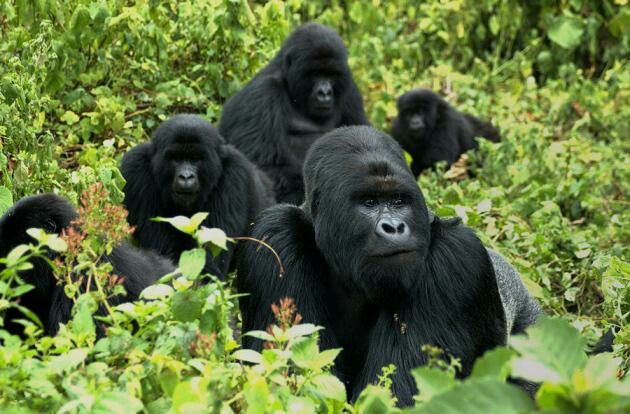
By Charles Lubega | Senior Gorilla Trekking Expert, Travel Giants Uganda 15 Years | Thousands of Treks | Bwindi, Mgahinga & Volcanoes NP Specialist The Explicit Answer: What You’ll Learn in This Guide Rwanda or Uganda? It’s the question every gorilla trek planner wrestles with. After 15 years of guiding in both countries—watching travelers do Rwanda first, Uganda first, and sometimes both—I’ve learned that there’s no universal “better” destination. There’s only the right destination for you. The difference comes down to four factors: budget, convenience, trekking difficulty, and what you want to feel when you’re in the forest. This guide delivers an honest, side-by-side comparison of gorilla safaris in Rwanda and Uganda. Not marketing hype. Not sugar-coating. Real differences in cost, logistics, difficulty, scenery, accommodation, and overall experience. By the end, you’ll know exactly which country fits your priorities. Quick Overview of Key Differences Factor Rwanda Uganda Cost $1,500 permit 800permit(800permit(700 less) Convenience 2-3 hours from airport 6-9 hours from airport Trek difficulty Moderate-challenging Varies by sector (easy to very challenging) Scenery Volcano backdrop Dense forest immersion Lodging More ultra-luxury More mid-range options Other activities Golden monkeys, Kigali city tour Safari parks, chimps, golden monkeys The deeper truth: The gorillas don’t care which country you choose. They’ll change you either way. But the wrong choice for your budget, fitness, or travel style can turn a dream into a struggle. This guide ensures you make the right one. I’ve guided thousands of trekkers in both countries. I’ve watched people choose Rwanda, Uganda, and both. There’s no wrong answer—only the wrong answer for you. Let me help you find your match. [IMAGE PLACEMENT 1: Split image: Rwanda gorilla with volcano backdrop (left) vs. Uganda gorilla in forest canopy (right). Caption: “Rwanda’s volcano vistas (left) vs. Uganda’s forest immersion (right)—two unforgettable experiences. Which is right for you?”] The One-Sentence Answer – Which Country Should You Choose? Gist: If you only have 30 seconds, here’s the answer. The Short Answer If You Prioritize… Choose… Lower cost ($800 permit) Uganda Shorter drive from airport (2-3 hours) Rwanda Easier trekking Uganda (Rushaga sector) Dramatic volcano scenery Rwanda or Uganda (Mgahinga) Luxury lodges Rwanda Value for money (mid-range) Uganda Variety of gorilla families Uganda (20+ families) Combine with safari (lions, elephants) Uganda Combine with chimps Uganda Combine with Rwanda city tour Rwanda Do both countries Rwanda + Uganda combo The Decision in One Sentence Choose Rwanda if: Your budget allows $1,500+, you want convenience and luxury, and volcano scenery excites you. Choose Uganda if: You want the best value ($800 permit), don’t mind longer drives, and want to combine gorillas with traditional safari. The Honest Truth: I’ve guided both countries hundreds of times. There’s no wrong answer. But there is a wrong answer for you. This guide helps you find your match. The Seven Decision Factors – What Actually Matters Gist: Before we dive into the nitty-gritty, let’s agree on what factors actually matter when choosing between Rwanda and Uganda. The Seven Decision Factors Factor Why It Matters 1. Budget The 700permitdifference(700permitdifference(1,500 vs. $800) is significant 2. Convenience (travel time) Rwanda is 2-3 hours from Kigali; Uganda is 6-9 hours from Entebbe 3. Trek difficulty Fitness level should guide your choice 4. Scenery preference Volcano views vs. forest immersion 5. Accommodation style Luxury vs. mid-range vs. budget 6. Additional activities Safari, chimps, golden monkeys, city tours 7. Solitude vs. amenities Fewer crowds vs. more established infrastructure The Honest Truth: Most people focus on permit cost. But the right choice depends on all seven factors. Let’s break down each one. Rwanda – Volcanoes National Park (The Luxury Option) Gist: Rwanda’s Volcanoes National Park is the most famous gorilla trekking destination in the world. It’s also the most expensive. Here’s what you need to know. Quick Facts Factor Details Location Northwestern Rwanda, 2-3 hours from Kigali airport Number of gorilla families 12 habituated Daily permits ~96 (8 per family) Permit cost $1,500 (foreign non-resident) Trek difficulty Moderate to challenging (volcanic terrain) Altitude 7,500-12,000 ft (2,300-3,700 m) Best time Dry seasons (June-Sept, Dec-Feb) Best for Luxury travelers, convenience seekers, first-timers The Experience You’ll wake up early at your lodge near the park (most are 15-45 minutes from the trailhead). After briefing at the park headquarters, you’re assigned to a gorilla family based on your fitness level. Trekkers are matched to families—easier treks for those who need them, harder ones for adventurers. The trek takes you through farmland, bamboo forest, and then into the volcanic slopes. The terrain is steep but the trails are well-maintained. The big advantage over Bwindi? The views. On clear days, you’ll see the peaks of the Virunga volcanoes—Bisoke, Sabinyo, Gahinga—towering above. The Twelve Gorilla Families (Most Famous) Family Notes Susa One of the oldest groups, featured in Dian Fossey’s research Sabyinyo Guhonda (one of the largest silverbacks); accessible trek Amahoro Peaceful group Umubano Formed after a split from Amahoro Agashya One of the easiest treks Karisimbi Highest altitude trek Hirwa Known for many infants Bwenge, Isabukuru, Kuryama, Muhoza, Titus Other habituated families Best Lodges in Volcanoes NP Lodge Price Range Vibe Best For Bisate Lodge $1,800-2,500 Ultra-luxury, architectural masterpiece Honeymooners, design lovers Singita Kwitonda Lodge $2,000-3,000 Ultimate luxury, exceptional service Celebrities, unlimited budget Sabyinyo Silverback Lodge $800-1,200 Classic luxury, community-owned Conscious luxury travelers Five Volcanoes Boutique Hotel $400-600 Mid-range, comfortable Value-conscious luxury Da Vinci Gorilla Lodge $300-500 Good value, gardens Budget luxury [IMAGE PLACEMENT 2: Gorilla in Volcanoes National Park with volcano backdrop, misty morning light. Caption: “Rwanda’s Volcanoes National Park—gorillas with volcano views, luxury lodges, and a $1,500 permit.”] Insider Tip Request an easier family if you’re worried about fitness. Agashya is a good choice. The rangers will assign you based on your stated fitness level—be honest. Uganda – Bwindi Impenetrable National Park (The Value & Variety Option) Gist: Bwindi is where you go for variety, value, and the deepest forest immersion. Four sectors. Over 20 gorilla families. Hundreds of bird species. And a permit that costs $700 less than Rwanda. Quick Facts Factor Details Location Southwestern Uganda, 6-9 hours from Entebbe (or 1 hour flight
Is a Gorilla Trekking Tour Possible in 24 Hours? The Truth About Last-Minute Gorilla Safaris
By Charles Lubega | Senior Gorilla Trekking Logistics Expert, Travel Giants Uganda 15 Years | 500+ Treks | Last-Minute & Tight-Schedule Specialist The Explicit Answer: What You’ll Learn in This Guide The short answer: Yes, but only from Rwanda, only if everything goes perfectly, and only if you’re willing to spend significantly more money and accept significant risk. The longer answer: You probably shouldn’t. After 15 years of planning gorilla treks—including last-minute, tight-schedule trips—I’ve learned that 24 hours is the absolute minimum. And even then, it’s a gamble. Here’s what you actually need to know. This guide delivers an honest assessment of whether a 24-hour gorilla trekking tour is possible, the specific conditions that must align, the true costs (financial and experiential), and a realistic alternative that won’t leave you heartbroken or stranded. Quick Overview Topic Verdict The Verdict Possible from Rwanda only (not Uganda) The Requirements Pre-dawn arrival, pre-booked permit, private transport, perfect conditions The Risks Flight delays, permit unavailability, missed connections, rushing the experience The Alternative 48 hours (the realistic minimum for a worthwhile experience) The deeper truth: You can technically do a gorilla trek in 24 hours. But “technically possible” and “actually advisable” are two very different things. This guide helps you decide which matters more to you. *I’ve watched travelers attempt the 24-hour rush. I’ve seen the heartbreak of missed flights. And I’ve seen the joy of those who gave themselves enough time. Let me help you choose wisely.* [IMAGE PLACEMENT 1: Timeline infographic showing the 24-hour Rwanda gorilla trek schedule, with warning icons at critical points. Caption: “24 hours from arrival to departure—possible on paper, risky in reality.”] The Short Answer – Yes, But… *Gist: Let me give it to you straight: a 24-hour gorilla trekking tour is possible, but only from Rwanda, and only under very specific conditions.* The Verdict by Country Country 24-Hour Trek Possible? Why Rwanda Yes (but risky) 2-3 hours from Kigali airport; can arrive morning, trek next morning, fly out evening Uganda No 6-9 hours from Entebbe airport; impossible to do round-trip in 24 hours The 24-Hour Rwanda Timeline (Best-Case Scenario) Time Activity Notes Day 1 – 6:00 AM Arrive Kigali Airport Must be early morning arrival Day 1 – 6:00-8:00 AM Clear immigration, meet guide Pre-arranged transfer waiting Day 1 – 8:00-11:00 AM Drive to Volcanoes NP 2-3 hours, good roads Day 1 – 11:00 AM onwards Check in, briefing, rest Trek is next morning Day 2 – 4:30 AM Wake up, light breakfast Early start Day 2 – 5:00-7:00 AM Drive to park HQ Briefing at 7:00 AM Day 2 – 7:00 AM – 12:00 PM Gorilla trek (2-5 hours) Includes one hour with gorillas Day 2 – 12:00-2:00 PM Return to lodge, shower, lunch Quick turnaround Day 2 – 2:00-5:00 PM Drive to Kigali Airport 2-3 hours Day 2 – 7:00 PM+ Evening flight departure Must be after 7:00 PM The Honest Truth: This timeline assumes EVERYTHING goes perfectly. No flight delays. No traffic. No weather issues. No gorilla trek delays. If anything goes wrong—and in travel, something often does—you miss your flight, or you miss the trek, or both. Why Uganda Is Impossible in 24 Hours *Gist: If you’re flying into Entebbe, stop reading the 24-hour dream now. It’s not happening.* The Math Problem Factor Uganda Why It’s Impossible Drive to Bwindi 6-9 hours One-way takes almost half your 24 hours Round trip 12-18 hours driving Leaves 6-12 hours for everything else Trek day 4-8 hours Trek itself takes most of a day Flight timing Limited evening departures Can’t make a same-day return The Uganda Timeline (Why It Fails) Time Activity Problem Day 1 – 6:00 AM Arrive Entebbe Possible Day 1 – 6:00 AM – 3:00 PM Drive to Bwindi 9 hours (arrive exhausted) Day 1 – 3:00 PM – 5:00 PM Briefing, settle in Too late for trek that day Day 2 – 6:00 AM – 2:00 PM Gorilla trek (including drive from lodge) Trek takes 4-8 hours Day 2 – 2:00 PM – 11:00 PM Drive back to Entebbe 9 hours Day 2 – 11:00 PM Arrive airport Most flights have left [IMAGE PLACEMENT 2: Map showing distance from Entebbe to Bwindi (6-9 hours) with warning overlay. Caption: “Uganda’s Bwindi is 6-9 hours from Entebbe. 24 hours simply isn’t enough.”] The Honest Truth: A 24-hour gorilla trek from Uganda is not just difficult—it’s functionally impossible. The distances don’t work. The math doesn’t work. Anyone who tells you otherwise is selling something. What You Need for a 24-Hour Rwanda Trek *Gist: If you’re determined to try the 24-hour Rwanda option, here’s exactly what must align.* The Prerequisites Checklist Requirement Why It’s Critical Early morning arrival (before 8:00 AM) You need time to drive to the park and rest before next day’s trek Pre-booked gorilla permit Permits cannot be obtained on arrival; must be secured months ahead Pre-arranged private transport No waiting for shared shuttles; driver must meet you immediately Lodge near the park (not in Kigali) Staying in Kigali adds 2-3 hours of driving each way Evening departure (after 7:00 PM) Need time to drive back and catch flight Perfect weather No flight delays, no road issues, no trek cancellations Excellent fitness No time for extra rest if the trek is long or difficult Travel insurance (with cancellation coverage) Because this is risky The Financial Reality Expense Estimated Cost Notes Gorilla permit (Rwanda) $1,500 Non-negotiable, must be pre-booked Private transport (2 days) $300-500 Includes airport pickup and park transfer Lodge near Volcanoes NP $300-800 One night (must be close to park) Guide/driver fees $100-200 Private guide Tips $50-100 Guide, porter, driver Flights Varies Must arrive early morning, depart evening TOTAL ESTIMATE 2,500−2,500−3,500+ Excluding international flights [IMAGE PLACEMENT 3: Requirements checklist infographic showing prerequisites with warning icons. Caption: “Everything must align perfectly. One delay and the 24-hour plan falls apart.”] The Honest Truth: You’ll pay a premium for this rushed experience—potentially more than a longer, more relaxed trip. And if anything goes wrong, you lose both time and money. The
Thinking About Gorilla Trekking? Here’s Everything You Actually Need to Know Before You Go: The Ultimate First-Timer’s Guide
By Charles Lubega | Senior Gorilla Trekking Guide, Travel Giants Uganda 15 Years | 500+ Treks | Bwindi, Mgahinga & Volcanoes NP Specialist The Explicit Answer: What You’ll Learn in This Guide You’re thinking about gorilla trekking. Maybe you’ve seen the photos—a silverback’s eyes, a baby gorilla clinging to its mother. Maybe you’ve heard stories from friends who came back changed. And maybe you’re also thinking: “Can I actually do this? How much does it cost? Is it safe? What if I’m not fit enough?” After 15 years and over 500 treks, I’ve answered every single one of those questions hundreds of times. Here’s everything you actually need to know—honest, practical, and designed to turn your anxiety into excitement. This guide covers everything a first-time gorilla trekker needs to know: costs, fitness requirements, what to wear, when to go, how to book, what happens on the day, safety, and the single question everyone forgets to ask. By the end, you’ll know exactly what to expect—and you’ll be ready to book. Quick Overview of What’s Covered Topic What You’ll Learn The Basics What gorilla trekking is, where it happens, why it matters Costs Permits, accommodation, transport, total budget Fitness How hard it really is (and how to prepare) Packing What to wear, what to bring, what to leave behind The Day Hour-by-hour what happens Safety The real risks (and why they’re minimal) Booking How to secure permits, when to book, common mistakes The Question Everyone Forgets What nobody tells you The deeper truth: Gorilla trekking will change you. But the anxiety of the unknown shouldn’t stop you from going. This guide answers every question you’re afraid to ask. I’ve answered every question you’re thinking of—and many you’re not. I’ve watched first-timers cry, forget to take photos, and immediately start planning their return. Let me prepare you for the experience of a lifetime. [IMAGE PLACEMENT 1: Hero shot of gorilla trekker in forest, looking at gorilla in distance, awe on face. Caption: “One hour with gorillas will change you. Here’s everything you need to know before you go.”] The Short Answer – What Is Gorilla Trekking, Really? Gist: Before we dive into the details, let me tell you what gorilla trekking actually is—and isn’t. What It Is Gorilla trekking is a guided hike through the forest to find a family of mountain gorillas. Once located, you spend one hour observing them in their natural habitat. That’s it. That’s the activity. What It Isn’t A zoo visit (these are wild animals) A guaranteed sighting (but success rate is 98%+) A casual walk in the park (it’s a hike, sometimes strenuous) A cheap activity (permits are $800-1,500) Why It Matters Mountain gorillas share 98.4% of our DNA. Looking into a silverback’s eyes is not like seeing any other animal. It’s profound, moving, and unforgettable. That’s why people spend thousands of dollars and travel across the world for one hour. The Honest Truth: Gorilla trekking is expensive. It can be hard. It’s not guaranteed. And it’s absolutely worth it. Where Does Gorilla Trekking Happen? Gist: Mountain gorillas live in only three countries. Here’s where you can see them. The Three Locations Country Park Permit Cost Best For Uganda Bwindi Impenetrable NP & Mgahinga NP $800 Value, variety, fewer crowds Rwanda Volcanoes NP $1,500 Luxury, convenience, volcano views DRC Virunga NP $400 Budget, adventurous (check security) Which Should You Choose? First time, budget-conscious: Uganda First time, luxury/convenience: Rwanda Return visitor, adventure: Uganda (different sector) or DRC (if safe) [IMAGE PLACEMENT 2: Map showing gorilla trekking locations in Uganda, Rwanda, DRC. Caption: “Mountain gorillas live in only three countries. Most first-timers choose Uganda or Rwanda.”] The Honest Truth: 95% of first-timers choose between Uganda and Rwanda. Uganda is cheaper and has more gorilla families. Rwanda is closer to the airport and has more luxury lodges. You can’t go wrong with either. How Much Does Gorilla Trekking Cost? Gist: Let’s talk money. Gorilla trekking is expensive. Here’s the real breakdown. The Permit Costs Country Permit Cost What You Get Uganda $800 1 hour with gorillas Rwanda $1,500 1 hour with gorillas Uganda (Habituation) $1,500 4 hours with gorillas The Total Trip Cost (Per Person, 3-Day Safari) Expense Uganda Rwanda Permit $800 $1,500 Accommodation (2 nights, mid-range) $200 $300 Transport (from airport) $300 $150 Meals & tips $100 $100 TOTAL (approx) $1,400 $2,050 Ways to Save Travel with 2-4 people (share transport) Choose mid-range or budget lodges Travel in shoulder season (March, October-November) Book directly with a local operator (avoid middleman markups) [IMAGE PLACEMENT 3: Cost comparison infographic: Uganda vs. Rwanda. Caption: “Uganda: 800permit.Rwanda:800permit.Rwanda:1,500 permit. The choice depends on your budget and priorities.”] The Honest Truth: Gorilla trekking is not a budget activity. But for most who do it, it’s the best money they’ve ever spent. The permits directly fund conservation. Your money helps keep gorillas alive. How Hard Is It? (Your Fitness Questions Answered) Gist: This is the question I answer most often. Here’s the honest truth about fitness. The Short Answer Gorilla trekking ranges from moderately challenging to very challenging, depending on where you go. Most people can do it. Almost everyone worries they can’t. Trek Difficulty by Sector Destination Difficulty Average Trek Duration Best For Uganda (Rushaga) Easy-Moderate 1-3 hours Fitness concerns, first-timers Uganda (Buhoma) Moderate 2-4 hours Average fitness Rwanda (Volcanoes NP) Moderate-Challenging 2-5 hours Average to good fitness Uganda (Ruhija) Challenging 2-5 hours Good fitness, higher altitude Uganda (Nkuringo) Very Challenging 3-6+ hours Excellent fitness, adventurers How to Prepare 3 months out: Start training (stairs, hills, weighted pack) 2 months out: Hike with a daypack (5-10kg) 1 month out: Test your gear, break in boots Week before: Rest, hydrate, mentally prepare What If You Can’t Finish? Your guide will assess the situation. If you need to turn back, a ranger will accompany you. You’ll receive a 50% refund of your permit (rarely needed—most people push through and make it). [IMAGE PLACEMENT 4: Fitness preparation graphic: stairs, weighted pack, hiking boots. Caption: “Three months of training transforms your trek. Stairs, weighted pack, and broken-in boots.”] The Honest Truth: I’ve guided
Uganda vs Tanzania Safari: What to Choose – The Ultimate Comparison Guide

By Charles Lubega | Senior East African Safari Expert, Travel Giants Uganda 15 Years | Thousands of Safaris | Serengeti, Ngorongoro, Bwindi & Queen Elizabeth Specialist The Explicit Answer: What You’ll Learn in This Guide Tanzania or Uganda? It’s the question every East Africa safari planner asks. After 15 years of guiding in both countries—from the endless plains of the Serengeti to the misty forests of Bwindi—I’ve learned that there’s no universal “better” safari. There’s only the right safari for you. And the difference comes down to what you want to see: the classic savanna spectacle of lions, elephants, and the Great Migration, or the intimate primate encounters with gorillas and chimpanzees set against a backdrop of astonishing landscape diversity. This guide delivers an honest, side-by-side comparison of safaris in Uganda and Tanzania. Not marketing hype. Not sugar-coating. Real differences in wildlife, landscapes, costs, logistics, accommodation, and overall experience. By the end, you’ll know exactly which country fits your safari dreams. Quick Overview of Key Differences Factor Tanzania Uganda Signature wildlife Big Five, Great Migration, millions of wildebeest Mountain gorillas, chimpanzees, tree-climbing lions Landscapes Endless savannas, volcanic craters, beaches Rainforests, mountains, savannas, the Nile Cost $200-500+ park fees per day $800 gorilla permit (high), but daily costs lower Crowds More crowded in Serengeti/Ngorongoro Fewer tourists overall Best for Classic safari, photography, Great Migration Primates, diverse landscapes, adventure The deeper truth: Both countries offer unforgettable wildlife. But a Tanzania safari without gorillas will leave you wanting. And a Uganda safari without the Great Migration will leave you dreaming of endless herds. This guide helps you choose based on what you actually want to see. I’ve guided thousands of travelers in both countries. I’ve watched people choose Tanzania, Uganda, and both. There’s no wrong answer—only the wrong answer for you. Let me help you find your match. [IMAGE PLACEMENT 1: Split image: Serengeti migration (left) vs. Bwindi gorilla (right). Caption: “Tanzania’s Great Migration (left) vs. Uganda’s mountain gorillas (right)—two completely different safari dreams.”] The One-Sentence Answer – Which Safari Should You Choose? Gist: If you only have 30 seconds, here’s the answer. The Short Answer If You Prioritize… Choose… Classic Big Five safari (lions, elephants, leopards, buffalo, rhino) Tanzania The Great Migration (millions of wildebeest and zebras) Tanzania Gorilla trekking (mountain gorillas) Uganda Chimpanzee tracking Uganda Endless savanna landscapes Tanzania Diverse landscapes (rainforest, savanna, mountains, lakes) Uganda Lower costs overall Uganda (cheaper daily costs despite $800 gorilla permit) Higher chance of seeing leopards and rhinos Tanzania Tree-climbing lions Uganda (Ishasha sector, Queen Elizabeth NP) Beach extension (Zanzibar) Tanzania Fewer crowds Uganda Canoe or boat safaris Uganda (Kazinga Channel, Nile) Hot air balloon safari Tanzania (Serengeti) The Decision in One Sentence Choose Tanzania if: You dream of the classic savanna safari—lions hunting, elephants crossing plains, millions of wildebeest thundering across rivers, and the Big Five. You want wide-open spaces, luxury lodges, and the option of a beach extension to Zanzibar. Choose Uganda if: You want to look a silverback gorilla in the eye, track chimpanzees through the forest, and experience one of the most diverse landscapes on the continent—from rainforest to savanna to mountains. You also want tree-climbing lions, boat safaris on the Nile, and far fewer crowds. Choose both if: You have 14+ days and the budget. Fly into Kilimanjaro, safari Tanzania (5-7 days), fly to Entebbe, gorilla trek Uganda (3-4 days). It’s the ultimate East African safari. The Honest Truth: I’ve guided both countries for over a decade. Tanzania delivers the classic safari dream. Uganda delivers the intimate primate encounter and landscape diversity. Neither will disappoint. But one will align better with your specific dreams. Overview – What Makes Each Country Unique Gist: Before we dive into the nitty-gritty, let’s understand what makes each country special. Tanzania at a Glance Factor Details Iconic parks Serengeti NP, Ngorongoro Crater, Tarangire NP, Lake Manyara NP Signature wildlife Big Five, Great Migration (1.5 million wildebeest), cheetahs, giraffes Landscape Endless savanna, volcanic craters, acacia-dotted plains, beaches (Zanzibar) Best time June-October (dry season, migration river crossings); January-February (calving season) Typical duration 5-10 days Cost level Higher (park fees 50−70perpersonperday+50−70perpersonperday+200-500+ for crater) Uganda at a Glance Factor Details Iconic parks Bwindi Impenetrable NP (gorillas), Queen Elizabeth NP, Murchison Falls NP, Kibale NP (chimps), Kidepo Valley NP Signature wildlife Mountain gorillas, chimpanzees, tree-climbing lions, rhinos (Ziwa), elephants, buffalo, hippos Landscape Rainforest, savanna, mountains, the Nile River, volcanic craters Best time June-September, December-February (dry seasons for all parks) Typical duration 7-12 days Cost level Moderate ($800 gorilla permit is high, but daily costs lower than Tanzania) [IMAGE PLACEMENT 2: Map of East Africa showing Tanzania and Uganda, highlighting key parks. Caption: “Tanzania’s savanna circuit vs. Uganda’s primate and diverse landscape circuit—two different safari experiences.”] The Honest Truth: Tanzania is the king of classic savanna safaris. Uganda is the king of primate encounters and landscape diversity. The choice depends on which animals you most want to see. Signature Wildlife – What You’ll Actually See Gist: Let’s be honest: you’re choosing based on animals. Here’s what you’ll actually see in each country. Tanzania’s Wildlife Highlights Animal Likelihood Best Place Lion 95% Serengeti, Ngorongoro Crater Elephant 95% Tarangire (massive herds), Serengeti Buffalo 95% Everywhere Leopard 50-60% Seronera Valley (Serengeti) Black Rhino 20-30% Ngorongoro Crater Cheetah 60% Serengeti plains Giraffe 90% Serengeti, Tarangire, Lake Manyara Zebra 100% Everywhere Wildebeest (Great Migration) 100% (seasonal) Serengeti (river crossings June-Oct, calving Jan-Feb) Hippo 100% Hippo pools, rivers Crocodile 80% Grumeti and Mara Rivers (Serengeti) Uganda’s Wildlife Highlights Animal Likelihood Best Place Mountain Gorilla 99% (with permit) Bwindi Impenetrable NP, Mgahinga NP Chimpanzee 90% Kibale NP, Kyambura Gorge, Budongo Forest Tree-climbing Lion 60% Ishasha sector (Queen Elizabeth NP) Elephant 90% Queen Elizabeth NP, Murchison Falls NP, Kidepo NP Buffalo 95% Queen Elizabeth NP, Murchison Falls NP, Kidepo NP Leopard 30-40% Queen Elizabeth NP (night drives), Kidepo NP Giraffe 85% Murchison Falls NP, Kidepo Valley NP Zebra 90% Lake Mburo NP, Kidepo NP Hippo 100% Kazinga Channel (Queen Elizabeth), Nile (Murchison) Crocodile 90% Nile (Murchison Falls) Rhino 100% (with add-on) Ziwa Rhino Sanctuary (walking safari) The Honest
