
Why Travelers Choose Travel Giants Uganda for Gorilla Trekking Trips
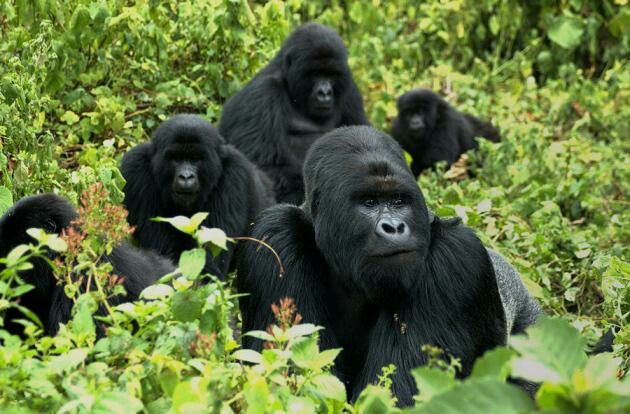
A gorilla trekking permit in Uganda costs $800 (2026) for foreign non-residents, giving you one hour with a habituated mountain gorilla family in Bwindi Impenetrable National Park or Mgahinga Gorilla National Park. Success rate: 98-99% —trackers locate the gorillas before you hike. Minimum age: 15 years. Best months: June-September & December-February (dry trails). Travel Giants Uganda is a UTB-registered, UWA-authorized operator with 15+ years experience and 4.9/5 from 150+ TripAdvisor reviews. Book permits 3-6 months ahead for peak season. Why Travelers Choose Travel Giants Uganda Concern How We Solve It “Will my permit be real?” We book directly with UWA. You receive official digital permits before you pay in full. “What if my flight is delayed?” We track your flight. Your driver waits. No extra charge. “What if I don’t see the gorillas?” 99% success rate across 15+ years. Rare misses get a second trek at cost. “Is this company legit?” Registered UTB tour operator UWA authorized Licensed & insured Local expert guides “Will someone help me 24/7?” Dedicated planning manager + 24/7 WhatsApp support. Someone answers your call. *“I was overwhelmed planning a two-country safari. James and his team handled everything—permits, visas, border crossings. When my flight was delayed 6 hours, our driver was still there waiting. Worth every dollar.”* — Sarah T., USA (traveled November 2025) – TripAdvisor verified “The checklist on their website is gold. But the real value is their team. They answered every anxious email within hours. I arrived calm. That’s priceless.” — Michael R., UK (traveled February 2026) – Google Reviews Senior guide Charles Lubega (15+ years, 500+ treks) explains: *“After guiding thousands of treks, I tell every client the same thing: hire a porter. For $15-20, they carry your bag and physically support you up the hills. I’ve guided 82-year-olds who made it because of their porter. This is the best money you will spend in Uganda.”* 2026 Gorilla Permit Costs & Options Country Permit Type Cost (Foreign Non-Resident) Where You Trek Best For Uganda Standard trekking $800 Bwindi (4 sectors) or Mgahinga Most travelers, best value Uganda Habituation experience $1,500 Bwindi (Rushaga sector only) Photographers, 4 hours with gorillas Rwanda Standard trekking $1,500 Volcanoes NP Short on time (1hr drive from Kigali) Rwanda Low-season discount $1,050 Volcanoes NP May or November only (with 3 nights in another park) DR Congo Standard trekking $400 Virunga NP Budget travelers (check security first) Travel Giants Uganda charges face value – no permit markups. Check real-time availability → Bwindi’s Four Trekking Sectors: Which One Is Right for You? Sector Location Difficulty Gorilla Families Best For Accommodation Range Buhoma North Moderate Mubare, Habinyanja, Rushegura, Katwe First-time trekkers, classic experience $60-800/night Ruhija East Moderate Bitukura, Oruzogo, Kyaguriro, Mukiza Bird lovers, quieter experience $50-300/night Rushaga South Moderate-Challenging Nshongi, Mishaya, Kahungye, Bweza, Rwigi, Bikingi Habituation experience, most permit availability $40-400/night Nkuringo South Very Challenging Nkuringo, Christmas, Bushaho, African Nature Experienced hikers, dramatic views $80-500/night Senior guide Asiimwe advises: “If you have knee issues or are over 60, request Buhoma or Rushaga sector. The trails are gentler. Nkuringo starts with a steep descent that is brutal on the way back up. We always ask clients about fitness before assigning sectors—be honest with us.” Sample Itineraries & Pricing (2026) 🥾 Budget Gorilla Trekking – 3 Days (From $1,400) Day Activity Overnight 1 Pickup from Kigali (4-5hr drive) OR Entebbe (8-10hr drive) Budget lodge/banda near Bwindi 2 Gorilla trekking (1 hour with gorillas) + porter hire ($15-20 optional) Same lodge 3 Breakfast, transfer back to airport Departure Included Excluded ✓ Gorilla permit ($800) ✗ International flights ✓ 2 nights budget accommodation ✗ Tips (guide 20/day,porter20/day,porter15) ✓ 4×4 transport (shared group) ✗ Visa ($50) ✓ Park entrance fees ✗ Travel insurance ✓ Breakfast daily ✗ Drinks & personal items 🌿 Mid-Range Gorilla + Wildlife Safari – 7 Days (From $3,500) Day Activity Accommodation 1 Arrival Entebbe, transfer to hotel Mid-range hotel, Entebbe 2 Transfer to Kibale (5-6hrs), afternoon community walk Mid-range lodge, Kibale 3 Chimpanzee tracking ($250 permit) + crater lake hike Same lodge 4 Transfer to Queen Elizabeth NP (2-3hrs), evening game drive Mid-range lodge, Queen Elizabeth 5 Kazinga Channel boat cruise + Ishasha tree lion drive Mid-range lodge, Ishasha 6 Transfer to Bwindi (4-5hrs), Batwa community visit Mid-range lodge, Bwindi 7 Gorilla trekking (1 hour), transfer back to Entebbe OR Kigali Departure Included: 6 nights mid-range lodging, gorilla permit (800),chimppermit(800),chimppermit(250), park entrance fees, private 4×4 + guide, meals as specified, bottled water. Not included: International flights, visa (50),tips(50),tips(150-200 total), travel insurance, premium drinks. Booking Timeline & Availability When You Want to Trek When to Book Current Availability (May 2026) June – September 2026 (Peak Dry) 6+ months ahead ~60% sold – urgent December – February 2027 (Short Dry) 4-6 months ahead Open – book by August 2026 March – May 2027 (Wet Season) 2-3 months ahead Open – flexible October – November 2026 (Short Rains) 2-3 months ahead Open – Rwanda discounts available Founder Brian explains: *“We maintain a waitlist for last-minute cancellations. Last year, we secured permits for 12 clients who booked less than 2 weeks before their trek. It is rare but possible. If you have fixed dates, do not gamble. Book early.”* What Your Permit Money Funds (Conservation Impact) Allocation Percentage What It Supports Gorilla conservation 40% Anti-poaching units, veterinary interventions, habitat protection Local communities 30% Schools, healthcare clinics, clean water projects near Bwindi Park management 30% Ranger salaries, trail maintenance, visitor centers The result: Mountain gorilla numbers increased from 620 in 1989 to over 1,000 today (2018 census). Uganda holds 50% of the world’s remaining mountain gorillas (~450 in Bwindi alone). Essential Packing List for Gorilla Trekking Category Non-Negotiable Items Why Feet Waterproof hiking boots (broken in) + wool socks (2-3 pairs) Bwindi is muddy even in dry season Legs Quick-dry hiking pants + gaiters Protects from stinging nettles & ants Torso Long-sleeve moisture-wicking shirts (3) + fleece + waterproof rain jacket Cold mornings, rain anytime Hands Gardening gloves You will grab vegetation while climbing Gear Daypack (20-30L with rain cover) + headlamp + binoculars (8×42) + camera with zoom (100-400mm min) + extra batteries (cold drains them) Essential for comfort & photos Health DEET insect repellent + sunscreen + personal medications + rehydration salts Tsetse flies, altitude sun,
Gorilla Trekking Safari in Uganda and Rwanda: Is It Worth Going Twice? An Honest Guide for Repeat Visitors
You have seen the gorillas once. You cried. You spent the money. You told everyone it was the best experience of your life. And now, weeks or months or years later, you are wondering: Should I go again? Here is my honest answer after guiding over 500 gorilla trekking trips and watching countless repeat visitors return to the forest: Yes. But not for the reasons you think. The second gorilla trekking trip is not the same as the first gorilla trekking safari. It cannot be. The first time, you were nervous. You did not know what to expect. Every wildlife sound made you jump. Every glimpse of black fur through the leaves sent your heart racing. The silverback’s first eye contact shattered something in you. The second time, you know what is coming. You are less nervous. More prepared. And that changes everything. But here is what no one tells you: the second trek is not lesser. It is deeper. The first time, you are overwhelmed. The second time, you are present. This guide answers the honest question: Is gorilla trekking worth doing twice? I will tell you: how the second trek differs from the first (emotionally, not just logistically), when you should go back (and when you should not), whether to return to the same country or try the other, the financial reality of repeat visits, what repeat trekkers wish they had known, and my honest advice after watching hundreds of people make this decision. No sales pitch. Just the truth. Quick Overview of the Answer Question Short Answer Why Is the second trek as magical as the first? Different magic, not less First is overwhelming awe. Second is quiet presence. Should I go to the same country or the other? Either works, but different Same: comfort, familiarity. Other: new experience, comparison. Is it worth the money again? For most, yes. For some, no. Depends on your financial situation and what you seek. Will I cry the second time? Probably. I still do. The gorillas do not get less moving. The deeper truth: The first time you see a gorilla, you are meeting a legend. The second time, you are visiting an old friend. Both are precious. Both are worth it. But they are not the same. Go expecting different magic, not less magic, and you will not be disappointed. The 30-Second Answer – Should You Go Gorilla Trekking Again? Let me give you the quick answer based on what you are really asking. Quick Decision Matrix for Repeat Trekkers Your Situation Should You Go Again? Why You have the budget and the time Yes, absolutely The gorillas are worth revisiting. You are wondering if it will be as magical Yes, but manage expectations Different magic, not less magic. You want to see different gorilla families Yes Every family has its own personality. You want to try the other country (Uganda vs Rwanda) Yes Each country offers a different flavor. You are on a tight budget and this would strain you Maybe not The first trek was priceless. A second can wait. You are hoping for the exact same emotional experience No The second time is different. Deeper, but different. You want to bring someone who has never been Absolutely yes Watching someone else experience it for the first time is its own gift. You are a photographer wanting better shots Yes Second time, you know what to expect and can focus on images. The Honest Truth in One Paragraph Charles Lubega says: “I have guided people on their second, third, and even fourth treks. Every single one said the same thing: ‘I am so glad I came back.’ Not one said it was a waste of money. But they also said the second time was different. Less overwhelming. More present. If you go expecting the same heart-stopping, breath-stealing, tear-inducing shock of the first time, you might be disappointed. If you go expecting a quieter, deeper, more intimate encounter, you will leave fulfilled.” [IMAGE PLACEMENT 1: Split image – First trek (tears, overwhelmed) vs Second trek (calm, peaceful smile). 1200px+. Caption: “First time: overwhelmed. Second time: present. Both are beautiful.”] First Trek vs Second Trek – What Actually Changes Let me walk you through how the experience shifts from first to second trek. The differences are real. They are not bad. They are just different. The Emotional Arc – First vs Second Aspect First Trek Second Trek Nerves High. What if I can’t do it? What if we don’t find them? Low. You know you can do it. You know they will be there. The first sighting Shock. Disbelief. “Is that actually a gorilla?” Recognition. “There they are. Hello again.” The first eye contact Time stops. Tears come. You are not prepared. Time slows. Tears may still come. You are ready now. Your behavior Trying to absorb everything at once. Camera up. Constantly looking around. More present. Camera down more often. Just watching. The hour Overwhelming. Sensory overload. Goes by in a flash. Still goes fast, but you notice more details. Afterward Silent. Processing. Wondering what just happened. Chatty. Comparing to last time. Already planning next visit. What You Notice More the Second Time Detail Why You Notice It The baby’s personality First time, you just saw “baby.” Second time, you see the troublemaker, the shy one, the mama’s boy. The silverback’s patience You have time to watch how he watches everyone. How he settles disputes with a look. The forest itself First time, the gorillas consumed your attention. Second time, you notice the trees, the birds, the light. Your own reactions You are less in your head. More able to just feel. The other trekkers First time, they were strangers. Second time, you feel a kinship. You are all here because you love this. What the Second Trek Still Gives You What Remains Why It Endures The tears Many repeat trekkers still cry. The gorillas are still that moving. The awe You cannot get used to a silverback. It
Mgahinga-Gorilla-Trekking: Uganda’s Quiet Gorilla Haven

Mgahinga Gorilla National Park is Uganda’s smallest and quietest gorilla trekking destination, home to only one habituated gorilla family (Nyakagezi) compared to Bwindi’s 20+ families. This means fewer trekkers (just 8-16 people per day vs. Bwindi’s 80-160+), shorter wait times, more intimate encounters, and the same permit cost of $800. However, because only one family is habituated, trek success is almost guaranteed—but if Nyakagezi crosses into Rwanda or DRC (which they occasionally do), treks may be rescheduled. For travelers seeking solitude, volcanic landscapes, and a quieter alternative to crowded Bwindi, Mgahinga is Uganda’s best-kept secret. Where Volcanoes Meet Silence You are standing at the base of an extinct volcano. Three cones rise around you: Muhavura, Gahinga, and Sabinyo. There are no crowds. No vehicle queues. Just the sound of golden monkeys chattering in bamboo and a ranger pointing up the slope. “Nyakagezi is resting near the saddle today,” he whispers. “Twenty-minute trek.” In Mgahinga, that is not luck. That is Tuesday. This is Uganda’s quiet gorilla haven. And most travelers have never heard of it. Mgahinga at a Glance – Uganda’s Smallest, Quietest Gorilla Park Before comparing, understand what Mgahinga is—and what it is not. Quick Facts Factor Detail Size 33.7 km² (Uganda’s smallest national park) Location Southwestern Uganda, borders Rwanda and DRC Altitude 2,227m to 4,127m Gorilla families 1 habituated: Nyakagezi Other primates Golden monkeys (endemic to Virunga) Unique feature Part of Virunga Massif, volcanic landscape Daily trekker cap ~8-16 people Permit cost $800 Why “Quiet” Matters In Bwindi, 80-160 trekkers enter the forest daily across multiple sectors. In Mgahinga, you are one of eight. Maybe sixteen at most. The silence is not a marketing word. It is a lived experience. You hear your own breathing. You hear the gorilla’s knuckles on volcanic rock. You hear nothing else. The Nyakagezi Gorilla Family – Mgahinga’s Only Habituated Group One family. One story. And one of the most stable, human-habituated groups in Uganda. History of Nyakagezi Nyakagezi was once a transient family, moving freely between Uganda, Rwanda, and DRC. In the early 2000s, they settled in Mgahinga. Rangers and researchers habituated them patiently. Today, they are one of the calmest gorilla families you can visit. Family Composition (2026) As of 2026, Nyakagezi consists of: 1 dominant silverback (the patriarch) 2-3 younger silverbacks (blackbacks) Several adult females Juveniles and infants Notable Behavior Nyakagezi is known for being unusually relaxed around humans. They do not mock-charge often. They tolerate trekkers with what looks like boredom. For photographers, this is a gift. The Crossing Risk – Honest Caveat Because Mgahinga borders Rwanda and DRC, Nyakagezi occasionally crosses into neighboring countries. If this happens on your trek day: Rangers track the family overnight Treks may be delayed or, rarely, rescheduled You are offered a refund or rebooking In my 15 years guiding Mgahinga, I have seen this happen only a handful of times. But you deserve to know. [IMAGE 2 – Nyakagezi gorilla family (silverback with juveniles) in bamboo forest. Caption: “Nyakagezi – Mgahinga’s only habituated gorilla family. One of the most stable and human-friendly groups in Uganda.”] Mgahinga vs. Bwindi – Which Gorilla Trekking Park Is Right for You? Here is the honest comparison no tour operator wants to give you. Factor Mgahinga Bwindi Size 33.7 km² (smallest) 331 km² (larger) Gorilla families 1 habituated 20+ habituated Daily trekkers ~8-16 ~80-160+ Trek success rate ~95% (depends on Nyakagezi location) ~98% (multiple families) Landscape Volcanic slopes, bamboo, open views Dense rainforest, limited visibility Trek difficulty Moderate to strenuous (volcanic terrain) Varies by sector (easy to very hard) Other activities Golden monkeys, volcano hiking, Batwa trail Multiple add-ons (habituation, forest walks) Permit cost $800 $800 Best for Quiet, intimate, photographers, volcano lovers Variety, certainty, multi-day treks Less ideal for Travelers wanting multiple trek days Travelers seeking solitude The Honest Verdict Choose Mgahinga if you want: solitude, volcanic views, a single intimate encounter, golden monkeys, and the chance to climb a volcano. Choose Bwindi if you want: multiple treks, variety of families, certainty during peak season, or a longer safari with other activities. In my 15 years, I have sent clients to both. The ones who loved Mgahinga were the ones who wanted silence. The ones who loved Bwindi wanted options. Neither is wrong. But they are different. [IMAGE 3 – Side-by-side split image: Mgahinga (open volcanic slopes) vs. Bwindi (dense rainforest). Caption: “Mgahinga (left) offers open volcanic views. Bwindi (right) is dense rainforest. Choose your adventure.”] Golden Monkeys – Mgahinga’s Other Primate Treasure Gorillas are the headline. Golden monkeys are the encore you did not know you needed. What Are Golden Monkeys? Golden monkeys (Cercopithecus kandti) are an endangered Old World monkey species found only in the Virunga Massif (Uganda, Rwanda, DRC). They have striking golden-orange fur on their backs and flanks. Trekking Experience Permit cost: $100 Duration: 1 hour with the monkeys Difficulty: Easy to moderate (monkeys move fast) Best time: Same as gorillas (dry seasons) Golden monkeys are highly social. You will see them leaping through bamboo, grooming each other, and watching you with curious, unafraid eyes. Why Combine with Gorilla Trekking Same park. Different day. You can do: Day 1: Gorilla trek (Nyakagezi) Day 2: Golden monkey trek + Batwa trail That is a complete Mgahinga experience. Two primates. One park. No driving between sectors. [IMAGE 4 – Close-up of golden monkey in bamboo. Caption: “Golden monkeys – Mgahinga’s other primate treasure. Only found in the Virunga Massif.”] The Virunga Volcanoes – Trekking Above the Gorillas Mgahinga sits in the shadow of three extinct volcanoes. You can climb them. Mount Sabinyo (3,645m) – “The Tooth” Difficulty: Strenuous Time: 6-8 hours round trip Unique feature: Ladder sections, summit at Uganda-Rwanda-DRC triple point Sabinyo is my favorite. The trail passes through giant heather and lobelias. The final ascent uses wooden ladders bolted into volcanic rock. At the top, you stand in three countries at once. Mount Gahinga (3,474m) Difficulty: Moderate Time: 4-5 hours round trip Unique feature: Crater lake at summit Easier than Sabinyo. Rewarding for hikers who want volcano views without the ladders. Mount Muhavura (4,127m) Difficulty: Very strenuous
Self-Drive vs Car Hire with Driver for Gorilla Trekking in Uganda: The Complete 2026 Comparison Guide (Costs, Safety, Freedom & Honest Advice for Your Bwindi Safari)
You’ve booked your gorilla permit. $800. Non-refundable. Now you need to get to Bwindi. The question: Do you drive yourself, or do you hire a driver? After 15 years and over 500 gorilla trekking trips to Bwindi, I’ve seen both choices play out hundreds of times. Here’s the honest truth: Self-drive can save you $300-500 on a 5-day trip. But it also means navigating 400 kilometers of unpredictable roads—potholes, livestock, police checkpoints, steep mountain passes, and Bwindi’s infamous mud. Hire a driver costs more, but you arrive at the gorillas rested, on time, and stress-free. There is no wrong choice. But there is a wrong choice for YOU. This guide helps you decide based on YOUR driving experience, YOUR budget, and YOUR tolerance for risk—because missing your gorilla trek is not an option. This is the only comparison guide you need for choosing between self-drive and driver-hire for your Uganda gorilla trekking safari in 2026. It covers: complete cost breakdowns specifically for the Entebbe-Bwindi route (rental, fuel, driver fees, accommodation for driver, hidden costs), road condition realities for the gorilla trekking route (highway, mountain, and Bwindi’s last 20km of hell), what happens if you break down or get stuck (and how close you come to losing your $800 permit), freedom vs convenience trade-offs specifically for gorilla trekkers, which type of traveler fits each option, and answers to every question first-timers ask. No bias. No upselling. Just the truth from someone who has guided over 500 groups to see the gorillas. Quick Overview of the Choice (Gorilla Trekking Focus) Factor Self-Drive to Bwindi Hire Driver to Bwindi Cost (5-day trip) $400-600 (rental + fuel) $700-1,000 (all-inclusive) Savings You save $200-500 You pay for peace of mind Arrival Condition Tired, stressed, maybe late Rested, relaxed, on time Risk of Missing Trek Moderate (breakdown, wrong turn, flat tire) Very Low (driver knows routes, has contacts) Bwindi Mud Experience High stress (you’re driving it) Zero stress (you watch the driver handle it) Local Knowledge None (Google Maps may fail) Extensive (shortcuts, road conditions, wildlife sightings) Best For Experienced off-road drivers, adventurers, strict budget First-time Africa travelers, families, anyone who prioritizes the gorillas over saving money The deeper truth (Charles Lubega’s honest warning): I have pulled self-driving tourists out of Bwindi’s mud at 8 PM. I have seen them arrive at the park HQ at 10 AM, missing their briefing, begging for a late start. I have watched them lose their $800 permit because a flat tire on a remote road cost them three hours. The gorillas don’t care how you got there. But if you don’t arrive on time, you won’t see them at all. That is the real stakes of this decision. The 30-Second Answer – Which Is Right for YOUR Gorilla Trekking Trip? Before we dive deep, here’s who should choose each option based on your experience and priorities. Quick Decision Matrix (Gorilla Trekking Specific) Your Profile Choose Why Experienced off-road driver (have driven in Africa/developing countries before) Self-Drive You know what you’re getting into. You’ve handled worse. First-time Africa traveler Hire Driver You don’t know what you don’t know. Let a professional handle it. Tight budget (every $100 matters) Self-Drive The $300-500 savings can cover flights or extra days. Solo traveler Hire Driver Lonely drive, and no one to help if you break down. Couple/group (can split costs) Hire Driver Splitting $700-1,000 among 2-4 people makes it very affordable. Traveling with children Hire Driver Your focus should be on kids, not potholes. Nervous driver Hire Driver The stress will ruin your trip before you even see gorillas. On a tight schedule (must be at Bwindi on a specific date) Hire Driver Missing your permit date due to breakdown is not an option. Adventure seeker who wants the drive to be part of the story Self-Drive The journey itself is your safari. Embrace the chaos. Luxury traveler (already spending $800+ on permit) Hire Driver The extra $300-500 is negligible for peace of mind. The One Question That Decides Everything Charles Lubega’s single question for you: “If your rental car broke down 50 kilometers from Bwindi at 4 PM on the day before your trek, would you know what to do?” Yes (you speak basic Luganda, have a satellite phone, know how to change a tire on a slope, and have breakdown coverage): Self-drive might work for you. No (you don’t speak the language, have no backup plan, and panic under pressure): Hire a driver. Seriously. The Honest Truth (Charles Lubega): “I’ve seen confident self-drivers succeed. I’ve also seen them fail spectacularly. The difference isn’t driving skill. It’s contingency planning. Do you have a Plan B? Most don’t. That’s why most should hire a driver.” [IMAGE PLACEMENT 1: Split comparison infographic – Self-drive (driver stressed, map, mud) vs Driver-hire (passenger relaxed, sleeping, scenery). 1200px+. Caption: “Same road. Same destination. Completely different experience.”] The Road to Bwindi – What You’re Actually Driving (Honest Reality Check) You’ve heard ‘the roads are challenging.’ Let me tell you exactly what that means, kilometer by kilometer. The Entebbe to Bwindi Route – What to Expect Section Distance Driving Time Road Condition Challenge Level Entebbe to Kampala 40 km 1-2 hours Paved but HEAVY traffic ⭐⭐⭐ (traffic jams, boda bodas) Kampala to Masaka 130 km 2-3 hours Paved, good condition ⭐⭐ (police checkpoints, speed bumps) Masaka to Mbarara 140 km 2-3 hours Paved, good, but narrow ⭐⭐ (trucks, livestock on road) Mbarara to Kabale 90 km 1.5-2 hours Paved, winding hills ⭐⭐⭐ (steep curves, fog) Kabale to Bwindi (last 20km) 20 km 1-2 hours DIRT/MUD, steep, rough ⭐⭐⭐⭐⭐ (the real challenge) TOTAL ~420 km 8-10 hours driving Varies dramatically The Last 20 Kilometers – Where Self-Drive Dreams Die Charles Lubega’s honest description: “The final stretch to Bwindi is not a road. It is a suggestion of a road. In dry season, it’s rutted dirt with rocks that will shake your teeth. In wet season, it’s a mud slide where 4x4s slip sideways and get stuck. This is where I have pulled out more self-drivers
How a 5-Day Gorillas and Chimpanzees Trekking Trip in Uganda Offers an Unforgettable Encounter Worth Experiencing
By Charles Lubega | Senior Gorilla Trekking Safari Tourist Guide, Travel Giants Uganda 15 Years | Thousands of Gorilla Trekking Permits Booked | Uganda & Rwanda Gorilla Trekking Safari Specialist The Explicit Answer: What You’ll Discover in This Guide Gorillas will look into your soul. Chimpanzees will make you laugh until your sides hurt. And Uganda is the only place on earth where you can experience both in a single 5-day trip. After 15 years and over 500 treks, I’ve watched travelers do gorillas alone and leave hungry for more. I’ve watched others do chimps alone and feel something was missing. But those who do both? They leave with a complete picture of our closest relatives—and an understanding of what makes us human. This guide reveals why a 5-day gorilla and chimpanzee trekking trip in Uganda is the ultimate primate experience. You’ll learn the 5-day itinerary, what each trek feels like, why 5 days is the perfect duration (not too rushed, not too long), how to book both permits, and why Uganda is uniquely positioned to offer this combination. Quick Overview of the 5-Day Itinerary Day Activity Location Day 1 Arrival in Entebbe, transfer to Kibale Kibale National Park Day 2 Chimpanzee tracking in Kibale Forest Kibale National Park Day 3 Transfer to Bwindi (scenic drive) Bwindi Impenetrable Forest Day 4 Gorilla trekking in Bwindi Bwindi Impenetrable Forest Day 5 Optional golden monkeys or departure Mgahinga or Entebbe The deeper truth: Gorillas show you the quiet, contemplative side of our DNA. Chimpanzees show you the playful, chaotic, dramatic side. Together, they show you what it means to be human. Uganda is the only country where this complete picture exists in a 5-day window. *I’ve guided this exact 5-day combo dozens of times. I’ve watched travelers laugh at chimps and weep at gorillas. I know the right order (chimps first, gorillas second) and the best lodges for every budget. Let me show you why doing both is better than choosing one.* [IMAGE PLACEMENT 1: Split image: silverback gorilla (left) and chimpanzee (right), both in forest settings. Caption: “Gorillas and chimpanzees—two sides of our family tree. Uganda is the only place to see both in a single trip.”] Why Uganda Is the Only Place for This Combo Gist: Uganda is the only country in the world where you can see mountain gorillas and chimpanzees in the same trip. Here’s why—and why it matters. The Geography of Primates Country Mountain Gorillas Chimpanzees Can You Do Both? Uganda ✓ (Bwindi, Mgahinga) ✓ (Kibale, Kyambura, Budongo) ✓ Yes Rwanda ✓ (Volcanoes NP) ✗ (very limited) No DRC ✓ (Virunga NP) ✓ (but security concerns) No (safety) Tanzania ✗ ✓ (Gombe, Mahale) No What Makes Uganda Unique Proximity: Kibale (chimps) and Bwindi (gorillas) are only 4-5 hours apart Habituation levels: Both species are well-habituated for excellent viewing Variety: Multiple chimp tracking options (Kibale, Kyambura, Budongo) Value: Permits for both are affordable compared to other countries Safety: Stable tourism infrastructure without security concerns [IMAGE PLACEMENT 2: Map of Uganda showing Kibale and Bwindi locations, with route connecting them (4-5 hours drive). Caption: “Uganda is the only country in the world where you can see mountain gorillas and chimpanzees in a single 5-day trip.”] The Honest Truth: You could spend two weeks in Uganda and barely scratch the surface. But 5 days is enough for the primate highlights—both gorillas and chimps. No other country offers this in such a compact, accessible package. The 5-Day Primate Safari – Complete Itinerary Gist: Here’s exactly how 5 days can deliver both of Africa’s most extraordinary primate encounters. Day 1 – Arrival in Entebbe, Transfer to Kibale Time Activity Morning Arrive at Entebbe International Airport (EBB) Late morning Transfer to Kibale National Park (5-6 hours drive) or fly to Kasese (1 hour) + drive Afternoon Check into lodge near Kibale Evening Rest, prepare for chimp tracking tomorrow Accommodation in Kibale Area: Budget Lodge Price Range Budget Chimpanzee Forest Guesthouse, Kibale Travelers Hotel $40-70 Mid-range Kibale Forest Camp, Primate Lodge Kibale $80-200 Luxury Papaya Lake Lodge, Ndali Lodge $250-400 The Honest Truth: The drive from Entebbe to Kibale is long (5-6 hours), but the scenery is spectacular—tea plantations, rolling hills, and the Rwenzori mountains. Or fly to save time. Day 2 – Chimpanzee Tracking in Kibale Forest Time Activity 6:30 AM Early breakfast 7:00 AM Drive to park headquarters 7:30 AM Briefing and allocation to chimp groups 8:00 AM Chimpanzee tracking begins (duration: 2-5 hours) 8:30 AM – 1:00 PM Track chimps, spend 1 hour with them once located 1:00 PM Return to lodge, lunch 2:00 PM Optional: Bigodi Wetland Walk (excellent birding, monkeys) Evening Rest at lodge What You’ll See: Experience What It Feels Like Chimps calling Pant-hoots echo through the forest—goosebumps every time Canopy action Chimps swinging, feeding, playing in trees above you Ground activity Grooming, mating, resting, juveniles wrestling Tool use Chimps using sticks to extract termites (seasonal) Group dynamics Alpha male displays, mother-infant bonding [IMAGE PLACEMENT 3: Chimpanzee in Kibale forest, swinging in canopy, golden light. Caption: “Kibale’s chimpanzees are the stars of Day 2—energetic, dramatic, and unforgettable.”] The Honest Truth: Chimpanzee tracking is different from gorilla trekking. It’s faster-paced, more chaotic, and often more physically demanding. But the energy of a chimp troop is infectious—you’ll leave laughing. Day 3 – Transfer from Kibale to Bwindi (The Scenic Drive) Time Activity 8:00 AM Breakfast at lodge 9:00 AM Depart Kibale for Bwindi 9:00 AM – 2:00 PM Scenic drive through the “Switzerland of Africa” 2:00 PM Arrive in Bwindi, check into lodge 3:00 PM Rest, optional community visit or nature walk Evening Briefing for tomorrow’s gorilla trek The Drive: The 4-5 hour drive from Kibale to Bwindi is one of the most beautiful in Africa—through the Rwenzori foothills, past tea plantations, crater lakes, and terraced hillsides. Don’t sleep through it. Accommodation in Bwindi (choose based on your gorilla trek sector): Rushaga sector: Four Gorillas Lodge, Nshongi Camp, Gorilla Valley Lodge Buhoma sector: Mahogany Springs, Bwindi Lodge, Engagi Lodge Mid-range options: $100-200 per night Luxury options: $300-600 per night [IMAGE PLACEMENT 4: Scenic drive photo: tea plantations,
Bwindi vs Mgahinga: Which Gorilla Trekking Park Is Better in Uganda? The Ultimate 2026 Comparison Guide
By Charles Lubega | Senior Gorilla Trekking Safari Tourist Guide, Travel Giants Uganda 15 Years | Thousands of Gorilla Trekking Permits Booked | Uganda & Rwanda Gorilla Trekking Safari Specialist The Explicit Answer: What You’ll Learn in This Guide Bwindi or Mgahinga? Both have mountain gorillas. Both will change your gorilla trekking life experience. But the experiences could not be more different. After 15 years and over 500 gorilla trekking safari treks across both parks, I’ve learned that choosing between them isn’t about which park is “better”—it’s about which park is better for YOU. Bwindi Impenetrable Rainforest offers quantity, variety, and forest immersion. Mgahinga national park offers exclusivity, volcano scenery, and a hidden-gem experience. Here’s how to choose. This guide delivers an honest, side-by-side comparison of gorilla trekking in Bwindi and Mgahinga. Not marketing hype. Not sugar-coating. Real differences in gorilla families, trek difficulty, scenery, accommodation, costs, and overall experience. By the end, you’ll know exactly which park fits your priorities. Quick Overview of Key Differences Factor Bwindi Mgahinga Gorilla families 20+ families, 4 sectors 1 family (Nyakagezi), 1 sector Trek difficulty Varies (easy to very challenging) Moderate Scenery Dense ancient rainforest Volcano backdrop, bamboo forest Exclusivity 168 permits daily 8 permits daily Permit cost $800 $800 Additional activities Community walks, nature walks Golden monkeys, volcano hiking The deeper truth: Bwindi is the classic gorilla trekking experience—reliable, diverse, and immersive. Mgahinga is the hidden gem—exclusive, scenic, and unpredictable. Neither is wrong. But one is right for you. I’ve guided over 500 treks in both parks—through every sector of Bwindi and the only sector of Mgahinga. I’ve watched travelers wrestle with this decision countless times. Let me help you choose. [IMAGE PLACEMENT 1: Split image: Bwindi forest canopy (left) vs. Mgahinga volcano backdrop (right). Caption: “Bwindi’s ancient rainforest (left) vs. Mgahinga’s Virunga volcanoes (right)—two completely different gorilla trekking experiences.”] The One-Sentence Answer – Which Park Should You Choose? Gist: If you only have 30 seconds, here’s the answer. The Short Answer If You Prioritize… Choose… More gorilla families to choose from Bwindi (20+ families) Easiest trekking Bwindi (Rushaga sector) Most dramatic views (volcanoes) Mgahinga Exclusivity (fewer tourists) Mgahinga (8 permits daily) Golden monkey tracking as an add-on Mgahinga (only place in Uganda) Forest immersion Bwindi Challenging, adventurous trek Bwindi (Nkuringo sector) Combine with Queen Elizabeth safari Bwindi (closer) Combine with Rwanda gorillas Mgahinga (near Rwanda border) Predictability (many families, reliable) Bwindi The unexpected, the wild, the unpredictable Mgahinga (Nyakagezi family roams) The Decision in One Sentence Choose Bwindi if: You want the classic gorilla trekking experience—many families to choose from, sectors to match your fitness, and the deepest forest immersion. You want reliability and variety. Choose Mgahinga if: You want exclusivity (only 8 trekkers daily), dramatic volcano scenery, and the chance to add golden monkeys. You’re willing to accept some unpredictability (the Nyakagezi family sometimes crosses borders). Choose both if: You have 4-5 days and want to experience both parks. They’re only 4-5 hours apart. The Honest Truth: I’ve guided over 500 treks in both parks. Bwindi is the safe bet—reliable, diverse, and classic. Mgahinga is the adventure—exclusive, scenic, and unpredictable. You can’t go wrong, but one will fit you better. Overview – The Two Gorilla Parks at a Glance Gist: Before we dive deep, here’s what you need to know about each park. Bwindi Impenetrable National Park at a Glance Factor Details Size 331 sq km (UNESCO World Heritage Site) Sectors 4 (Buhoma, Rushaga, Ruhija, Nkuringo) Gorilla families 20+ habituated Daily permits ~168 Permit cost $800 Trek difficulty Varies by sector (easy to very challenging) Altitude 1,160-2,607 m Scenery Ancient dense rainforest, misty, intimate Best for Variety, value, first-timers, all fitness levels Mgahinga Gorilla National Park at a Glance Factor Details Size 33.7 sq km (part of Virunga Conservation Area) Sectors 1 Gorilla families 1 (Nyakagezi) Daily permits 8 Permit cost $800 Trek difficulty Moderate (volcanic terrain) Altitude 2,227-4,127 m Scenery Volcano slopes, bamboo forest, alpine zones Best for Exclusivity, photographers, repeat visitors, golden monkeys [IMAGE PLACEMENT 2: Map showing Bwindi’s four sectors vs. Mgahinga’s location in the Virunga massif. Caption: “Bwindi’s four sectors offer variety; Mgahinga offers a single, exclusive experience on volcano slopes.”] The Honest Truth: Bwindi is vast and diverse. Mgahinga is small and exclusive. Both have mountain gorillas. The choice depends on what else you want from the experience. Bwindi Impenetrable National Park – The Classic Experience *Gist: Bwindi is where most first-time gorilla trekkers go—and for good reason. Four sectors, over 20 gorilla families, and terrain to match every fitness level.* Quick Facts Factor Details Location Southwestern Uganda UNESCO Status World Heritage Site Gorilla families 20+ habituated Daily permits ~168 Trek difficulty Varies by sector (easy to very challenging) Best time Dry seasons (June-Sept, Dec-Feb) The Four Sectors of Bwindi Sector Trek Difficulty # Families Avg Trek Duration Best For Rushaga Easy-Moderate ~5-6 1-3 hours First-timers, fitness concerns, habituation experience Buhoma Moderate ~3-4 2-4 hours Classic experience, most established lodges Ruhija Challenging ~3-4 2-5 hours Quiet, higher altitude, birders Nkuringo Very Challenging ~2-3 3-6+ hours Adventurers, dramatic views, photographers Sector Deep Dives Rushaga Sector (Easiest, Most Families) Location: Southern Bwindi Gorilla families: Nshongi, Mishaya, Bikingi, Kahungye, Bweza, plus habituation groups Lodges: Four Gorillas Lodge, Nshongi Camp, Gorilla Valley Lodge, Rushaga Gorilla Camp Insider tip: “This is the only sector offering the Gorilla Habituation Experience (4 hours with gorillas, $1,500). Book 6-12 months ahead.” Buhoma Sector (Classic, Most Established) Location: Northern Bwindi Gorilla families: Mubare, Habinyanja, Rushegura Lodges: Sanctuary Gorilla Forest Camp, Bwindi Lodge, Mahogany Springs, Engagi Lodge, Silverback Lodge Insider tip: “Buhoma has the widest range of lodges—from budget to ultra-luxury. It’s the most convenient for first-timers.” Ruhija Sector (Quiet, High Altitude) Location: Eastern Bwindi Gorilla families: Bitukura, Oruzogo, Kyaguliro Lodges: Ruhija Gorilla Lodge, Broadbill Forest Camp, Bakiga Lodge Insider tip: “Ruhija is for birders and those who want solitude. Fewer tourists, higher altitude, cooler temperatures.” Nkuringo Sector (Hard Mode, Dramatic Views) Location: Southern Bwindi, across the valley from Rushaga Gorilla families: Nkuringo, Christmas Lodges: Clouds Mountain Gorilla Lodge, Nkuringo Bwindi Gorilla Lodge, Bwindi Volcano Lodge Insider tip: “Nkuringo is not for beginners. The terrain is punishing. But the
5-Day Gorillas & Chimpanzees Tour Uganda: The Ultimate Primate Safari for First-Time Trekkers (Latest Itinerary, Costs, Trekking Tips & Honest Advice)

You want to see both. The gorillas. And the chimpanzees. You’ve seen the documentaries. You’ve read the blogs. But can you really do both in one trip? After 15 years and over 500 treks through Bwindi and Kibale, here’s the honest truth: Yes. And you should. A 5-day gorillas and chimpanzees tour is not only possible—it is the single best way for a first-time visitor to experience Uganda’s primate wealth. You will spend one day trekking chimpanzees in Kibale Forest (2-4 hours, easier terrain). You will spend one day trekking mountain gorillas in Bwindi (2-6 hours, steeper, muddier). In between, you will drive through some of the most beautiful countryside on Earth. You will be tired. You will be muddy. You will be transformed. This guide walks you through every moment of that 5-day journey—what you will see, what you will feel, what you will pay, and what no one tells you. This is the only guide you need for planning a 5-day gorillas and chimpanzees tour in Uganda for 2026. It covers: a complete day-by-day itinerary (wake-up to lights-out), honest cost breakdowns (permits, transport, lodging, hidden costs), what each trek actually feels like (sensory details, not just logistics), fitness requirements, packing specifics, accommodation recommendations in both Kibale and Bwindi, how to handle the long driving days, and answers to every question first-timers ask. No fluff. No generic advice. Just the truth from someone who has done this hundreds of times. Quick Overview of the 5-Day Journey Day Activity Location Overnight Day 1 Arrive Entebbe, drive to Kibale (5-6 hours) Kibale Forest Kibale lodge Day 2 Chimpanzee trekking (AM), optional Bigodi swamp walk (PM) Kibale Forest Kibale lodge Day 3 Drive Kibale to Bwindi (6-7 hours) Scenic drive Bwindi lodge Day 4 Gorilla trekking (AM) Bwindi Forest Bwindi lodge Day 5 Drive Bwindi to Entebbe (7-8 hours), depart Return Home The deeper truth: Two treks. Two forests. Two completely different energies. The chimpanzees will move fast, scream loud, and remind you that we are not so far from the wild. The gorillas will sit still, stare deep, and remind you that we are not so different at all. Together, they will change how you see yourself. That is not marketing. That is what happens. The 30-Second Answer – Is a 5-Day Primate Safari Right for You? Before we dive into the day-by-day, here’s whether this trip fits your travel style. Quick Fit Assessment If you… Then this 5-day tour is… Want to see both of Uganda’s iconic primates in one trip The perfect choice Have 5-7 days for Uganda (not just gorillas) Ideal for your timeframe Are moderately fit (can hike 3-6 hours on uneven terrain) Very doable with porters Don’t mind long driving days (5-7 hours between parks) Part of the adventure Want to maximize wildlife sightings in limited time The most efficient use of your days Prefer a relaxed, single-destination trip Not for you (choose just gorillas) Have serious mobility issues Challenging (consider just one trek) Want the most profound wildlife experience of your life Unforgettable What Makes This Trip Special The Gorilla-Chimpanzee Contrast: Chimpanzee Trekking (Kibale) Gorilla Trekking (Bwindi) Energy Fast, loud, chaotic, acrobatic Slow, still, serene, powerful Terrain Moderate hills, established trails Steep, muddy, dense vegetation Trek duration 2-4 hours (average 2-3) 2-6 hours (average 3-4) Time with primates 1 hour 1 hour Distance Can be 5-10m, sometimes closer Minimum 7m (but may approach) Emotional impact Excitement, wonder, laughter Awe, tears, silence Physical demand Moderate Strenuous The Honest Truth: “A 5-day primate safari is not a relaxing vacation. It is an expedition. You will drive long hours. You will wake up early. You will hike until your legs shake. And then you will look into the eyes of a mountain gorilla, and you will understand why people call this the most profound wildlife experience on Earth. If you want a beach holiday, book Zanzibar. If you want to be changed, book this.” [IMAGE PLACEMENT 1: Split image – chimpanzee in Kibale (active, tree-swinging) vs gorilla in Bwindi (still, eye contact). 1200px+. Caption: “Two treks. Two energies. One unforgettable journey.”] Complete 5-Day Itinerary – Wake-Up to Lights-Out *Let me walk you through every moment of this 5-day journey. You will know exactly what to expect, from breakfast to tears.* Day 1: Arrival and the Journey to Kibale Morning (Arrival at Entebbe): Your international flight lands at Entebbe International Airport (EBB) Clear immigration, present yellow fever certificate, collect luggage Meet your guide/driver (they will hold a sign with your name) Briefing: final itinerary check, money exchange, SIM card purchase if needed Midday (Drive to Kibale National Park): Depart Entebbe for Kibale (approximately 5-6 hours driving) Route: Entebbe → Kampala (bypass) → Mityana → Mubende → Fort Portal → Kibale Stop for lunch en route (local restaurant or packed lunch) Scenery changes from urban to rolling hills to tea plantations to forest Afternoon (Arrive Kibale): Check into your lodge (options below) Rest, shower, prepare for tomorrow’s chimpanzee trek Dinner at lodge (early night—tomorrow starts early) Evening (What You’ll Feel): Excitement mixed with travel fatigue The air is cooler, fresher, forest-scented Listen to the sounds of Kibale at night (you might hear chimpanzees calling) The Honest Day 1 Truth: “The drive is long. You will be tired. But Fort Portal (near Kibale) is one of the most beautiful areas in Uganda—green, volcanic, tea-covered hills. Look out the window. The journey is part of the story.” Day 2: Chimpanzee Trekking – The Fast, The Loud, The Wild Morning (Chimpanzee Trek): Time Activity What to Expect 5:30 AM Wake up Coffee/tea delivered to your room 6:00 AM Breakfast Eat well—you need energy 6:30 AM Pack daypack Water, snacks, camera, rain gear 7:00 AM Depart for park HQ Short drive from lodge 7:30 AM Briefing at Kanyanchu Visitor Center Rules, group assignment, guide introduction 8:00 AM Trek begins! Enter Kibale Forest 8:00 AM – 10:30 AM Trekking 1-3 hours through moderate terrain 10:30 AM (approx) Locate chimpanzees Trackers radio ahead; you hear them before you see
How Long Does a Gorilla Trek Usually Take? A Complete Hour-by-Hour Breakdown from Wake-Up to Return
By Charles Lubega | Senior Gorilla Trekking Safari Tourist Guide, Travel Giants Uganda 15 Years | Thousands of Gorilla Trekking Permits Booked | Uganda & Rwanda Gorilla Trekking Safari Specialist The Explicit Answer: What You’ll Learn in This Guide The short answer: a gorilla trek takes anywhere from 2 to 8 hours from the time you leave your lodge until you return. But that’s not the answer you actually need. You need to know: What time does the alarm go off? When do I eat breakfast? How long is the drive? How long is the actual hike? When will I be back at my lodge? Can I catch a flight the same day? After 15 years and over 500 treks, I can give you the exact hour-by-hour breakdown you’re looking for. This guide delivers a complete, hour-by-hour timeline of a gorilla trekking day in Uganda—from the 5:00 AM wake-up call to the 3:00 PM return (or later). You’ll learn what affects trek duration (gorilla location, your fitness, weather, trail conditions), how to plan your travel, and the one question everyone forgets to ask: “What time will I be back?” Quick Overview Component Average Duration Total time commitment 4-10 hours from lodge to lodge Trek itself 1-6 hours (depending on gorilla location) One-hour encounter Fixed (60 minutes) Drive times 10-90 minutes each way depending on lodge location Best flight connection Never same-day; overnight required The deeper truth: The question “how long does a gorilla trek take” is really asking: “Can I do this? Will I be back in time? Is my body ready?” This guide answers all of those unspoken questions. I’ve timed treks that lasted 2 hours and treks that lasted 10 hours. I’ve seen trekkers back by 11:00 AM and trekkers back by 6:00 PM. Let me prepare you for what’s actually ahead. [IMAGE PLACEMENT 1: Hour-by-hour timeline infographic showing 5:00 AM wake-up to 3:00 PM return. Caption: “From wake-up to return: a complete hour-by-hour breakdown of a typical gorilla trekking day.”] The Short Answer – How Many Hours? Gist: Let me give you the number you came for, then I’ll break it down. The Total Time Commitment Component Minimum Average Maximum Wake-up & breakfast 30 min 45 min 1 hour Drive to park HQ 10 min 30-60 min 90 min Registration & briefing 30 min 45 min 1 hour Trek to gorillas 30 min 2-3 hours 6+ hours One hour with gorillas 60 min 60 min 60 min Trek back 30 min 1-2 hours 4+ hours Return drive to lodge 10 min 30-60 min 90 min TOTAL 3-4 hours 6-8 hours 10-14 hours The Real Answer A gorilla trek typically takes 6-8 hours from lodge to lodge. On easy days (gorillas close to the trailhead), you might be back by noon. On hard days (gorillas deep in the forest), you might not return until 4:00 or 5:00 PM. Plan for the worst, hope for the best. The Honest Truth: I’ve had treks that lasted 2 hours total (gorillas right at the trailhead). I’ve had treks that lasted 10 hours (gorillas had moved overnight, trail was mud, trekkers were slow). The average is 6-8 hours. Don’t book anything important on trek day. The Hour-by-Hour Breakdown – A Typical Day Gist: Here’s exactly what a typical gorilla trekking day looks like. Times are averages; your experience may vary. 5:00 AM – Wake-Up Call You’ll be woken by lodge staff with tea or coffee delivered to your room. This is not optional—the day starts early because the gorillas are most active in the morning and the forest is cooler. What to do: Get dressed in your trekking clothes. Use the bathroom. Apply sunscreen and insect repellent. 5:30 AM – Breakfast A light breakfast is served: porridge, eggs, toast, fruit, coffee, tea. Don’t skip it. You need energy for the hike. But don’t overeat—nobody wants to trek on a full stomach. What to do: Eat, hydrate, use the bathroom again. 6:00 AM – Drive to Park Headquarters Depending on where your lodge is located, this drive can be 10 minutes (if you’re inside the park or at the trailhead) or 90 minutes (if you’re in a different sector or further away). What to do: Use this time to wake up, review your gear, mentally prepare. 6:30-7:00 AM – Arrival at Park HQ You’ll arrive at the park headquarters. There will be other trekkers, guides, rangers, and porters. The atmosphere is excited but focused. What to do: Use the bathroom (last chance before the forest). Hire a porter if you haven’t already ($20 cash). Store anything you don’t need in the vehicle. 7:00-7:30 AM – Registration and Briefing A ranger will check your permit, confirm your identity against your passport. Then there’s a briefing: rules of trekking (no flash photography, keep your distance, stay quiet), what to expect, and an update on where the gorillas were last seen. What to do: Listen carefully. Ask questions. This is your last chance for information. 7:30-8:00 AM – Trek Begins You’ll be assigned to a gorilla family and a guide. Groups of up to 8 trekkers plus guide, rangers, and porters. Then you walk into the forest. What to do: Set a steady pace. Drink water regularly. Trust your guide. 8:00 AM – 12:00 PM (Average) – Trekking to the Gorillas Here’s where the duration varies most. Gorillas move overnight. Trackers go out before dawn to locate them. Your guide receives radio updates. Easy day: 30 minutes to 1 hour of hiking Average day: 2-3 hours of hiking Hard day: 4-6+ hours of hiking What to do: Pace yourself. Drink water. Use hiking poles if provided. Accept porter help if you’re struggling. 12:00 PM (Average) – One Hour with the Gorillas You’ve found them. Now you have exactly one hour. The rangers start the clock the moment you first see the gorillas, not when you “settle in.” Treasure every minute. What to do: First 10 minutes: take photos. Next 40 minutes: put the camera down sometimes and just watch. Last 10 minutes: one last look, one last
How Difficult Is Gorilla Trekking in Uganda? Fitness, Age & What to Expect – The Ultimate Latest Guide for First-Timers

By James Ochieng | Senior Gorilla Trekking Guide, Travel Giants Uganda *15 Years | 500+ Treks | Guided Ages 8 to 80 | Every Sector, Every Fitness Level* The Explicit Answer: What You’ll Learn in This Guide Here’s the honest truth: Gorilla trekking can be hard. But “can be” doesn’t mean “will be.” After 15 years and over 500 treks, I’ve guided 20-year-old athletes who struggled and 70-year-old retirees who glided. The difference wasn’t age or fitness—it was preparation and choosing the right trekking sector. Here’s what you actually need to know about difficulty, fitness, age, and what to expect. This guide delivers an honest assessment of gorilla trekking difficulty in Uganda—broken down by sector, by fitness level, by age. You’ll learn which sectors are easiest, how to prepare, what to expect on the day, and the one thing that matters more than your fitness level (hint: it’s a $20 porter). Quick Overview of Difficulty Levels Sector Difficulty Avg Trek Duration Best For Rushaga Easy-Moderate 1-3 hours Fitness concerns, first-timers Buhoma Moderate 2-4 hours Average fitness, classic experience Mgahinga Moderate 2-4 hours Average fitness, volcano views Ruhija Challenging 2-5 hours Good fitness, birders Nkuringo Very Challenging 3-6+ hours Excellent fitness, adventurers The deeper truth: Gorilla trekking difficulty is not a single number. It depends entirely on which sector you choose. Choose right, and you’ll be fine. Choose wrong, and you’ll struggle. This guide helps you choose right. *I’ve guided marathon runners who struggled and 70-year-olds who glided. The difference wasn’t luck—it was preparation and choice. Let me help you prepare.* [IMAGE PLACEMENT 1: Difficulty comparison infographic showing the five sectors ranked from easiest to hardest. Caption: “Gorilla trekking difficulty varies dramatically by sector. Rushaga is easiest; Nkuringo is punishing.”] The Short Answer – How Hard Is It, Really? Gist: Let me give it to you straight: gorilla trekking ranges from a moderate nature walk to a very strenuous mountain hike. But here’s the secret—you choose your difficulty. Difficulty by Sector Sector Difficulty Avg Trek Duration Terrain Best For Rushaga Easy-Moderate 1-3 hours Gentle slopes, well-maintained trails Fitness concerns, first-timers Buhoma Moderate 2-4 hours Classic rainforest, some steep sections Average fitness Mgahinga Moderate 2-4 hours Volcanic slopes, bamboo forest Average fitness, volcano views Ruhija Challenging 2-5 hours Higher altitude, steeper terrain Good fitness, birders Nkuringo Very Challenging 3-6+ hours Punishing descents and climbs Excellent fitness, adventurers The Honest Truth in One Sentence Most people—including those who worry they’re not fit enough—can do gorilla trekking if they choose Rushaga sector, hire a porter, and prepare minimally. The Insider Tip: If you’re worried about difficulty, book Rushaga sector. It’s the easiest terrain in Bwindi. The gorilla families there are closer to the trailhead. You’ll thank yourself. The Truth About Fitness – What Actually Matters Gist: Stop worrying about how you look in gym clothes. Here’s what actually matters for gorilla trekking fitness. What Matters (Not What You Think) What Actually Matters Why Leg strength (especially quads) Steep descents and climbs Balance Uneven, muddy, root-covered terrain Grip strength Hauling yourself up using vegetation Cardiovascular endurance Sustained effort over 2-6 hours Joint resilience Knees and ankles take the beating Mental toughness The “I can’t” moment around hour 3 What Does NOT Matter How you look in gym clothes Your bench press max How fast you run a 5K on pavement Whether you did CrossFit in 2019 Your age (within reason) The Most Important Fitness Factor The single biggest predictor of success isn’t how fit you are—it’s whether you choose the right sector for your fitness level. A very fit person in Nkuringo will struggle. An average person in Rushaga will thrive. [IMAGE PLACEMENT 2: Fitness preparation graphic: stairs, weighted pack, hiking boots. Caption: “Three months of specific training transforms your trek. Stairs, not treadmills.”] The Honest Truth: I’ve guided marathon runners who struggled (different muscles, different terrain). I’ve guided 70-year-olds who trained specifically and glided. Fitness matters, but specific preparation matters more. Age – Am I Too Old? Gist: I’ve guided trekkers in their 70s and 80s. I’ve also guided young athletes who struggled. Age is not the deciding factor. Age and Gorilla Trekking Age Group Can You Do It? Recommendations Under 50 Yes (most likely) Choose sector based on fitness, not age 50-65 Yes Choose Rushaga or Buhoma sector, hire a porter 65-75 Yes, with preparation Rushaga sector only, hire a porter, train specifically 75+ Yes (with doctor’s approval) Rushaga sector only, hire a porter, accept shorter treks Real Examples from My Treks Age 72: Regular hiker, trained on stairs, chose Rushaga sector. Trek took 2 hours. She was smiling at the end. Age 28: Marathon runner, didn’t train specifically, chose Nkuringo sector. Trek took 6 hours. He was miserable. Age 68: Retired teacher, walked daily with a weighted pack, chose Buhoma sector. Trek took 3 hours. She cried at the silverback. The Honest Truth: Age is just a number—but it’s not the only number. Your fitness, your preparation, and your sector choice matter more. I’ve seen 75-year-olds out-hike 25-year-olds because they trained and chose the right sector. [IMAGE PLACEMENT 6: Trekker of advanced age at rest on trail, smiling, guide nearby. Caption: “Age is not the deciding factor. I’ve guided 70-year-olds who thrived.”] [IMAGE PLACEMENT 7: Split image: Rushaga gentle trail (left) vs. Nkuringo steep trail (right). Caption: “Choose your difficulty: Rushaga’s gentle slopes vs. Nkuringo’s punishing terrain.”] The Peak: What Nobody Tells You About Difficulty Here’s what 15 years and 500 treks has taught me about gorilla trekking difficulty: The question “how difficult is gorilla trekking” isn’t really about steep hills or muddy trails. It’s about: “Will I be okay? Will I be the one who slows everyone down? Will my body betray me?” Here’s what I’ve learned: Your body is stronger than you think. Your mind is the real obstacle. I’ve watched travelers spend months worrying about fitness. They arrive anxious, convinced they’re not ready. And then they do it. They finish. They cry. They realize they were capable all along. The most difficult part of gorilla trekking isn’t the
Uganda vs Rwanda Gorilla Trekking: Which Is Better for You in 2026? (Honest Comparison of Costs, Permits, Trekking, Accommodation & Experiences)

By Charles Lubega | Senior Gorilla Trekking Safari Tourist Guide, Travel Giants Uganda 15 Years | Thousands of Gorilla Trekking Permits Booked | Uganda & Rwanda Gorilla Trekking Safari Specialist Uganda or Rwanda? It’s the first decision every gorilla trekker faces—and the one that causes the most anxiety. After 15 years and over 500 treks in both countries, here’s the honest truth: There is no “better” country. There is only the country that’s better for YOU. Uganda is cheaper (800permitvs800permitvs1,500) but rougher—longer drives, muddier trails, more adventure. Rwanda is more expensive but easier—shorter drives, smoother trails, more polish. Both give you the same hour with the same endangered mountain gorillas. The difference is everything around that hour. This guide delivers an honest, side-by-side comparison of Uganda and Rwanda for gorilla trekking in 2026. You’ll learn the real differences in permit costs, trekking difficulty, travel time, accommodation quality, crowds, and overall experience. By the end, you’ll know exactly which country fits YOUR budget, YOUR travel style, and YOUR priorities—without the anxiety of choosing wrong. Quick Overview of the Choice Factor Uganda Rwanda Permit Cost $800 $1,500 Total Trip (5 days, mid-range) ~$1,800 ~$2,600 Drive from Airport 6-8 hours 2-3 hours Trekking Difficulty Steeper, muddier Steep but better trails Crowds Fewer More Luxury Lodges Limited Abundant Adventure Factor High Moderate Best For Budget travelers, adventurers Luxury travelers, convenience-seekers The deeper truth: Here’s what no comparison guide tells you: Most travelers love whichever country they choose. The regret rate is almost zero. The anxiety is wasted energy. Both countries deliver the same magical hour with gorillas. The question isn’t “which is better?” It’s “which fits YOU?” The Short Answer – Which Country Should You Choose in 30 Seconds? If you only have 30 seconds, here’s your answer based on what matters most to you. Quick Decision Matrix Your Priority Choose Why Lowest cost Uganda 700cheaperonpermitsalone;totaltripsaves700cheaperonpermitsalone;totaltripsaves800+ Shortest travel time Rwanda 2-3 hours from Kigali vs 6-8 hours from Entebbe Easiest trekking Rwanda Better maintained trails, slightly drier climate Fewer crowds Uganda 40% fewer annual visitors than Rwanda Best luxury lodges Rwanda Singita, Bisate, One&Only—world-class properties Best value mid-range Uganda Excellent lodges at half Rwanda’s prices More adventure Uganda Rougher roads, wilder forest, less touristy feel Combine with safari Uganda Queen Elizabeth, Murchison Falls, Kidepo nearby Combine with beach Rwanda Easier to add Zanzibar or Kenya coast Shorter trek to gorillas Rwanda Gorillas are closer to park boundaries on average The Honest Truth in Two Sentences “If your priority is budget and adventure, choose Uganda. You’ll save $800+, have a wilder experience, and see the same gorillas.” “If your priority is convenience and luxury, choose Rwanda. You’ll pay more, but you’ll spend less time in transit and more time being comfortable.” [IMAGE PLACEMENT 1: Split comparison infographic showing Uganda (green, rugged, budget) vs Rwanda (blue, polished, luxury). 1200px+. Caption: “Uganda vs Rwanda: different flavors, same gorillas.”] Permit Costs – The $700 Difference That Changes Everything Let’s start with the biggest difference: the permit price. This single number drives most travelers’ decisions. Permit Cost Comparison (2026) Detail Uganda Rwanda Permit price $800 per person $1,500 per person What you get 1 hour with gorillas 1 hour with gorillas Discounts available East African residents ($500) None for internationals Booking window 6-12 months peak, 2-3 months low 6-12 months year-round Refund policy Non-refundable unless no gorillas found Non-refundable The Real Cost Difference (5-Day Trip, Mid-Range) Expense Uganda Rwanda Permit $800 $1,500 Accommodation (3 nights) $450 $600 Transport $250 $150 Meals $120 $150 Tips $50 $60 Visa $50 $50 Insurance $100 $100 Total $1,820 $2,610 The $790 Question: What Does the Extra Money Get You in Rwanda? What you gain for $790 more What you lose 4-5 fewer hours of driving each way $790 in your pocket Better maintained trekking trails The adventure of a rougher journey More luxurious lodges Fewer crowds (Uganda is quieter) More predictable weather (slightly) The satisfaction of saving money Closer to airport Bragging rights for doing the harder trek The Honest Truth: “The 700+savingsinUgandaisrealmoney.Formostbudget−conscioustravelers,thatdifferencedecidesthechoice.Butif700+savingsinUgandaisrealmoney.Formostbudget−conscioustravelers,thatdifferencedecidesthechoice.Butif700 is worth less to you than 4 hours of driving and slightly rougher conditions, choose Rwanda. Neither is wrong.” [IMAGE PLACEMENT 2: Side-by-side cost comparison bar chart showing permit prices (800vs800vs1,500) and total trip costs (1,820vs1,820vs2,610). Caption: “Uganda saves you 700+onpermitsalone.Totaltripsavings:700+onpermitsalone.Totaltripsavings:800+.”] Getting There – Travel Time and Logistics You’ve landed in Africa. How much longer until you’re in the forest with gorillas? This difference matters more than most travelers realize. Airport to Gorillas – The Journey Factor Uganda (Entebbe to Bwindi) Rwanda (Kigali to Volcanoes NP) Driving time 6-8 hours 2-3 hours Distance ~400 km ~120 km Road quality Good but winding; last hour rough Excellent; paved almost entire way Scenery Stunning (Lake Mburo, terraced hills) Beautiful (rolling hills, tea plantations) Flight option Domestic flight + transfer (2 hours, $350-500) Helicopter (20 min, $2,000+) Can you trek same day? No – arrive day before Yes – morning arrival possible What the Extra Driving Time in Uganda Means Consideration Impact You lose a day Need an extra travel day each direction More jet lag recovery needed Long drive after international flight More scenic opportunities Can stop at Lake Mburo for wildlife More tiring 12+ hours of driving over 2 days More memorable Road trip through rural Uganda is an experience The Honest Transport Truth “Rwanda wins on convenience. No contest. You land in Kigali, drive 2-3 hours, and you’re at your lodge. You could theoretically trek the same day (though we don’t recommend it). “Uganda requires commitment. You land in Entebbe, drive 6-8 hours, or stay overnight in Entebbe and drive the next day. You lose a day each way. But that drive—through rolling hills, past tea plantations, stopping at Lake Mburo—is itself an adventure. Some travelers love it. Others just want to get there.” [IMAGE PLACEMENT 3: Map comparison showing routes from Kigali to Volcanoes NP (short) vs Entebbe to Bwindi (long). Caption: “Rwanda: 2-3 hours. Uganda: 6-8 hours. The drive difference is real.”] Trekking Experience – Mud, Mountains, and Gorillas You’re here for the trek.
