
You want to see mountain gorillas in Uganda. But where do you start?
After 15 years and over 500 gorilla trekking safari trips through Bwindi Impenetrable National Park and Mgahinga National Park , I’ve watched countless first-timers navigate this planning process. Some do it smoothly. Most make it harder than it needs to be.
Here’s the truth: Uganda gorilla trekking is simpler than you think.
The gorilla trekking permit costs $800. You need to book it 6-12 months ahead for peak season. You’ll trek for 2-6 hours through muddy, steep forest. You’ll get one hour with the gorillas. And then you’ll never be the same.
That’s it. Everything else—accommodation, transport, packing, tips—is logistics. This guide walks you through every single thing you need to know, in the order you need to know it.
This is the only Uganda gorilla trekking guide you will need for 2026. It covers: gorilla trekking permits and how to book them, total costs from budget to luxury, the best time to go month by month, exactly what to pack (with a printable checklist), detailed trekking day expectations, accommodation options for every budget, transport from Entebbe to Bwindi, hidden costs no one tells you about, cultural considerations, safety, photography tips, and answers to every question first-timers ask. No fluff. No scattered information. Just everything you need, in one place.
Quick Overview of the Essentials
| Essential | What You Need to Know |
|---|---|
| gorilla trekking permit Cost | $800 per person (fixed) |
| Booking Window | 6-12 months for peak season; 2-3 months for low season |
| Trekking Duration | 2-6 hours (average 3-4) |
| Time with Gorillas | Exactly 1 hour |
| Success Rate | 98%+ (almost guaranteed) |
| Physical Difficulty | Moderate to strenuous (steep, muddy) |
| Best Months | June-September, December-February (dry season) |
| Cheapest Months | April-May (20-40% off accommodation) |
The deeper truth: The planning is harder than the trek. The anxiety before you go is worse than any muddy trail. Once you’re in that forest, with those gorillas, you will wonder why you ever worried. This guide exists to get you from worry to wonder as smoothly as possible.
The 30-Second Answer – Is Uganda Gorilla Trekking Right for You?
Before we dive deep, here’s the quick answer to whether this experience is for you.
Quick Fit Assessment
| If you… | Then Uganda gorilla trekking is… |
|---|---|
| Love wildlife and primates | Perfect for you |
| Are moderately fit (can hike 3-6 hours on uneven terrain) | Very doable with preparation |
| Have a budget of 1,800−2,500 for the full trip | Realistic and common |
| Don’t mind mud, rain, and basic conditions | Absolutely right for you |
| Expect paved trails, luxury amenities, and certainty | Probably not for you (choose Rwanda instead) |
| Have serious mobility issues | Challenging (porters help, but terrain is rough) |
| Want a life-changing wildlife encounter | Unforgettable |
Who This Experience Is For
Ideal for:
Wildlife enthusiasts who want to see one of the rarest animals on Earth
Adventurers who don’t mind getting muddy
Budget-conscious travelers willing to trade luxury for value
Photographers seeking once-in-a-lifetime portraits
Anyone who has dreamed of gorillas since watching David Attenborough
Not ideal for:
Travelers who require luxury infrastructure at every step
Those with serious knee, hip, or mobility limitations
People who cannot handle uncertainty or changing conditions
The Honest Truth: “If you’re on the fence, get off it. Go. The challenges are real—mud, steep trails, long drives—but the reward is one of the most profound wildlife experiences on Earth. I’ve never had a client say they regretted it.”
[IMAGE PLACEMENT 1: Hero image of a mountain gorilla in Bwindi forest, close eye contact. 1200px+. Caption: “One hour with them changes everything.”]
Gorilla trekking permits – Your Ticket to the Forest ($800, Fixed, Non-Negotiable)
Before you book flights or accommodation, secure your permit. This is the one thing you cannot do without.
Uganda Gorilla Permit – Everything You Need to Know
| Detail | Information |
|---|---|
| Price (2026) | $800 per person, per trek |
| What you get | 1 hour with a habituated gorilla family, park ranger, trackers, security |
| What you DON’T get | Transport, accommodation, meals, tips, gear |
| Where your money goes | 80% conservation, 10% community projects, 10% park operations |
| Booking window | Peak season: 6-12 months ahead; Low season: 2-3 months ahead |
| Cancellation policy | Non-refundable (except if gorillas can’t be found — less than 1% of treks) |
| Age requirement | Minimum 15 years old |
How to Book Your gorilla trekking permit.
| Method | Process | Pros | Cons |
|---|---|---|---|
| Direct through UWA | Book online via Uganda Wildlife Authority website | Cheapest (no markup) | You handle everything; limited support |
| Through tour operator | Operator books on your behalf | They handle logistics; easier for packages | Markup ($50-150) |
| In-person in Kampala | Visit UWA headquarters | Possible last-minute availability | Inconvenient; risky |
Which Gorilla Family Will You Visit?
The honest truth about gorilla families: You don’t choose. The park assigns you based on fitness level, group size, and availability. This is actually good—rangers know which family matches your abilities.
Bwindi‘s four trekking regions:
| Region | Difficulty | Gorilla Families | Best For |
|---|---|---|---|
| Buhoma | Moderate | 4 | Most accessible, good for first-timers |
| Ruhija | Moderate-challenging | 4 | Bird watching, fewer crowds |
| Rushaga | Challenging | 6 | Most families; budget options |
| Nkuringo | Very challenging | 2 | Stunning views, experienced trekkers |
Mgahinga Gorilla National Park
Alternative to Bwindi forest: Mgahinga National Park has one habituated gorilla family (Nyakagezi). It’s less crowded and offers golden monkey trekking. However, this family sometimes crosses into Rwanda or DRC, so treks aren’t guaranteed.
The Honest Truth: “Book your gorilla trekking permit as early as possible for peak season (June-September, December-February). For low season (April-May), you can often book 1-2 months ahead. Don’t wait if your dates are fixed—gorilla trekking permit sell out.”
[IMAGE PLACEMENT 2: Infographic showing permit booking process step by step. Caption: “4 steps to secure your $800 permit.”]
Total Costs – From Budget to Luxury (1,400to5,000+)
Let’s talk money. Here’s what you’ll actually pay, not what travel brochures claim.
Complete Cost Breakdown (5-Day Trip)
| Expense | Budget | Mid-Range | Luxury |
|---|---|---|---|
| Gorilla trekking permit | $800 | $800 | $800 |
| Accommodation (3 nights) | $150 | $450 | $1,200 |
| Transport (return from Entebbe) | $120 (shared shuttle) | $400 (private 4×4) | $700 (flight + 4×4) |
| Meals | $60 | $120 | $180 (included in luxury lodge) |
| Porter | $20 | $20 | $20 |
| Tips | $30 | $50 | $150 |
| Visa | $50 | $50 | $50 |
| Insurance | $50 | $100 | $150 |
| Gear rental | $20 | $20 | $20 (or bought) |
| Miscellaneous | $50 | $100 | $300 |
| TOTAL | ~$1,400 | ~$2,200 | ~$3,500+ |
What Each Budget Gets You
Budget ($1,400-1,600):
Basic banda or shared room (no electricity after dark)
Shared shuttle or public transport
Simple local meals
Basic travel insurance
Verdict: You see the same gorillas. You just sleep rougher.
Mid-Range ($2,000-2,500):
Private en-suite room, hot water, good food
Private 4×4 transport
Comfortable, stress-free experience
Verdict: What 80% of our clients choose. Sweet spot for value.
Luxury ($3,500-6,000+):
High-end lodge with spa, excellent service
Domestic flight options
Premium insurance and generous tipping
Verdict: Worth it if budget allows and comfort is priority.
Hidden Costs to Budget ($200-500 extra)
| Hidden Cost | Amount | Why You Need It |
|---|---|---|
| Porter | $15-20 | Carry your daypack; help on steep trails |
| Tips | $30-100 | Rangers, drivers, lodge staff expect tips |
| Gear rental | $20-30 | Gaiters, waterproof jacket, boots if needed |
| Visa | $50 | Required for entry |
| Yellow fever vaccine | $50-150 | Required; cannot enter without proof |
| Travel insurance | $50-150 | Required; covers medical evacuation |
| Emergency cash | $100-200 | ATMs unreliable in Bwindi Impenetrable forest |
The Honest Truth: “The gorilla trekking permit is 800.Butyourtotaltripwillbe1,400-2,500 for most travelers. Don’t book until you’ve budgeted for everything, especially tips and the porter. Those are not optional.”
[IMAGE PLACEMENT 3: Cost comparison bar chart showing budget vs mid-range vs luxury total costs. Caption: “Three budgets. Same gorillas. Different everything else.”]
Best Time to Go – Monthly Weather, Crowds & Prices
The gorillas are there year-round. But your experience of getting to them changes dramatically by month.
Quick Season Overview
| Season | Months | Weather | Crowds | Prices | Trekking Conditions |
|---|---|---|---|---|---|
| Peak Dry | June-September, December-February | Sunny, dry | High | Peak | Easiest |
| Shoulder | March, October-November | Mixed | Moderate | 10-20% less | Good |
| Wet | April-May | Rainy, muddy | Lowest | 20-40% less | Challenging |
Month-by-Month Snapshot
| Month | Weather Rating | Crowds | Price vs Peak | Best For |
|---|---|---|---|---|
| January | ⭐⭐⭐⭐⭐ | High | Full | Perfect weather, holiday travelers |
| February | ⭐⭐⭐⭐⭐ | High | Full | Excellent, slightly fewer crowds |
| March | ⭐⭐⭐⭐ | Moderate | 10-20% less | Value + decent weather |
| April | ⭐⭐ | Lowest | 20-40% less | Budget, solitude, green landscapes |
| May | ⭐⭐ | Very Low | 20-30% less | Budget, improving conditions late month |
| June | ⭐⭐⭐⭐⭐ | High | Full | Perfect weather, early summer |
| July | ⭐⭐⭐⭐⭐ | Highest | Full | Busiest month; book 9-12 months ahead |
| August | ⭐⭐⭐⭐⭐ | High | Full | Still busy, excellent conditions |
| September | ⭐⭐⭐⭐⭐ | Moderate-High | Full | Many say best month |
| October | ⭐⭐⭐⭐ | Moderate | 10-20% less | Shoulder season sweet spot |
| November | ⭐⭐ | Low | 20-30% less | Wet season, green, quiet |
| December | ⭐⭐⭐⭐⭐ | High (holiday weeks) | Full | Great weather but holiday crowds |
The Single Best Money-Saving Tip
“Travel in April or May. Accommodation drops 20-40%. Crowds vanish. The forest is at its greenest. Yes, you’ll deal with rain and mud. But you’ll save hundreds of dollars and have the gorillas almost to yourself. Most travelers won’t do this. That’s exactly why it works.”
[IMAGE PLACEMENT 4: 12-month calendar infographic with weather, crowd, and price indicators. Caption: “When to go based on what matters most to YOU.”]
Getting to Bwindi Impenetrable Forest – From Entebbe to the Gorillas
The gorillas live in a remote rainforest. Getting there requires planning. Here’s every option.
Transport Options from Entebbe to Bwindi Impenetrable Forest
| Option | Cost (one-way) | Duration | Best For |
|---|---|---|---|
| Public Bus | $15-25 | 8-10 hours | Ultra-budget travelers; adventure seekers |
| Shared Shuttle | $40-60 | 7-8 hours | Budget travelers; solo travelers |
| Private Driver (Sedan) | $150-200 | 6-7 hours | Couples; those wanting flexibility |
| Private Driver (4×4) | $200-300 | 6-7 hours | Most travelers; better for rough roads |
| Domestic Flight + Transfer | $350-500 | 2 hours total | Luxury; time-pressed travelers |
What Most Travelers Choose
“Private 4×4 driver ($200-300 each way) is the sweet spot. It’s comfortable, safe, and allows you to stop at Lake Mburo for wildlife, stretch your legs, or take photos. The shared shuttle works if you’re on a tight budget, but add 2 hours for multiple pickups. The bus is an adventure—not recommended for first-timers.”
Sample Itinerary with Travel Days
| Day | Activity |
|---|---|
| Day 1 | Arrive Entebbe, overnight near airport |
| Day 2 | Drive Entebbe to Bwindi Impenetrable Forest (6-8 hours), overnight in Bwindi |
| Day 3 | Gorilla trekking! Overnight in Bwindi |
| Day 4 | Optional second trek or golden monkeys or Lake Bunyonyi |
| Day 5 | Drive Bwindi to Entebbe (6-8 hours), depart |
The Honest Transport Truth: “You lose two days to driving. That’s the reality of Uganda gorilla trekking. Make peace with it. The drive itself is beautiful—through terraced hills, past tea plantations, with views of Lake Mburo. Some travelers love it. Others just endure it. Either way, it’s the price of seeing the gorillas.”
[IMAGE PLACEMENT 5: Map showing the route from Entebbe to Bwindi Impenetrable Forest with waypoints and transport options. Caption: “The journey is part of the adventure. 6-8 hours of stunning scenery.”]
What to Pack – The Complete Printable Checklist
Pack wrong, and you’ll be miserable. Pack right, and the mud, rain, and steep trails become manageable. Here’s exactly what you need.
The Non-Negotiable packing list
| Category | Item | Why You Need It |
|---|---|---|
| Footwear | Waterproof hiking boots (broken in!) | Trails are muddy, steep, slippery |
| Thick wool hiking socks (3+ pairs) | Your feet WILL get wet; change socks | |
| Gaiters | Keeps mud, water, and debris out of boots | |
| Clothing | Long waterproof pants | Rain and mud protection |
| Quick-dry hiking pants (not jeans!) | Jeans become heavy and cold when wet | |
| Moisture-wicking base layer (top and bottom) | Regulates temperature during steep climbs | |
| Long-sleeved shirt (neutral colors) | Protection from stinging nettles | |
| Fleece or light jacket | Mornings are cold | |
| Waterproof rain jacket | Essential even in dry season | |
| Gardening gloves | Protection from nettles and branches | |
| Gear | Daypack (20-30L) | For water, snacks, layers, camera |
| Water bottles (2L total) or hydration bladder | Stay hydrated | |
| Snacks (energy bars, nuts) | Treks can run long | |
| Headlamp with extra batteries | lodges may have limited electricity | |
| Power bank | Charging may be limited | |
| Health | Insect repellent (DEET or Picaridin) | Mosquitoes (malaria risk) |
| Sunscreen and hat | Sun is intense at altitude | |
| Personal medications + antihistamine | For unexpected allergic reactions | |
| Pain relievers (ibuprofen) | You’ll be sore after trekking | |
| Antidiarrheal (Imodium) | Stomach issues can happen | |
| Hand sanitizer | No soap on trail | |
| Documents | Passport (valid 6+ months) | Required |
| Visa (printed) | Required for entry | |
| Yellow fever certificate | Required; cannot enter without | |
| gorilla trekking permit confirmation (printed + digital) | Rangers will check | |
| Travel insurance documents | Required by operators | |
| Money | USD cash (crisp bills, post-2020) | Tips, porters, souvenirs, emergencies |
| UGX (Ugandan shillings) for small purchases | Local markets, small tips |
What NOT to Pack
| Item | Why Not |
|---|---|
| Jeans | Heavy, cold, uncomfortable when wet |
| White or bright clothing | Gorillas need neutral colors; bright colors may disturb them |
| Expensive jewelry | Unnecessary risk; focus on experience |
| Heavy camera gear (unless pro) | Porters can help, but weight adds up |
| Drone | Illegal in national parks |
| Plastic bags | Banned in Uganda |
Printable Checklist
☐ Waterproof hiking boots (broken in)
☐ Gaiters
☐ 3+ pairs wool hiking socks
☐ Waterproof rain jacket
☐ Long waterproof pants
☐ Quick-dry hiking pants
☐ Moisture-wicking base layer
☐ Long-sleeved shirt (neutral)
☐ Fleece or light jacket
☐ Gardening gloves
☐ Daypack (20-30L)
☐ 2L water capacity
☐ Snacks (energy bars, nuts)
☐ Headlamp + extra batteries
☐ Power bank
☐ Insect repellent
☐ Sunscreen + hat
☐ Personal medications
☐ Pain relievers
☐ Hand sanitizer
☐ Passport (6+ months)
☐ Visa (printed)
☐ Yellow fever certificate
☐ gorilla trekking permit confirmation
☐ Travel insurance
☐ USD cash (crisp, post-2020)
☐ UGX cash
The Honest packing Truth: “Gaiters and waterproof pants are not optional. Every first-timer who skips them regrets it. Rent them in Bwindi Impenetrable Forest if you don’t want to buy—most lodges offer rentals for $10-20. Also, break in your boots before you arrive. Blisters on the trail are miserable.”
[IMAGE PLACEMENT 6: Packing collage showing key items (boots, gaiters, rain jacket, daypack). Caption: “These items make the difference between misery and magic.”]
The Trekking Day – What Actually Happens (Hour by Hour)
The unknown creates anxiety. So let me walk you through every moment of trekking day, from wake-up to celebration.
The Timeline (Typical Day)
| Time | Activity | What to Expect |
|---|---|---|
| 5:30 AM | Wake up | Early start; lodge provides coffee/tea |
| 6:00 AM | Breakfast | Eat well—you need energy |
| 6:30 AM | Pack daypack | Water, snacks, layers, camera, rain gear |
| 7:00 AM | Depart for park headquarters | Short drive from lodge |
| 7:30 AM | Arrive at park HQ | Check-in, gorilla trekking permit verification, group assignment |
| 8:00 AM | Briefing | Rangers explain rules, assign guide, answer questions |
| 8:15 AM | Hire porter (DO THIS) | $15-20; best money you’ll spend |
| 8:30 AM | Drive to trailhead | Short drive or walk to starting point |
| 8:45 AM | Trek begins! | Into the forest |
| 9:00 AM – 1:00 PM | Trekking | 2-6 hours of hiking through mud, steep slopes, dense vegetation |
| 1:00 PM (approx) | Locate gorillas | Radio communication from trackers who left earlier |
| 1:15 PM | Drop packs | Leave daypack with porter |
| 1:15 PM – 2:15 PM | THE HOUR WITH GORILLAS | Life-changing. Follow ranger instructions. |
| 2:15 PM | Trek back to trailhead | 30-90 minutes usually |
| 3:30 PM | Return to lodge | Celebration! Shower. Nap. Dinner. |
| 6:00 PM | Certificate presentation | You officially completed gorilla trekking |
| 7:00 PM | Dinner | Exhausted, elated, already planning return trip |
The Hour with Gorillas – What It’s Really Like
The rules:
Maintain 7 meters (21 feet) distance (gorillas may approach closer)
No flash photography
No eating or drinking
Whisper only
If you need to cough or sneeze, turn away and cover mouth
Do not look gorillas directly in the eyes (sign of aggression)
What you’ll feel:
First sight: Tears (almost everyone)
Proximity: Shock (they are so close)
Connection: Awe (they look into your soul)
End: Grief (you want more time)
The Honest Trekking Truth: “Most people cry. Not from sadness. From the overwhelming realization that you are in the presence of a being who shares 98% of your DNA, who has family, who has emotions, who is looking at you with curiosity. That hour will be one of the most profound of your life. And it will go by in a flash.”
[IMAGE PLACEMENT 7: Photo series showing stages of trekking day – briefing, trekking, finding gorillas, the hour. Caption: “From briefing to tears: a day that changes you.”]
Trekking Difficulty – How Hard Is It Really?
Be honest with yourself about your fitness. Here’s what to expect.
Difficulty Scale
| Fitness Level | Can You Do It? | What to Expect |
|---|---|---|
| Regular hiker (hikes 5-10 miles weekly) | Yes, comfortably | You’ll be fine; steep sections challenging but doable |
| Moderately active (walks, gym 2-3x/week) | Yes, with effort | You’ll be tired but proud |
| Sedentary (little regular exercise) | Yes, but prepare | Hire porter; expect to be very tired; totally worth it |
| Serious mobility issues | Probably not | Trail is too steep and uneven; consider alternative experiences |
What Makes Trekking Challenging
| Factor | Why It’s Hard | How to Prepare |
|---|---|---|
| Mud | Bwindi Impenetrable Forest‘s clay is slippery; boots lose traction | Gaiters; trekking poles; hire porter |
| Steepness | Elevation changes of 300-600m up and down | Practice stairs and hills before trip |
| Altitude | 1,600-2,600m (Bwindi Impenetrable Forest); oxygen thinner | Hydrate; go slow; no shame in breaks |
| Vegetation | Dense; stinging nettles; branches | Long sleeves; gardening gloves; follow guide |
| Duration | 2-7 hours (average 3-4) of hiking | Build endurance with longer walks |
The Porter Difference
With Porter: They carry your daypack (5-10kg). They pull you up steep sections. They push you when tired. They clear vegetation. They’ve done this trail hundreds of times.
Without Porter: You carry everything. You struggle more. You get more tired. You risk not enjoying the hour with gorillas.
The Honest Fitness Truth: “You don’t need to be an athlete. I’ve guided 70-year-olds who made it. But you cannot be completely sedentary. Practice walking on uneven ground. Do stairs. Build some endurance. And for the love of all that is holy, hire a porter.”
[IMAGE PLACEMENT 8: Infographic showing difficulty factors with tips for each. Caption: “The trek is hard. But you can do hard things.”]
Accommodation – Where to Stay in Bwindi Impenetrable Forest
Where you sleep affects your trekking morning. Here’s what you need to know.
Accommodation by Region
Buhoma Region (Moderate difficulty)
| lodge | Price Range | Vibe |
|---|---|---|
| Buhoma Lodge | $$$-$$$$ | Luxury, stunning views |
| Bwindi View Bandas | $-$$ | Budget, basic, great location |
| Engagi Lodge | $$$ | Mid-range luxury, excellent service |
Ruhija Region (Moderate-challenging)
| lodge | Price Range | Vibe |
|---|---|---|
| Ruhija Gorilla Lodge | $$-$$$ | Mid-range, great value |
| Bakiga Lodge | $$-$$$ | Popular, excellent food |
| Trekkers Tavern Cottages | $-$$ | Budget, basic but clean |
Rushaga Region (Challenging)
| lodge | Price Range | Vibe |
|---|---|---|
| Rushaga Gorilla Camp | $-$$ | Budget to mid-range, popular |
| Gorilla Valley Lodge | $$-$$$ | Mid-range, good value |
| Four Gorillas Lodge | $$ | Mid-range, newer property |
Nkuringo Region (Very challenging)
| lodge | Price Range | Vibe |
|---|---|---|
| Clouds Mountain Gorilla Lodge | $$$$ | Ultra-luxury, spectacular views |
| Nkuringo Gorilla Lodge | $$$ | Luxury, intimate |
What to Know About Lodge Life
Electricity: Some lodges have 24/7 power; others have generators that run evening hours only
Hot water: Usually available but may be limited to certain hours
Wi-Fi: Don’t count on it; enjoy the digital detox
Food: Generally good; lodges accommodate dietary restrictions with advance notice
The Honest Accommodation Truth: “You’re in a remote rainforest. Not the Four Seasons. Embrace the basic conditions. The gorillas make up for any missing amenity. If you need luxury, pay for Clouds or Sanctuary. If you’re fine with adventure, budget options work perfectly.”
What Else to Do in Uganda – Beyond the Gorillas
You’re flying all the way to Uganda. Don’t just see gorillas. Here’s what else to add.
Popular Add-Ons
| Activity | Location | Duration from Bwindi Impenetrable Forest | Best For |
|---|---|---|---|
| Golden monkey trekking | Mgahinga National Park | 2-3 hours | Primate lovers; easier than gorillas |
| Lake Bunyonyi | Near Bwindi Impenetrable Forest | 1-2 hours | Canoeing, relaxation, stunning scenery |
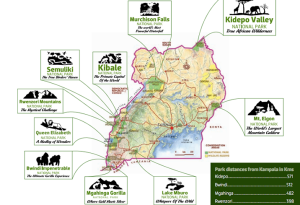
| Queen Elizabeth NP | 3-4 hours | 2-3 days | Tree-climbing lions, savanna safari |
| Kibale Forest | 6-7 hours | 2 days | Chimpanzee trekking (best in Africa) |
| Murchison Falls NP | 10+ hours | 3-4 days | Nile boat cruise, powerful waterfall |
| Jinja | 8+ hours | 2-3 days | Source of Nile, white water rafting |
Sample Combined Itineraries
7-Day Gorillas + Chimps:
Day 1-2: Travel to Kibale, chimp trekking
Day 3-4: Travel to Bwindi Impenetrable Forest, gorilla trekking
Day 5: Lake Bunyonyi relaxation
Day 6-7: Return to Entebbe, depart
10-Day Gorillas + Safari:
Day 1-2: Arrive Entebbe, drive to Queen Elizabeth NP
Day 3-4: Safari in Queen Elizabeth (tree-climbing lions!)
Day 5: Drive to Bwindi Impenetrable Forest
Day 6: Gorilla trekking
Day 7: Lake Bunyonyi
Day 8-10: Return to Entebbe, depart
The Honest Add-On Truth: “Most travelers add 2-3 days for either Lake Bunyonyi (relaxation) or Queen Elizabeth (safari). Kibale chimps are incredible but require extra travel time. Don’t try to do everything—you’ll exhaust yourself. Pick one or two add-ons max.”
Health, Safety & Insurance – What You Must Know
Uganda is safe. But you need to prepare. Here’s what you absolutely must do.
Required Health Preparations
| Requirement | Details | Deadline |
|---|---|---|
| Yellow fever vaccine | Mandatory; proof required at immigration | At least 10 days before travel |
| Malaria prophylaxis | Strongly recommended; Bwindi is high-risk area | Begin before travel; consult doctor |
| Routine vaccines | Typhoid, hepatitis A, tetanus, polio | Weeks before travel |
Safety in Uganda
For tourists: Uganda is very safe. Gorilla trekking regions are heavily patrolled. Violent crime against tourists is extremely rare.
Common sense precautions:
Don’t walk alone at night in cities
Keep valuables secure
Use registered tour operators
Listen to your guide
Travel Insurance – NOT Optional
Why you absolutely need it:
Medical evacuation from Bwindi Impenetrable Forest costs $50,000+
Trekking injuries (twisted ankles, falls) happen
Trip cancellation protects your gorilla trekking permit investment
What your policy must cover:
Medical evacuation (minimum $100,000 coverage)
Trekking/hiking at altitude (2,500m+)
Trip cancellation/interruption
Emergency medical expenses
The Honest Safety Truth: “Uganda is safe. The biggest risks are twisted ankles, stomach issues, and malaria (if you skip prophylaxis). All are manageable with preparation. Don’t let fear stop you. But don’t be stupid either—get the insurance, take the meds, listen to your guide.”
Photography Tips – Capturing the Hour
You’ll want to remember this forever. Here’s how to take photos you’ll actually want to look at.
Camera Gear Recommendations
| Experience Level | Recommended Gear |
|---|---|
| Smartphone only | iPhone or flagship Android; portrait mode works well |
| Enthusiast | Mirrorless camera with 70-200mm lens |
| Pro | DSLR/mirrorless with 100-400mm or 70-200mm f/2.8 |
Camera Settings
| Setting | Recommendation |
|---|---|
| Mode | Aperture Priority (A/Av) or Shutter Priority (S/Tv) |
| Aperture | f/2.8 – f/5.6 (as wide as possible) |
| Shutter speed | Minimum 1/250s to freeze movement |
| ISO | Auto (up to 3200-6400 as needed) |
| Focus | Continuous AF (eye tracking if available) |
Ethical Photography Rules
| Rule | Why |
|---|---|
| No flash | Disturbs gorillas |
| Stay 7 meters away | Protects gorillas from disease |
| No sudden movements | Gorillas may perceive as threat |
| Listen to guide | They may tell you to move or stop |
The Honest Photography Truth
“The best camera is the one you have. I’ve seen iPhone photos that made me cry and pro photos that missed the moment. Focus on being present first, capturing second. The gorillas will give you moments. Don’t watch them through a screen the whole time.”
Cultural Etiquette – Respecting Uganda
You’re a guest. Here’s how to be a good one.
Do’s
| Do | Why |
|---|---|
| Greet people | “Hello, how are you?” goes far |
| Ask before photographing people | Basic respect |
| Dress modestly in villages | Conservative culture |
| Learn a few words | “Webale” (thank you), “Oli otya” (how are you?) |
| Support local crafts | Buy souvenirs directly from artisans |
Don’ts
| Don’t | Why |
|---|---|
| Don’t give money to children | Encourages begging culture |
| Don’t photograph military/police | Illegal |
| Don’t walk alone at night | General safety |
| Don’t expect fast service | “Africa time” is real; be patient |
Tipping Etiquette
| Role | Suggested Tip |
|---|---|
| Gorilla guide | $10-20 per trekker |
| Porter | $10-15 |
| Driver (per day) | $10-15 |
| lodge staff (per day) | $5-10 |
| Trackers (shared) | $5-10 per trekker (pooled) |
The Honest Cultural Truth: “Ugandans are among the warmest people I’ve met anywhere. Smile. Be patient. Say thank you. These small gestures matter more than you know.”
Frequently Asked Questions (Everything Else You’re Wondering)
I’ve answered these questions hundreds of times. Here’s what you need to know.
General Questions
Is gorilla trekking safe?
Yes. Armed rangers accompany every trek. Gorillas are habituated and not aggressive. The biggest risk is the hike itself (slips, falls).
What if I don’t find the gorillas?
Less than 1% of treks fail to find gorillas. If it happens, you get a gorilla trekking permit refund. But trackers go ahead of you—they know exactly where the gorillas slept.
Can I trek if I’m pregnant?
Consult your doctor. The trek is strenuous, and medical evacuation from Bwindi Impenetrable Forest is limited. Most operators will not accept pregnant travelers.
What age can children trek?
Minimum 15 years old. No exceptions.
Do I need to be vaccinated for yellow fever?
YES. Non-negotiable. You will be denied entry without proof.
Logistics Questions
How far in advance should I book?
Peak season: 6-12 months. Low season: 2-3 months.
Can I book a gorilla trekking permit on arrival?
Technically yes for low season. Extremely risky for peak season. Don’t do this.
What’s the cancellation policy?
Non-refundable.
Do I need a visa?
Yes. E-visa available online. Apply weeks before travel.
Money Questions
Can I use credit cards in Bwindi Impenetrable Forest?
Almost never. Bring cash (USD or UGX).
What bills are accepted?
USD bills must be post-2020, crisp, unfolded. Rejected if marked or torn.
How much cash should I bring?
$300-500 for tips, porters, souvenirs, emergencies.
Physical Questions
How fit do I need to be?
Moderate fitness. Can you walk 3-6 hours on uneven, steep, muddy ground? If yes, you’re fine.
Can I hire help?
YES. Porter for $15-20. Best money you’ll spend.
Do I really need gaiters?
YES. Every first-timer who skips them regrets it.
Your Complete Planning Checklist – Ready to Book?
Gorilla trekking permit: I’ve confirmed availability for my dates and budgeted $800
Budget: I’ve calculated total trip cost ($1,400-2,500) including hidden costs
Season: I’ve chosen my preferred month based on weather, crowds, and price
Accommodation: I’ve booked or budgeted for lodging in Bwindi Impenetrable Forest
Transport: I’ve arranged transport from Entebbe to Bwindi Impenetrable Forest
packing: I have (or will rent) gaiters, waterproof pants, broken-in boots
Health: I’ve scheduled yellow fever vaccine, malaria prophylaxis, and travel insurance
Visa: I’ve applied for or will apply for e-visa
Cash: I’ve budgeted $300-500 for tips, porters, emergencies
Add-ons: I’ve decided whether to extend beyond gorillas
I’m ready to book with confidence
The Peak – What 15 Years and 500 Treks Has Taught Me
Here’s what 15 years and 500 treks through Bwindi Impenetrable Forest has taught me about gorilla trekking:
The planning is the hardest part.
Not the trek. Not the mud. Not the long drive.
The anxiety before you book. The dozens of tabs open on your browser. The conflicting advice on forums. The fear that you’ll forget something important. The worry that you’re not fit enough, not prepared enough, not ready enough.
I’ve watched hundreds of first-timers go through this. And I’ve watched every single one of them—every single one—come back from the forest transformed.
Here’s what they say:
“Why did I worry so much?”
“It was easier than I expected.”
“I would do it again tomorrow.”
“Nothing prepared me for that hour.”
So here’s my advice to you:
Stop planning. Start booking.
You have enough information now. You know the gorilla trekking permit costs $800. You know to hire a porter. You know to bring gaiters and waterproof pants. You know to travel in dry season if you want easier conditions, or wet season if you want solitude and savings.
You know enough.
The rest—the uncertainty, the anxiety, the what-ifs—will dissolve the moment you step into that forest. The mud will be mud. The rain will be rain. And the gorillas will be waiting.
They don’t care if you’re perfectly prepared.
They only care that you came.
So come.
Your Next Step
You’ve read the complete guide now. Gorilla trekking permit. Costs. Best time. packing. Trekking day. Accommodation. Add-ons. Safety. FAQs.
But reading isn’t the same as booking. And booking is the only thing standing between you and that hour with the gorillas.
At Travel Giants Uganda, we’ve guided over 500 treks. We’ve answered every question. Solved every problem. Eased every anxiety. We know exactly what you need—and what you don’t.
Ready to stop planning and start going?
Email us at inf@travelgiantsuganda.com with:
Your preferred travel dates (or flexibility)
Your group size
Your budget range
Any specific questions still on your mind
We’ll check gorilla trekking permit availability, recommend accommodation, arrange transport, and walk you through every step. No pressure. No hidden fees. Just honest help from people who have done this 500 times.
The forest is waiting. The gorillas are waiting. And you have everything you need to go.
Let’s make it happen.
Published for 2026 travel planning. Last updated: January 2026.
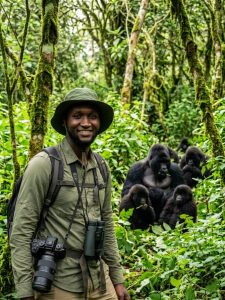
By Charles Lubega | Senior Gorilla Trekking Safari Tourist Guide, Travel Giants Uganda
15 Years | Thousands of Gorilla Trekking Permits Booked | Uganda & Rwanda Gorilla Trekking Safari Specialist
- All Posts
- and Territories
- honeymoon and relationship safaris
- Our Blog
- Regional Deep Dives Districts
- SEO
- tourism after elections
- Towns
- wildlife species
- Back
- Plan My Trip
- Gorillas & Wildlife
- top count down
- Why choose Uganda
- Adventure & Specific Activities
- Practical Travel Tips & Logistics
- Deep Dives into Specific Parks & Regions
- Combining Uganda with Neighboring Countries
- Photography & Special Interests
- Seasonal & Event-Based Tours
- Luxury & Specialized Travel Advice
- Food & Local Cuisine
- Budget & Affordable Travel
- Solo & Group Travel
- Conservation & Ethical Tourism
- Specific Interests & Hobbies
- Planning & Preparation
- Travel in Seasonal & Weather-Specific conditions
- Family-Focused & Multi-Generational Travel
- Photography & Videography Deep Dives
- Transportation & Getting Around
- Specific Wildlife & Birding Focus
- Wellness & Relaxation
- Business & Professional Travel
- Cultural & Historical Deep Dives
- Special Events & Festivals
- Accessibility & Special Needs Travel
- Unique Accommodation & Stays
- Adventure Sports & Extreme Activities
- Romantic Getaways & Honeymoons
- Digital Nomads & Remote Work
- Student & Educational Travel
- Photography Tours & Workshops
- Health & Wellness Retreats
- Luxury Experiences & VIP Travel
- Short Trips & Weekend Getaways
- Specific Interests & Hobbies (Part 2)
- Seasonal Wildlife Viewing
- Overland & Road Trip Adventures
- Community-Based Tourism
- Spiritual & Religious Tourism
- Academic & Research Tourism
- Accessible Adventure Travel
- Nightlife & Entertainment
- Luxury Camping & Glamping
- Photography Hides & Blinds
- Multi-Generational Family Travel
- Volunteer & Conservation Tourism
- Business & Investment Tourism
- Special Interest Groups
- Solo Travel & Specialized Experiences
- Luxury Train & Unique Transport Safaris
- Extreme Adventure & Challenge Travel
- Cultural Immersion & Learning Vacations
- Special Dietary Requirement Travel
- Photography & Visual Arts Specializations
- Spiritual & Wellness Retreats
- Academic & Educational Focus
- Special Event & Festival Travel
- Bespoke & Custom Experience Design
- GORILLA TREKKING
- WILDLIFE SAFARIS
- Regional Deep Dives: Districts
- Towns
- and Territories
Understanding Eco-Friendly Practices for Safaris Top Eco-Friendly Lodges and Accommodations in Uganda Eco-Conscious Safari Activities Best Practices for Responsible Travel...
There is a moment on every Ugandan safari when a guide stops the vehicle, points at a shape in the...

There is a monkey in Uganda’s forests that is more abundant than the chimpanzees, more acrobatic than the mangabeys, and...
There is a monkey in Uganda’s forests that most travellers hear long before they see. Its call — a distinctive...
There is a country in East Africa where you can see more primate species in a single forest than in...
There is a sound in Uganda’s forests that stops travellers in their tracks. It begins as a low, rhythmic bark...
There is an animal in Uganda that is hunted not for its horns, not for its tusks, and not for...

There is an animal in Uganda that looks like it was assembled from spare parts. It has the snout of...
There is a creature in Uganda’s forests that most safari-goers never see — not because it is rare, but because...
