
Introduction: The Art of Packing for the Pearl of Africa
The excitement is building—you’ve booked your flights, secured those coveted gorilla trekking permits, and dreamt of the moment you lock eyes with a mountain gorilla in the misty forests of Bwindi. But as departure day approaches, a familiar question arises: “What on earth do I pack for a safari in Uganda?” This single question can turn anticipation into anxiety. Pack too much, and you’re burdened with heavy bags and excess fees. Pack too little, and you risk being uncomfortable, unprepared, or worse, missing a critical item in the remote African wilderness.
Fear not. This comprehensive 4,000-word guide is your definitive solution. We’ve distilled decades of safari expertise from the team at Travel Giants International Ltd into the ultimate, no-stress packing checklist. We’ll move beyond generic “what to pack” lists to provide a strategic, systematic approach tailored to Uganda’s unique climates (from the cool highlands to the warm savannah), diverse activities (gorilla trekking, game drives, boat safaris), and essential health considerations. This guide incorporates current travel trends like sustainable packing and tech essentials, ensuring you’re prepared for the modern safari experience. By the end, you’ll pack with confidence, knowing you have everything you need for a seamless, comfortable, and unforgettable Ugandan adventure.
Table of Contents
-
The Golden Rules: 5 Foundational Packing Principles
-
Clothing: Mastering the Layering System for Every Climate
-
The Core Layering System Explained
-
Tops, Bottoms & Outerwear: A Detailed Checklist
-
The Neutral Color Code: Why It Matters
-
-
Footwear: Choosing the Right Shoes for Every Terrain
-
Health, Safety & Essential Documents
-
The Non-Negotiable Health Kit
-
Sun & Insect Protection: Your First Line of Defense
-
Documents & Money: Keeping it Organized
-
-
Safari Gear & Technology: Enhancing Your Experience
-
Specialized Packing: Gorilla & Chimpanzee Trekking
-
Luggage Strategy & Pro Packing Tips
-
Packing Checklist: The Ultimate Summary Table
-
Conclusion: Ready for Adventure
1. The Golden Rules: 5 Foundational Packing Principles
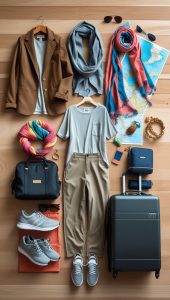
Before you open a suitcase, internalize these core tenets. They will inform every packing decision.
-
Layers, Not Bulky Items: Uganda’s weather is dynamic. Mornings on a game drive can be chilly, afternoons on the equator are warm, and evenings can be cool again. Dressing in lightweight, breathable layers (base, mid, outer) is the ultimate strategy for comfort.
-
Neutral Colors are Non-Negotiable: Leave bright whites, bold blues, and black at home. Opt for khaki, olive green, beige, brown, and other muted, earthy tones. These colors are less disruptive to wildlife, attract fewer insects (especially tsetse flies), and hide dust remarkably well.
-
Versatility Over Volume: Every item should serve at least two purposes. Convertible hiking pants, a sarong that doubles as a scarf or beach cover, and a buff that can be a headband, neck gaiter, or dust mask are your best friends.
-
The “Test Drive” Rule: Never, ever pack brand-new, unworn shoes or gear. Break in your hiking boots for weeks before your trip. Test your camera equipment, backpack, and rain jacket. A safari is not the place for unexpected blisters or malfunctions.
-
Pack for the Experience, Not a Fashion Show: Comfort, practicality, and functionality are your primary goals. Quick-dry, durable fabrics will serve you far better than delicate cottons or stiff denim.
2. Clothing: Mastering the Layering System for Every Climate
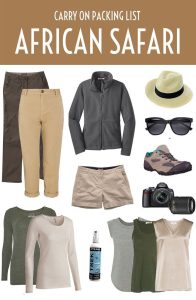
2.1 The Core Layering System Explained
-
Base Layer (Wicks Moisture): Lightweight, breathable fabric (merino wool or synthetic) worn next to your skin to move sweat away. Think long or short-sleeved tops.
-
Mid Layer (Provides Insulation): A lightweight fleece, down vest, or sweater that traps heat. Crucial for early mornings and evenings.
-
Outer Layer (Protects from Elements): A lightweight, packable waterproof and windproof jacket (Gore-Tex or similar). This is your shield against sudden downpours and wind.
2.2 Tops, Bottoms & Outerwear: A Detailed Checklist
| Category | Item | Quantity | Material & Features | Why You Need It |
|---|---|---|---|---|
| Tops | Long-sleeved shirts | 3-4 | Lightweight, quick-dry, neutral colors | Sun protection, insect barrier, looks presentable. |
| Short-sleeved shirts/t-shirts | 2-3 | Moisture-wicking, breathable | For warm afternoons and relaxing at the lodge. | |
| Lightweight fleece or sweater | 1-2 | Merino wool or polyester fleece | Essential mid-layer for warmth. | |
| Bottoms | Convertible hiking pants | 2-3 | Quick-dry, durable, zip-off legs | The ultimate versatile safari item. |
| Lightweight trousers/leggings | 1-2 | Comfortable, stretchy | For travel days and evenings. | |
| Outerwear | Waterproof rain jacket | 1 | Lightweight, packable, hooded | Non-negotiable for Uganda’s showers. |
| Lightweight down/puffa jacket (Optional) | 1 | Packable | For very cold mornings in high-altitude areas. | |
| Head & Hands | Wide-brimmed safari hat | 1 | With chin strap | Vital sun protection. The strap prevents it from flying off. |
| Buff or multi-functional scarf | 1-2 | Synthetic | Protects neck/dust; can be used as headband, etc. | |
| Lightweight gloves (fleece) | 1 pair | For chilly morning game drives. |
2.3 The Neutral Color Code: Why It Matters
The advice to wear neutral colors is not arbitrary. Bright colors and white can startle animals, making them harder to observe and potentially altering their natural behavior. Dark colors like black and navy blue attract heat and are magnets for tsetse flies in certain areas. Earth tones allow you to blend into the environment, creating a more respectful and rewarding wildlife viewing experience.
3. Footwear: Choosing the Right Shoes for Every Terrain
-
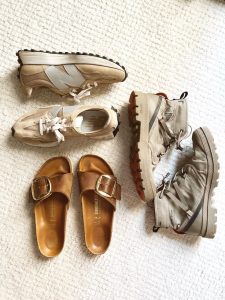
Primary Hiking Boots (1 pair): Waterproof, ankle-supporting hiking boots are the single most important footwear item. They are essential for gorilla/chimp trekking on muddy, uneven, and steep trails. They must be broken in.
-
Camp/Lodge & Travel Shoes (1-2 pairs):
-
Sturdy Sandals: Like Tevas or Keens, for relaxing, showers, and warmer days.
-
Comfortable Sneakers: For travel days and casual wear.
-
-
Socks: Pack several pairs of merino wool or synthetic hiking socks. They wick moisture, prevent blisters, and resist odor. Include a few pairs of casual socks.
4. Health, Safety & Essential Documents
4.1 The Non-Negotiable Health Kit
Consult a travel clinic 6-8 weeks before departure. Your kit should include:
-
Prescriptions & Preventatives: All personal medications (in original bottles), malaria prophylaxis (prescribed by your doctor), a broad-spectrum antibiotic, anti-diarrheal, antihistamine, decongestant, pain/fever reliever (ibuprofen/acetaminophen).
-
First-Aid Supplies: Variety of bandages, blister pads (Compeed), antiseptic wipes, gauze, medical tape, tweezers, small scissors, digital thermometer, oral rehydration salts.
-
Hygiene: Hand sanitizer (60%+ alcohol), wet wipes (a safari staple), tissues, lip balm with SPF.
4.2 Sun & Insect Protection: Your First Line of Defense
-
Sunscreen: High SPF (50+), water-resistant, and lots of it. The equatorial sun is intense.
-
Insect Repellent: A DEET-based repellent (20-50% concentration) for exposed skin. Consider treating your clothing with permethrin spray before you travel for added protection against mosquitoes and ticks.
4.3 Documents & Money: Keeping it Organized
-
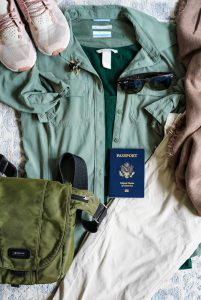
Travel Documents: Passports (valid 6+ months), Yellow Fever vaccination certificate (mandatory), Uganda e-visa printout, travel insurance documents, flight itineraries, tour confirmations.
-
Money: A mix of clean, newer US Dollars (bills 2013 or later) for major expenses and tips, and a debit/credit card (Visa is more widely accepted). Notify your bank of travel plans. Use a money belt or neck wallet for security.
5. Safari Gear & Technology
-
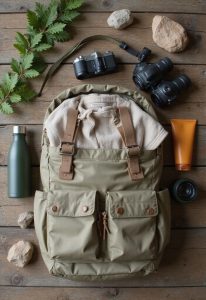
Optics: A good pair of binoculars (8×42 or 10×42) is essential for wildlife viewing. Consider a compact pair for kids.
-
Camera Gear: A DSLR or mirrorless camera with a zoom lens (70-300mm or similar) is ideal. Don’t forget extra memory cards, batteries, and a protective bag.
-
Power & Light: Universal travel adapter (UK Type G plugs are standard), high-capacity power bank, and a headlamp with a red-light setting (preserves night vision and is less disturbing to wildlife).
-
Daypack: A sturdy, comfortable daypack for game drives to carry water, camera, layers, sunscreen, and binoculars.
6. Specialized Packing: Gorilla & Chimpanzee Trekking
These activities require additional, specific items:
-
Gardening Gloves: Lightweight, tough gloves for grasping vegetation during your trek.
-
Gaiters (Optional): Help keep mud and debris out of your boots.
-
Waterproof Backpack Cover: To protect your camera and gear from rain and moisture in the forest.
-
Trekking Poles (Optional): Can be rented locally, but helpful for stability on steep trails.
7. Luggage Strategy & Pro Packing Tips
-
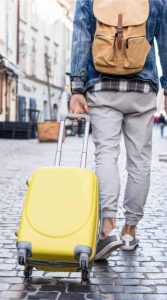
Luggage Type: Soft-sided duffel bags or hybrid wheeled duffels are ideal. They are easier to fit into safari vehicle hatches and small aircraft cargo holds than hard-shell suitcases. Strict weight limits (often 15-20kg) apply on internal charter flights.
-
Packing Method: Use compression packing cubes to organize by category/person and save space. Roll clothes instead of folding to minimize wrinkles.
-
The “Last Day” Bag: Pack a small, separate bag with the outfit, pajamas, and toiletries you’ll need for your final night and travel home. This prevents you from having to rummage through your main packed bag.
8. Packing Checklist: The Ultimate Summary Table
| Category | Item | Essential? | Notes |
|---|---|---|---|
| Clothing | Long-sleeved shirts (neutral) | ✅ | 3-4. Quick-dry fabric. |
| Short-sleeved shirts | ✅ | 2-3. | |
| Convertible hiking pants | ✅ | 2-3 pairs. | |
| Lightweight fleece/sweater | ✅ | 1-2. Mid-layer. | |
| Waterproof jacket | ✅ | 1. Packable. | |
| Wide-brimmed hat with strap | ✅ | 1. | |
| Underwear & socks | ✅ | Quick-dry recommended. | |
| Sleepwear | ✅ | 1-2 sets. | |
| Footwear | Hiking boots (broken in) | ✅ | 1 pair. Ankle support, waterproof. |
| Camp shoes/sandals | ✅ | 1 pair. | |
| Health & Docs | Passport & Copies | ✅ | +6 months validity. |
| Yellow Fever Certificate | ✅ | Mandatory for entry. | |
| Uganda e-Visa | ✅ | Printout. | |
| Travel Insurance Docs | ✅ | With emergency numbers. | |
| Malaria Tablets | ✅ | As prescribed. | |
| Comprehensive First-Aid Kit | ✅ | Include personal meds. | |
| High-SPF Sunscreen | ✅ | Water-resistant. | |
| DEET Insect Repellent | ✅ | 20-50% concentration. | |
| Gear & Tech | Binoculars | ✅ | 8×42 or 10×42. |
| Camera with Zoom Lens | ✅ | + extra batteries/cards. | |
| Power Bank & Adapter | ✅ | UK Type G adapter. | |
| Headlamp (red light) | ✅ | Essential for nights. | |
| Reusable Water Bottle | ✅ | 1-liter minimum. | |
| Trekking Specific | Gardening Gloves | ✅✅ (For Trekking) | For gorilla/chimp treks. |
| Waterproof Backpack Cover | ✅✅ (For Trekking) | Protects gear in forest. |
9. Conclusion: Ready for Adventure
Packing for a Uganda safari is the first tangible step of your journey. By following this systematic, expert-backed guide, you transform a potential source of stress into a confident and exciting prelude to adventure. You’ll arrive prepared for every climate, activity, and unforgettable moment—from the misty gorilla encounter to the golden savannah sunset.
Remember, the goal is not to pack your entire home, but to pack your freedom—the freedom to be comfortable, safe, and fully immersed in the wonder of the Pearl of Africa.
Still have questions about your specific itinerary or needs? The team at Travel Giants International Ltd is here to provide personalized advice. With our on-the-ground expertise, we can offer the final, tailored tips to ensure your packing is perfect.
Your adventure awaits, and it starts with a perfectly packed bag.
What to Read Next
-
How to Plan a Uganda Safari: A Step-by-Step Guide – The perfect companion piece to start your planning journey.
-
Best Time to Visit Uganda: A Month-by-Month Guide – Plan your packing around the perfect season for your trip.
-
Uganda with Kids: A Family-Friendly Safari Guide – Get specific packing and planning tips for traveling with children.
-
Beyond the Safari: 10 Unforgettable Cultural Experiences – Discover what else to prepare for beyond wildlife viewing.
-
Is Uganda Safe? An Honest Look at Safety for Tourists – Important context for your travel preparations.
External Resources & Further Reading
-
Centers for Disease Control and Prevention (CDC) – Uganda Travel Health Notice: Authoritative health advice and vaccination requirements.
https://wwwnc.cdc.gov/travel/destinations/traveler/none/uganda -
Uganda Wildlife Authority (UWA): Official source for park rules and trekking guidelines.
https://ugandawildlife.org/ -
REI Co-op Safari Packing Checklist: A great general checklist from an outdoor gear expert.
https://www.rei.com/learn/expert-advice/safari-packing-checklist.html -
Lonely Planet – Uganda Packing List: Practical, traveler-tested advice.
https://www.lonelyplanet.com/articles/what-to-pack-for-uganda -
Travel Fashion Girl – Safari Packing List: Focus on versatile, stylish travel clothing for women.
https://www.travelfashiongirl.com/what-to-wear-on-an-african-safari/ -
The Broke Backpacker – Uganda on a Budget: Packing and tips for budget-conscious travelers.
https://www.thebrokebackpacker.com/uganda-travel-guide/ -
Photography Life – Safari Photography Gear Guide: In-depth advice on cameras and lenses for wildlife.
https://photographylife.com/safari-photography-gear -
MASTA Travel Health (UK): Another reliable source for region-specific health advice.
https://www.masta.org/ -
e-Visa Uganda Official Portal: Direct link to apply for your entry visa.
https://visas.immigration.go.ug/ -
TripAdvisor Uganda Forum: Read recent traveler questions and tips about packing and preparations.
https://www.tripadvisor.com/Forum-g293841-i9227-Uganda.html
