
Introduction: Standing at the Fountainhead of Civilization
Have you ever wondered what it feels like to stand at the literal starting point of a legend? To place your hand in waters that will travel over 4,000 miles, giving life to deserts and nurturing history’s greatest empires? In the bustling, green heart of East Africa, in a Ugandan town called Jinja, that profound moment awaits you. This is the historic and geographic Source of the Nile, the beginning of the world’s longest river and a place that has captivated explorers, dreamers, and travelers for centuries.
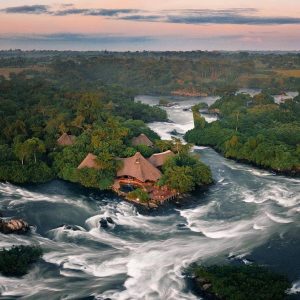
While Jinja has rightfully earned its title as the “Adventure Capital of East Africa” for its world-class white-water rafting and bungee jumping, its true soul is found in the serene, powerful flow of the Nile as it leaves Lake Victoria. A tour to the Source is more than a checklist item; it’s a pilgrimage into geography, history, and the awe of nature. This definitive, 4,000-word guide from Travel Giants International Ltd will be your compass. We’ll navigate the rich history of discovery, detail every type of boat cruise and tour available, and provide all the practical knowledge you need to plan an unforgettable journey to where it all begins.
Table of Contents
-
Part 1: The Nile’s Secret Revealed – A History of Discovery & Mystery
1.1 The Ancient Quest & Victorian Rivalry: Burton, Speke, and the Great Debate
1.2 The Modern Source: Understanding Lake Victoria & the Ripon Falls
1.3 Jinja’s Transformation: From Fishing Village to Adventure Hub -
Part 2: Your Journey to the Source – A Complete Tour Breakdown
2.1 The Classic Motorboat Cruise: The Essential Nile Experience
2.2 Private & Luxury Charters: Exclusivity on the Water
2.3 Sunset & Dinner Cruises: Romance on the Nile
2.4 Combination Adventure Tours: Rafting, Biking, and Community Visits
2.5 Specialty & Educational Tours: Birding, Photography, and Ecology -
Part 3: The Jinja Experience – Beyond the Boat Launch
3.1 Adrenaline Alley: White-Water Rafting, Bungee, and Kayaking
3.2 Cultural Immersion: Markets, Temples, and Local Life
3.3 Where to Stay & Eat: From Backpacker Hostels to Nile-Side Luxury -
Part 4: Planning Your Perfect Source of the Nile Visit
4.1 Getting to Jinja: Transport Options from Kampala & Entebbe
4.2 Best Time to Visit: Seasonal Guide for Weather & Water Levels
4.3 What to Pack & Essential Travel Tips
4.4 Booking Your Tour: DIY vs. Guided Package Advantages -
Part 5: The Ripple Effect – Conservation & Community at the Source
-
Conclusion: Your Place in the Nile’s Story
Part 1: The Nile’s Secret Revealed – A History of Discovery & Mystery
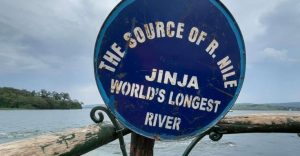
1.1 The Ancient Quest & Victorian Rivalry
For thousands of years, the source of the Nile was the world’s greatest geographical mystery. The ancient Egyptians, who depended entirely on its annual floods, deified the river but could not trace it beyond the Sudd, a vast, impassable swamp in modern-day South Sudan. The Greek historian Herodotus wrote of it, and Roman emperors sent expeditions that failed. The mystery tantalized Europe for centuries.
The drama reached its peak in the 19th century with the bitter public rivalry between two British explorers: Sir Richard Burton and John Hanning Speke. On an expedition funded by the Royal Geographical Society, the duo became the first Europeans to reach Lake Tanganyika. Stricken with illness, Burton remained in camp while Speke made a solo side trip north. On July 28, 1858, Speke stood on the shores of a vast, previously uncharted inland sea. He named it Lake Victoria, for the British monarch, and boldly declared it the long-sought source of the White Nile.
Burton vehemently disagreed, believing Lake Tanganyika to be the true source. This sparked one of the most famous scientific disputes of the era. To prove his claim, Speke returned in 1862 with another explorer, James Grant. On July 21, 1862, they reached the lake’s northern outflow near a small fishing village—Jinja. They witnessed the water spill over a natural rock formation called the Ripon Falls and begin its northward flow. Speke had found his proof. The public feud ended only with Speke’s mysterious death just before a scheduled debate with Burton, leaving the truth to be confirmed by later explorers like Sir Samuel Baker and Henry Morton Stanley.
1.2 The Modern Source: Understanding Lake Victoria & the Ripon Falls
It’s crucial to understand that the “source” is hydrological. The Nile has two major tributaries: the White Nile, starting at Lake Victoria, and the Blue Nile, originating at Lake Tana in Ethiopia. They meet in Khartoum, Sudan. The White Nile is the longer, steadier stream, and its source at Lake Victoria is the one historically sought after.
The scenic Ripon Falls that Speke saw were, tragically, submerged in 1954 with the construction of the Owen Falls Dam (now the Nalubaale Dam), built to provide hydroelectric power. While the natural cascade is gone, the geographic point where the Nile begins is immutable. Today, tours take you to a commemorative site—often called “Speke’s Point” or the “Source of the Nile Gardens”—where you can see the distinct line where the still lake waters transition into the flowing river.
1.3 Jinja’s Transformation
From that moment of discovery, Jinja’s fate was sealed. It grew as a colonial administrative and industrial town. In the 1950s, the dam project brought further development. But in recent decades, Jinja has undergone a renaissance, rediscovering its unique selling point. Leveraging its incredible location on the Nile, it has transformed into a global magnet for adventure tourism and cultural travel. The source is no longer just a historical marker; it’s the centerpiece of a vibrant tourist economy, blending heritage with heart-pounding excitement.
Part 2: Your Journey to the Source – A Complete Tour Breakdown
2.1 The Classic Motorboat Cruise: The Essential Nile Experience
This is the most popular and accessible way to visit the source. Tours typically last 60-90 minutes and depart from the Jinja Sailing Club or private docks.
-
The Experience: You’ll board a covered, stable motorboat with a local guide and captain. As you pull away from shore, the guide brings history to life, narrating the story of Speke and pointing out the exact location of the submerged Ripon Falls. The boat maneuvers to the symbolic source point, often marked by a signpost or floating marker.
-
Key Highlights:
-
Crossing the Equator: One of the tour’s unique thrills is crossing the 0° latitude line on the water. Guides often perform fun demonstrations showing the Coriolis effect.
-
Bird & Wildlife Spotting: Keep an eye out for majestic African fish eagles, pied kingfishers, and monitor lizards along the banks.
-
Disembarking at the Source Island: Most tours stop at a small island at the source. Here, you can stand for photos by the monument, plant a symbolic tree, or buy local crafts.
-
-
Best For: First-time visitors, families, photographers, and travelers who want a comprehensive, narrated introduction.
2.2 Private & Luxury Charters
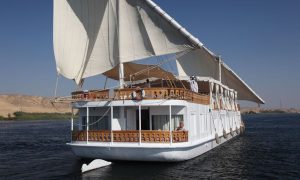
For honeymooners, small groups, or those seeking a tailored experience, private boat hire is ideal.
-
The Experience: You charter the entire boat, setting your own schedule and itinerary. You might choose to cruise further onto Lake Victoria, extend your time at the source for meditation, or combine it with a sunset viewing.
-
Luxury Options: Upscale lodges like the Jinja Nile Resort or Wildwaters Lodge offer private cruises to their guests, often with champagne service and gourmet snacks, turning the trip into a five-star experience.
-
Best For: Special occasions, privacy seekers, and travelers who value flexibility and premium service.
2.3 Sunset & Dinner Cruises
As the equatorial sun begins to dip, the Nile transforms.
-
The Experience: These cruises depart in the late afternoon. The golden hour light creates spectacular photo opportunities, painting the water and sky in brilliant oranges and purples. The pace is slower, the atmosphere serene. Some operators offer “sundowner” cruises with drinks, while a select few provide full dinner cruises under the stars.
-
Best For: Romantics, photographers, and anyone looking for a peaceful, reflective counterpoint to daytime adventure.
2.4 Combination Adventure Tours
Jinja’s tour operators are masters at packaging experiences.
-
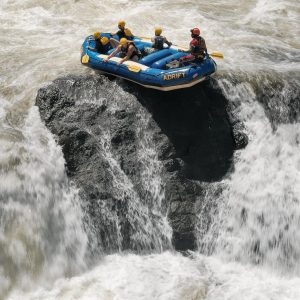
Nile Rafting & Source Combo: The quintessential Jinja day. Spend a calm morning understanding the river’s origin, then experience its raw power in the afternoon with a white-water rafting trip on the Grade 5 rapids downstream.
-
Mountain Biking & Boat Tours: Explore the lush, red-earth trails of the Jinja countryside by bike, visiting local villages and sugarcane plantations, before cooling off with the boat trip to the source.
-
Community & Cultural Combos: These tours link the natural wonder with human stories. Visit a local school, a women’s craft cooperative, or take a walking tour of Jinja’s colonial architecture before or after your cruise.
2.5 Specialty & Educational Tours
-
Birdwatching Cruises: With a specialist guide, focus on the rich avian life around the source and lake shores, seeking out rare species like the shoebill stork (in nearby wetlands) and malachite kingfishers.
-
Photography Tours: Designed for enthusiasts, these tours are timed for the best light and are led by guides who know the most photogenic angles and are patient with setting up shots.
-
Ecology & Conservation Tours: Learn about the environmental challenges facing the Nile, from water hyacinth invasive species to pollution, and visit projects dedicated to preserving the river’s health.
Part 3: The Jinja Experience – Beyond the Boat Launch
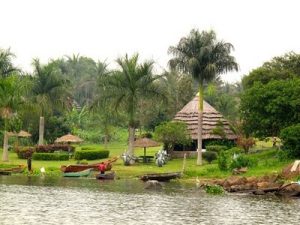
A trip to Jinja is incomplete without exploring the town’s other facets.
3.1 Adrenaline Alley
Jinja is synonymous with adventure. After your source tour, consider:
-
White-Water Rafting: Consistently ranked among the top 5 rafting experiences globally.
-
Bungee Jumping: Take a 44-meter leap of faith over the Nile with Adrift Bungee.
-
Kayaking & Stand-Up Paddleboarding: For a more personal interaction with the river.
-
Quad Biking: Explore the rugged trails and village paths along the riverbanks.
3.2 Cultural Immersion
-
Jinja Central Market: A sensory overload of colors, smells, and sounds. It’s the perfect place to see daily Ugandan life in action.
-
The Gandhi Memorial: A tranquil spot commemorating where Mahatma Gandhi’s ashes were partially scattered in the Nile, per his wishes.
-
Local Temples & Mosques: Reflect the town’s diverse religious heritage.
3.3 Where to Stay & Eat
Accommodation ranges from lively backpacker hostels like Jinja Backpackers and The Nile Porch to sublime luxury at Wildwaters Lodge (set on a private island in the Nile) or Jinja Nile Resort. For food, enjoy fresh Nile perch, local stews, or international cuisine at spots like The Deli or Kiira Sports Bar.
Part 4: Planning Your Perfect Source of the Nile Visit
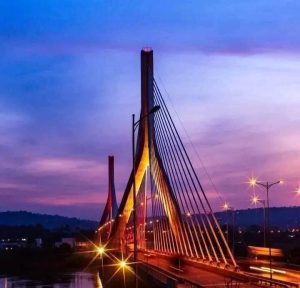
4.1 Getting to Jinja
Jinja is 80 km (50 miles) east of Kampala. The drive takes 1.5-2.5 hours depending on traffic.
-
Private Transfer: The most comfortable and recommended option. Travel Giants can arrange a private vehicle with a driver-guide.
-
Public Taxi (Matatu): A cheap but crowded local minibus experience.
-
Private Hire Taxi: Negotiate a price for a car from Kampala.
-
Domestic Flight: Charter flights can land at Jinja’s small airstrip for the ultimate in convenience.
4.2 Best Time to Visit
-
Dry Seasons (June-August & December-February): Ideal. Sunny days, lower humidity, and excellent conditions for all activities. This is peak tourist season.
-
Wet Seasons (March-May & September-November): Lush, green scenery, fewer crowds, and lower prices. Afternoon showers are common, but mornings are often clear. The river is higher and faster.
4.3 What to Pack & Essential Tips
-
Packing List: Lightweight clothing, swimwear, sturdy shoes, sunscreen, hat, insect repellent, camera, waterproof bag, and a light rain jacket.
-
Money: Have Ugandan Shillings for small purchases, tips, and market souvenirs. Many tour operators accept US dollars.
-
Health: Malaria prophylaxis is essential. Ensure your routine vaccinations are up to date.
-
Respect: Always ask permission before photographing locals. Dress modestly when away from the tourist waterfront.
4.4 Booking Your Tour
You can book upon arrival at the Jinja Sailing Club or through your accommodation. However, for a guaranteed, seamless experience—especially if coming from Kampala for a day trip—booking in advance with a reputable operator like Travel Giants International Ltd is highly advised. We handle all logistics, ensure quality guides, and can craft a perfect multi-activity day.
Part 5: The Ripple Effect – Conservation & Community at the Source
Tourism at the Source of the Nile carries a responsibility. The Nile is a vital resource for over 300 million people across 11 countries. Responsible tour operators are increasingly partnering with local conservation NGOs to address plastic pollution, promote sustainable fishing, and support reforestation projects in the Nile Basin. By choosing an operator with ethical practices, your visit contributes directly to preserving this wonder for future generations. Community tourism initiatives also ensure that the economic benefits of your tour reach local families, not just large corporations.
Conclusion: Your Place in the Nile’s Story
A tour to the Source of the Nile in Jinja is a journey through layers of time. It connects you to the ancient earth, the dramatic age of exploration, and the vibrant, adventurous present of Uganda. It’s a place where you can touch the waters that will flow through history, and then, if you choose, ride those same waters on a wave of adrenaline.
It is an experience that combines quiet awe with exhilarating action, offering a profound and personal connection to one of our planet’s most iconic natural features. Your visit writes a new line in the long, flowing story of the Nile.
Ready to begin your own expedition to the source? Let Travel Giants International Ltd craft your perfect Jinja itinerary. From private transfers and curated source tours to complete adventure packages, we ensure your journey to the beginning of the Nile is seamless, insightful, and utterly unforgettable.
Contact our adventure specialists today to start your journey.
Continue Your Uganda Adventure: What to Read Next
-
White Water Rafting the Nile in Jinja: Africa’s Ultimate Adventure – Plan the perfect adrenaline-packed day after your source tour.
-
How to Plan a Uganda Safari: A Step-by-Step Guide – Learn how to integrate Jinja into your wider Ugandan itinerary.
-
Uganda with Kids: A Family-Friendly Safari Guide – Discover why Jinja and the Source are fantastic for family travel.
-
A Solo Traveler’s Guide to Uganda: Tips for an Epic & Safe Journey – Get essential advice for exploring Jinja independently.
-
Best Time to Visit Uganda: A Month-by-Month Guide – Find the ideal season for your Jinja and Source of the Nile adventure.
External Resources & Further Reading
-
Royal Geographical Society – The Search for the Nile: In-depth historical archives on Burton and Speke.
https://www.rgs.org/ -
Jinja District Local Government – Tourism: Official local information and updates.
https://www.jinja.go.ug/tourism -
Nile River Explorers: A leading Jinja-based adventure operator offering source tours and rafting.
https://www.raftafrica.com/ -
Uganda Wildlife Authority – Mabira Forest: Info on the nearby rainforest, a great add-on to a Jinja trip.
https://ugandawildlife.org/mabira-central-forest-reserve/ -
BBC History – John Hanning Speke: A concise biography of the explorer.
https://www.bbc.co.uk/history/historic_figures/speke_john_hanningshtml -
Lonely Planet – Jinja Travel Guide: Practical tips on hotels, restaurants, and transport.
https://www.lonelyplanet.com/uganda/jinja -
The Guardian – The Nile: A History: A long-form article on the river’s geopolitical and historical significance.
https://www.theguardian.com/news/2017/dec/22/nile-river-egypt-ethiopia-history -
Adrift Adventure Company: Another top operator for rafting, bungee, and source tours.
https://www.adrift.ug/ -
NASA Earth Observatory – The White Nile: Satellite imagery and scientific data on the river’s hydrology.
https://earthobservatory.nasa.gov/images/87337/the-white-nile -
The Uganda Society – Historical Publications: Access to journals and papers on Uganda’s exploration history.
http://www.ugandasociety.org/
