
Introduction: Your Health, Your First Adventure Priority
Planning a journey to Uganda, the “Pearl of Africa,” is an exhilarating experience filled with visions of misty gorilla treks, thundering waterfalls, and golden savannahs. But before you embark on this unforgettable adventure, the single most important trip preparation you can undertake is safeguarding your health. Navigating the world of travel vaccinations, malaria prophylaxis, and tropical health precautions can seem daunting, but it is a non-negotiable foundation for a safe and worry-free safari.

This comprehensive, 4,000-word guide is your ultimate pre-travel health manual for Uganda. We will move beyond simple checklists to provide a deep, nuanced understanding of the health landscape you’ll encounter. Drawing on the latest guidelines from global health authorities, current disease prevalence statistics, and insights into Uganda’s medical infrastructure, this guide will empower you to make informed decisions. We’ll cover everything from legally required vaccinations and essential malaria prevention strategies to practical tips on food safety, managing common travel illnesses, and what to pack in your medical kit. Think of this not as a hurdle, but as the first step in your adventure—a step that ensures you are strong, protected, and ready to fully embrace the wonders of Uganda.
Table of Contents
-
The Pre-Travel Health Timeline: When to Start Planning (6-8 Weeks Out)
-
The Mandatory & The Essential: Understanding Vaccination Categories
-
The Yellow Fever Requirement: Your Golden Ticket
-
Routine Vaccinations: The Foundation
-
Strongly Recommended Vaccines: Typhoid, Hepatitis A & B, Cholera
-
Selective Vaccines: Rabies, Meningitis & Japanese Encephalitis
-
-
The Invisible Threat: A Comprehensive Guide to Malaria in Uganda
-
Understanding the Risk: Facts & Figures
-
Antimalarial Medications: Types, Pros, Cons & Choosing What’s Right for You
-
Bite Prevention: Your First and Best Defense
-
-
Common Travel Health Concerns & How to Manage Them
-
Traveler’s Diarrhea: Prevention and Treatment
-
Respiratory Illnesses & Altitude Considerations
-
Sun, Heat, and Hydration
-
Water & Food Safety: The Golden Rules
-
-
Building Your Travel Health Kit: From Band-Aids to Prescriptions
-
Healthcare in Uganda: What to Know & When to Seek Help
-
Special Considerations: Travel with Children, Chronic Conditions & Adventure Activities
-
Conclusion: A Healthy Traveler is a Happy Traveler
1. The Pre-Travel Health Timeline: When to Start Planning (6-8 Weeks Out)

The key to effective travel health preparation is time. Do not leave this to the last minute. Begin your research and consultations at least 6 to 8 weeks before your departure date. Here’s why:
-
Vaccine Schedules: Some vaccines, like the Hepatitis B series, require multiple doses administered over several weeks or months to ensure full immunity. Others, like the rabies vaccine, are given in a multi-dose pre-exposure series.
-
Medication Procurement: Prescriptions for antimalarials and antibiotics for a travel kit need to be discussed with and written by your doctor or travel clinic.
-
Specialist Appointments: Reputable travel health clinics can book up quickly, especially during peak travel seasons.
Your 8-Week Checklist:
-
Weeks 6-8: Research and schedule an appointment with a travel health specialist or your primary care physician.
-
Week 4-6: Attend your consultation, receive initial vaccines, and fill prescriptions.
-
Weeks 2-4: Receive any follow-up vaccine doses. Finalize your travel health kit.
-
Week 1: Confirm you have all medications, copies of prescriptions, and your International Certificate of Vaccination (Yellow Card).
2. The Mandatory & The Essential: Understanding Vaccination Categories
Uganda’s vaccination requirements fall into three categories: legally mandatory, universally recommended for travel, and recommended based on your specific itinerary.
2.1 The Yellow Fever Requirement: Your Golden Ticket
This is the only vaccine legally required for entry into Uganda for most travelers.
-
Why it’s Required: Uganda is classified as a country with a risk of yellow fever transmission. The government requires proof of vaccination to protect its population and prevent the importation of the virus.
-
The Proof: You must carry the original, signed International Certificate of Vaccination or Prophylaxis (ICVP), often called the “Yellow Card.” Digital copies or doctor’s notes are not accepted. You will be asked to present this card upon arrival at Entebbe International Airport.
-
Validity: The vaccine is a single dose that provides lifelong immunity. Ensure your certificate is correctly filled out and stamped by an authorized vaccination center.
2.2 Routine Vaccinations: The Foundation
Ensure you are up-to-date on all routine vaccinations, as recommended by your home country’s health authority (like the CDC in the US or NHS in the UK). These protect against diseases that may be more common in Uganda or could be spread in crowded settings.
-
Measles, Mumps, Rubella (MMR): Essential, especially with recent global outbreaks.
-
Diphtheria, Tetanus, and Pertussis (Tdap): A tetanus booster is crucial, particularly if you’ll be hiking or engaging in activities with a risk of cuts.
-
Polio: While Uganda is polio-free, being up-to-date is a standard recommendation.
-
Influenza (Flu) & COVID-19: Recommended to protect yourself and others from seasonal respiratory illnesses.
2.3 Strongly Recommended Vaccines: Typhoid, Hepatitis A & B, Cholera
These vaccines are considered standard for travel to Uganda due to the risk of exposure through contaminated food, water, or other means.
-
Typhoid: Spread through contaminated food and water. Can be administered as an injection (lasting 2 years) or oral capsules (lasting 5 years).
-
Hepatitis A: Also spread through contaminated food and water. A two-dose series provides lifelong protection.
-
Hepatitis B: Spread through blood and bodily fluids. A three-dose series is recommended for all travelers, especially those who may have medical procedures, get tattoos, or have intimate contact.
-
Cholera: The oral cholera vaccine (Vaxchora or Dukoral) is often recommended for travelers to areas with active transmission or for those with adventurous eating habits. It can also provide some short-term protection against a common strain of Traveler’s Diarrhea (ETEC).
2.4 Selective Vaccines: Rabies, Meningitis & Japanese Encephalitis
These are recommended based on specific, higher-risk activities or travel during certain seasons.
-
Rabies: Highly recommended for almost all safari-goers. Uganda has a high prevalence of rabies in domestic dogs, bats, and other mammals. A pre-exposure vaccine series does not eliminate the need for post-exposure treatment if bitten, but it simplifies emergency care (eliminating the need for hard-to-find Human Rabies Immunoglobulin) and buys crucial time to reach a medical facility. If you plan on trekking, cycling, or working with animals, this is a critical consideration.
-
Meningitis (Meningococcal): Recommended for travelers during the dry season (December-June), especially if living or working closely with local populations, or attending large gatherings.
-
Japanese Encephalitis: Generally considered low risk for most short-term tourists. May be recommended for long-term travelers or those spending extensive time in rural agricultural areas, particularly near rice paddies, during the transmission season.
3. The Invisible Threat: A Comprehensive Guide to Malaria in Uganda
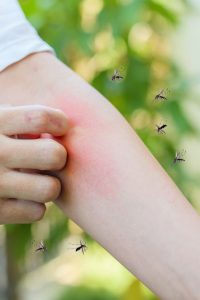
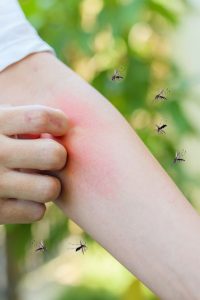
Malaria is a serious and potentially fatal mosquito-borne disease present throughout Uganda, including all safari destinations and major cities. There is no vaccine for general use, so prevention is a three-pillar strategy: medication, bite avoidance, and awareness.
3.1 Understanding the Risk: Facts & Figures
-
Uganda has one of the highest global burdens of malaria, accounting for a significant percentage of outpatient visits.
-
Transmission occurs year-round, peaking during and after the rainy seasons.
-
The risk exists from dusk until dawn, when the Anopheles mosquito that transmits malaria is active.
3.2 Antimalarial Medications: Types, Pros, Cons & Choosing What’s Right for You
You must take prescription antimalarial medication. Discuss these options with your doctor:
-
Atovaquone-Proguanil (Malarone): A popular choice. Taken daily, starting 1-2 days before travel, during your stay, and for 7 days after. Generally well-tolerated with few side effects.
-
Doxycycline: A daily antibiotic that also prevents malaria. Taken 1-2 days before, during, and for 28 days after travel. Can cause sun sensitivity and yeast infections.
-
Mefloquine (Lariam): Taken weekly, starting 2 weeks before travel. Can cause vivid dreams, anxiety, or neuropsychiatric side effects in some individuals. Requires an early start to assess tolerance.
-
Tafenoquine (Arakoda or Krintafel): A newer option. Taken as a weekly loading dose before travel, then weekly during and after. Not suitable for those with G6PD deficiency (a blood enzyme deficiency), which requires testing.
The key is consistency. Take your pills at the same time every day or week, without missing a dose.
3.3 Bite Prevention: Your First and Best Defense
Medication is not 100% effective. Bite prevention is critical.
-
Repellent: Use an EPA-registered repellent containing 20-30% DEET, Picaridin, or Oil of Lemon Eucalyptus on exposed skin. Reapply as directed.
-
Permethrin: Treat your clothing, socks, shoes, and gear (like mosquito nets) with permethrin spray. It binds to fabric and kills mosquitoes on contact for multiple washes.
-
Clothing: Wear long-sleeved shirts and long pants in the evenings, preferably in light colors.
-
Sleeping: Sleep under a long-lasting insecticide-treated bed net (LLIN) if your accommodation is not fully sealed or air-conditioned.
4. Common Travel Health Concerns & How to Manage Them
4.1 Traveler’s Diarrhea (TD)
The most common travel ailment. Caused by bacteria (most often E. coli), viruses, or parasites in contaminated food or water.
-
Prevention: Follow food and water safety rules meticulously (see below).
-
Treatment: Stay hydrated with oral rehydration salts (ORS). For moderate diarrhea, an over-the-counter anti-motility agent like loperamide (Imodium) can help. For severe diarrhea (blood, fever, dehydration), a prescription antibiotic (like azithromycin) is crucial. Discuss getting a “stand-by” antibiotic prescription with your doctor before you travel.
4.2 Respiratory Illnesses & Altitude
-
General Colds/Flu: Practice good hand hygiene. Consider bringing a mask for crowded flights or vans if you are immuno-compromised.
-
Altitude Sickness: If your itinerary includes the Rwenzori Mountains or Mgahinga Gorilla National Park, be aware of Acute Mountain Sickness (AMS). Ascend slowly, stay hydrated, and discuss the preventive medication Acetazolamide (Diamox) with your doctor.
4.3 Sun, Heat, and Hydration
The equatorial sun is intense. Use broad-spectrum SPF 30+ sunscreen, a wide-brimmed hat, and UV-protection sunglasses. Drink plenty of bottled or purified water to avoid heat exhaustion. Avoid excessive alcohol and caffeine, which can dehydrate you.
4.4 Water & Food Safety: The Golden Rules
-
Water: Drink only bottled water with an intact seal, or water that has been boiled, filtered, or chemically treated (with tablets). Avoid ice cubes.
-
Food: Eat food that is cooked and served piping hot. Avoid raw vegetables, unpeeled fruits, unpasteurized dairy, and food from street vendors (unless you can see it cooked thoroughly to order). The mantra: “Boil it, cook it, peel it, or forget it.”
5. Building Your Travel Health Kit

Pack a well-stocked kit to handle minor issues on the spot. Key items include:
-
Prescriptions: All your regular medications (in original bottles) plus antimalarials and any “stand-by” antibiotics.
-
First-Aid: Bandages, antiseptic wipes, blister pads, gauze, medical tape.
-
Medications: Pain/fever reliever (acetaminophen/ibuprofen), antihistamine, anti-diarrheal, antacid, cough/cold medicine, laxative.
-
Prevention & Care: High-DEET insect repellent, sunscreen, aloe vera gel, oral rehydration salts, hand sanitizer, lip balm with SPF.
-
Supplies: Digital thermometer, tweezers, scissors, spare glasses/contacts.
6. Healthcare in Uganda: What to Know & When to Seek Help
-
Quality of Care: Kampala and Entebbe have good private hospitals and clinics (e.g., Case Medical Centre, International Hospital Kampala – IHK) that are used to treating foreigners. Care in rural areas is extremely limited.
-
Travel Insurance: This is NON-NEGOTIABLE. Your policy must include comprehensive medical coverage, emergency medical evacuation (medevac), and repatriation. Ensure it covers high-risk activities like gorilla trekking. Carry your insurance card and emergency contact numbers at all times.
-
When to Seek Help: Seek immediate medical attention for: high fever (especially if you’ve been taking malaria pills), severe diarrhea with dehydration, animal bites, deep cuts, difficulty breathing, or any serious injury. Do not “wait and see” with potential malaria symptoms.
7. Special Considerations

-
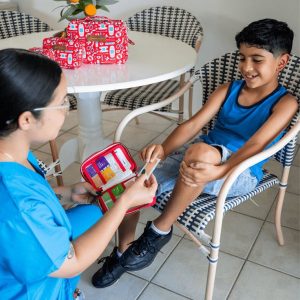
Travel with Children: Consult a pediatrician familiar with travel medicine. Vaccine schedules and antimalarial dosing are weight/age-dependent for children.
-
Chronic Conditions: If you have a pre-existing condition (diabetes, heart disease, etc.), ensure you have ample medication, a doctor’s letter, and that your travel insurance covers your condition.
-
Adventure Activities: Gorilla trekking, white-water rafting, and hiking carry inherent risks. Ensure you are physically prepared and that your insurance covers these activities.
8. Conclusion: A Healthy Traveler is a Happy Traveler

Investing time in your pre-travel health is the ultimate act of travel preparation. It empowers you to explore Uganda with confidence, knowing you have taken every reasonable step to protect your wellbeing. By following this guide, consulting with a qualified health professional, and packing a thoughtful medical kit, you transform potential worry into preparedness.
Your health is the passport to your adventure. Protect it, so you can fully immerse yourself in the profound beauty, incredible wildlife, and warm hospitality of the Pearl of Africa.
Ready to plan your healthy Ugandan adventure? Contact Travel Giants International Ltd today. While we are not medical professionals, our safari specialists can advise on itineraries that match your comfort level and connect you with resources to ensure you are fully prepared for a safe and spectacular journey.
What to Read Next on Travel Giants Uganda
-
How to Plan a Uganda Safari: A Step-by-Step Guide – Start building your perfect itinerary.
-
What to Pack for a Uganda Safari: The Ultimate Checklist – Ensure your bag includes all health and safety essentials.
-
Getting Around Uganda: A Guide to Domestic Flights, Road Travel & Transfers – Plan the logistics of your journey.
-
Best Time to Visit Uganda: A Month-by-Month Guide – Understand seasonal weather and its implications for health (e.g., mosquito activity).
-
A Solo Traveler’s Guide to Uganda: Tips for an Epic & Safe Journey – Additional safety and preparation insights for independent travelers.
External Resources & Further Reading
-
U.S. Centers for Disease Control and Prevention (CDC) – Uganda Travel Health Notice: The authoritative source for vaccination and health recommendations.
https://wwwnc.cdc.gov/travel/destinations/traveler/none/uganda -
World Health Organization (WHO) – Uganda: Health profile and disease outbreak news.
https://www.who.int/countries/uga/ -
Fit for Travel (UK NHS) – Uganda: Excellent, clear advice from the UK’s National Health Service.
https://www.fitfortravel.nhs.uk/destinations/africa/uganda -
International Society of Travel Medicine (ISTM) – Find a Clinic: Locate a certified travel health clinic near you.
https://www.istm.org/ -
Uganda Ministry of Health: Official government health portal.
http://www.health.go.ug/ -
IAMAT (International Association for Medical Assistance to Travellers): Non-profit providing health info and a directory of English-speaking doctors abroad.
https://www.iamat.org/country/uganda/risk -
The Yellow Fever Initiative (WHO): Information on the disease and vaccination.
https://www.who.int/initiatives/yellow-fever-initiative -
The Global Malaria Programme (WHO): In-depth resources on malaria prevention and treatment.
https://www.who.int/teams/global-malaria-programme -
Travel Health Pro (UK): Another detailed destination-specific resource from the UK.
https://travelhealthpro.org.uk/country/232/uganda -
CDC – Travellers’ Health: Packing List: A useful checklist for your health kit.
https://wwwnc.cdc.gov/travel/page/pack-smart
